Art
The Estate of Anna Strasberg: Hollywood's Most Devoted Marilyn Monroe Custodian
Inside the world of Anna Strasberg, the woman who preserved Marilyn Monroe's legacy and the remarkable collection she left behind.
Share



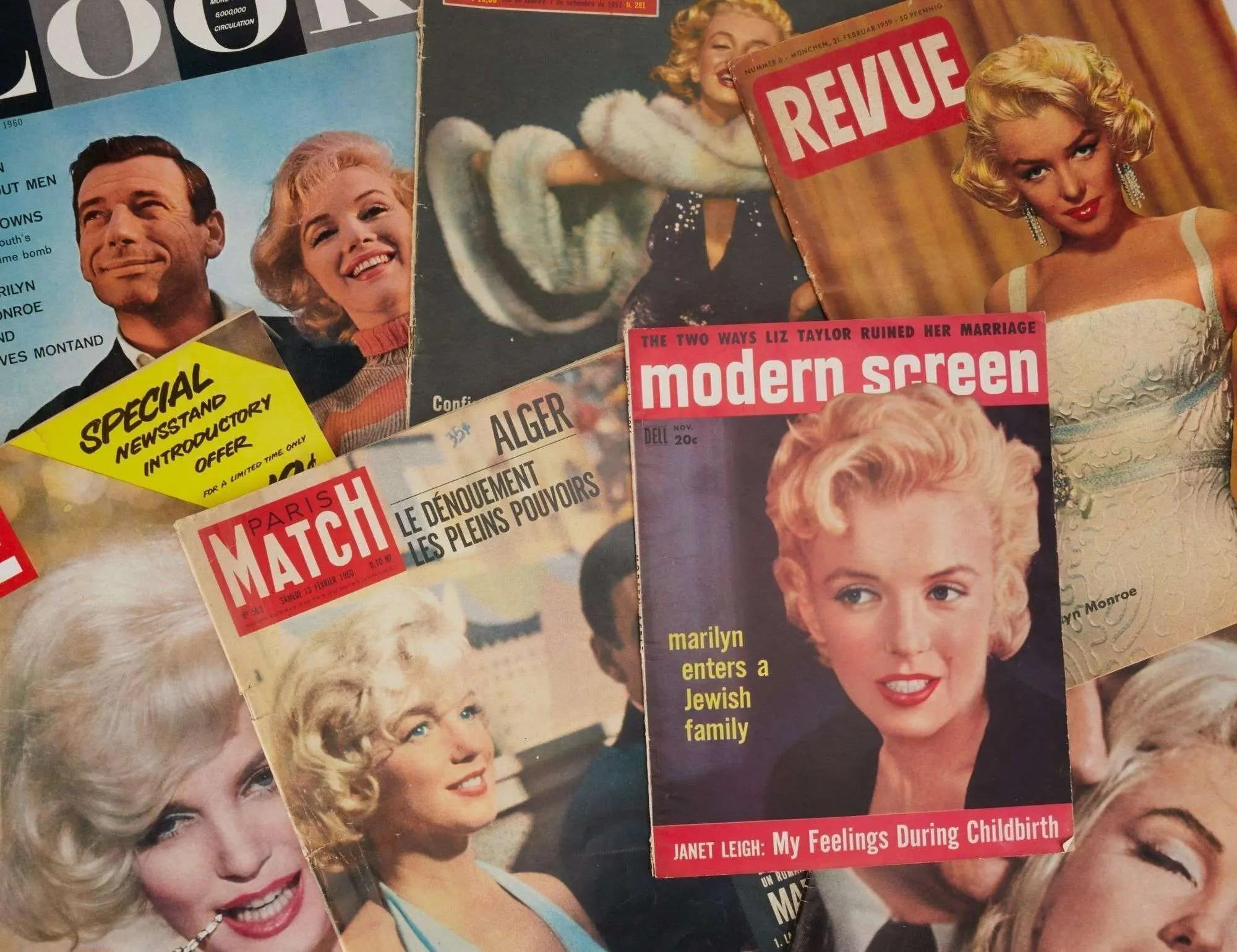
Lot #48. Marilyn Monroe | 1950s-1960s Collection of Magazines
The first time Anna Mizrahi encountered Marilyn Monroe, she was not yet Anna Strasberg. She was a young Venezuelan-born woman who had come to New York in 1960 to work at the United Nations, in the cultural department headed by Eleanor Roosevelt, a department where you were greeted in many different languages and the world felt genuinely boundless. One day, Monroe came through the office. Anna welcomed her at the door and escorted her inside. By every measure, it was merely a brief encounter. Neither woman could have foreseen what would happen next.
What it meant, in the fullness of time, was that Anna Strasberg would spend the better part of four decades as the most devoted custodian of Marilyn Monroe's memory that the world has ever known, preserving her papers, stewarding her image, and keeping the private Marilyn intact even as the public one was projected onto every surface in the culture. She was, as one Monroe collector said of her, intensely private, someone who rarely let Marilyn fans in. "She would tell me, 'I can't talk about Marilyn to anyone else. You're the only one who gets it.'"
Anna Strasberg died in January 2024 at the age of 84. What she left behind tells the story of a life lived at the center of American theatrical and cinematic history, and now, for the first time, the objects of that life are coming to light.
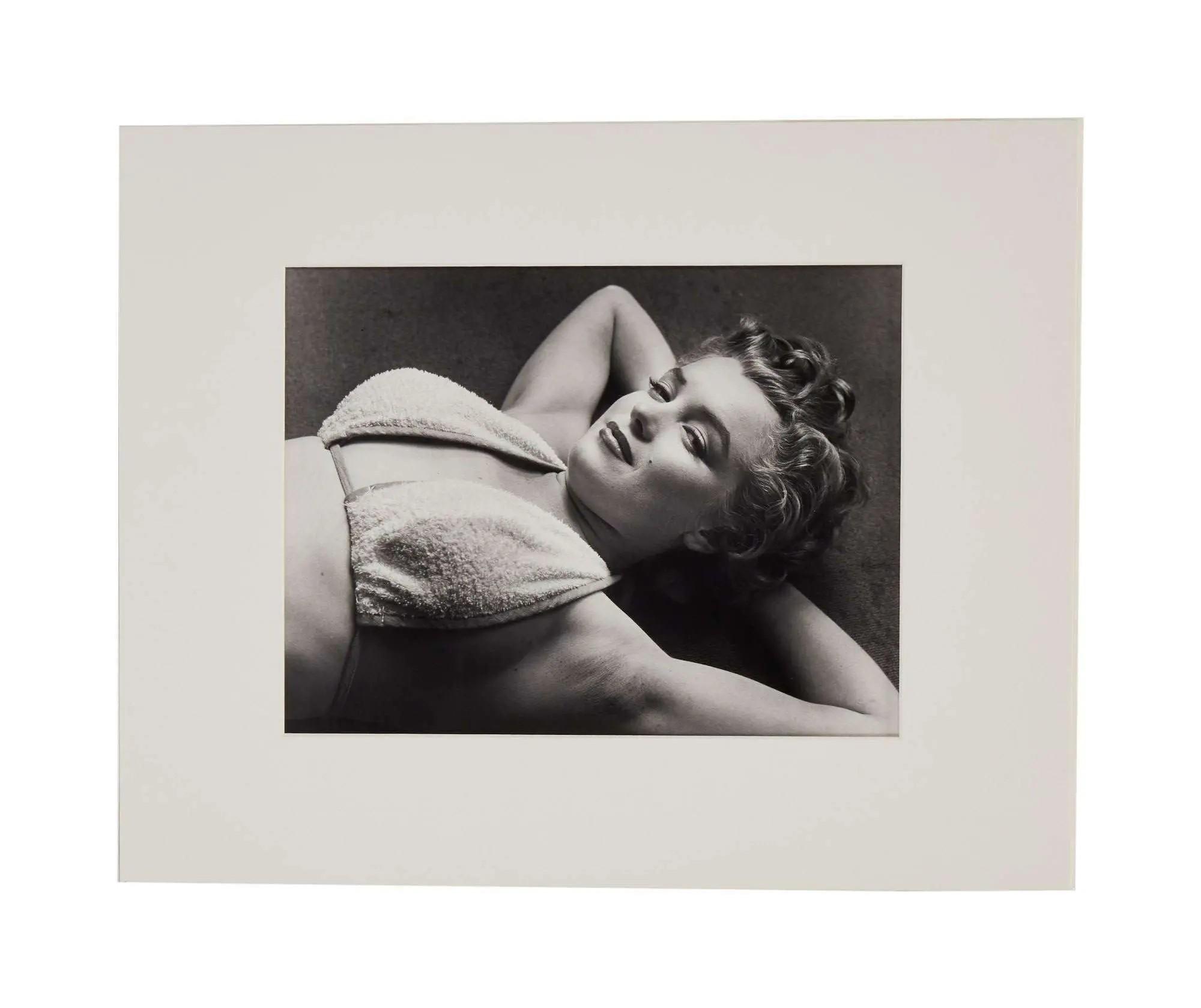
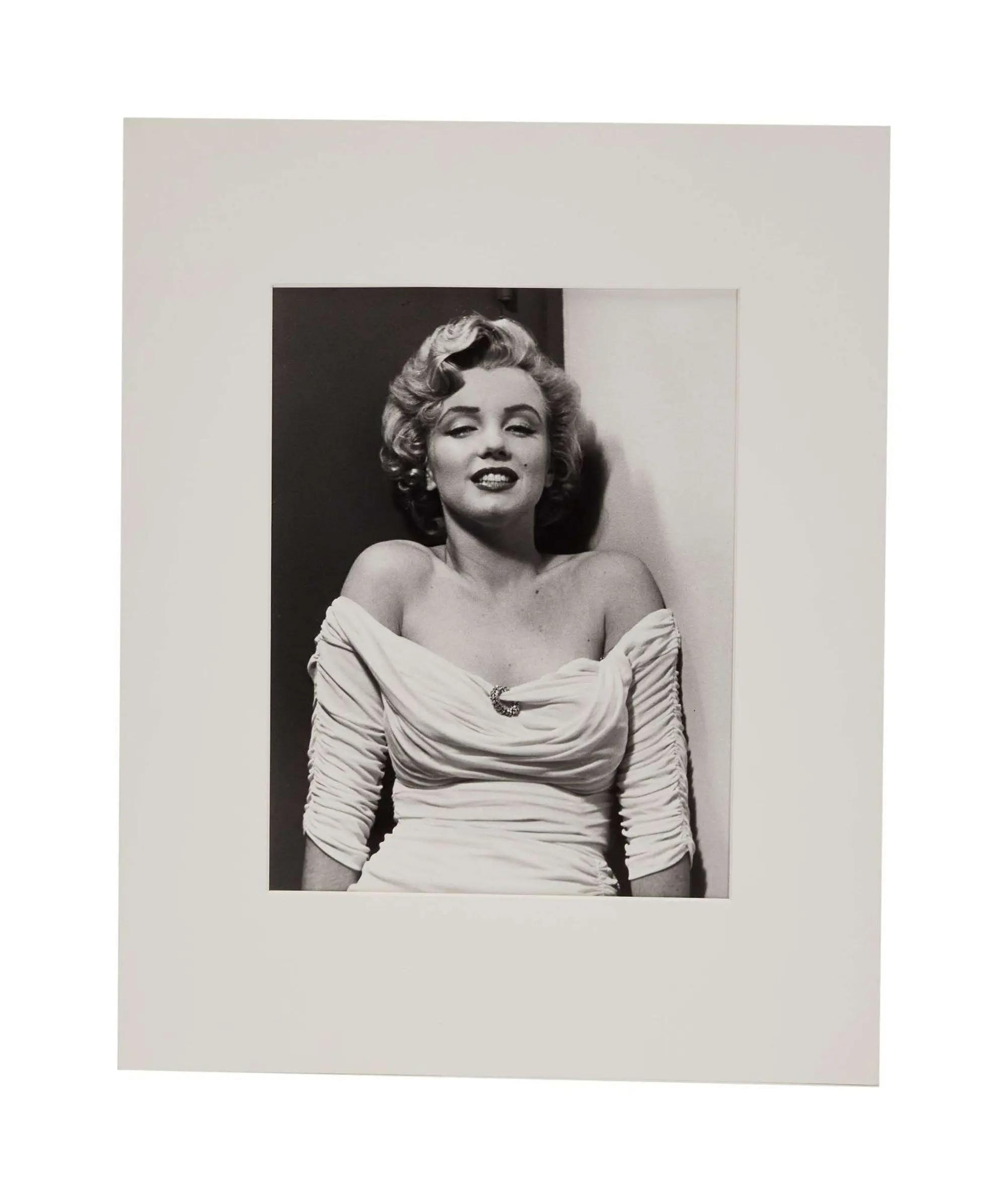
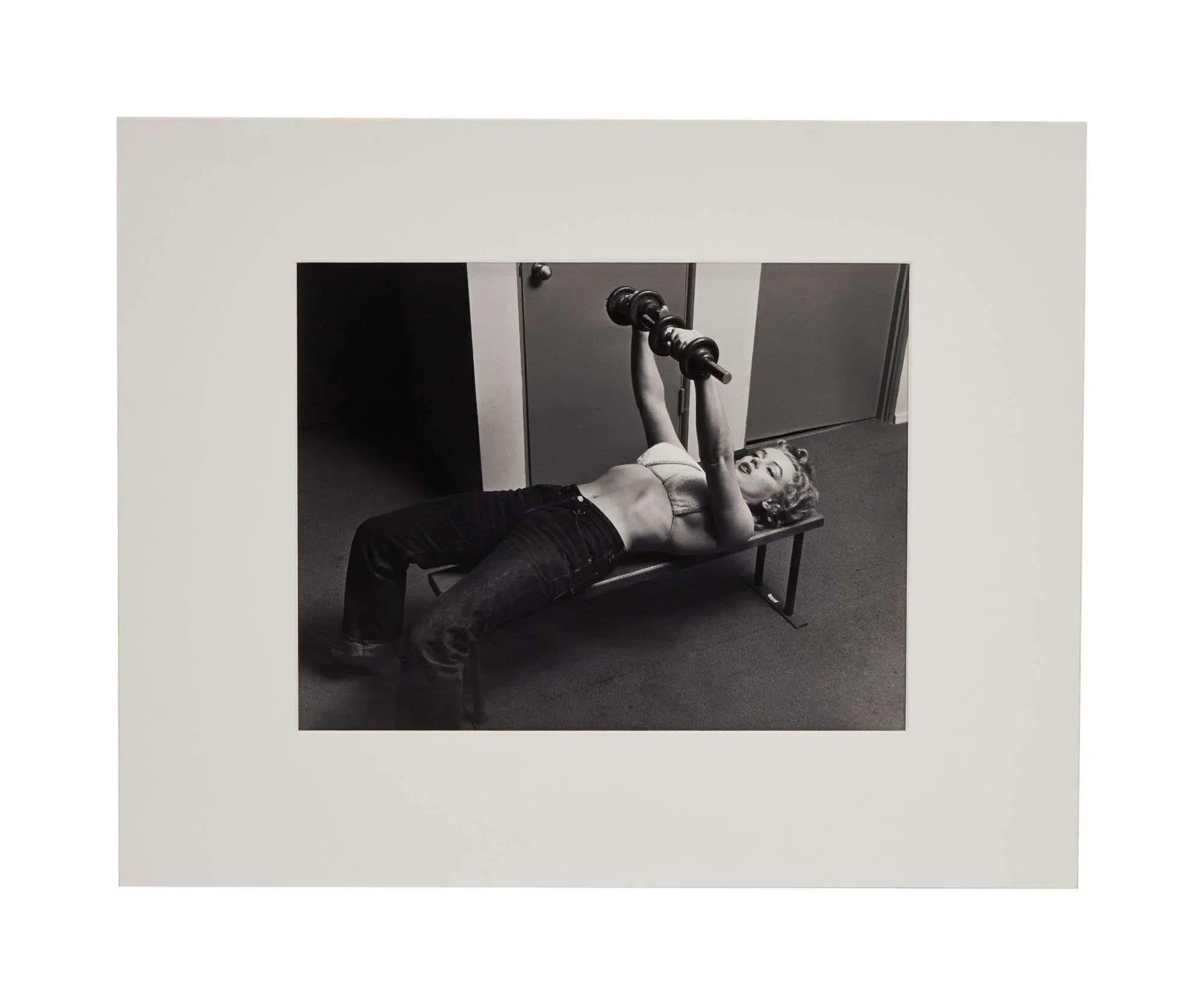
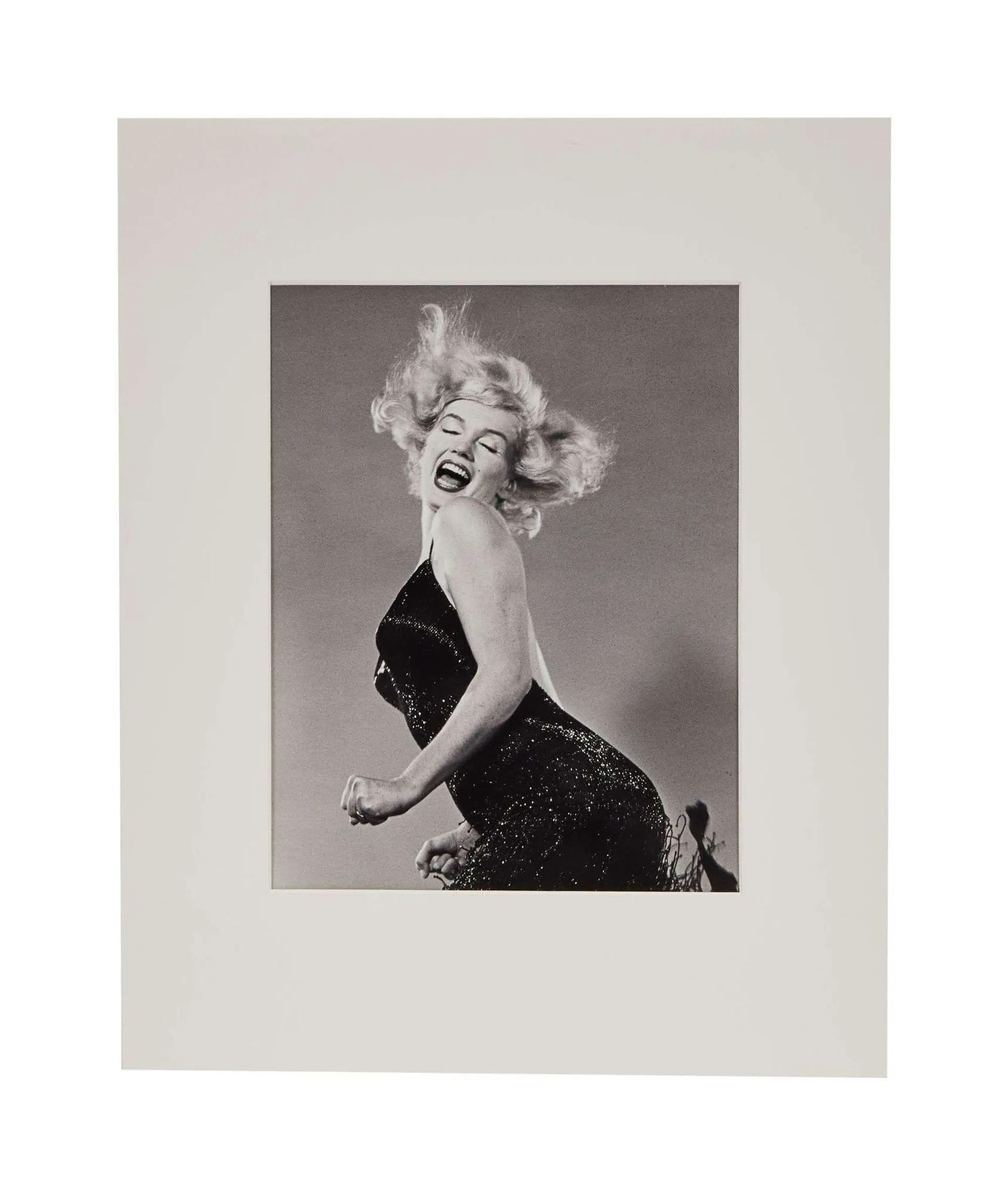
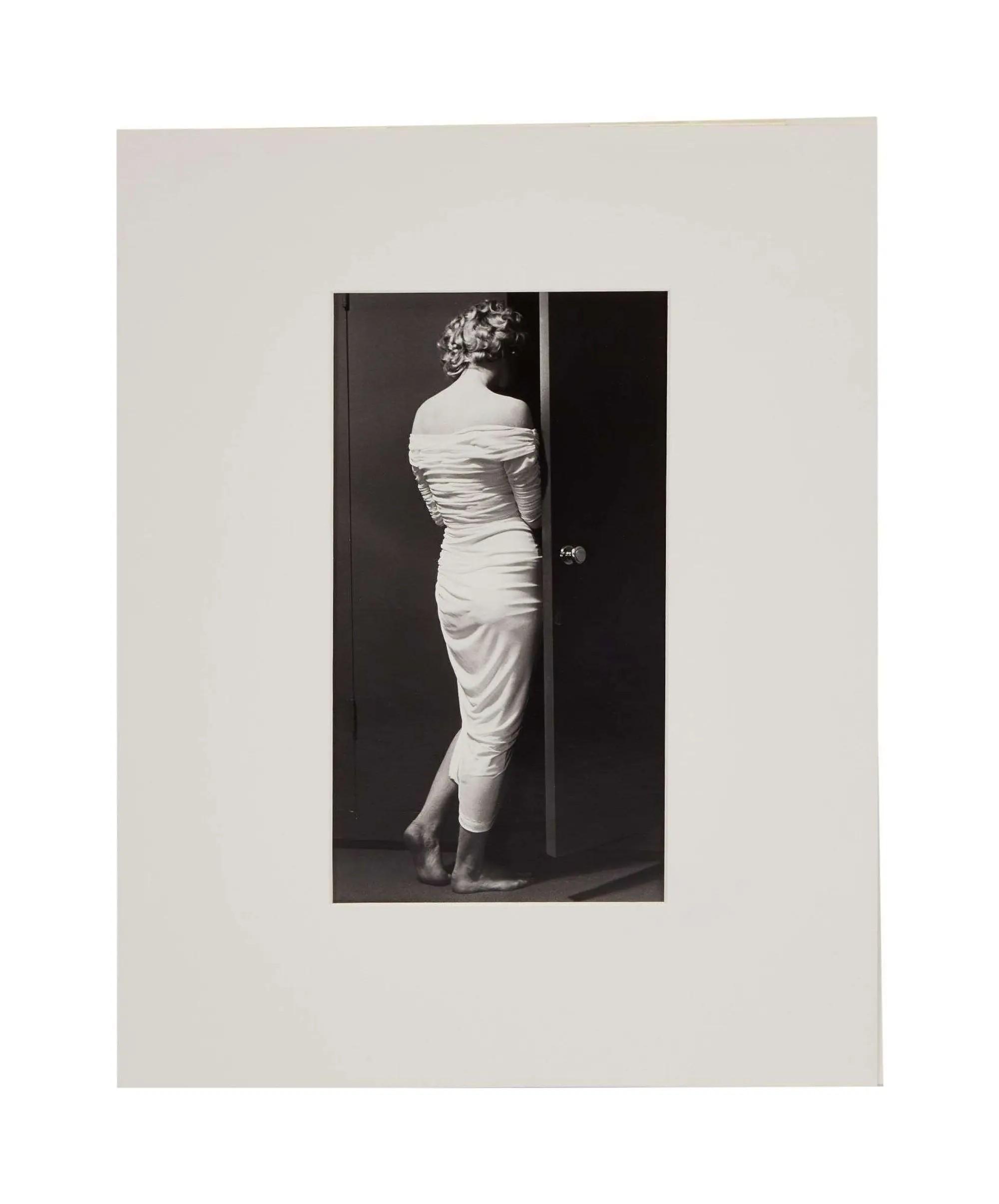
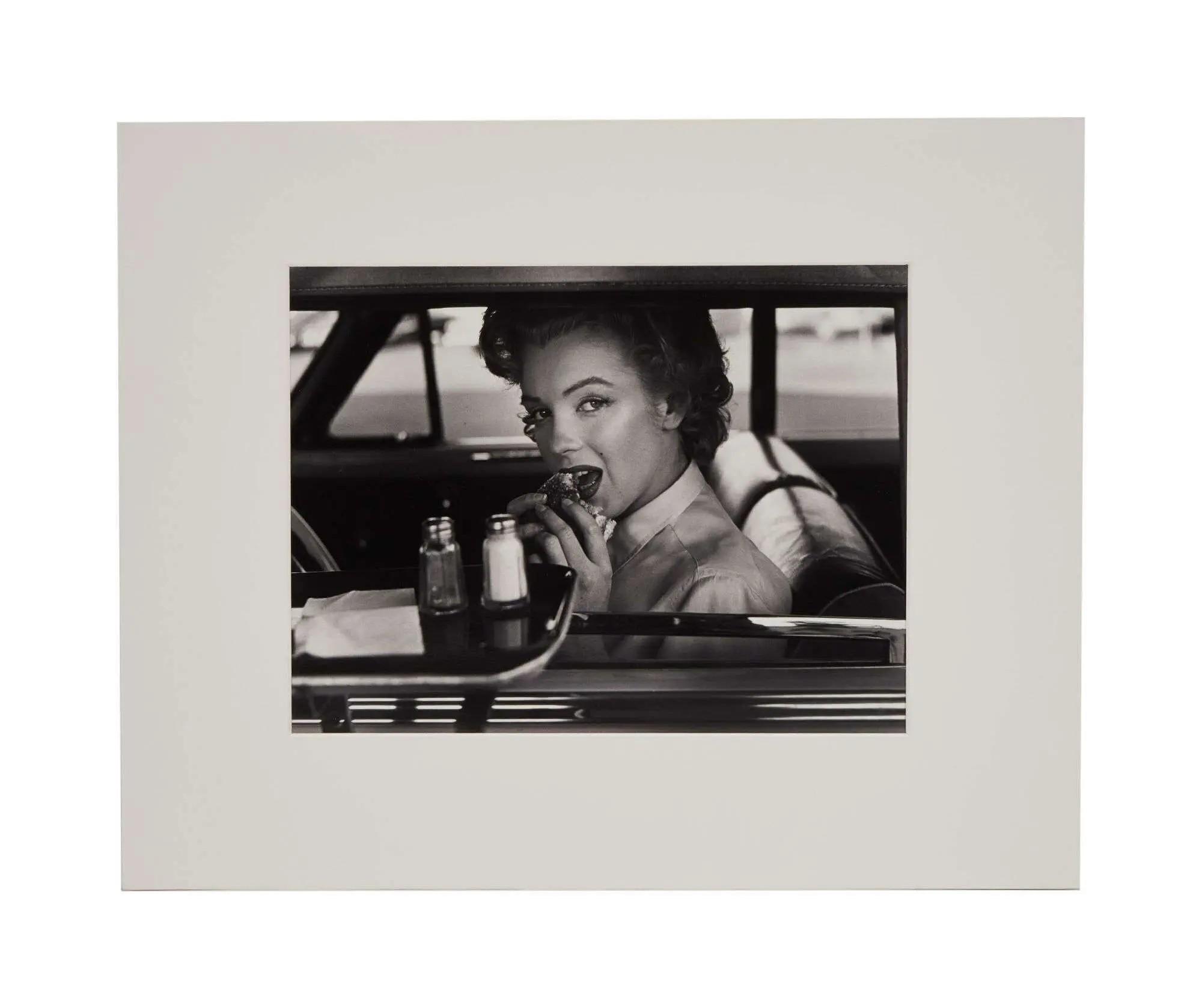
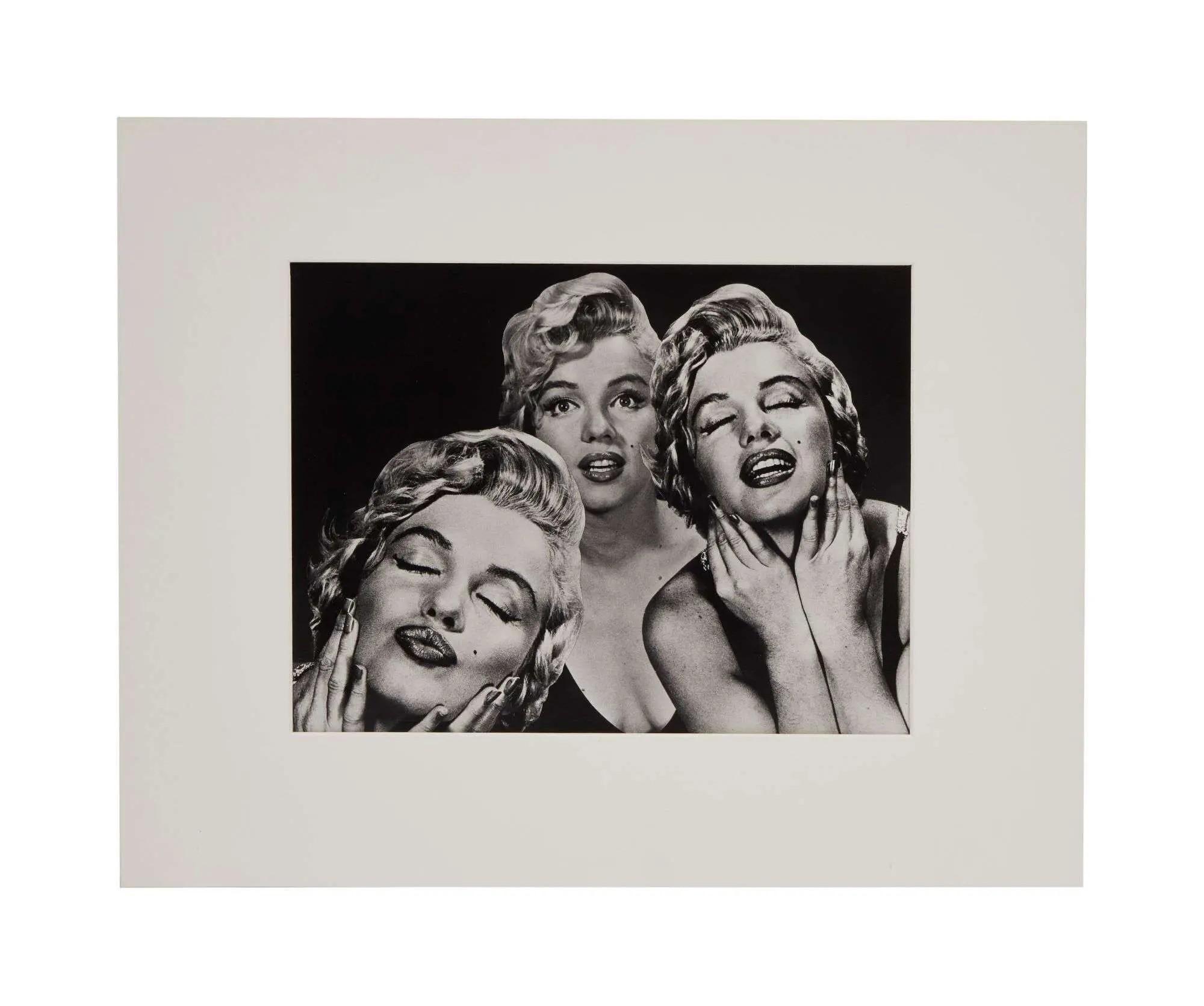
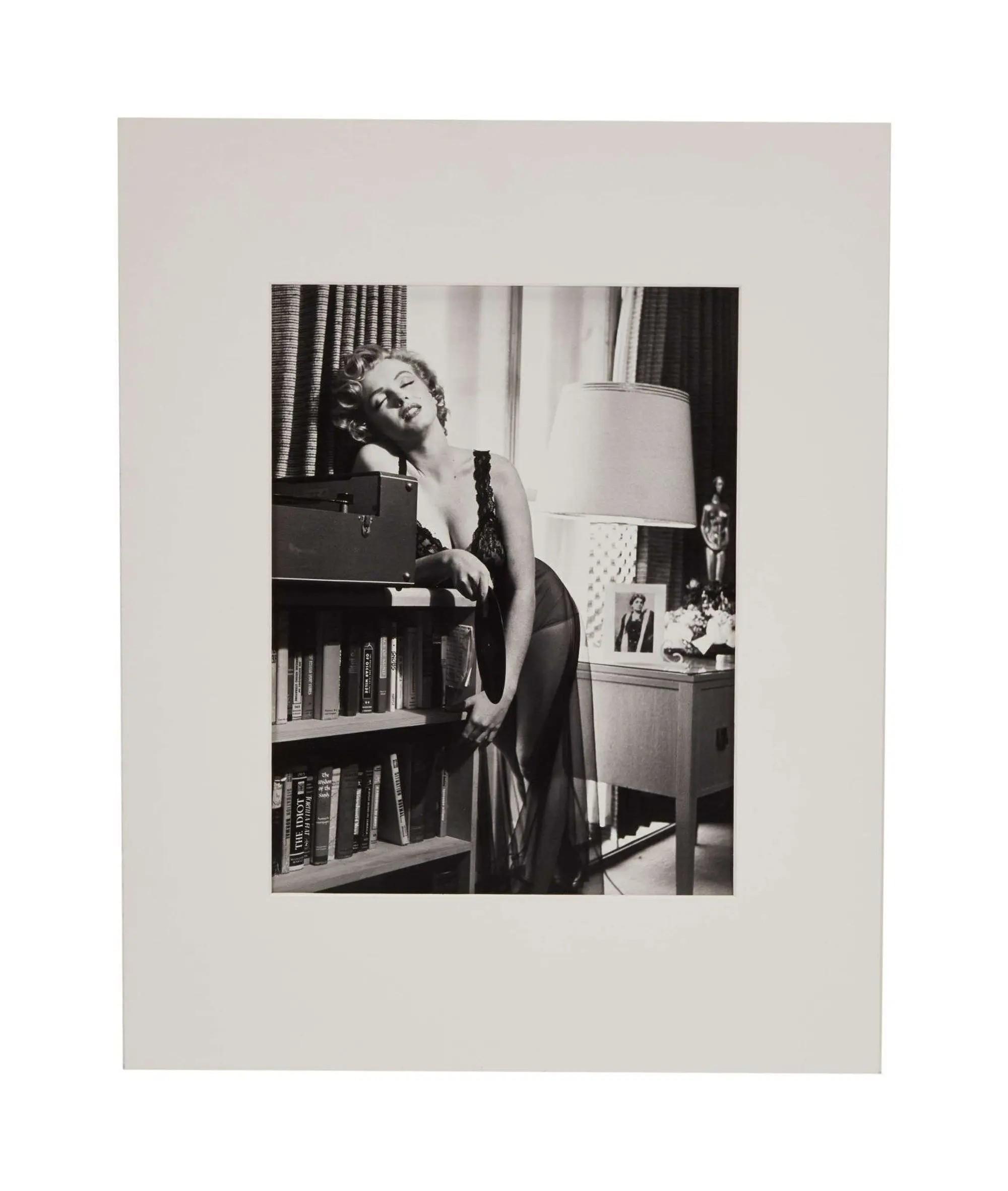
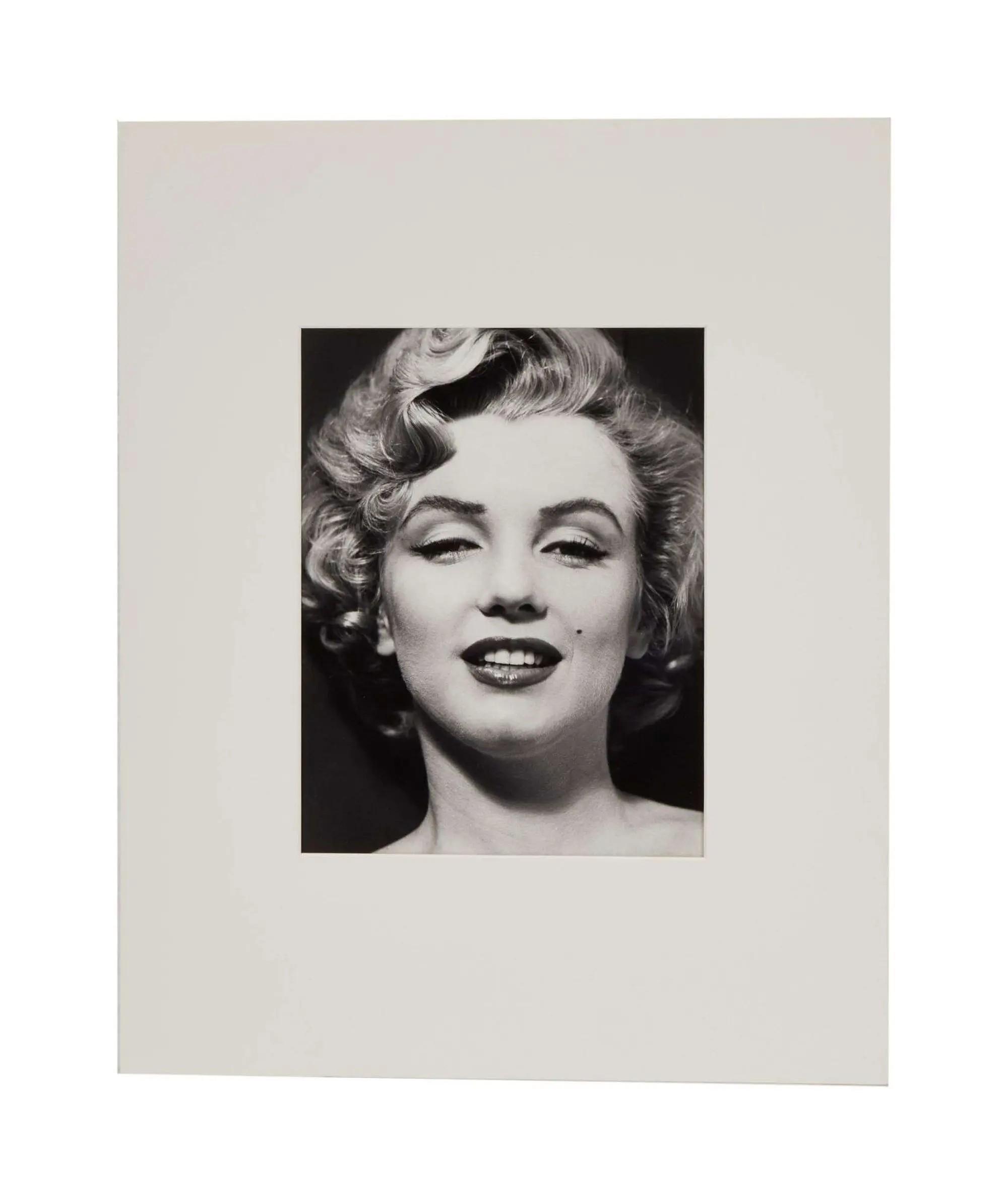
1. Lot #64. Marilyn Monroe | 1981 Limited Edition Portfolio of Black and White Photographs by Philippe Halsman,
When Access Speaks Volumes
To understand the collection Anna assembled and inherited, place yourself in the room she walked into when she auditioned for Actors Studio West in Los Angeles in the late 1960s. The Actors Studio, under Lee Strasberg's artistic direction since 1951, had trained Marlon Brando, Anne Bancroft, Dustin Hoffman, Montgomery Clift, James Dean, Marilyn Monroe, Jane Fonda, Paul Newman, Al Pacino, and Robert De Niro, among many others. It was the most consequential acting school in American history, and the man running it was its animating force.
Anna married Lee Strasberg in 1968. Together they opened the Lee Strasberg Theatre and Film Institute in 1969, with campuses in New York and Hollywood, including the Marilyn Monroe Theatre on Santa Monica Boulevard in West Hollywood. When Lee died in 1982, Monroe had already left 75 percent of her physical property and IP rights to the Strasbergs in her will. Anna inherited everything: the estate, the archive and the responsibility of managing it all.
What came with it, preserved in boxes and files and frames across two homes, were artifacts that Monroe herself had held. A letter. A script. A contract signed at the beginning of a career that would reshape what it meant to be famous.
The Papers
Among the most significant items Anna kept were documents from the final and formative chapters of Monroe's professional life. The annotated change pages from The Misfits, Monroe's last completed film, the one she made with Clark Gable and Montgomery Clift from a screenplay by Arthur Miller, carry her marks, her thoughts, evidence of the concentration she brought to a role that remains one of the most emotionally demanding performances in American cinema. That she was working at all, given the circumstances surrounding the production, was itself an act of professional devotion.
Earlier in the archive: two signed documents from 1949, both bearing Monroe's signature on contracts with the William Morris Agency, dating to the moment her career was taking shape. She was not yet famous. She was a woman signing her name to a future she could not have fully seen. The signatures on these pages predate the studio system's full claim on her, capturing something essential, a choice made at the beginning.
And then the letter from Joe DiMaggio, postmarked from approximately 1962, the final year of Monroe's life. DiMaggio and Monroe's relationship, its intensity, its fractures, his unwavering presence at the end, is one of the most closely watched in American popular culture. A private letter from him to her, in that year, is a document from the interior of a story that the public has always known only from the outside.
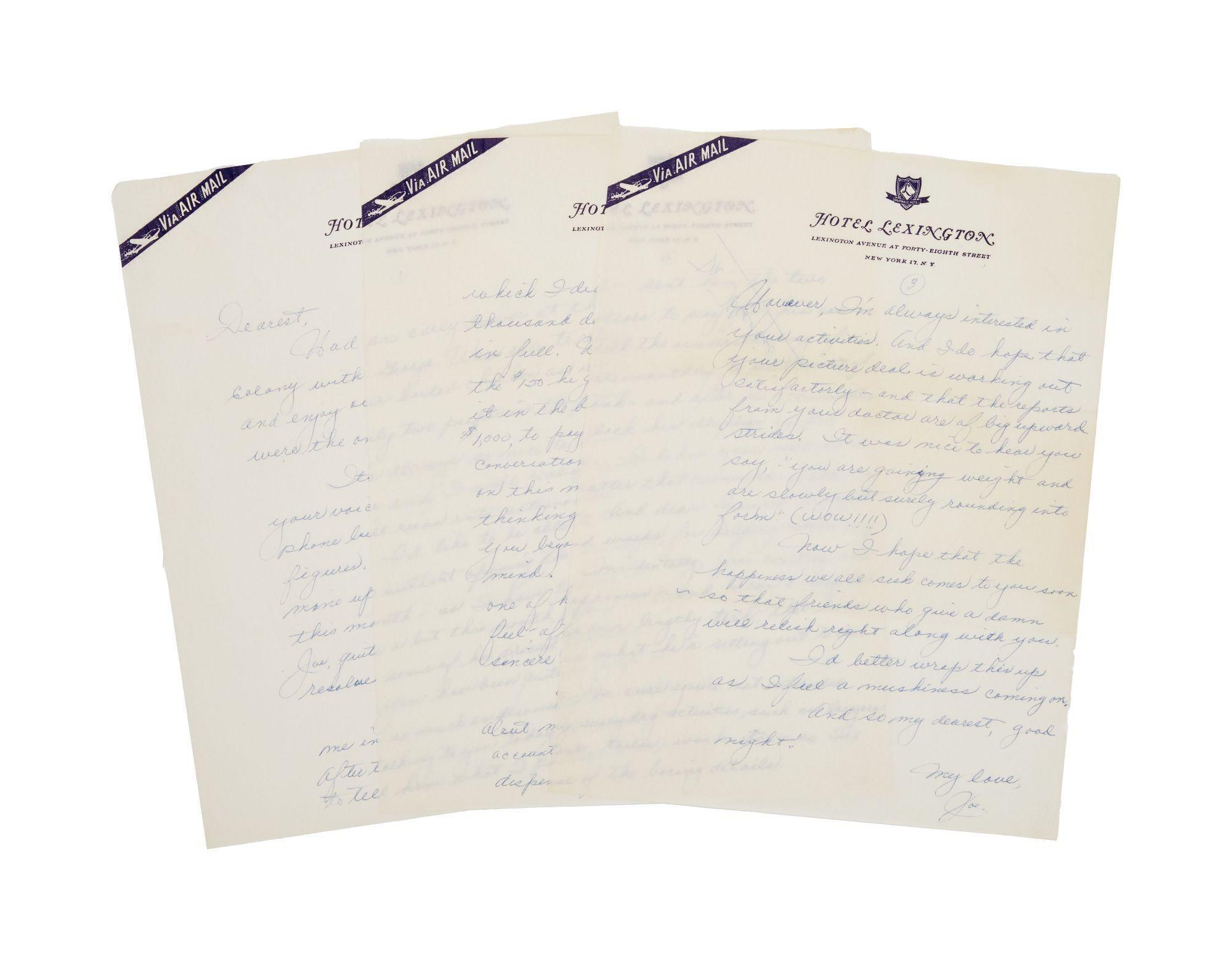
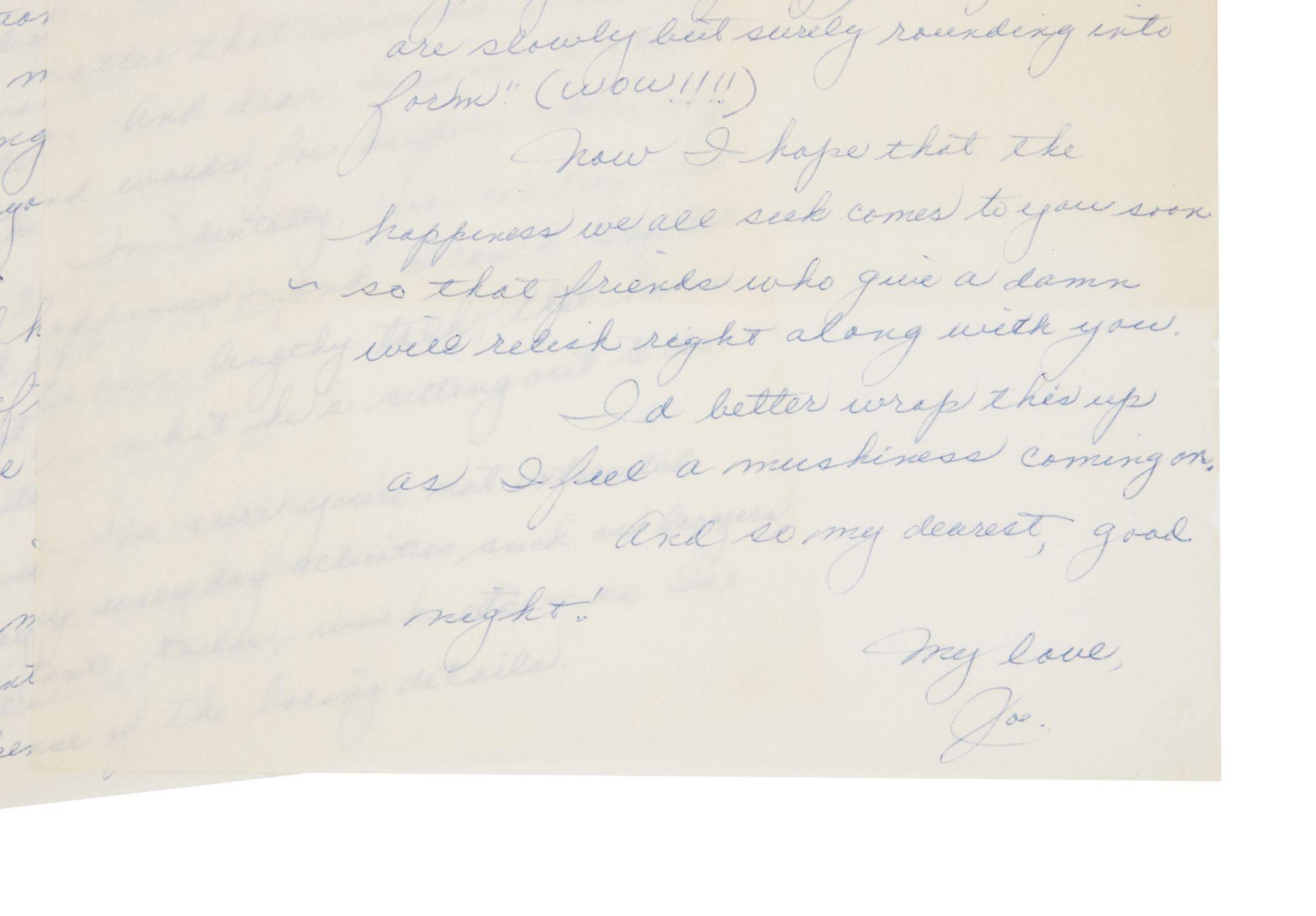
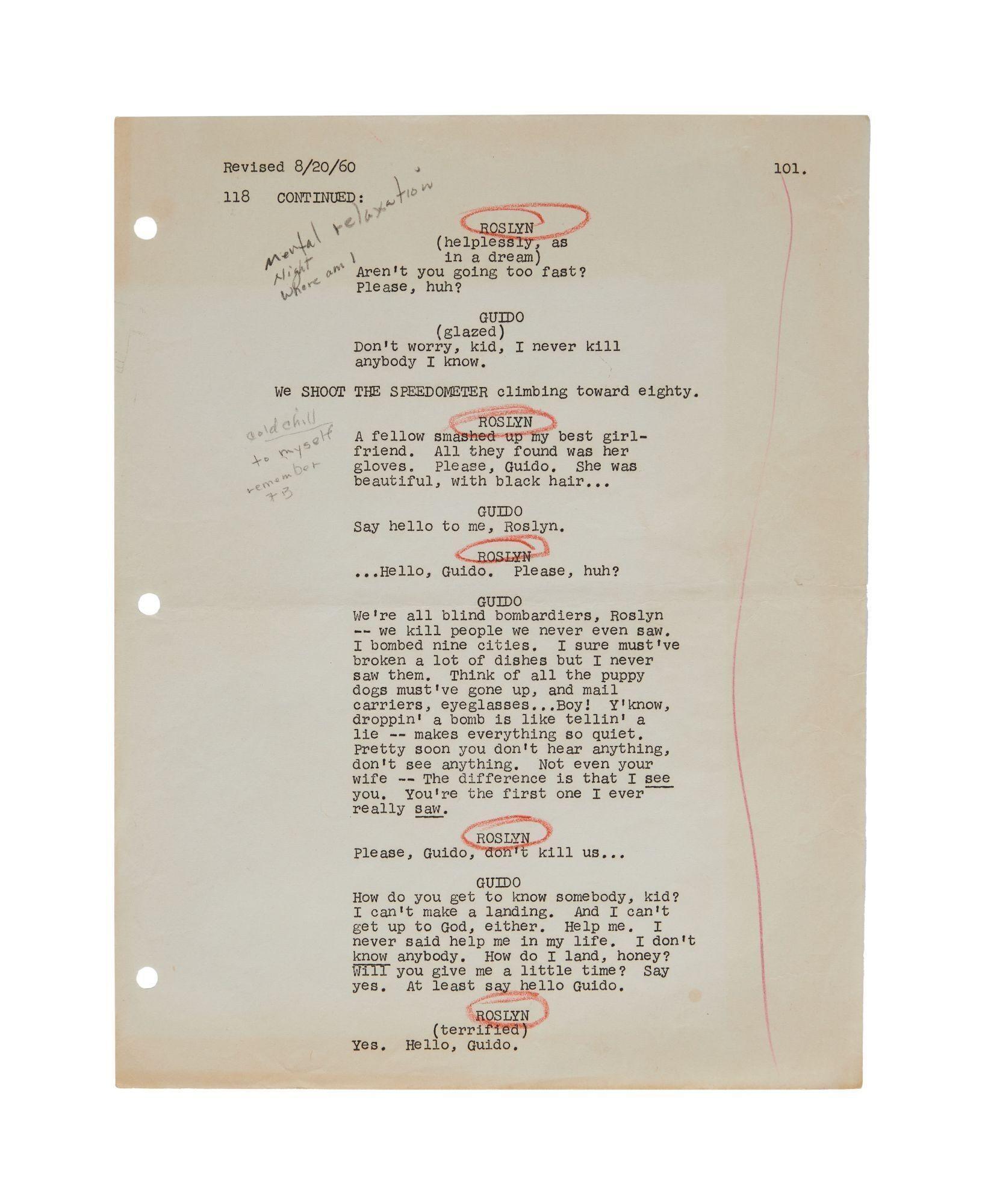
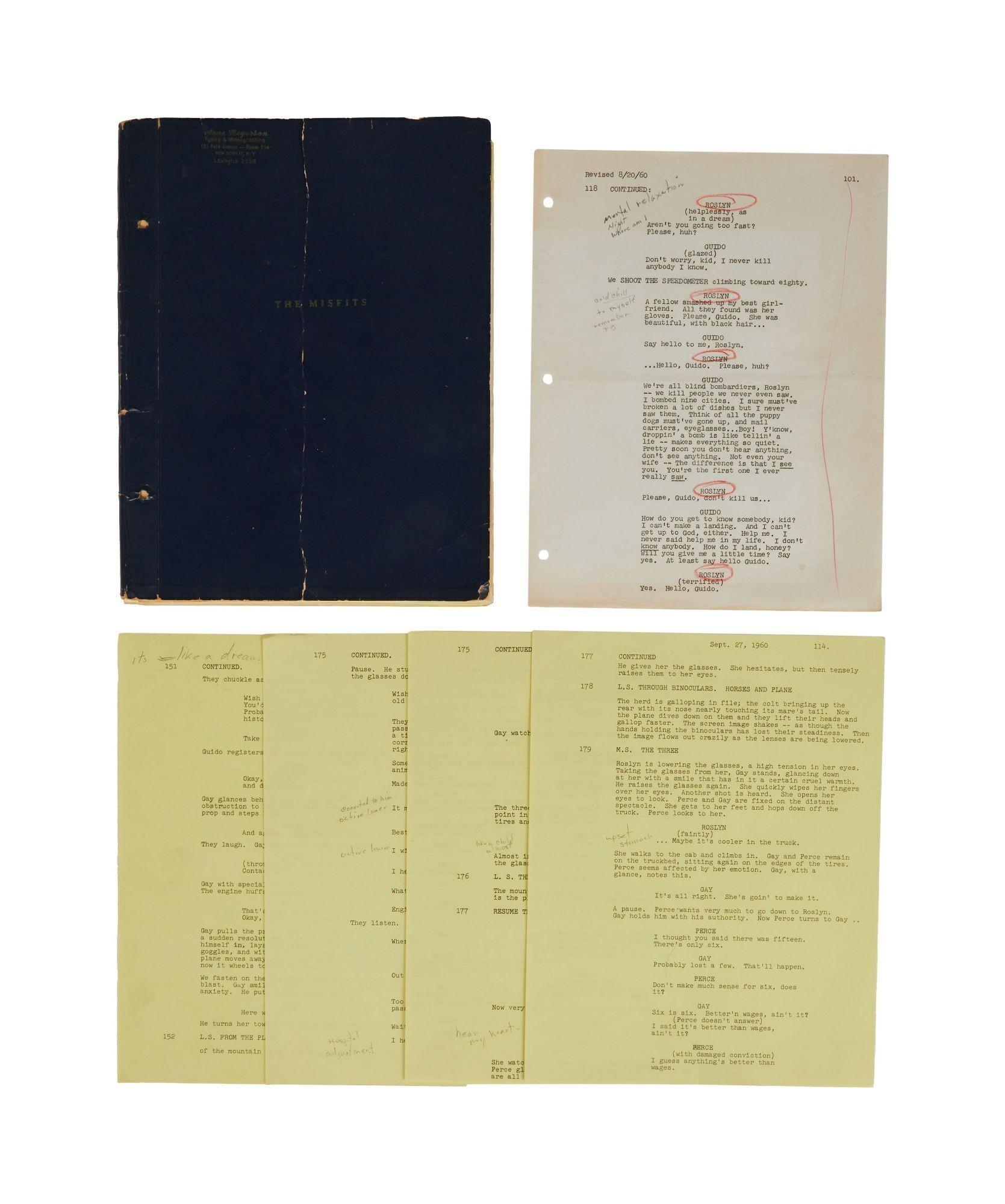
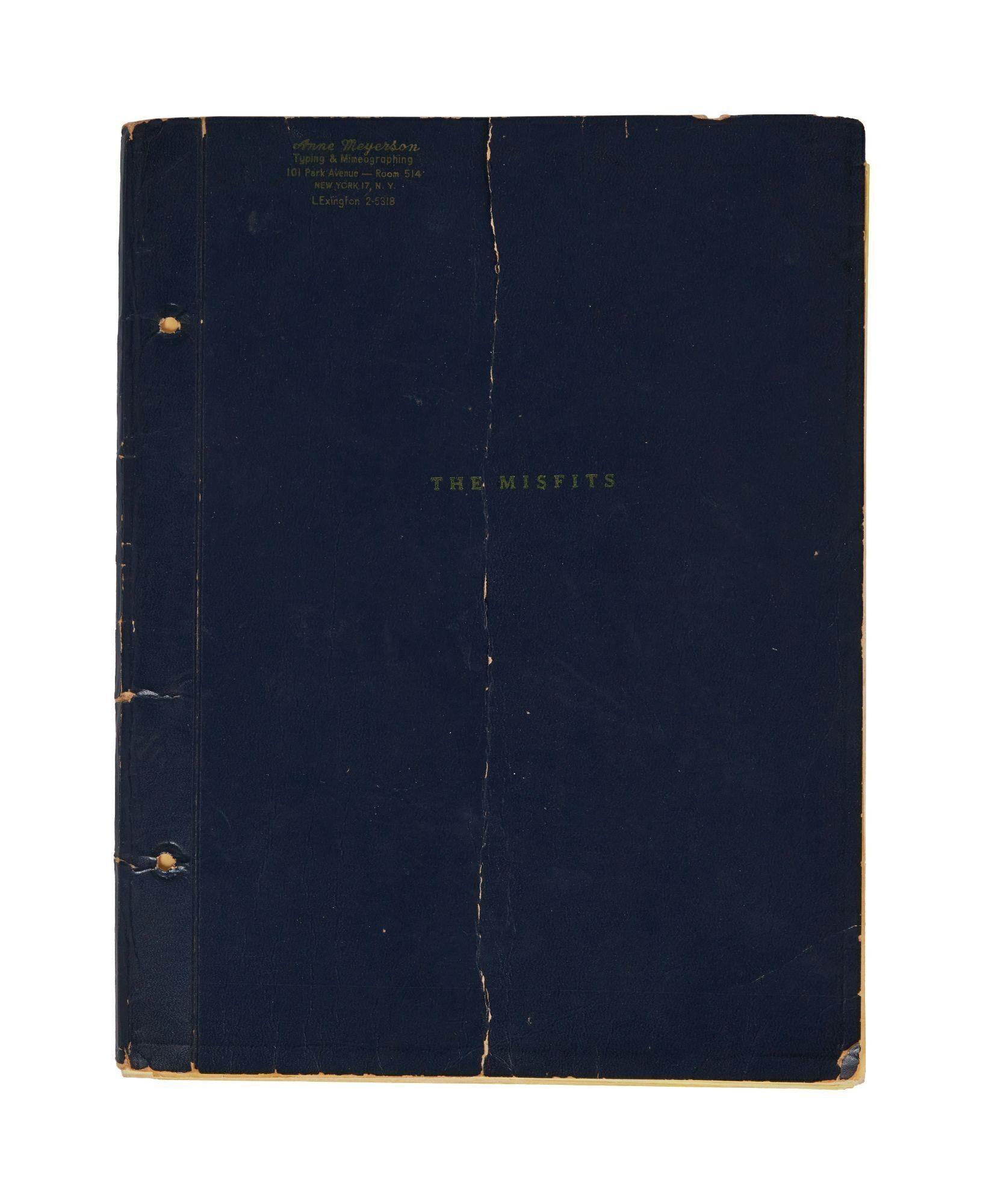
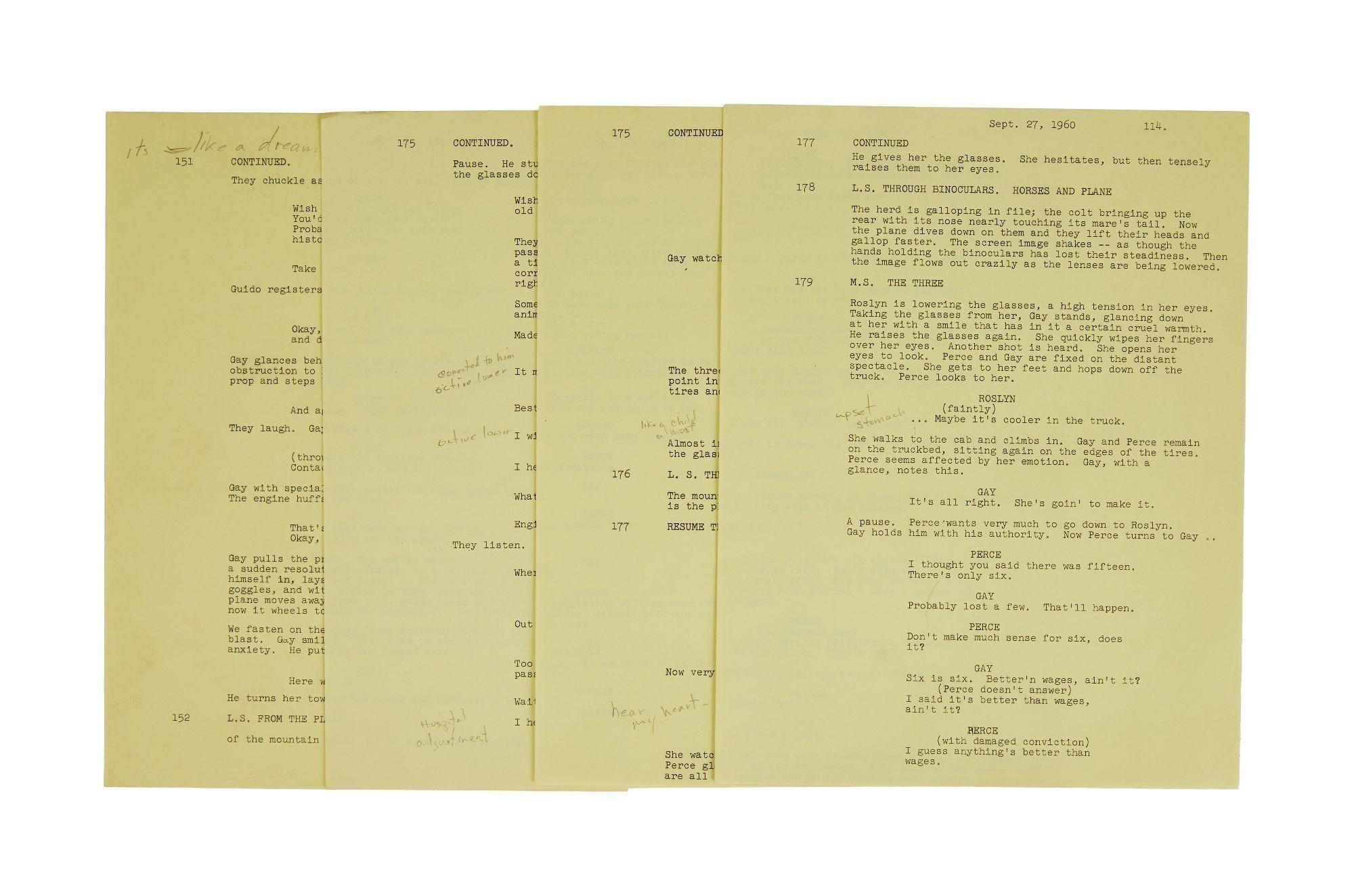
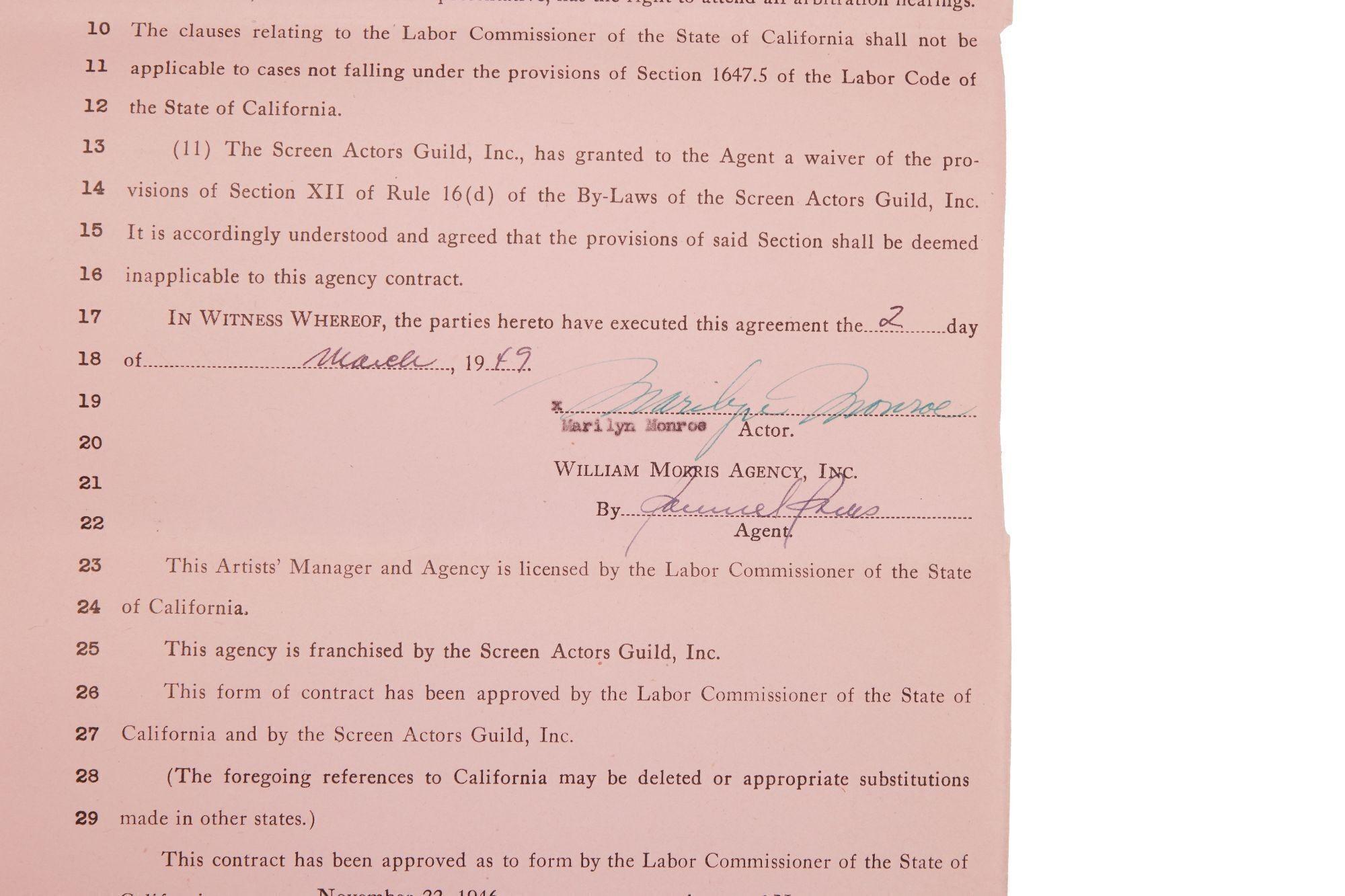
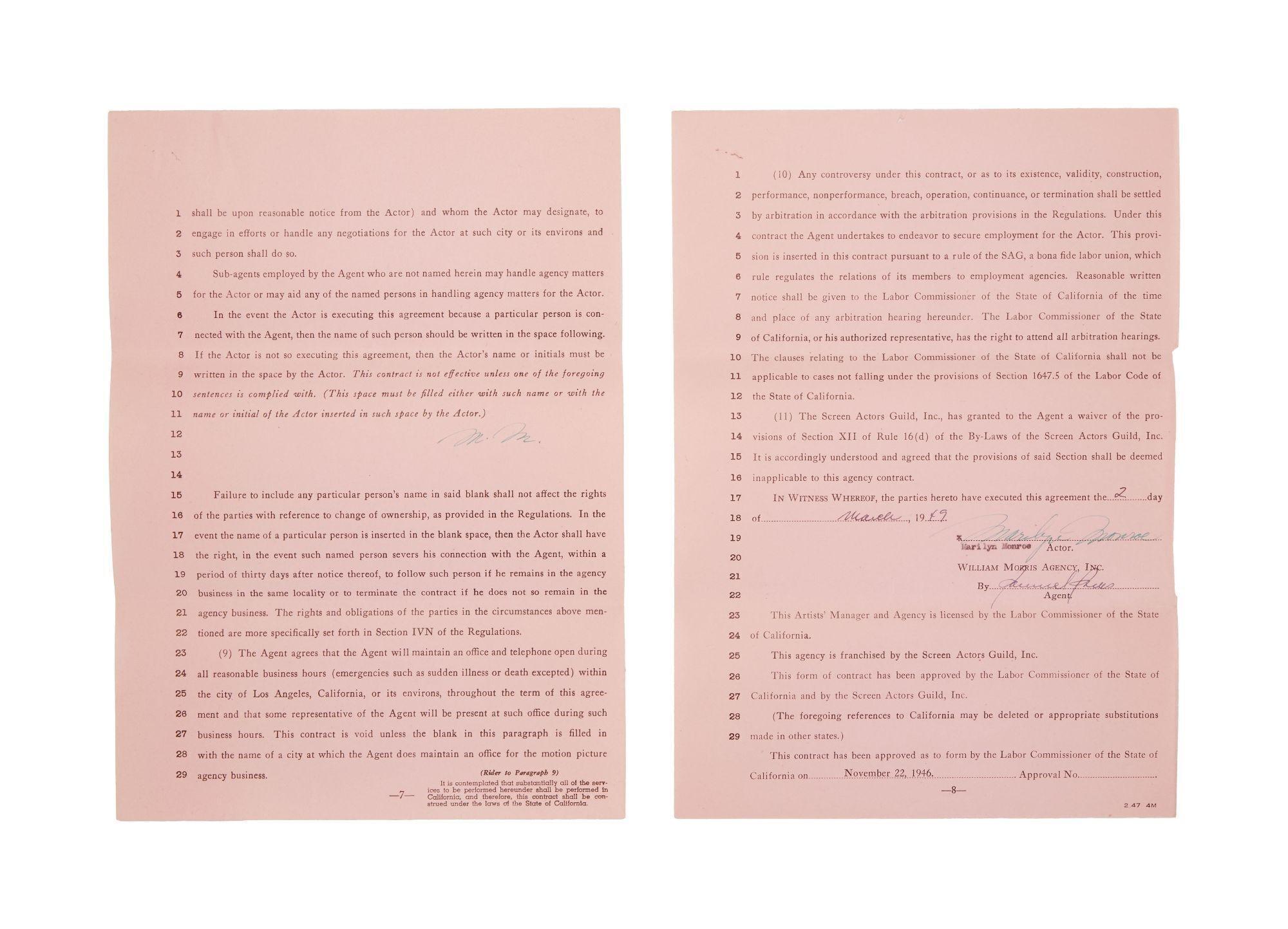
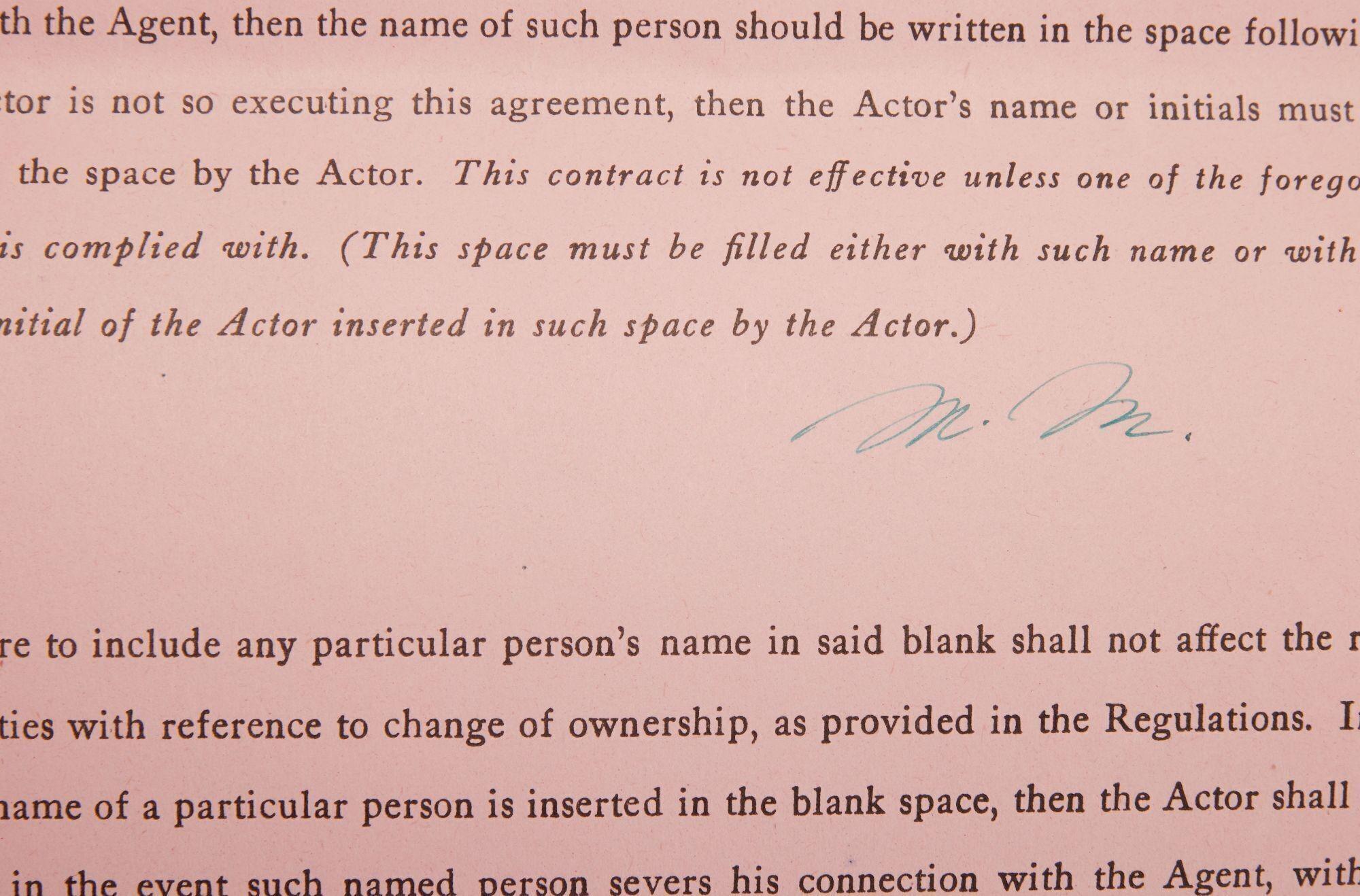
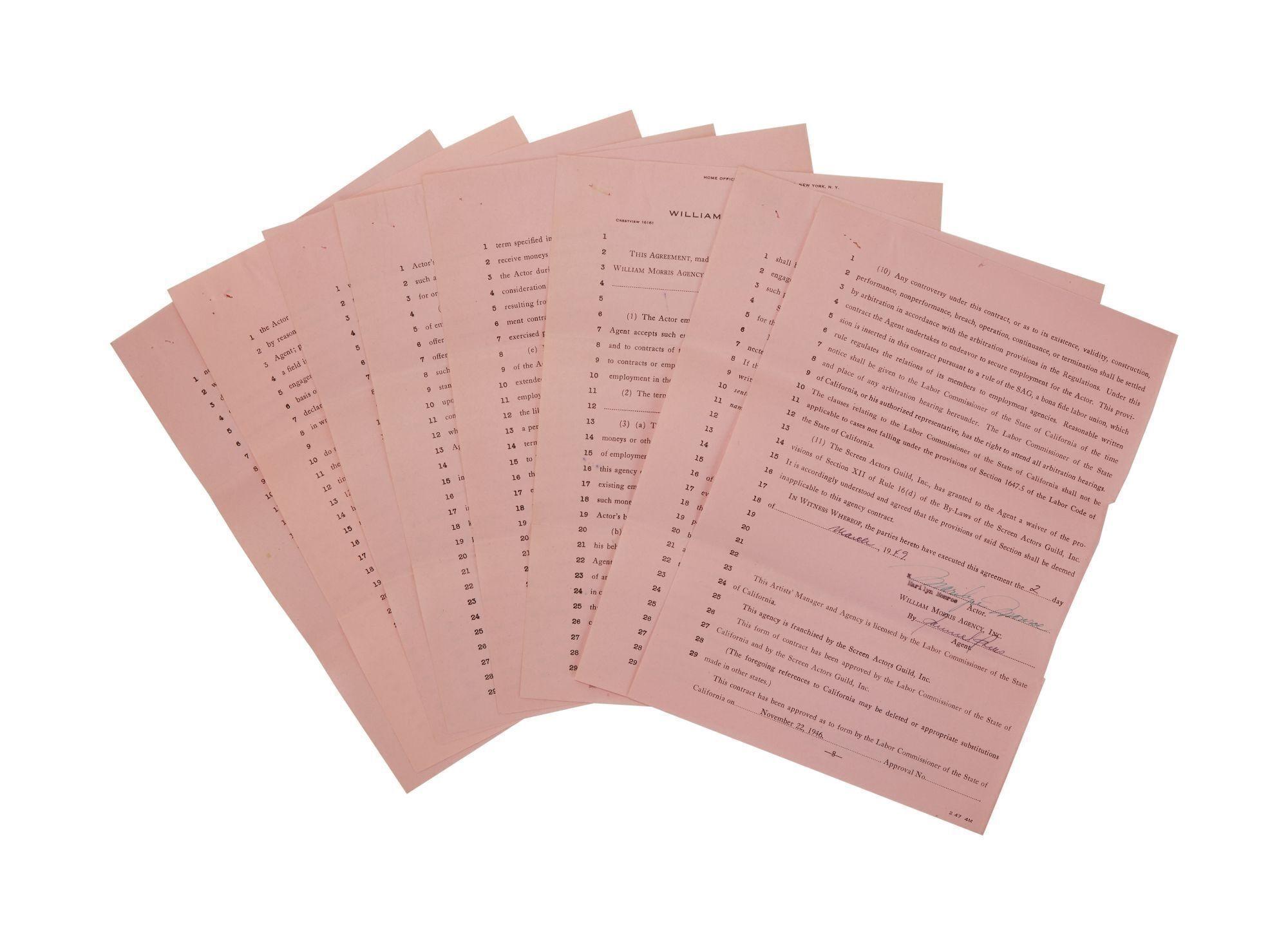
1. Lot #2. Marilyn Monroe | Circa 1962 Letter Received from Joe DiMaggio, 3. Lot #6. Marilyn Monroe | 1960 Annotated 'Script Change' Pages from The Misfits, 7. Lot #4. Marilyn Monroe | 1949 Signed Contract with the William Morris Agency, Inc.,
A Tale of Two Cities
Anna Strasberg lived between Los Angeles and New York, and her homes reflected a life built across both coasts, the warmth of California light and the considered accumulation of a woman who had spent decades thinking about how objects hold meaning. In their own way, the furnishings and decorative arts from her residences are as revealing as the Monroe documents. They are the backdrop against which Anna worked, read, received guests, and kept faith with the legacies in her charge.
Surrounding the idea of the home as an extension and texture of a person who has spent their life in the theater means the objects tend to be deliberate. Items are kept because they mean something, not because they fill a space. Inanimate or not, a chair is where someone sat. A painting is where someone looked for thirty years. Anna Strasberg's homes were that kind of place, gathered over time, shaped by a sensibility that was equally at home in Caracas, New York, and Los Angeles, in the United Nations and the Actors Studio within the wings of a theater.
The decorative arts and furnishings now available carry that weight. They are the objects of a remarkable life, arranged and chosen by a woman of genuine taste, now dispersed for the first time.
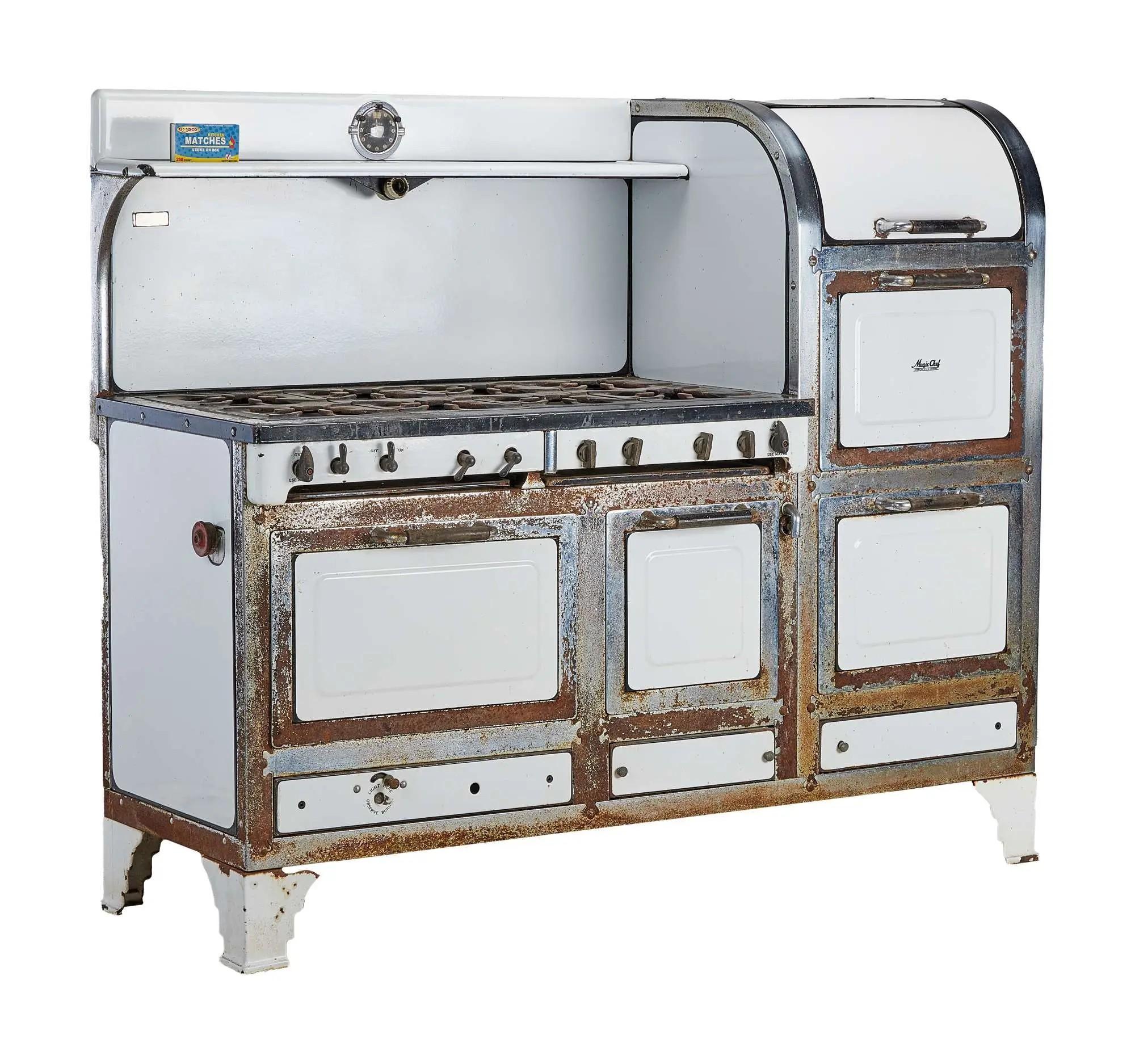
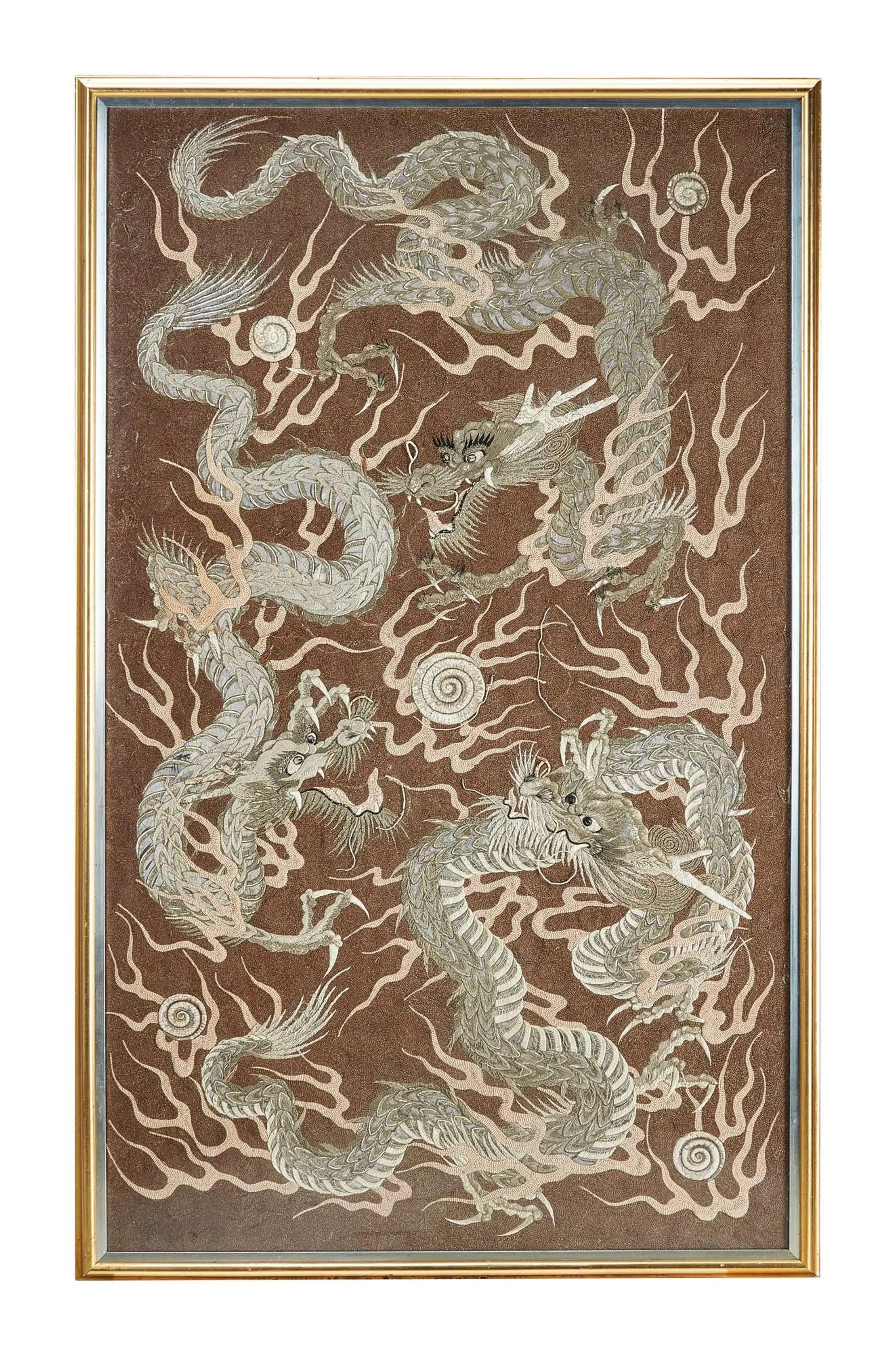
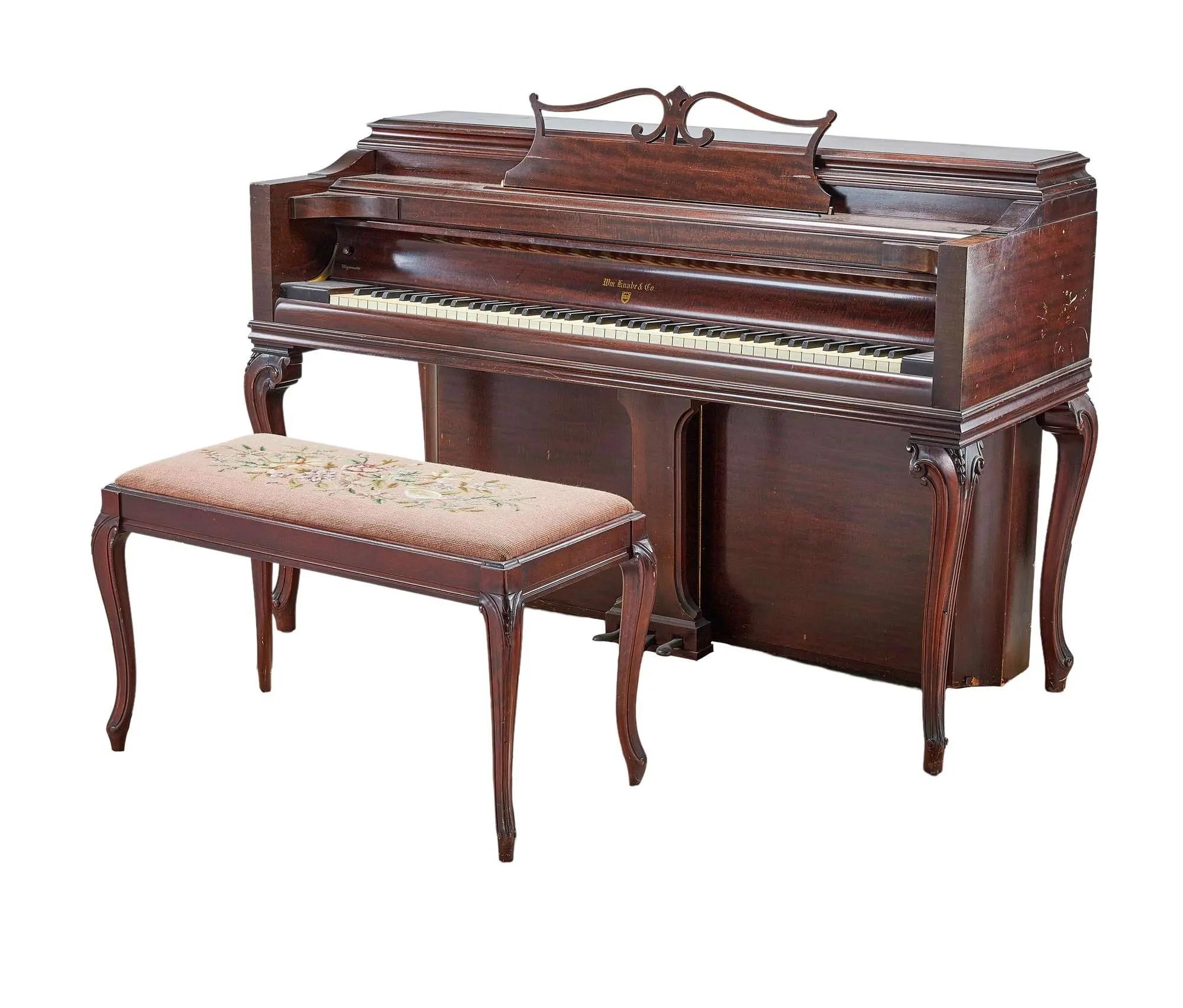
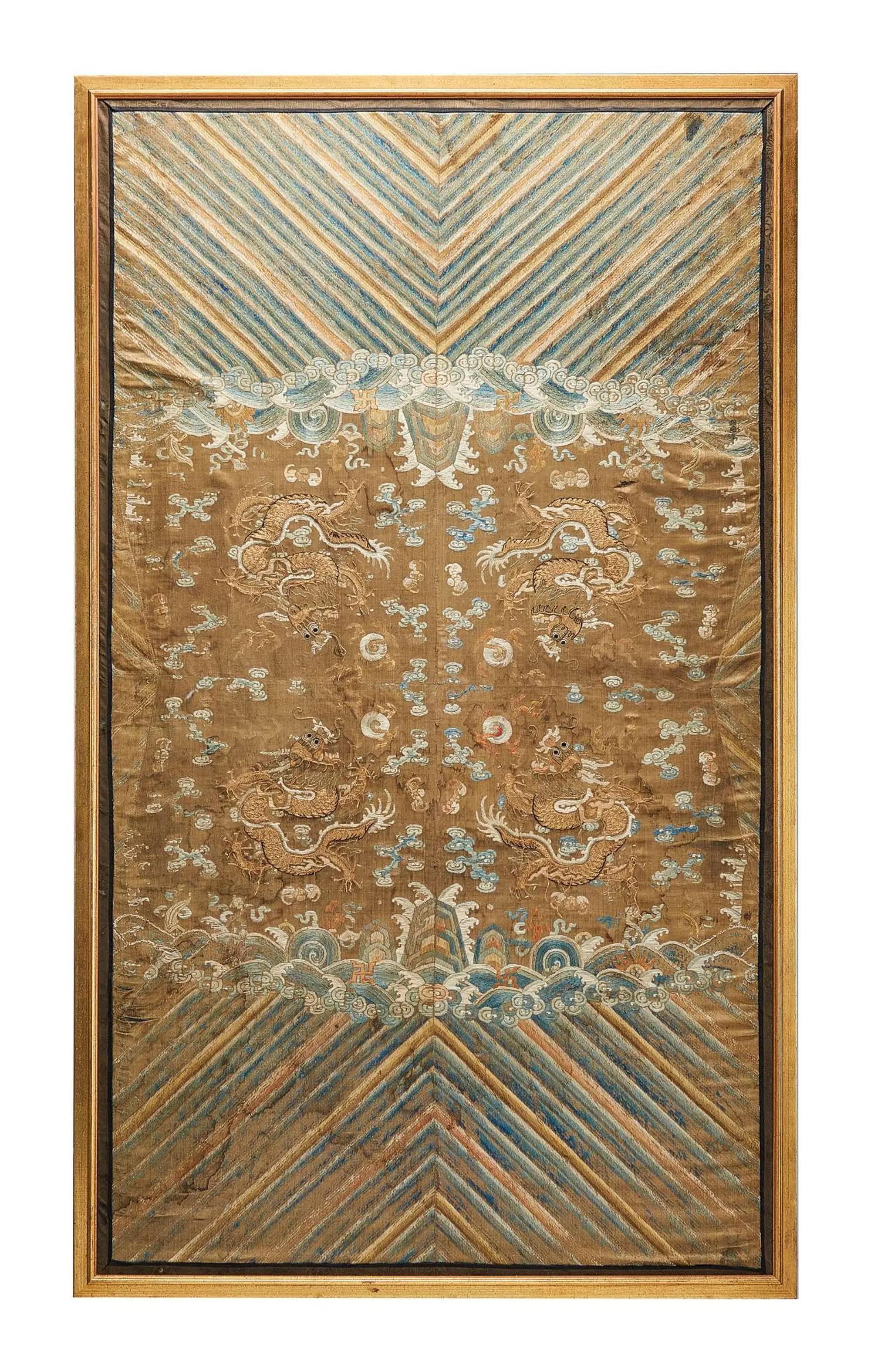
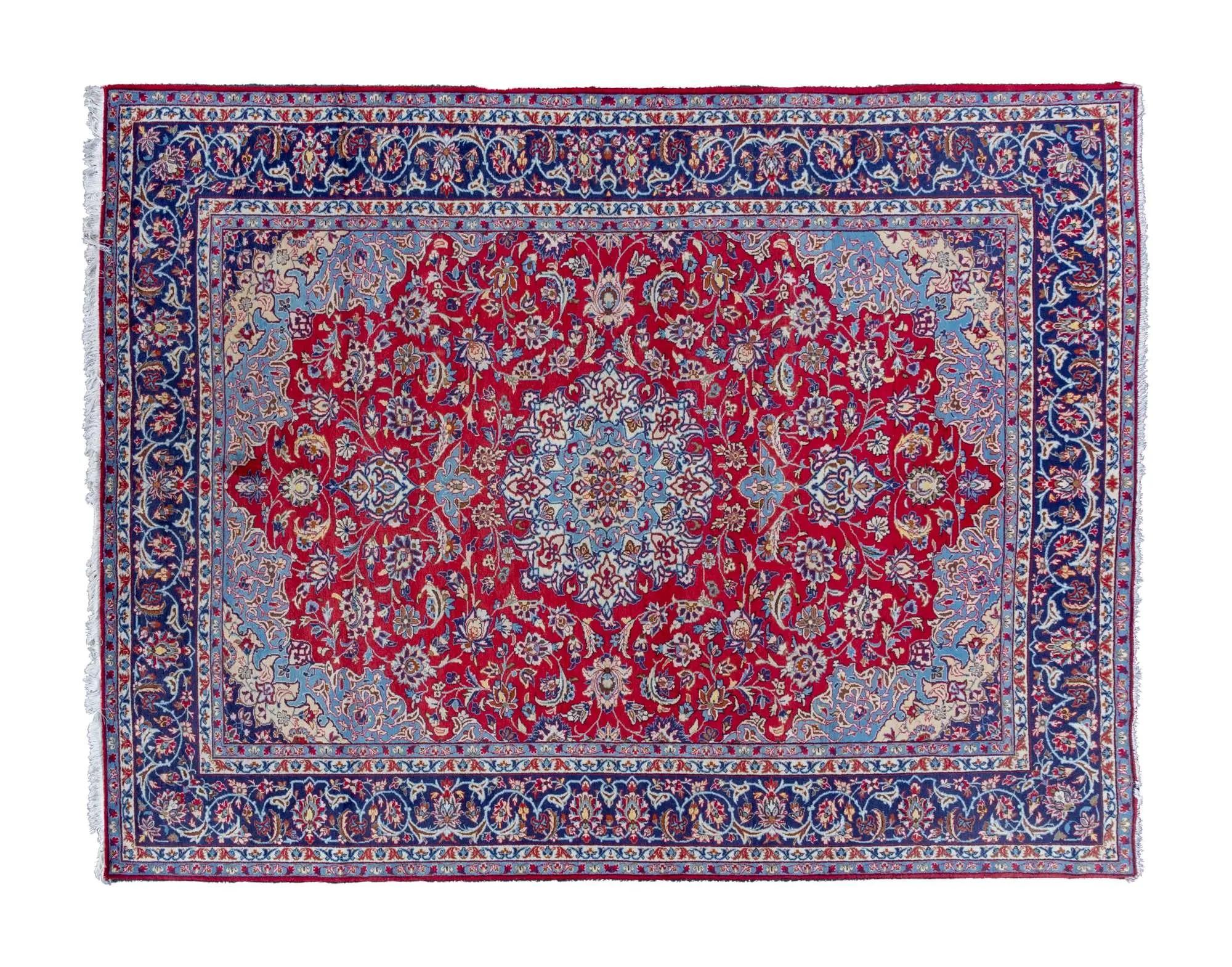
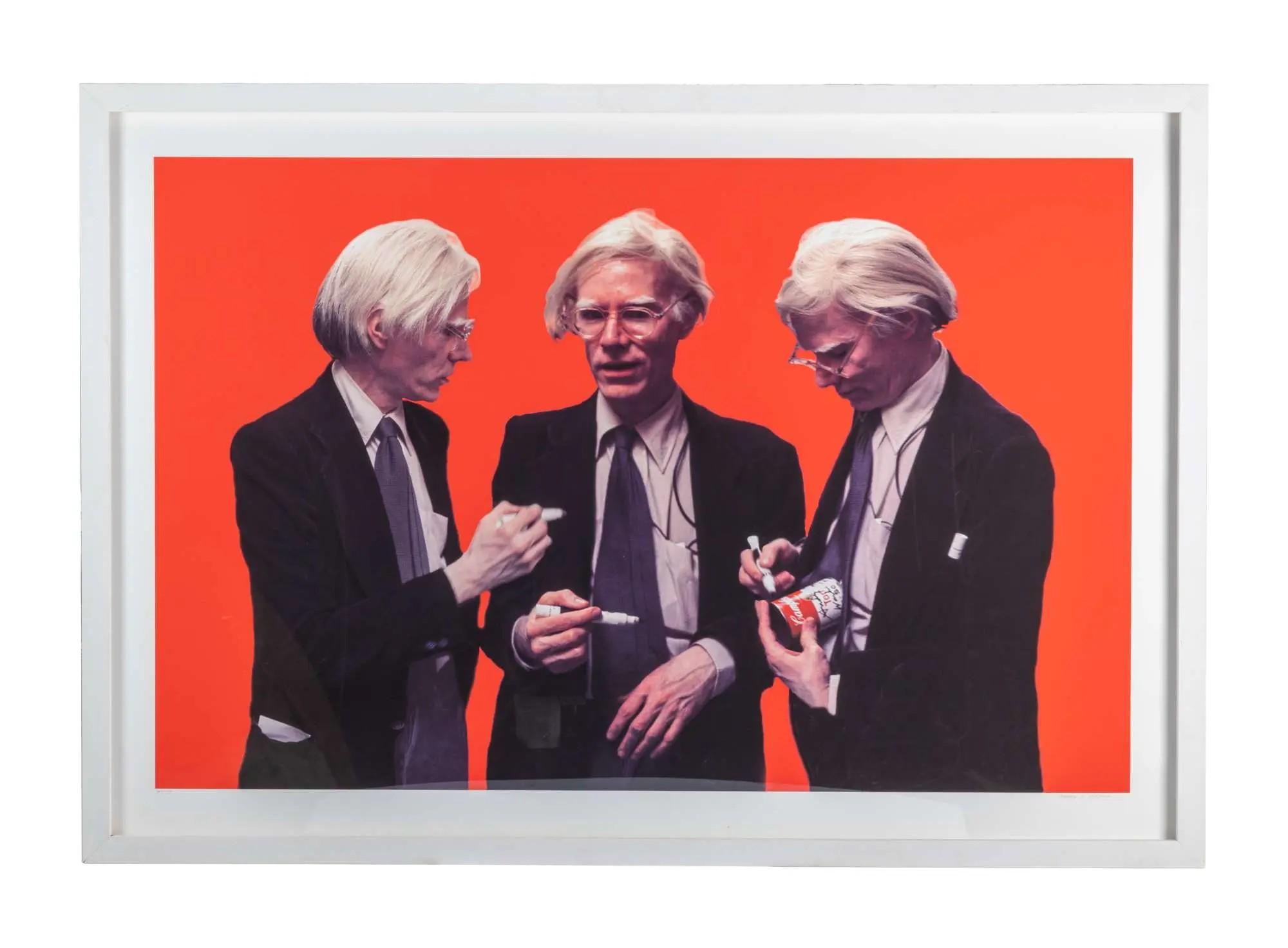
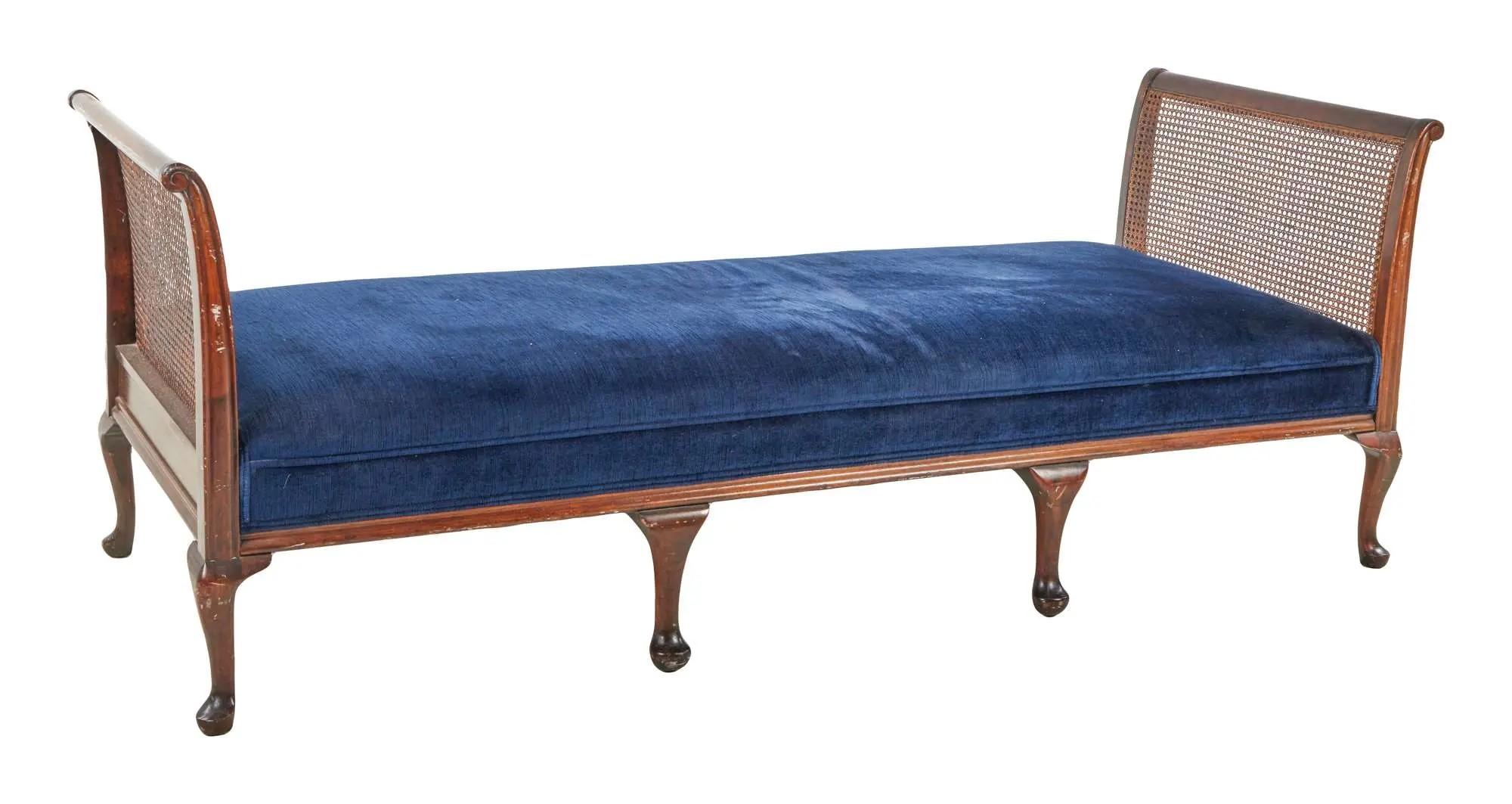
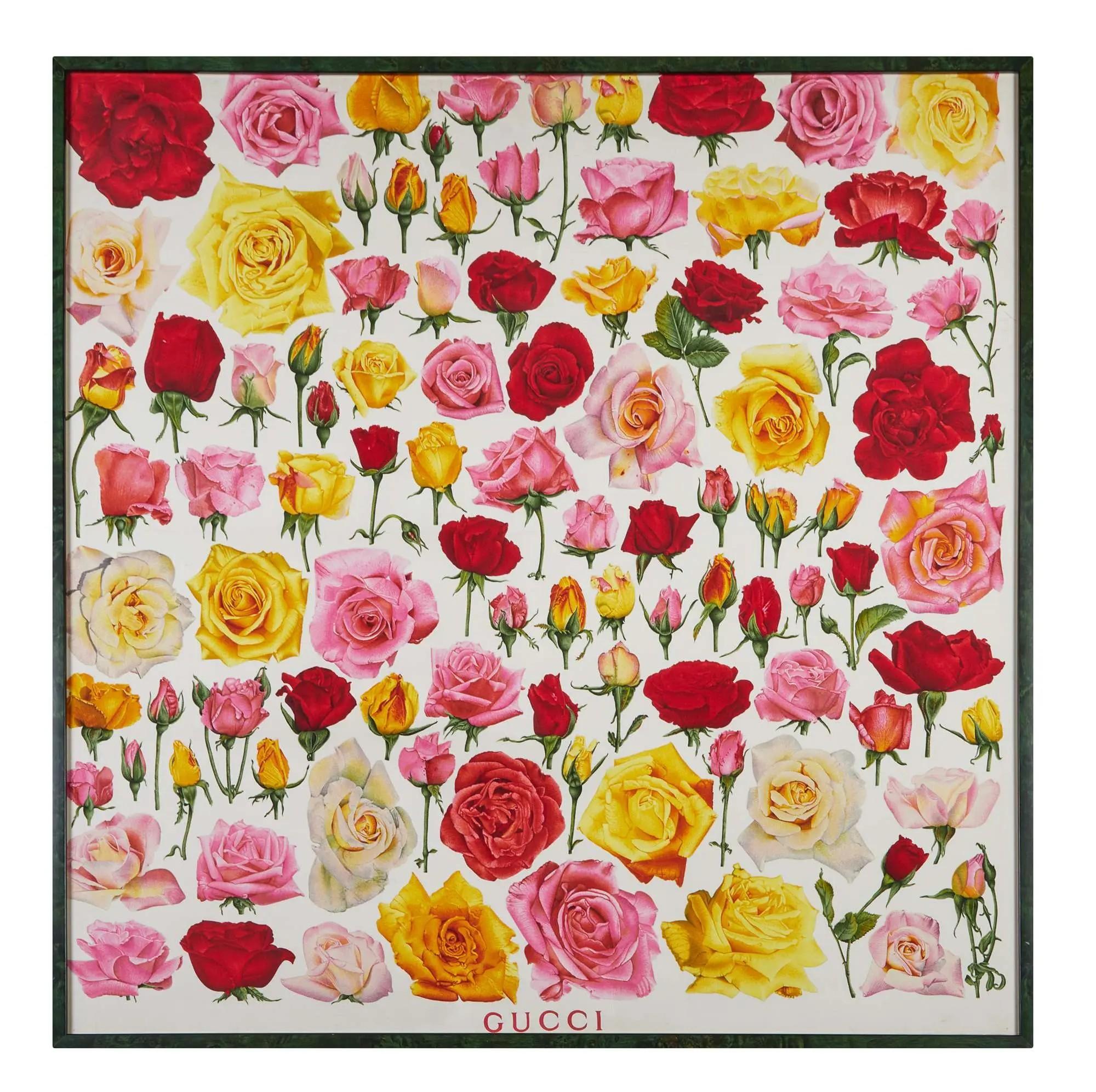
1. Lot #266. Anna Strasberg | Vintage Magic Chef Stove, 2. Lot #311. Anna Strasberg | Framed Vintage Chinese Silk Embroidery Dragon Panel, 3. Lot #337. Anna Strasberg | W.R. Knabe & Co. Upright Piano and Bench, 4. Lot #312. Anna Strasberg | Framed Vintage Chinese Silk Embroidery Dragon Panel, 5. Lot #401. Anna Strasberg | Najafabad Rug, 6. Lot #177. Anna Strasberg | Circa 1980s Color Photograph of Andy Warhol Signed by Stephen Verona, 7. Lot #349. Anna Strasberg | Vintage Queen Anne Style Recamier Daybed, 8. Lot #163. Anna Strasberg | Circa 1980s Scarf by Gucci,
The Cover Image
One piece in the collection stands slightly apart from the rest: the original 1959 gouache painting by Jon Whitcomb, created as the cover art for Cosmopolitan magazine and depicting Marilyn Monroe in the full sweep of her cultural ascendancy. Whitcomb was one of the most celebrated magazine illustrators of the mid-century, his work for Cosmopolitan, Good Housekeeping, and Ladies Home Journal defined a particular American visual register of glamour and aspiration.
The fact his Monroe painting found its way into the Strasberg collection speaks to the depth of Anna's engagement with Marilyn's image not simply as a licensing property but as a historical art subject. The original artwork made by hand before the reproduction, represents Monroe at the precise moment she was becoming the icon Anna would spend her life protecting.
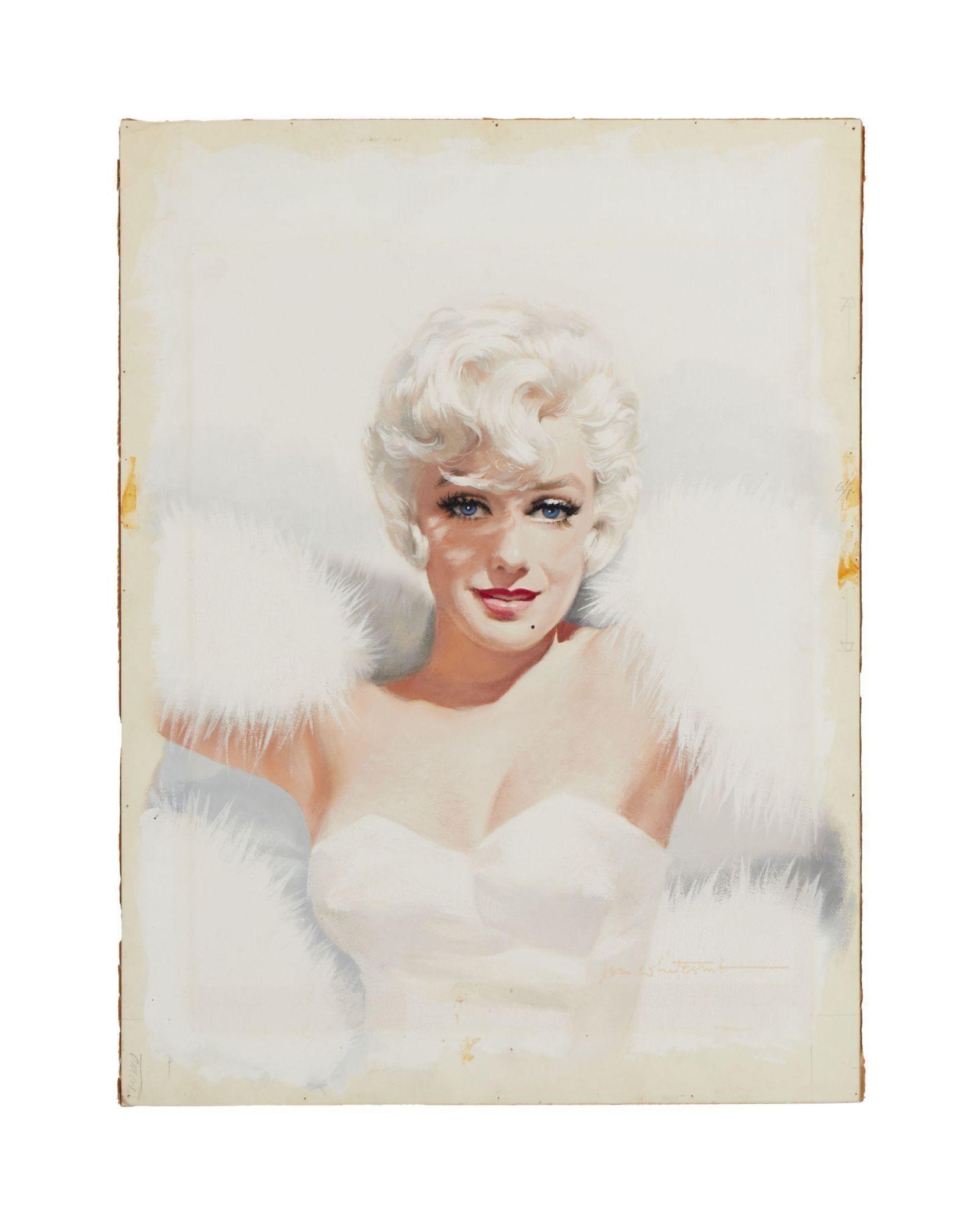
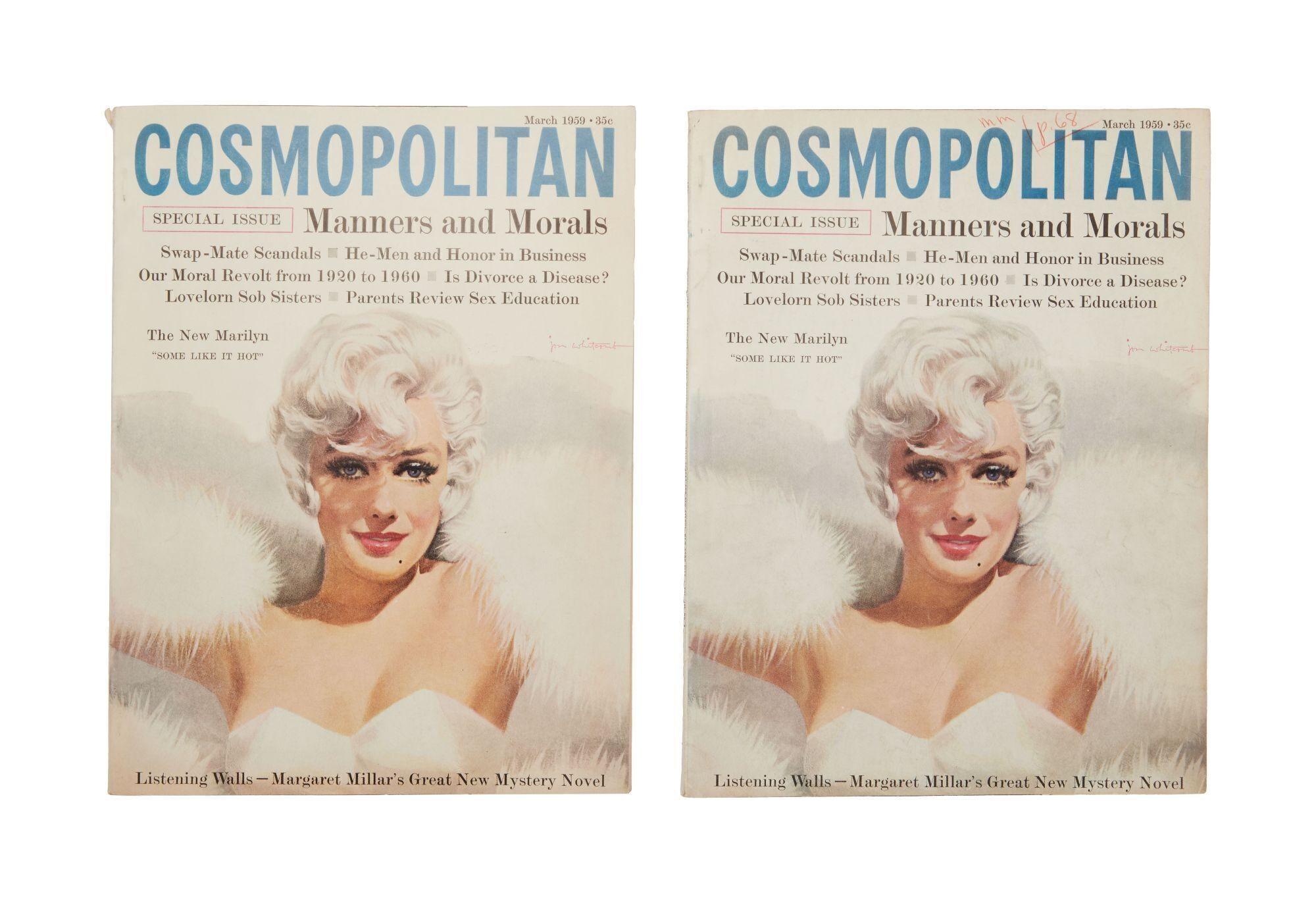
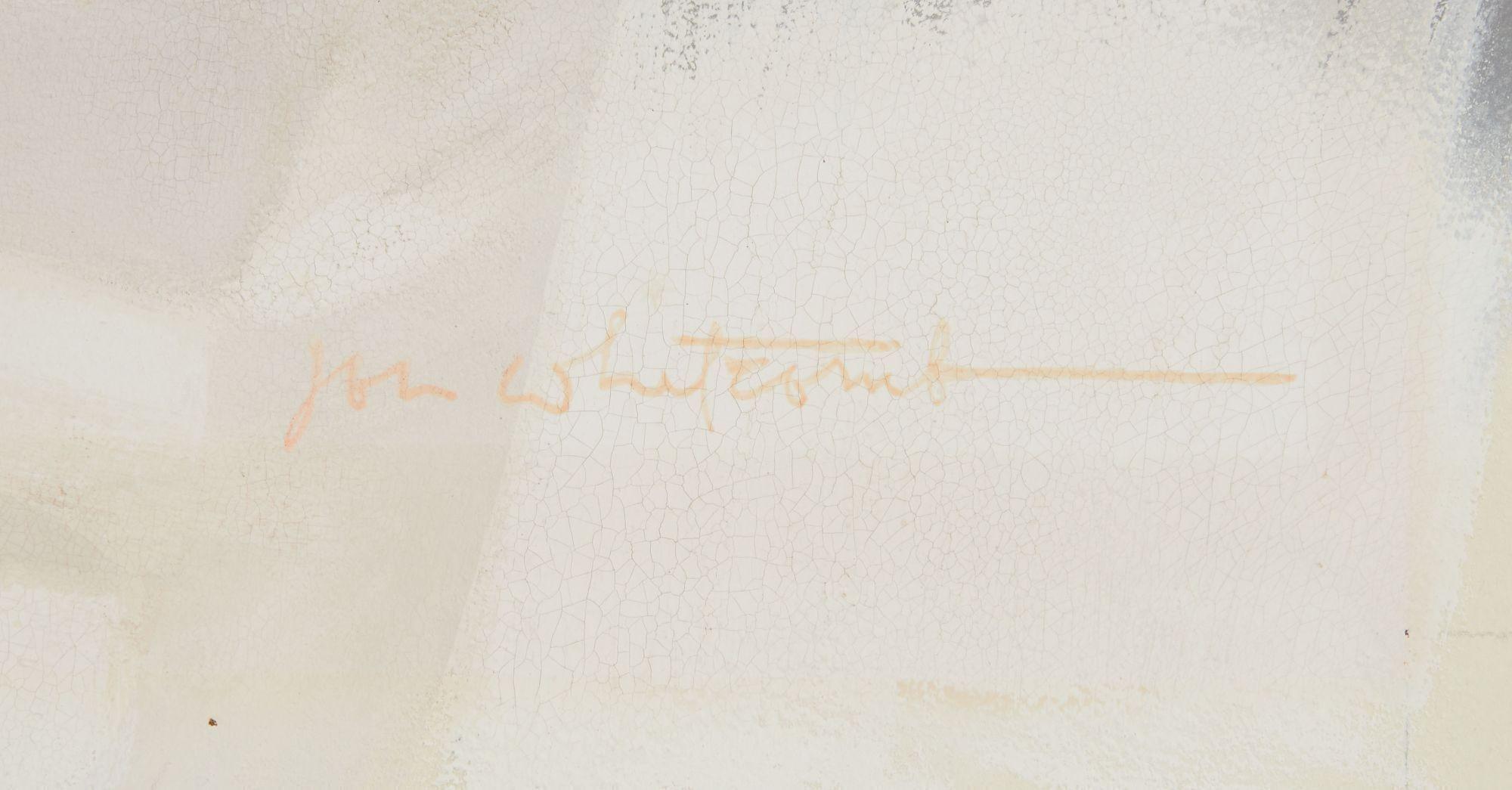
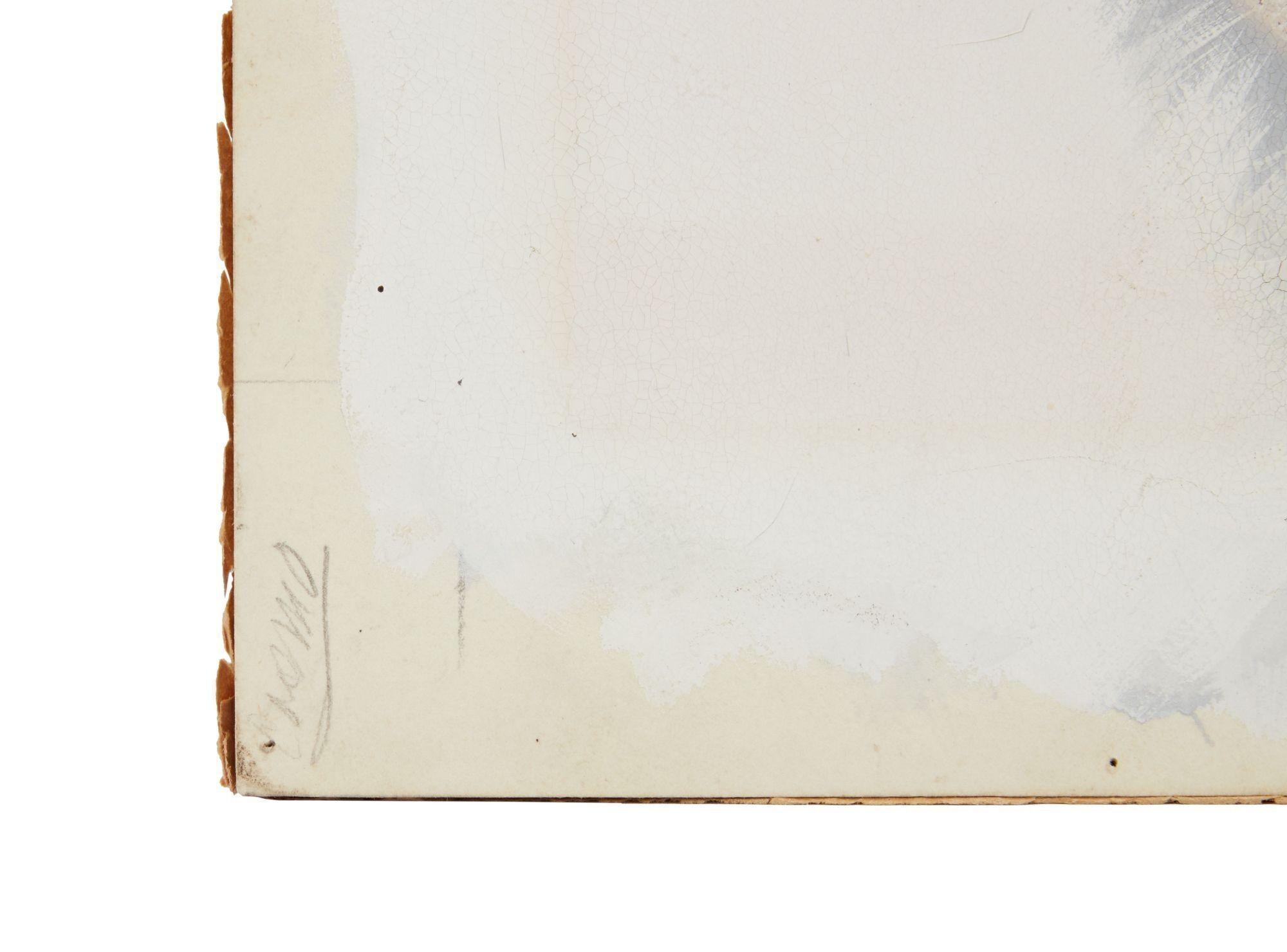
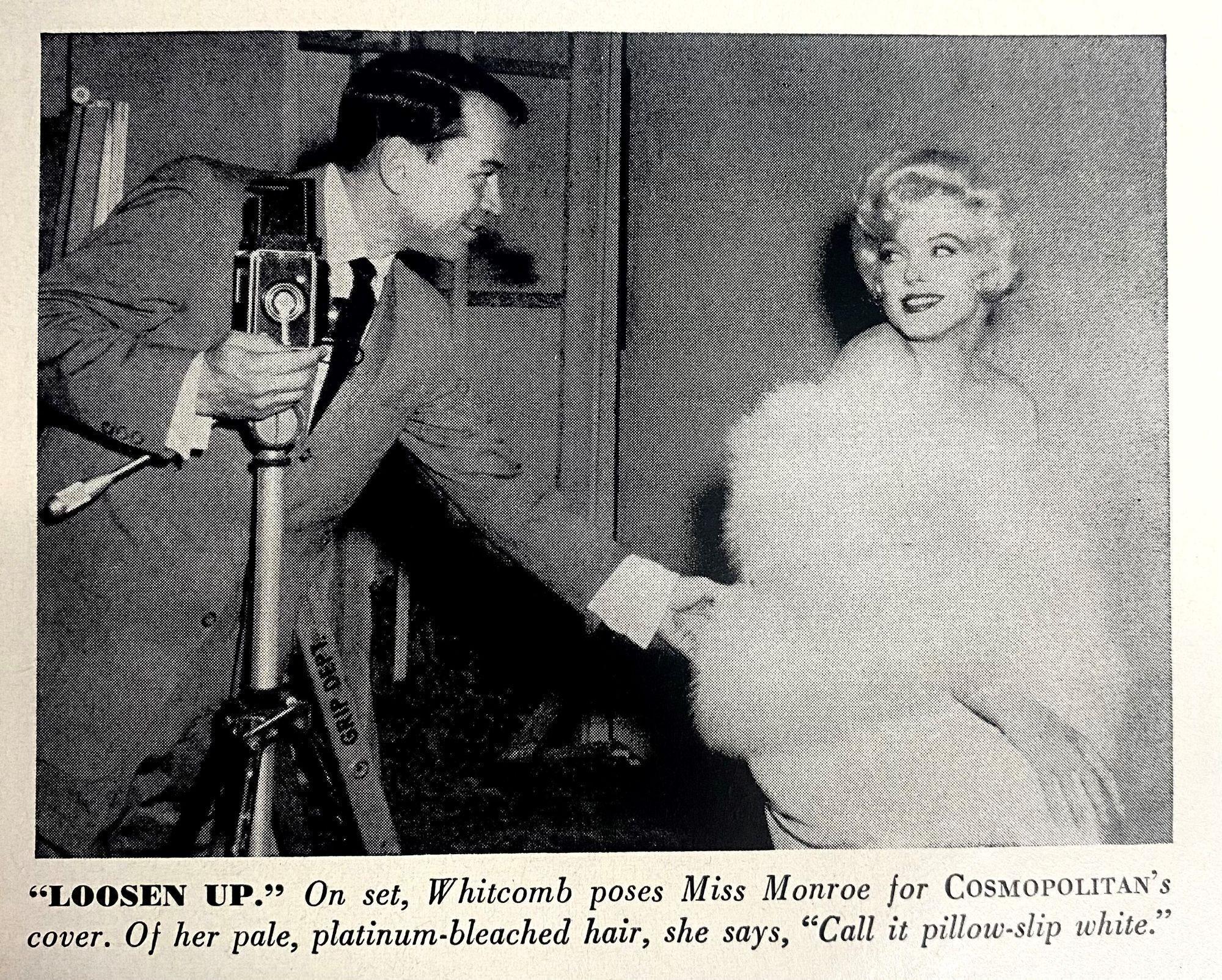
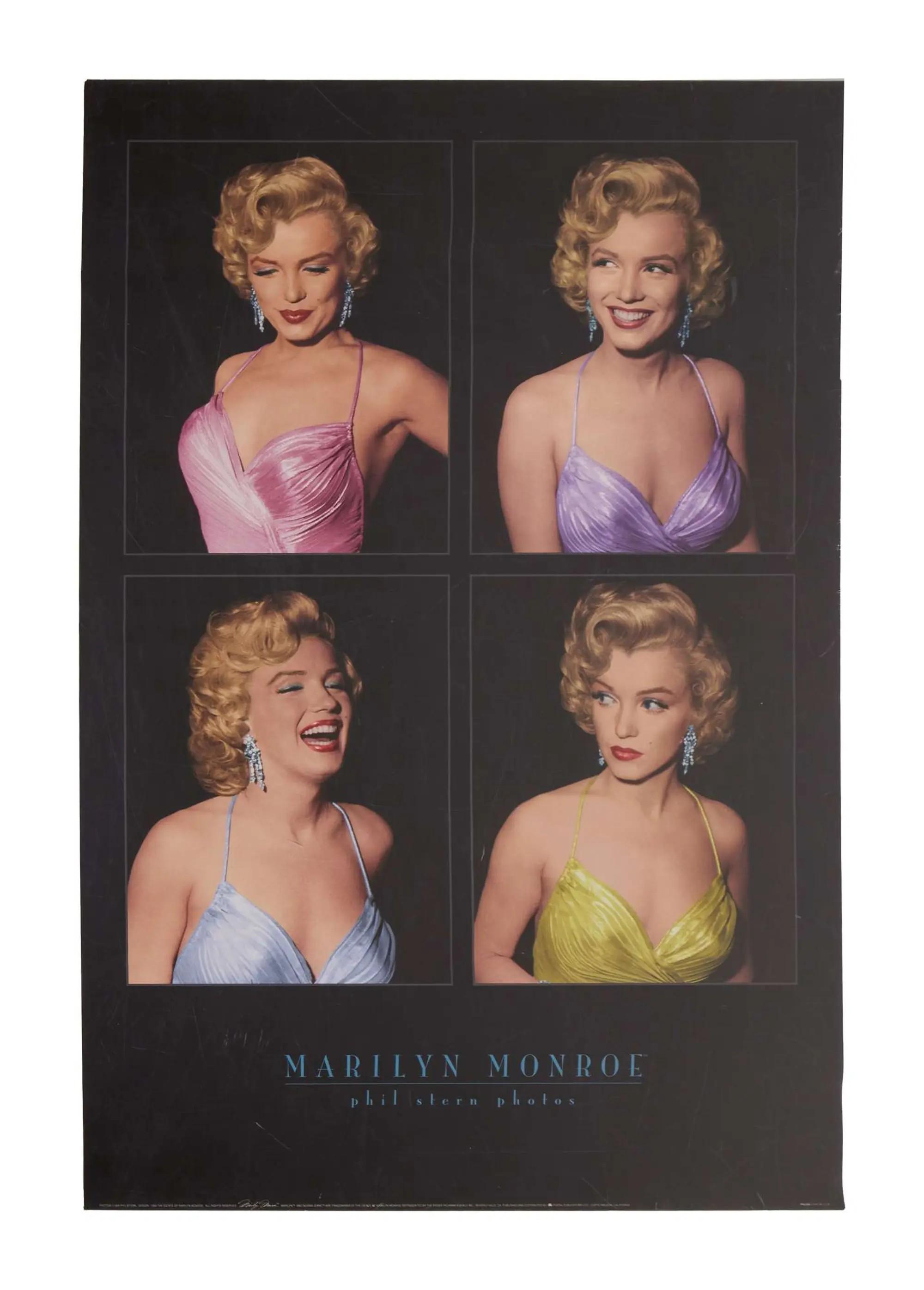
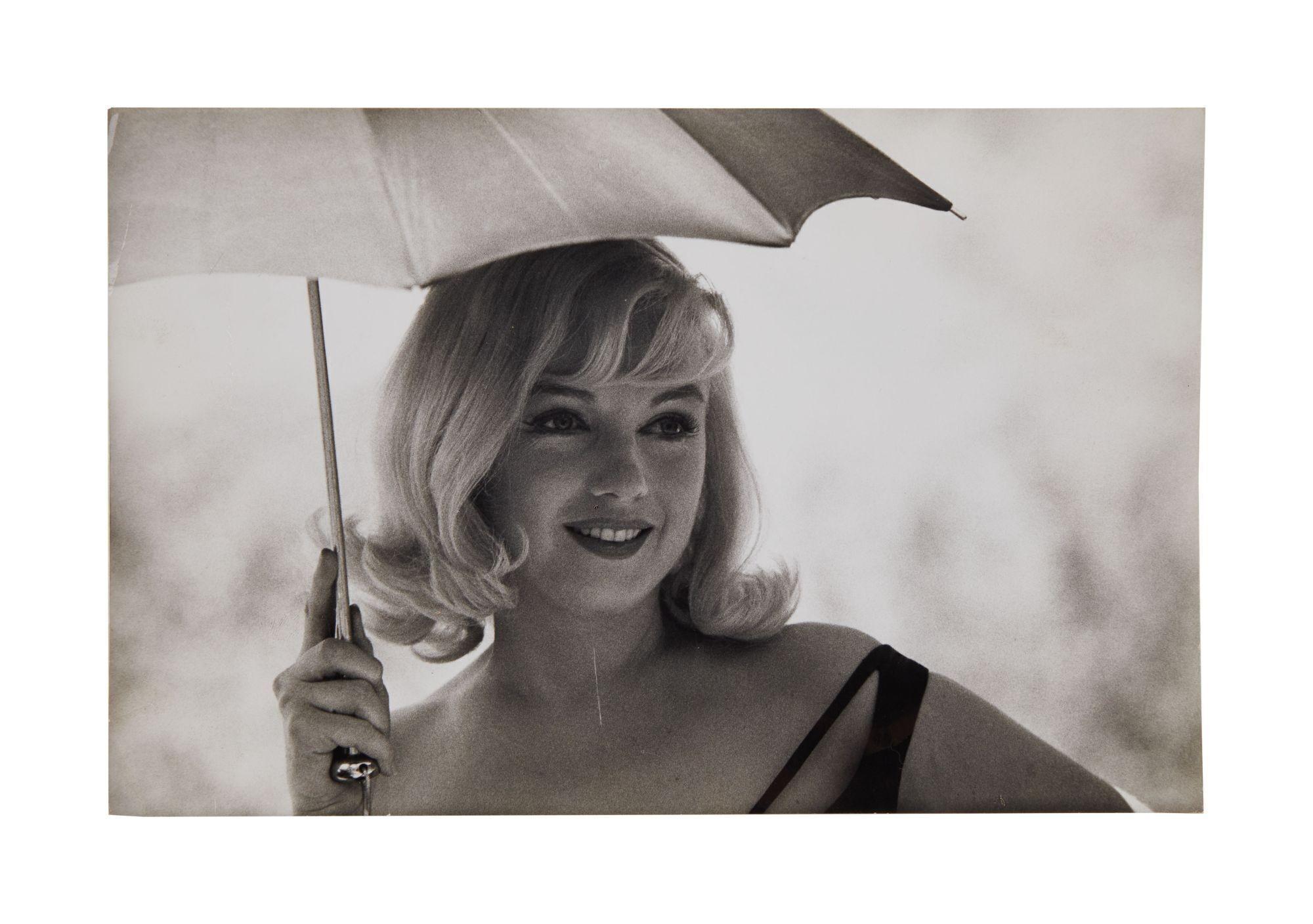
1. Lot #1. Marilyn Monroe | 1959 Original Gouache Painting by Jon Whitcomb for the Cover of Cosmopolitan Magazine, 4. Lot #61. Marilyn Monroe | 1961 Black and White Photograph by Inge Morath, 6. Lot #148. Marilyn Monroe | Circa 1980s-2000s Personality Poster,
Closing A Chapter
In her later years, Anna spoke fondly of Monroe, describing her as curious, passionate, and eager to grow. She also reflected on the surreal experience of inheriting Monroe's belongings, boxes filled with letters, clothing, and even news clippings Monroe had saved about her future husband, Arthur Miller.
Anna Strasberg received those boxes and made them her responsibility. She did her best to promote and protect Marilyn across four decades of licensing negotiations, estate decisions, documentary authorizations, and preservation work that operated largely out of public view. She co-founded and ran a major acting school. She lectured at Brown University, Trinity College Dublin, and the United World College of the Atlantic. She taught Method acting on three continents. She was, in the fullest sense of the phrase, a woman of culture.
The collection she assembled across a lifetime, Monroe's documents, her own furnishings, the art and objects that constituted her domestic world, reflects all of it. These are not simply items from an estate. They are the material record of stewardship, of a woman who understood what she had been given and took it seriously for as long as she lived.
Register and bid now. Join us August 4th online and LIVE in Los Angeles.