Film & TV
Comedy Icons
Explore rare artifacts from comedy icons Lucille Ball, Dick Van Dyke, Carol Burnett & Buster Keaton in TCM & Julien's Hollywood Legends auction.
Share



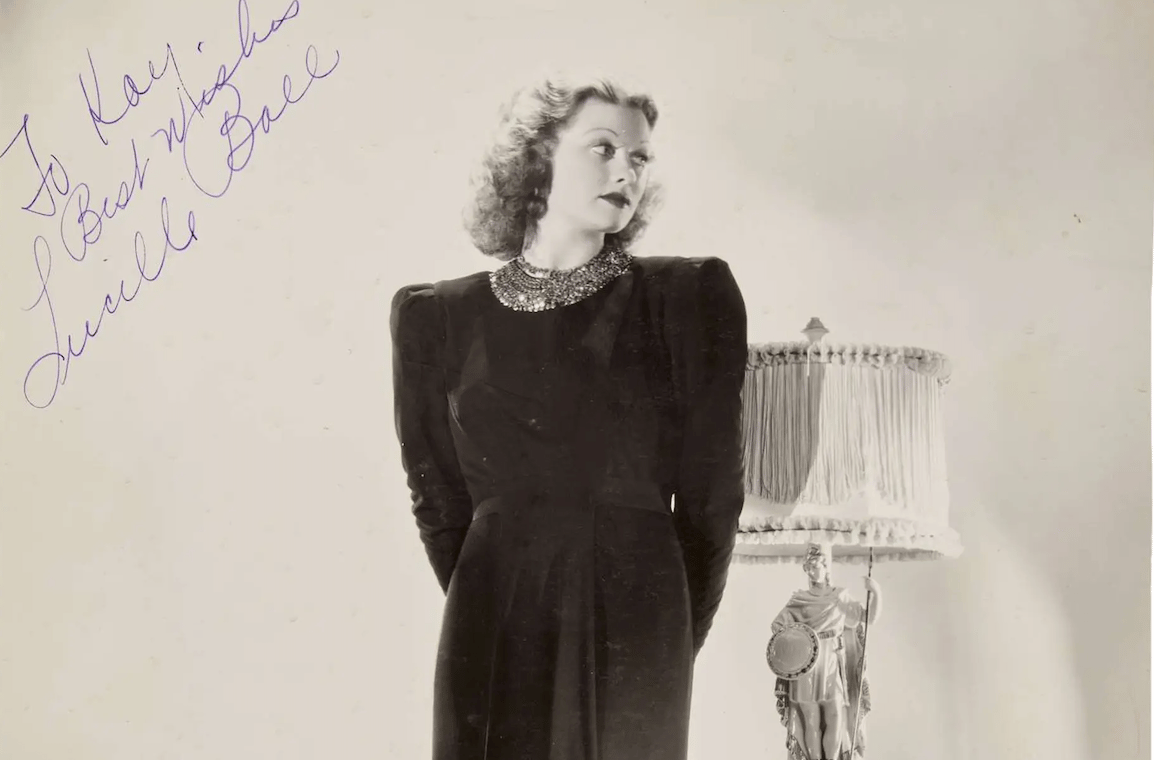
Lot #205. Lucille Ball | Signed 1938 Photograph
When we think of the golden and silver ages of television comedy, certain names rise immediately to mind — performers whose timing, physicality, and warmth turned half-hour sitcoms and variety shows into cultural touchstones that still make audiences laugh decades later. Turner Classic Movies and Julien's Auctions' Hollywood Legends: Classic Hollywood sale, presented in partnership with Turner Classic Movies, brings together a remarkable collection of artifacts connected to four titans of comedy: Lucille Ball, Dick Van Dyke, Carol Burnett, and Buster Keaton. Each lot offers more than a collectible — it offers a window into the life, craft, and legacy of the performer behind it.
Lucille Ball: America's Favorite Redhead, On and Off Screen
Few names are as synonymous with television comedy as Lucille Ball. As the star and co-creator of I Love Lucy, Ball didn't just perform comedy—she revolutionized how it was produced, pioneering the multi-camera format and becoming the first woman to run a major television studio as head of Desilu Productions. Her career spanned vaudeville, film, radio, and television, but it was her fearless physical comedy and impeccable timing that made her a household name across generations.
A signed 1938 photograph offers a striking glimpse of Ball before her I Love Lucy fame fully blossomed: a 1938 studio photograph from RKO Radio Pictures, taken by renowned photographer Ernest A. Bachrach. In the image, a young Ball poses in a dark dress with a tiered necklace, already commanding the camera with the poise that would define her career. Inscribed "To Kay, Best Wishes, Lucille Ball," the photograph captures a moment early in her Hollywood journey—years before America would invite her into their living rooms every week.
Meanwhile, a personalized purse with signed letter tells a different kind of story — one about Ball's relationship with her fans decades after her television heyday. This 1960s brown baby buffalo fur handbag, debossed with her name in gold, was donated by Ball to a charity auction at some point in her life. What makes this lot extraordinary is the accompanying 1987 typed letter, signed "Love, Lucy," in which Ball personally responds to the bag's new owner. "Yes, this is my bag," she writes, "It makes me happy to know you and your family have enjoyed my shows." The letter reveals a side of Ball rarely seen by the public: gracious, humble, and genuinely touched by her fans' devotion—even as one of the most recognizable entertainers in the world.
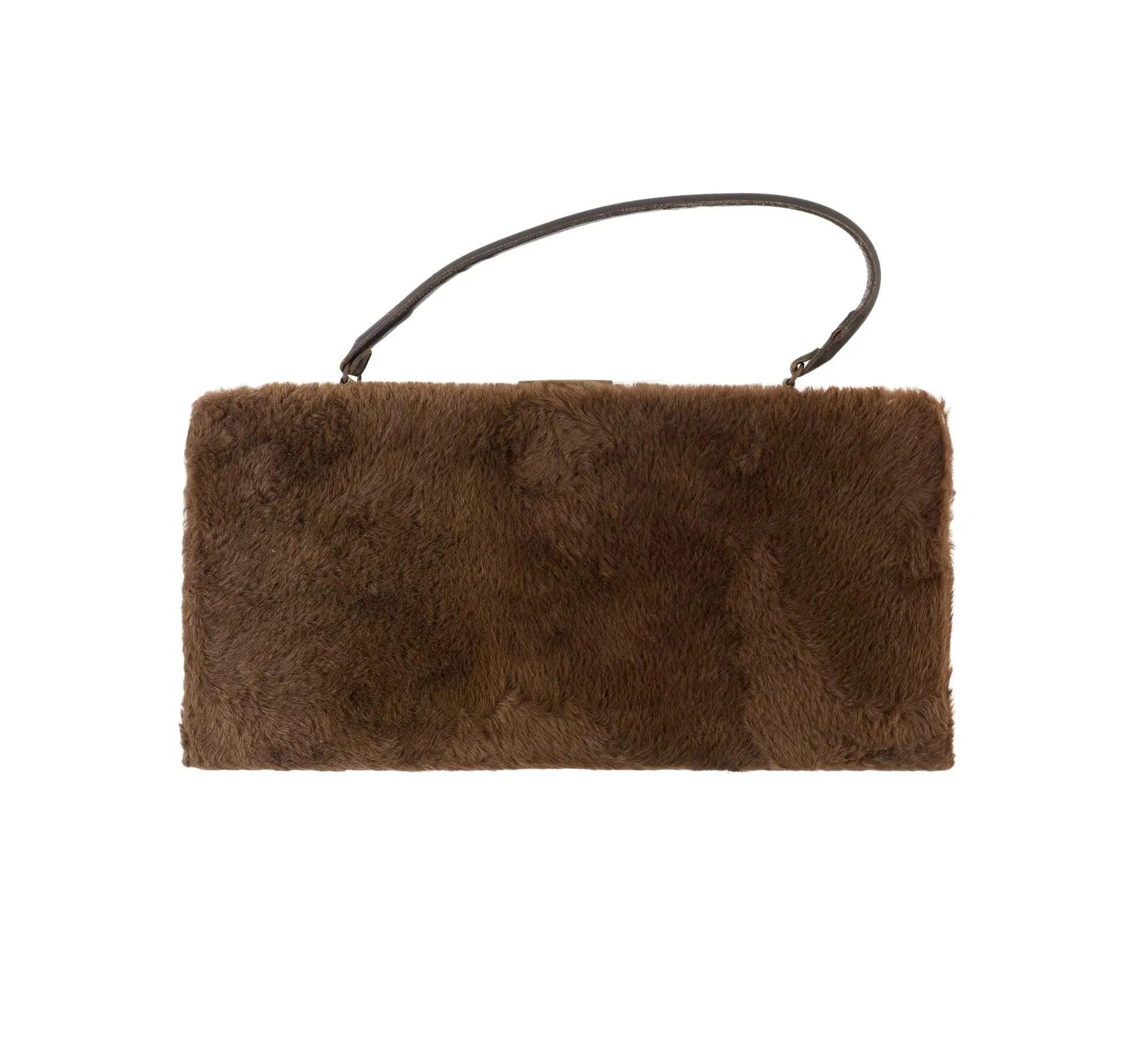
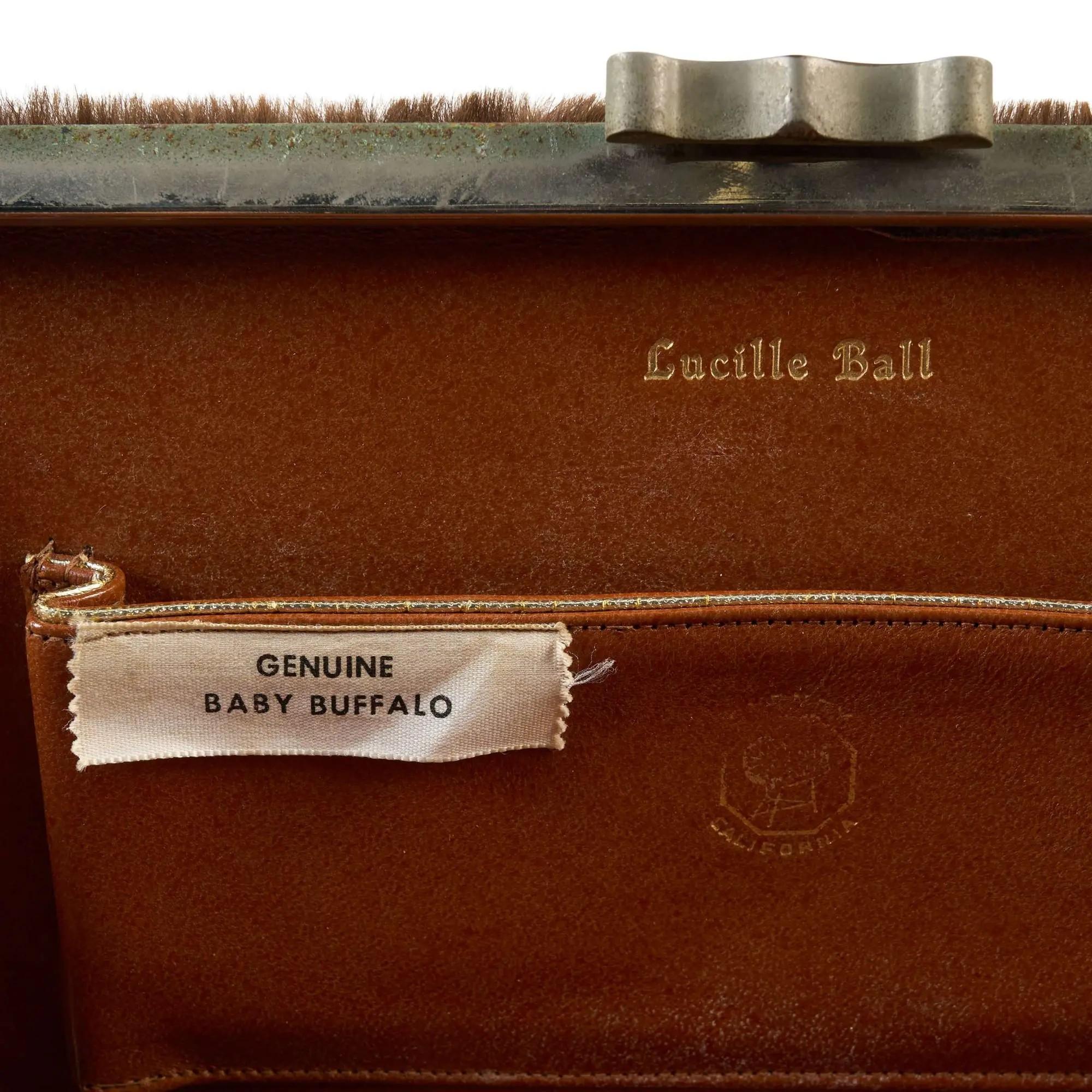
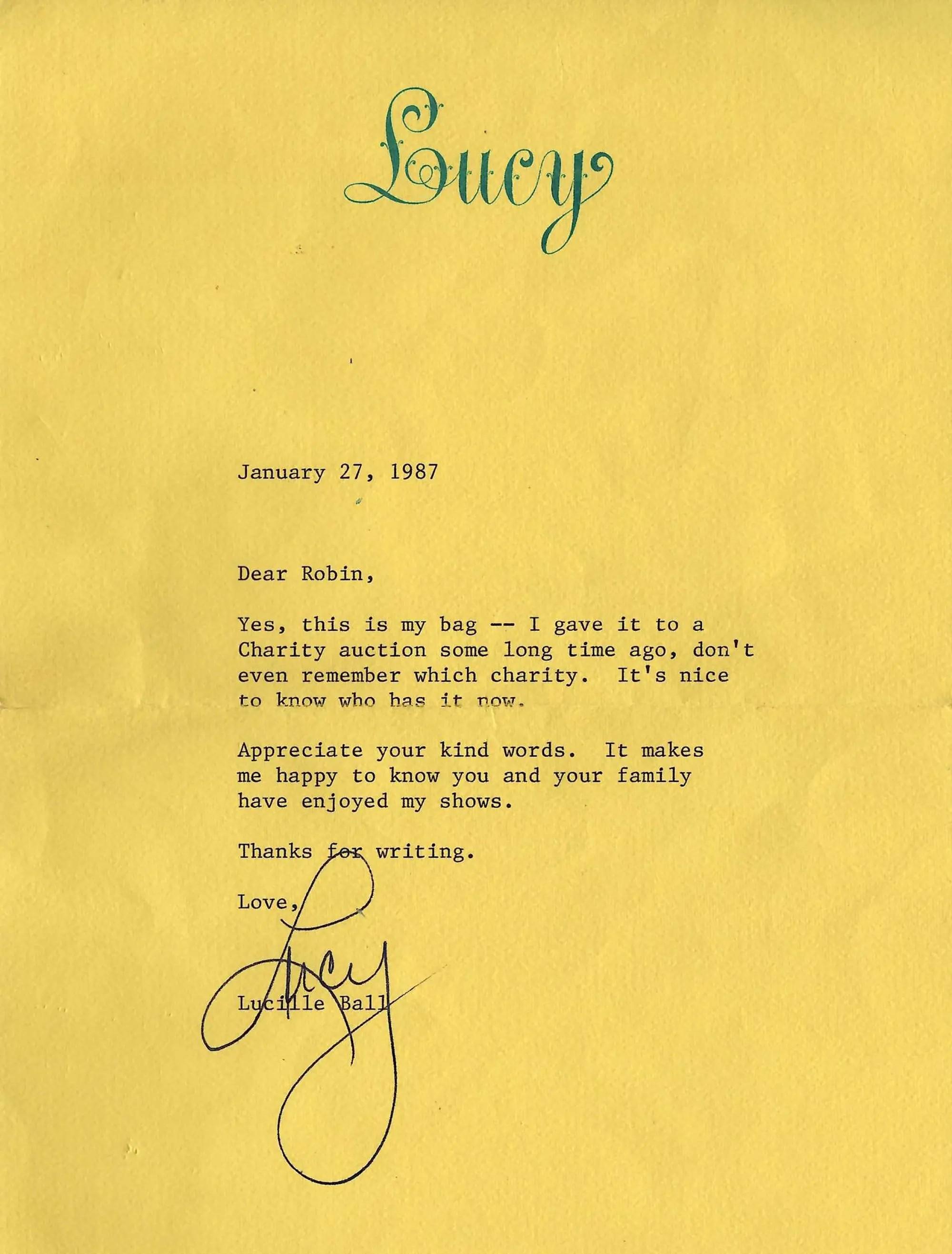
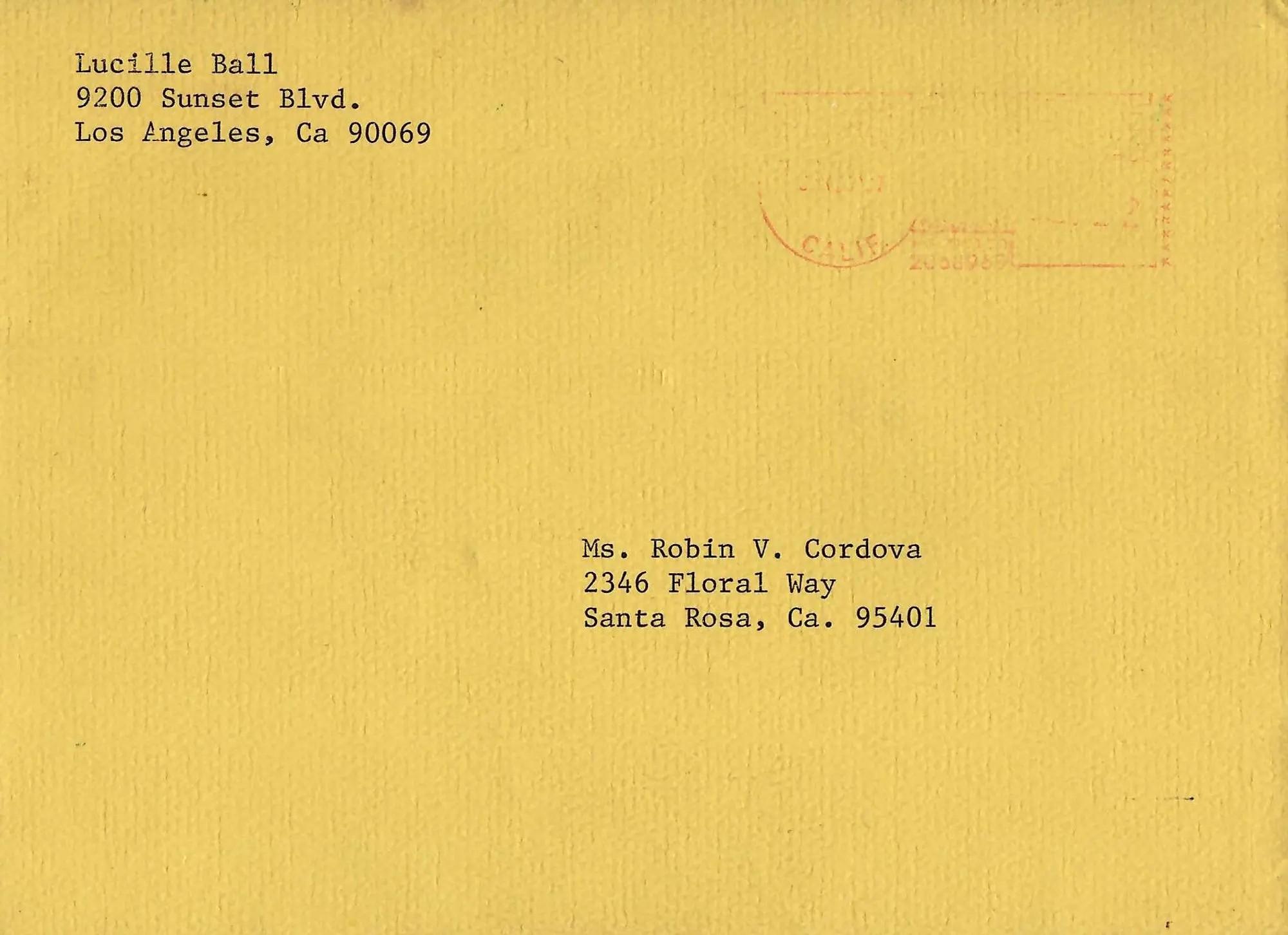
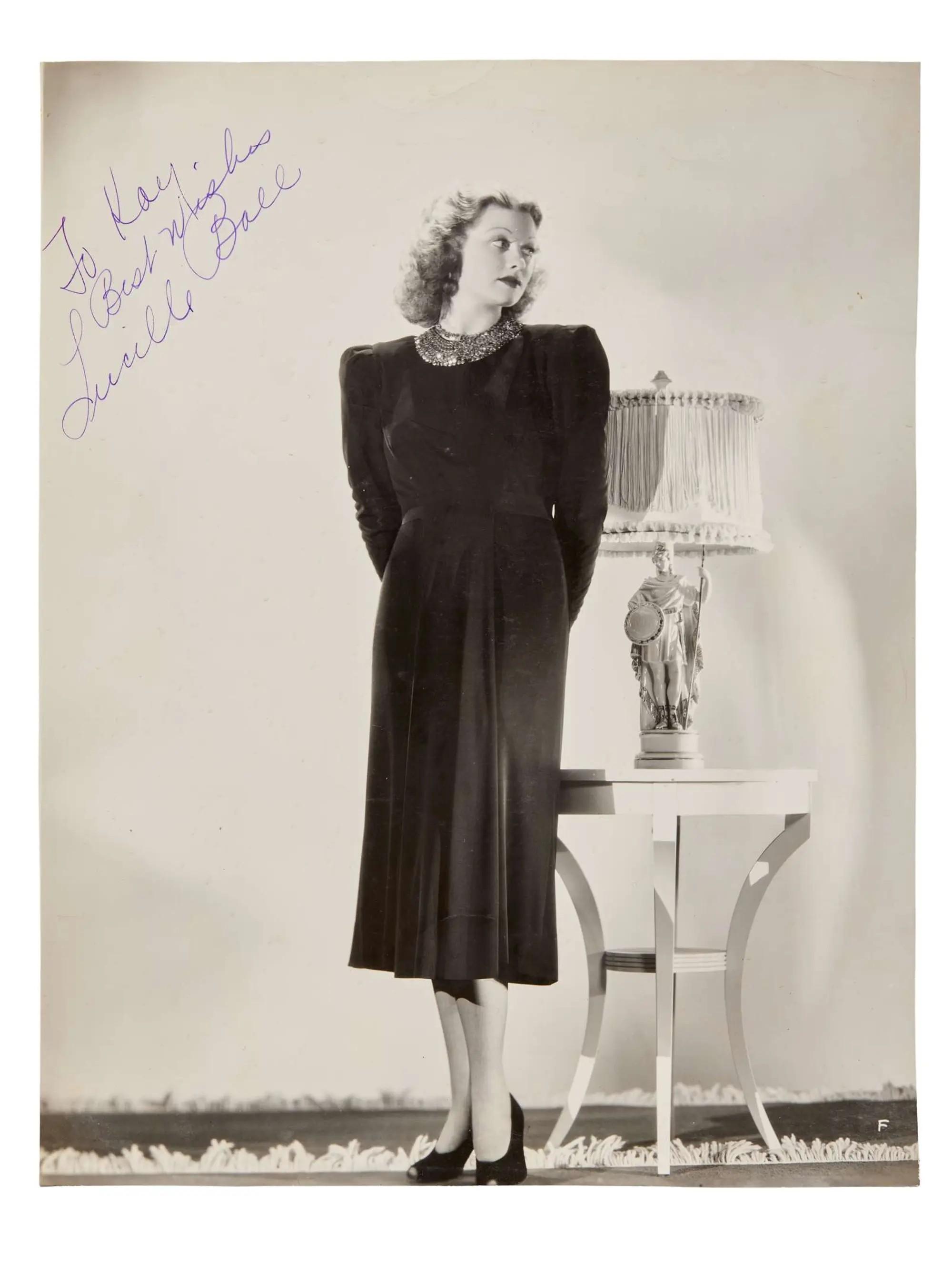
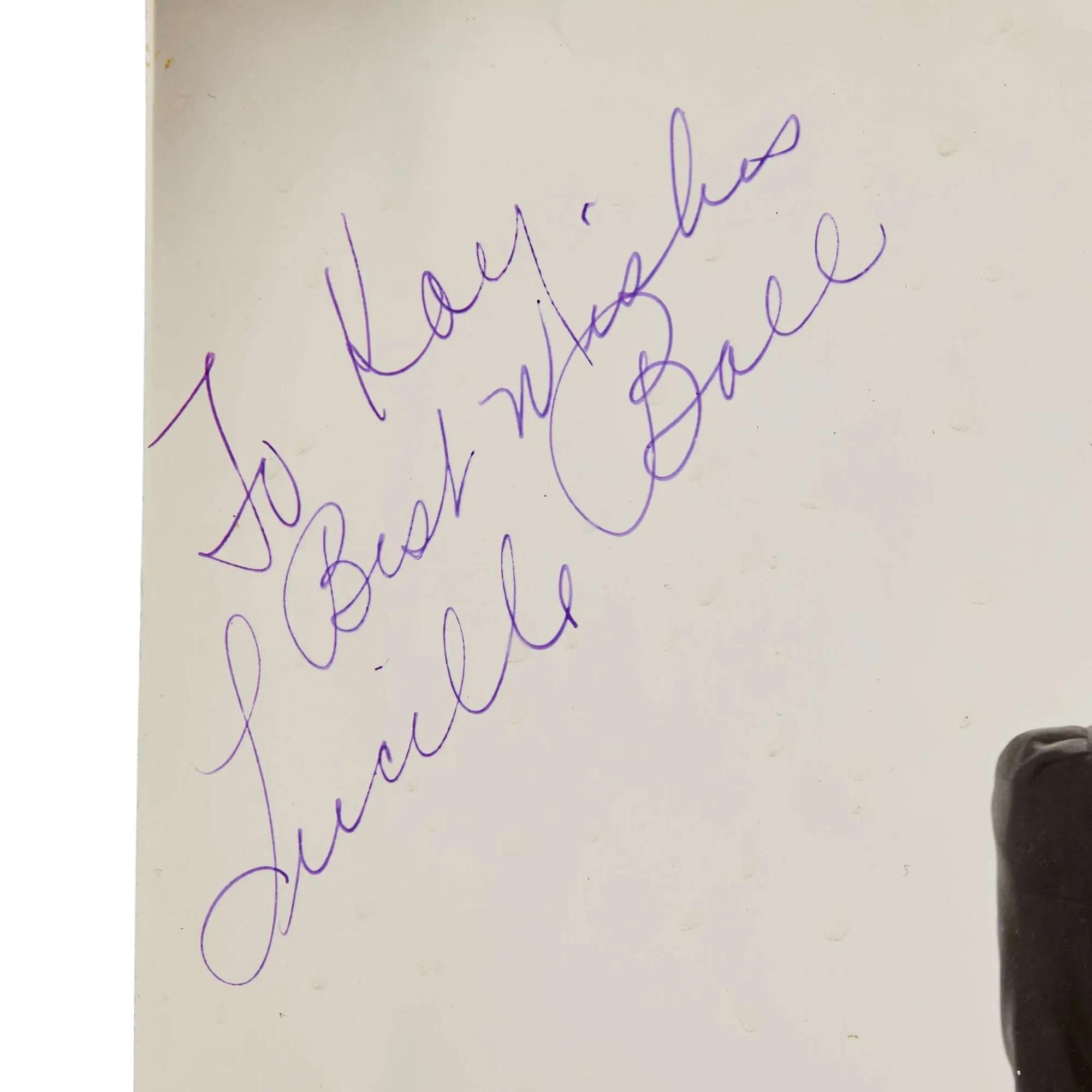
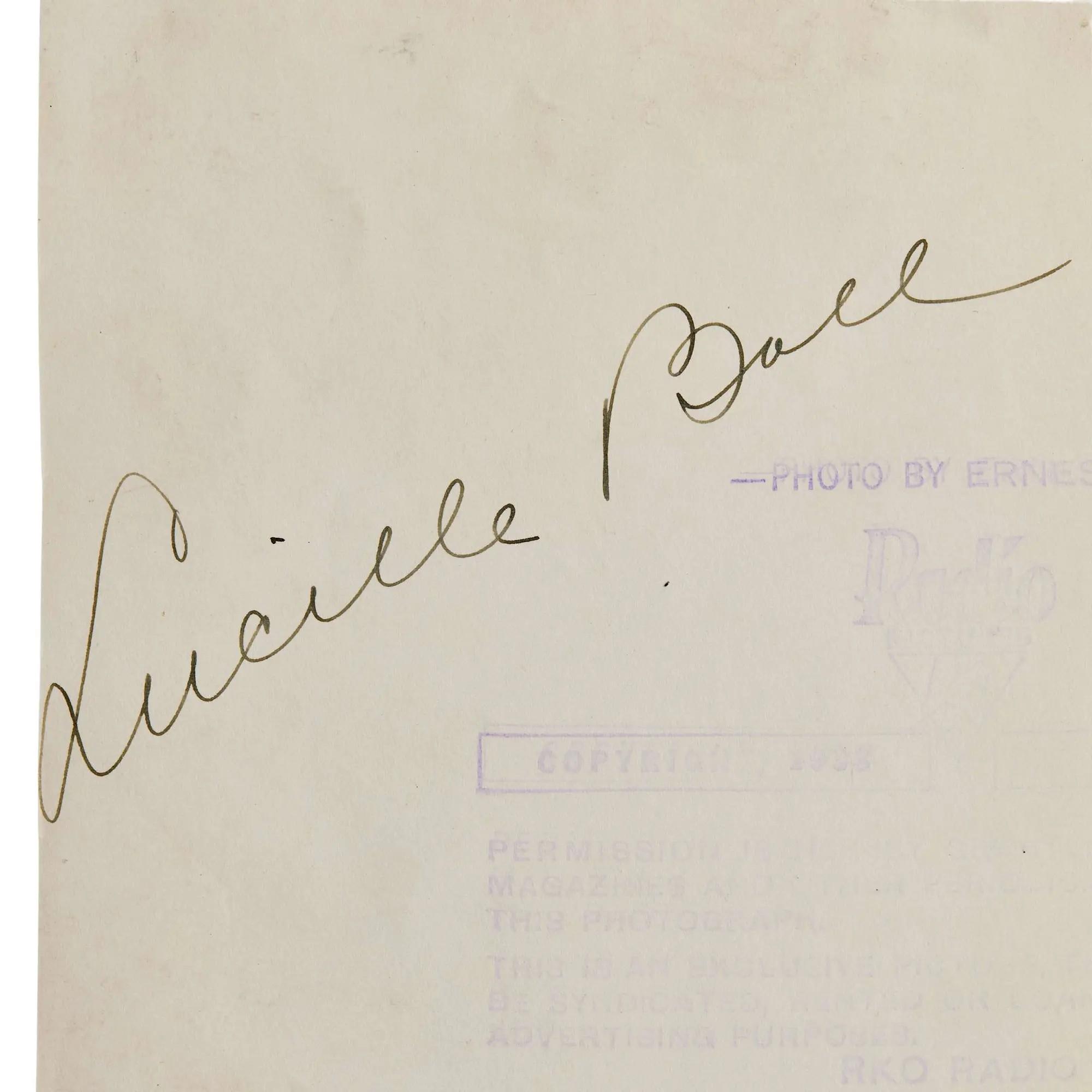
1. Lot #204. Lucille Ball | Personalized Purse with Signed Letter, 5. Lot #205. Lucille Ball | Signed 1938 Photograph,
Dick Van Dyke: Physical Comedy Perfected
Dick Van Dyke built his legacy on a foundation of effortless physical comedy and impeccable comic timing, qualities that made The Dick Van Dyke Show (1961-1966) a defining sitcom of its era. As Rob Petrie, Van Dyke brought a blend of slapstick agility and relatable charm to television, often turning simple scenes into showcases for his vaudeville-trained body comedy—pratfalls, double-takes, and an uncanny ability to make a stumble look both spontaneous and perfectly choreographed.
Two sets of scripts from 1962 believed to have belonged to Dick Van Dyke offer a rare behind-the-scenes look at that craft in action. This 45-page script for season two's "My Husband Is Not a Drunk!" is believed to be Van Dyke's own working copy, his name penciled in red at the top of the title page. The episode is a fan-favorite showcase for his physical comedy, with Rob unknowingly hypnotized and slipping in and out of "drunken" behavior at the sound of a bell. Most compelling is a handwritten line addition in the script—"They just don't make jackets like my mother used to"—added before Rob's tussle with his jacket, a line that made it into the final broadcast. Whether added by Van Dyke himself or a member of the writing staff, this annotation offers a tangible piece of the creative process behind one of the show's most memorable comic sequences.
Lot 193 complements this with the script for "The Attempted Marriage," which Van Dyke has named among his five favorite episodes of the entire series. Paired with an unused taping ticket from August 28, 1962—when the series was still billed simply as "a new television comedy"—this lot captures a moment before The Dick Van Dyke Show became the institution it's remembered as today. The episode's comic set pieces, depicting Rob and Laura's chaotic obstacles on their wedding day, remain among the most-replayed clips in the show's retrospectives.
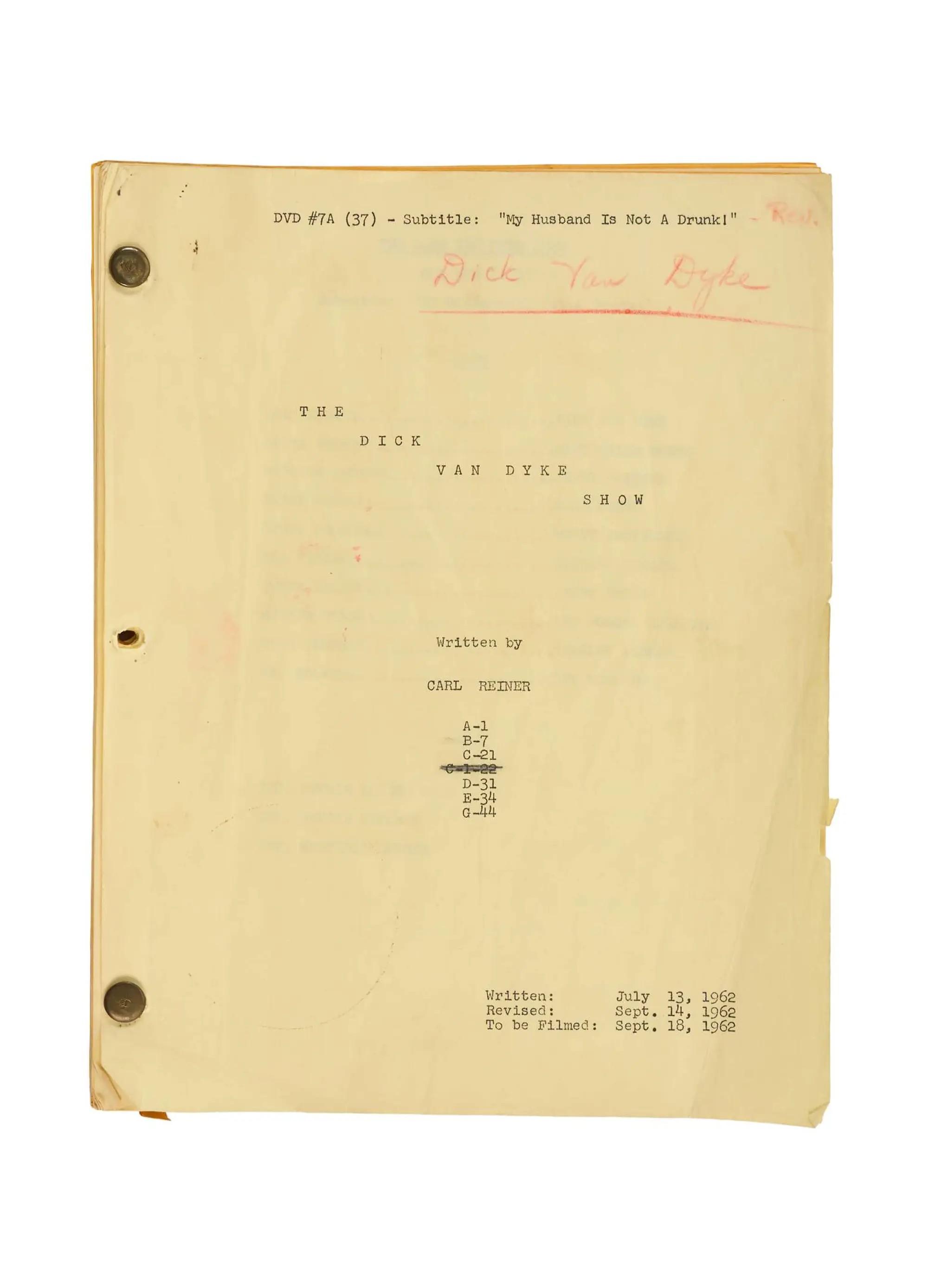
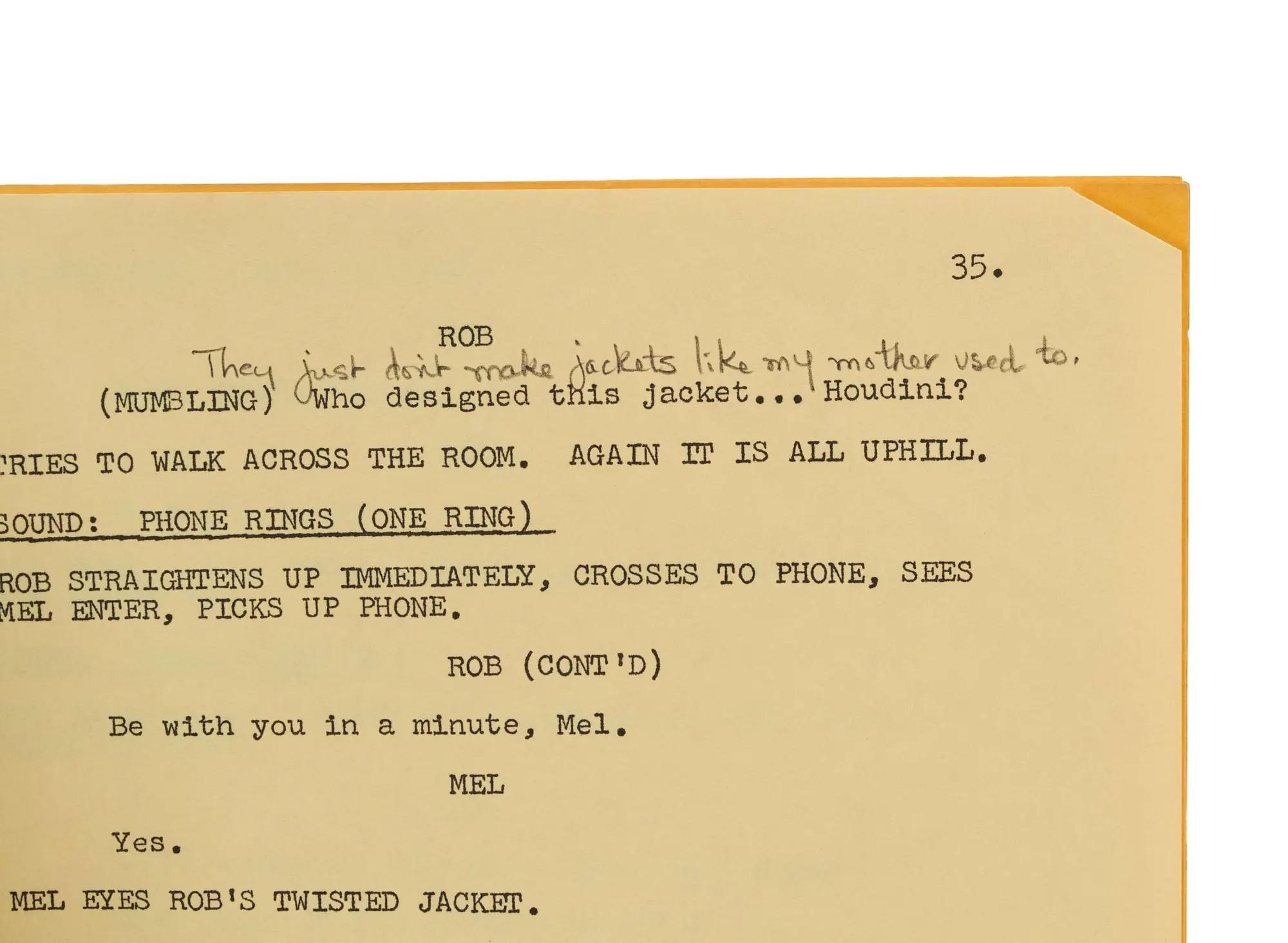
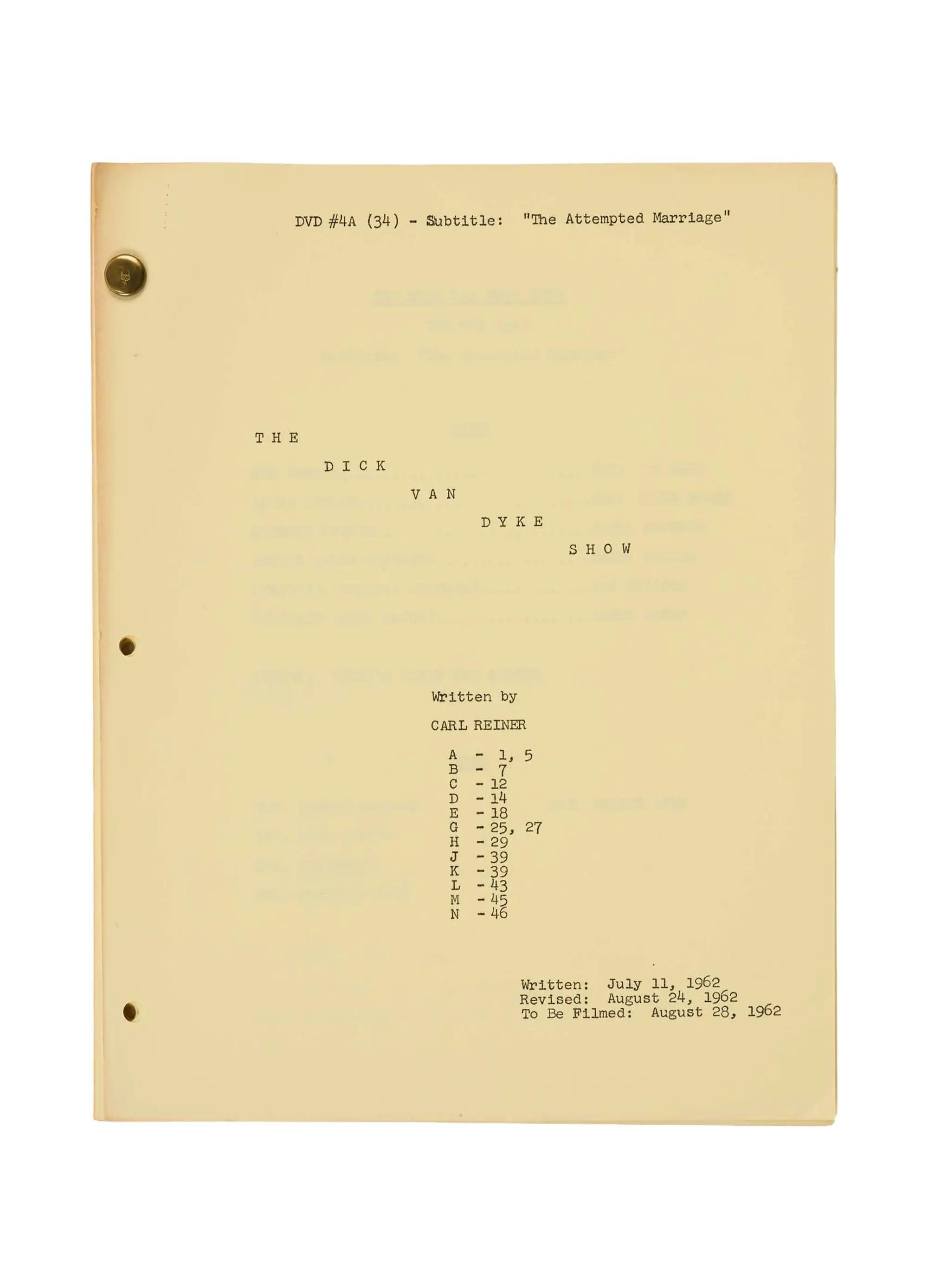
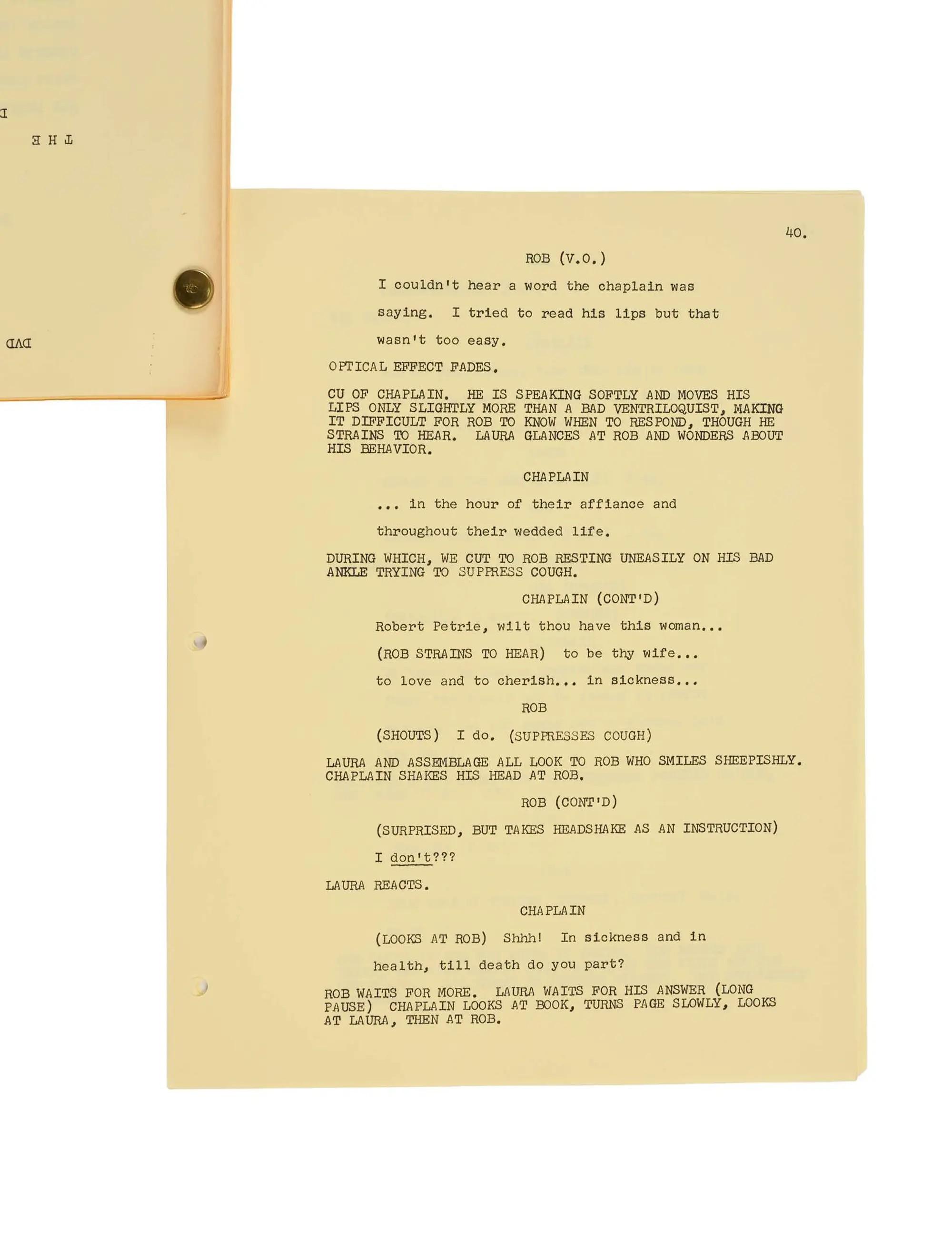
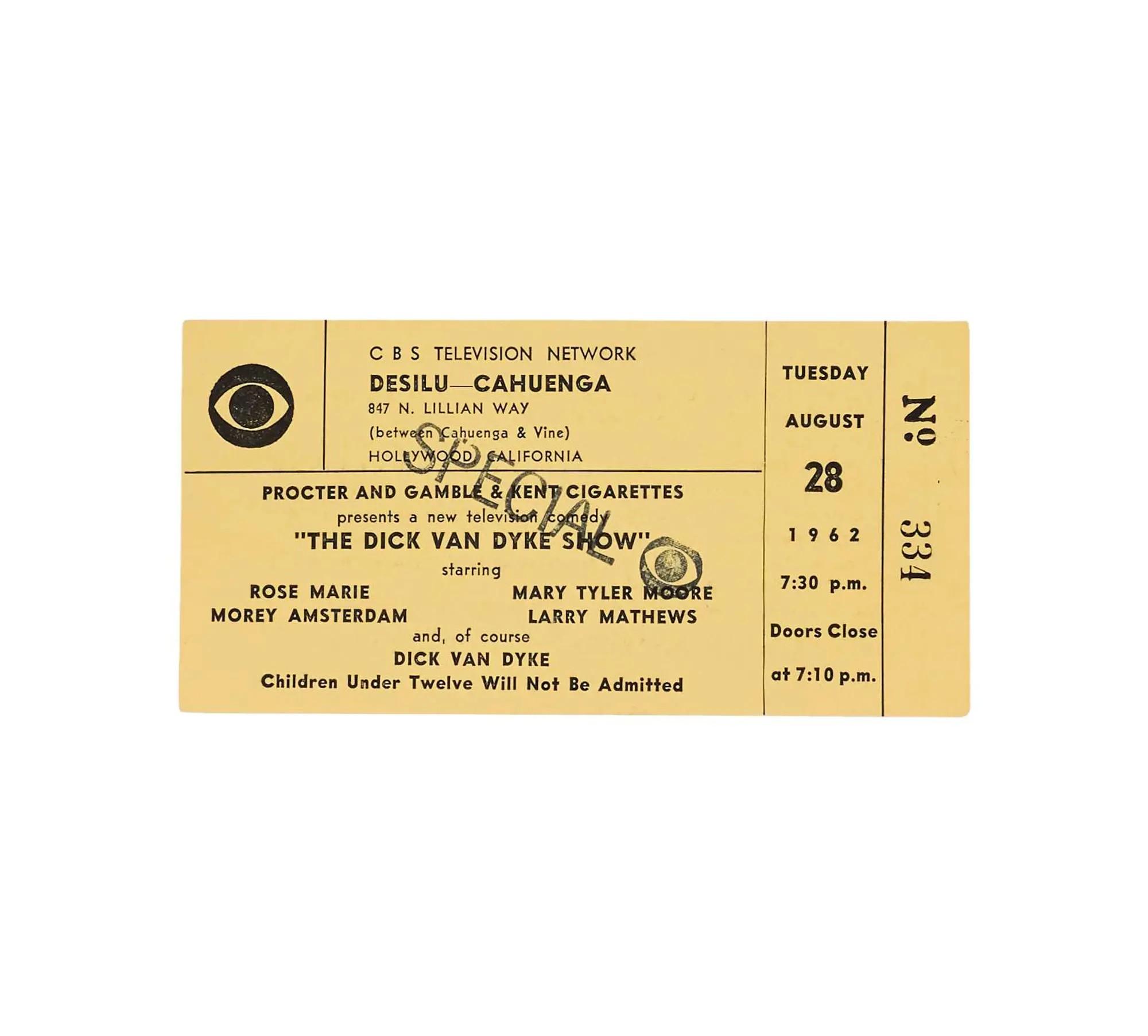
1. Lot #192. Dick Van Dyke | 1962 “The Dick Van Dyke Show" Script Believed to be Van Dyke's, 3. Lot #193. Dick Van Dyke | 1962 “The Dick Van Dyke Show” “Attempted Marriage” Script and Unused Taping Ticket,
Carol Burnett: Variety, Vulnerability, and Bob Mackie's Vision
For eleven seasons, The Carol Burnett Show (1967-1978) set the standard for television variety programming, blending sketch comedy, music, and Burnett's singular gift for combining big laughs with genuine heart. Central to the show's visual identity was costume designer Bob Mackie, whose elaborate, glamorous designs became as iconic as the sketches themselves—transforming Burnett and her castmates into showgirls, royalty, and unforgettable characters like Eunice and Mrs. Wiggins.
In a piece that points to her visual legacy is a floor-length orange chiffon Bob Mackie gown worn by Burnett during the February 12, 1977 broadcast, used during the show's beloved opening segment where Burnett took questions directly from the studio audience. It was during a similar Q&A that Burnett famously credited Mackie with creating the visual foundation for Mrs. Wiggins, noting that the costume designer's choices — particularly a notoriously tight skirt — shaped the character's signature shuffling walk. This gown represents the kind of effortless glamour Mackie brought to even the show's quieter, more conversational moments.
Additionally, lot 207 takes us further into Mackie's creative process with a signed 1972 costume illustration for season six, episode twelve, depicting Burnett and guest star Melba Moore in flamboyant feathered ensembles for their performance of "Have a Little Talk to Myself." The sketch — rendered in teal and lavender with voluminous feather sleeves and cloche-style hats — shows the meticulous artistry behind Mackie's work, several decades before his career would earn him three Academy Award nominations, nine Emmys, and a Tony Award. As fashion historian Valerie Steele observed, Mackie's gift lay in capturing "rhinestones and feathers and furs" — a sensibility on full display in this rare original illustration.
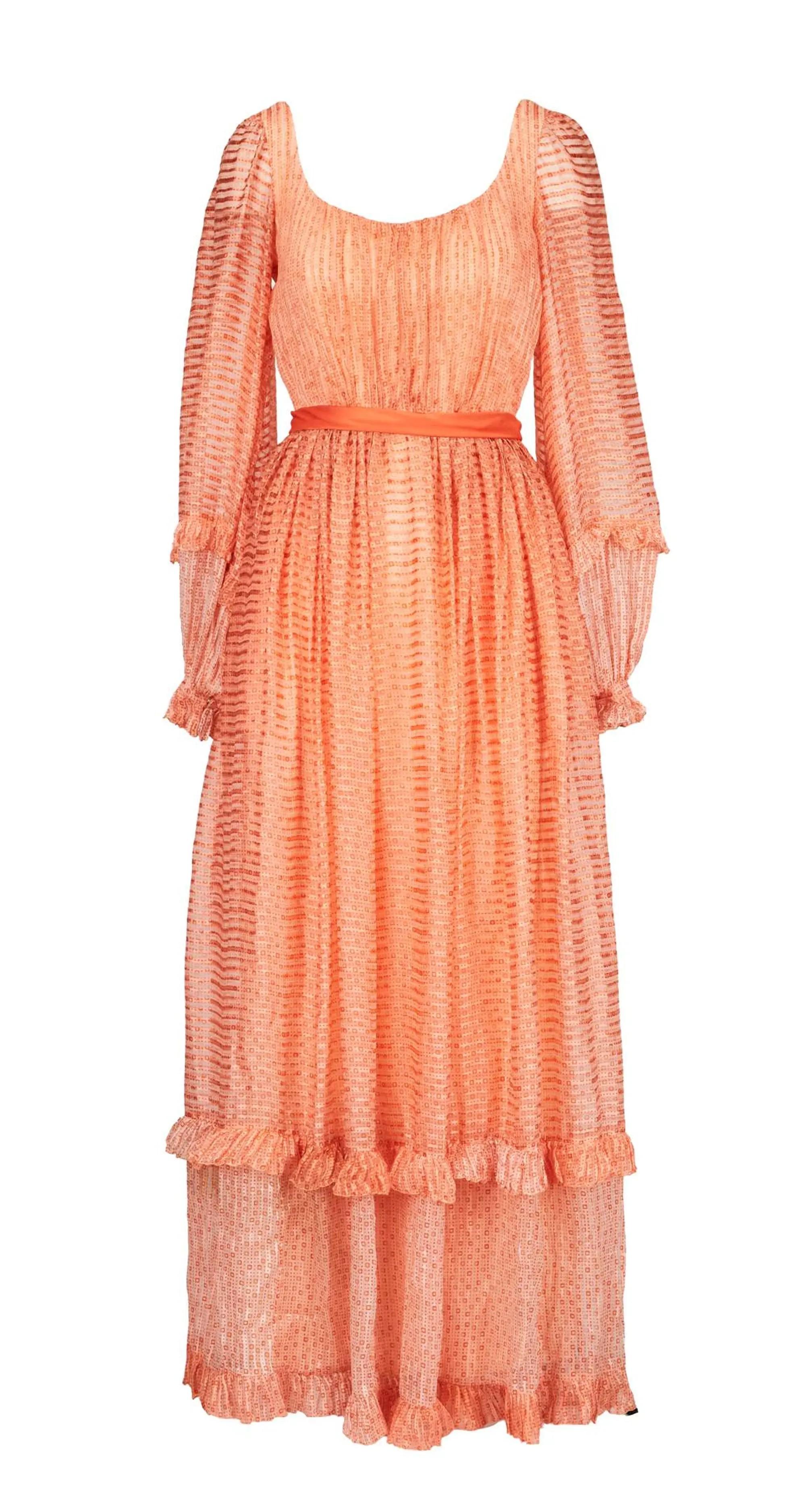
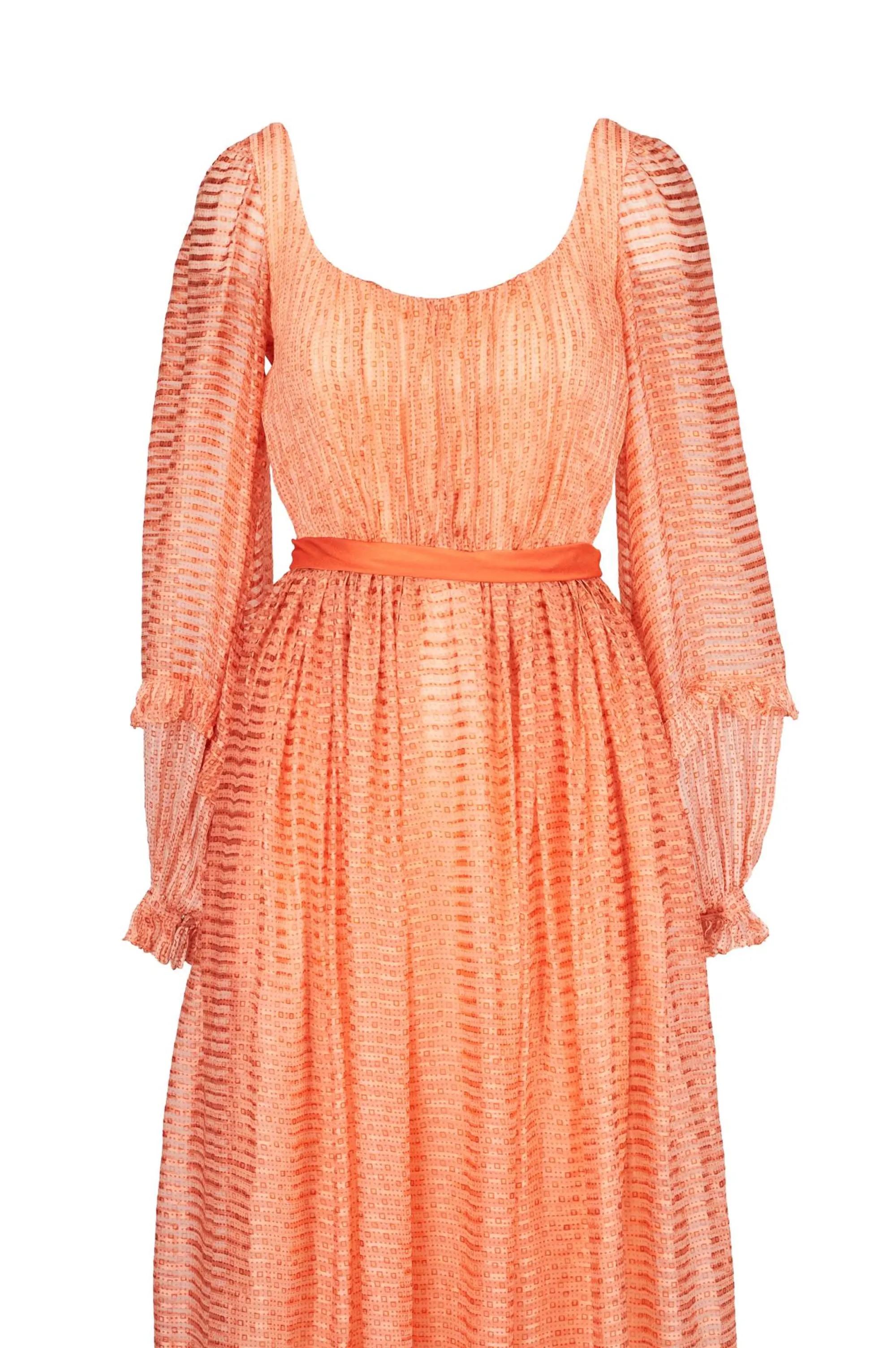
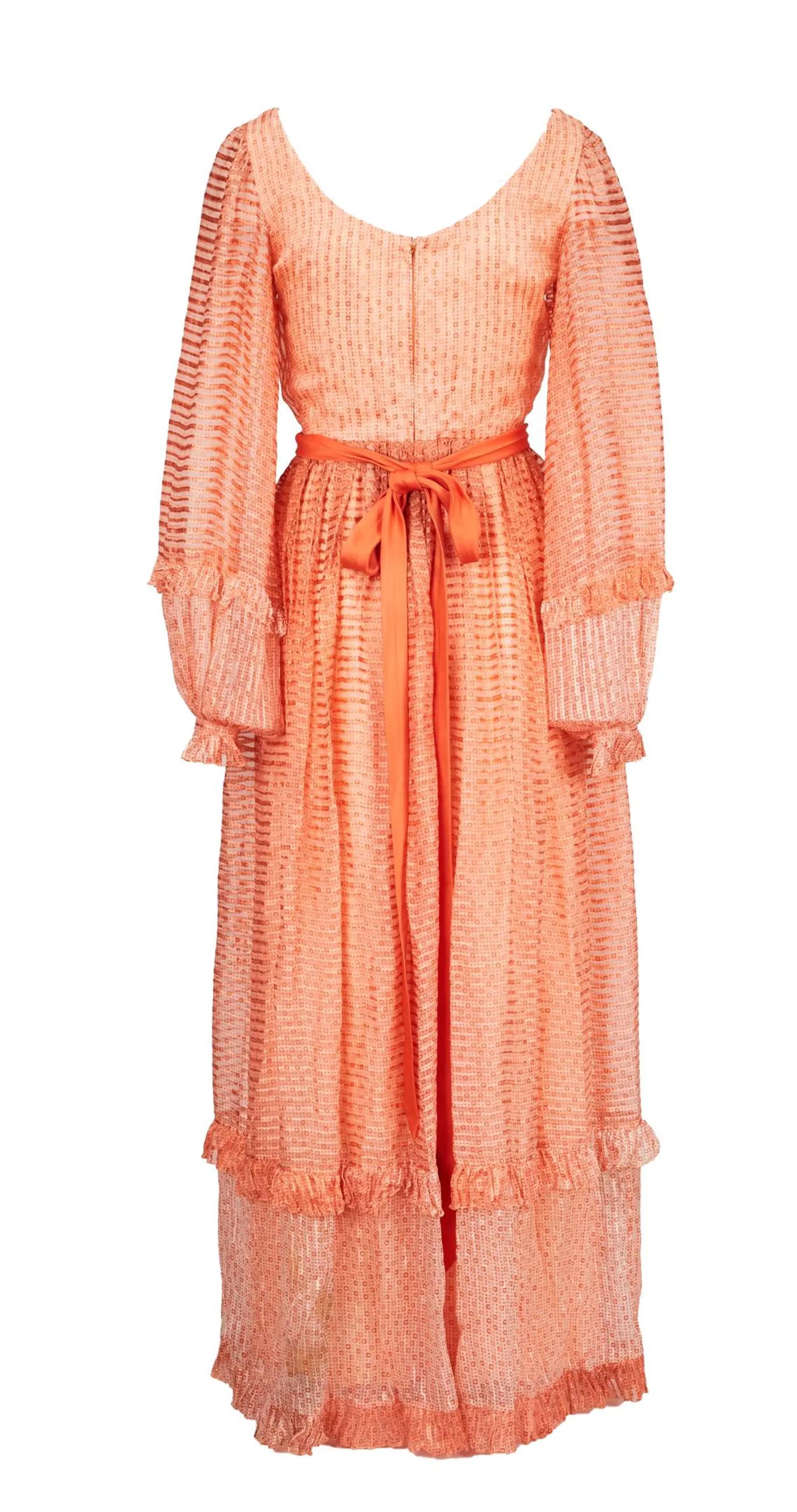
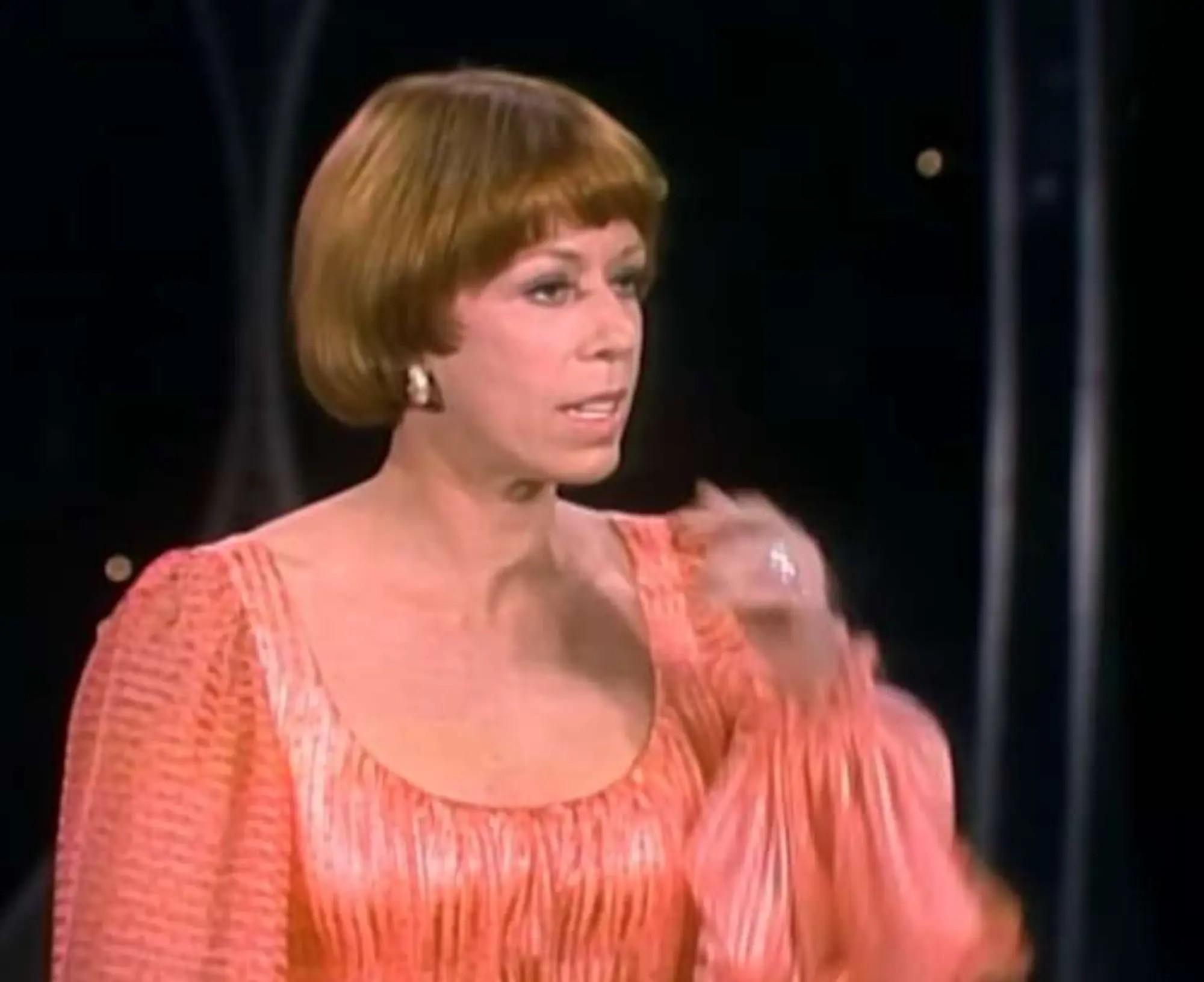
1. Lot #206 Carol Burnett 1977 Bob Mackie Chiffon Gown, The Carol Burnett Show,
Buster Keaton: The Great Stone Face Behind the Camera
Buster Keaton's legacy as one of silent cinema's greatest filmmakers rests not just on his performances but on his mastery of the camera itself. Known for death-defying stunts and meticulously engineered visual gags, Keaton approached filmmaking with the precision of an engineer, often designing elaborate mechanical sequences that required complete command of cinematography and staging.
Lot 184 connects to that legacy through a vintage Universal "Model A" hand-crank 35mm camera and tripod reportedly owned by Keaton. Dating to the 1920s, this camera embodies the technology of the era when Keaton was creating his most celebrated work—films where the camera itself became part of the comedic and visual language. The piece carries an additional layer of Hollywood history: it was later owned by comedian Chuck McCann, who befriended Keaton during their shared appearances on The Garry Moore Show in the 1950s and 60s—a friendship that bridged silent-era comedy with the television age that would come to celebrate it.
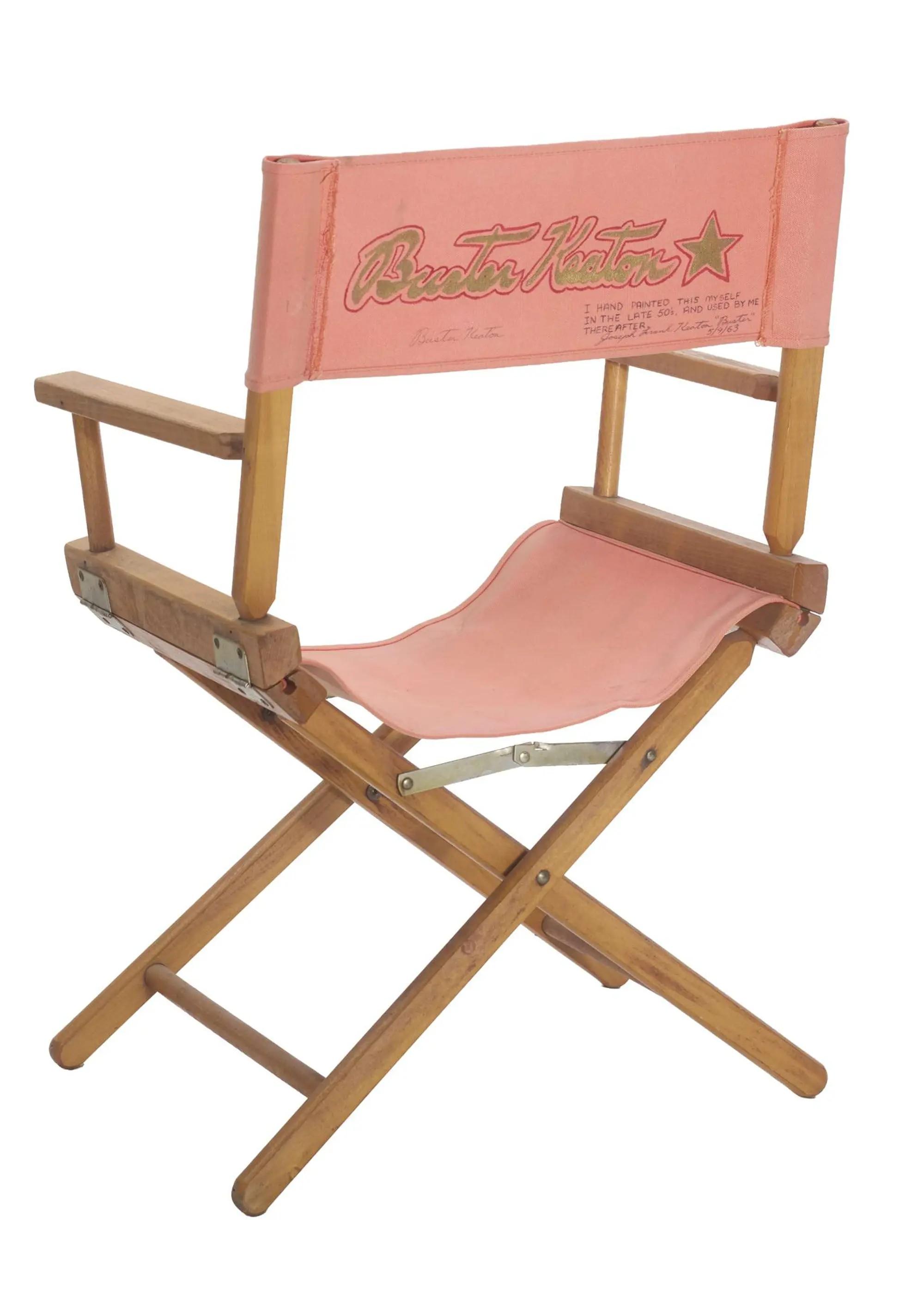
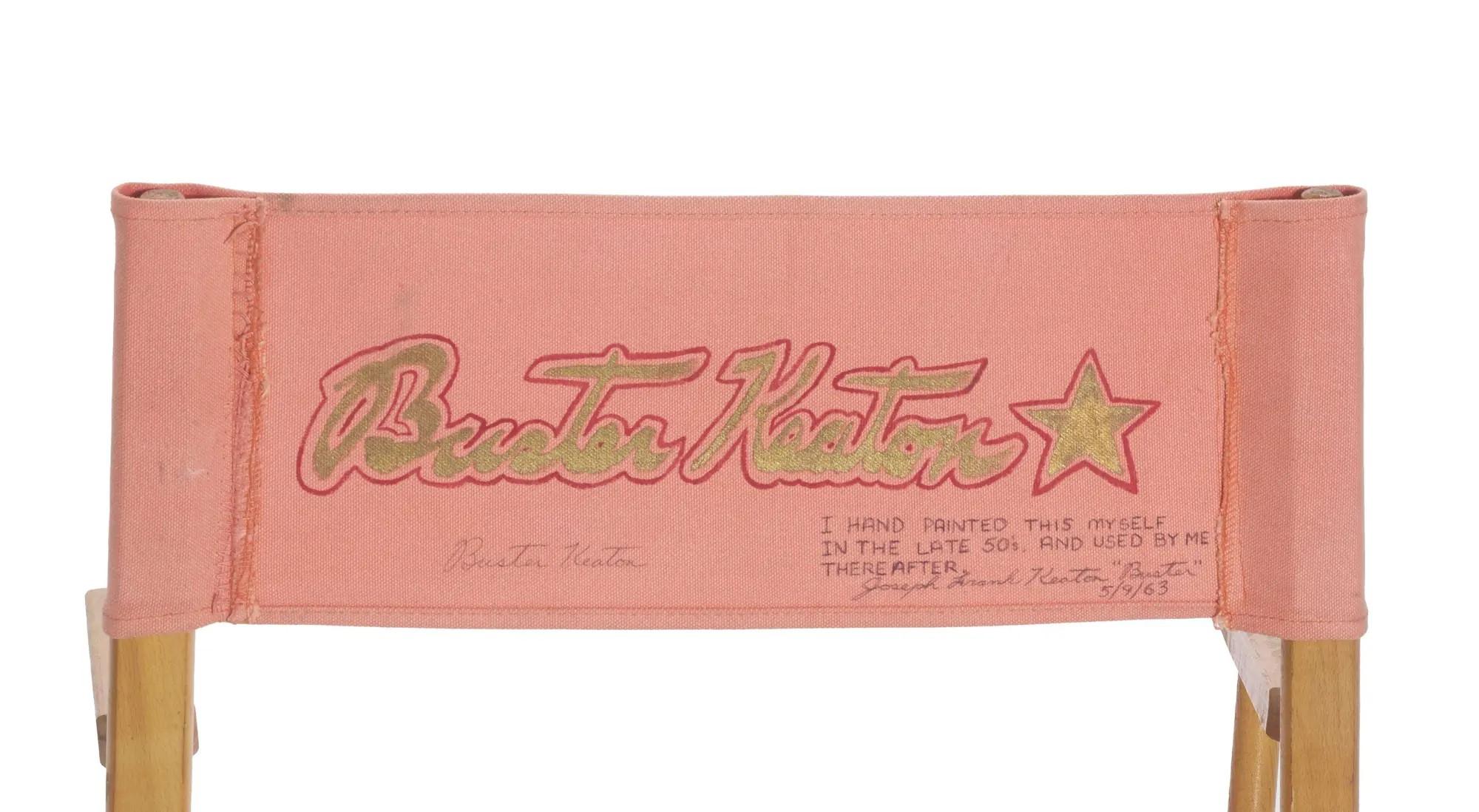
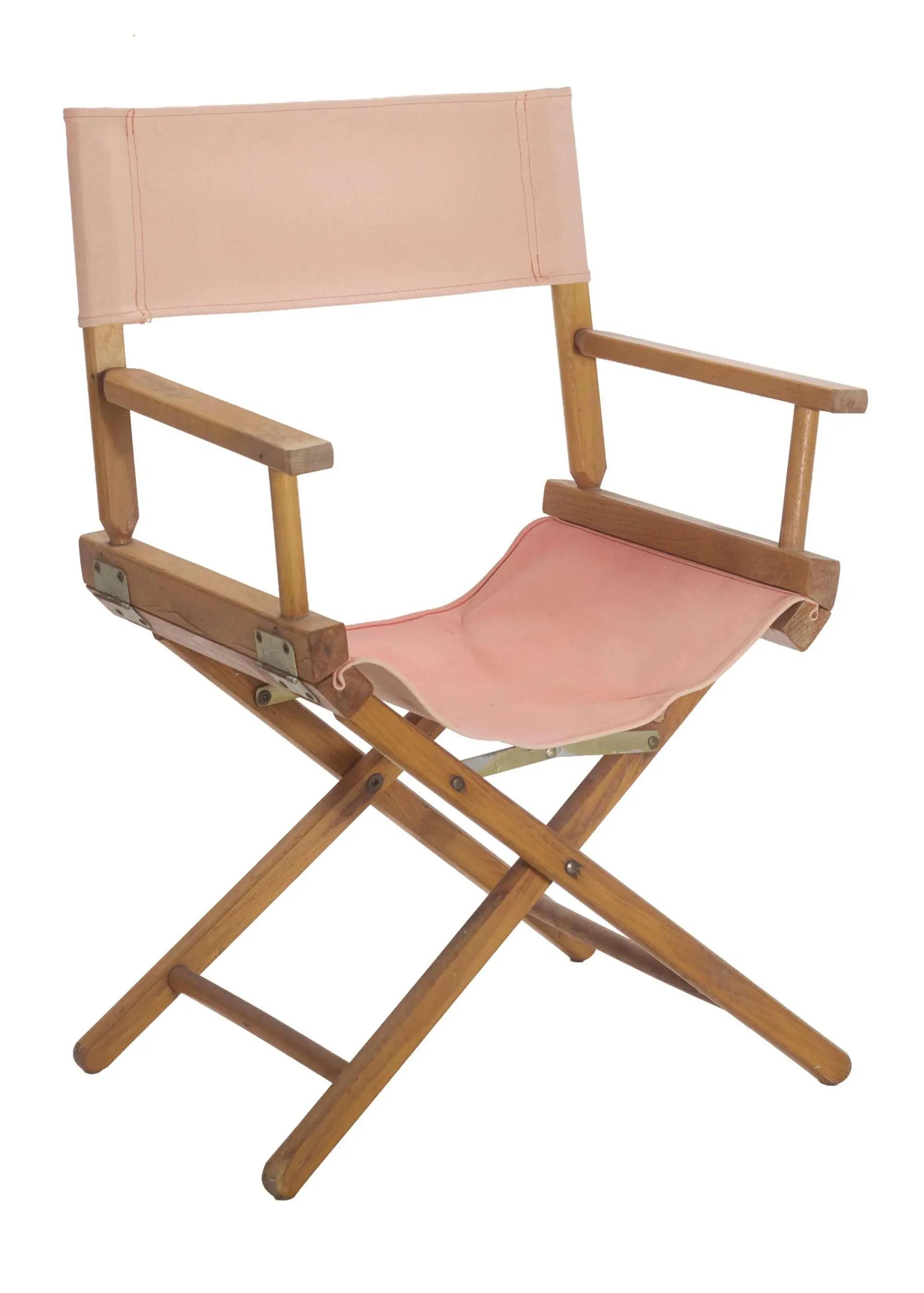
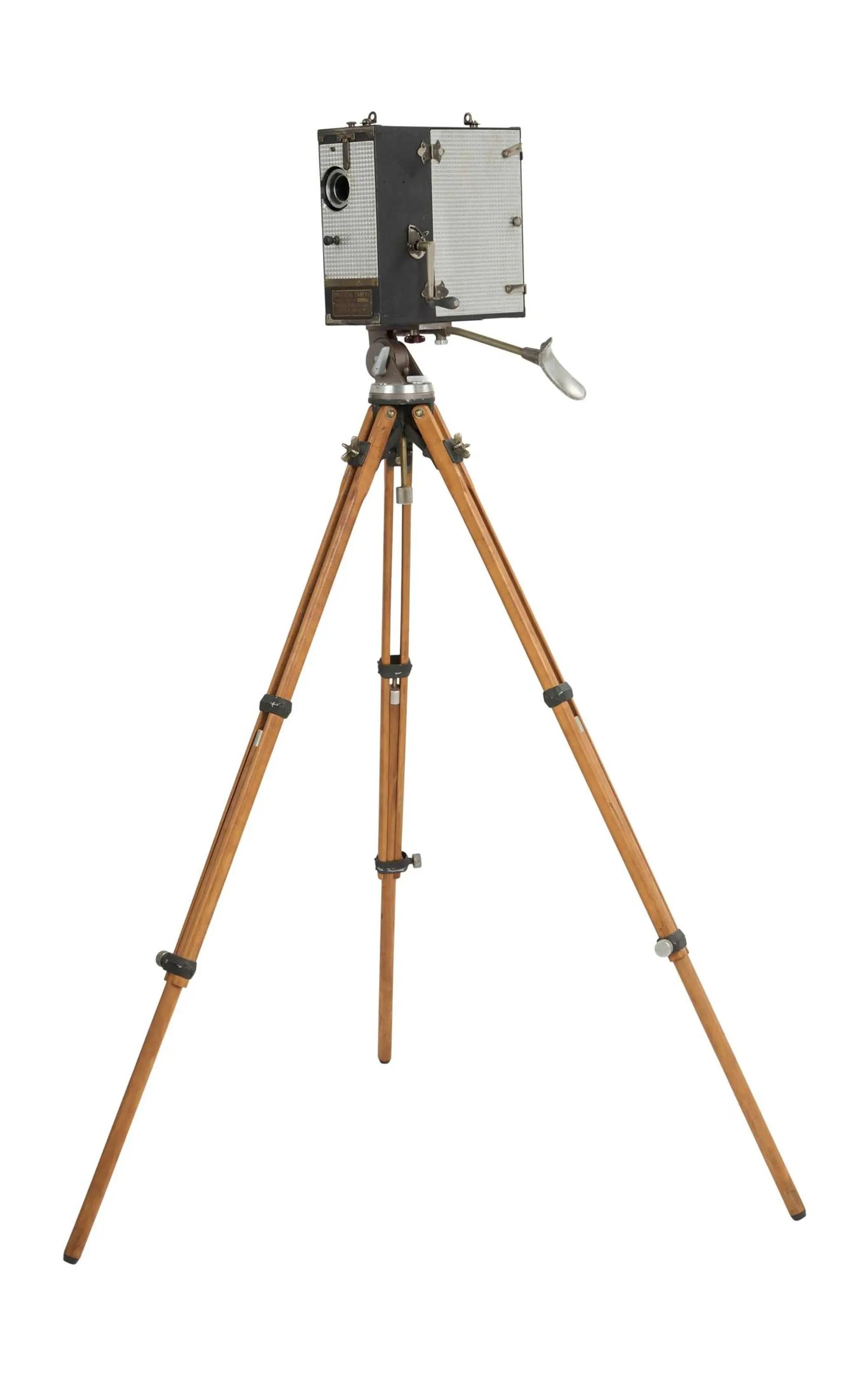
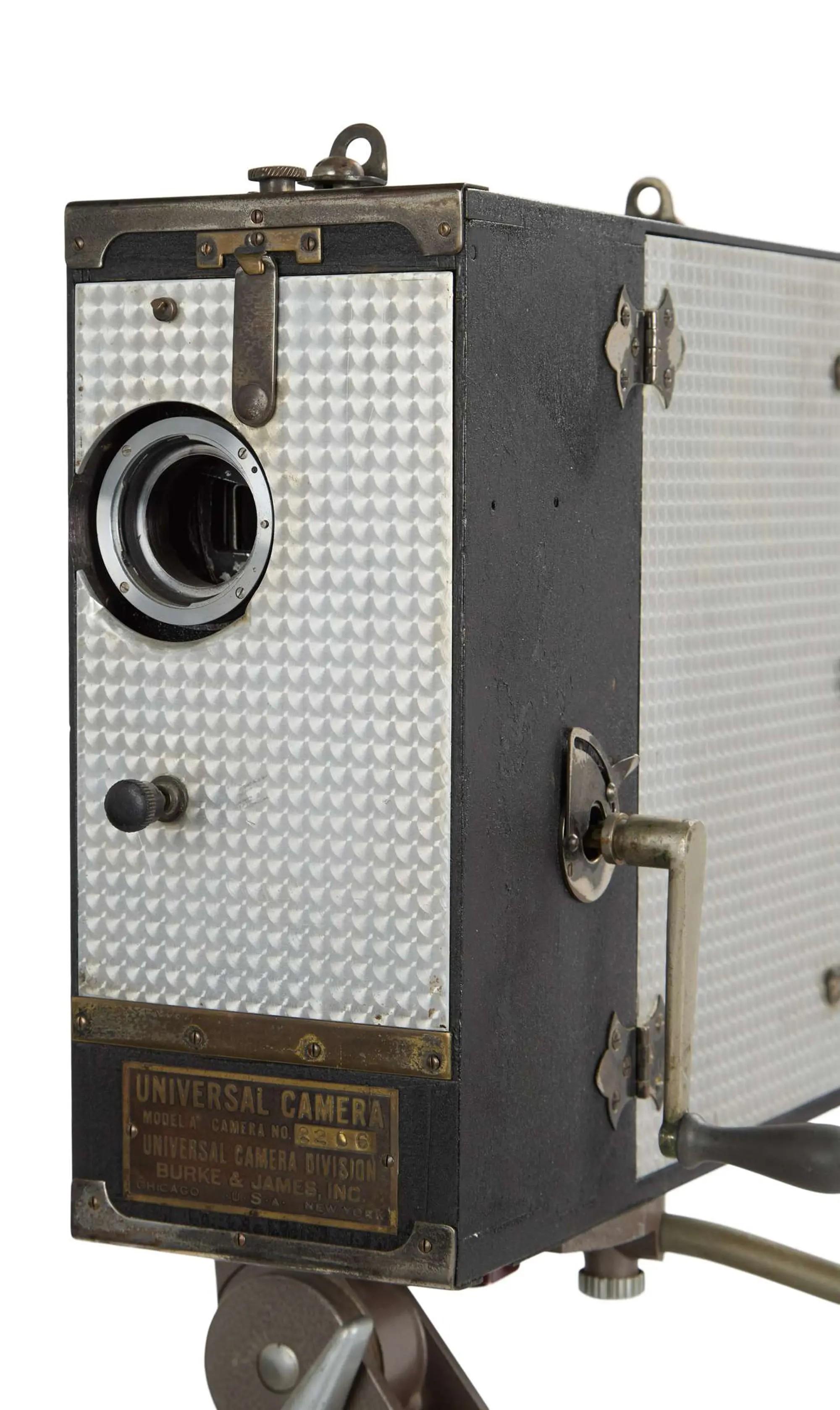
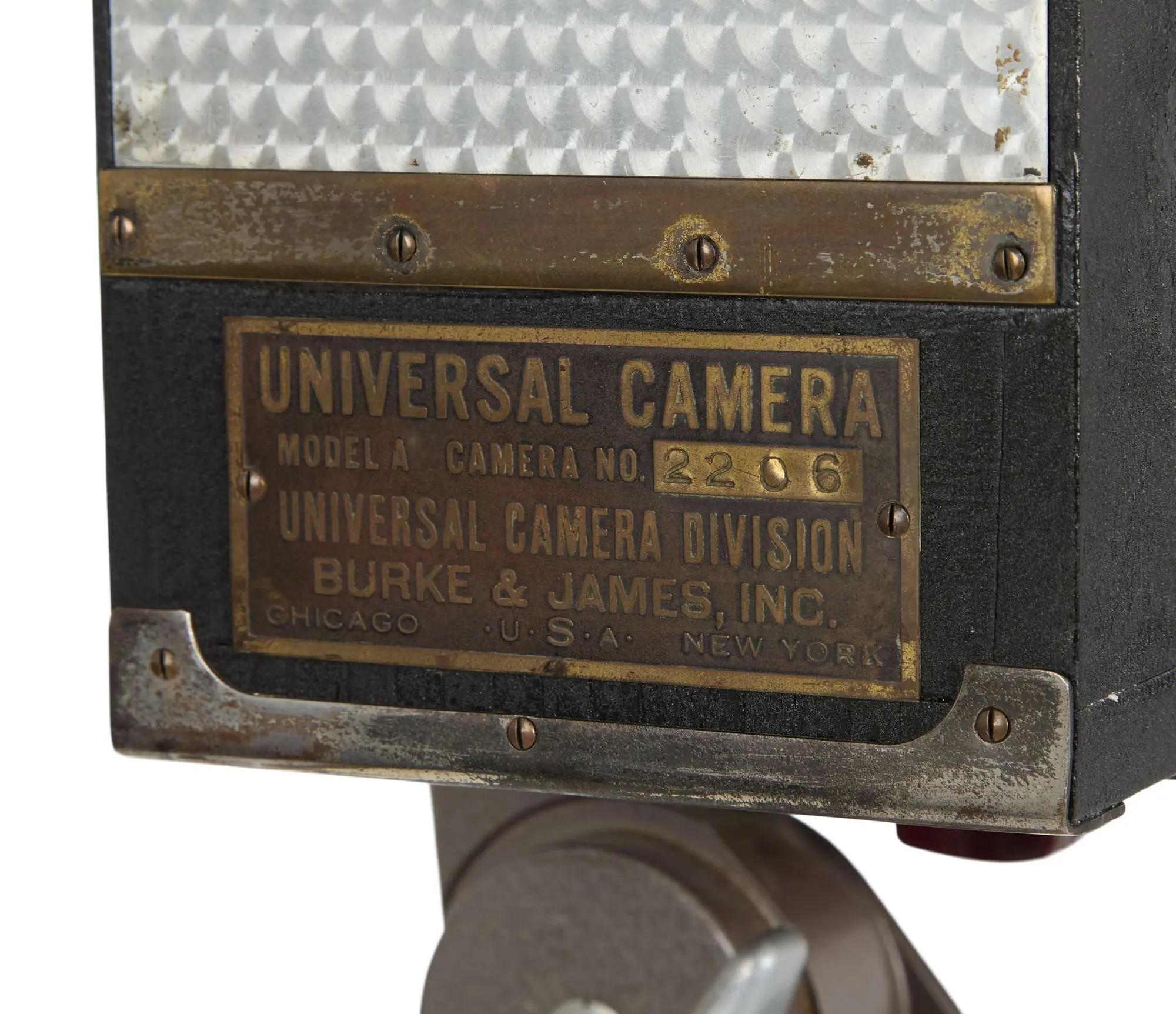
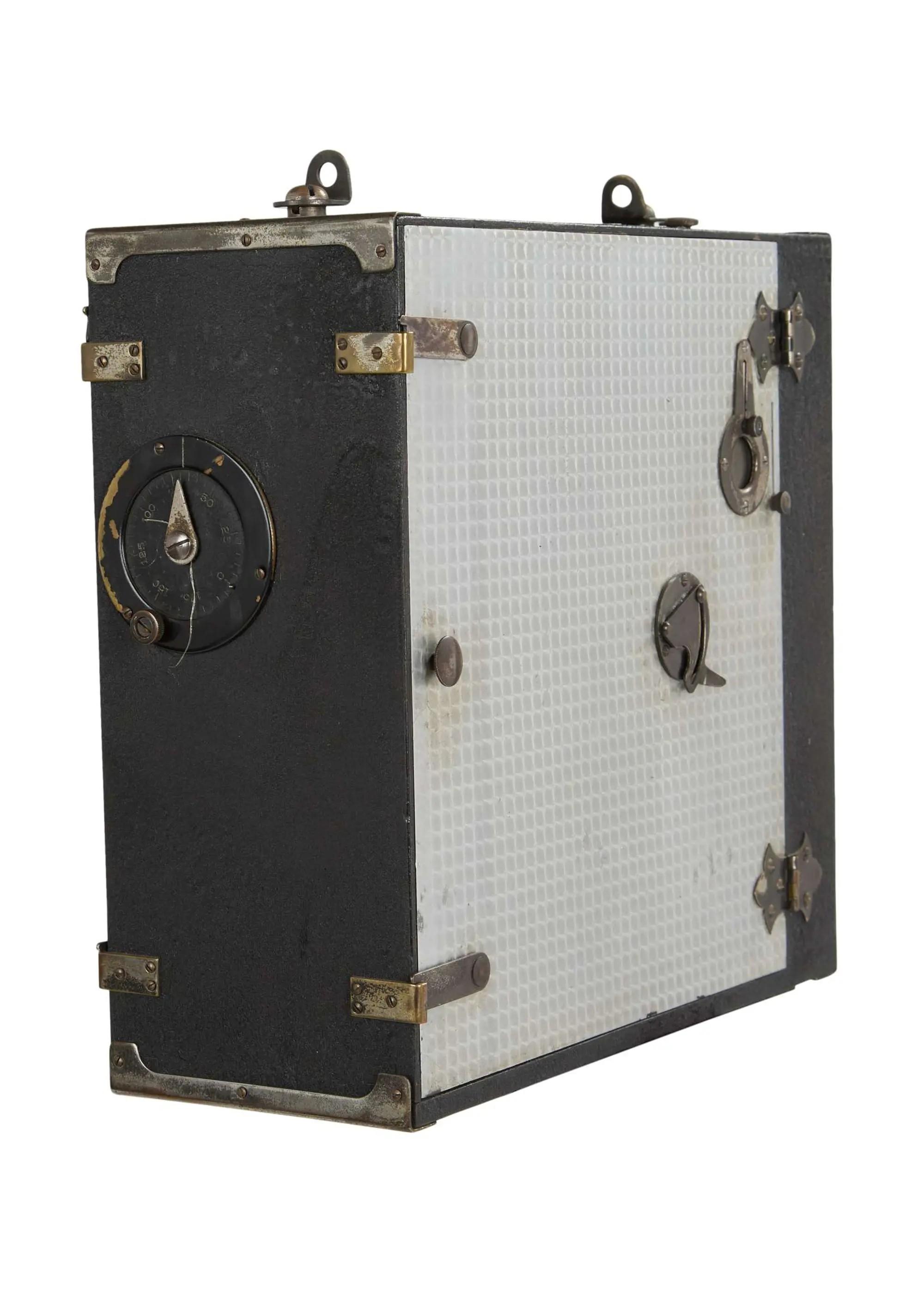
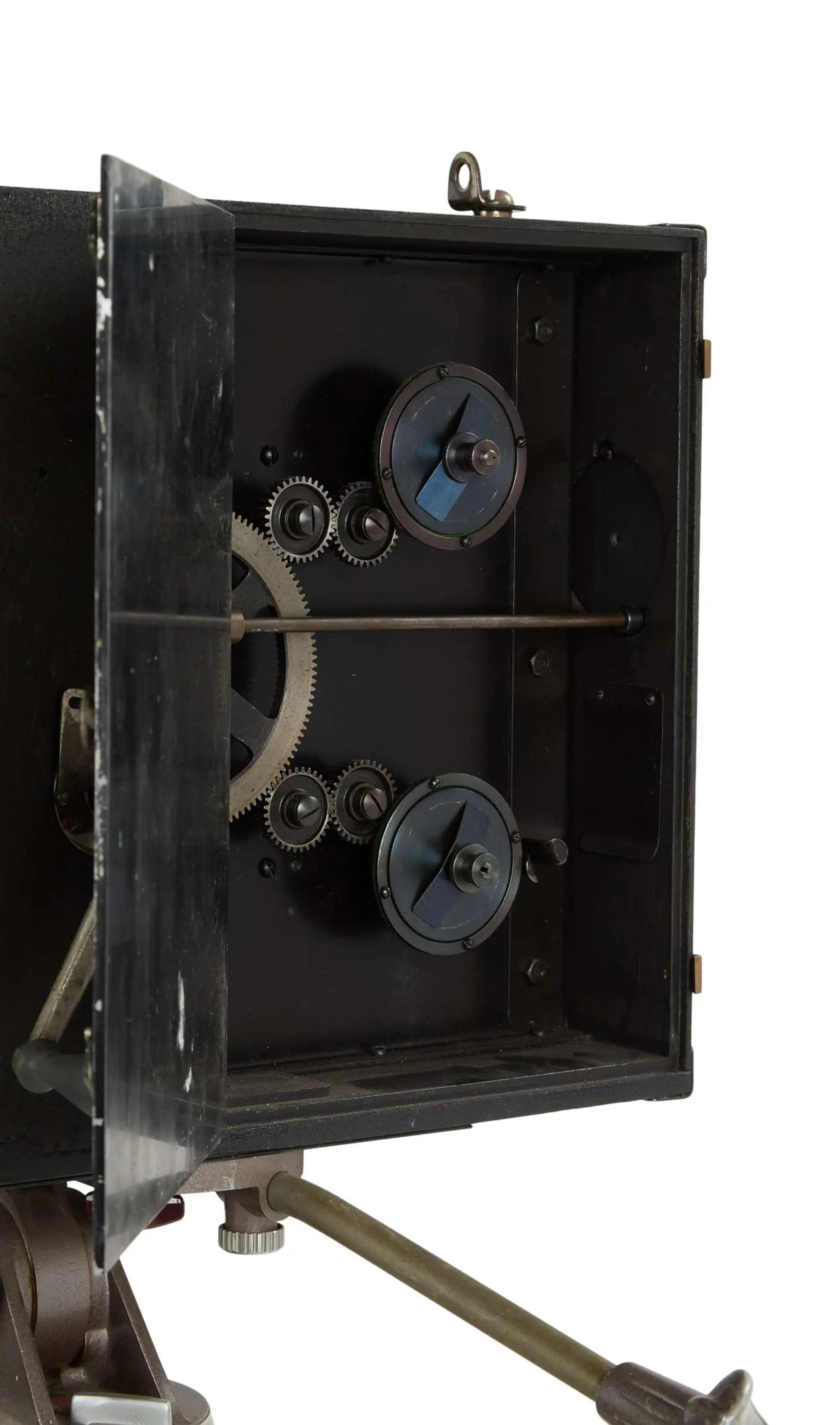
1. Lot #185. Buster Keaton | Buster Keaton Signed Director's Chair, 4. Lot #184. Buster Keaton | Camera and Tripod,
From a young Lucille Ball posing for RKO publicity stills to the camera that may have captured Buster Keaton's silent-era genius, from Dick Van Dyke's working script annotations to Bob Mackie's elaborate sketches for Carol Burnett, these artifacts offer collectors a rare chance to hold a piece of comedy history—the tools, costumes, and personal items that shaped some of entertainment's most enduring legacies.