History
Art
Film & TV
Warner Bros. & the Looney Tunes Legacy: A Journey Through Animation History
Explore the rich history of Warner Bros. and the iconic Looney Tunes characters' journey through animation's golden age.
Share



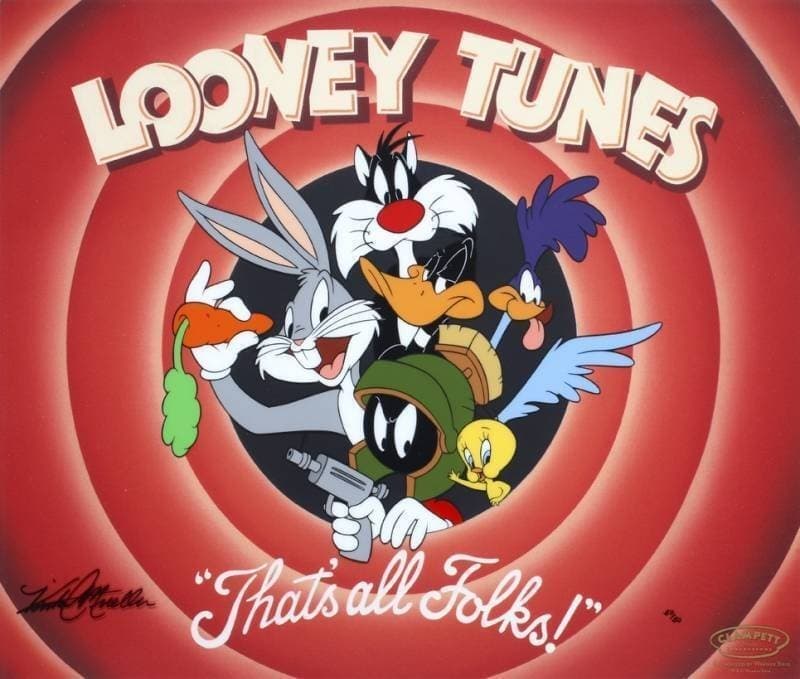
They Didn't Just Make Cartoons. They Started a War.
Warner Bros.' Looney Tunes wasn't born out of artistic vision. It was born out of panic.
When Walt Disney's Steamboat Willie introduced the world to Mickey Mouse in 1928 — complete with synchronized sound — it sent shockwaves through Hollywood. Studios scrambled to respond. Warner Bros., flush with music rights but short on animation experience, made a pragmatic bet: they contracted producer Leon Schlesinger to build a cartoon operation from scratch, with one specific mandate. Use the studio's vast music library. Fill time before feature films. Keep costs low.
What followed over the next four decades was anything but low. It was one of the most creatively explosive eras in the history of American entertainment — fueled by rivalry, genius, rebellion, and more than a little chaos.
Termite Terrace: The Most Important Bungalow in Animation History
Schlesinger subcontracted his first shorts to animators Hugh Harman and Rudolf Ising, who delivered Sinkin' in the Bathtub in 1930 — introducing Bosko, a wide-eyed, rubbery character with more than a passing resemblance to Felix the Cat. Bosko was charming enough, and his successor Buddy kept the lights on, but neither had the spark that would define the franchise. They were placeholders.
The real story began when Schlesinger assembled a new generation of animators and housed them in a ramshackle bungalow on the Warner lot so infested with bugs that the crew nicknamed it "Termite Terrace." The name stuck, and so did the people inside it: Tex Avery, Bob Clampett, Friz Freleng, Chuck Jones, and Robert McKimson. These were not men who got along. They competed ferociously, argued constantly, and drove each other to outdo the last short with something wilder, sharper, and funnier.
That friction was the engine.
Composer Carl Stalling, who joined the studio in 1936, provided the musical backbone — an almost supernaturally gifted musician who could underscore a chase, a pratfall, and an explosion in the same bar. That same year, a voice actor named Mel Blanc signed on, eventually lending his voice to approximately 90 percent of all Looney Tunes characters — Bugs Bunny, Daffy Duck, Porky Pig, Tweety, Sylvester, Foghorn Leghorn, Yosemite Sam, the Road Runner, and dozens more. Together, Blanc and Stalling became the sonic soul of an era.

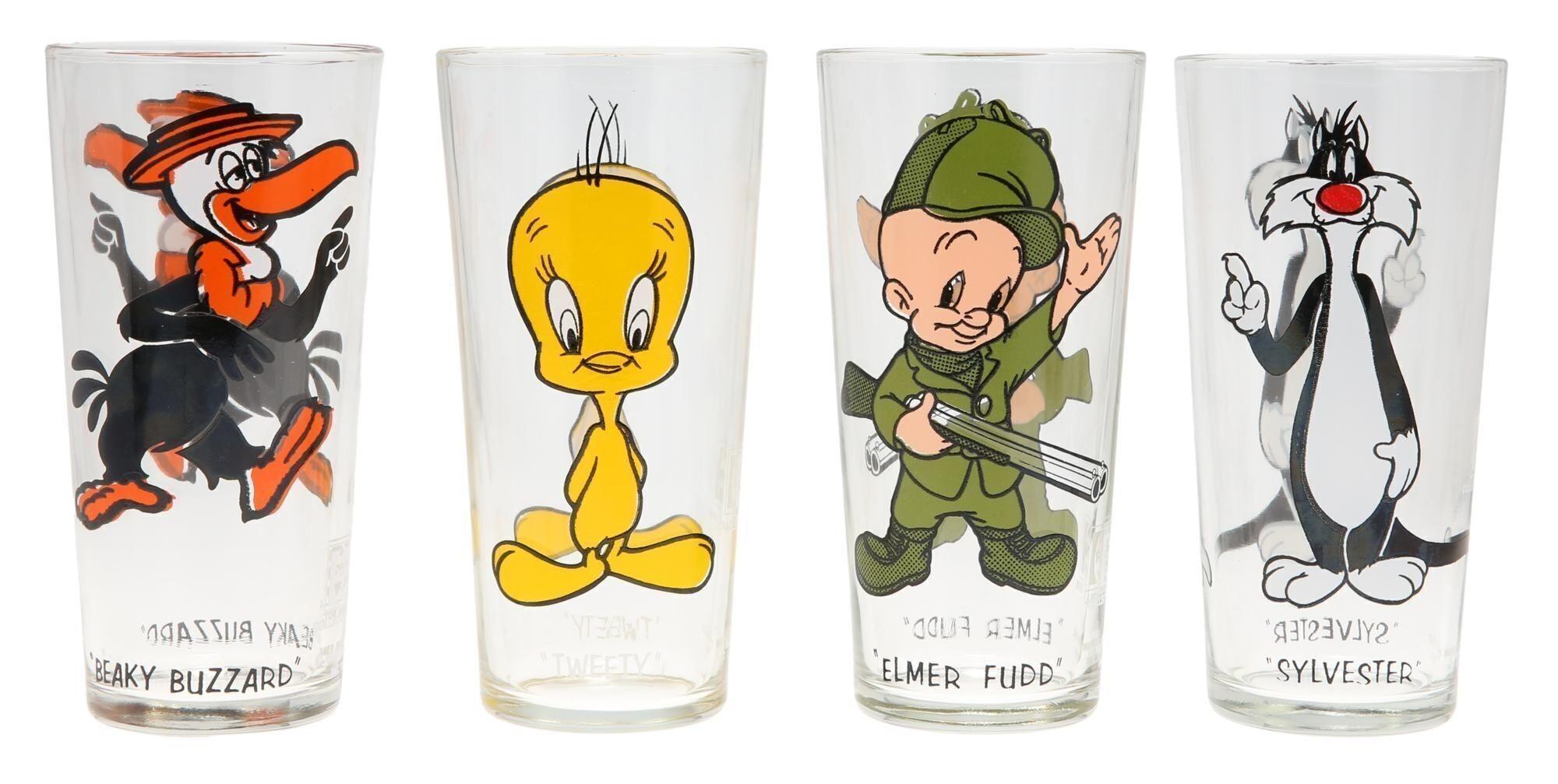
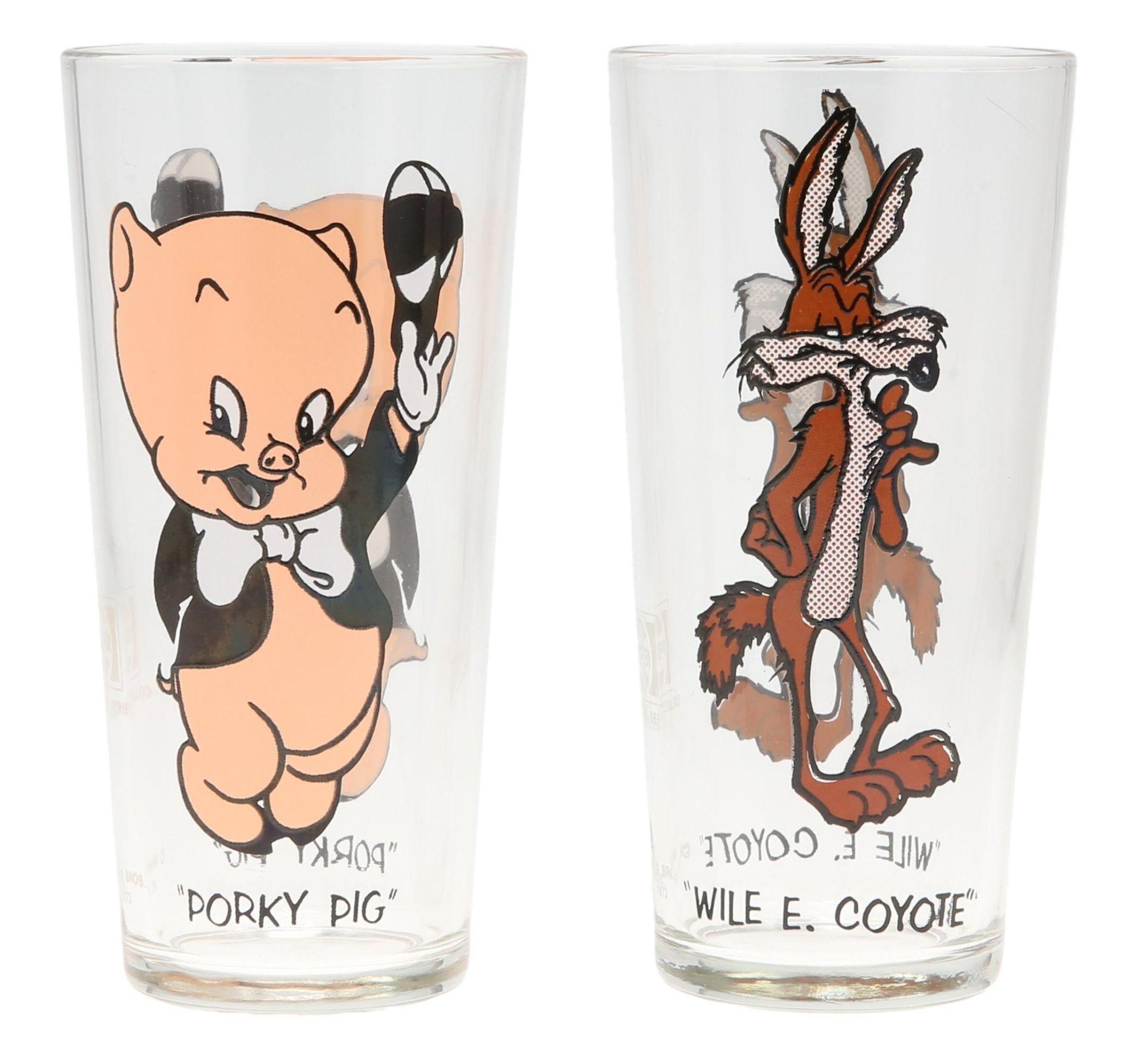
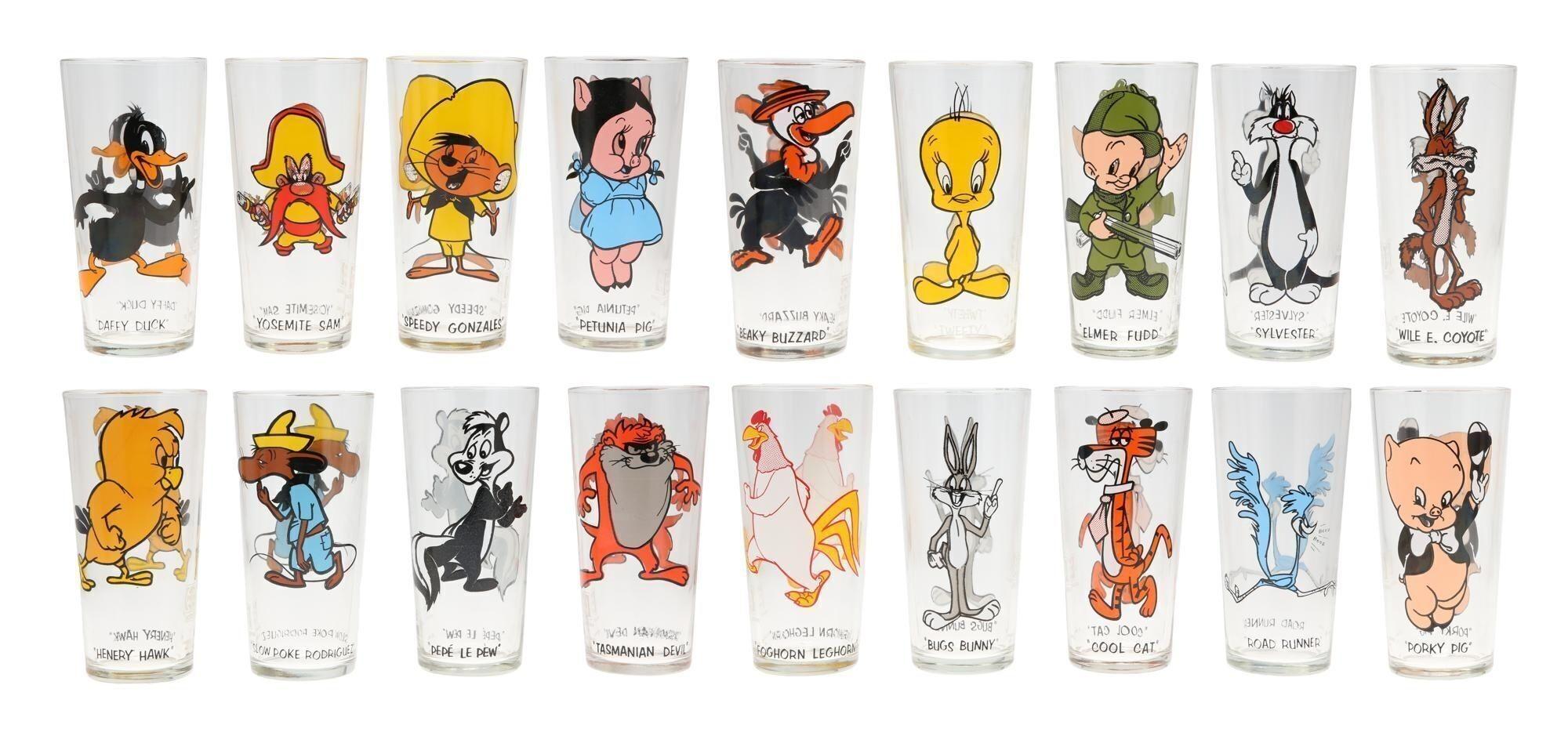
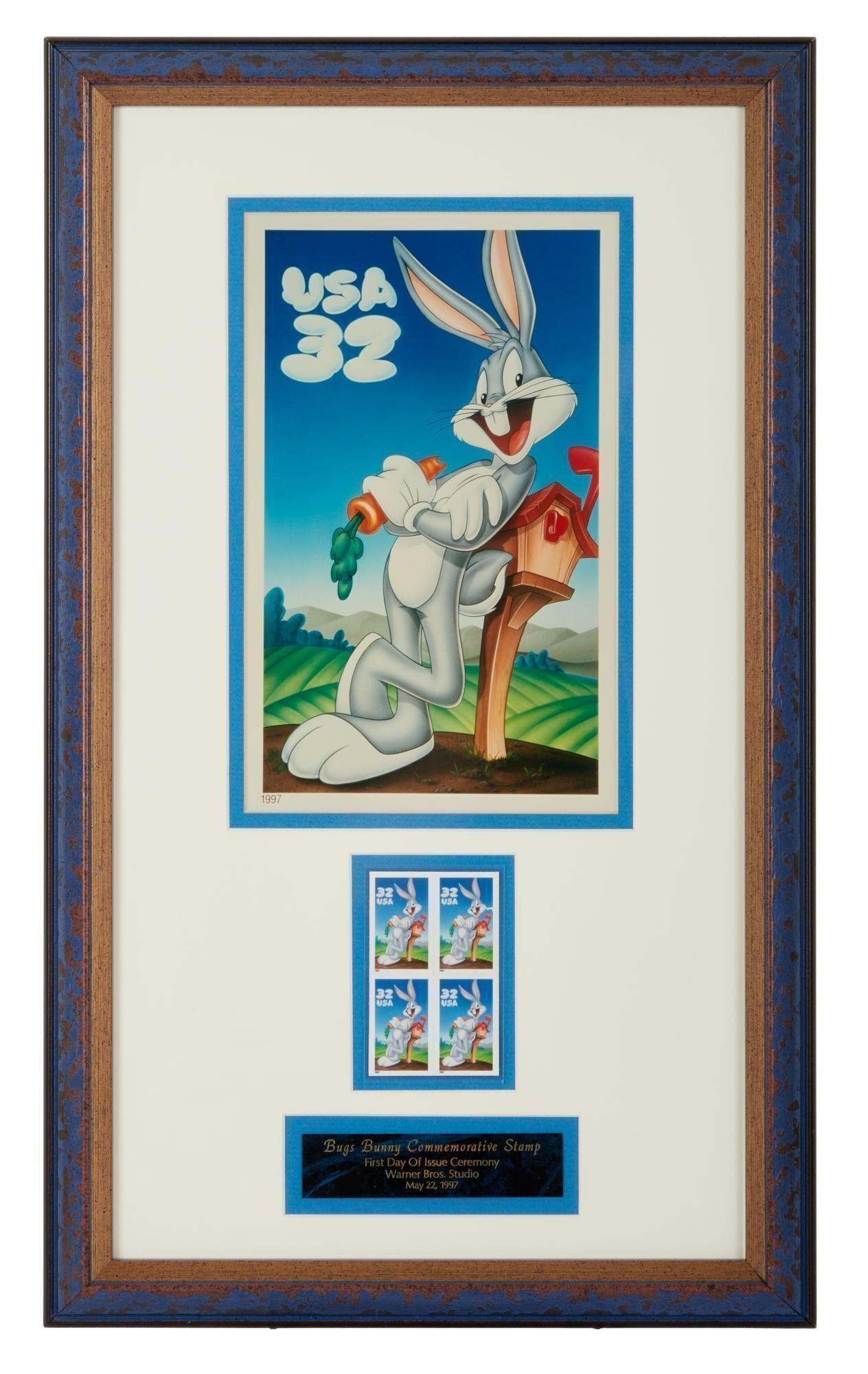
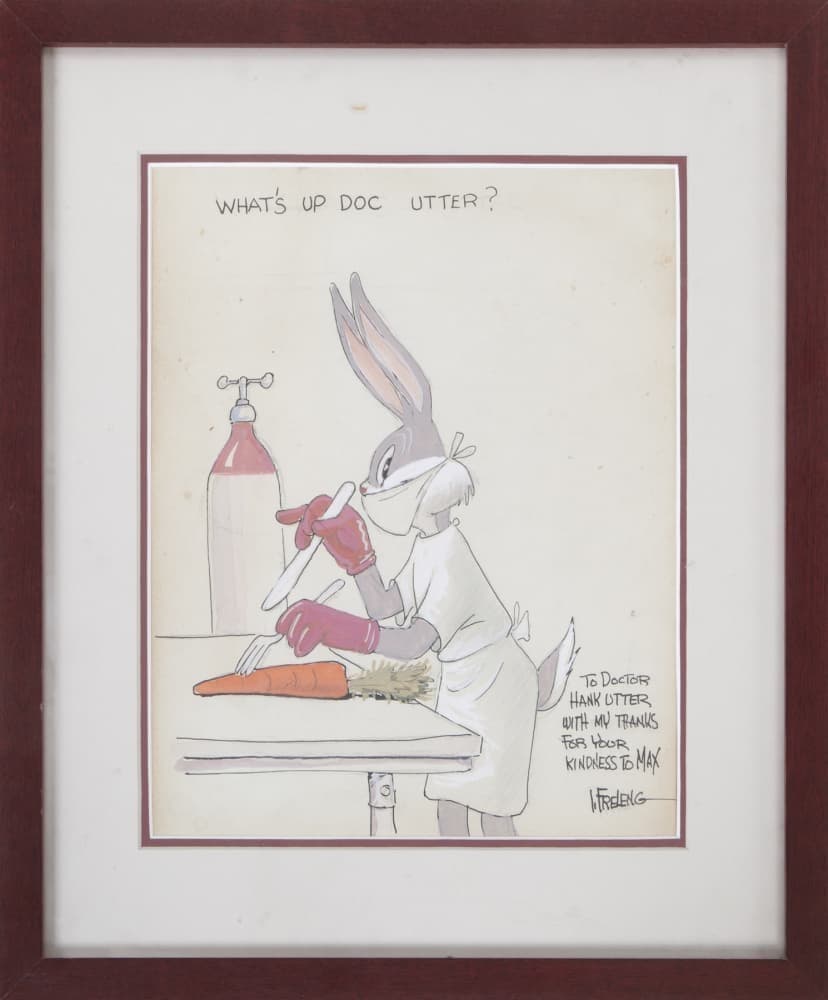
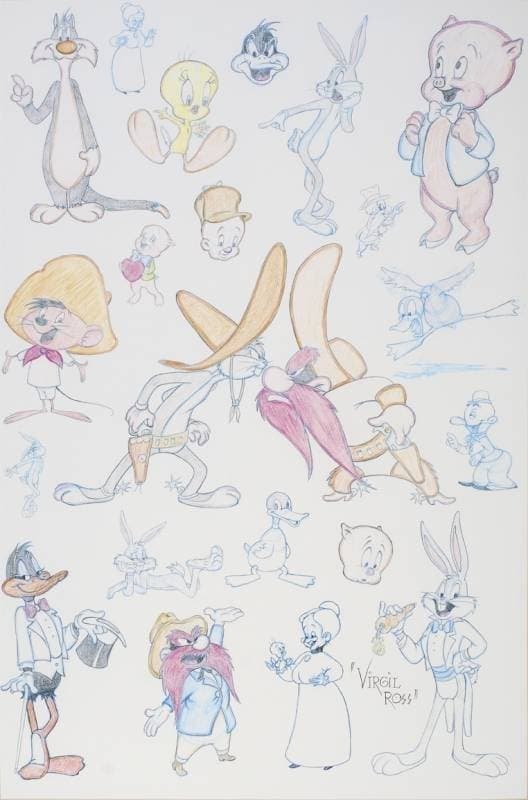
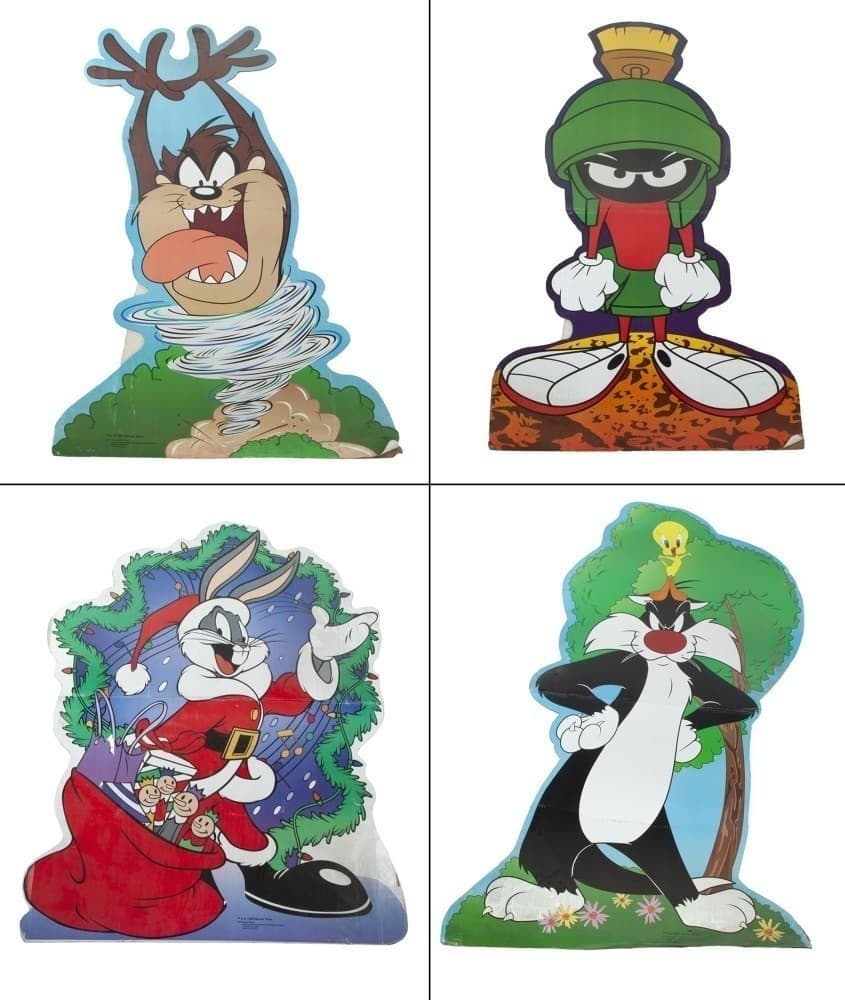
1. The most iconic Looney Tunes character, Bugs Bunny, arrived in 1940.,
The Characters Who Made It
Porky Pig arrived in 1935's I Haven't Got a Hat, courtesy of Avery and Clampett. His stutter was an accident that became a trademark. His sign-off — "Th-th-th-that's all, folks!" — became one of the most recognized phrases in pop culture history.
Daffy Duck debuted two years later in Porky's Duck Hunt (1937), careening across the screen with a kind of unhinged, anarchic energy that felt genuinely new. Where Disney's characters were aspirational and warm, Daffy was unpredictable, selfish, and hilarious for it.
Bugs Bunny — the one who would come to define the franchise entirely — arrived in 1940's A Wild Hare, directed by Tex Avery. He had been sketched in earlier shorts, but it was here that his personality locked into place: cool, unflappable, always two steps ahead of whoever was chasing him. "What's up, Doc?" wasn't just a catchphrase. It was a philosophy. Bugs never panicked. And audiences loved him for it.
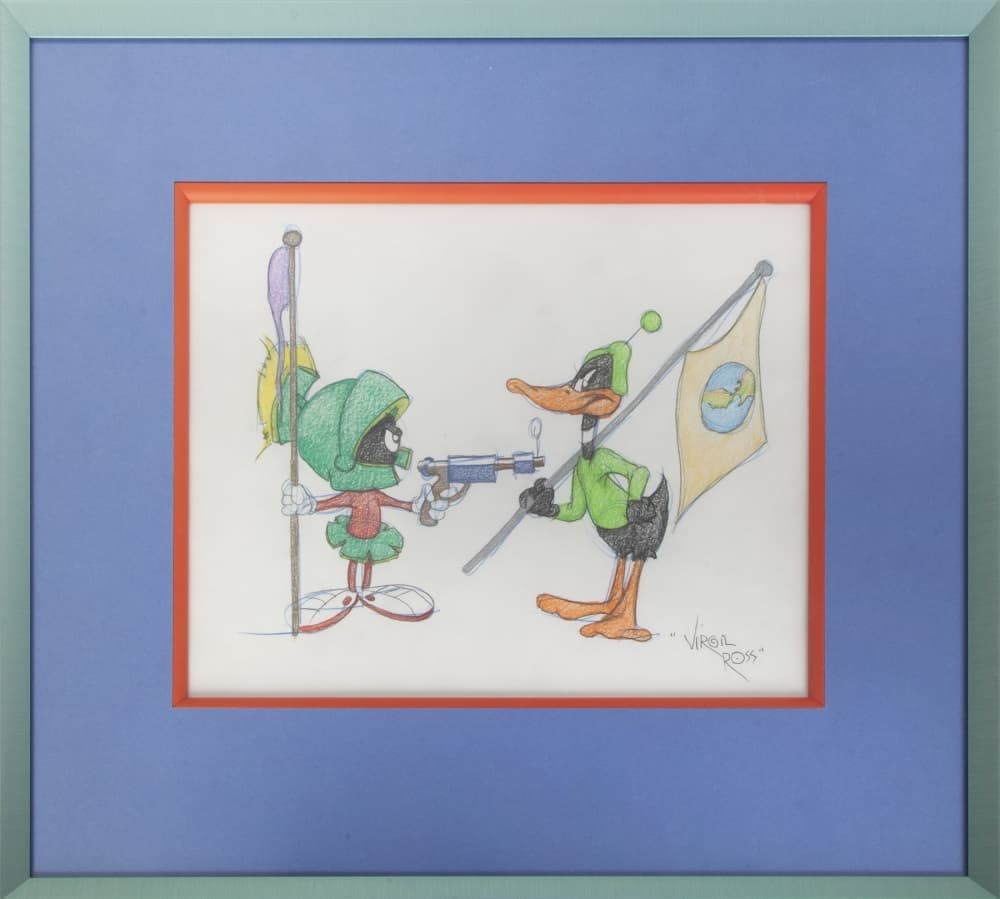
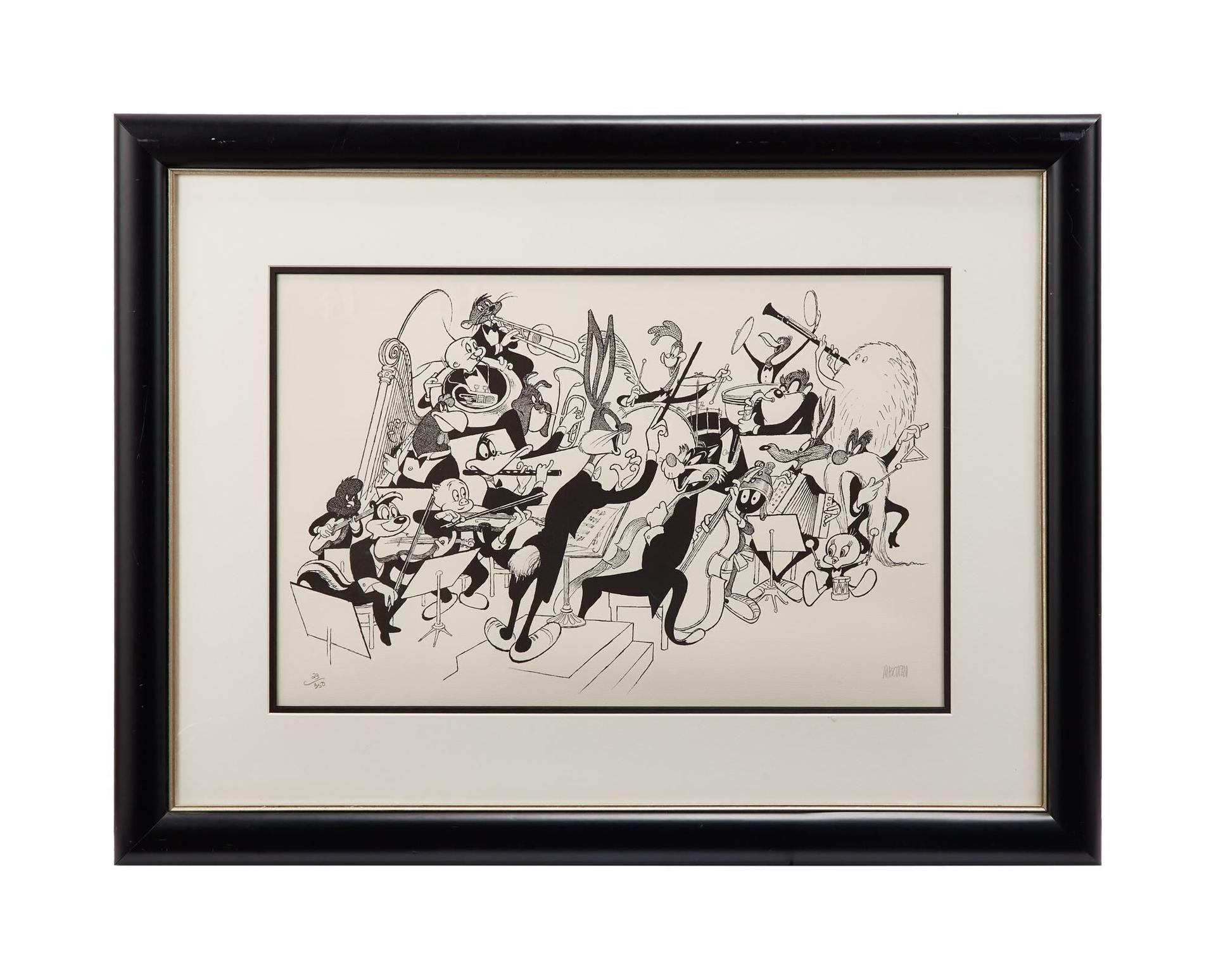
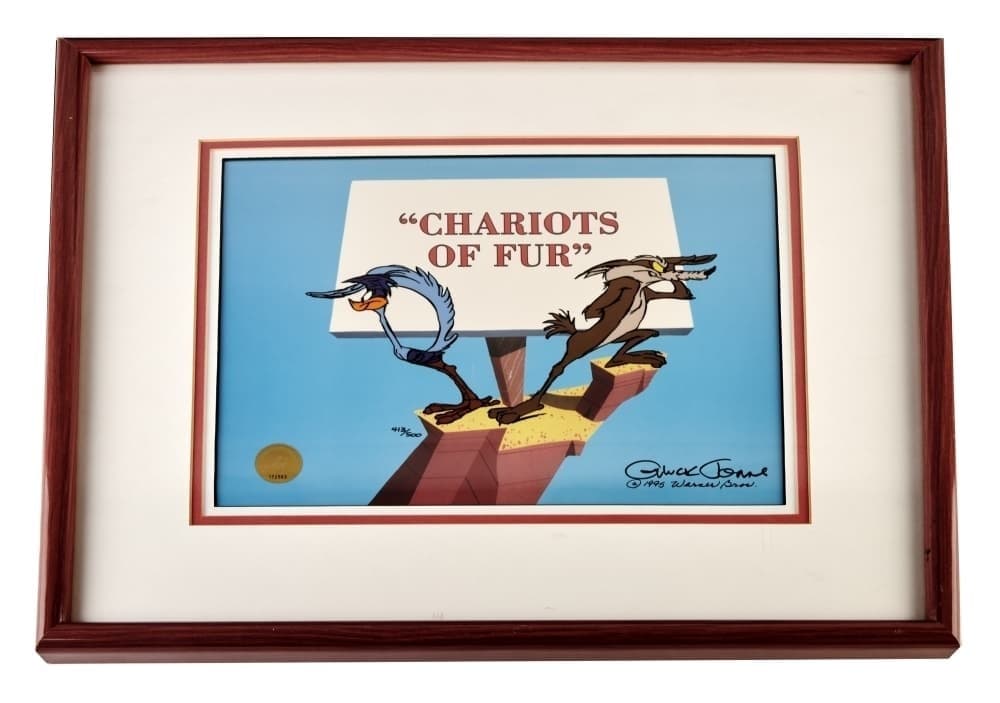
Through the 1940s and '50s, the roster expanded dramatically: Tweety and Sylvester, Yosemite Sam, Foghorn Leghorn, Marvin the Martian, Wile E. Coyote, and the Road Runner all joined the universe — each one a distinct comedic archetype capable of sustaining their own series of shorts.
The Directors Who Shaped Them
The characters are inseparable from the directors who made them, and no honest account of Looney Tunes can ignore those names.
Chuck Jones is widely regarded as the franchise's greatest artistic mind. Working in a style that evolved from sentimental early shorts into something precise, witty, and structurally brilliant, Jones directed some of the most celebrated cartoons ever made. His 1957 short What's Opera, Doc? — a six-minute operatic parody set to Wagner, featuring Bugs and Elmer Fudd — was named the greatest cartoon ever made in a 1994 poll of animators. In 1992, the Library of Congress became the first animated short selected for preservation in the National Film Registry, deemed "culturally, historically, or aesthetically significant." Jones was also the creative force behind the beloved Hunting Trilogy (Rabbit Fire, Rabbit Seasoning, Duck! Rabbit, Duck!), and his Duck Amuck (1953) — in which Daffy is tormented by an unseen animator — is still taught in film schools as a masterclass in meta-narrative.
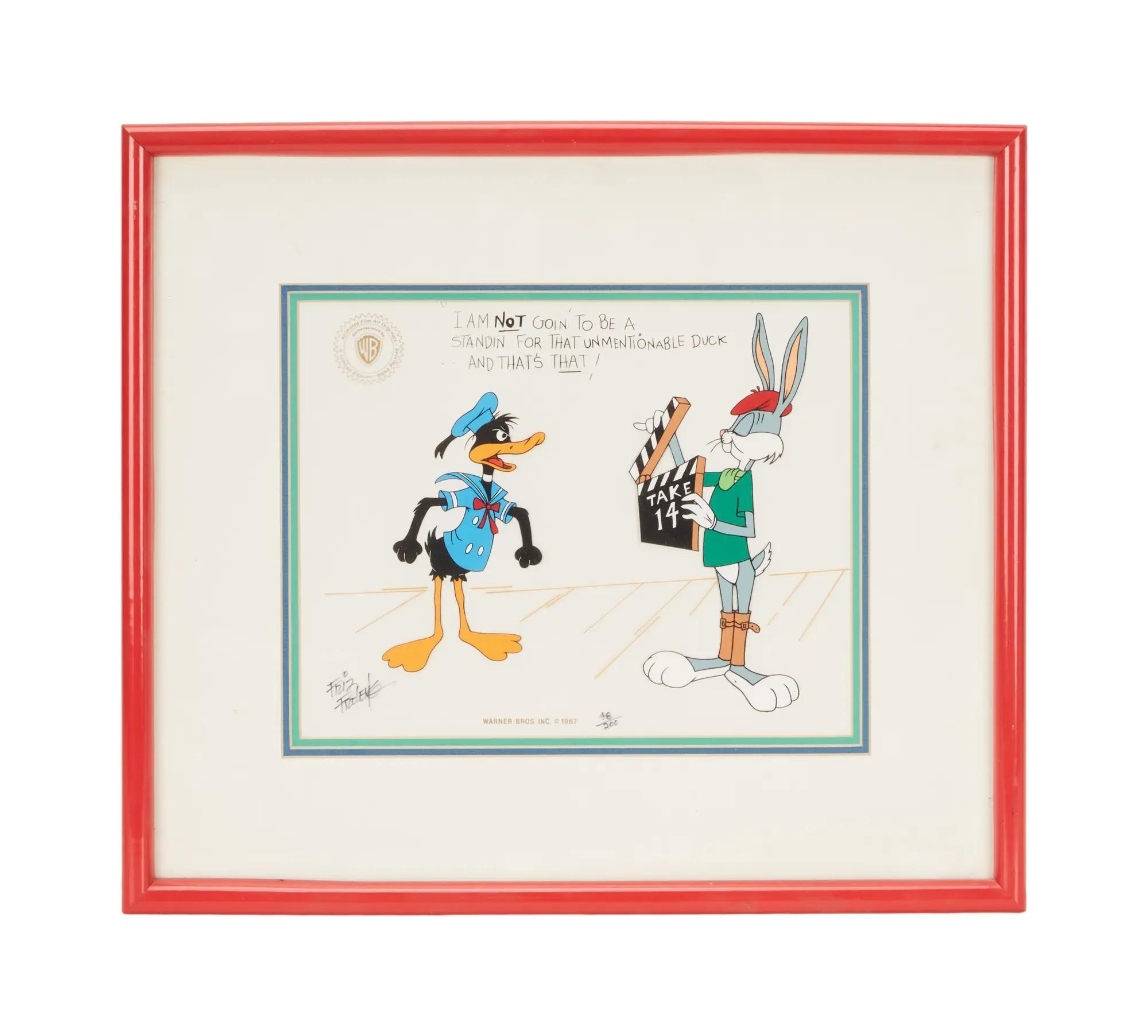
Friz Freleng brought a musician's precision to his timing, with a gift for comedy rooted in rhythm and structure. Tex Avery was the anarchic force who helped introduce Bugs and pushed the form further than anyone thought cartoons could go. Bob Clampett was wild and expressionistic. Robert McKimson was technically masterful. The fact that they all worked under the same roof, competing for the same resources and screen time, is the reason the shorts still hold up. Rivalry made them great.
It's worth noting that the rivalry wasn't always friendly. Jones and Clampett carried a feud for decades, each disputing the other's creative credit. Freleng reportedly found their conflict exhausting. But as animation historian after animation historian has observed: the tension between their distinct approaches — Jones's cerebral wit, Clampett's anarchic energy — is precisely what gave the golden age its range.
The Anti-Disney Thesis
It's impossible to understand Looney Tunes without understanding what it was reacting against.
Disney in the 1930s and '40s stood for a certain kind of animation: lush, sentimental, technically dazzling, emotionally earnest. Snow White, Bambi, Fantasia — these were films that wanted to move you. Warner Bros. animators, working faster and cheaper, made a different bet. Their characters were cynical, subversive, and self-aware. Bugs broke the fourth wall. Daffy ranted at the camera. The shorts punctured every form of authority — opera, cowboy movies, classical music — and made audiences laugh at the puncturing.
This wasn't accidental. The Termite Terrace crew was, in many ways, making cartoons against the Disney model: looser, sharper, hipper, and entirely uninterested in aspiring to dignity.

When the War Came to the Cartoons
During World War II, Warner Bros. put its characters to work. The studio produced a series of propaganda and training shorts under the Private Snafu banner — created in partnership with the U.S. Army Signal Corps — in which an incompetent soldier named Snafu served as a cautionary example for troops. Chuck Jones directed many of them. Theodore "Dr. Seuss" Geisel wrote several scripts.
The main Looney Tunes characters also appeared in war-themed shorts, selling bonds, mocking the Axis, and keeping morale high on the home front. These cartoons were blunt instruments of wartime culture, and they worked. They also reflected the studio's deep integration into the American popular imagination — these weren't just movie characters anymore; they were cultural shorthand.
The Man of 1,000 Voices
No figure in Looney Tunes history is more extraordinary than Mel Blanc.
Blanc voiced nearly the entire cast from his arrival at Warner Bros. in 1936 until his death in 1989. He created voices from scratch — Bugs's Brooklyn cadence, Daffy's lisp, Porky's stutter, Tweety's baby-talk — and performed them all with a commitment that made each character feel inhabited rather than performed.
In January 1961, Blanc was driving home along Sunset Boulevard when his car was struck head-on at a stretch known as "Dead Man's Curve." He suffered a broken pelvis, two broken legs, and severe head injuries, and fell into a coma. For two weeks, doctors were unable to reach him. Then, according to accounts relayed by his son Noel, a physician tried asking: "Bugs? Bugs Bunny, are you there?" In Bugs's voice, Blanc responded: "What's up, Doc?"
He was bedridden for months, but he never stopped working. The producers of The Flintstones — for which he also voiced Barney Rubble — set up recording equipment in his hospital room. Some sessions were recorded while he lay flat on his back in a full-body cast. He returned to full health and continued voicing his characters for nearly three more decades.
After the Golden Age
Warner Bros. closed its theatrical animation division in 1969, ending the original run of Looney Tunes shorts. The characters survived on television, in reruns and compilation films, keeping them familiar to new generations even without fresh material.
The 1988 film Who Framed Roger Rabbit — though not a Looney Tunes production — brought classic animated characters back to the cultural foreground and reminded studios that there was still enormous appetite for hand-drawn animation. Warner Bros. took note.
Space Jam arrived in 1996, pairing Bugs, Daffy, and the gang with Michael Jordan in a live-action/animated hybrid that became a genuine phenomenon. It wasn't the most critically praised film, but it reintroduced Looney Tunes to an entire generation that had grown up knowing the characters only from old shorts on Saturday morning television.
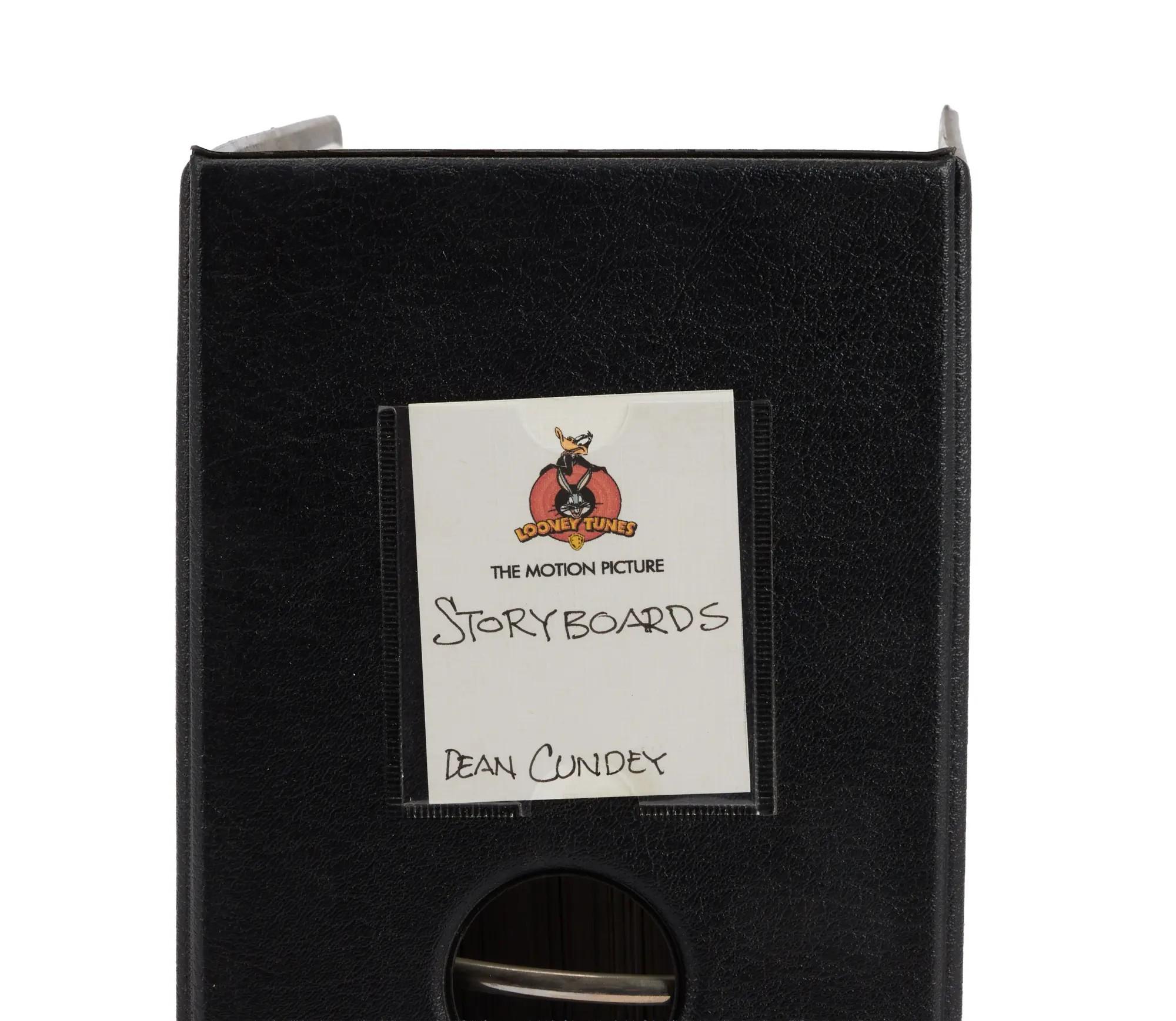
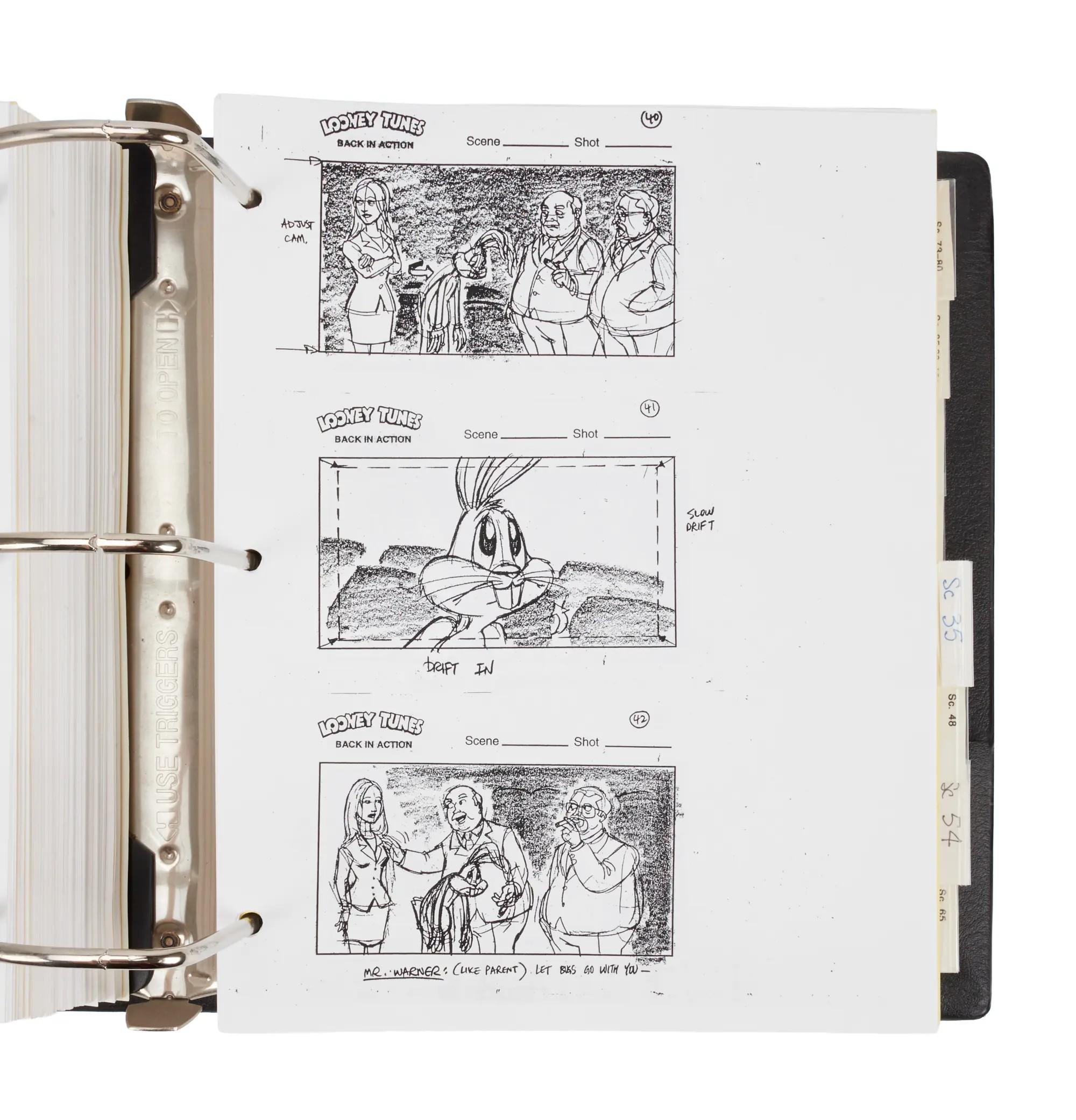
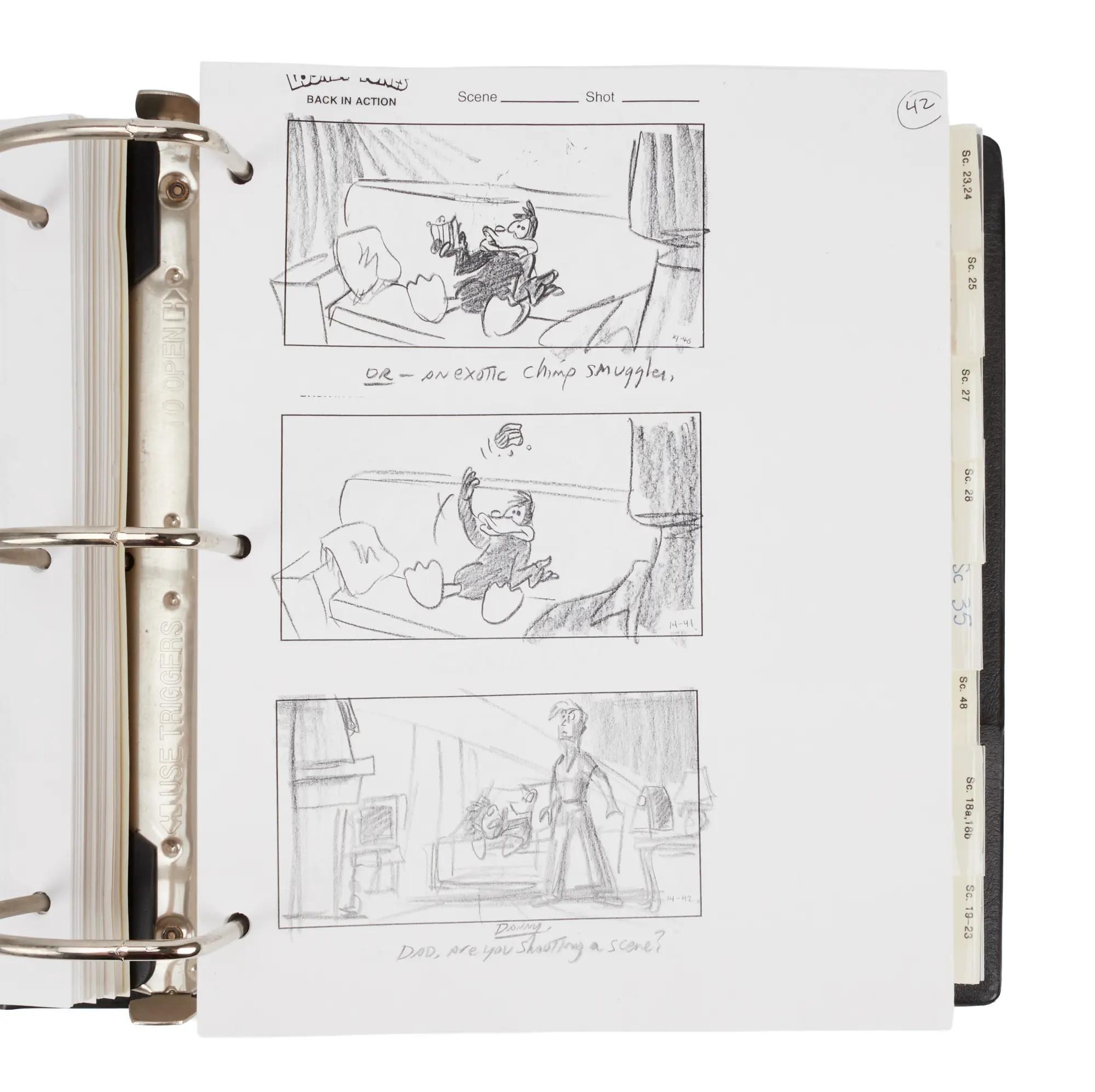
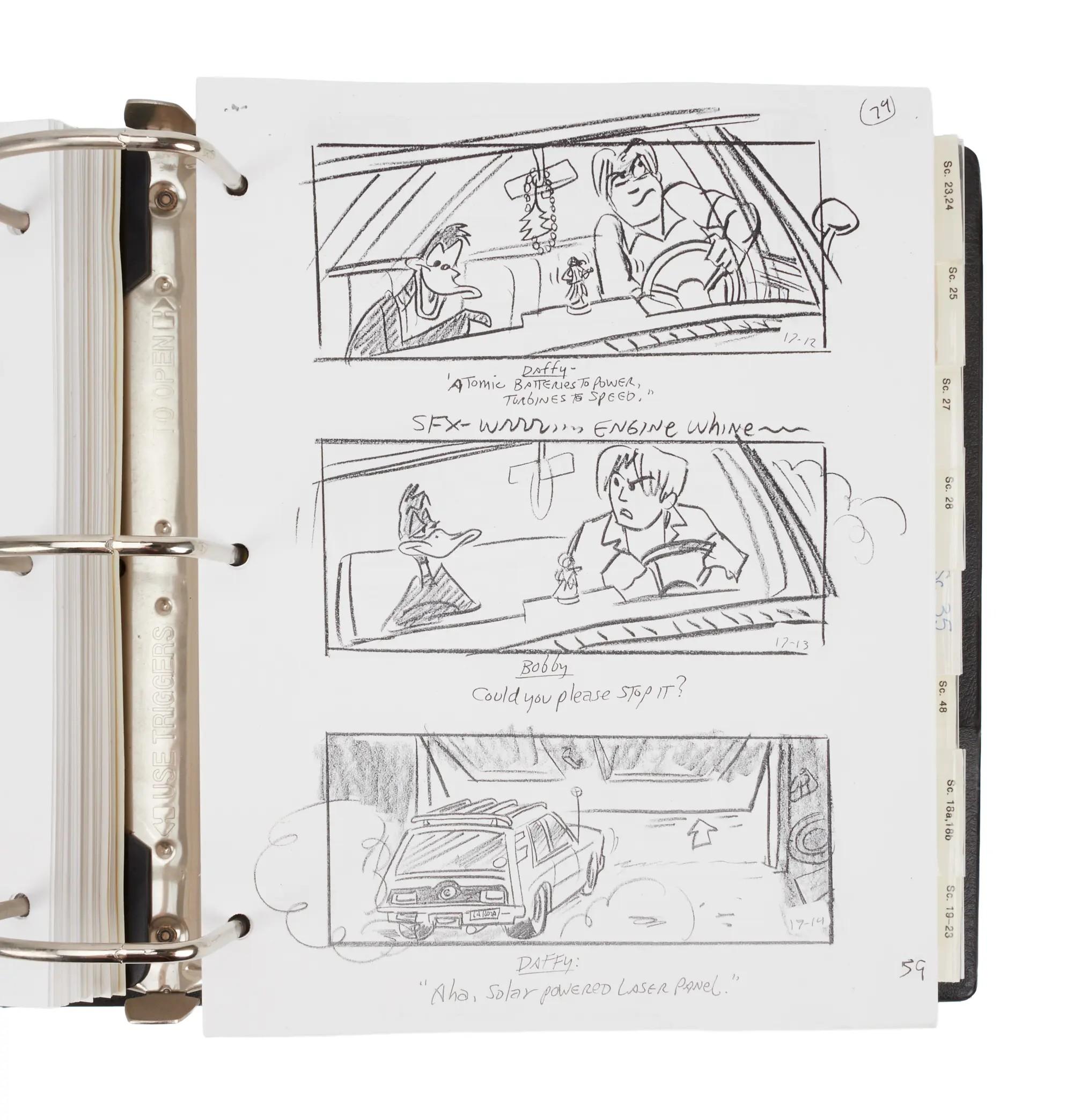
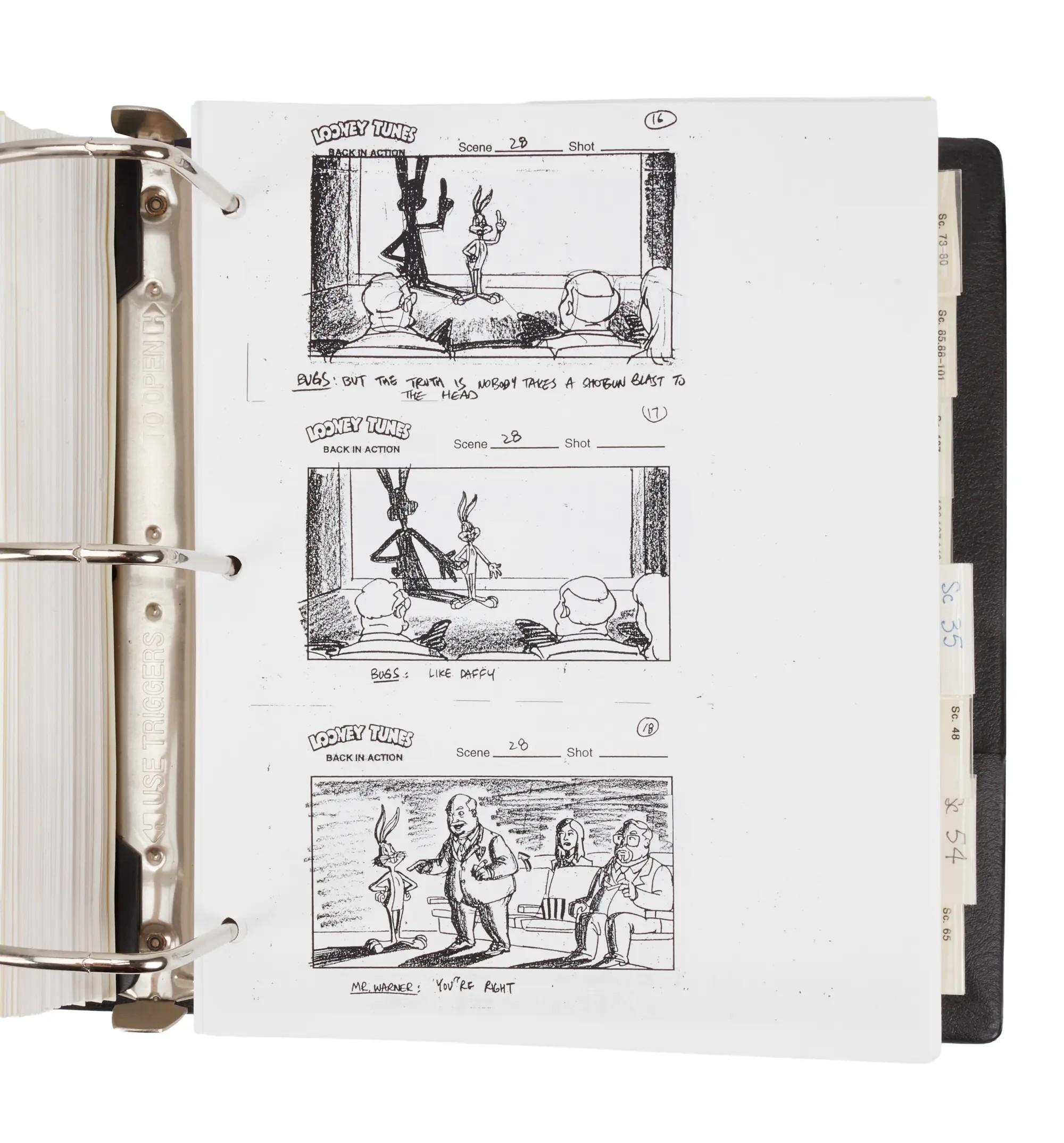
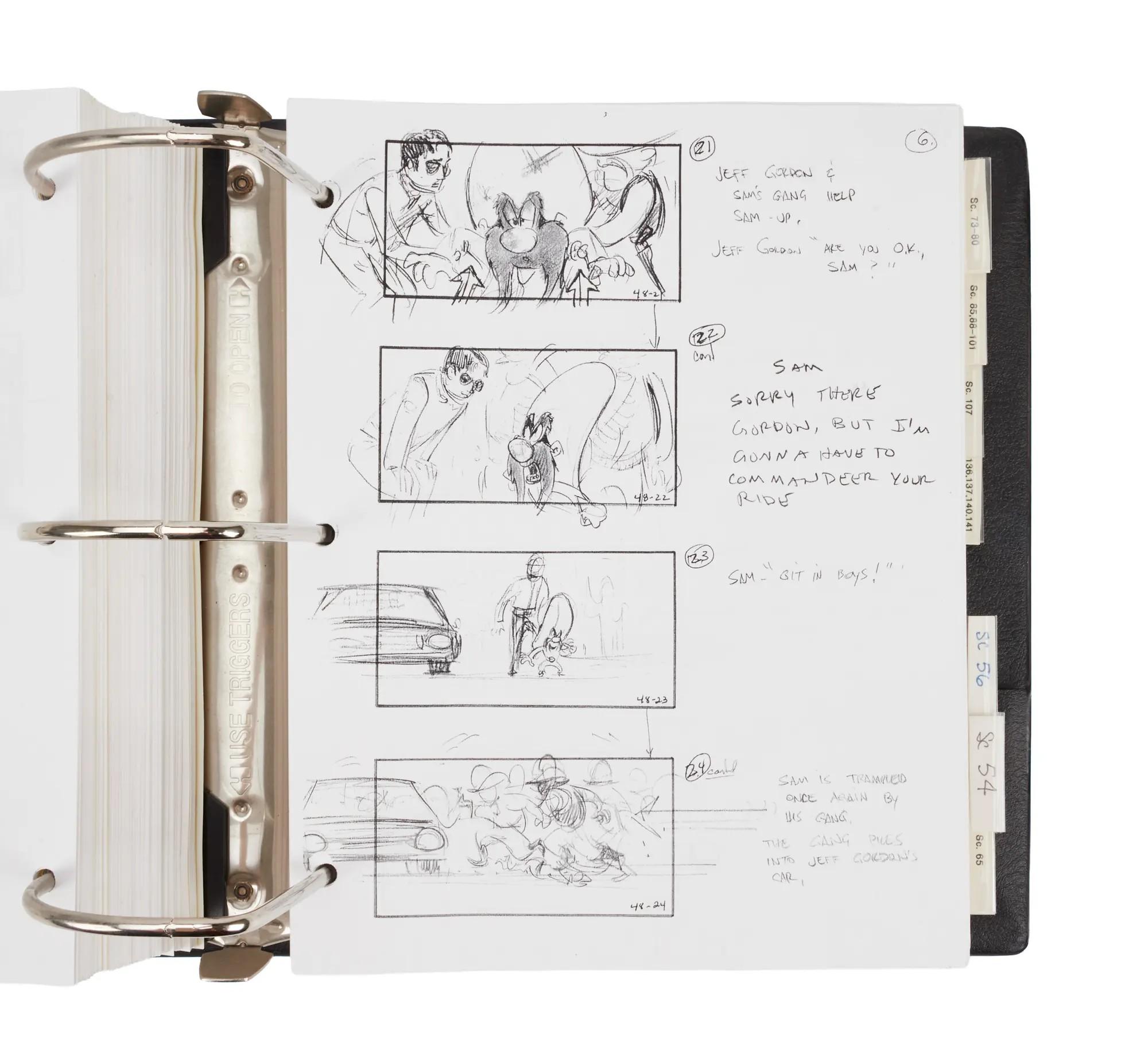
Looney Tunes: Back in Action followed in 2003 — a commercial disappointment but critically a more faithful tribute to the anarchic spirit of the original shorts. Looney Tunes Cartoons, a short-form series launched in 2020 on Max, has since been praised by animation fans as a genuine return to form.
Long Live Looney Tunes
Ninety-five years after Sinkin' in the Bathtub, the question worth asking is why Bugs Bunny, Daffy Duck, and Porky Pig still mean anything at all.
Part of the answer is craft. The directors at Termite Terrace were working at a level of comedic precision that has rarely been matched — characters whose every movement, every reaction, every pause was timed to land a specific way. Part of it is the music: Carl Stalling's scores are inseparable from the visual comedy they accompany.
But the deeper answer is attitude. Looney Tunes characters don't idealize the world. They're not trying to be beautiful or inspiring. They're trying to survive — outwit whoever's after them, get the meal, win the argument, not get flattened (again). That's a comedy of resilience. It's also, in the way that the best cartoons always are, a philosophy. And it turns out to be one with an extremely long shelf life.