Video
Music
Art
The Florian Schneider Collection: Rare Instruments & Iconic Equipment Up For Auction
Explore the profound influence of KRAFTWERK through The Florian Schneider Collection. Discover the evolution of modern music through their pioneering electronic sound and the upcoming auction of Schneider's personal collection of musical artifacts.
Share



Popular music is ripe with chaotic history and eclectic sounds that have defined generations. Commanding a presence and reverence of their own was the foundational importance of KRAFTWERK. More than just a band, the German quartet was a conceptual art project, an engine of invention, and the true architect of the electronic age. They didn't just play synthesizers; they built the instruments and invented the language that would define entire genres for decades to come.
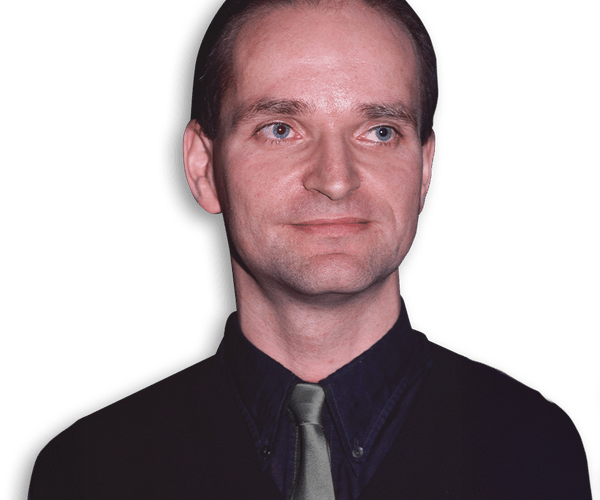
At the core of this pioneering machine stood Florian Schneider, a visionary sound scientist and co-founder whose quiet, enigmatic life belied an impact that reshaped music from the beat up. While the band cultivated a persona of cool, robotic anonymity, Schneider’s technical genius and sonic philosophy were the crucial human element that forged the sound of the future.
The New Musical Vocabulary
KRAFTWERK’s influence is so profound that it often exists in the invisible structures of modern sound. Beginning as a classically trained flautist, Schneider famously rejected the acoustic tradition for a new, electronic reality. Alongside Ralf Hütter, he steered the band from improvisational, post-hippie experimentation into a sleek, minimalist engagement with technology.
The resulting output—from the motorik rhythm of "Autobahn" to the computerized pulse of "Computer World"—didn't just create a new type of pop music; it created a new musical vocabulary.
Techno and House: The repetitive, disciplined rhythms and the sheer mechanical groove of tracks like "Trans-Europe Express" are the undisputed blueprint for Detroit Techno and Chicago House music.
Hip-Hop and Electro: The song "Tour de France" and its stripped-down beats found an instant audience in early hip-hop and breakdance culture. Most famously, Afrika Bambaataa & Soulsonic Force sampled "Trans-Europe Express" to create "Planet Rock," a track considered one of the cornerstones of electro-funk, hip-hop's foundational sound.
Synth-Pop and Post-Punk: British artists, particularly, took KRAFTWERK's stark, synthesized landscapes as a radical alternative to rock tradition. David Bowie paid direct tribute with "V-2 Schneider" on his 'Heroes' album, while acts like Depeche Mode, New Order, The Human League, and Gary Numan all trace their electronic lineage directly back to the "sound chemists" from Düsseldorf.
Modern Pop: From the masked, minimalist aesthetic of Daft Punk to the icy, digital textures of contemporary pop and R&B, KRAFTWERK's signature—that perfectly synthesized tone, that machine-precise beat—is a constant, sampled, and referenced presence.




The Pursuit of the Electronic Voice
Schneider's most singular contribution often lay in his tireless pursuit of the electronic voice, transforming the band's human lyrics into the characteristic, often haunting, robotic narrative. The development and modification of speech synthesizers and vocoders became a central focus, culminating in his co-development and patent application for the Robovox system. It was this meticulous, almost obsessive, work with the human-machine interface that allowed KRAFTWERK to truly become "The Robots."
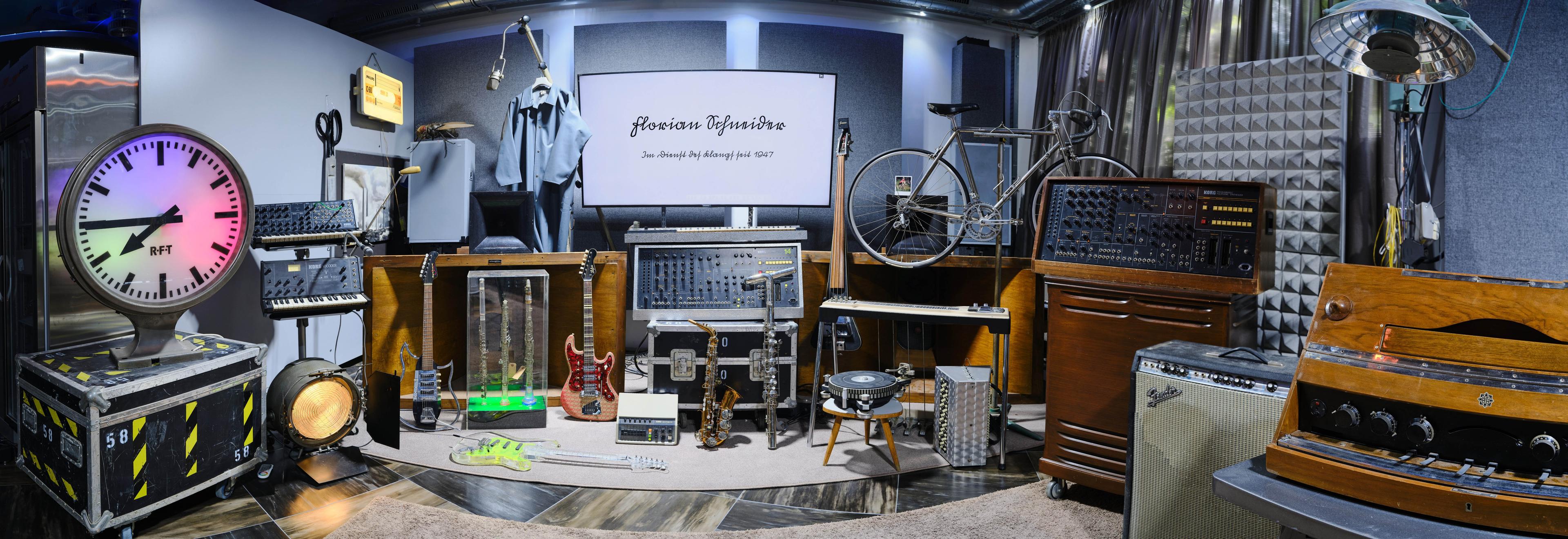
The instruments he utilized were not mere off-the-shelf purchases, but tools of a sonic sorcerer, often modified and custom-engineered to meet his specific aesthetic demands. From the early electro-acoustic experimentation using his Orsi G Alto Flute processed through an EMS Synthi AKS (the same model used on "Autobahn") to the legendary late-70s Sennheiser VSM-201 Vocoder that defined the sound of The Man-Machine and Computer World, Schneider’s gear was a laboratory of the future.
A Rare Glimpse Behind the Curtain
Florian Schneider lived a notoriously secluded life, guarding his private world and working methods—including those at the mythic Kling Klang Studio—with an almost impenetrable secrecy. For those who value the legacy of this true pioneer, the opportunity to connect with his creative spirit is exceptional.
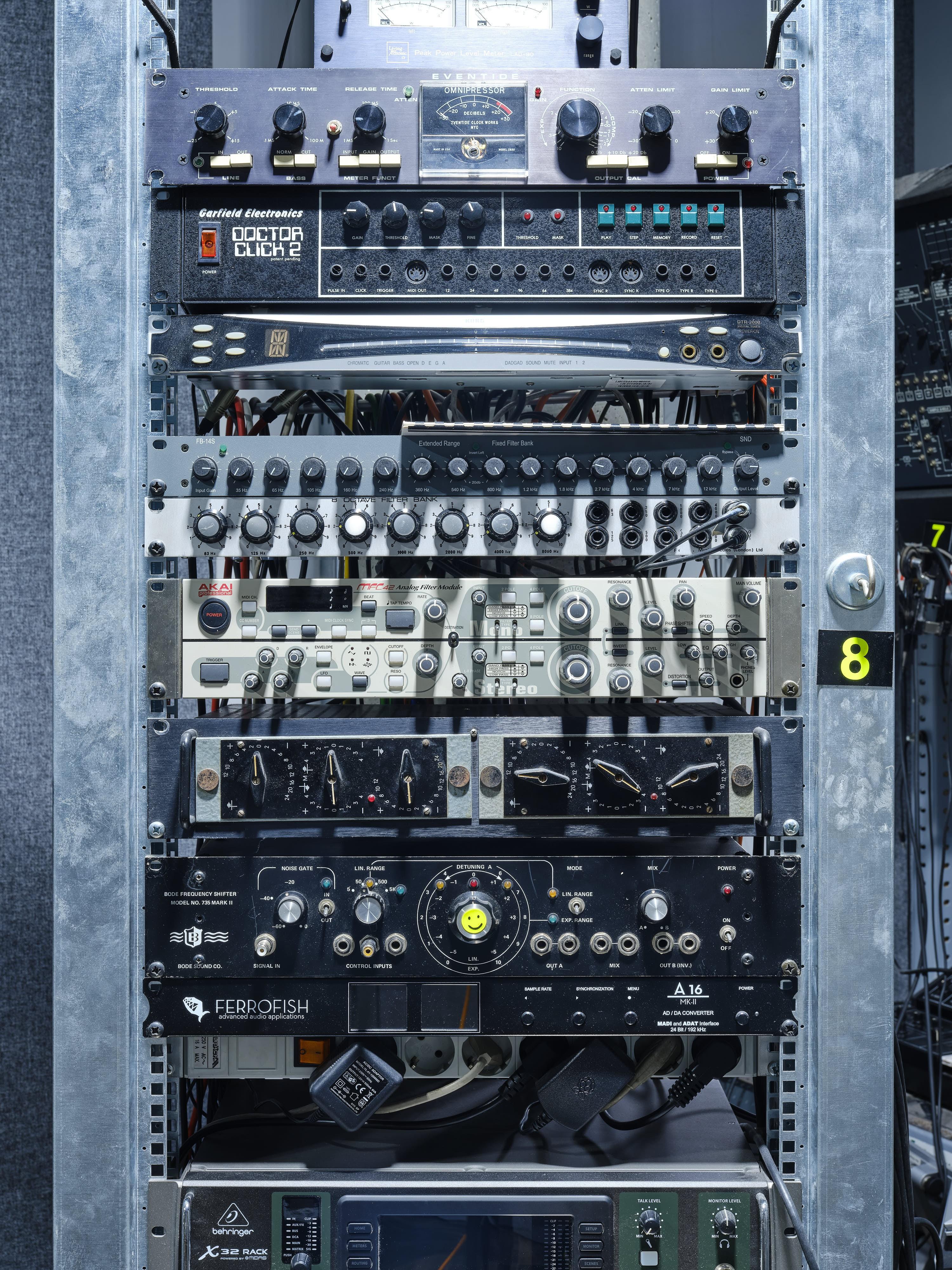
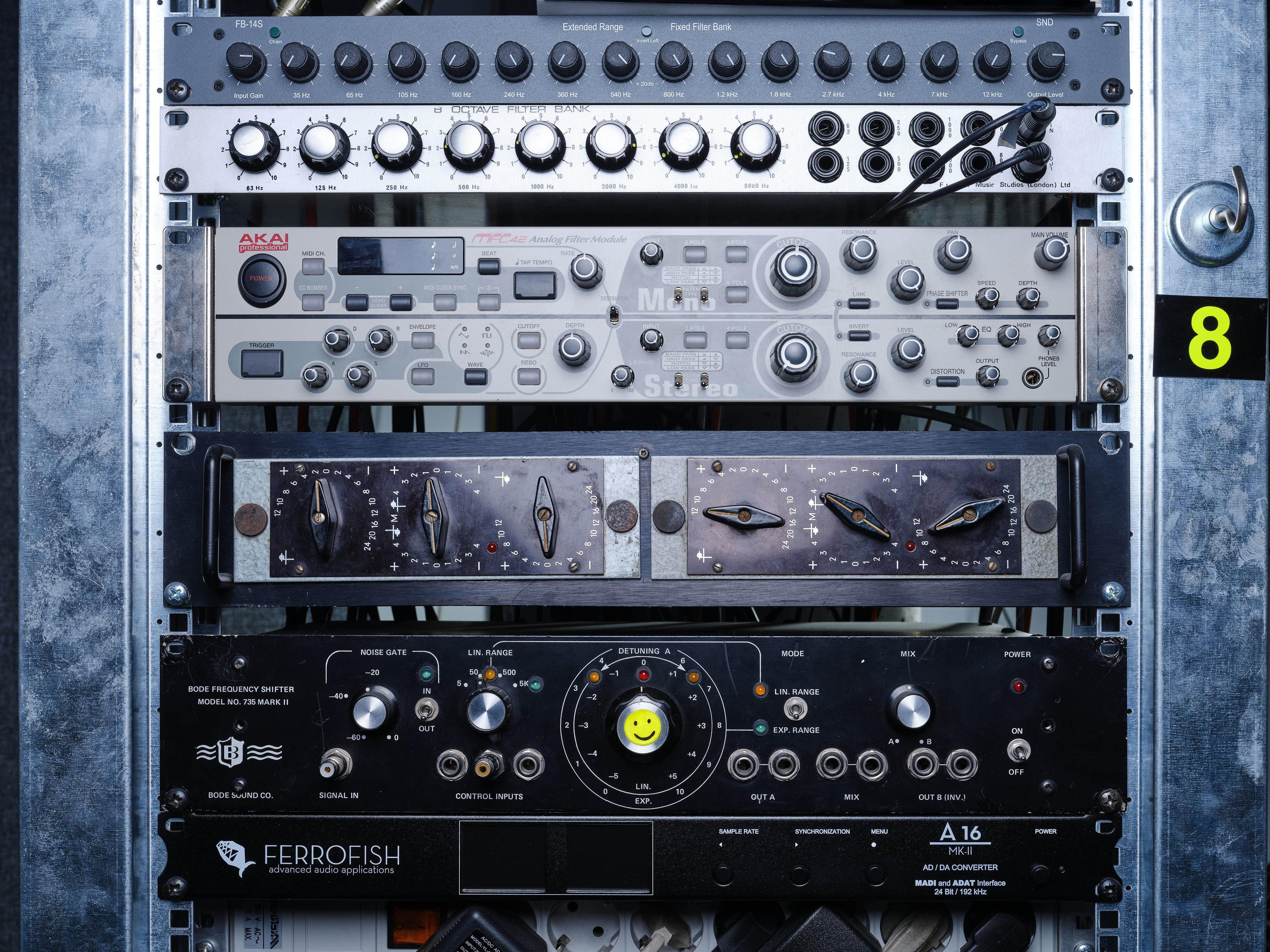
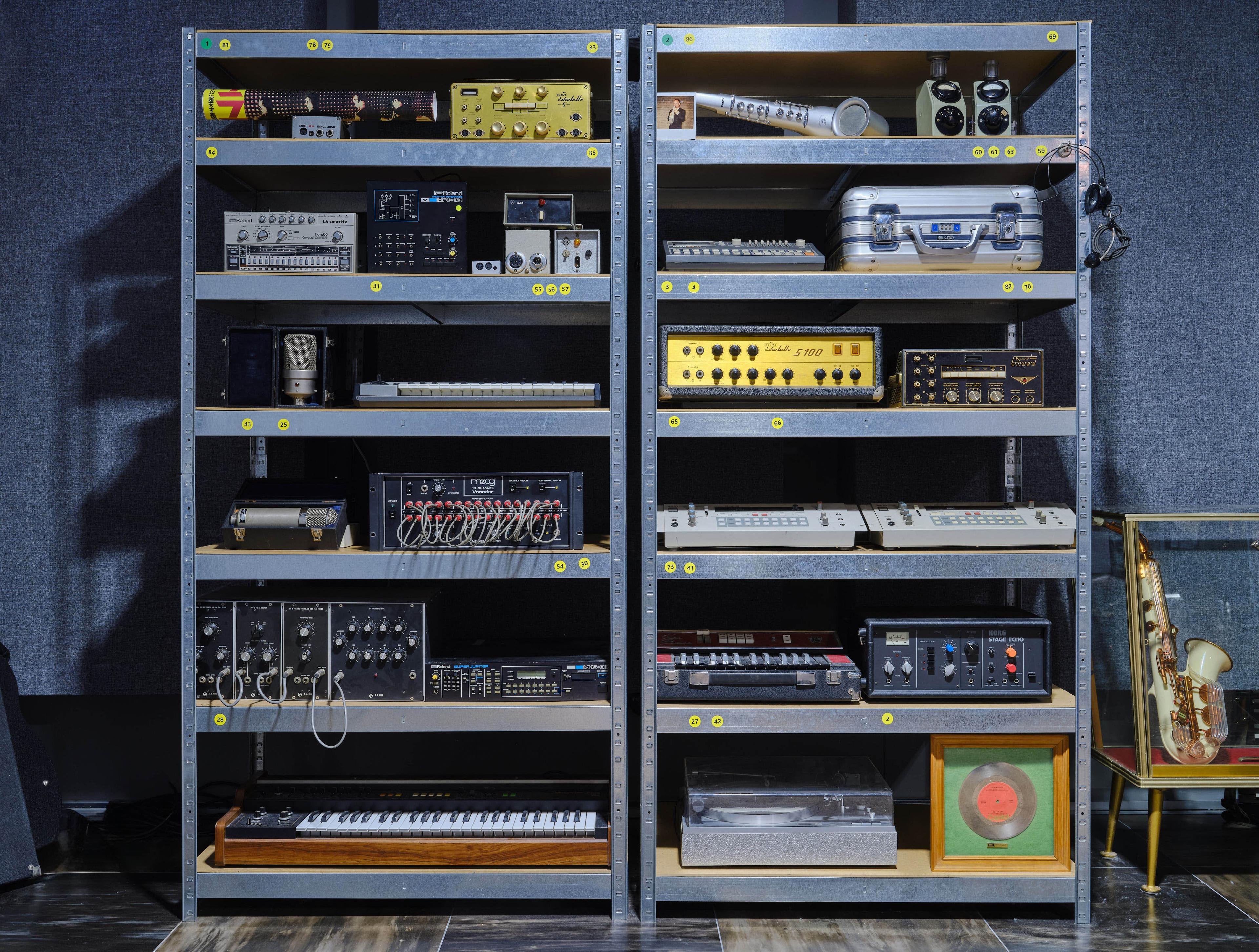
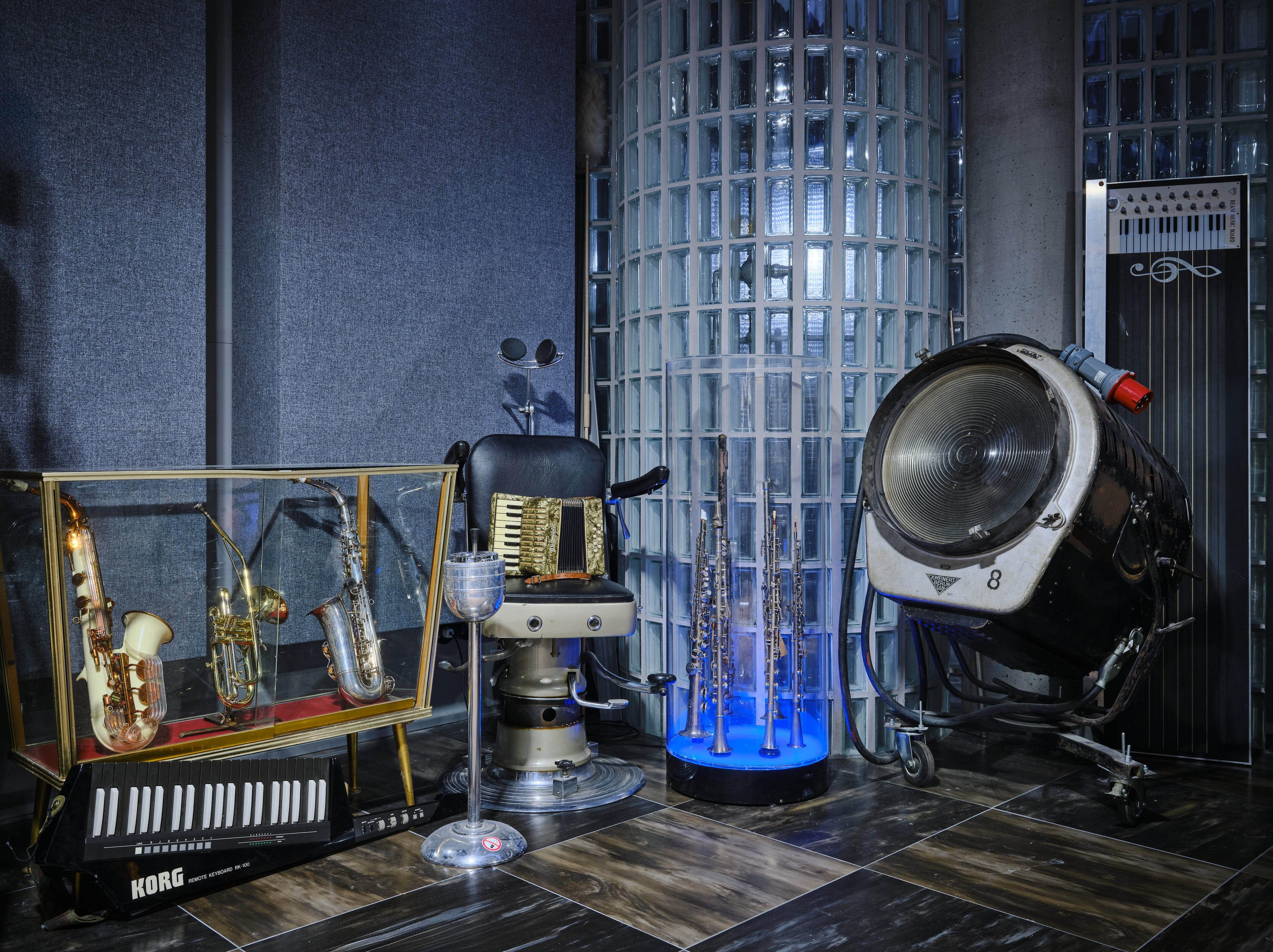
Now, an extraordinary collection of his personal and professional artifacts, a treasure trove of more than 450 items, is set to be made available for the first time. This unprecedented assembly is the first comprehensive collection from Schneider's estate, offering a tantalizing glimpse into the often-enigmatic musical processes of KRAFTWERK.
The collection includes a range of truly iconic rarities, each a piece of music history:
The aforementioned Sennheiser VSM-201 Vocoder and a custom Robovox and Votrax Silver Rack Case used to generate the iconic robotic speech sounds that opened KRAFTWERK concerts.
The rare, portable EMS Synthi AKS Suitcase Synthesizer from the band's earliest electronic era.
A Korg PS-3200 Polyphonic Synthesizer & PS-3010 Keyboard demonstrating his preference for richly textural sound design.
A symbolic artifact of his journey from acoustic to electronic: the Orsi G Alto Flute he played on stage from 1969–1974.
Even the unassuming “Ruhe” Electric Kling Klang Recording Studio Sign (meaning "Quiet") that hung over the recording booth, offering a tactile piece of the studio’s legend.
The Panasonic Panaracer Road Bike from the seminal "Tour de France" music video.
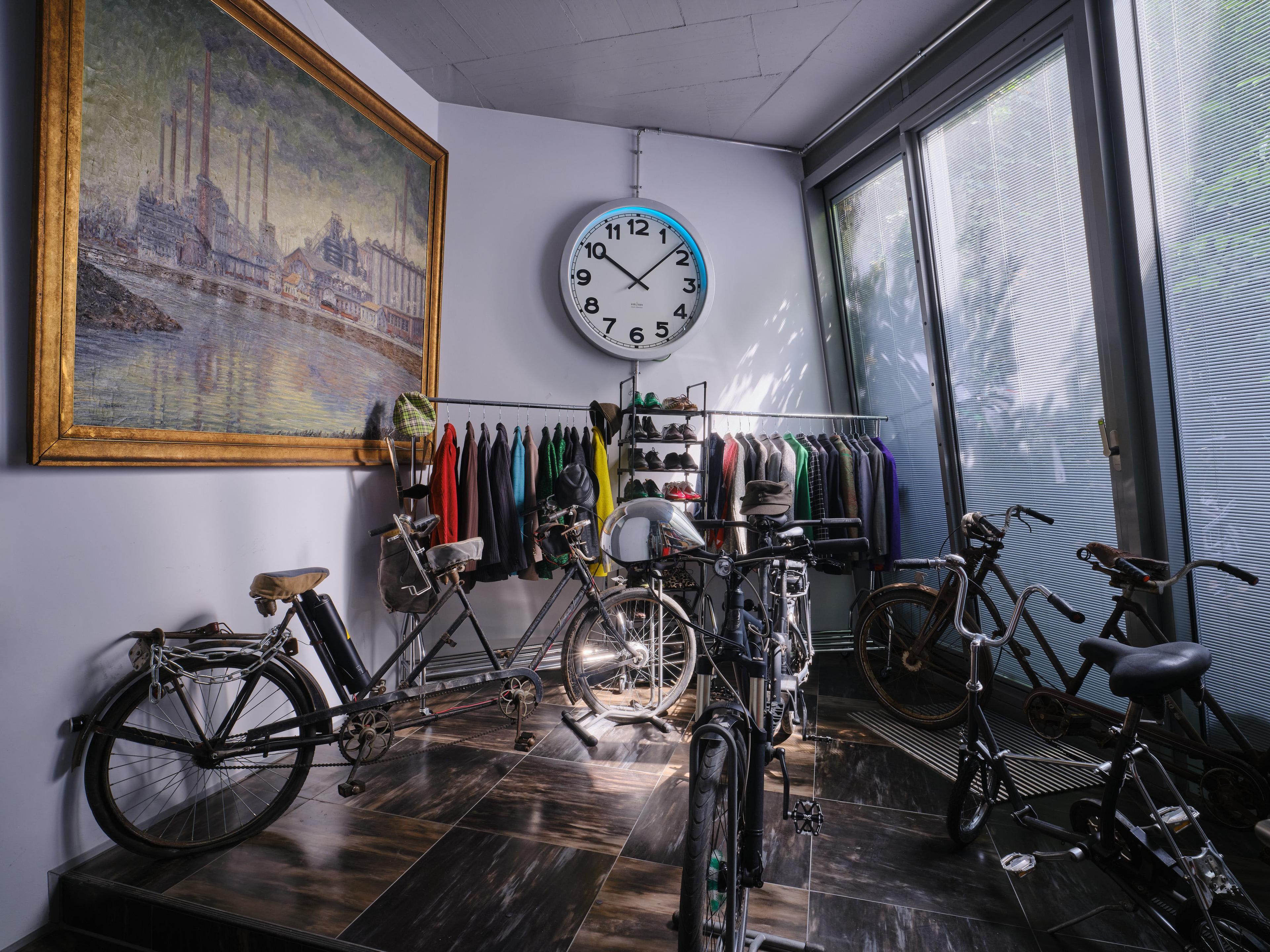
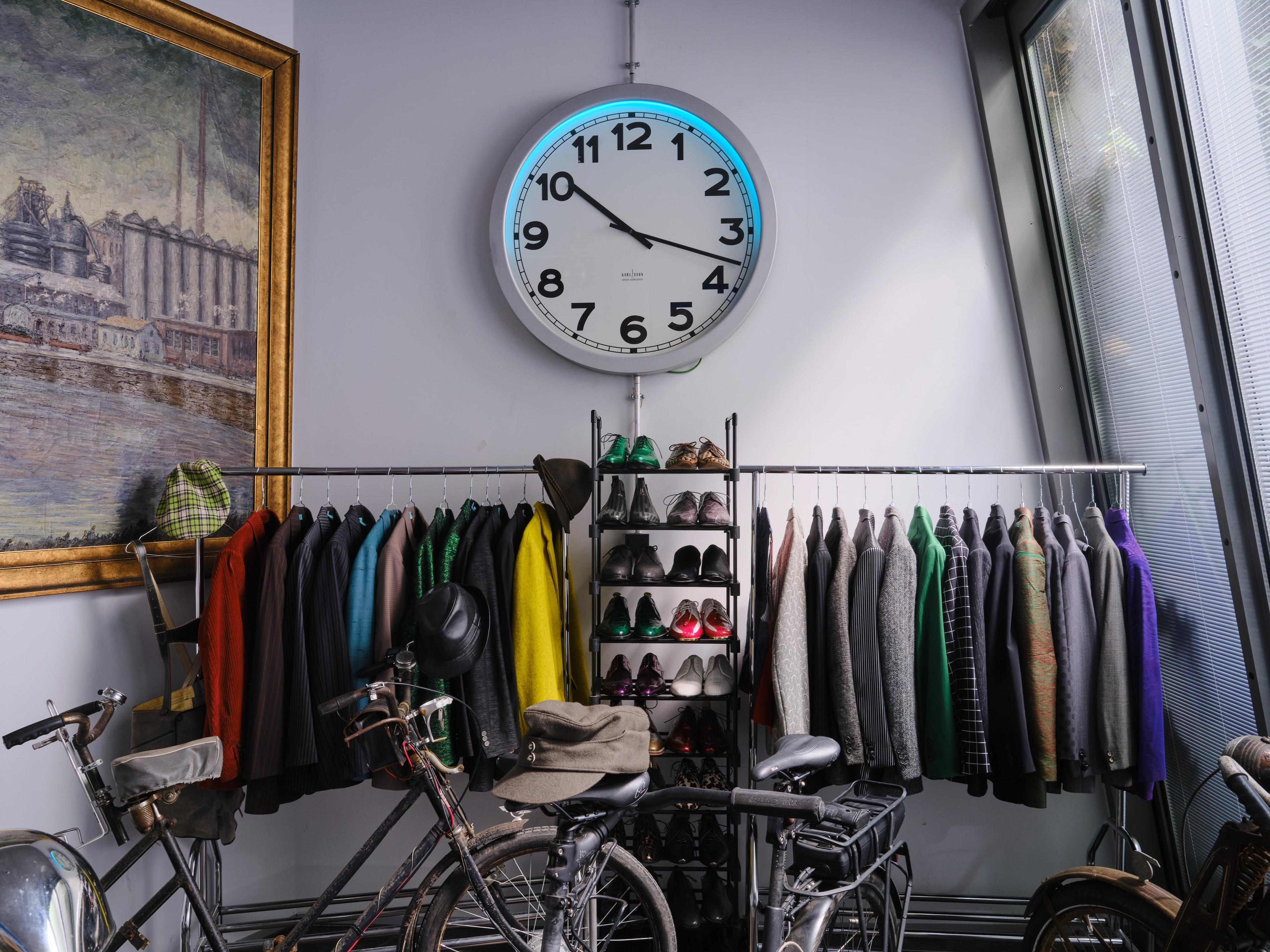
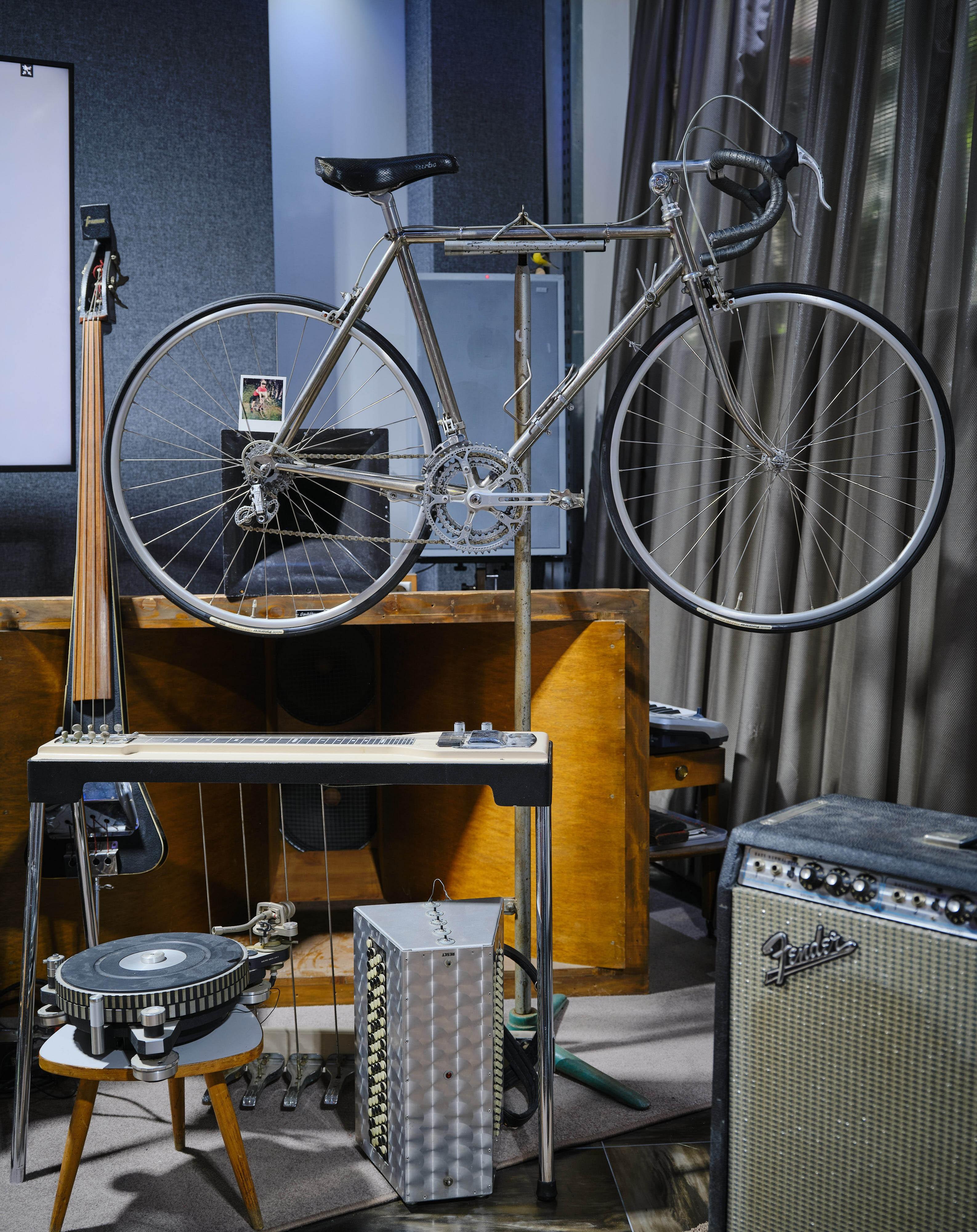
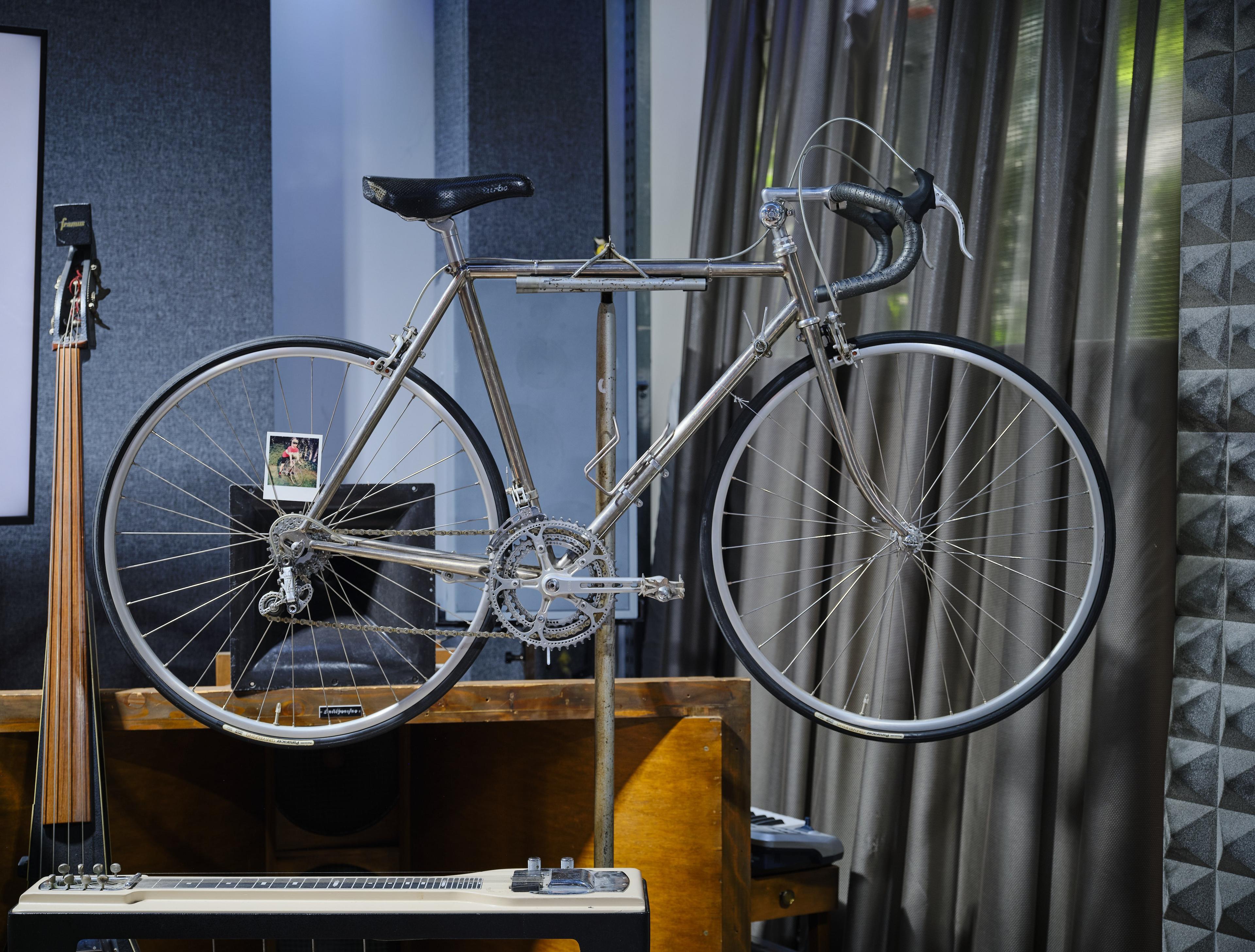


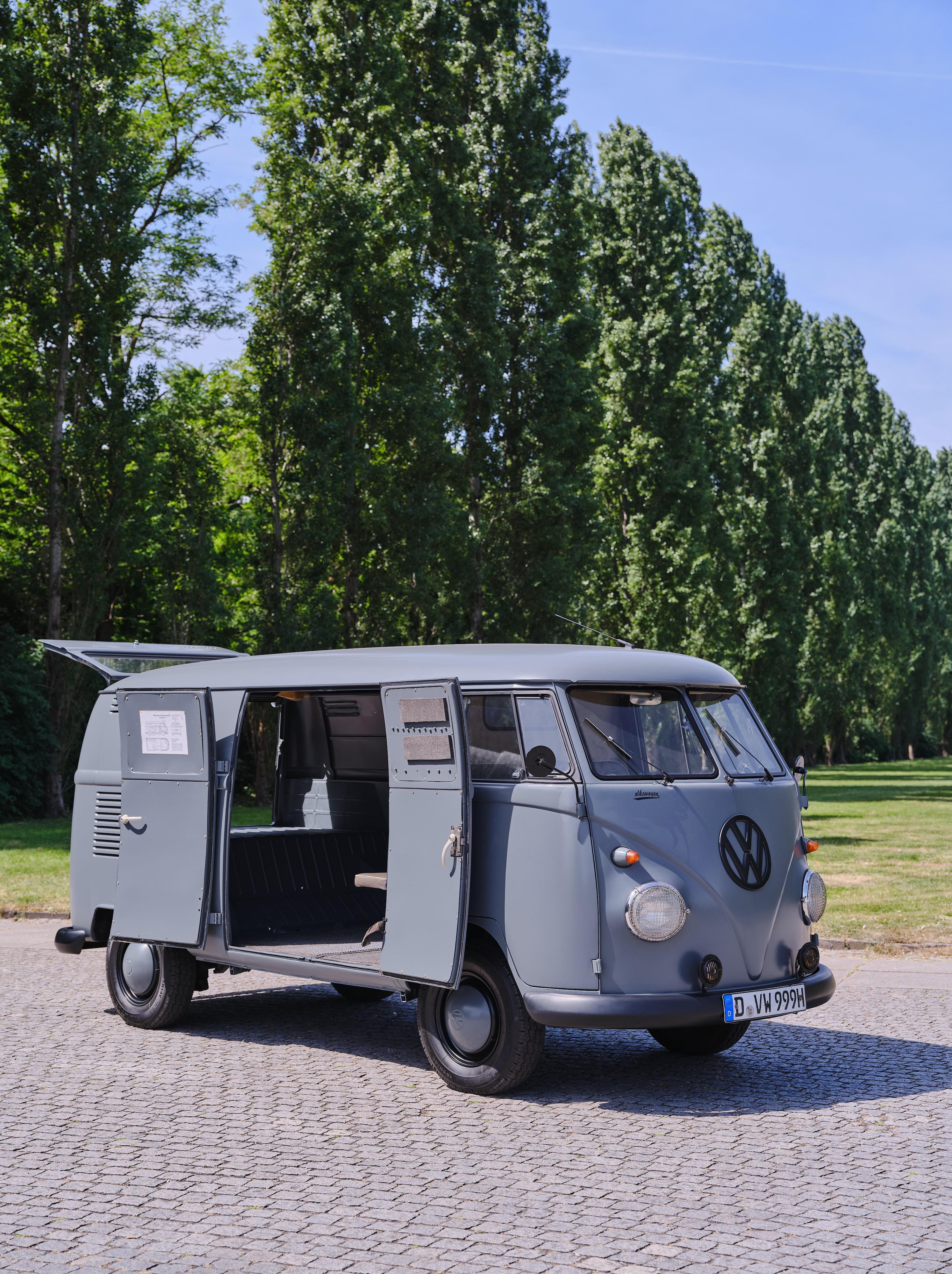
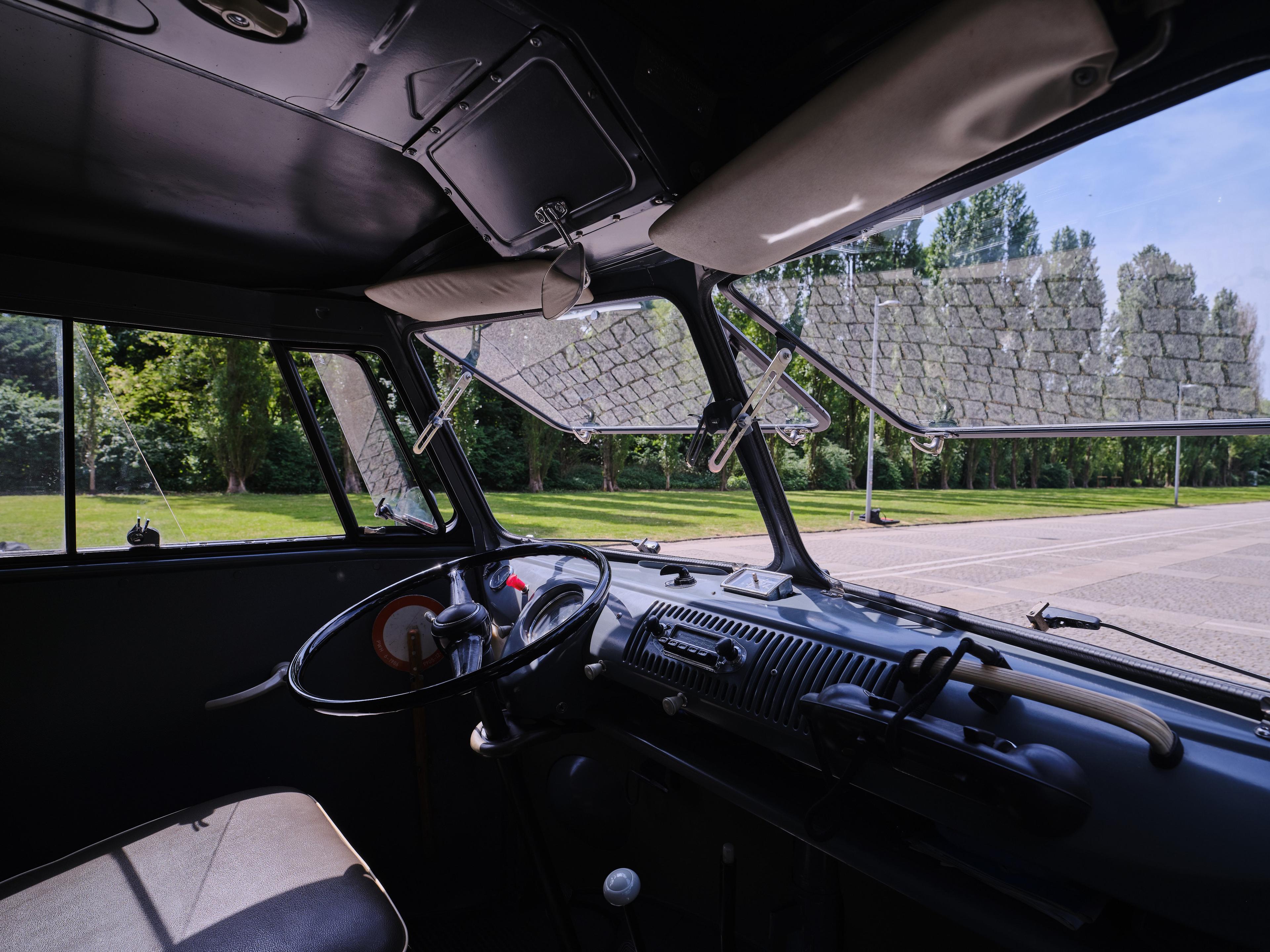
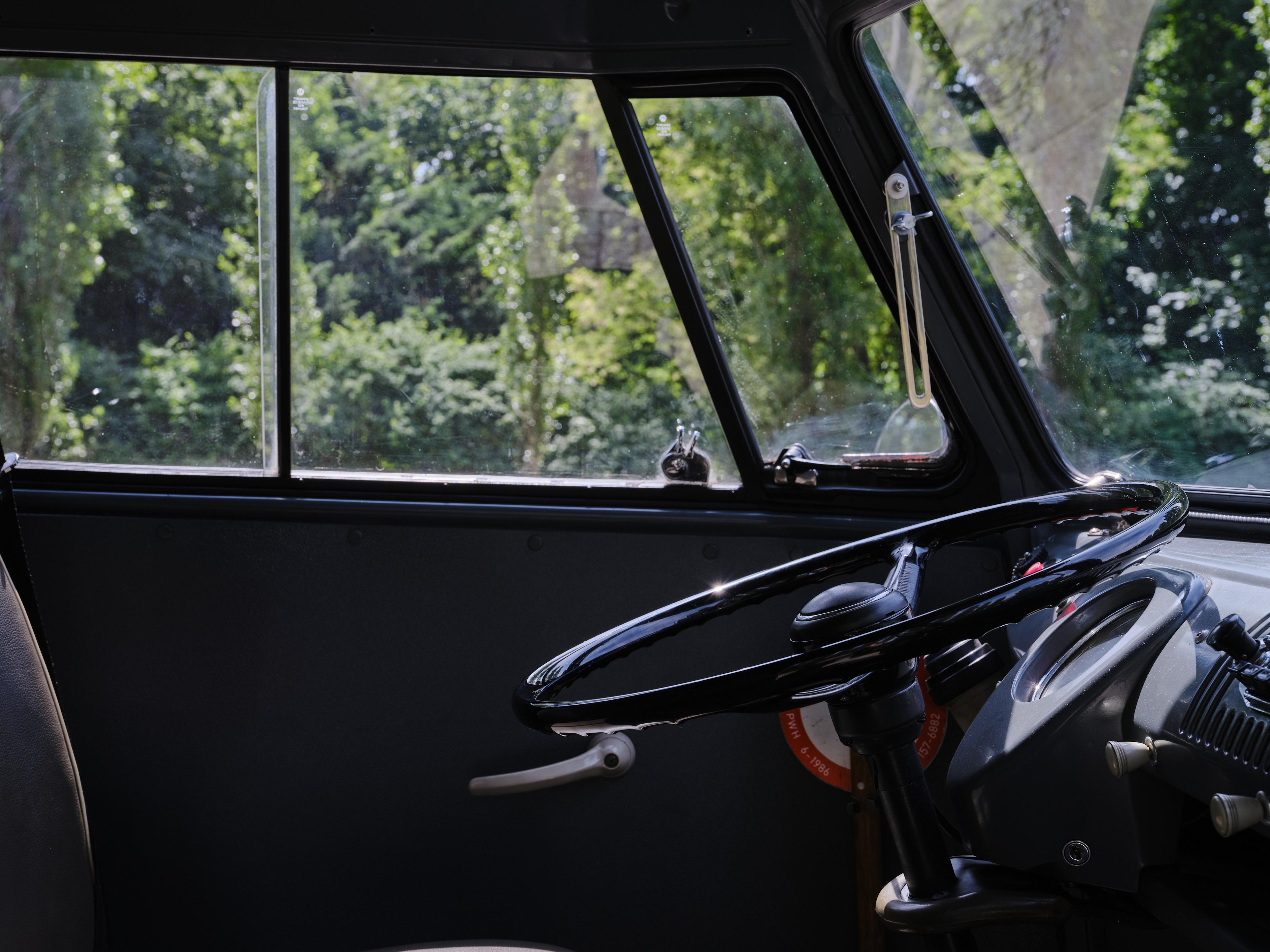
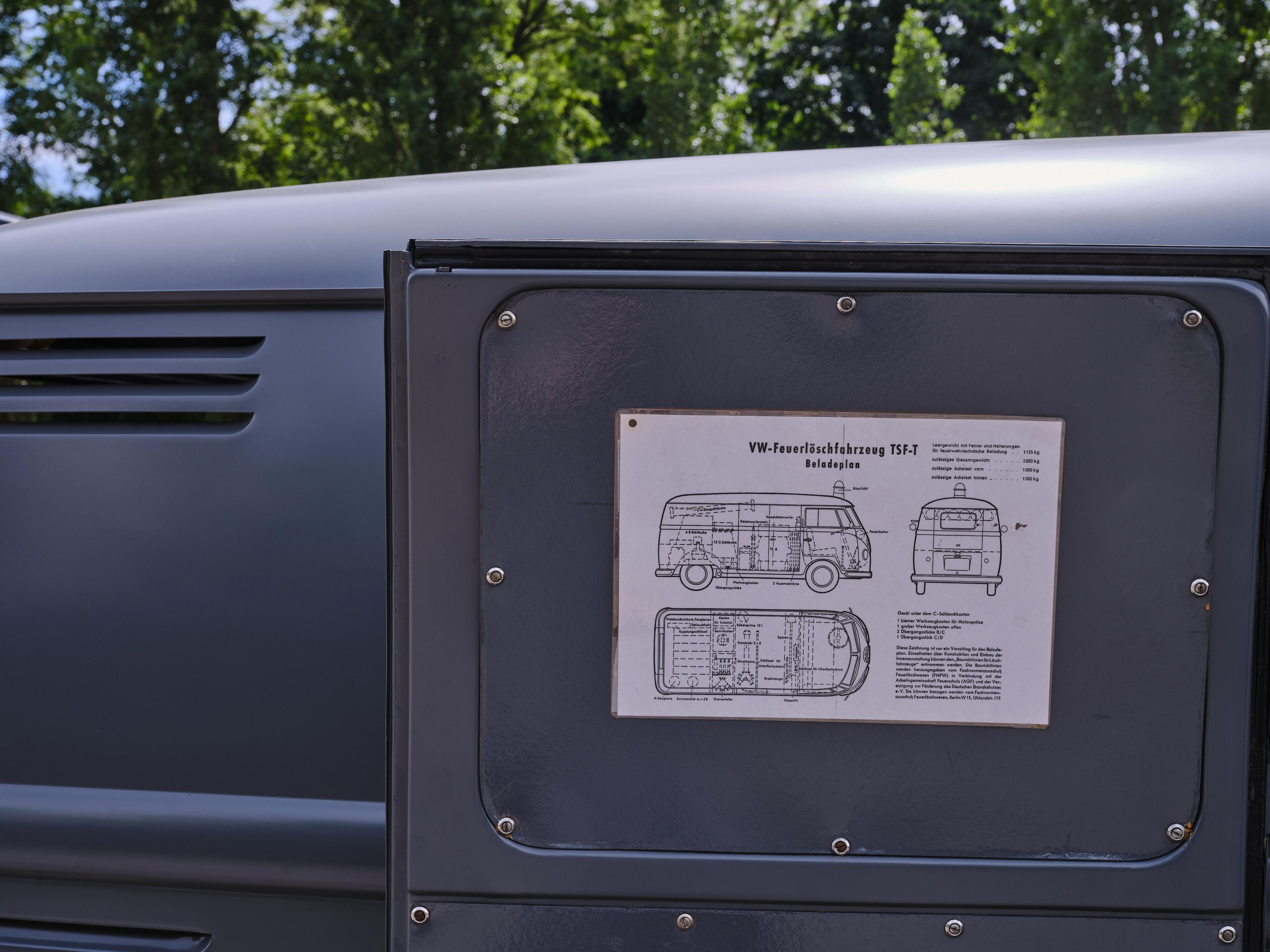
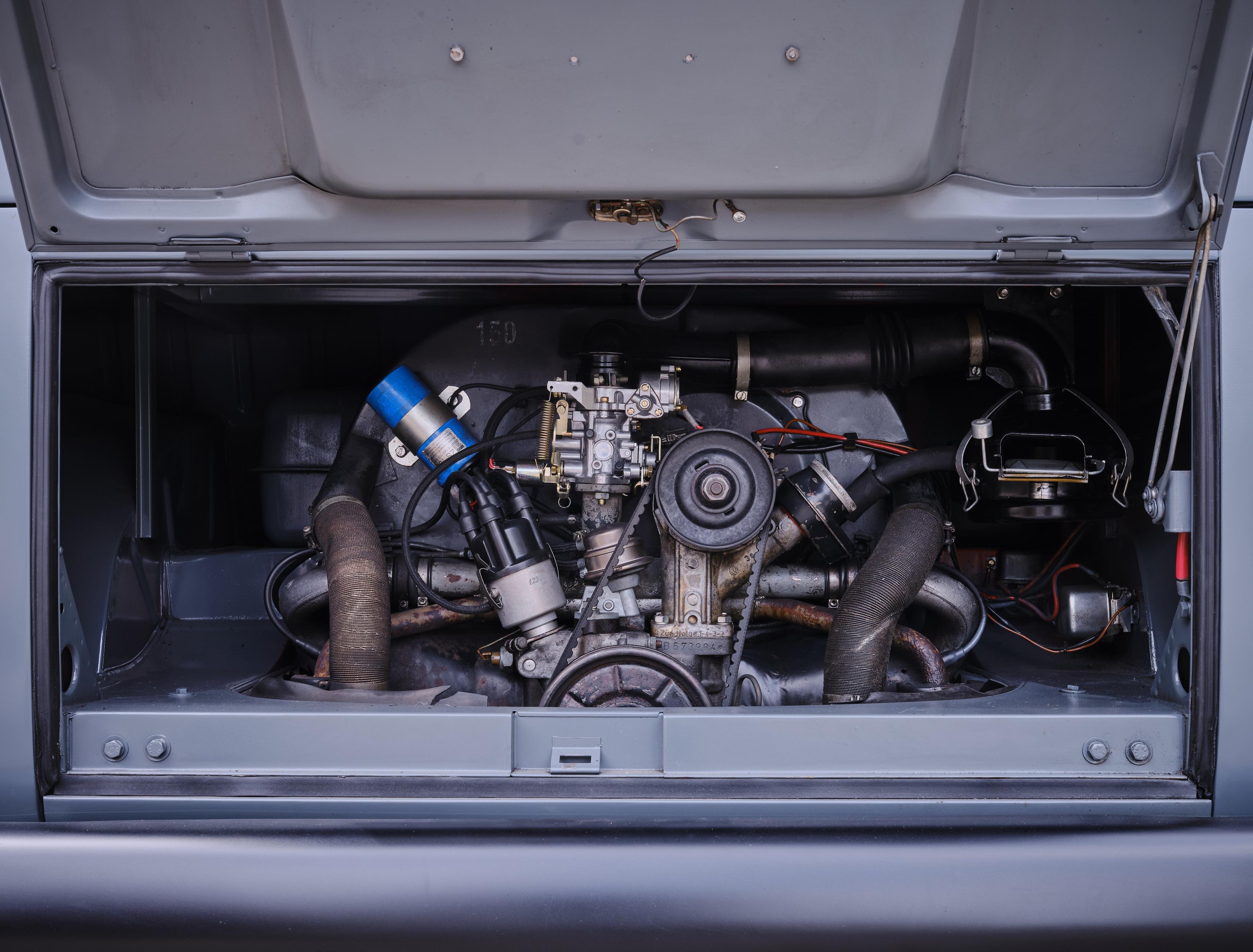
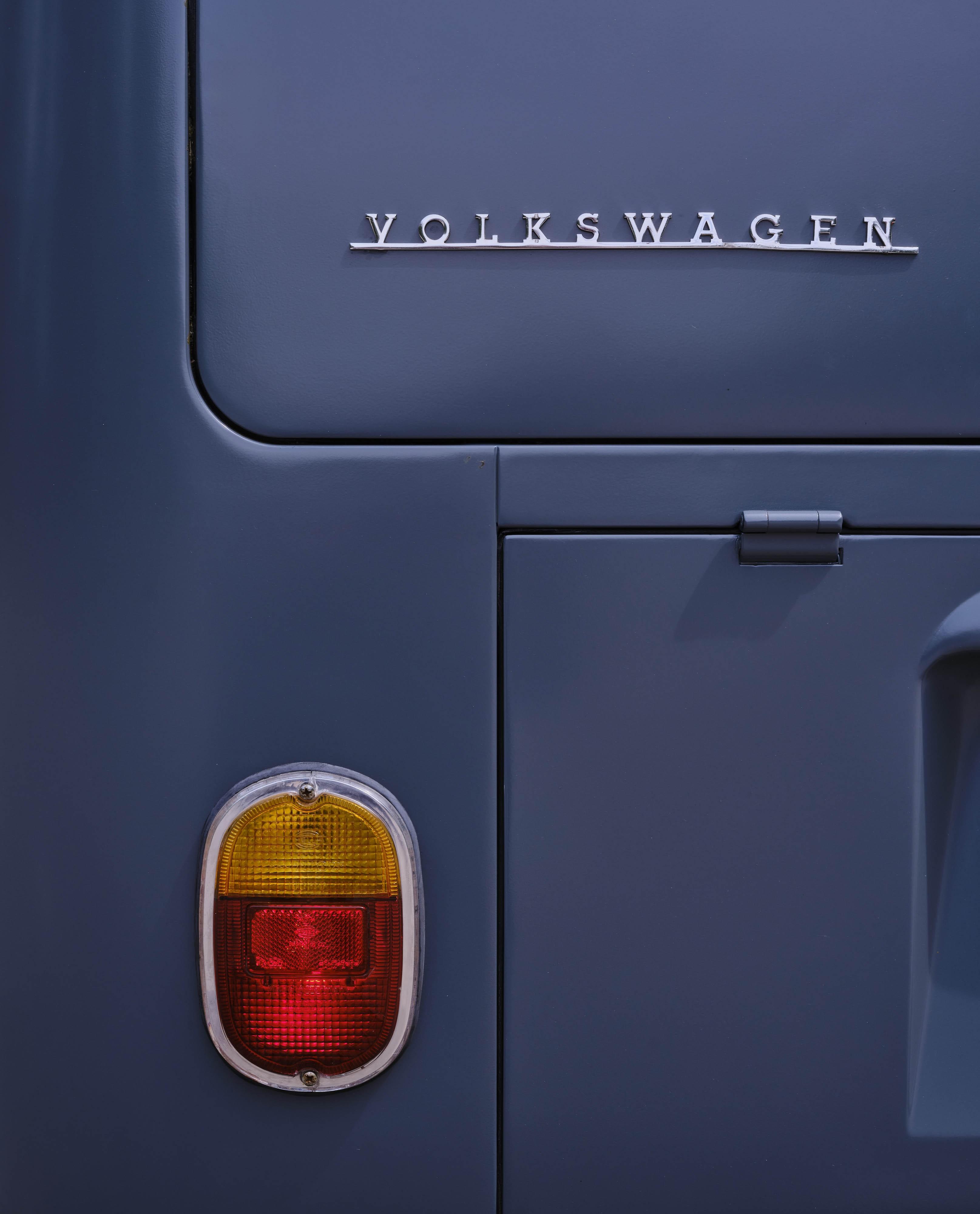
Classic 1964 Volkswagen Type 2/T1 Kastenwagen personally owned and driven by Schneider.



A Sound Architect's Lasting Legacy
As a spokesperson for the estate shares, this collection fulfills Schneider's desire for his instruments and tools to "continue living beyond him." They are meant to be shared with those who truly value them: musicians, collectors, and those inspired by the profound art of sound.
This historic offering allows the world a rare chance to own an authenticated piece of the mechanical marvel that is KRAFTWERK’s legacy—a legacy that ensures the band's enduring signal will continue to shape music for generations to come.
Bidding for the collection is now open, with the global online auction this November 19th.