Fashion
Film & TV
The Fabric of Television History
An Exploration of Iconic Fashion in our ‘Channel Surfing’ auction, taking place May 7-8 at 10 AM PDT, LIVE at Julien's Studios in Los Angeles and online worldwide. Register & Bid Now.
Share



Julien's landmark "Channel Surfing: A Broadcast to Binge" auction event offers an unprecedented journey through seven decades of television fashion evolution. This extraordinary collection of 70 years of TV history and over 600 authentic treasures chronicle the changing styles, cultural moments, and costume design innovations that have shaped our collective viewing experience. From superhero suits that empowered generations to the tailored perfection that defined television's golden ages, this auction represents not just memorabilia but authentic artifacts of broadcast history.
Preserving Threads of Television History
Gunsmoke’s undertold fashion legacy includes a seafoam velvet jacket and floral skirt ensemble, likely worn by Amanda Blake as Gunsmoke’s Kitty Russell, and it reveals the understated elegance of 1950s Western heroines. Unlike Evans’ bold bolero, Blake’s costume leaned into structured silhouettes with delicate floral embroidery, reinforcing her character’s refined saloon-owner persona. Another Gunsmoke relic—James Arness’ mocha-brown quilted vest—showcases the rugged masculinity of Marshal Matt Dillon, complete with wooden buttons and embroidered motifs.
James Garner’s cream vest and peach Western shirt from Maverick (ABC, 1957–1962) reflect the show’s smooth-talking, card-sharp protagonist. The diamond-patterned vest and thin dude tie reinforced Bret Maverick’s roguish charm, setting him apart from more traditional Western heroes.
Robert Stack’s four vests as Eliot Ness in The Untouchables (1959–1963) highlight how Prohibition-era fashion influenced TV costuming. From pearl-gray satin to turquoise embroidered vests, Stack’s wardrobe underscored Ness’ sharp, no-nonsense demeanor while adding a touch of gangster-era flair.
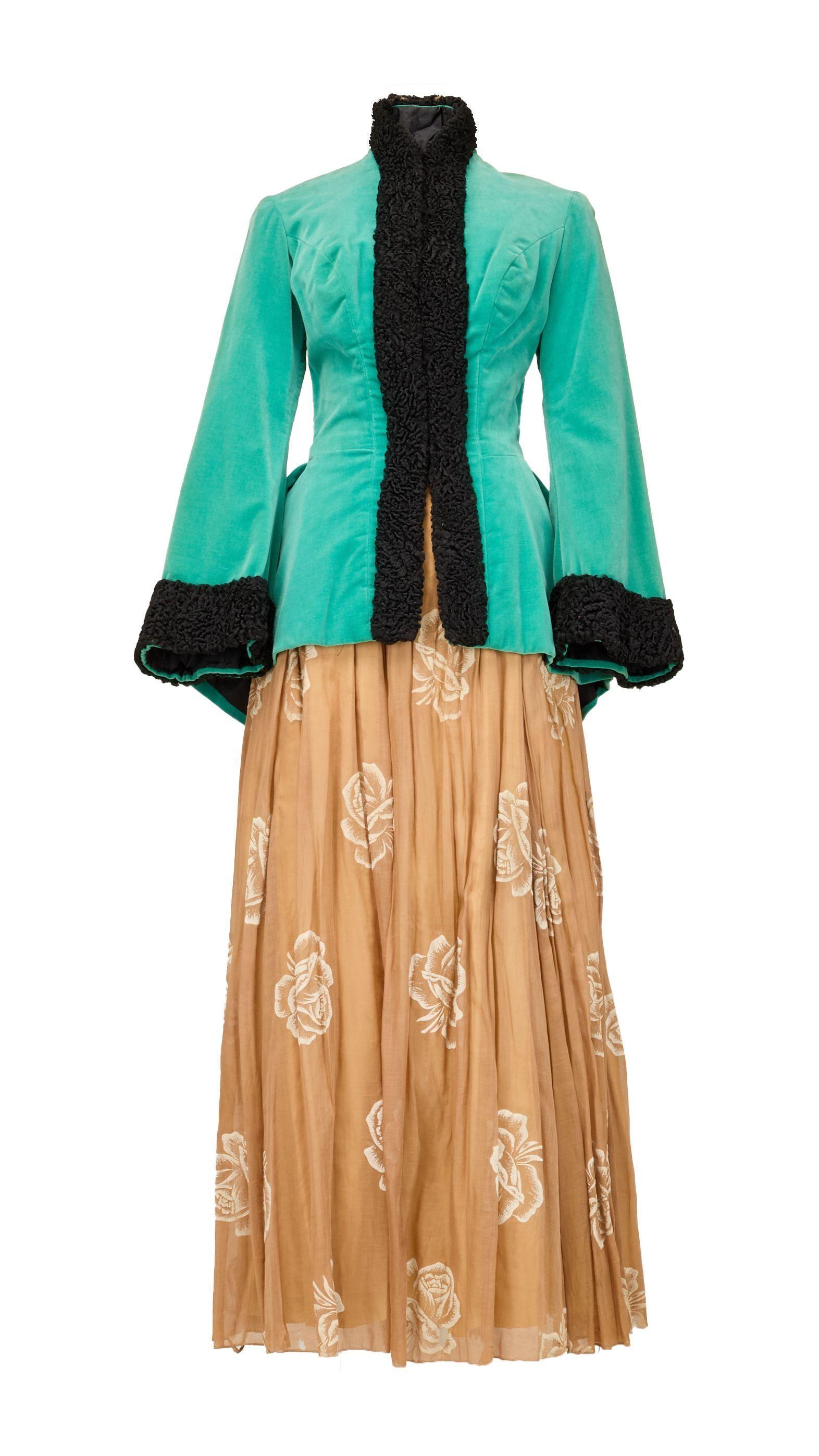
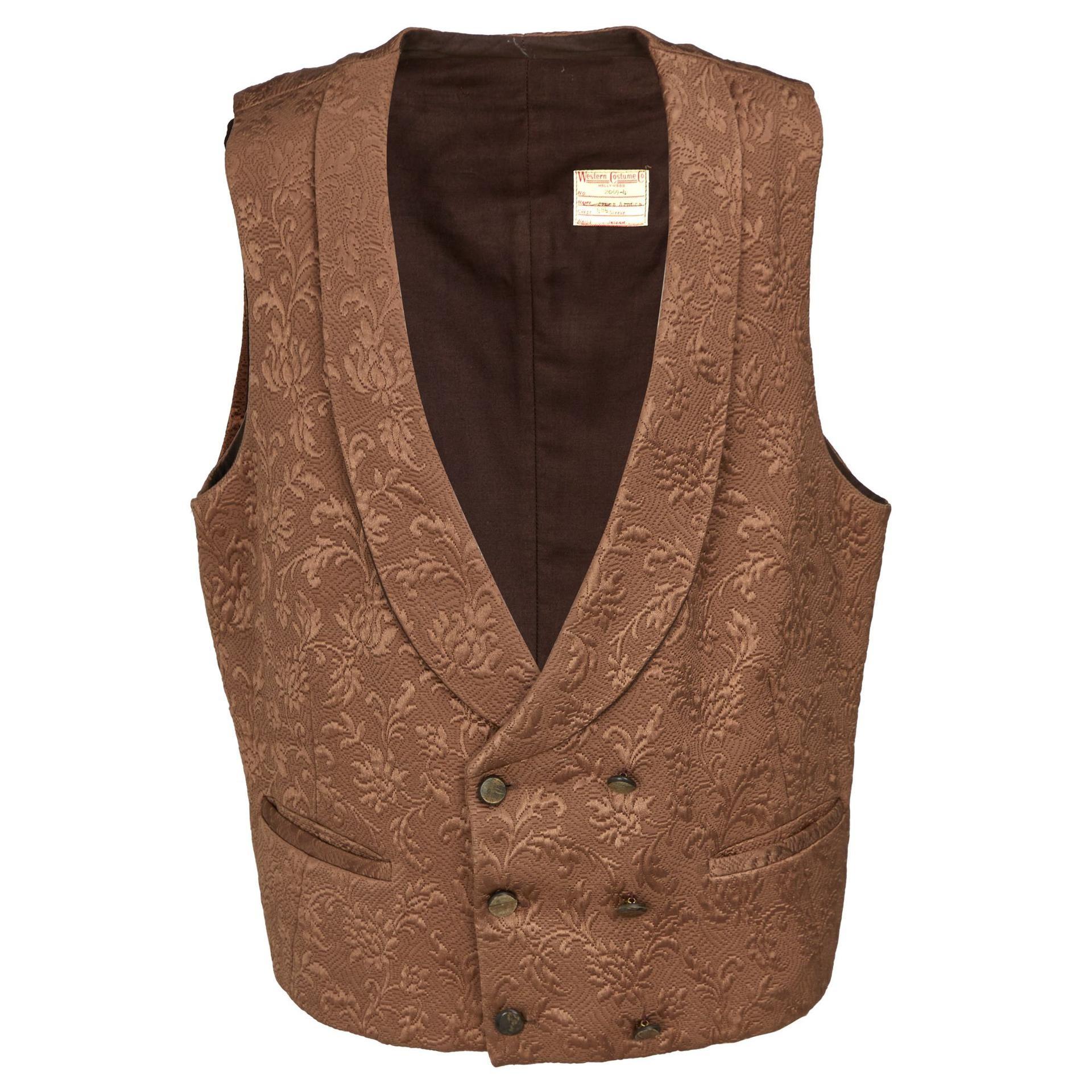
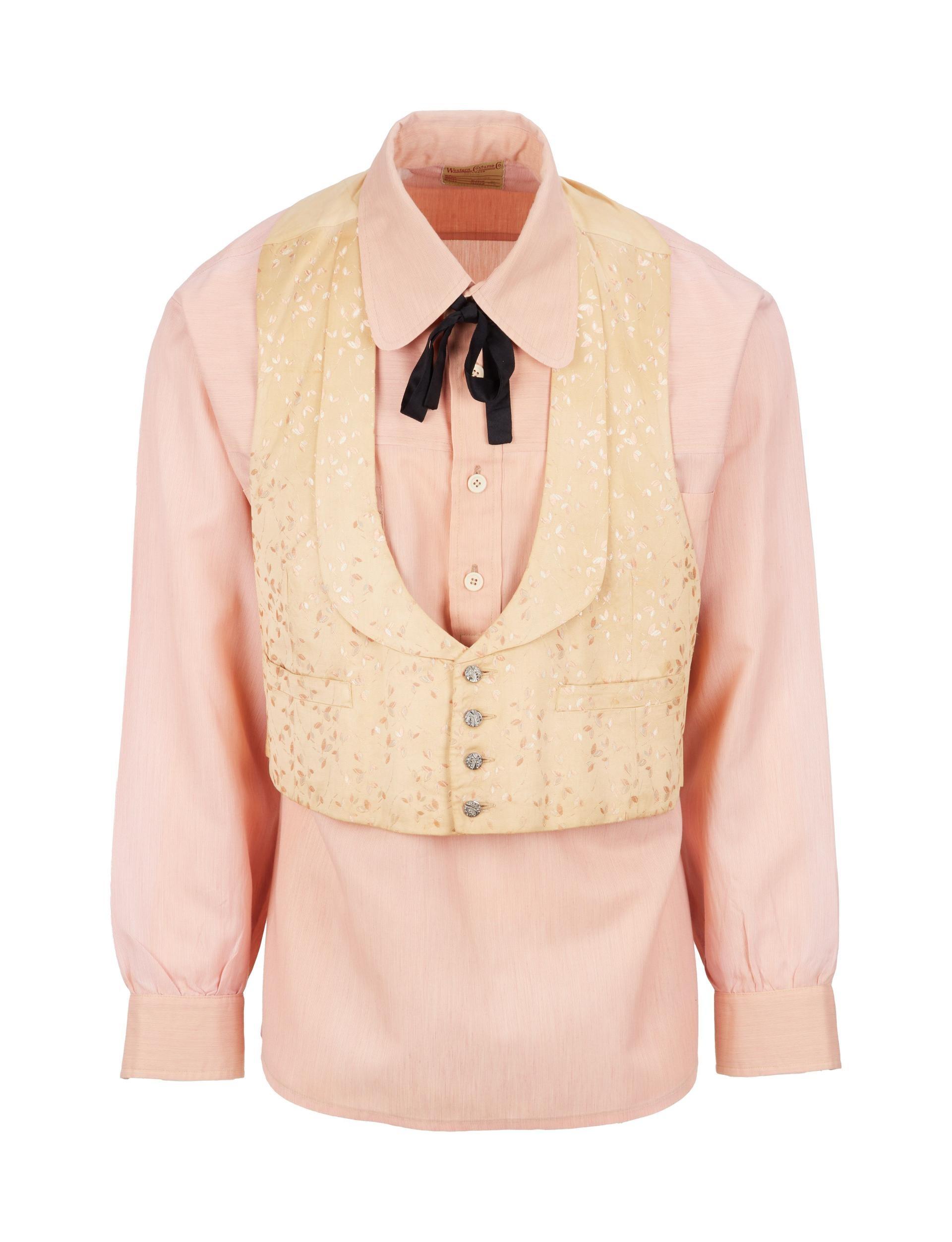
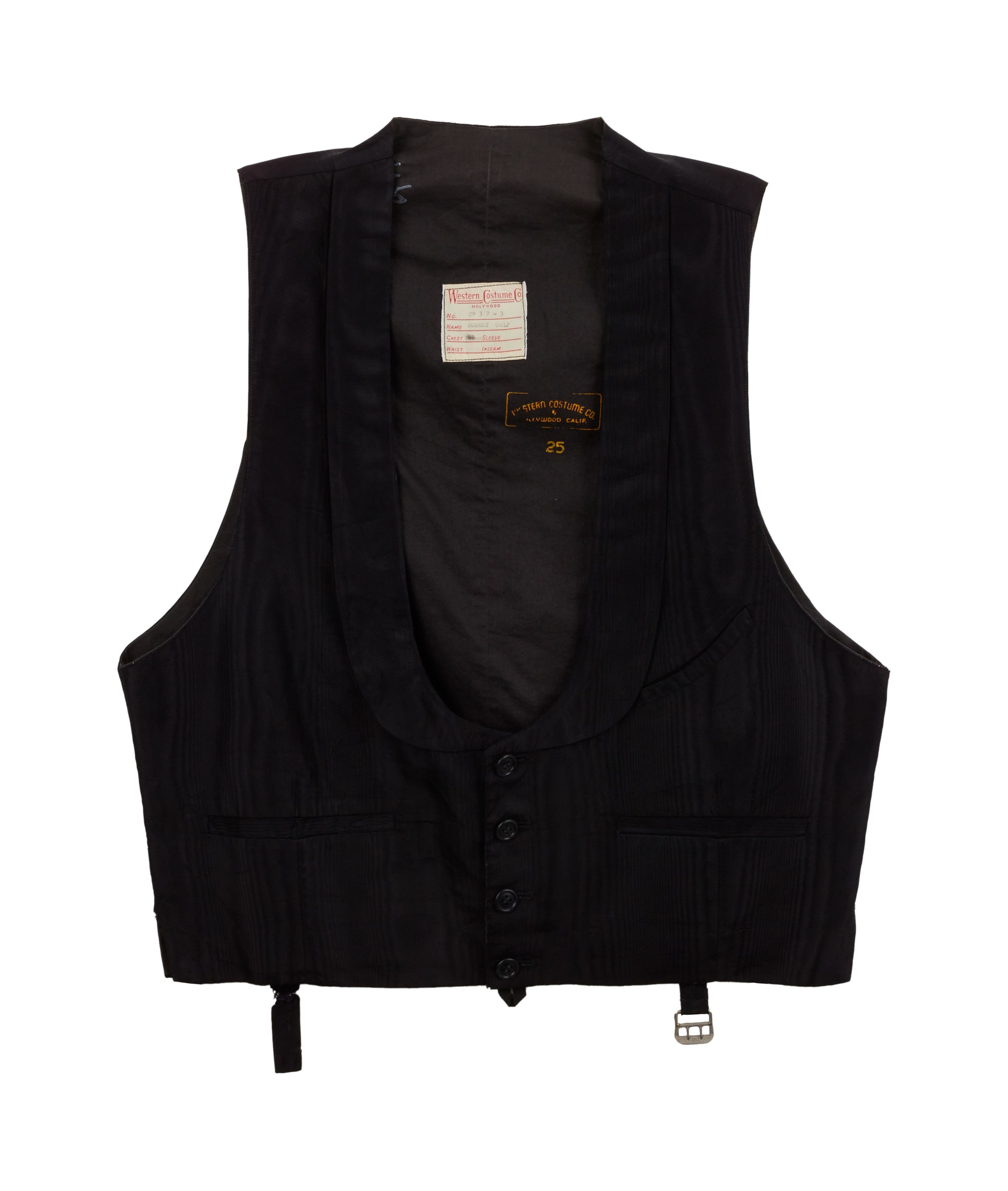
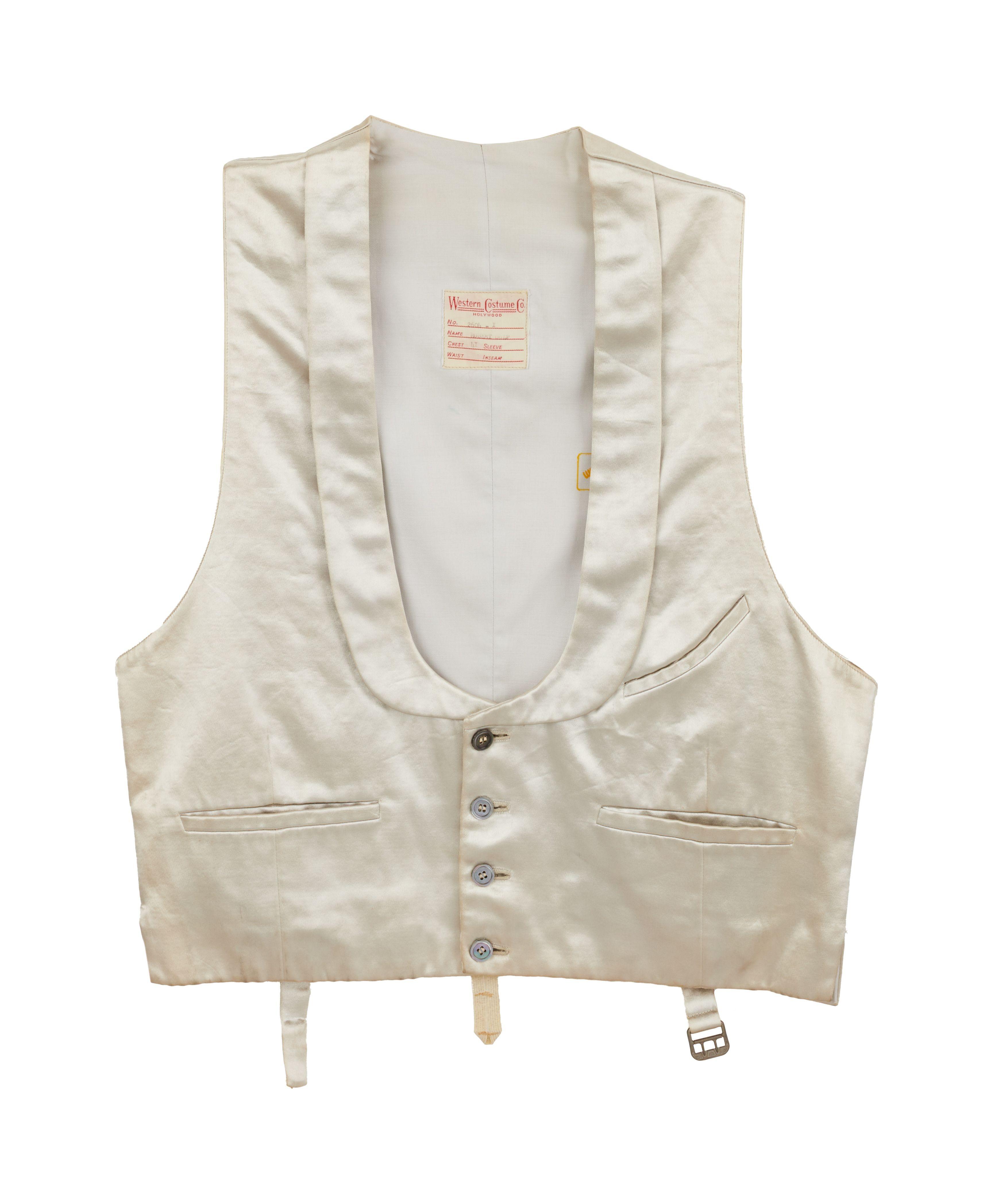
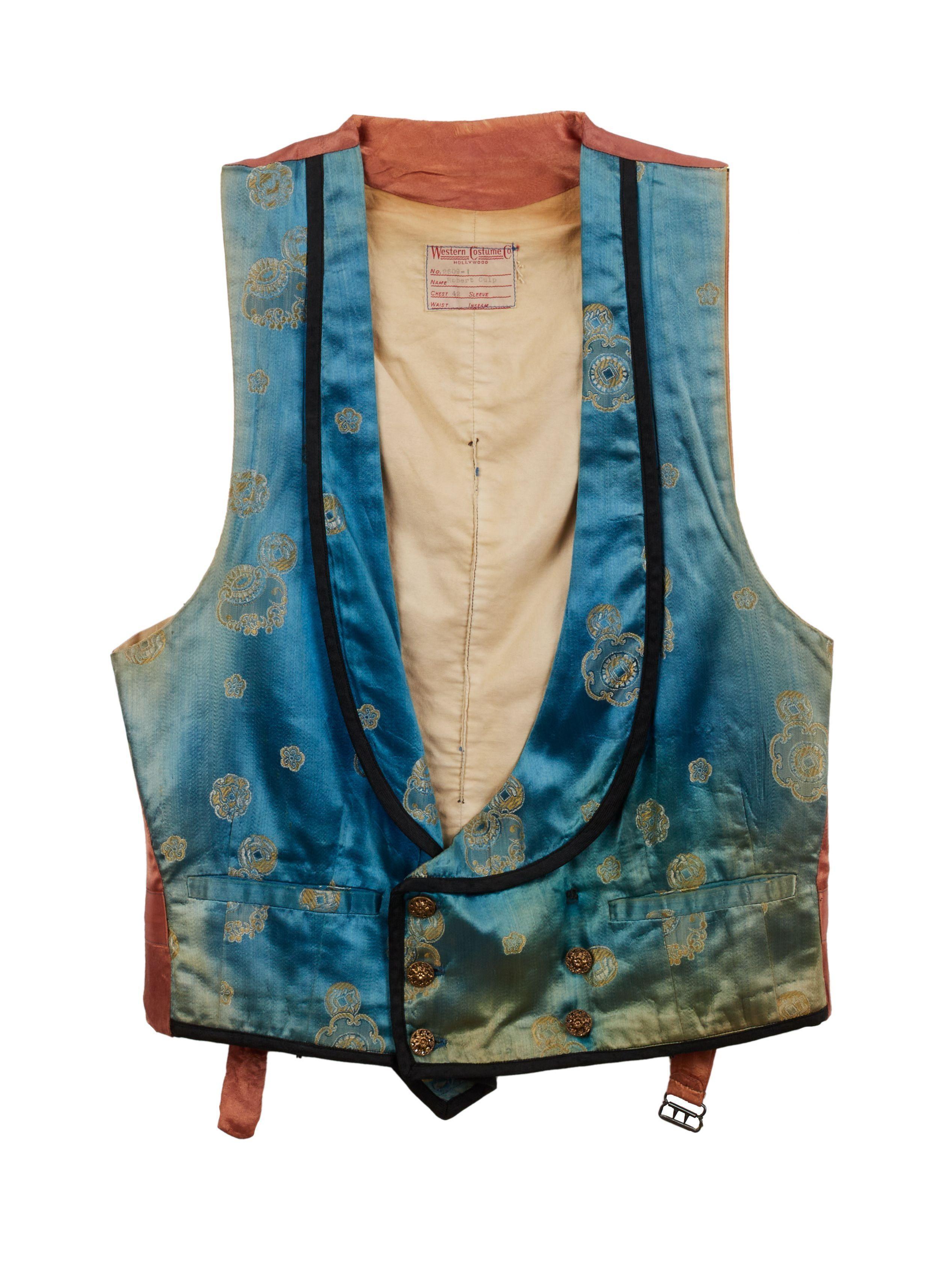
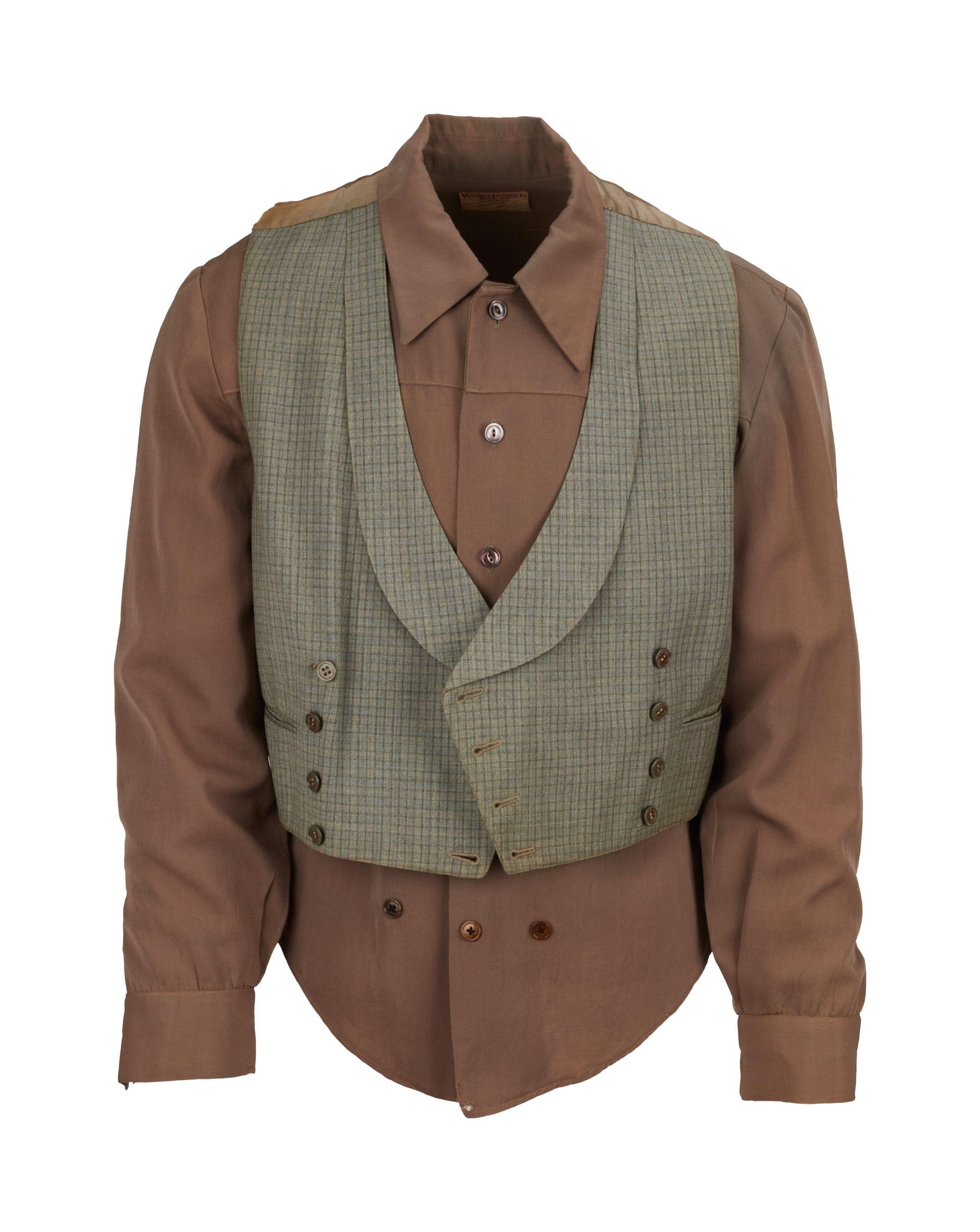
1. Lot #8. Gunsmoke | Kitty (Amanda Blake) Seafoam Velvet Jacket and Floral Skirt Ensemble , 2. Lot #9. Gunsmoke | Marshal Matt Dillon (James Arness) Western Vest, 3. Lot #10. Maverick | Bret Maverick (James Garner) Western Ensemble, 4. Lot #26. The Untouchables and Other Productions | Robert Stack Vests and Shirt,
The Vibrant 1960s: When Television Fashion Found Its Bold Voice
The 1960s revolutionized television with its daring splash of color and creative vision, perfectly captured in our showcase of this transformative era. The iconic green question mark suit worn by Frank Gorshin as The Riddler in the original Batman series exemplifies the decade's playful approach to costume design. This signature piece, estimated at $20,000-$30,000, represents how superhero fashion of the era embraced theatrical boldness rather than the gritty realism of later interpretations.
Gorshin's Riddler costume didn't just clothe the character—it completed him, enabling his manic energy to translate visually through a design that has influenced decades of villainous portrayals. The auction offers fans the opportunity to own these pieces of pop culture history that helped define an entire genre of television entertainment.
Television fashion in this period wasn't just about entertainment—it reflected and sometimes drove the rapid cultural changes of the decade. Costume designers possessed a newfound freedom to experiment with silhouettes, patterns, and materials that mirrored the creative revolution happening across society. These weren't merely outfits; they were visual statements that helped establish television as a powerful cultural medium with its own distinct aesthetic language.
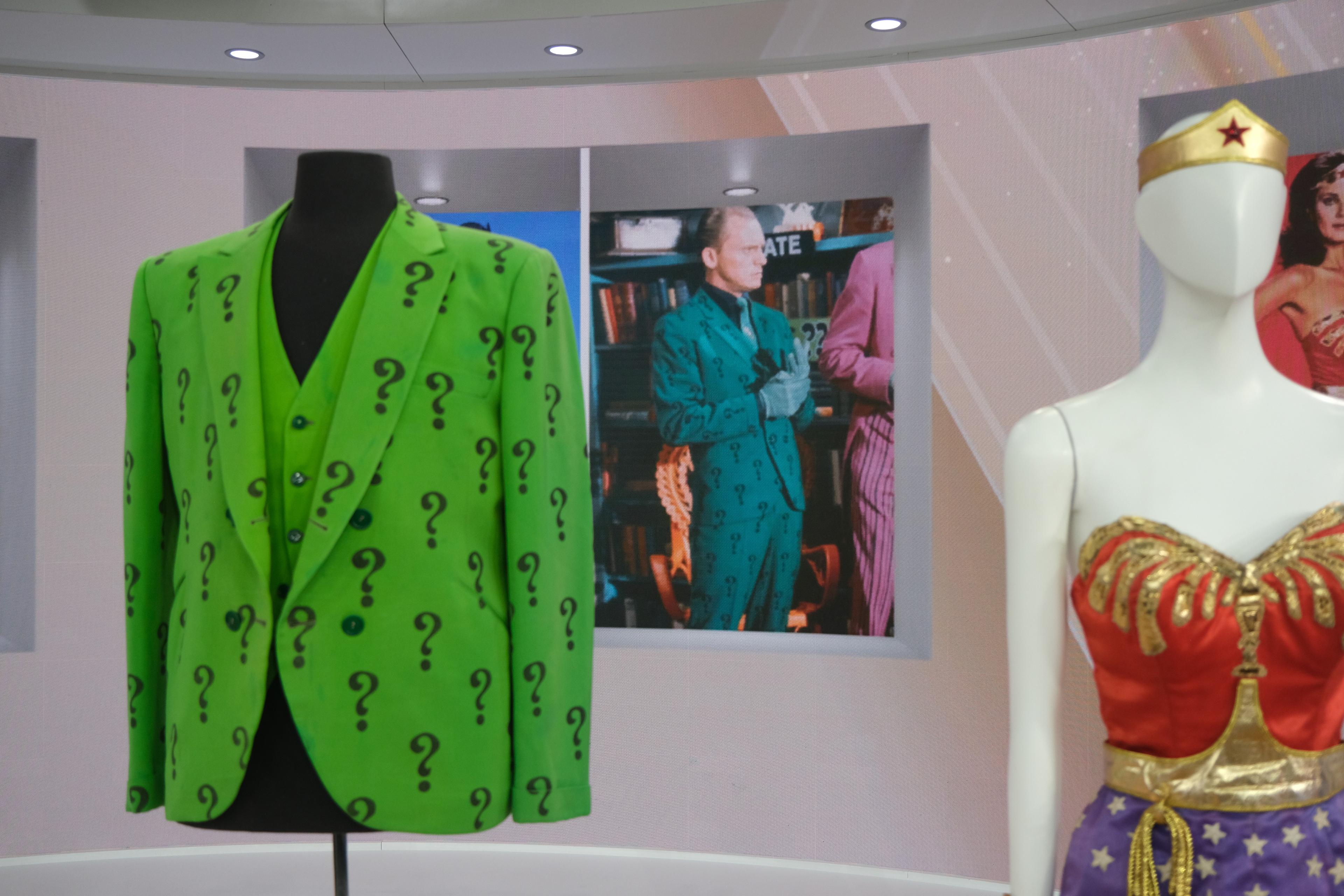
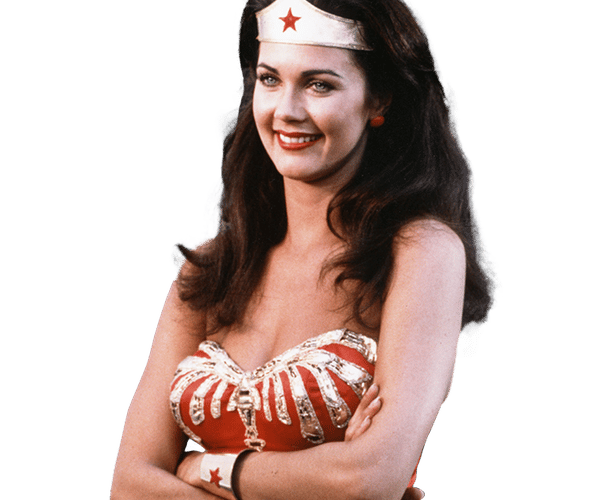
Lot #355. Batman | The Riddler (Frank Gorshin) Pilot and Movie-Worn Riddler Suit Jacket and Vest with Signed Photo. Lot #359. Wonder Woman | Wonder Woman (Lynda Carter) Americana Uniform Bodysuit with Production-Made Bracelets and Photo
Costume as Character Extension
Dale Evans’ matador-style green bolero jacket — a standout piece in “Channel Surfing” — encapsulates the flamboyant yet functional wardrobe of 1950s television. Crafted from velvet with gold-tone floral epaulettes and red jeweled accents, the jacket bears a Western Costume Company tag marked “Dale Evans,” confirming its authenticity as a screen-worn relic from The Roy Rogers Show (NBC, 1951–1957). Evans, the “Queen of the West,” paired this flamboyant yet practical piece with her signature cowgirl aesthetic, blending Mexican-inspired detailing with frontier femininity.
Robert Conrad’s royal-blue “James West” suit from The Wild, Wild West (CBS, 1965–1969) blends Victorian tailoring with Western bravado. The fitted jacket, silver chain closure, and satin vest epitomize the show’s steampunk-meets-cowboy aesthetic, proving that TV Westerns could be as fashionable as they were action-packed.
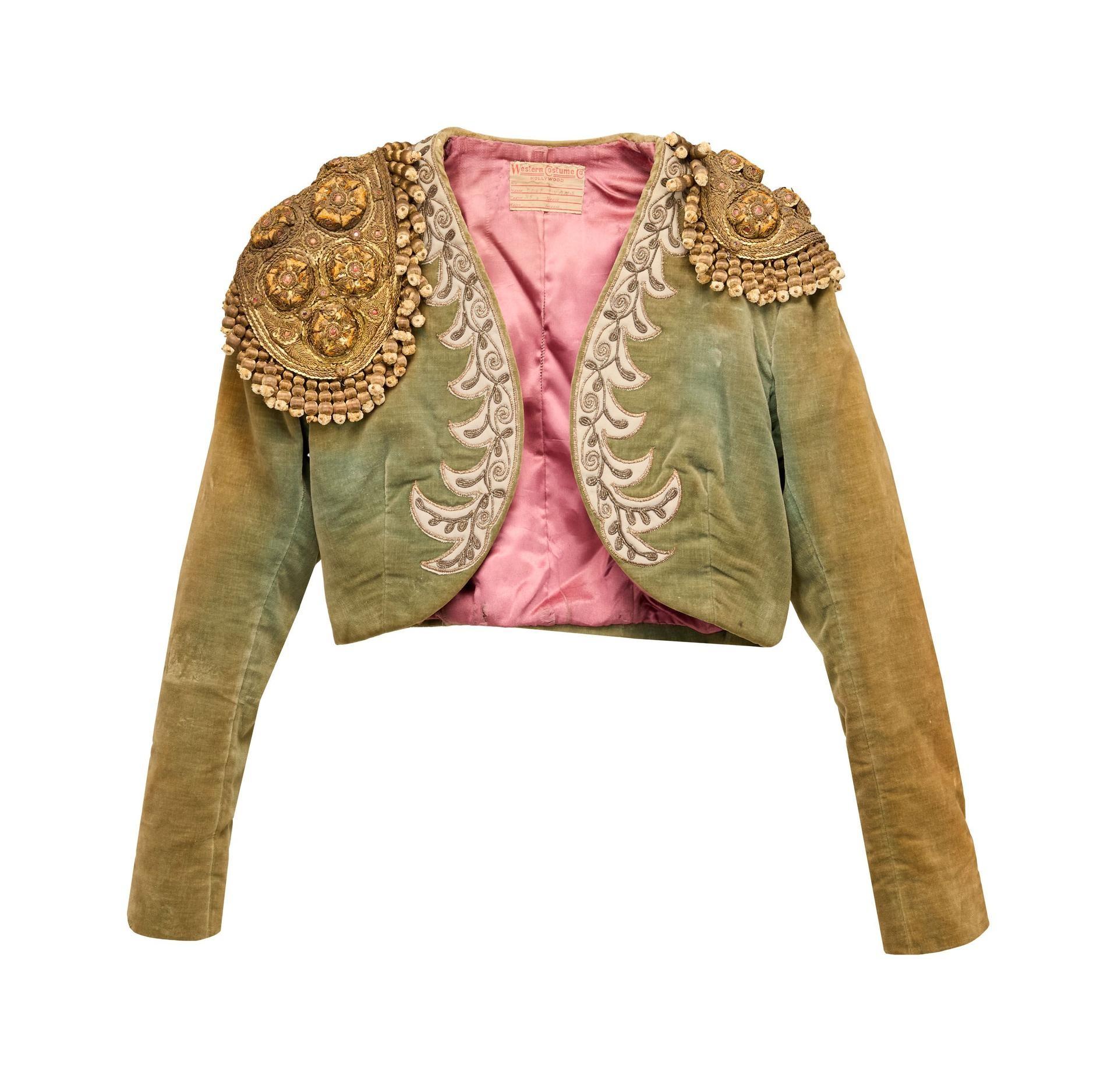
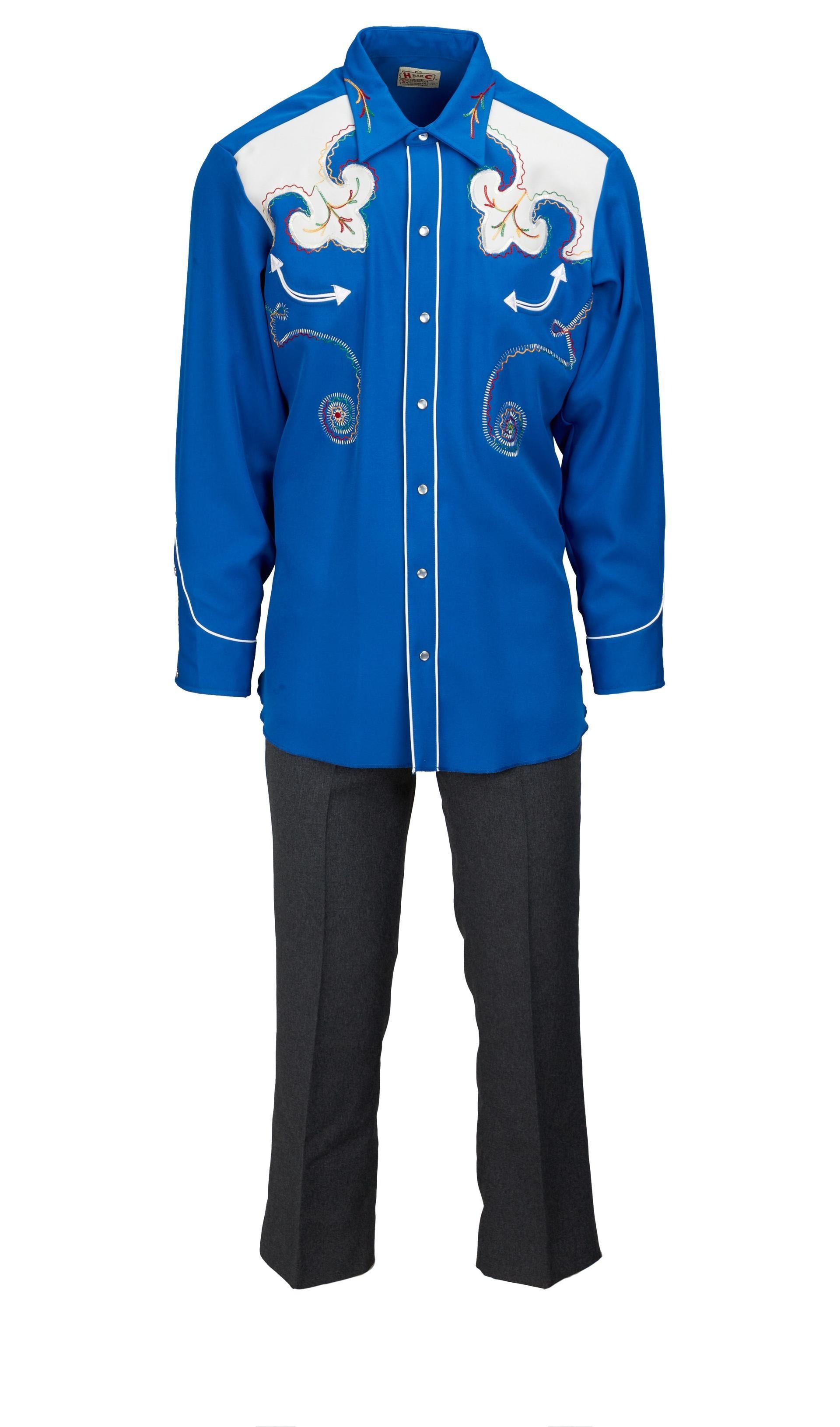
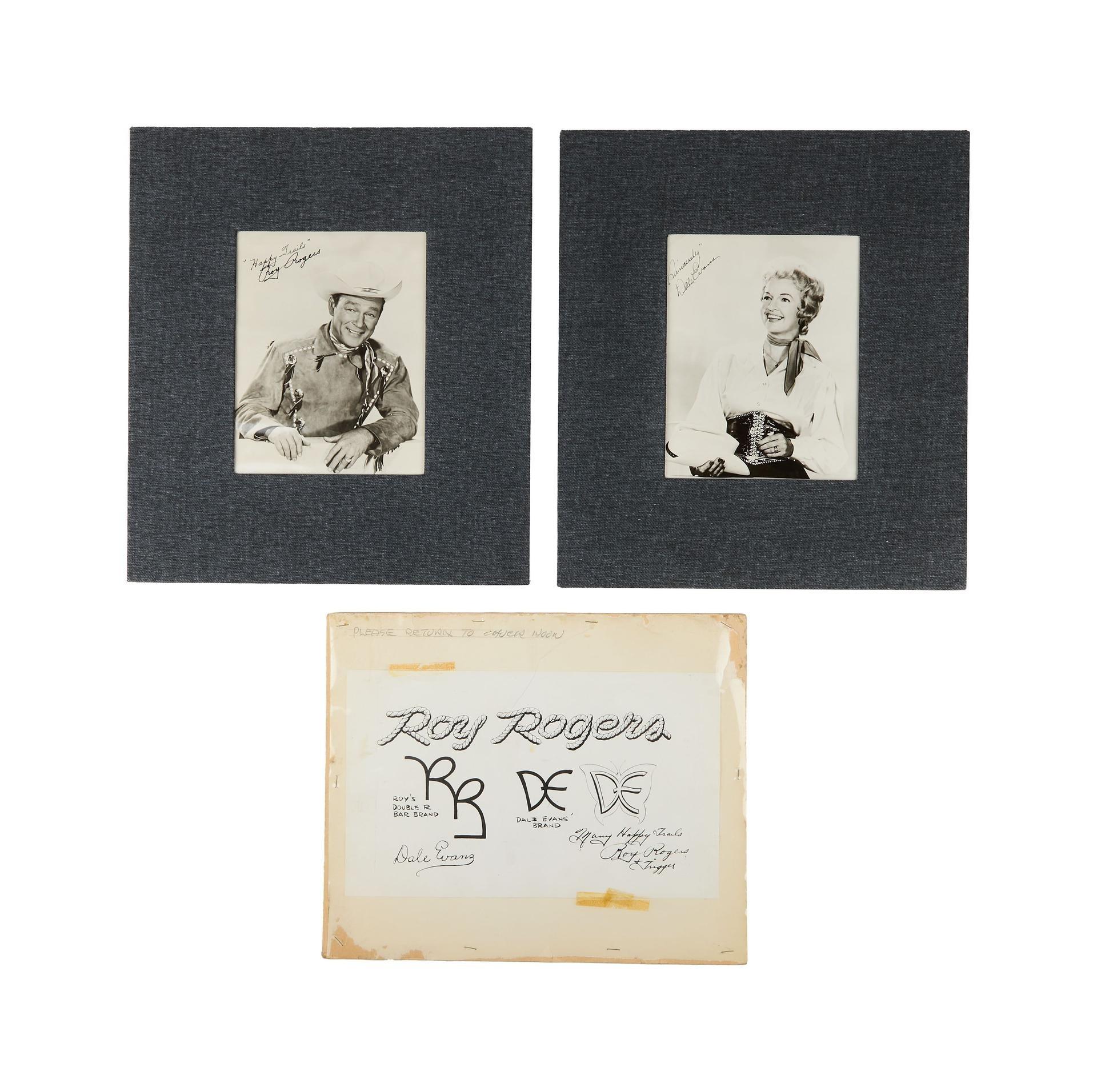
1. Lot #3. The Roy Rogers Show | Dale Evans Matador-Style Bolero Jacket, 2. Lot #1. Roy Rogers | Personally Owned and Worn Western Shirt with (2) Trousers, 3. Lot #2. The Roy Rogers Show | Roy Rogers and Dale Evans Signed Photo Set with Logo Board,
The Revolutionary 1970s: Empowerment Through Design
Few costume pieces embody the cultural shift of 1970s television fashion more perfectly than Lynda Carter's complete Wonder Woman ensemble. The original Americana uniform bodysuit—carrying an estimate of $100,000 to $200,000—stands as perhaps the most recognizable superhero costume in television history. Accompanied by the iconic tiara headpiece, "Lasso of Truth," and signature knee-high boots (each estimated at $20,000-$30,000), this collection represents a watershed moment when female empowerment found visual expression through costume design.
Wonder Woman's costume did something remarkable—it balanced superhero fantasy with feminine strength, creating a visual template that influenced generations of character design. The star-spangled design projected patriotic ideals while simultaneously challenging gender norms of the period, making it not just a costume but a cultural artifact of television's evolving representation of women.
Two Jack Baer-designed gowns from The Julie Andrews Hour (1972–1973) showcase 1970s variety-show opulence. One features white jet beads and rhinestones, while the other—a chocolate-brown velvet gown—boasts topaz buttons and sequin-embroidered cuffs, illustrating how TV fashion embraced maximalism post-Western era.
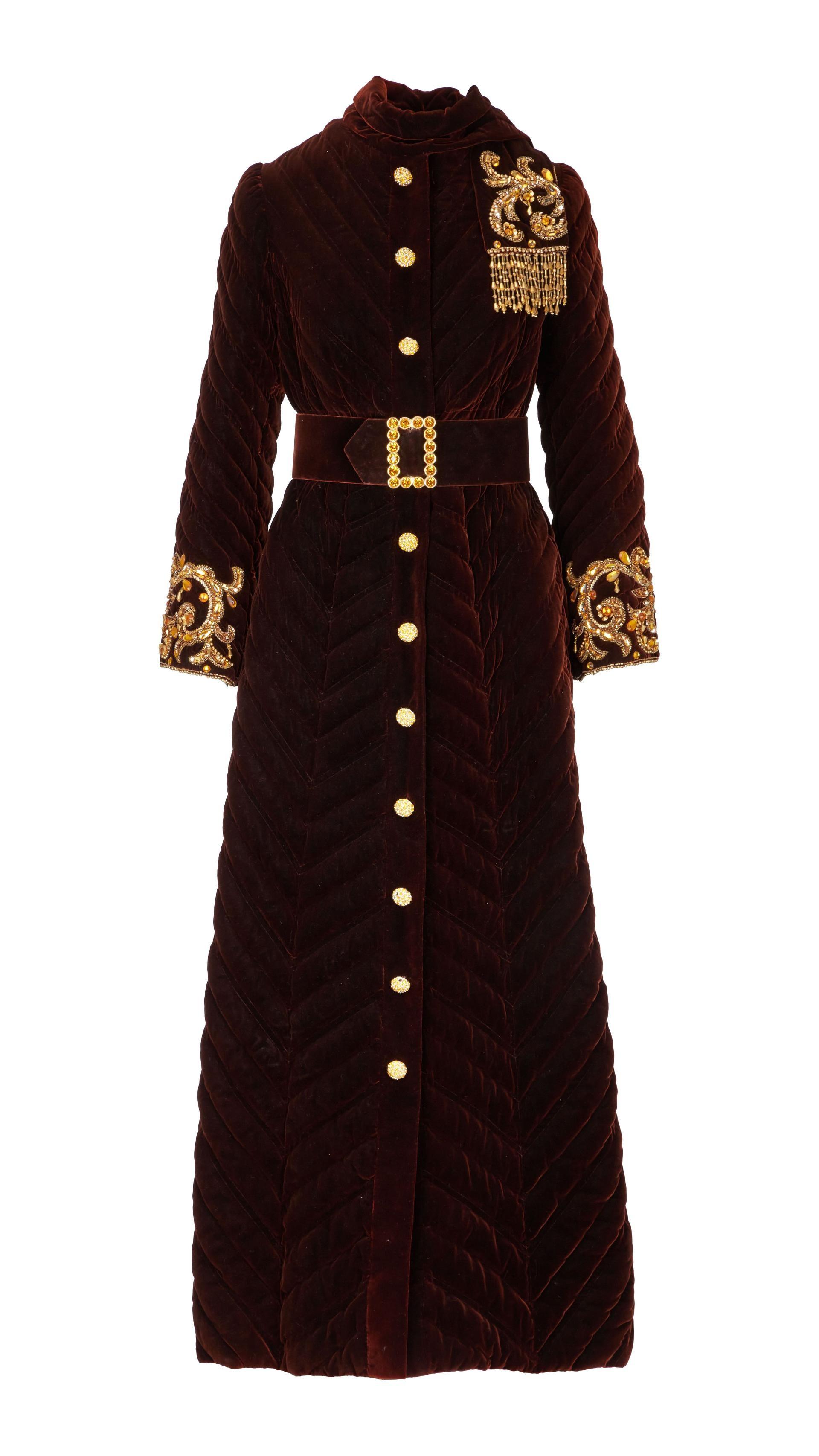
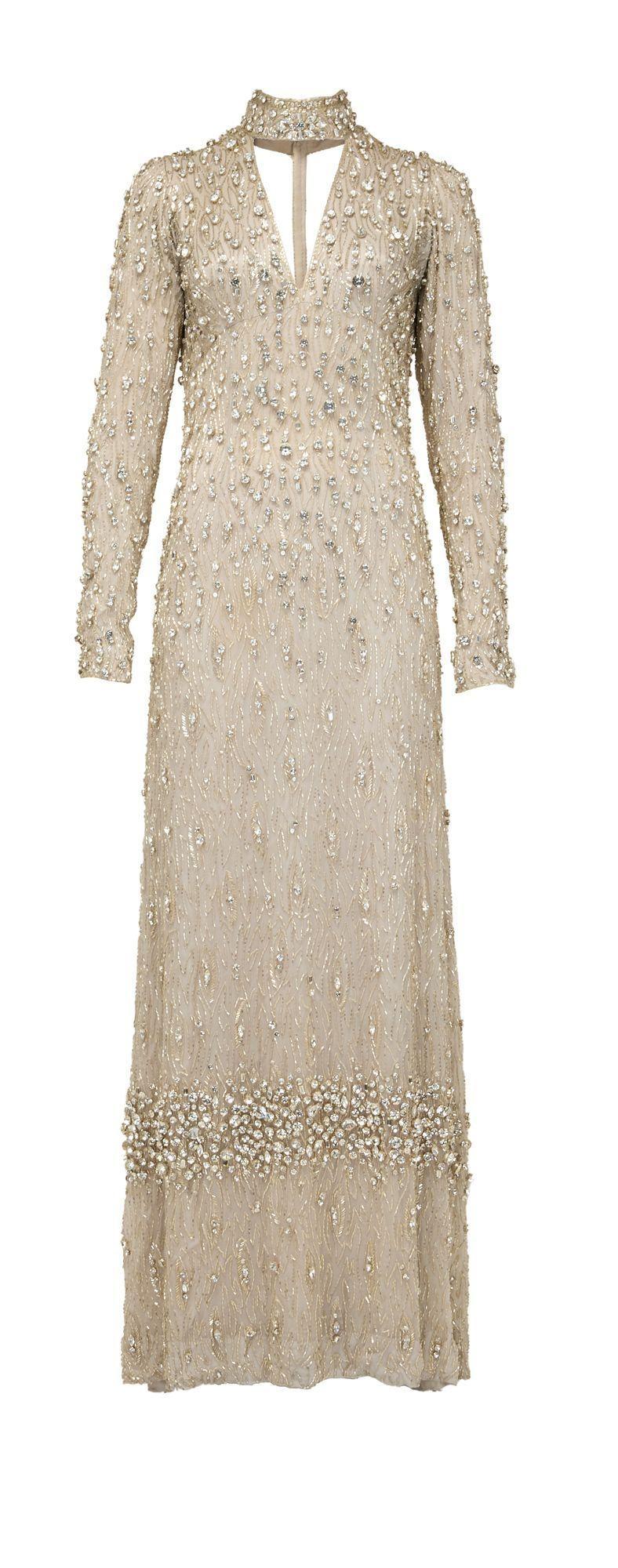
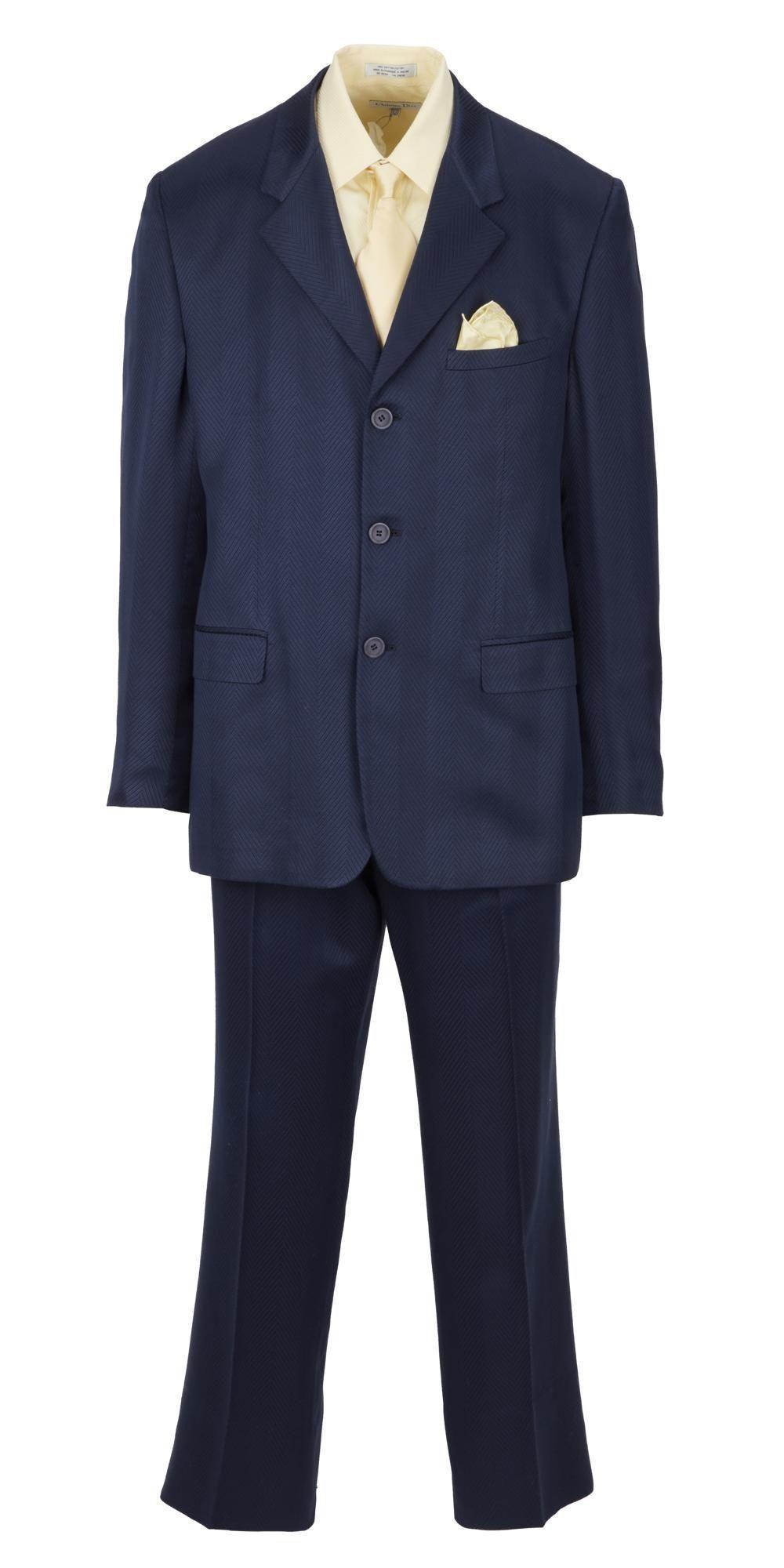
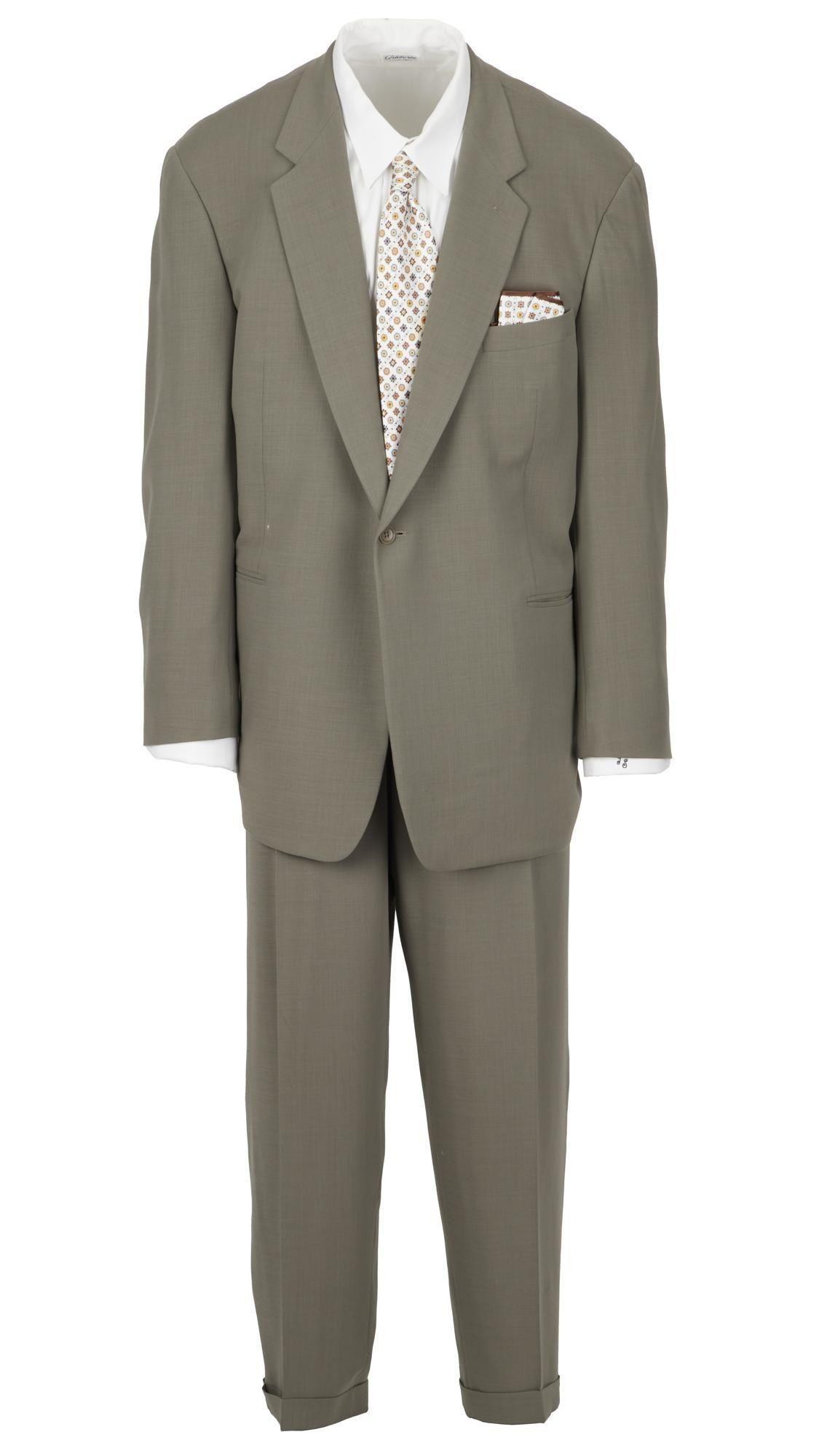
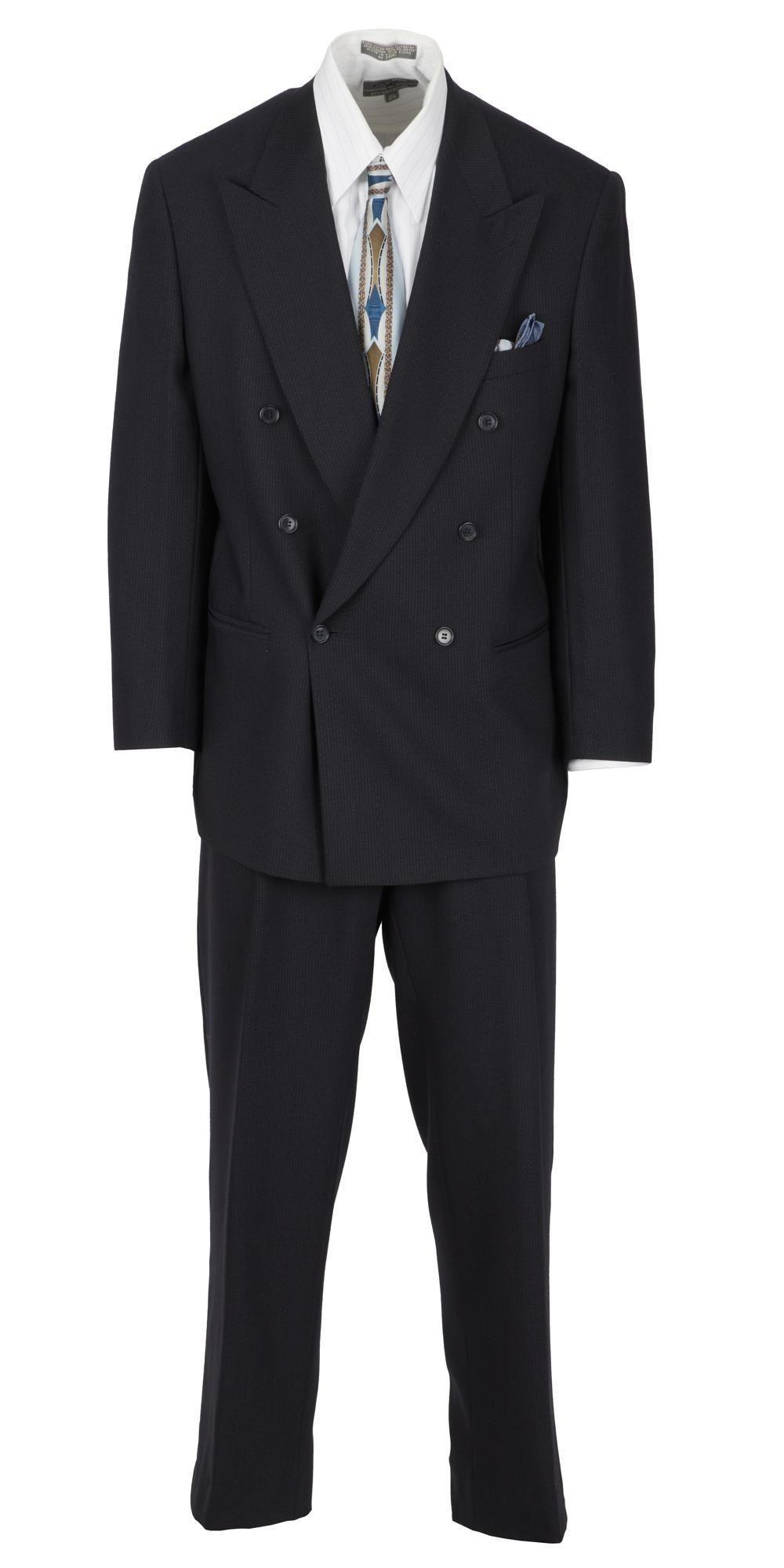
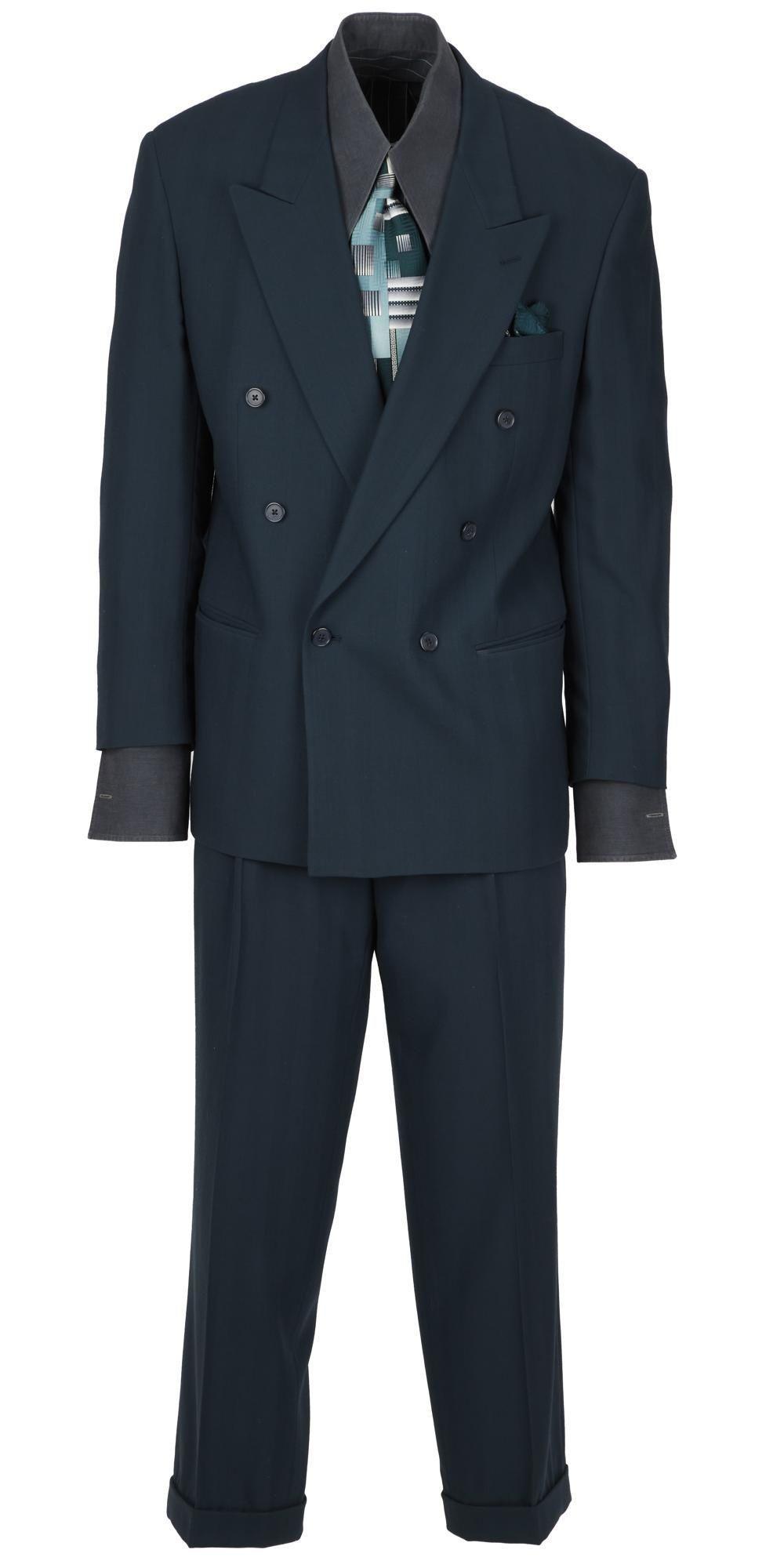
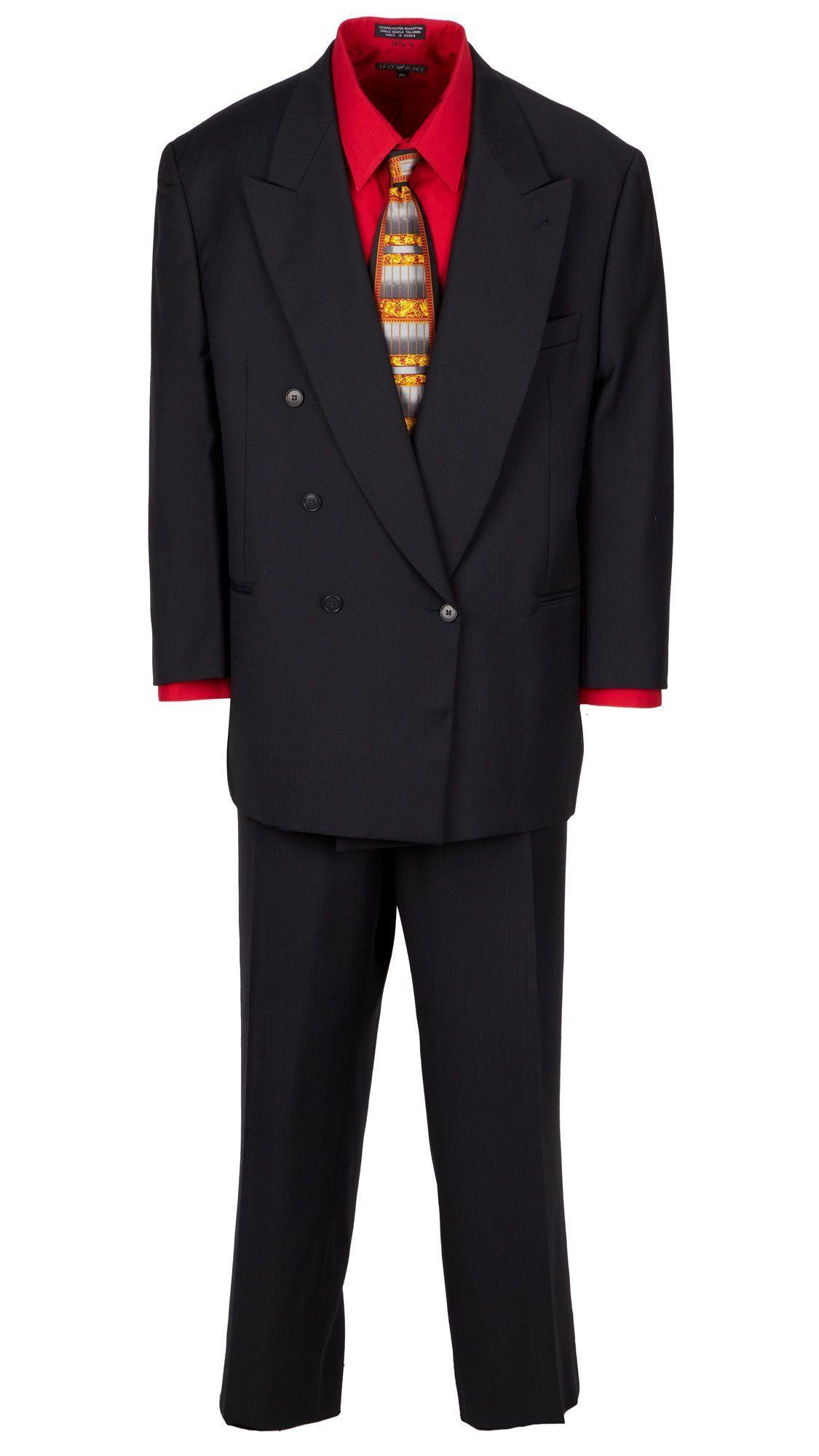
1. Lot #62. The Julie Andrews Hour | Chocolate-Brown Quilted Gown, 2. Lot #63. The Julie Andrews Hour | Beaded Gown, 3. Lot #572. The Sopranos | Christopher Moltisanti (Michael Imperioli) "Fortunate Son" Suit Ensemble, 4. Lot #571. The Sopranos | Tony Soprano (James Gandolfini) "Fortunate Son" Suit Ensemble, 5. Lot #573. The Sopranos | Paulie "Walnuts" Gualtieri (Tony Sirico) "Fortunate Son" Suit Ensemble , 6. Lot #574. The Sopranos | Silvio Dante (Steven Van Zandt) "Fortunate Son" Suit Ensemble , 7. Lot #575. The Sopranos | Salvatore "Big Pussy" Bonpensiero (Vincent Pastore) "The Legend of Tennessee Moltisanti" Suit Ensemble ,
Variety Show Glamour: The Mackie Revolution
The variety show explosion of the 1970s brought another fashion revolution, epitomized by Bob Mackie's breathtaking designs for The Sonny and Cher Comedy Hour. Mackie's elaborate creations for Cher transcended mere television costumes to become legendary fashion statements. These pieces elevated television costume design to high art, with their intricate beadwork, feathers, and dramatic silhouettes establishing a new standard for glamour on the small screen.
Bob Mackie's designs for Cher weren't just costumes—they were headline-making cultural moments that blurred the line between television and haute couture. These pieces represent a time when television variety shows served as America's runway, bringing high fashion directly into living rooms nationwide.
The Distinctive 1980s-90s: Character-Defining Wardrobes
Roy Rogers’ green plaid Western shirt, designed by Nudie Cohn, represents the golden age of Hollywood Westernwear. Known for outfitting country music stars and TV cowboys, Nudie’s designs—like this pearl-snap button shirt with embroidered yokes—elevated Rogers’ on-screen persona from rugged cowboy to polished entertainer. The auction also features Rogers’ later royal-blue Western shirt, worn during interviews in the 1980s, showcasing how his wardrobe evolved while retaining its iconic flair.
The auction's offerings from beloved sitcoms of the 1980s and 90s highlight how television fashion evolved to define character with unprecedented precision. Kelsey Grammer's professional suit ensemble from Frasier exemplifies how costume design became increasingly sophisticated in communicating character psychology. The impeccable tailoring and refined aesthetics of Frasier Crane's wardrobe visually communicated his pretentiousness, cultural aspirations, and class consciousness without a single word of dialogue.
In direct contrast, John Mahoney's Martin Crane is represented by his iconic plaid shirt ensemble and cane—costume elements that instantly communicated his practical, unpretentious personality and created visual tension with his son's refined aesthetic. These wardrobe choices weren't just clothing; they were crucial storytelling devices that enhanced the show's central father-son dynamic.
Sitcom Fashion: Authenticity in the Living Room
The Conner family living room sofa and Afghan blanket from Roseanne demonstrate how textile choices created authentic domestic environments that reflected economic realities rarely seen on television before. These pieces weren't just background elements but integral components of the show's visual representation of working-class American life. From the Connor's living room, to yours.
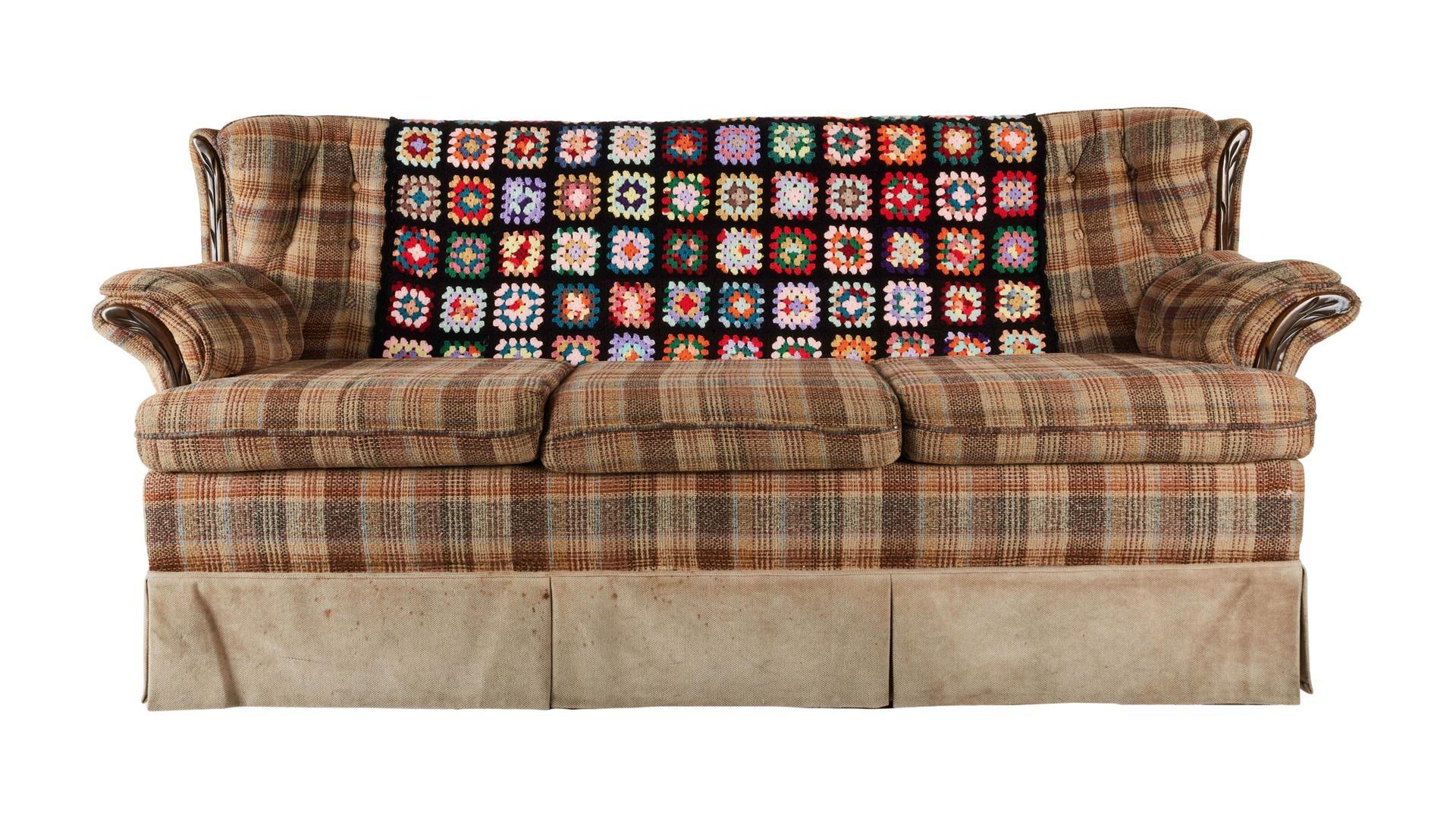
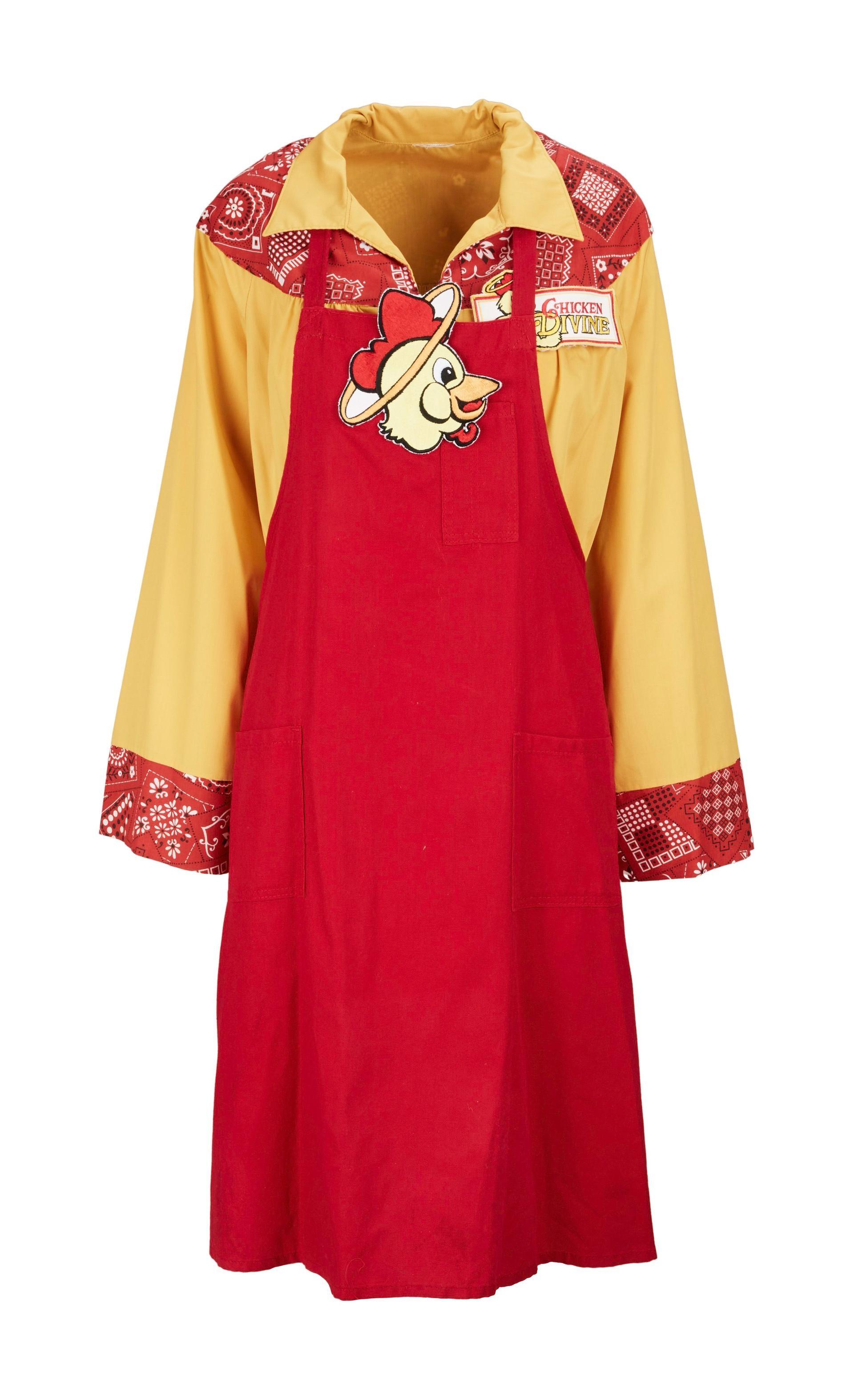
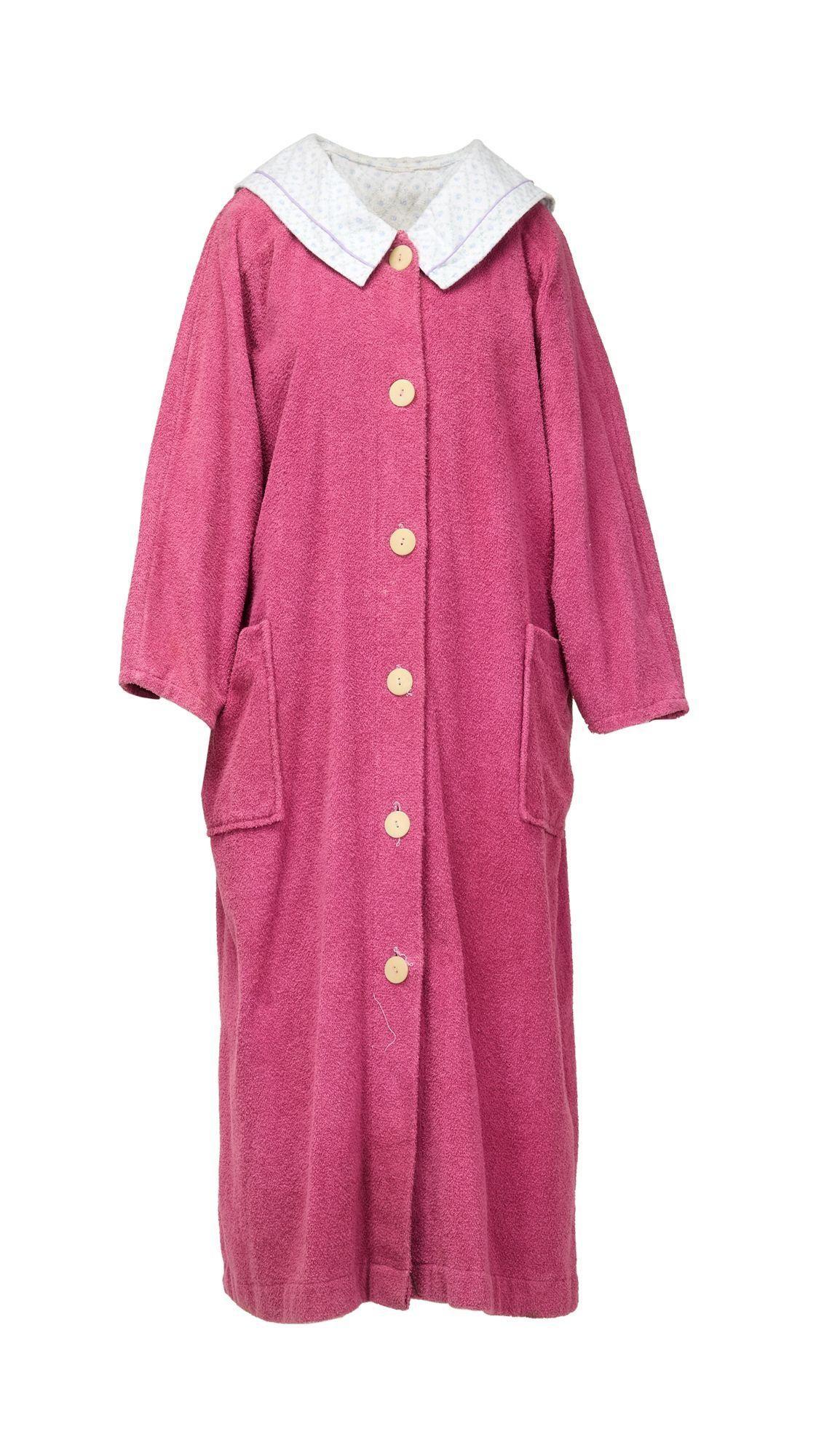
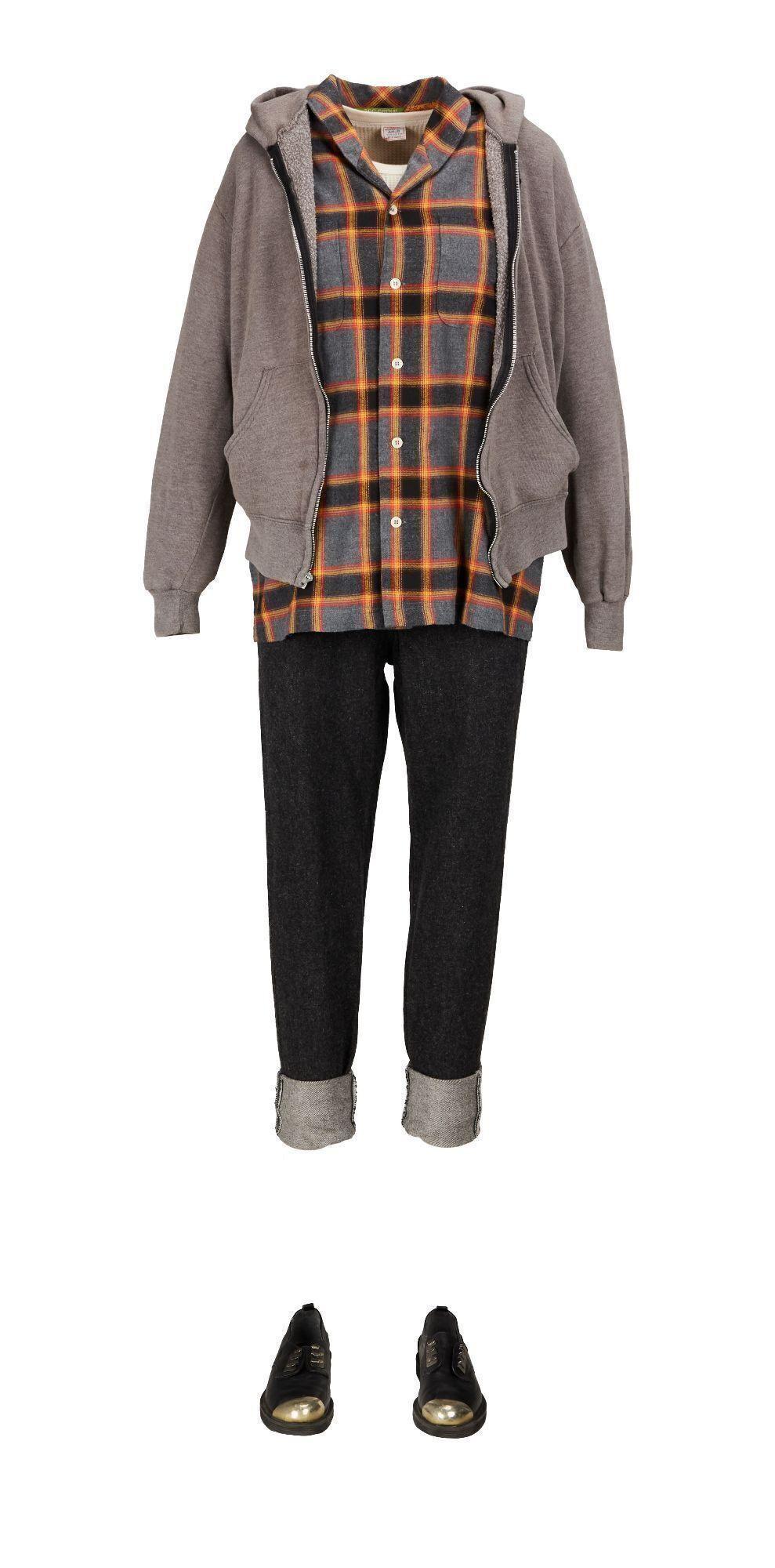
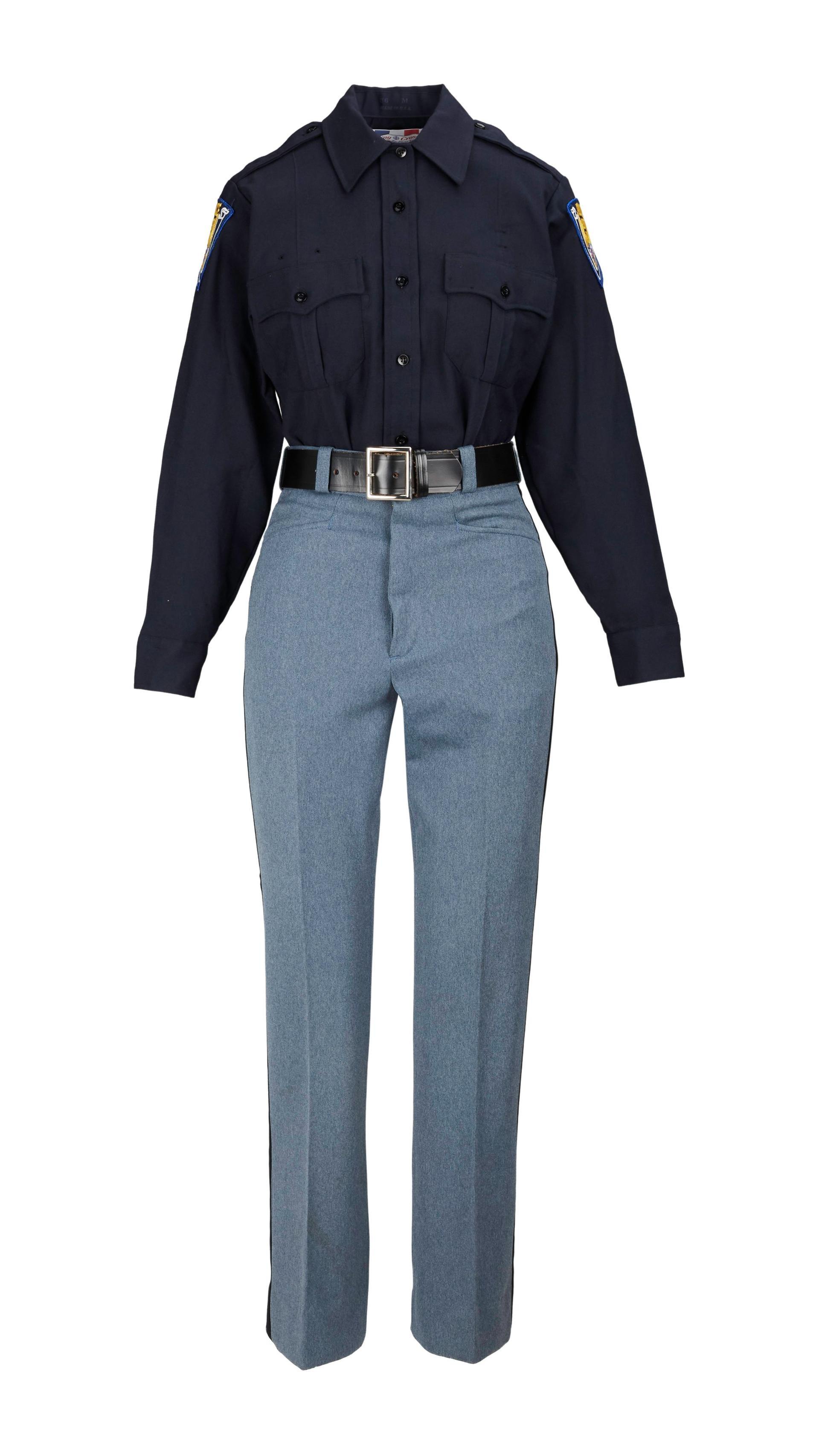
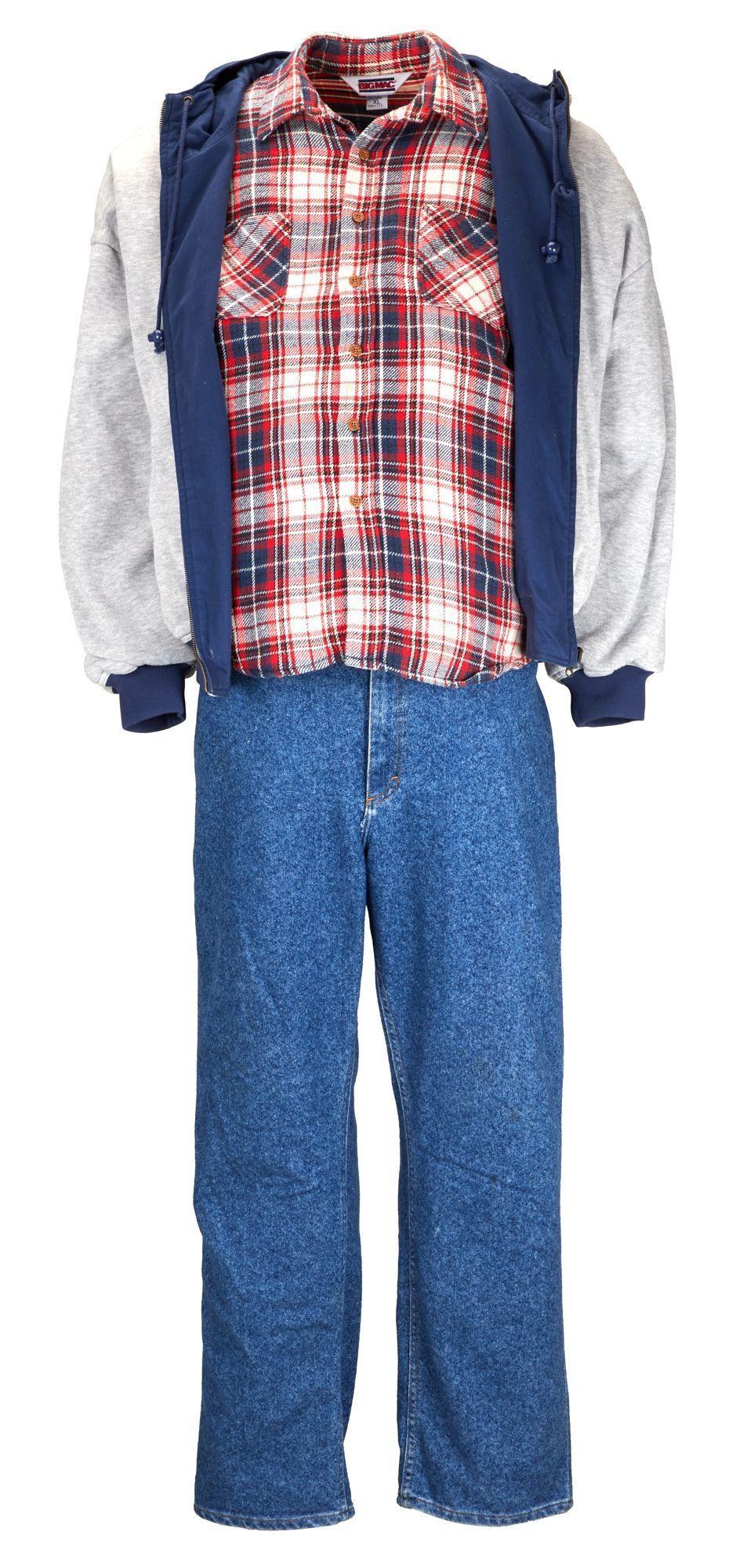
1. Lot #400. Roseanne | Iconic Conner Family Living Room Sofa and Afghan Blanket , 2. Lot #401. Roseanne | Roseanne Conner (Roseanne Barr) "Chicken Hearts" Waitress Uniform Shirt and Apron, 3. Lot #402. Roseanne | Roseanne Conner (Roseanne Barr) Pink Shaggy Bathrobe and Nightgown Ensemble, 4. Lot #403. Roseanne | Darlene Conner (Sara Gilbert) Ensemble, 5. Lot #404. Roseanne | Jackie Harris (Laurie Metcalf) Police Uniform Ensemble, 6. Lot #405. Roseanne | Dan Conner (John Goodman) Ensemble,
The 2000s and Beyond: Period Perfection and Design Renaissance
The new millennium brought a renaissance in television costume design, particularly evident in period dramas that demanded historical accuracy while maintaining contemporary visual appeal. The auction's collection from Mad Men includes Don Draper's business card props and necktie (estimated at a surprisingly accessible $300-$500), representing the meticulous attention to 1960s detail that made the show's fashion internationally influential. These seemingly minor accessories were part of a comprehensive design vision that helped resurrect mid-century aesthetics in contemporary fashion.
Television's evolution into the streaming era has further elevated costume design, with wardrobe now receiving feature-film levels of budget and attention. The auction includes pieces from contemporary productions that demonstrate how television fashion now rivals or exceeds its cinematic counterparts in quality and impact. Modern costume design increasingly incorporates authentic vintage pieces, custom-built replicas, and collaboration with fashion designers to create wardrobes that stand up to the scrutiny of high-definition viewing.
'Breaking Bad' Boundaries
The inclusion of costumes from groundbreaking dramas like and The Handmaid's Tale demonstrates how contemporary television uses fashion to create iconic character moments that become part of the broader cultural conversation. These shows have pushed the boundaries of what television fashion can accomplish, using costume design not just to clothe characters but to advance complex narratives and themes.
"Channel Surfing: A Broadcast to Binge" auction represents more than a collection of famous clothing—it offers a tactile connection to television's evolution as both an entertainment medium and cultural force. Each piece carries with it stories from both on-screen narratives and behind-the-scenes creativity.
When the auction goes live on May 7th and 8th, 2025, bidders won't just be competing for memorabilia; they'll be participating in the preservation of television's material culture. These costumes and accessories—from superhero ensembles to sitcom signatures—are the tangible remains of productions that existed primarily as electronic signals transmitted into our homes. By conserving these physical artifacts, Julien's Auctions ensures that television's rich design history remains accessible for future study and appreciation.
For television enthusiasts, this auction offers the chance to own pieces from the shows that defined their viewing experiences—whether it's a signature accessory from a beloved character or a complete iconic ensemble. Each item provides a direct connection to the creative talents who designed television's most memorable looks and the performers who brought those designs to life on screen.
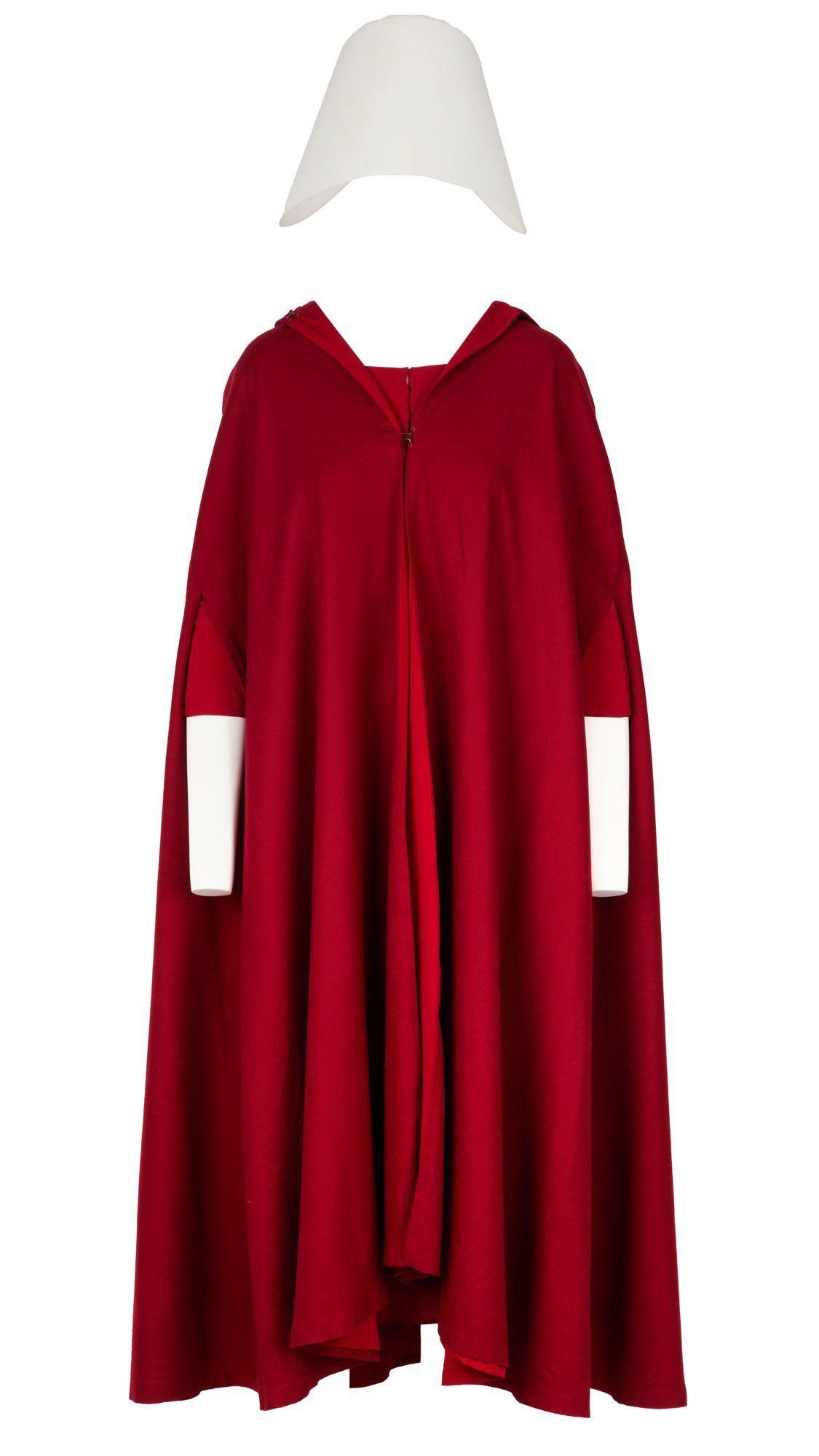
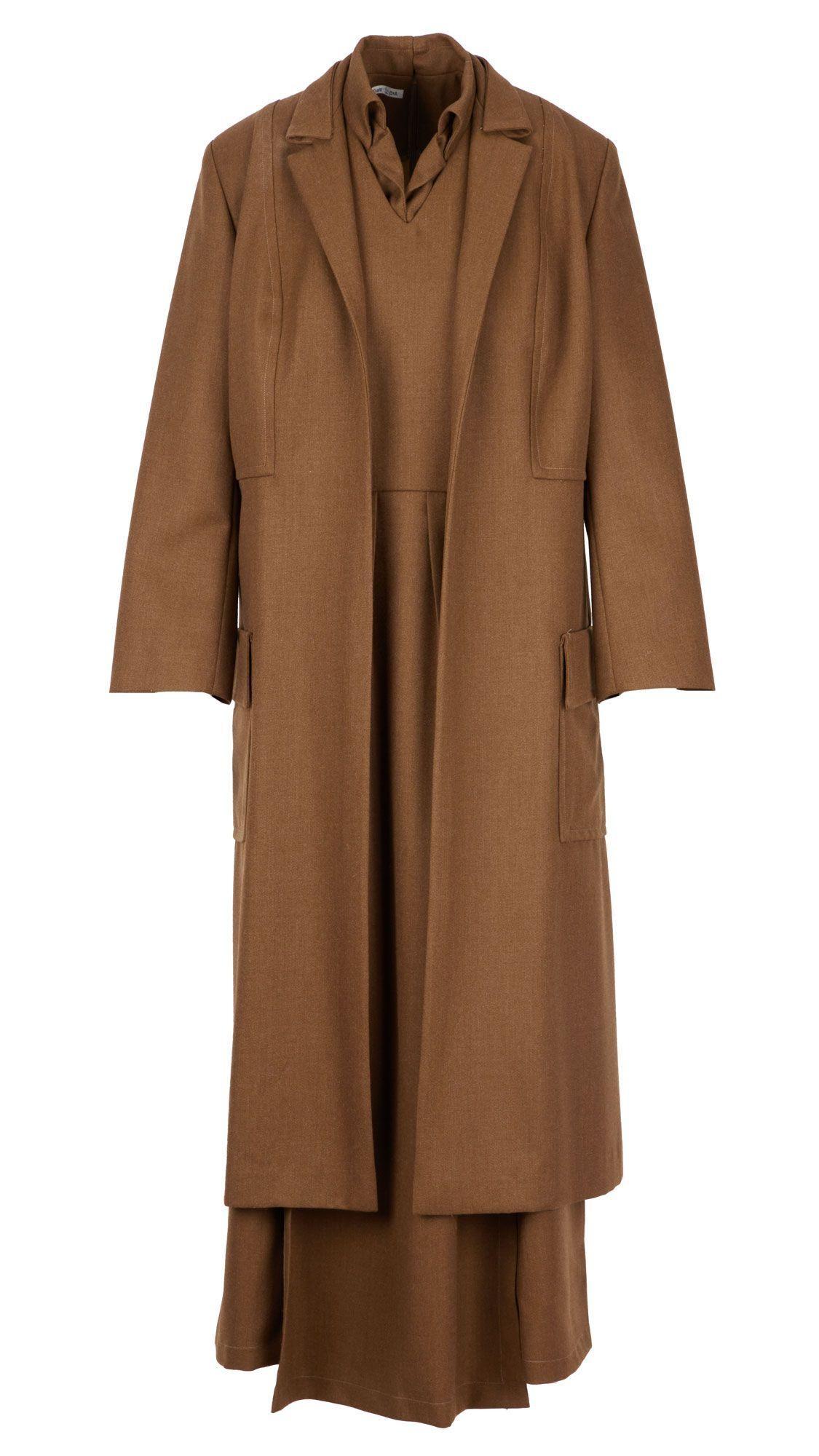
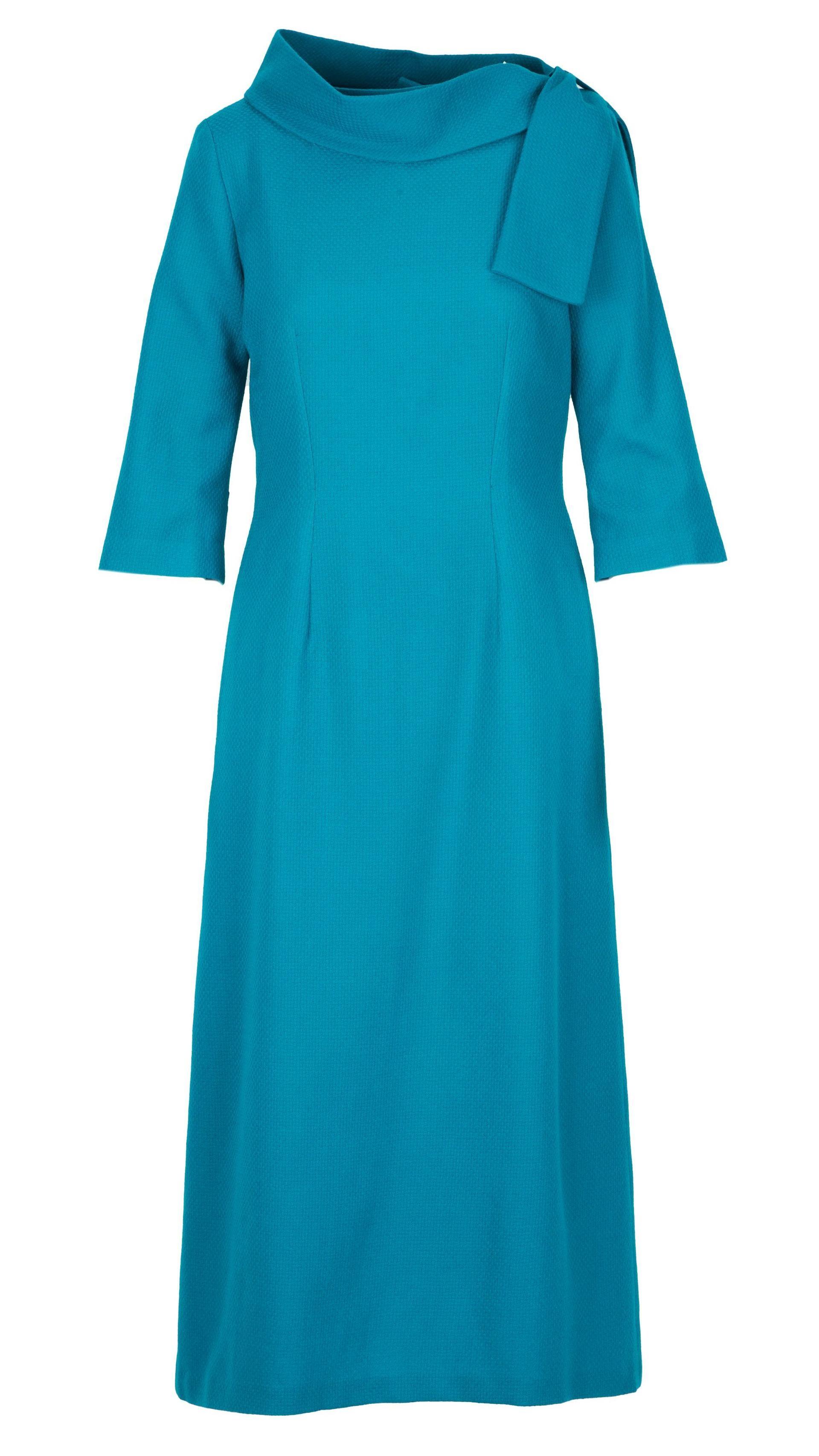
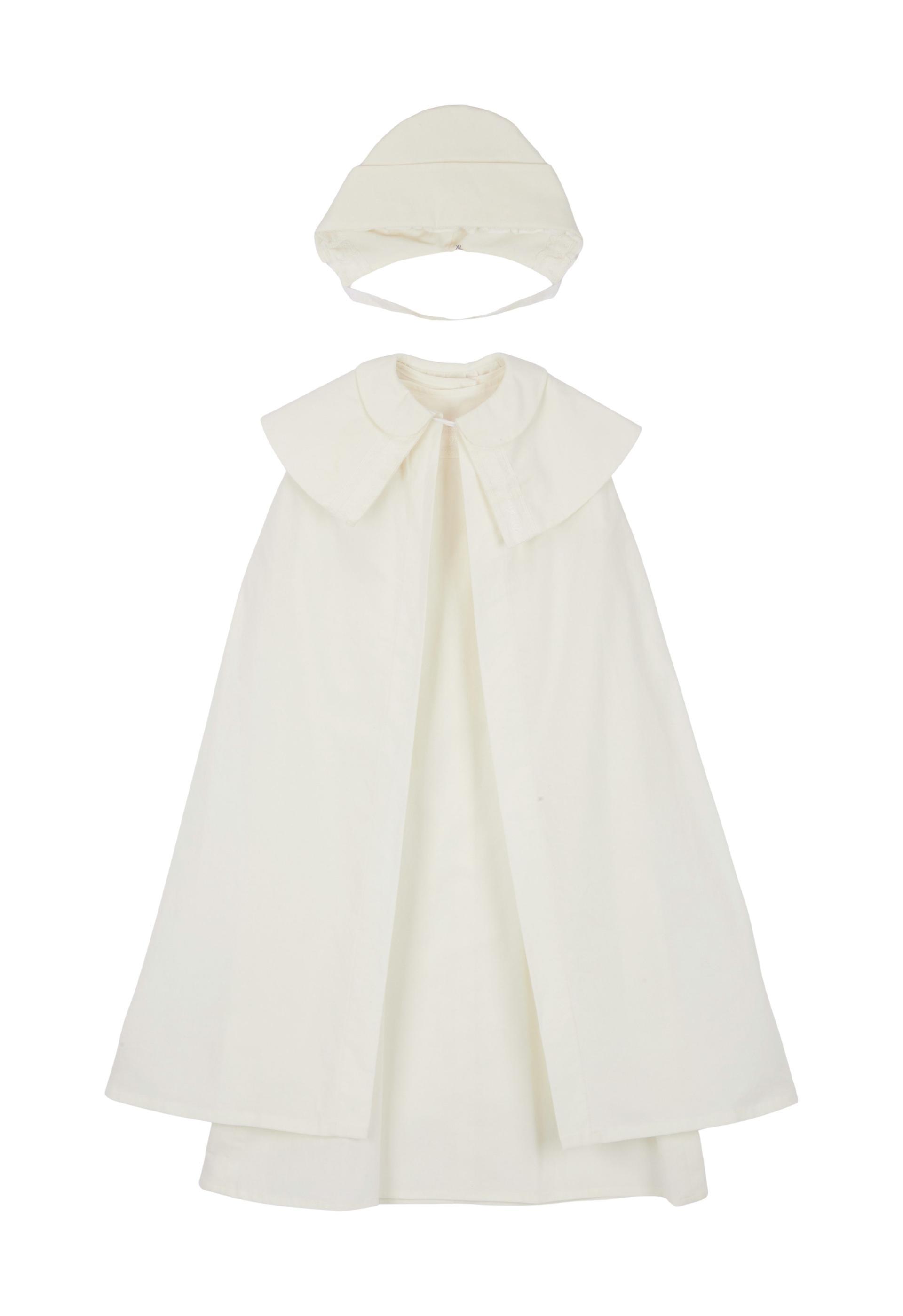
1. Lot #621. The Handmaid's Tale | June / Offred (Elisabeth Moss) Signature Crimson Red Uniform with Hats, 2. Lot #622. The Handmaid's Tale | Aunt Lydia Clements (Ann Dowd) Ensemble, 3. Lot #623. The Handmaid's Tale | Serena Joy Waterford (Yvonne Strahovski) Dress, 4. Lot #624. The Handmaid's Tale | Baby Angela "Birth Day and "The Bridge" Costume,
Fashion That Transcended the Screen
These artifacts are character-defining wardrobes of beloved sitcoms and the meticulously researched period pieces of the new millennium that did more than clothe actors; they helped create unforgettable characters that have become part of our cultural fabric.
Whether you're a serious collector or a devoted fan, "Channel Surfing: A Broadcast to Binge" invites you to change the channel from merely watching television history to actually owning it. From Wonder Woman's iconic costume to Frasier Crane's sophisticated suits, these pieces aren't just memorabilia—they're the authentic artifacts of an art form that continues to evolve, innovate, and influence how we see ourselves reflected on screen.