Art
The Architecture of Rebellion: Tony Hawk, Banksy Headline Street Art & Culture
From early Banksy works and iconic skate relics from Tony Hawk and Powell Peralta, explore the ultra-rare artifacts of Street Art & Culture.
Share




"Street Art & Culture," online-only auction features 70 select pieces honoring the icons that have shaped contemporary art and skate culture on a global scale.
In the late 1990s and early 2000s, the "underground" was not a marketing term—it was a literal location. It was found in the disused railway arches of London’s Shoreditch, in the dust of temporary vert ramps in California, and on the grit of photocopied punk zines. Today, as the generation that came of age in these subcultures enters its peak collecting years, those once-ephemeral moments are being re-examined as the foundational artifacts of a global cultural language.
The current market is witnessing a significant shift. We are moving away from the "frictionless" digital art of the early 2020s and returning to the "handmade"—to objects that carry the physical scars of their history.
The Scars of Achievement: Skateboarding’s Holy Grails
In the world of sports memorabilia, value is often found in the pristine. In skate culture, however, the value is in the "ridden." When Tony Hawk landed the first-ever documented 900 aerial at the X Games in the summer of 1999, it wasn't just a technical win; it was a "moon landing" for action sports.
The artifacts from that day were sold by Julien's in 2025 in "Tony Hawk: The 900 Collection" which saw the very skateboard Hawk rode while performing the 900 fetch $1,152,000 — and now on the heels of the successful showing, we're now offering another lost piece of the monumental sports moment, specifically the T-shirt worn by Hawk during the 900.
Unlike a jersey kept behind glass, these items are relics of a moment that redefined human potential on a board and represent a rare bridge between athletic achievement and cultural shift.
Similarly, the legacy of the Bones Brigade continues to dominate the collector landscape. The 2016 re-enactment of the iconic "Animal Chin" inverted handplant trick brought legends like Steve Caballero back to a rebuilt ramp to honor their 1986 roots. A skateboard ridden and signed by Caballero during that session isn't just a piece of wood; it’s a physical link to the most influential skate film ever made.
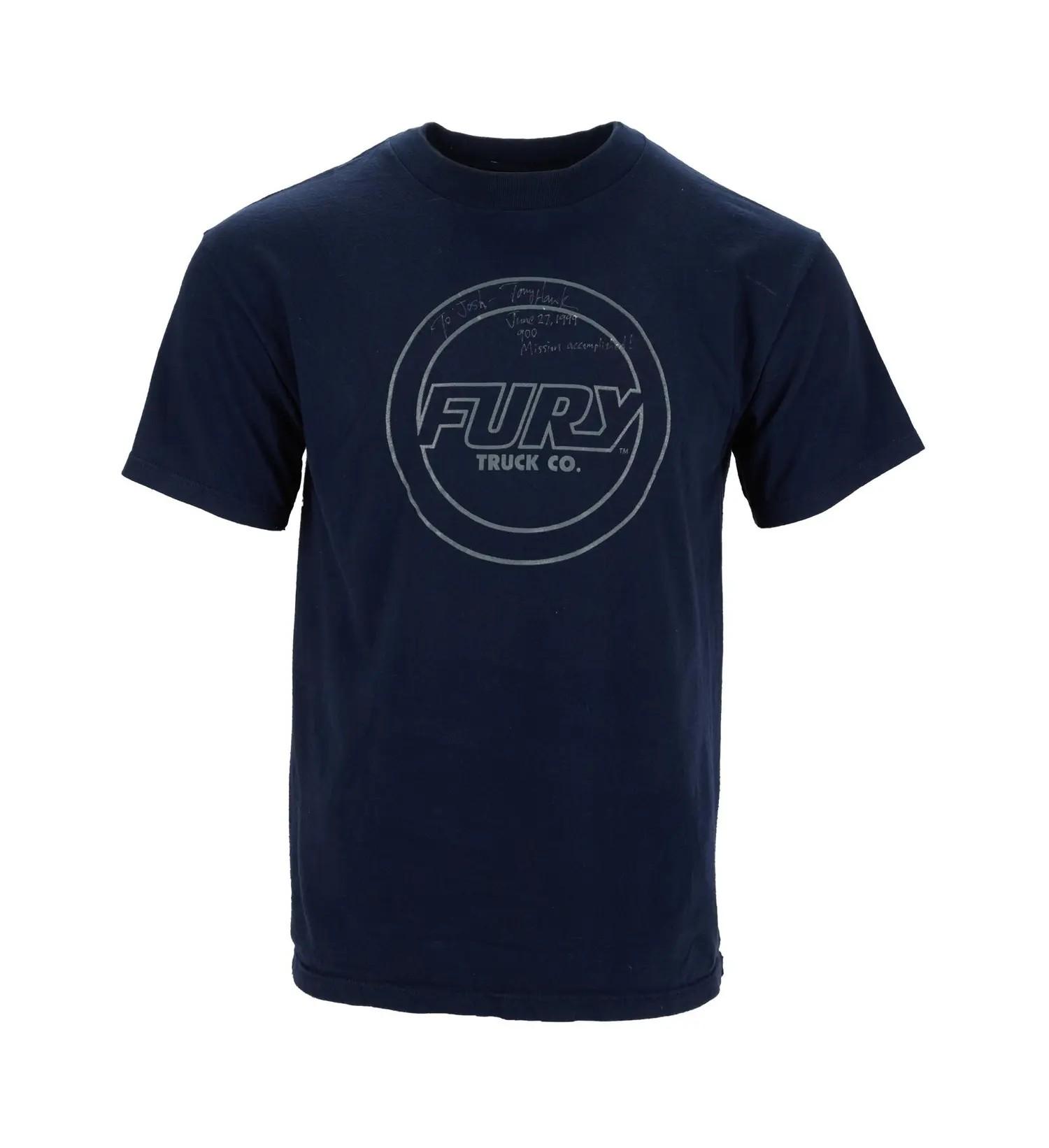

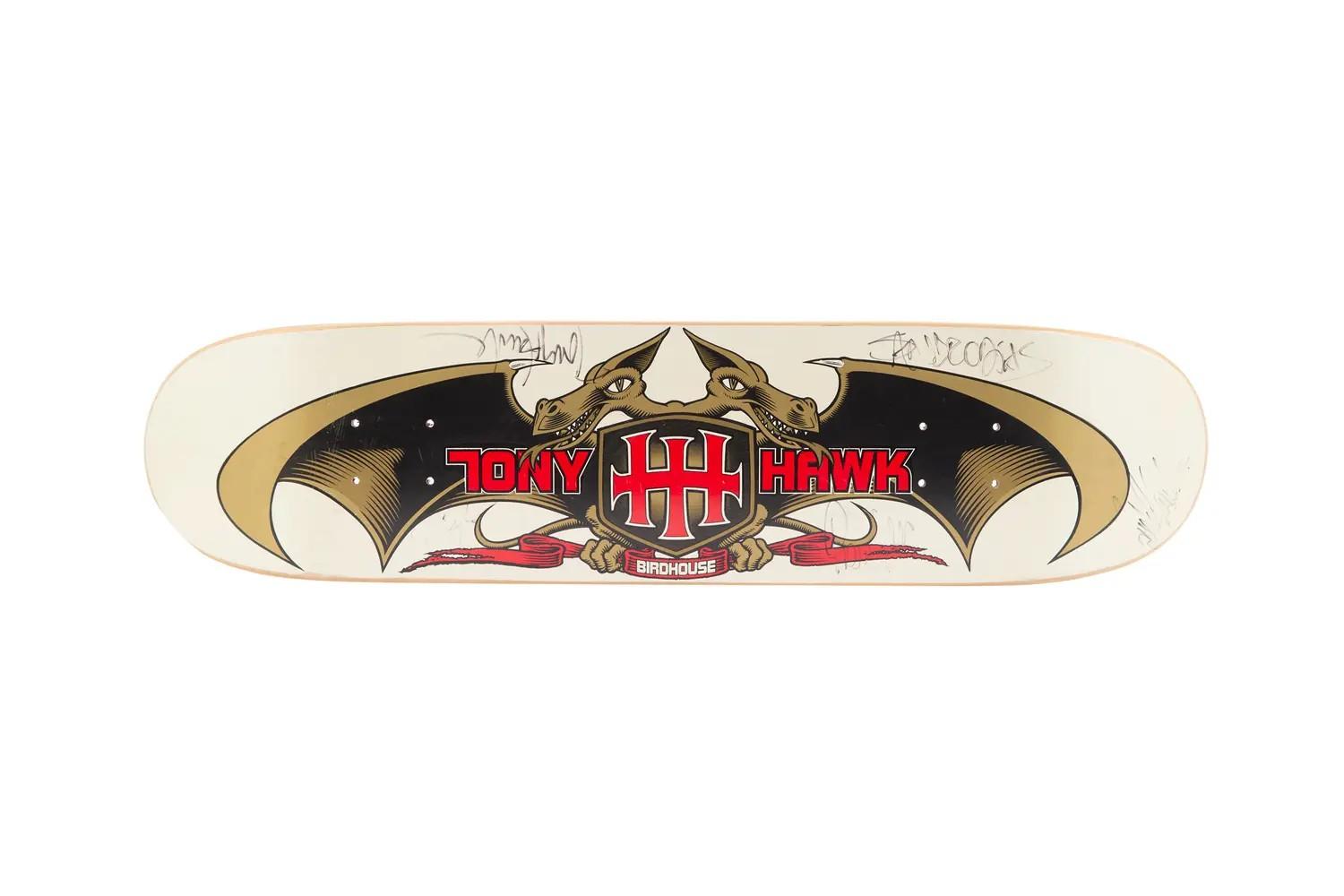
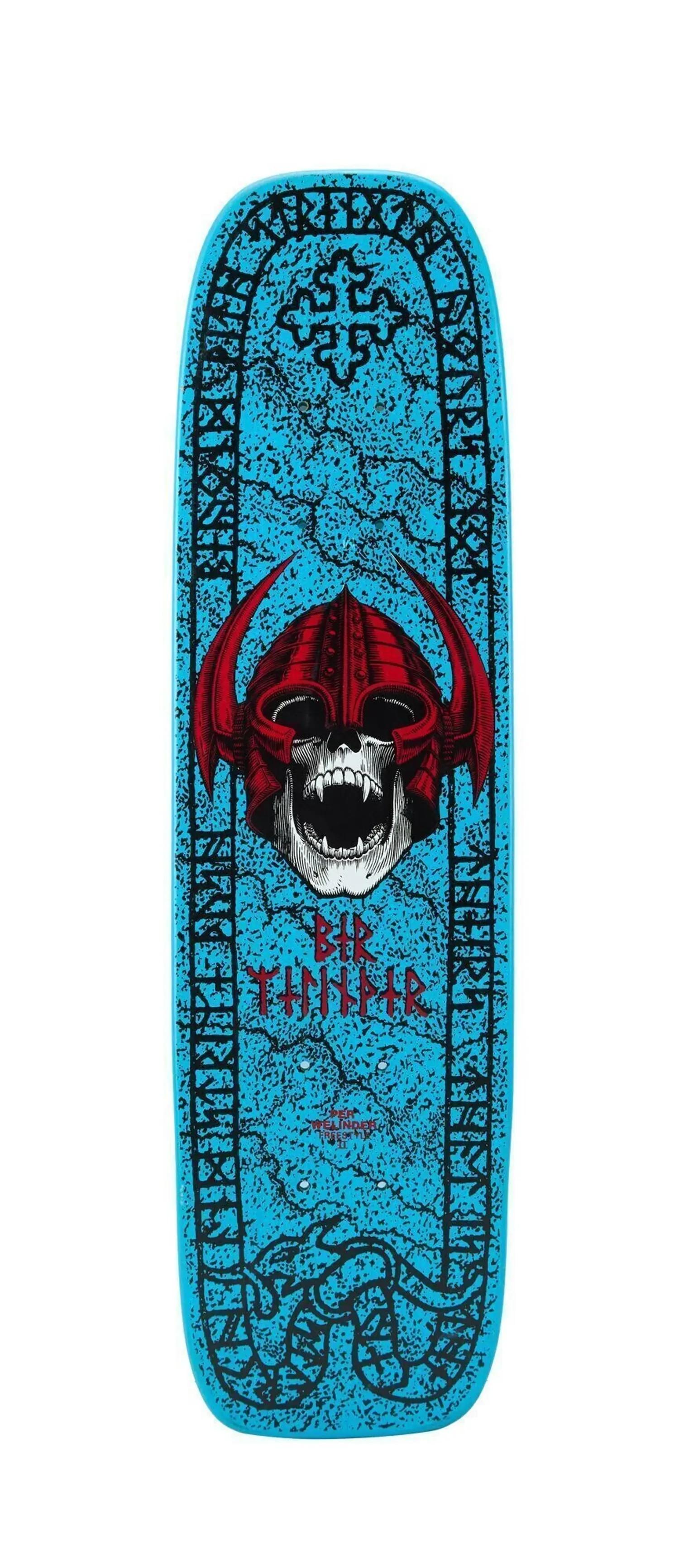
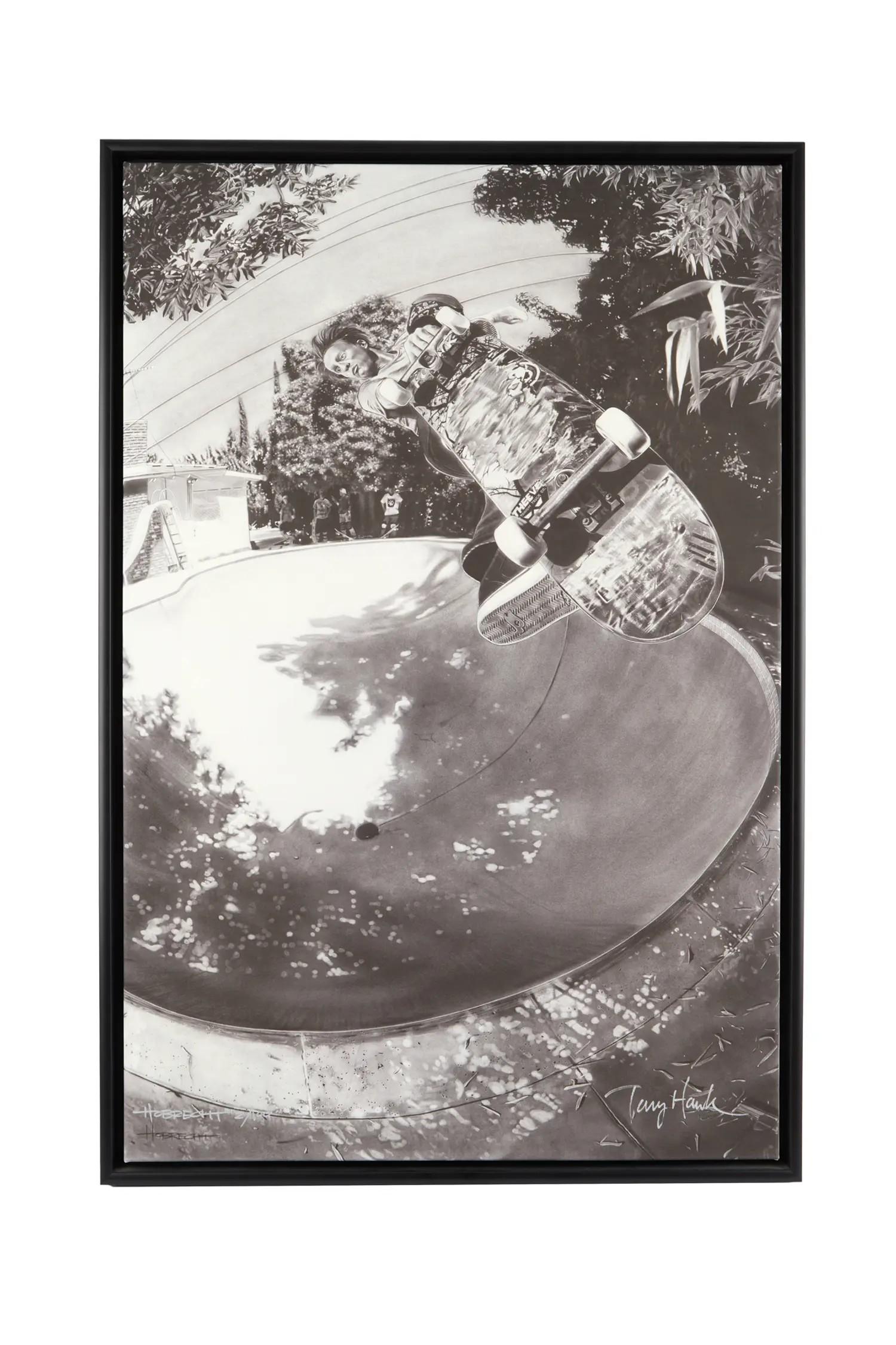
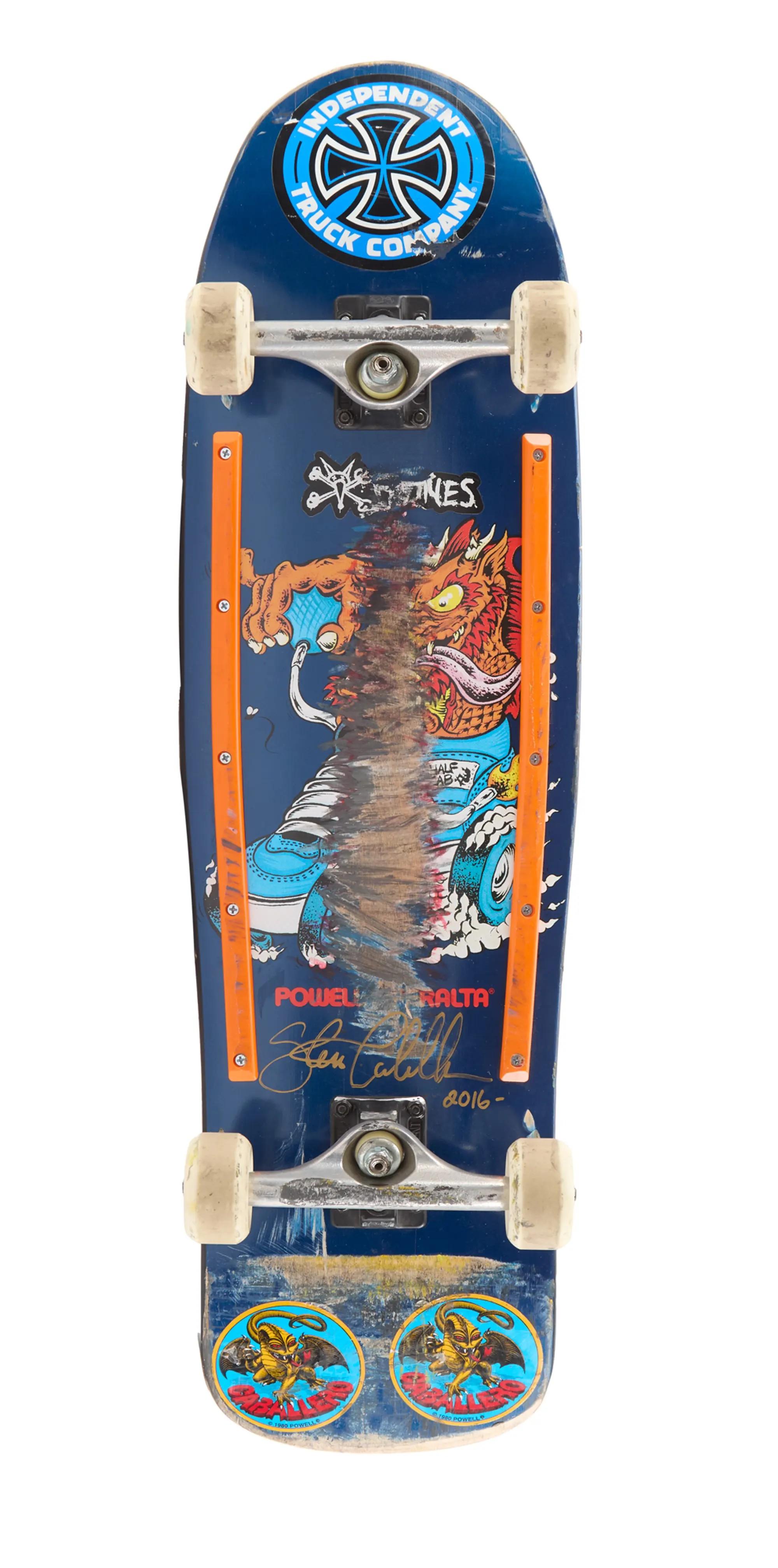
1. Lot #39. Tony Hawk | Signed and Worn 1999 X Games "900" T-Shirt with Signed Poster, 2. Lot #50. Powell-Peralta | Mike McGill "Skull and Snake" NOS Skateboard Deck, 3. Lot #41. Tony Hawk | Andy MacDonald, Bucky Lasek, Pierre-Luc Gagnon, and Sandro Dias Signed 2000 X Games Skateboard Deck, 4. Lot #52. Powell-Peralta | Per Welinder "Freestyle II" NOS Skateboard Deck, 5. Lot #45. Tony Hawk and Dave Hobrecht | Signed Limited-Edition Print, 6. Lot #47. Steve Caballero | Ridden and Signed "Animal Chin" 2016 Quadruple Invert Re-Enactment Skateboard,
Banksy and the Architecture of Rebellion
If skateboarding provided the movement, street art provided the visual manifesto. Collectors are currently looking back to the "incubation" period of the early 2000s, before street art was a billion-dollar industry.
The Cargo Years
In 2001, an unofficial exhibition took place at the Cargo Club in London. It was raw, unannounced, and quintessentially Banksy. Works from this era, such as the original painting "Lying to the Police is Never Wrong," capture the artist’s transition from a local Bristol stencilist to a global provocateur.
Consumerism as Art
While his original paintings fetch headlines, his screenprints remain the "blue chips" of the urban art market. The "Sale Ends" print, a seminal work reflecting on the religious fervor of consumerism, remains one of the most sought-after limited editions due to its enduring relevance in a post-capitalist dialogue.
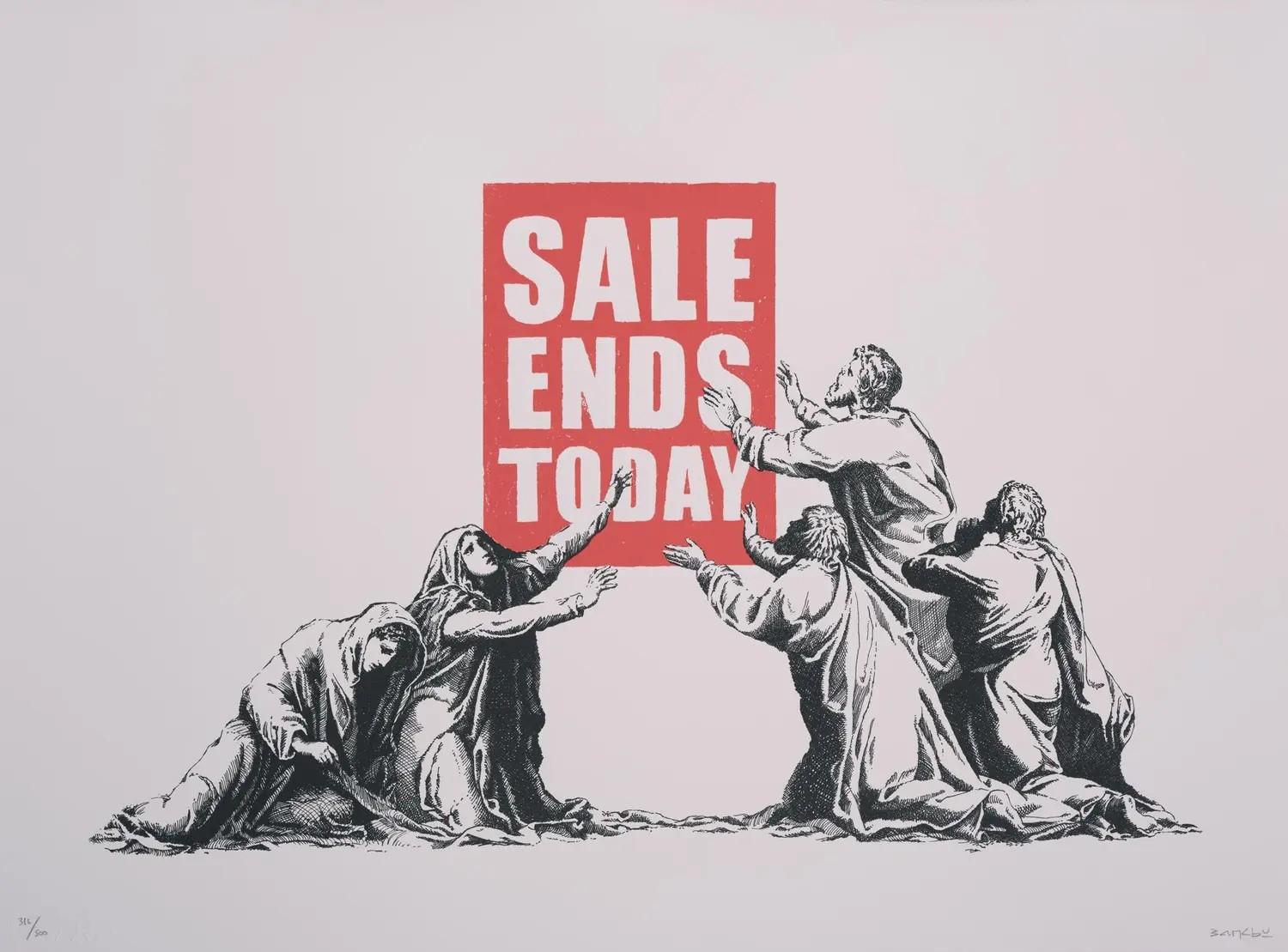
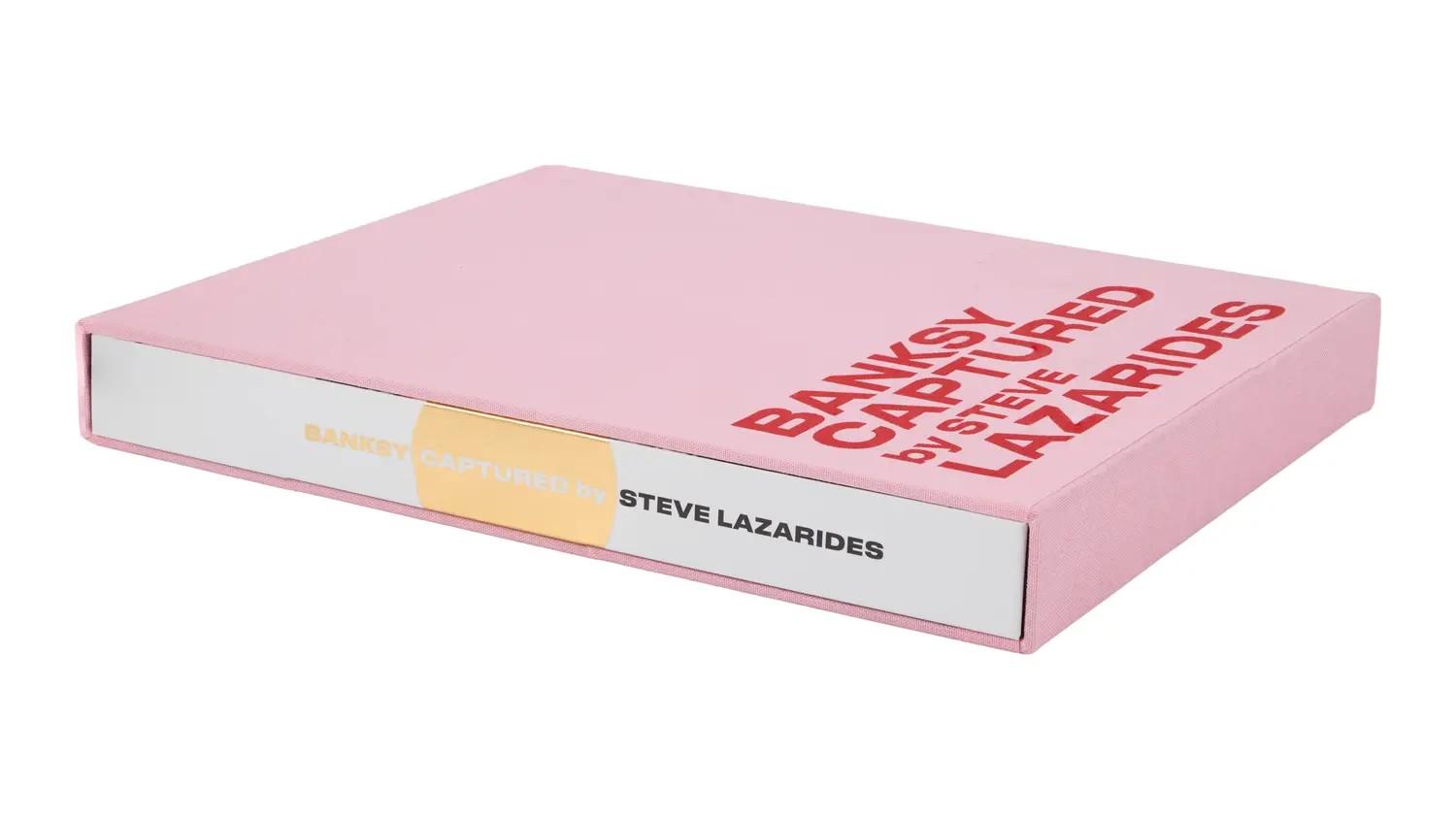
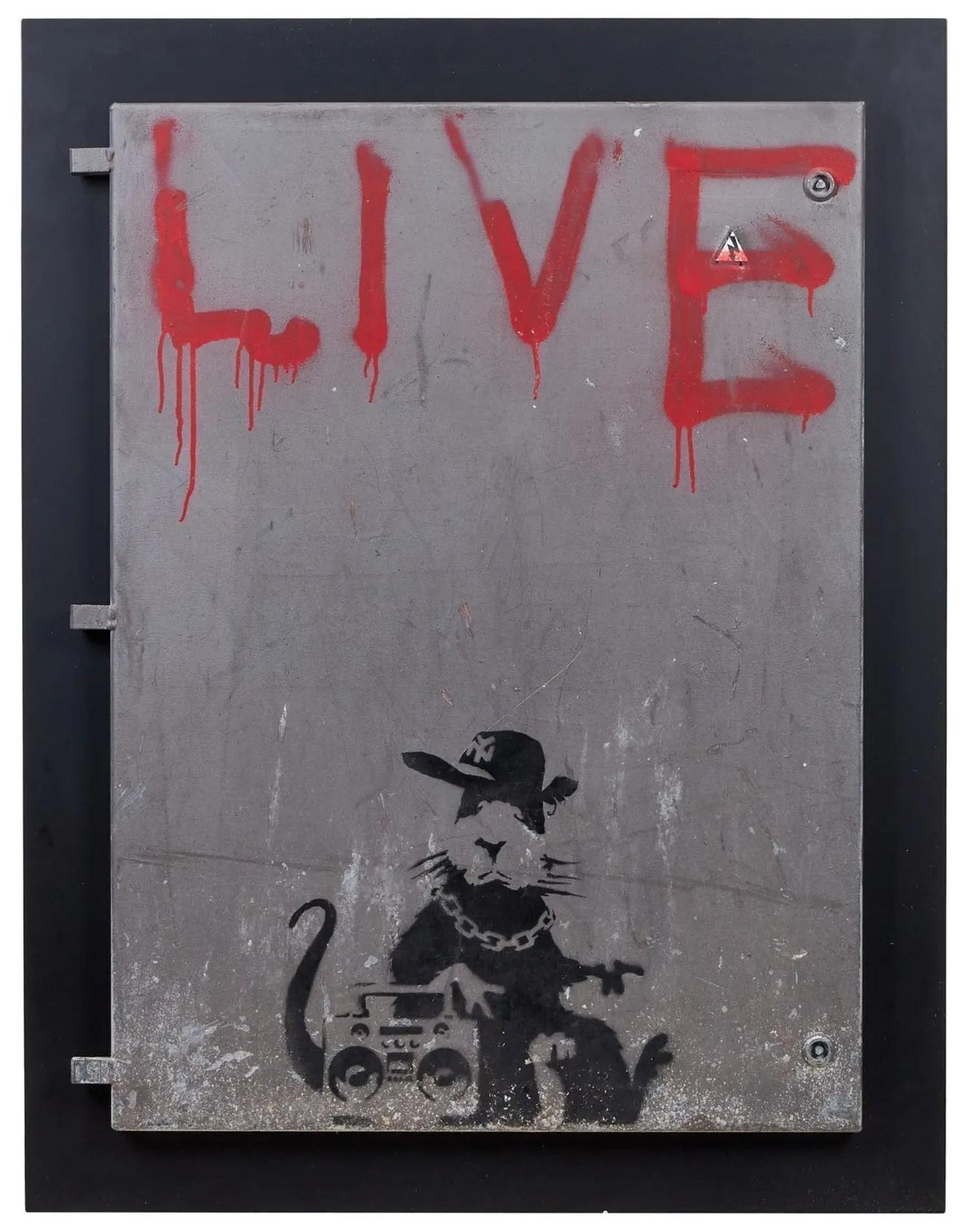
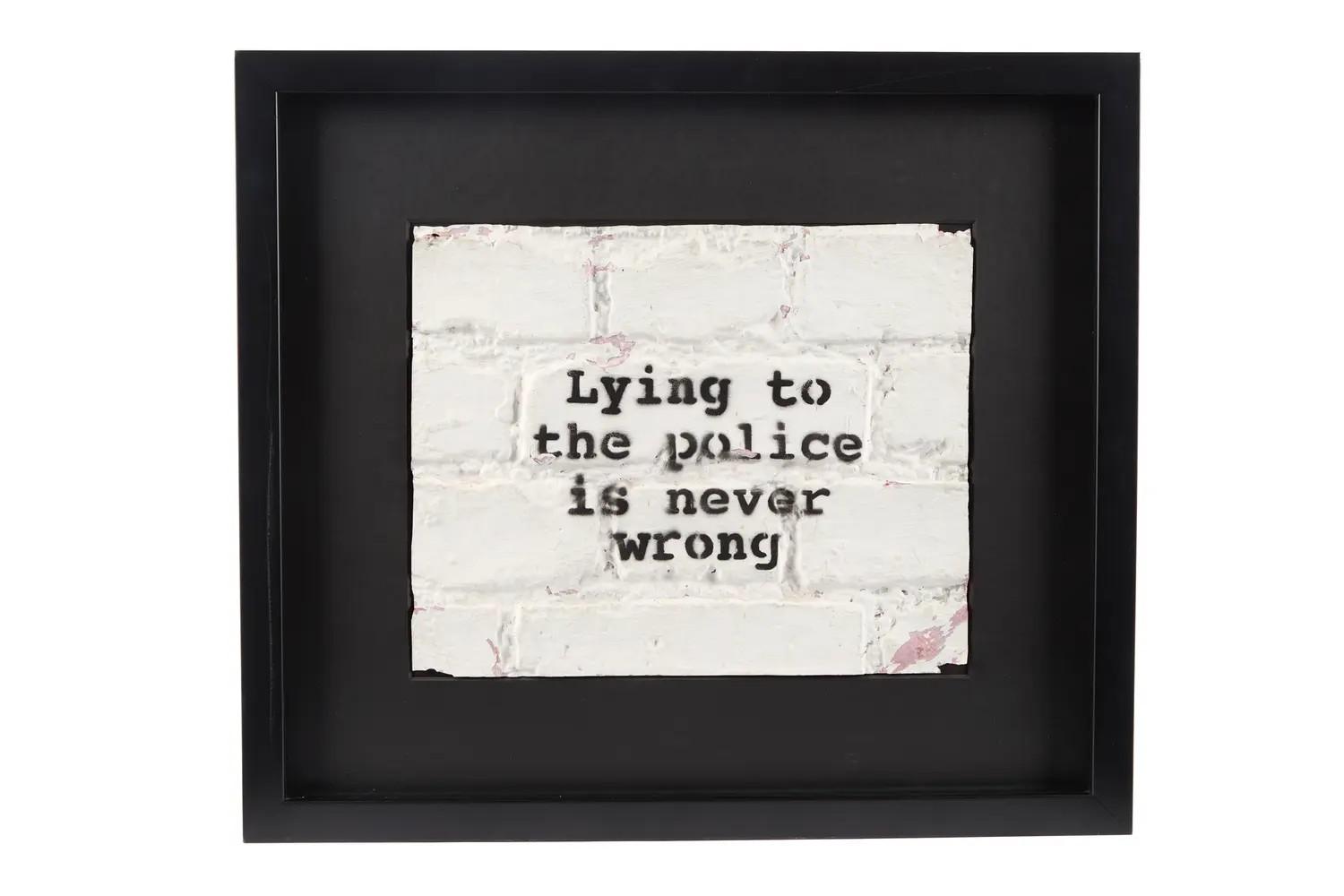
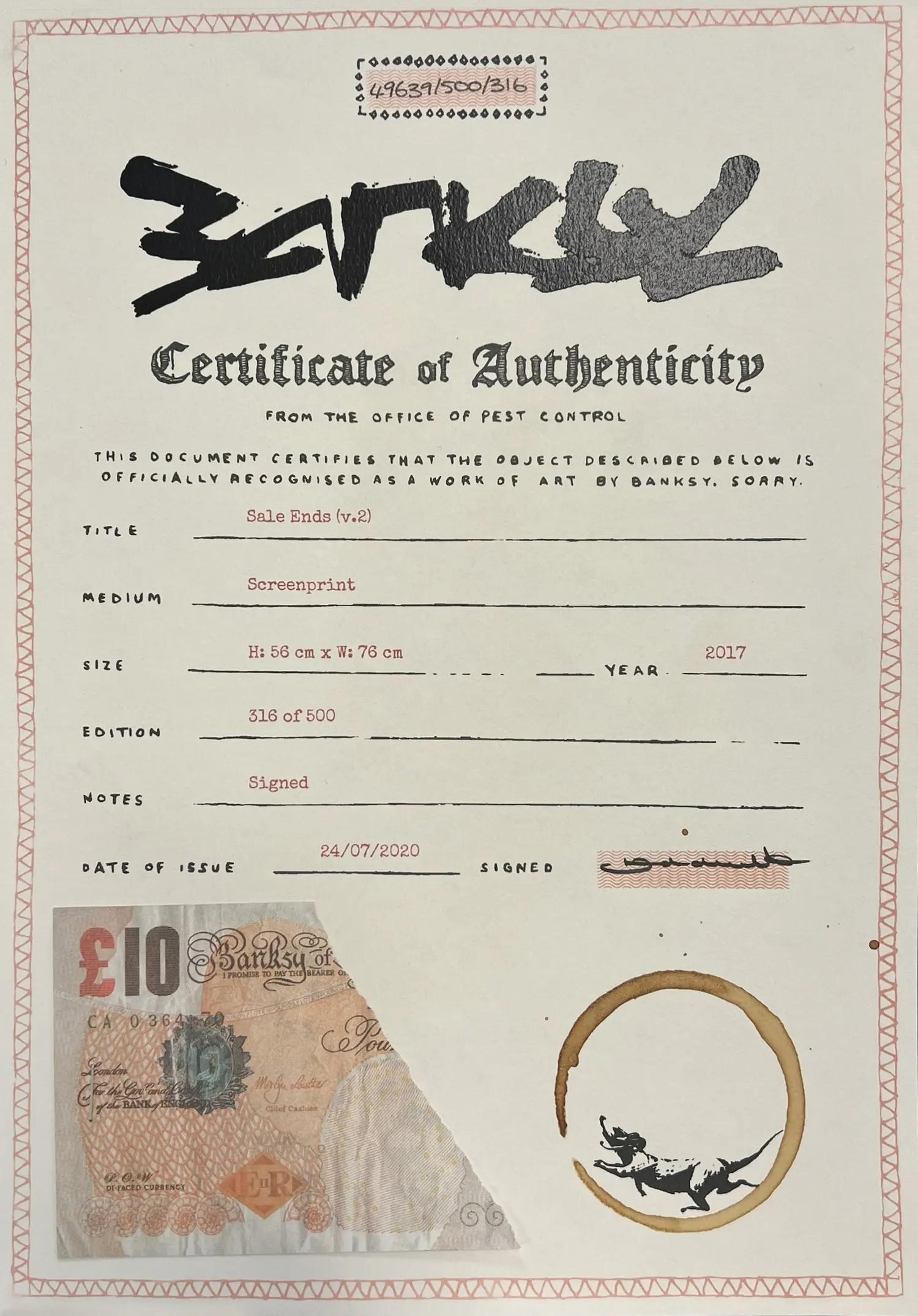
1. Lot #4. Banksy | "Sale Ends" Signed Limited-Edition Screenprint, 2. Lot #6. Banksy | Steve Lazarides Signed Limited-Edition "Banksy Captured - Vol. 2" Photo Book, 3. Lot #2. Banksy | "Gangsta Rat - Live" Original Liverpool Street Art Painting (with Book), 4. Lot #1. Banksy | "Lying to the Police is Never Wrong" Original 2001 Cargo Exhibition Painting (with Book),
The Intersection: Music, Art, and Attitude
The "Street Art & Culture" movement was never a siloed experience; it was a collision of disciplines. The visual identity of the era was shaped by collaborations that blurred the lines between the gallery and the record store:
Jean-Michel Basquiat
His work with the punk/ska band The Offs remains a high-water mark for the intersection of fine art and the punk scene.
Jamie Reid & Shepard Fairey
From the Sex Pistols' "God Save the Queen" to the "Obey" giant, these artists used the street as a gallery for political and social protest.
Robert Del Naja (3D)
As a founding member of Massive Attack and a pioneer of the Bristol graffiti scene, his work represents the literal DNA of the movement.
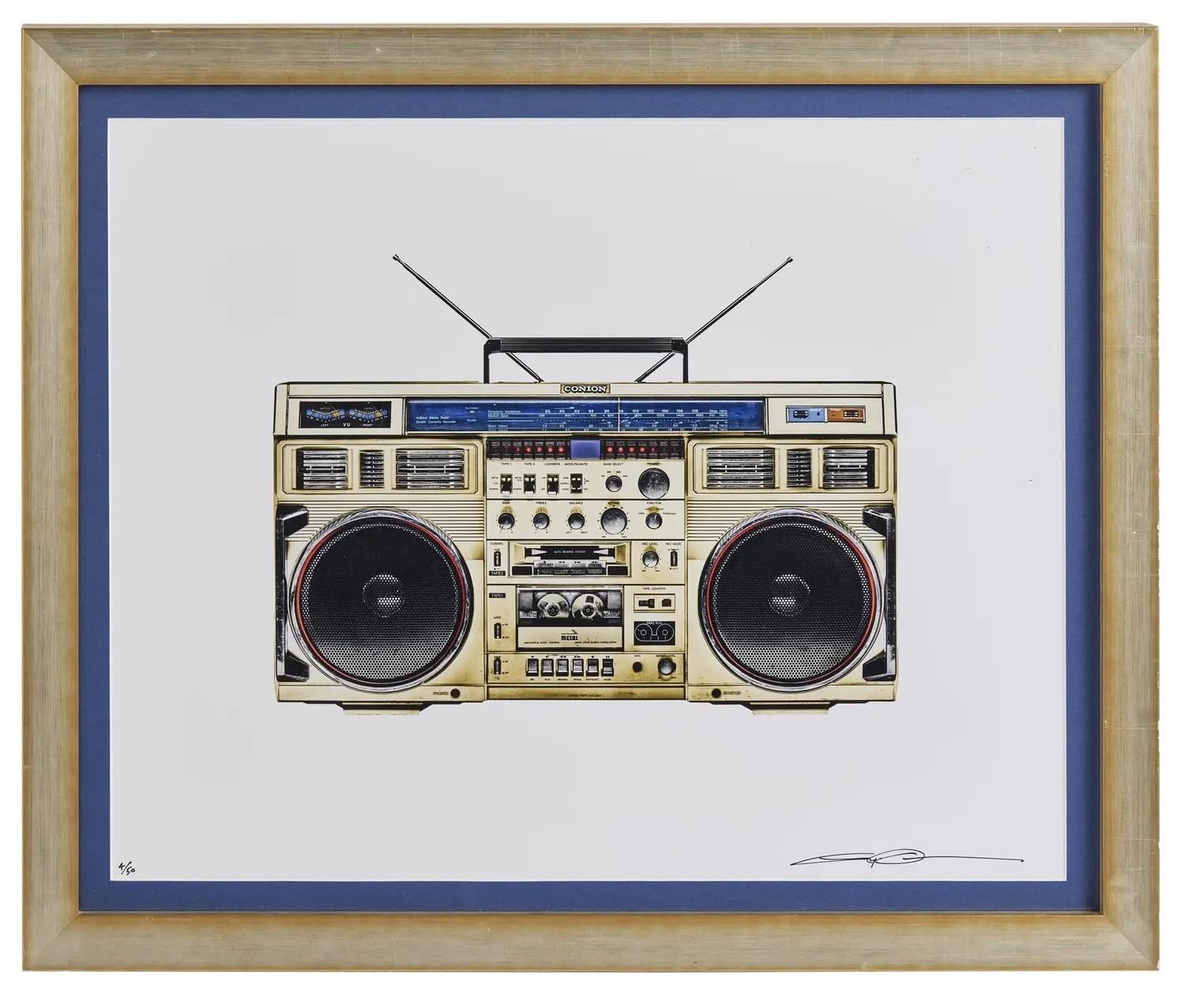
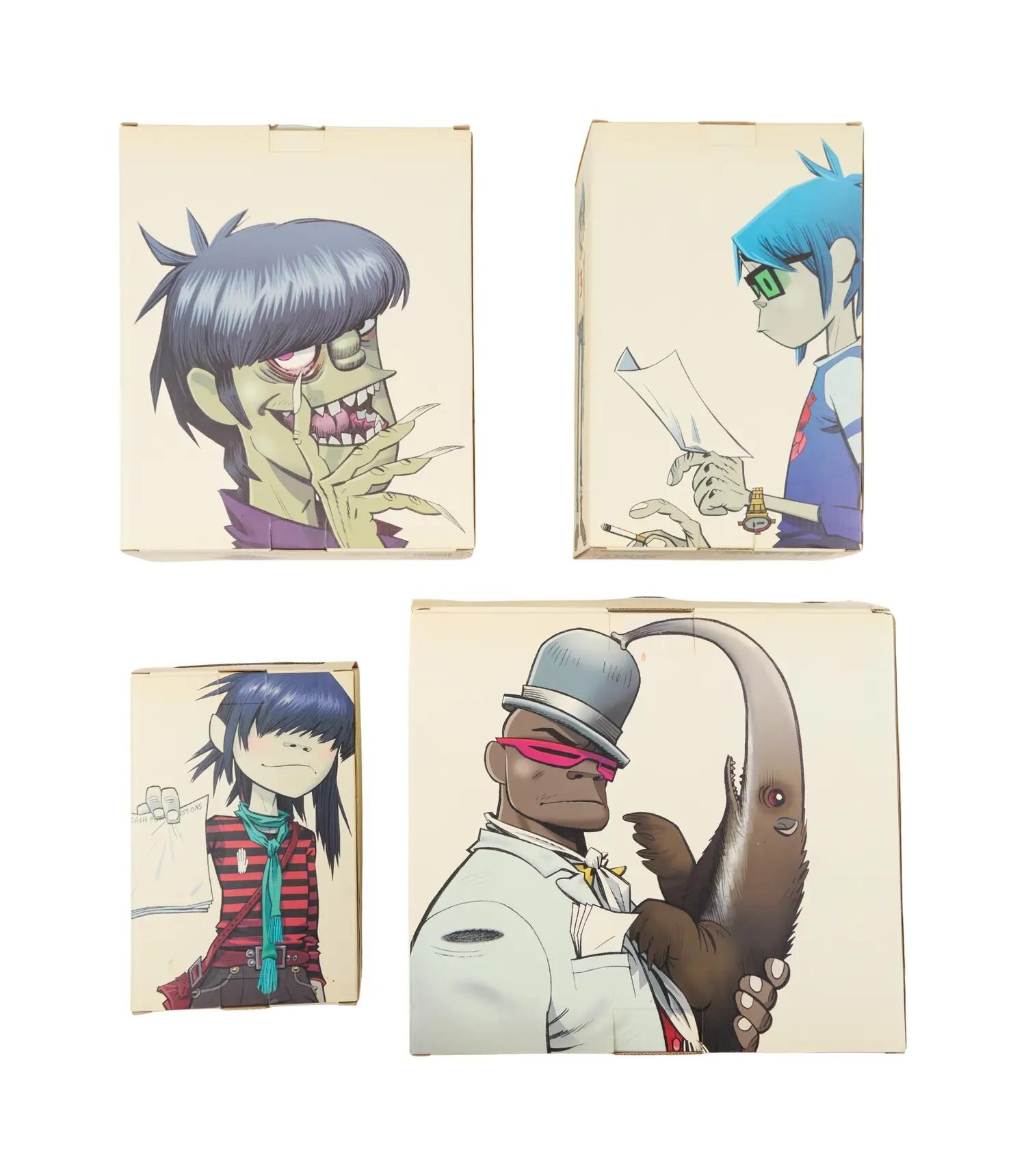
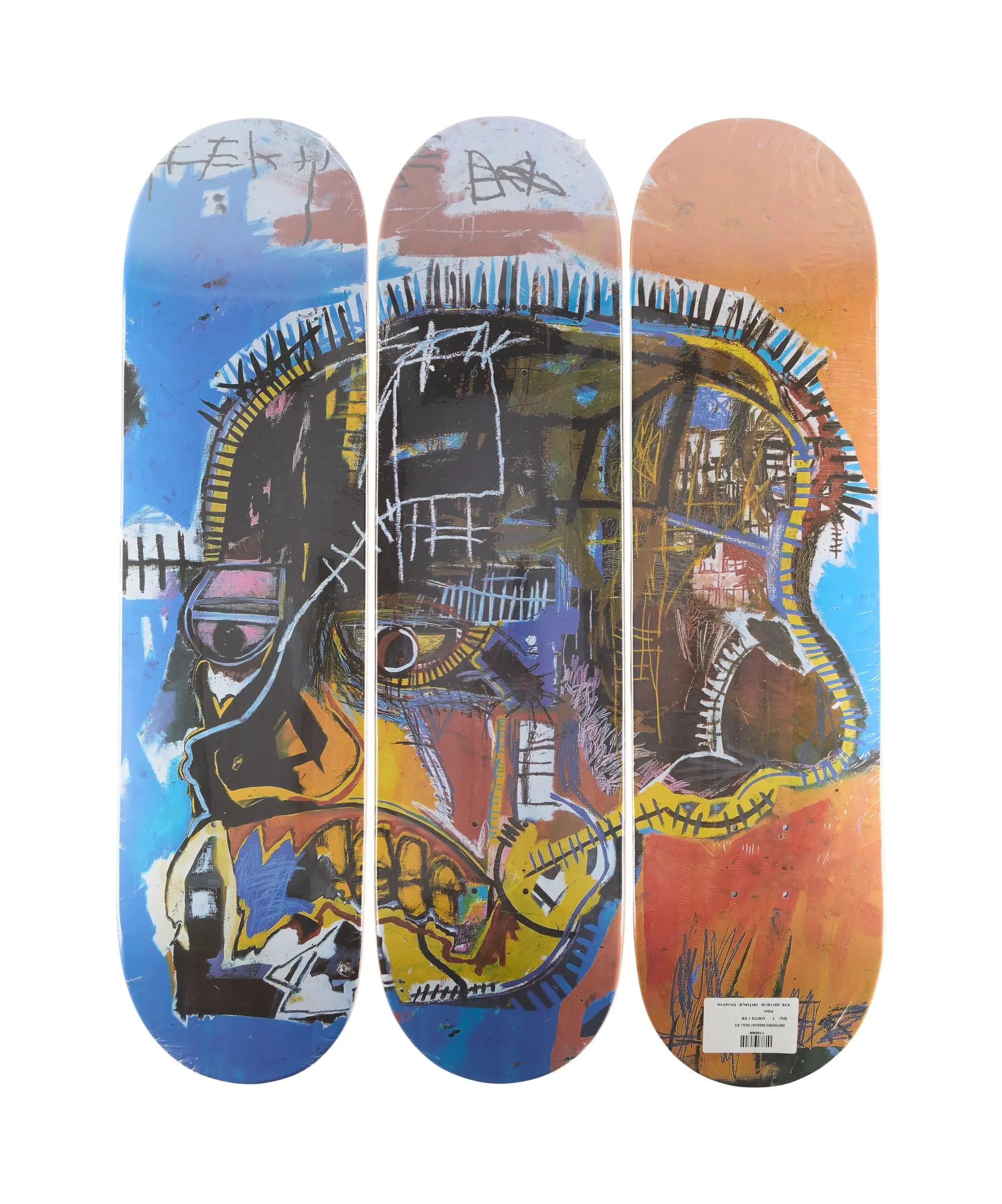
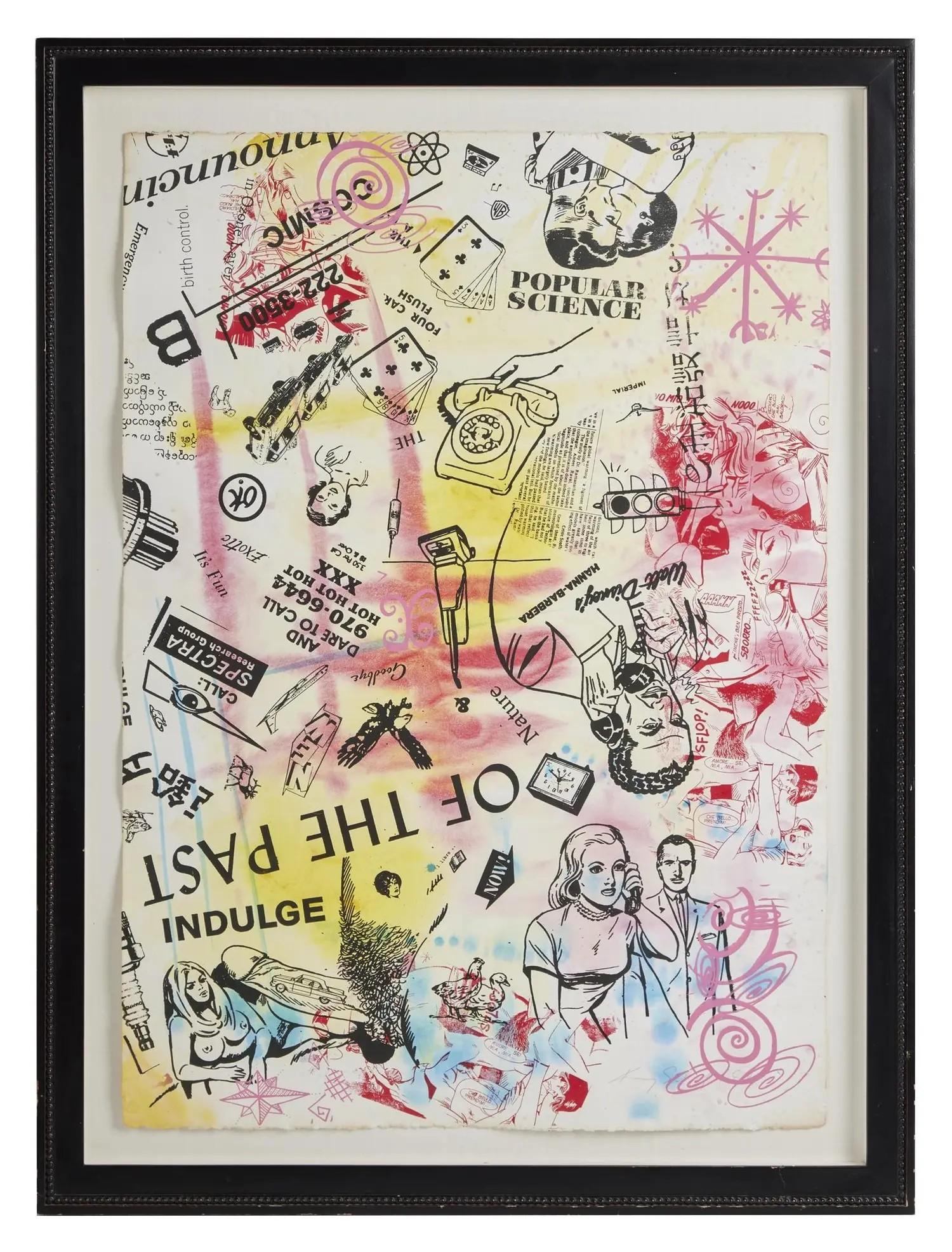
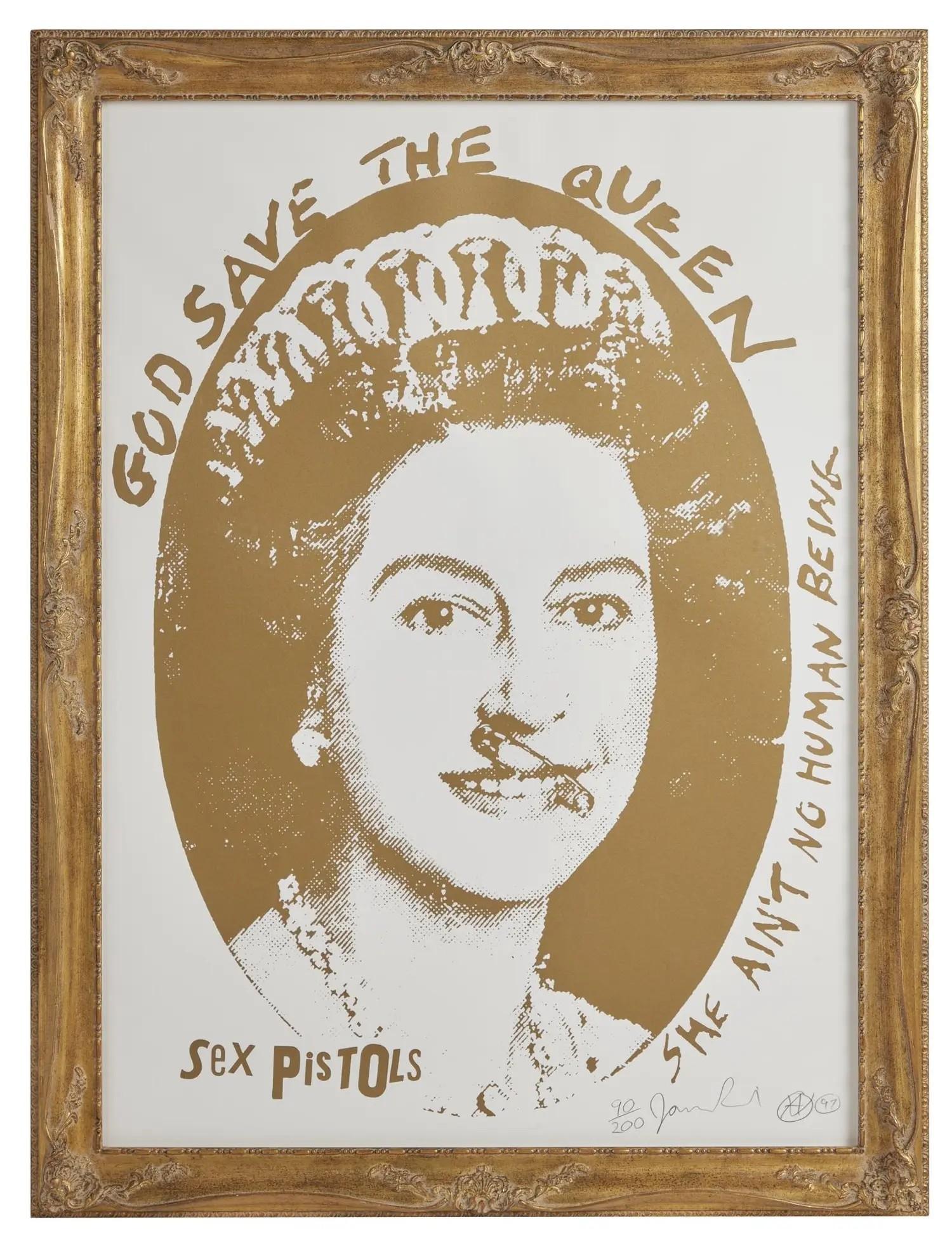
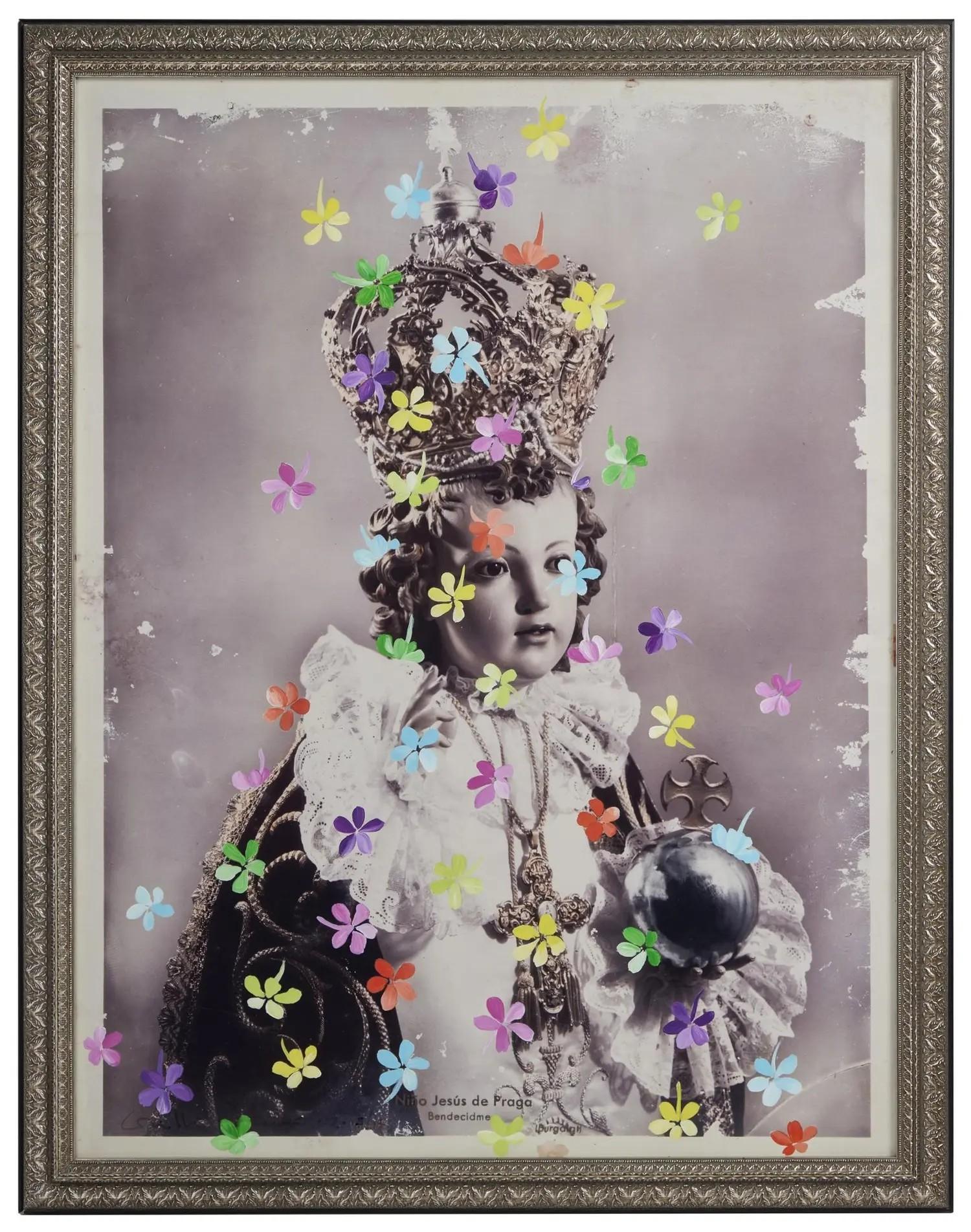
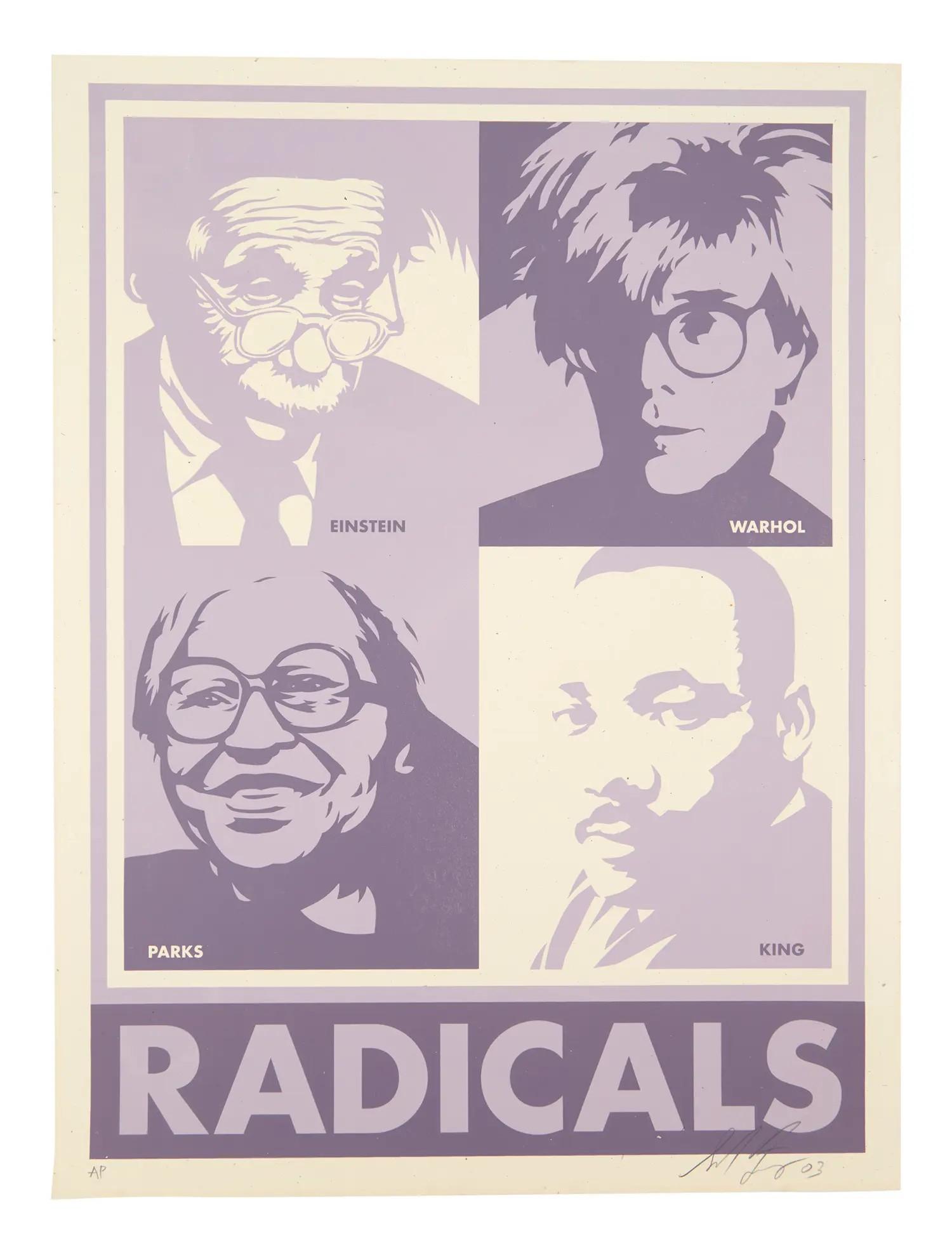
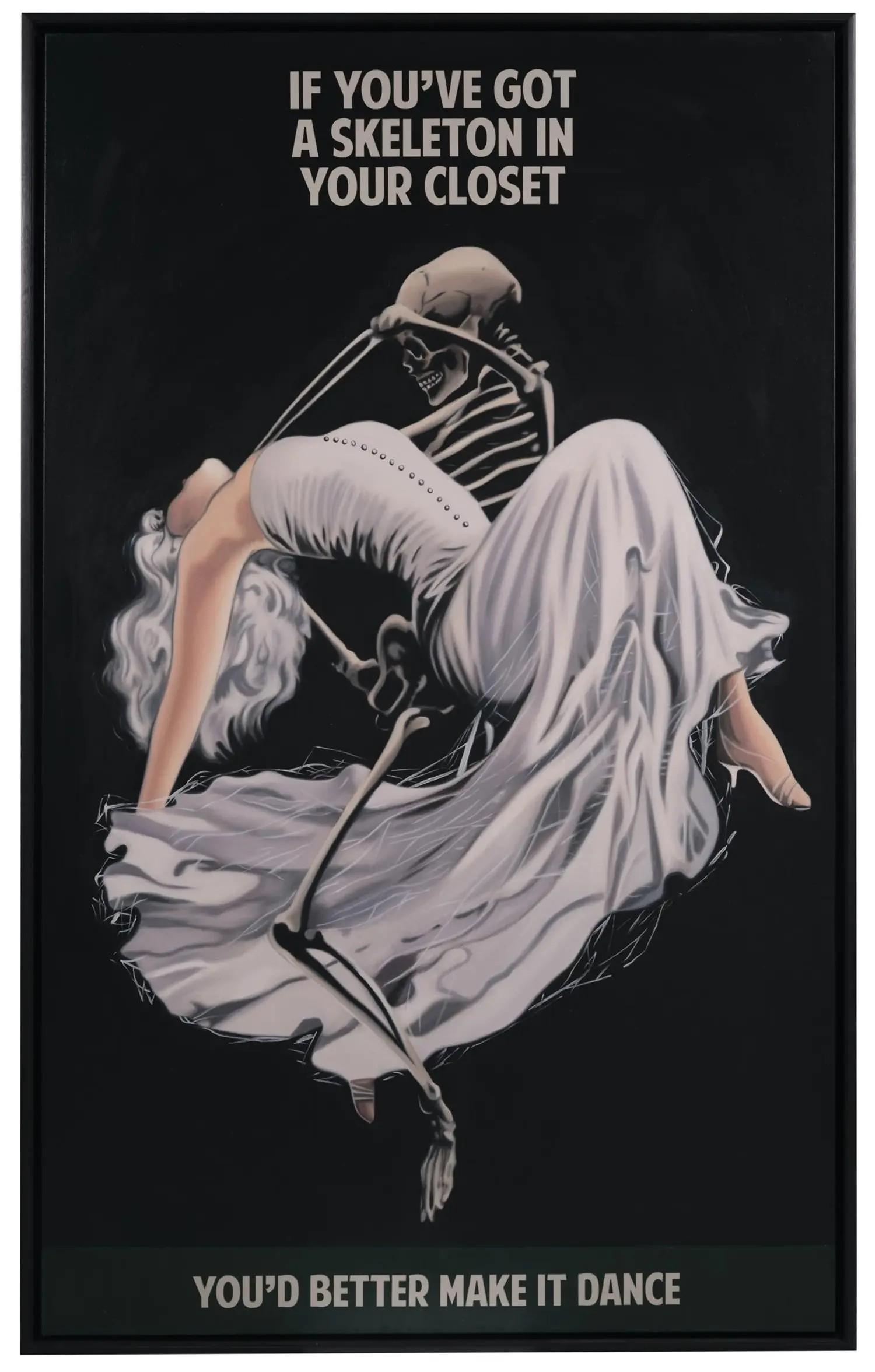
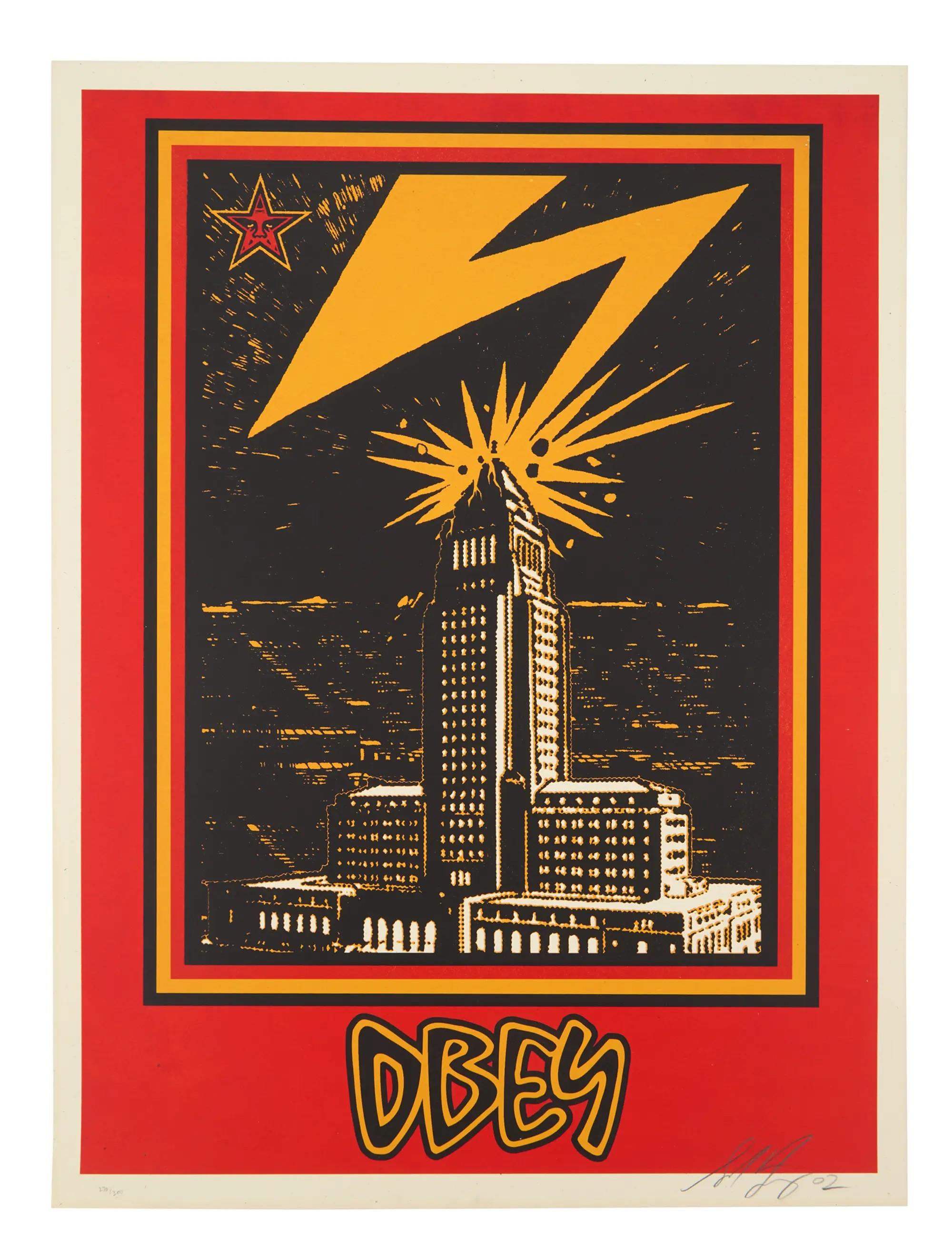
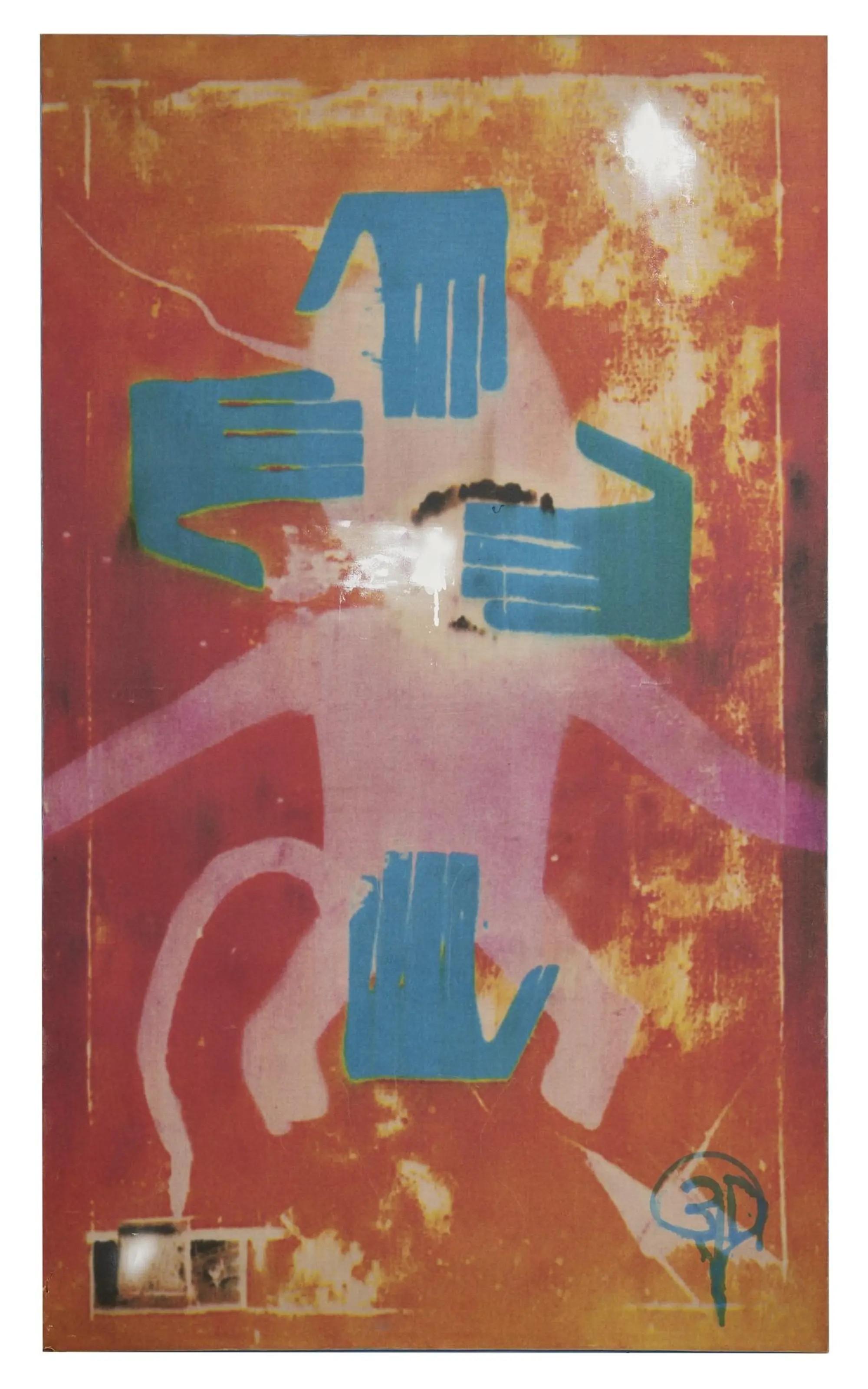
1. Lot #20. Lyle Owerko | "Boombox #27" Signed Limited-Edition Print, 2. Lot #17. Gorillaz | Stickers, Promo Mobiles, Record Single, DVD, and Complete Set of Kid Robot Figures, 3. Lot #29. Jean-Michel Basquiat | "Skull" Triptych Skateboard Decks (3), 4. Lot #32. Kenny Scharf | "Indulge" Signed Original Hand-Embellished Artwork, 5. Lot #23. Jamie Reid | "Sex Pistols: God Save the Queen (Gold)" Signed Limited-Edition Screenprint, 6. Lot #37. Grillo Demo | Signed and Hand-Embellished "Bambino with Falling Jasmine" Artwork, 7. Lot #9. Shepard Fairey | Signed Limited-Edition "Radicals" Screenprint, 8. Lot #38. Connor Brothers | "If You've Got a Skeleton in Your Closet" Original Painting on Canvas, 9. Lot #10. Shepard Fairey | Signed Limited-Edition "Bad Brains" Screenprint, 10. Lot #15. Robert Del Naja | "Vivisection" Signed Original Large-Scale Artwork,
Why Now?
The surge in interest for vintage skate decks—specifically Bones Brigade-era Powell-Peralta boards—and protest prints is driven by a desire for authenticity. In an era of AI-generated imagery, a hand-signed screenprint by Kenny Scharf or a worn piece of 90s skate history offers a tactile connection to a time when art was a form of resistance.
These pieces have moved from the "outsider" fringe to the center of contemporary art history. They are no longer just symbols of rebellion; they are the assets of a generation that realized the streets were always the most important gallery in the world.