Video
Art
‘Skate Culture’ & ‘Street Art’ Auctions Rewrite The Rules of Collecting
Explore the vibrant fusion of skate culture and street art at Julien's Auctions, where rebellious creativity meets the auction block.
Share



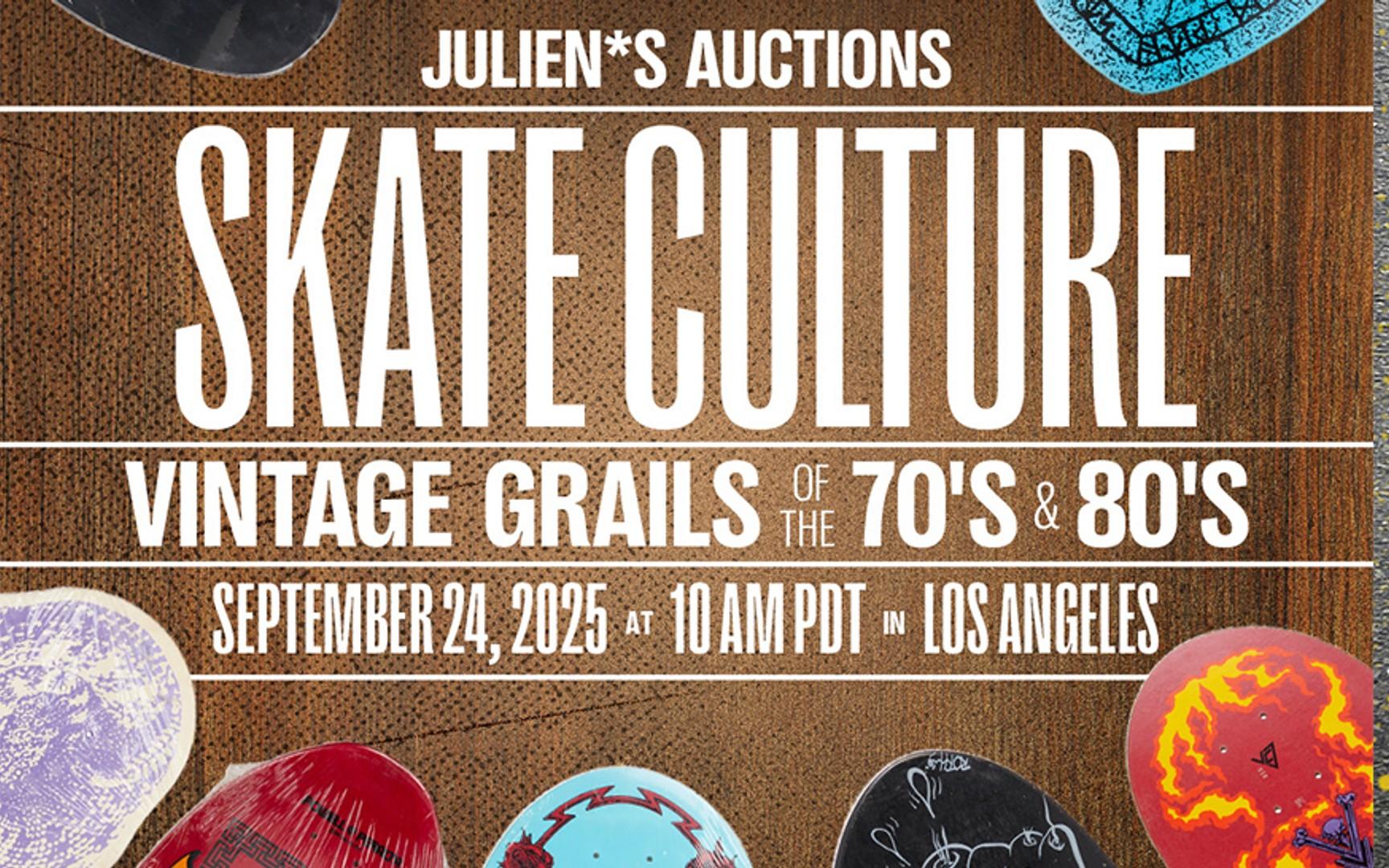
The world of collectibles, with the raw, rebellious energy of street influence saw a seismic shift this week with two converging auctions -- "Skate Culture: Vintage Grails of The 70’s & 80’s - No Reserve Auction" and "Street Art: Paint & Pavement." This back-to-back offering is more than just a coincidence; it's a profound statement on the symbiotic relationship between two of the most influential subcultures of the last half-century.
For decades, skate culture and street art have existed on the fringes, their artifacts seen as ephemeral, their creators as outsiders. Yet, these auctions served as a powerful validation and a definitive moment where these once-rebellious artifacts are formally recognized as impactful cultural assets. The timing was no accident. The generation that grew up idolizing vert ramp legends and Banksy originals is now reaching its prime collecting years, and with it comes a demand for authenticated, historical pieces that tell a story.
The Gritty Genesis: From Sidewalk to Mainstream
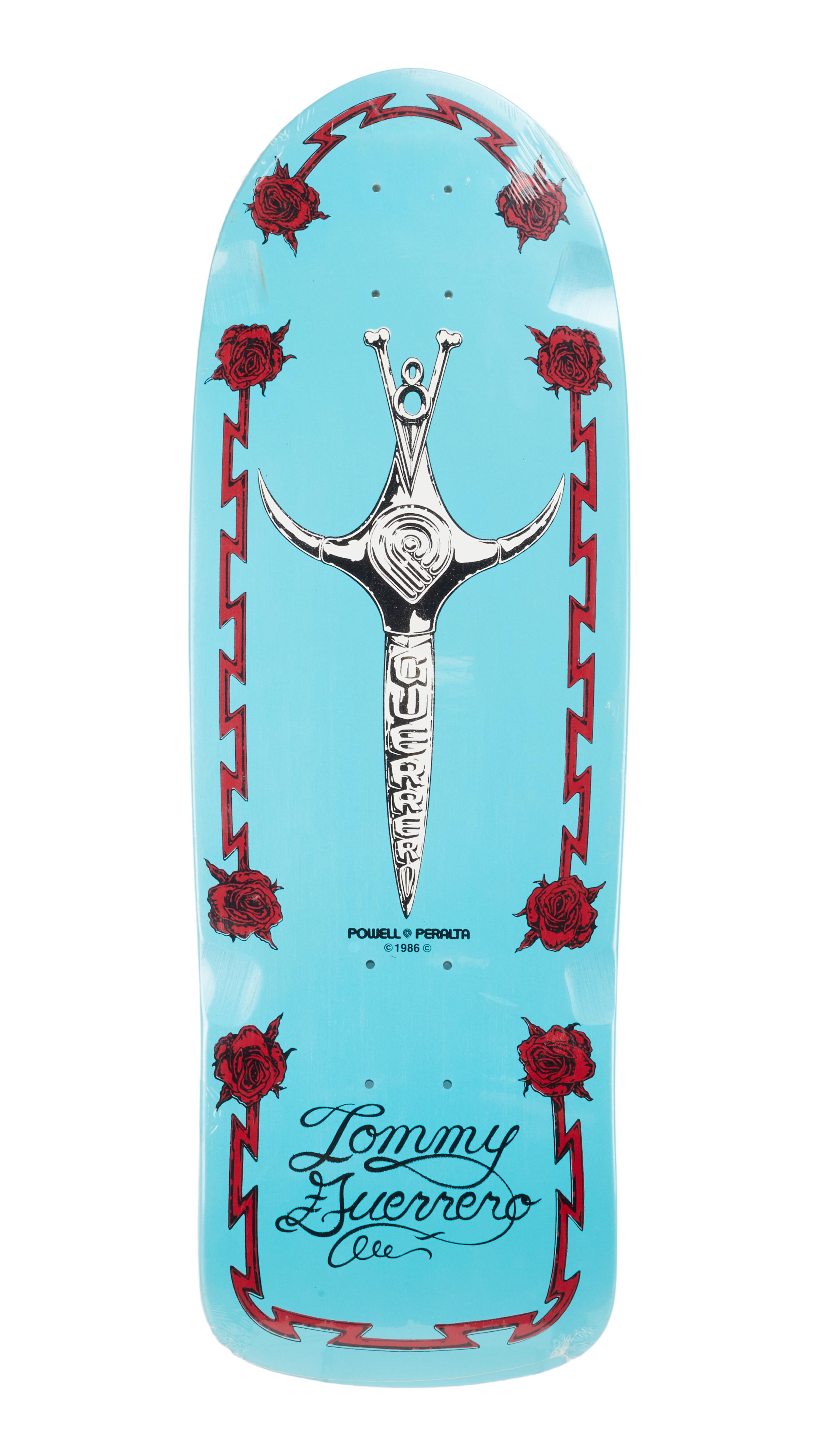
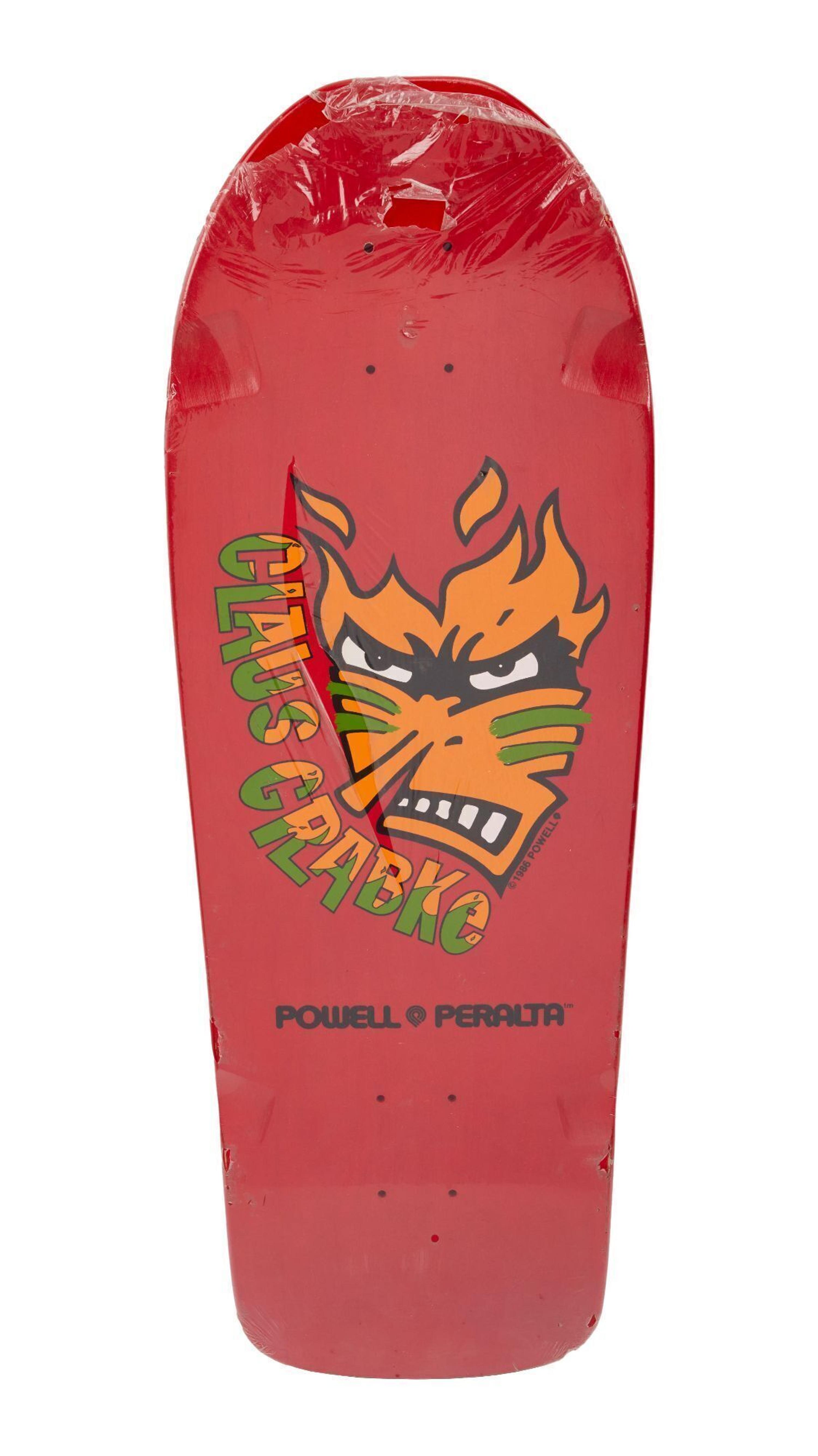
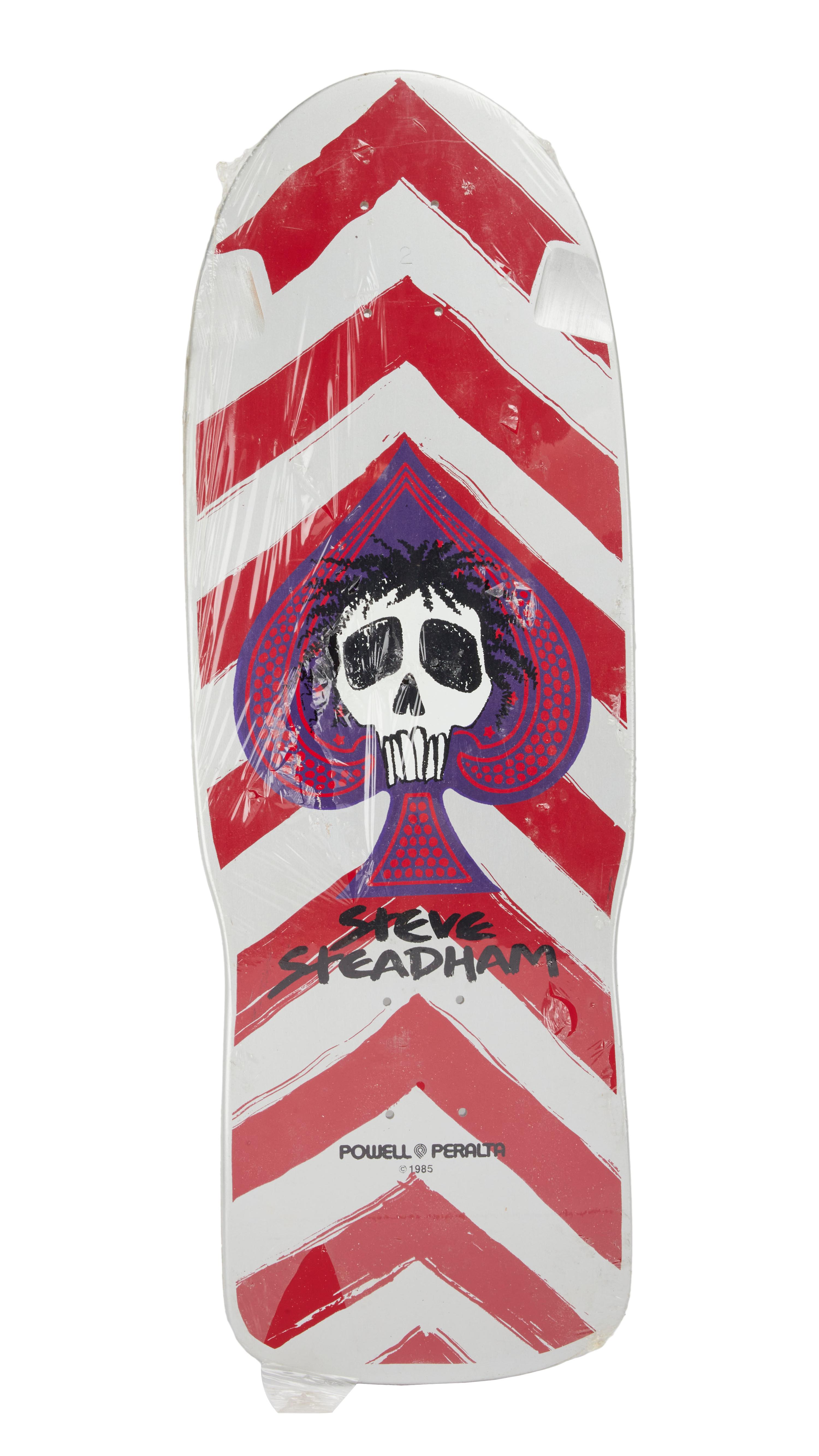
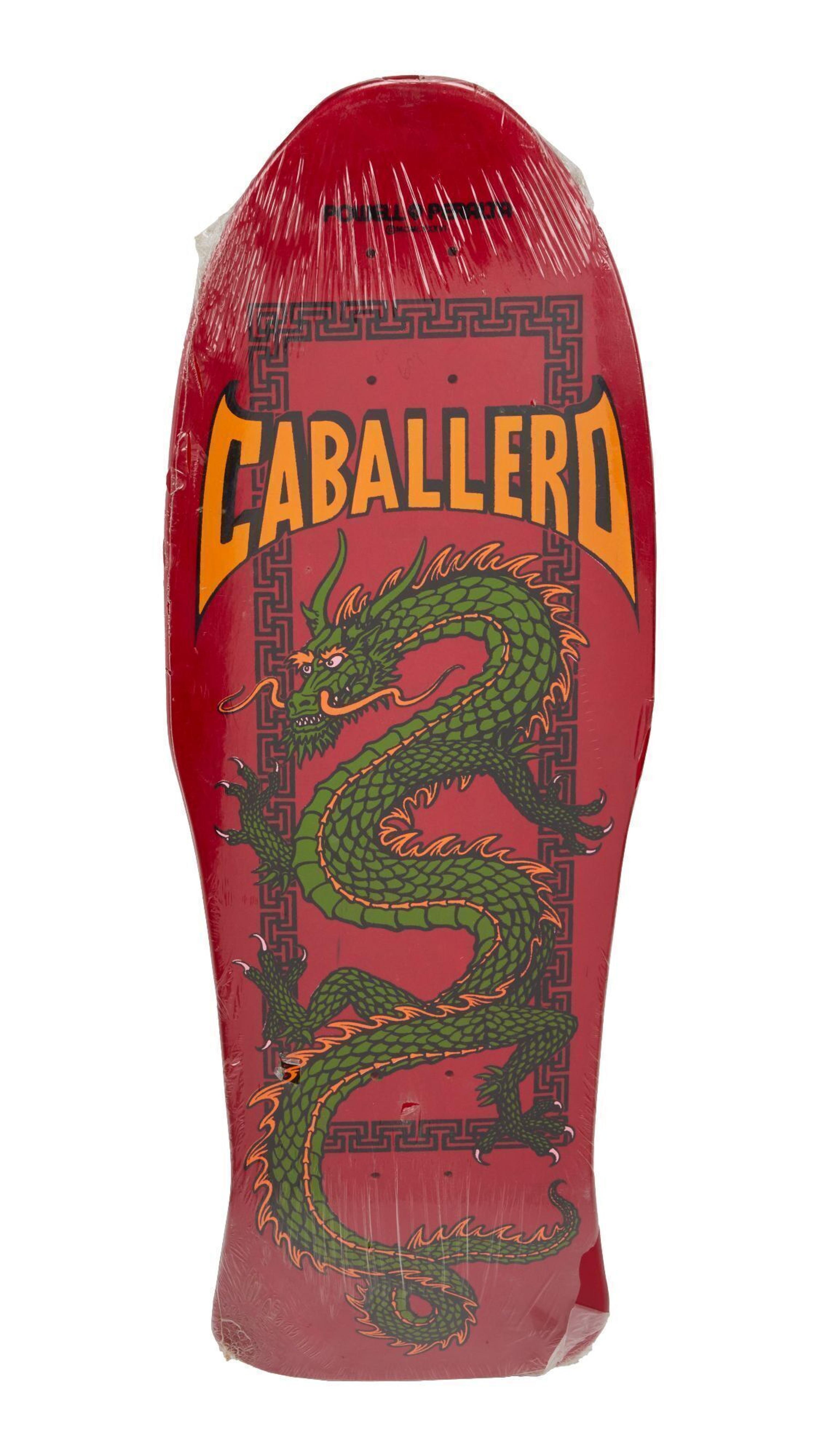
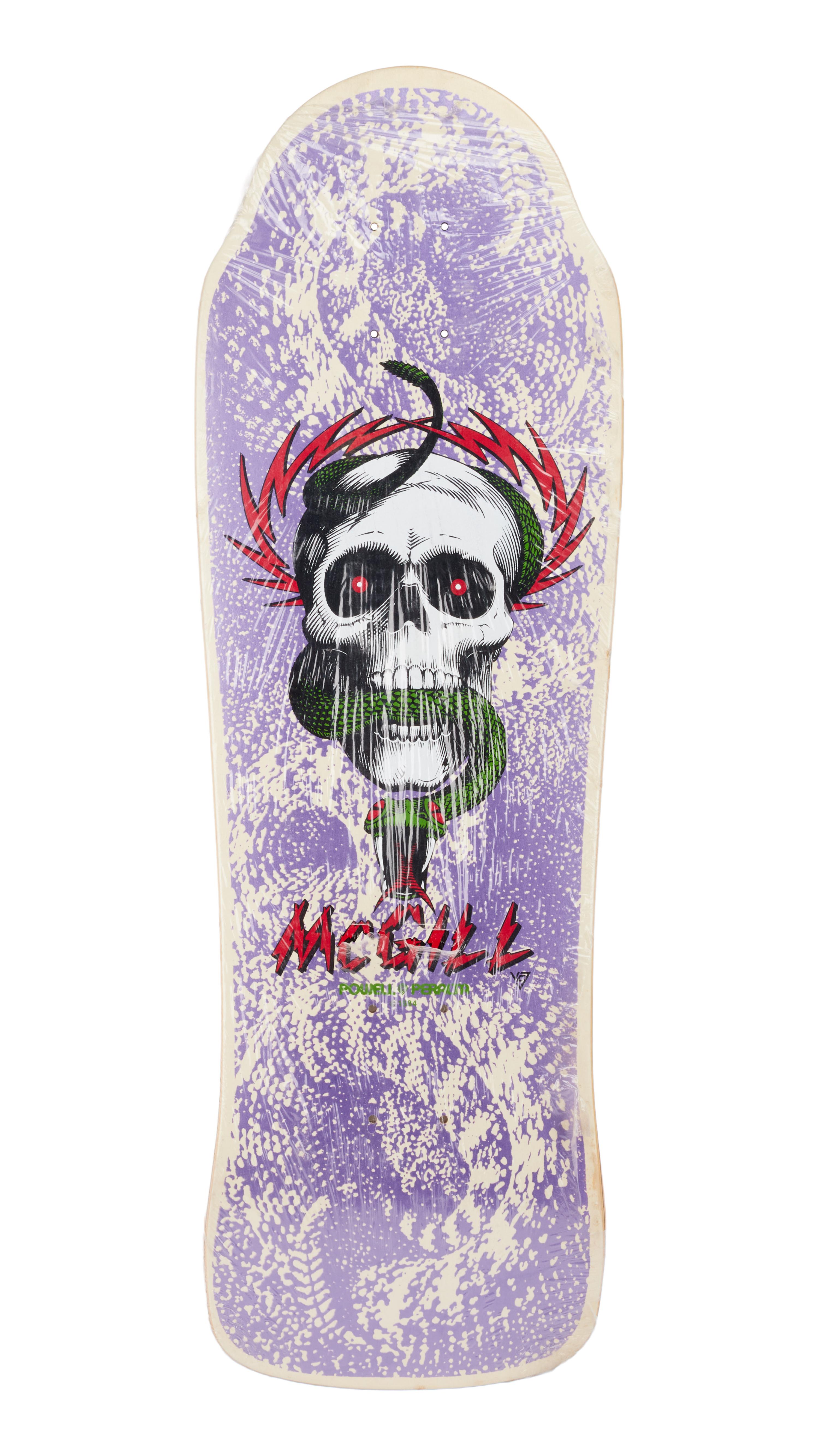
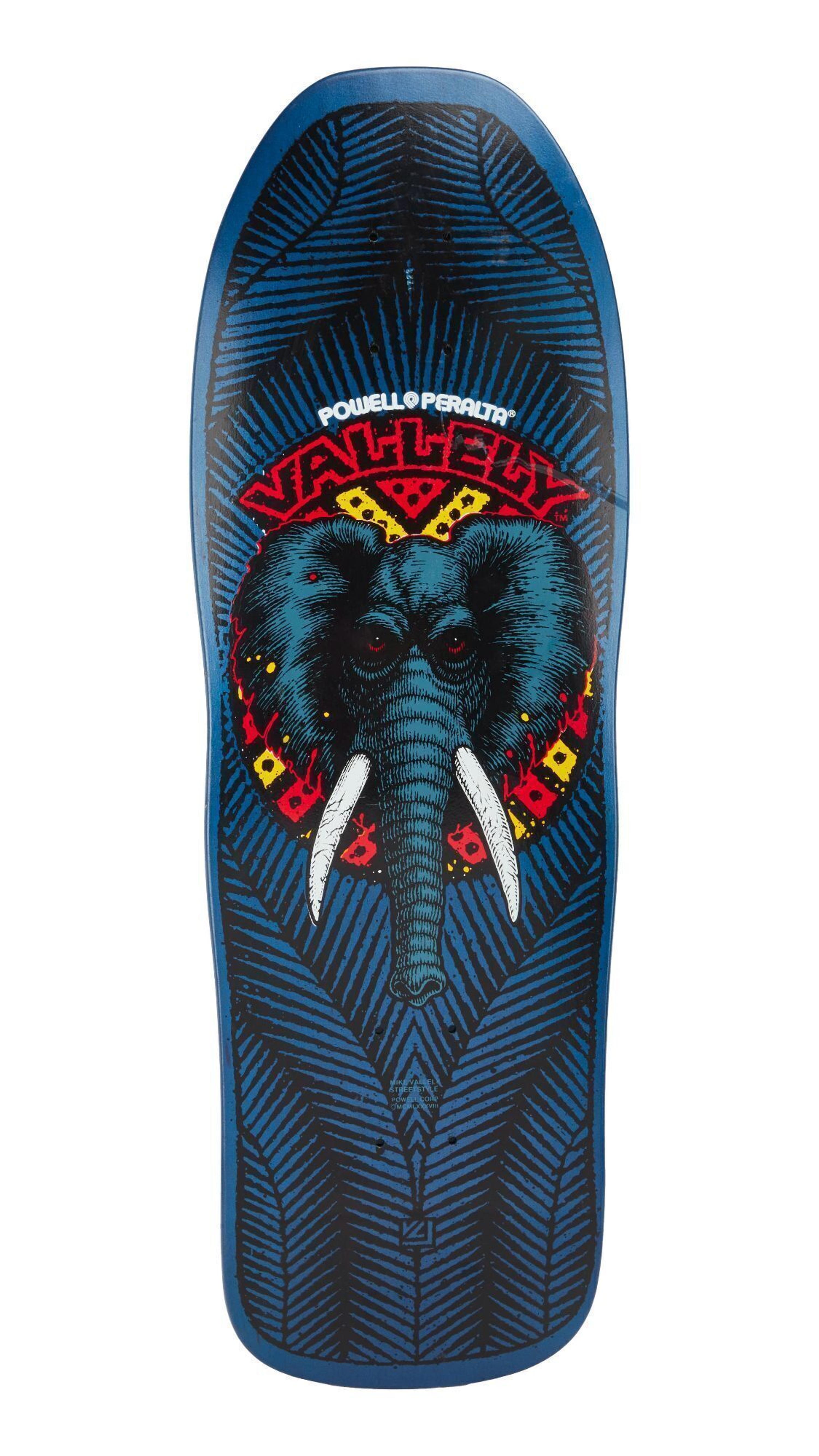
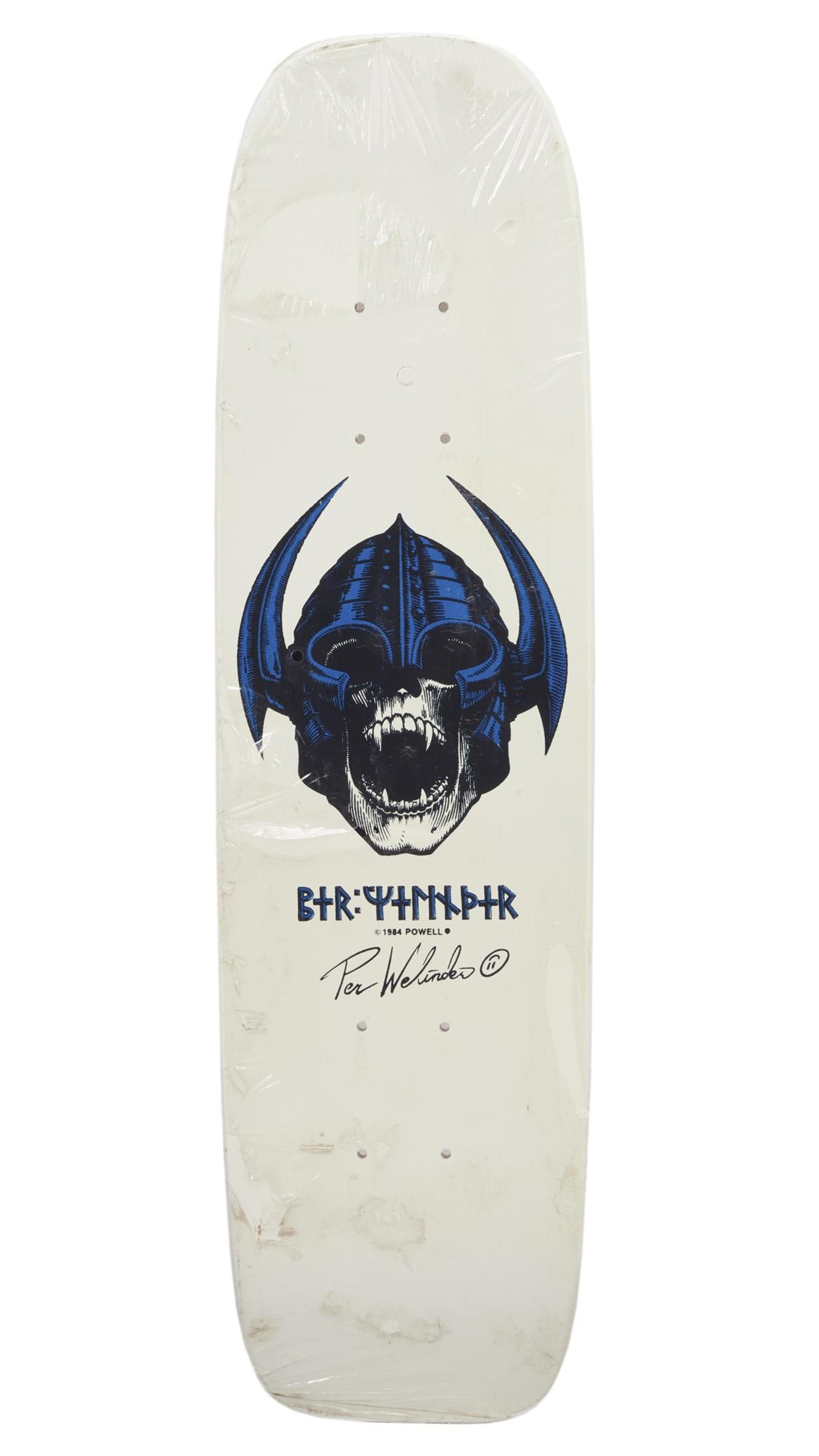
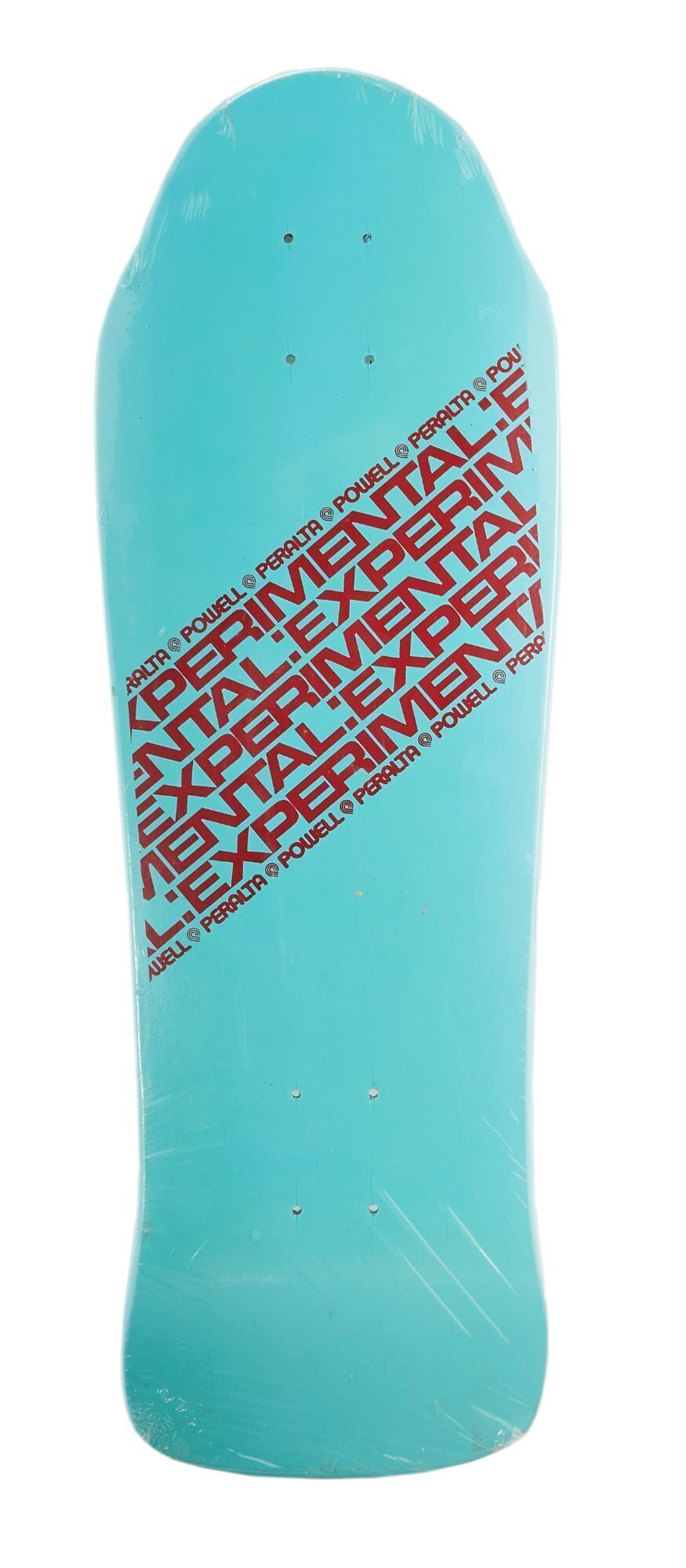
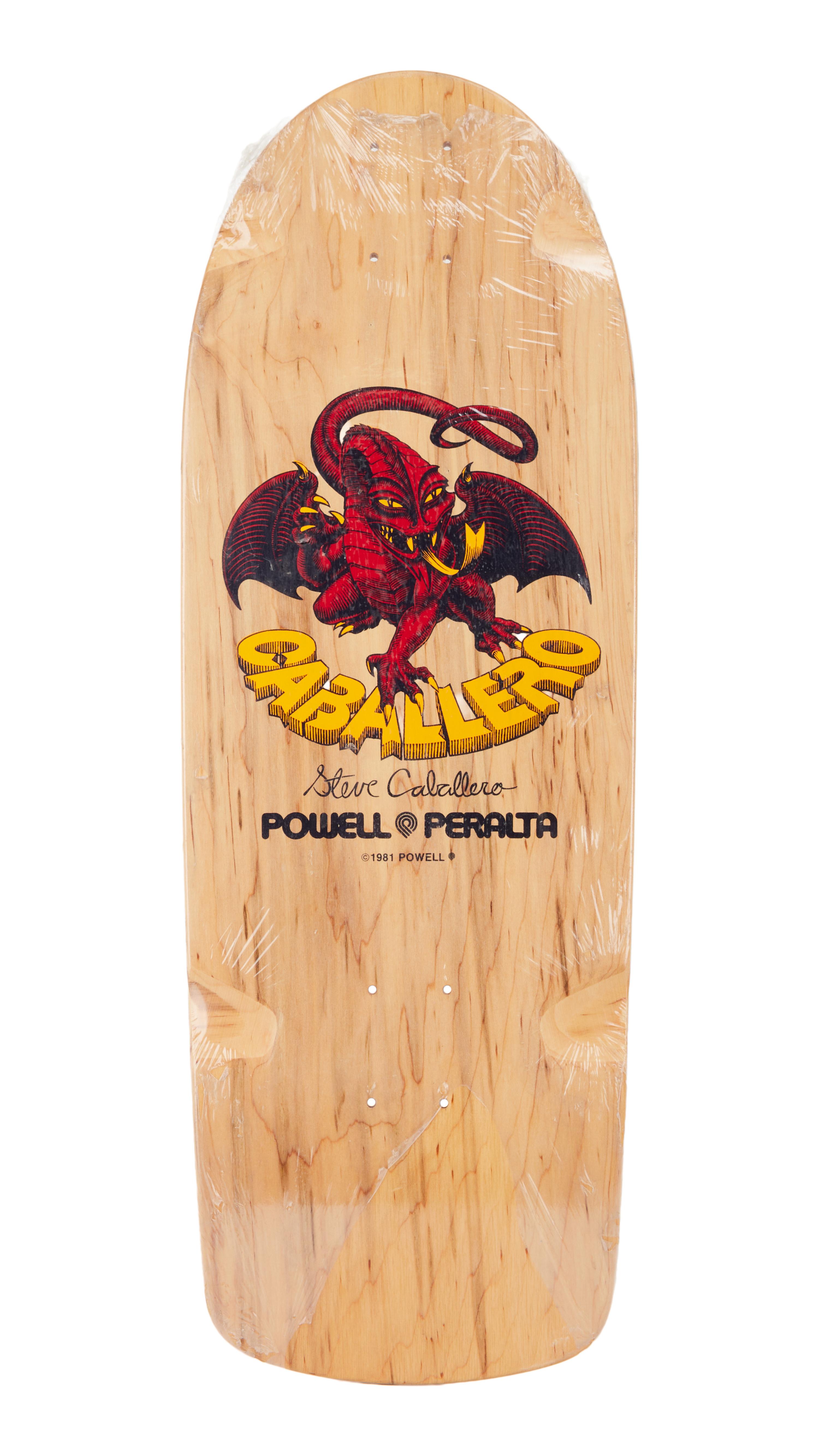
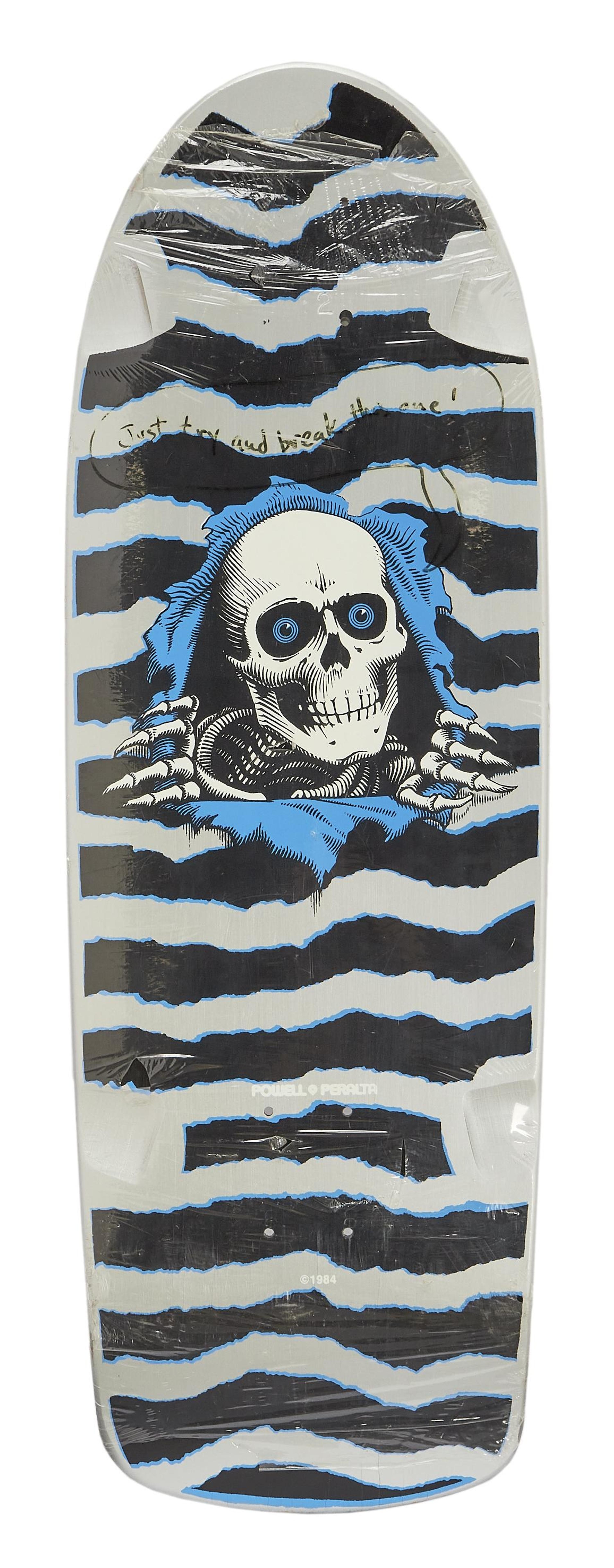
The "Skate Culture - No Reserve Auction" was a deep dive into the very roots of a global phenomenon. It was a celebration of the era when skateboarding evolved from a novelty pastime into a legitimate sport and art form. The art associated with the remarkable decks and skateboards paints a vivid picture of this evolution, from the "sidewalk surfer days" of the '50s and '60s to the "high-flying vert ramp dominance" of the '80s. What made this collection truly remarkable was its "deadstock" nature—many of these decks were sold unwrapped, as if frozen in time since their original manufacturing date.
The roster of brands also read like a who's who of skateboarding history: Powell-Peralta, Dogtown, Santa Cruz, Vision, Zorlac, Sims, and more. These weren't just pieces of wood; they were canvases that captured a cultural moment. Consider the Powell-Peralta decks—the Adrian Demain "Gifted Ripper" and the Tony Hawk "Chicken Skull"—which represented the visual language of a generation.
But the true marquee lot that bridged the gap between these two worlds was the original, hand-painted skateboard deck by Kustom Kulture legend Ed "Big Daddy" Roth. His grotesque, cartoonish style, epitomized by the iconic Rat Fink, was a visceral rejection of the clean-cut mainstream. This aesthetic, born from the hot-rod scene, found a natural home in the rebellious heart of early skate culture. Roth's piece isn't just a work of art; it's a historical artifact that visually charts the DNA shared by these two movements, serving as a reminder that the art on the deck was often as important as the rider on top.
The Pavement as a Podium: Street Art’s Ascension
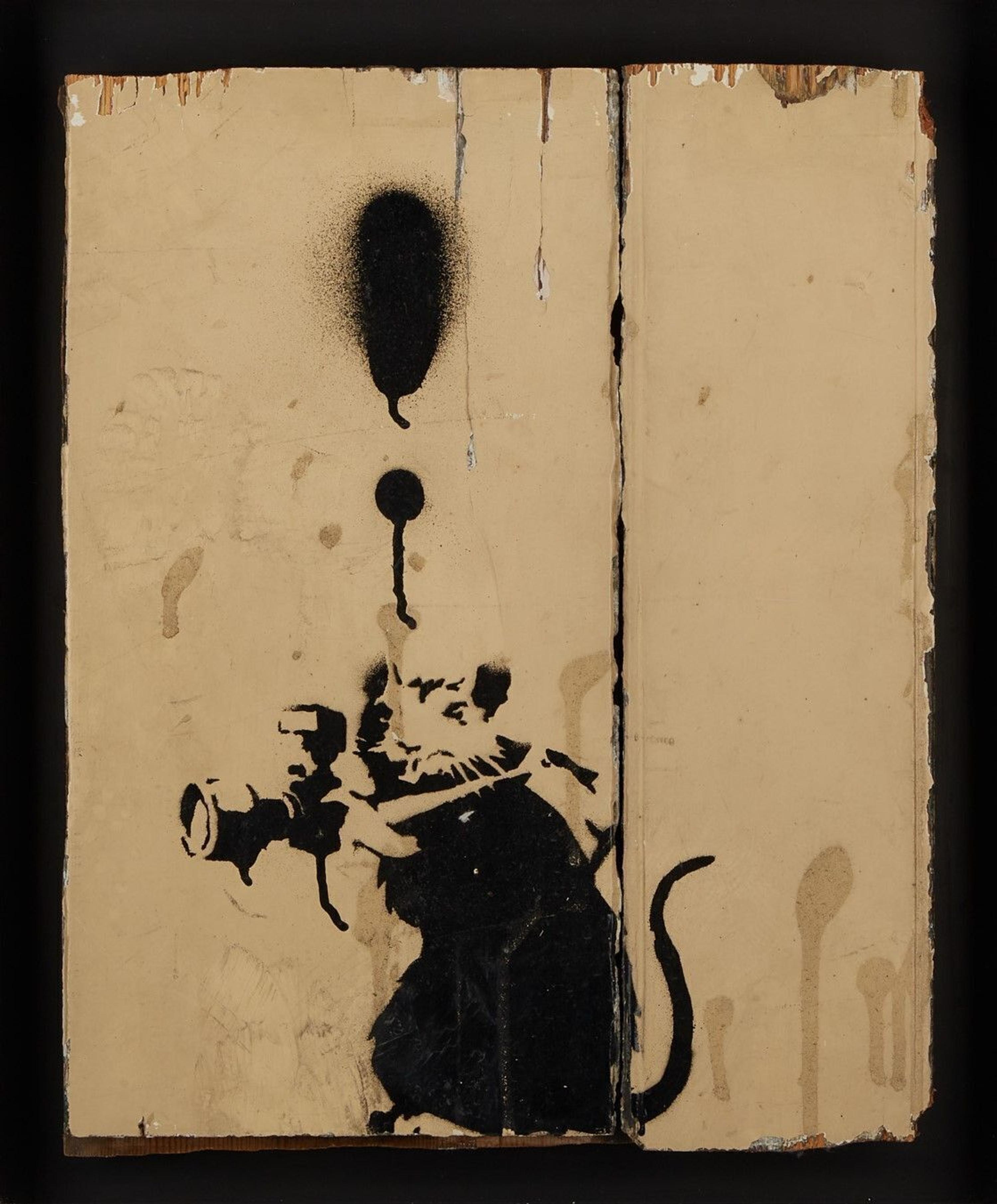
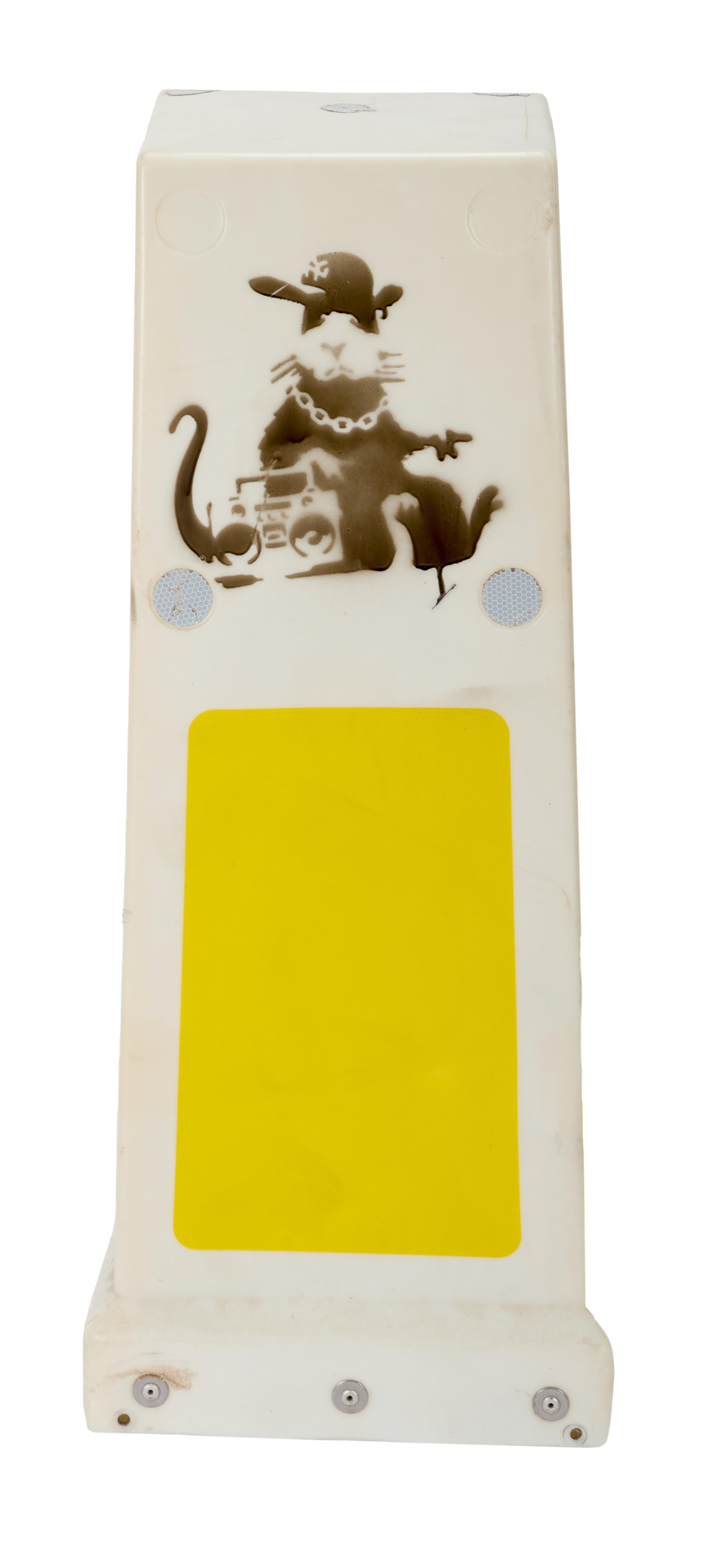
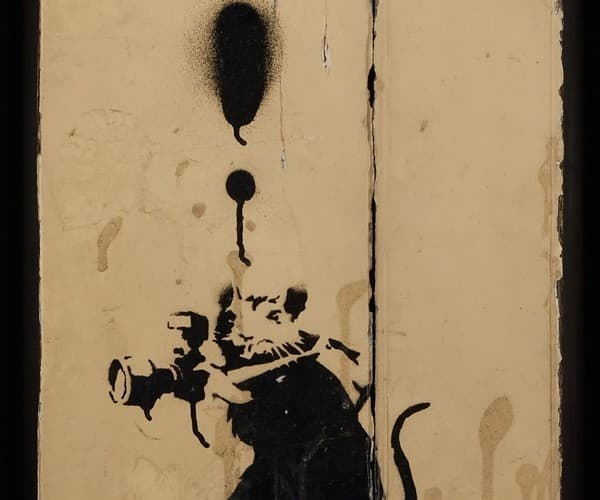
Following the skate auction, "Street Art: Paint & Pavement" continued this narrative of elevation. The title itself is a clever play on words, suggesting that the art born on the street is now worthy of the auction podium. This sale featured a curated selection of works from the most significant figures in the street art pantheon, proving that what was once considered vandalism has matured into a blue-chip collecting category.
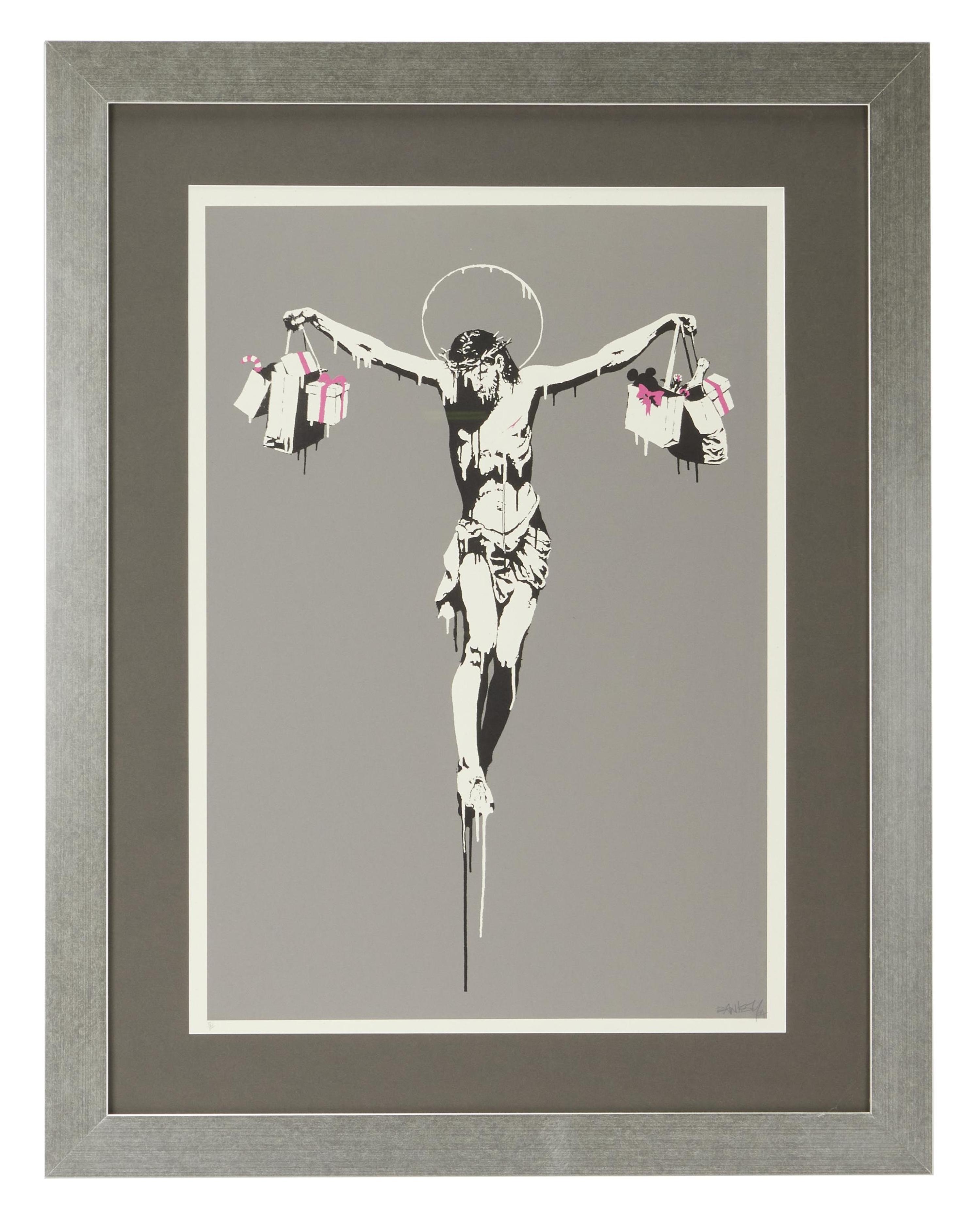
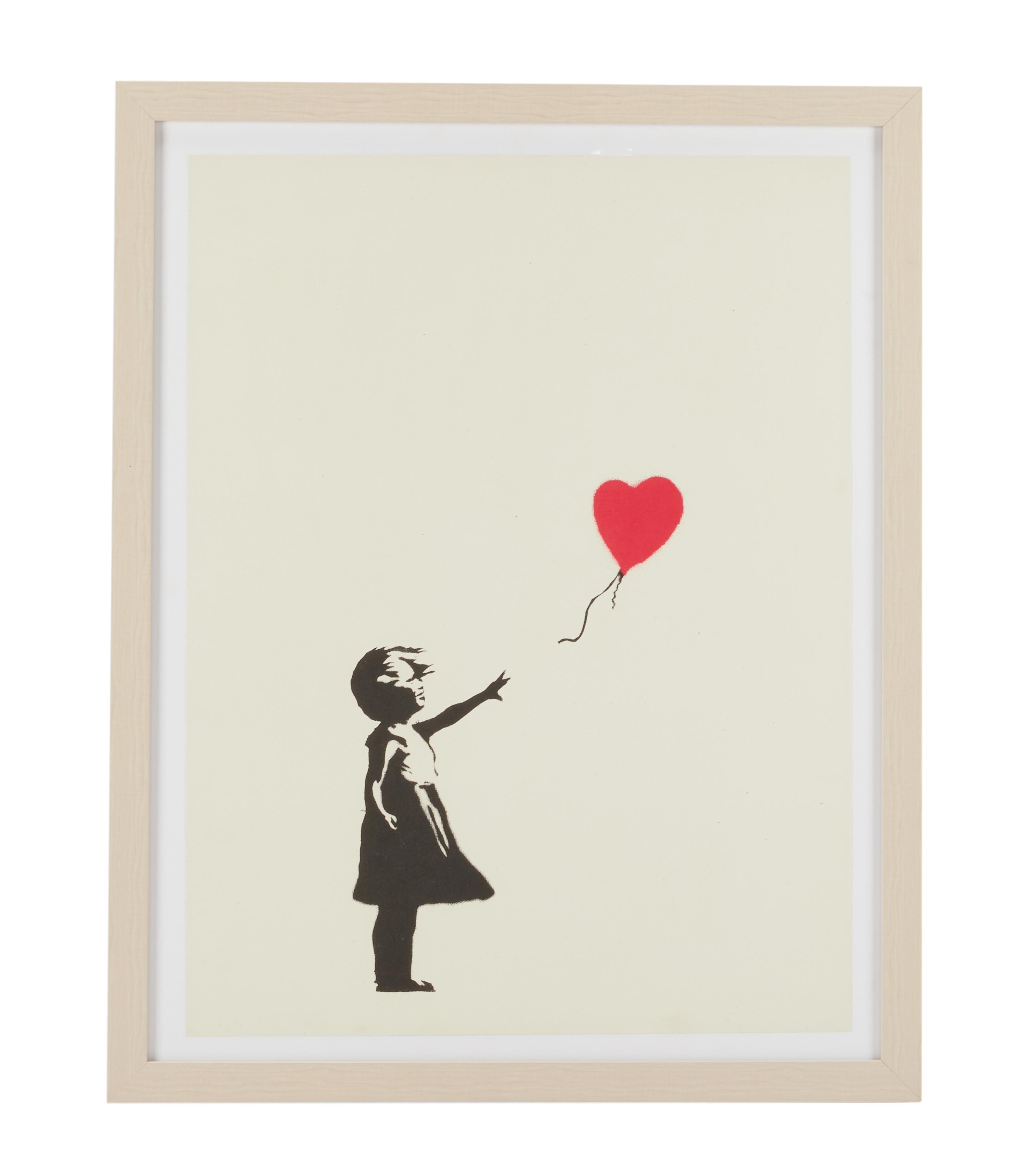
Leading the charge was Banksy, the anonymous provocateur whose work commands global attention. His "Christ with Shopping Bags" is a brilliant and searing critique of modern consumerism, a theme that resonated more than ever in our hyper-commercialized world. The fact that this piece is accompanied by a Certificate of Authenticity from Pest Control, Banksy's official authentication body, is crucial. It underscores the transition of his work from public-facing protest art to a carefully documented, highly valuable asset.
The auction also spotlighted other influential artists. Shepard Fairey's inclusion added a layer of urgent social commentary. His prints, such as "I'm Gonna Kick Your Ass, and Get Away with It," are a direct, unapologetic confrontation of police brutality. While some might see these as works of protest, their presence in a high-profile auction demonstrates that politically charged art has a powerful and permanent place in the market.
A New Chapter for Culture
The combined impact of these two auctions cannot be overstated. By presenting skate culture and street art in succession, Julien's is not merely selling objects; they are curating a historical moment. They are affirming that the rebellious, DIY ethos of the 70s and 80s, which gave rise to both skate culture and street art, has come full circle. These are not just fleeting trends; they are foundational pillars of contemporary art and culture.
For collectors, this is a clarion call. The "Skate Culture - No Reserve Auction" offers a rare opportunity to acquire "deadstock" pieces before their prices fully reflect their historical significance. The "Street Art" sale confirms that the market is robust and sophisticated, ready to embrace art that challenges norms and speaks truth to power.
This two-day event is a testament to the enduring power of street-born creativity and a powerful harbinger of the market to come. The streets, it seems, have finally found their place in the gallery.