Art
Film & TV
Modernism Behind Closed Doors: Marilyn Monroe, Anna Strasberg, & the Ghost of Picasso
An exclusive look at The Estate of Anna Strasberg, where high art, private libraries, and Hollywood mythology collide.
Share



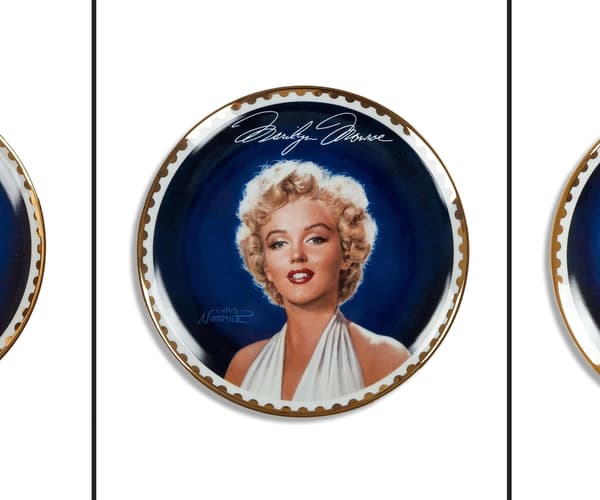
When the private worlds of 20th-century cultural titans overlap, the resulting friction often shatters our neat, pre-packaged historical narratives. We are all familiar with the grand myths: Marilyn Monroe as the ultimate pop archetype, Lee Strasberg as the patriarch of Method acting, and his widow, Anna Strasberg, as the meticulous custodian who spent decades preserving that dual legacy. Yet, a quieter, vastly more intriguing subtext runs through the upcoming Estate of Anna Strasberg no reserve auction running online-only through August 4, 2026: a shared, cross-generational obsession with Pablo Picasso.
To look at this auction is to witness how the visual language of European modernism became woven into the personal, domestic lives of American cultural royalty. The collection doesn’t just show us what these women looked like; it shows us what they looked at.
Marilyn’s Radical Library
For decades, cultural critics have worked to dismantle the "dumb blonde" caricature of Marilyn Monroe, revealing instead a voracious reader, an intellectual seeker, and an active participant in the mid-century art world. The books she left behind—bequeathed to Lee Strasberg in her 1962 will—are tangible proof of this.
Within the auction catalog, three specific lots from Monroe’s personal library highlight her deep fascination with Picasso:
Lot #29:
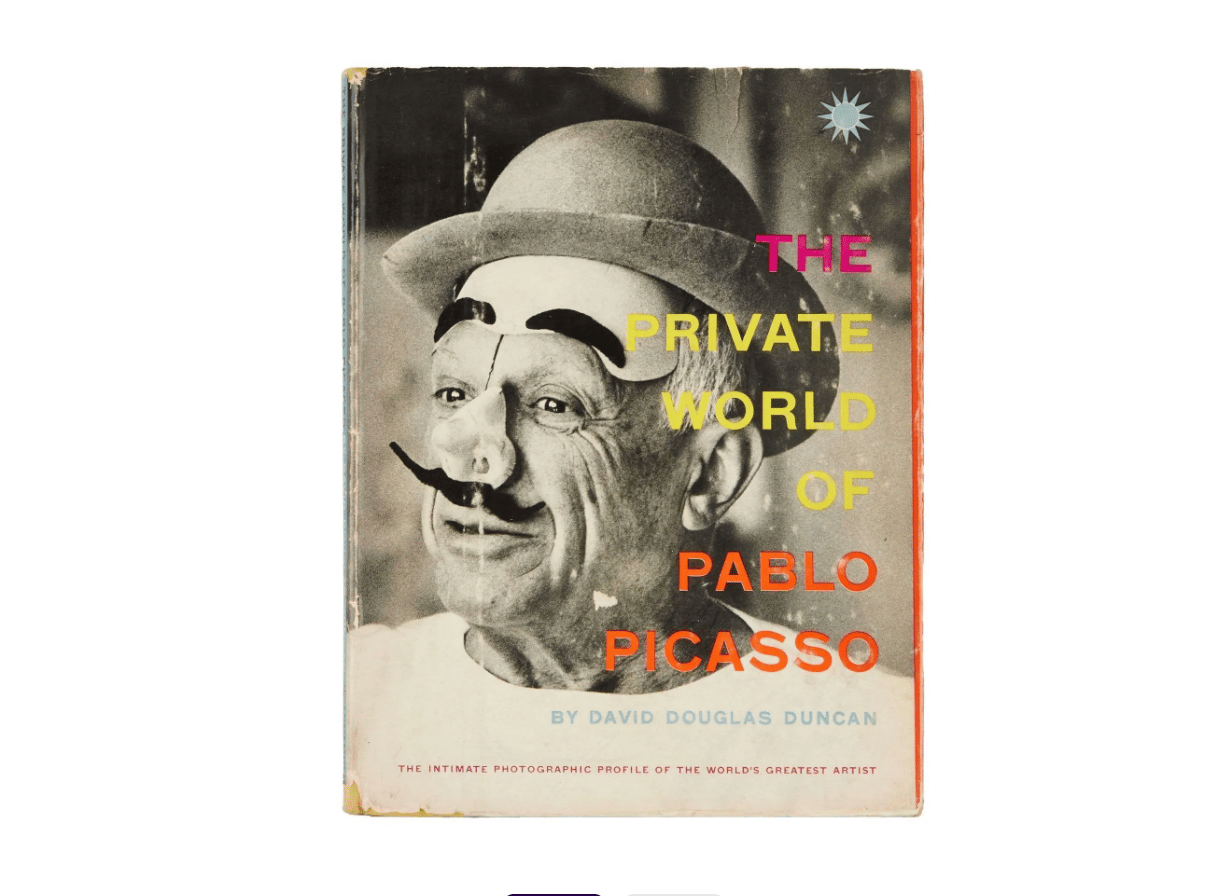
The Private World of Pablo Picasso (1958)
This hardcover volume by David Douglas Duncan features an intimate, blue-ink inscription on the front endpaper dated May 1960. Written by her friend, photographer John Boyce, it reads: "To Marilyn - I hope you like this book as much as I do. This is what I would like to do on you." The book bears the penciled inventory number "#108" on the inside cover, a quiet archival stamp from the official 1962 inventory of Monroe’s estate compiled after her death.
Lot #40:
Picasso Ceramics (1950)
An oversized, pamphlet-style softcover published by Albert Skira, this piece is filled with 18 vibrant colorplates of Picasso’s tactile, playful ceramic works. Complete with its original, age-tattered onion skin overlay and estate inventory number "46," the item highlights Monroe's interest in the physical, clay-bound texture of the artist's output during his Vallauris period.
Lot #41:
Pablo Picasso (1955)
This heavy, oversized "coffee table" volume by Wilhelm Boeck and Jaime Sabartes represents a more academic deep-dive into the artist’s oeuvre. Marked with the estate pencil notation "#11," it is a cornerstone of a personal collection that treated modern art not as a casual interest, but as an essential intellectual pursuit.
These volumes represent more than just passive shelf-fillers. They are heavily handled, inscribed, and cataloged relics of a woman actively studying the century's most disruptive visual mind.
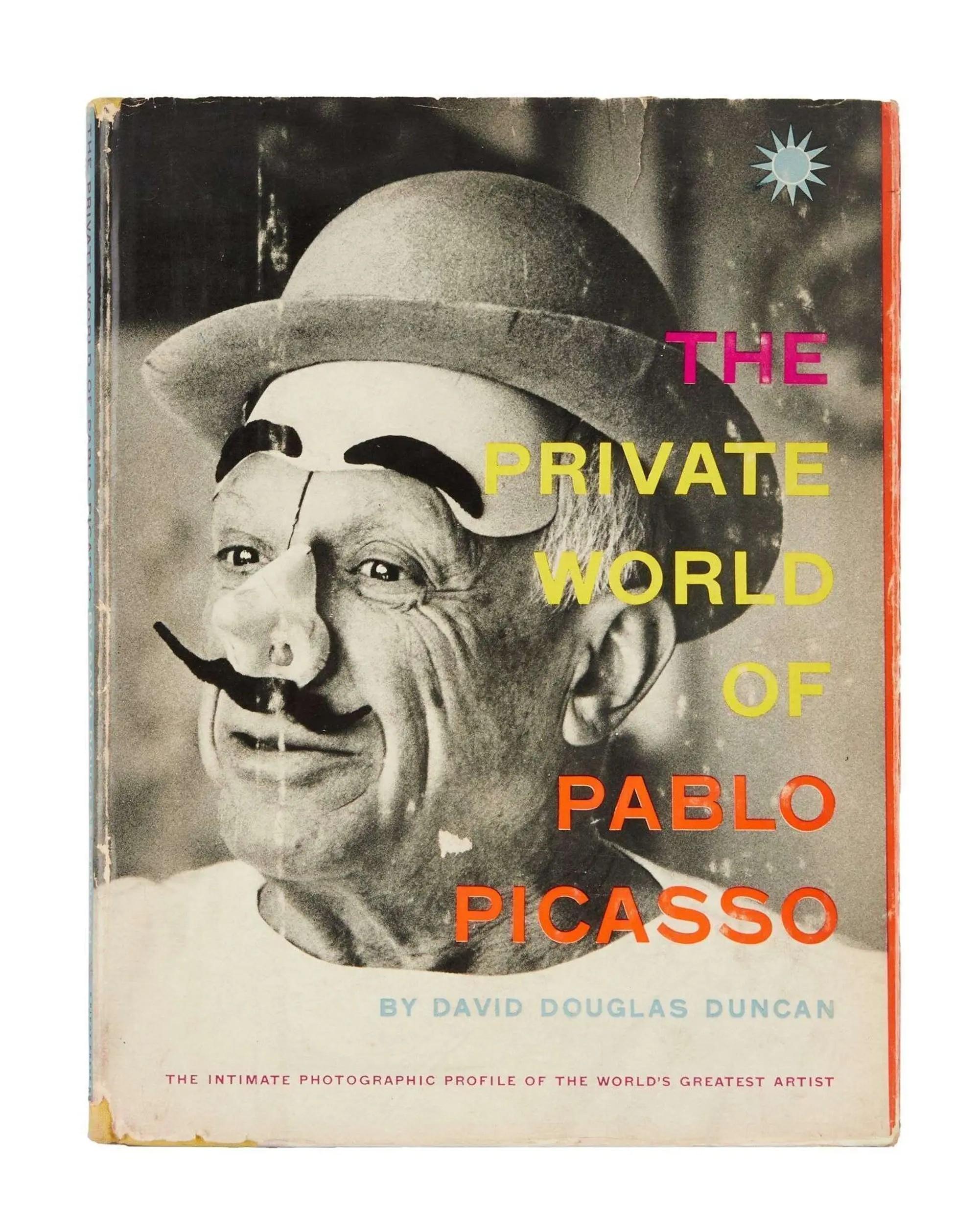
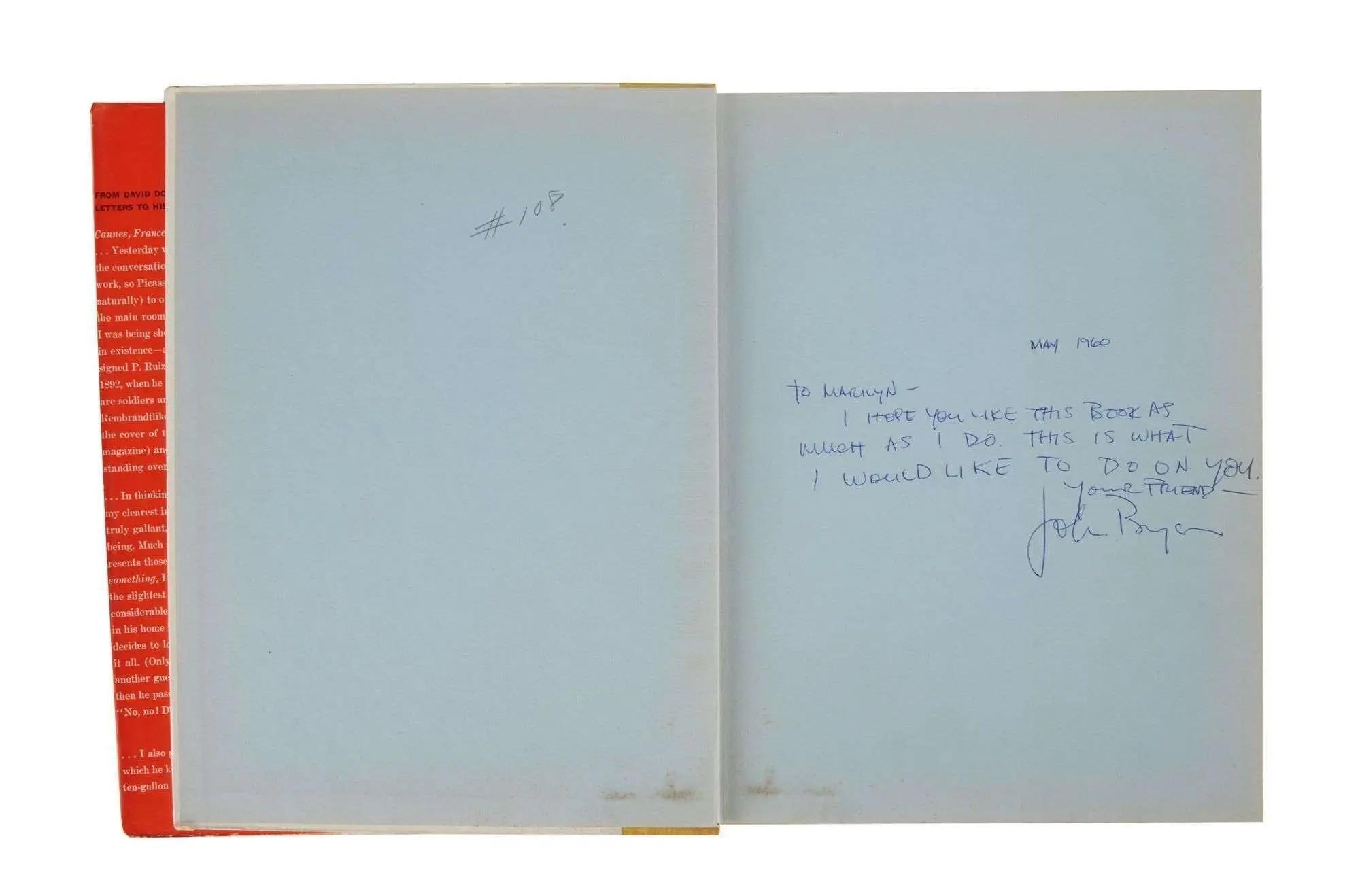
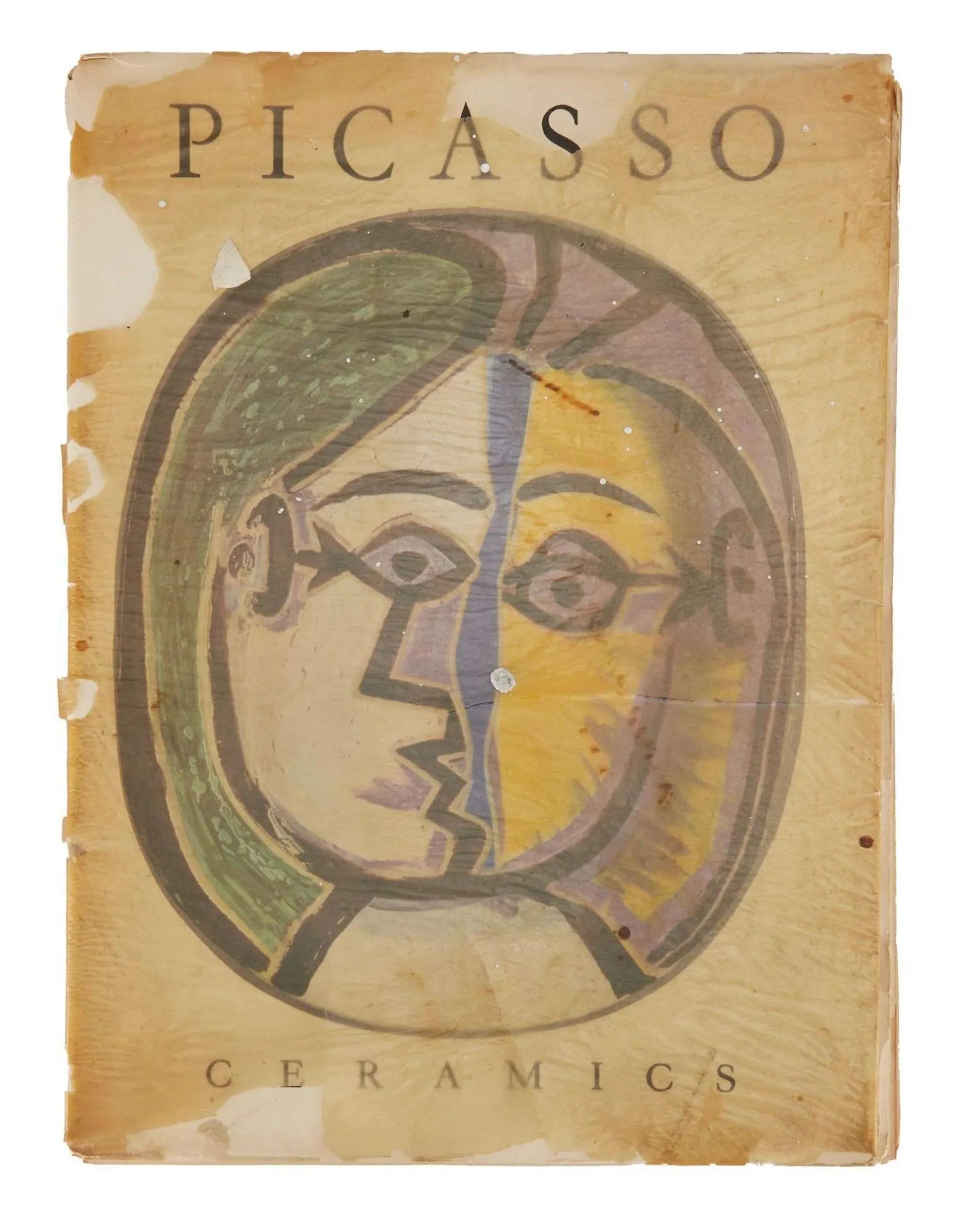
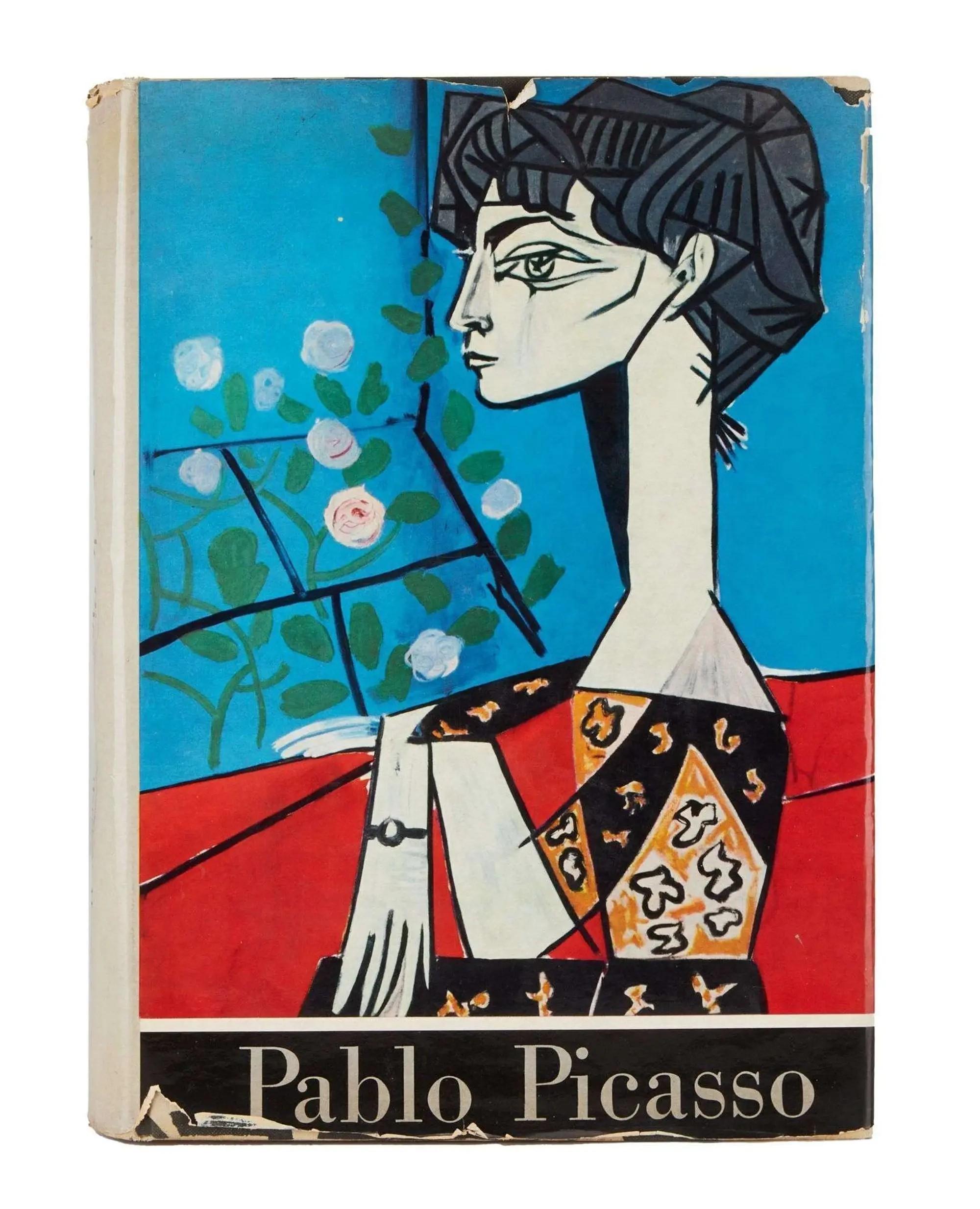
1. Lot #29 Marilyn Monroe 1958 John Boyce Inscribed Book Titled “The Private World of Pablo Picasso”, 3. Lot #40 Marilyn Monroe 1950 Book Titled “Picasso Ceramics”, 4. Lot #41 Marilyn Monroe 1955 Book Titled “Pablo Picasso”,
Anna Strasberg and the Domesticated Avant-Garde
When Marilyn's estate passed to Lee Strasberg, and subsequently to Anna, this appreciation for Picasso didn't end; it evolved. Anna Strasberg did not merely store Monroe’s treasures in a vault; she lived alongside them, curating homes in Los Angeles and New York that mirrored this affinity for the Spanish master.
Where Marilyn collected Picasso in print, Anna collected him in clay and ink, translating his avant-garde energy into her daily environment:
Lot #174:
"Peace Dove" Offset Lithograph (Circa 1970s)
This print, after Picasso's iconic motif of pacifism, hung in Strasberg's personal collection. It serves as a bridge between Picasso’s global political messaging and the private sanctuary of a Hollywood tastemaker.
Lot #175:
Block Langenthal Picasso Plates (Circa 1970s)
A set of four porcelain plates manufactured by the Swiss brand Block Langenthal, each depicting Picasso’s whimsical, fluid sketches of acrobats on horses. By bringing Picasso’s circus motifs to the dining table, Strasberg embraced a very Juxtapoz ethos: that high art is best experienced when integrated into the functional design of everyday life.
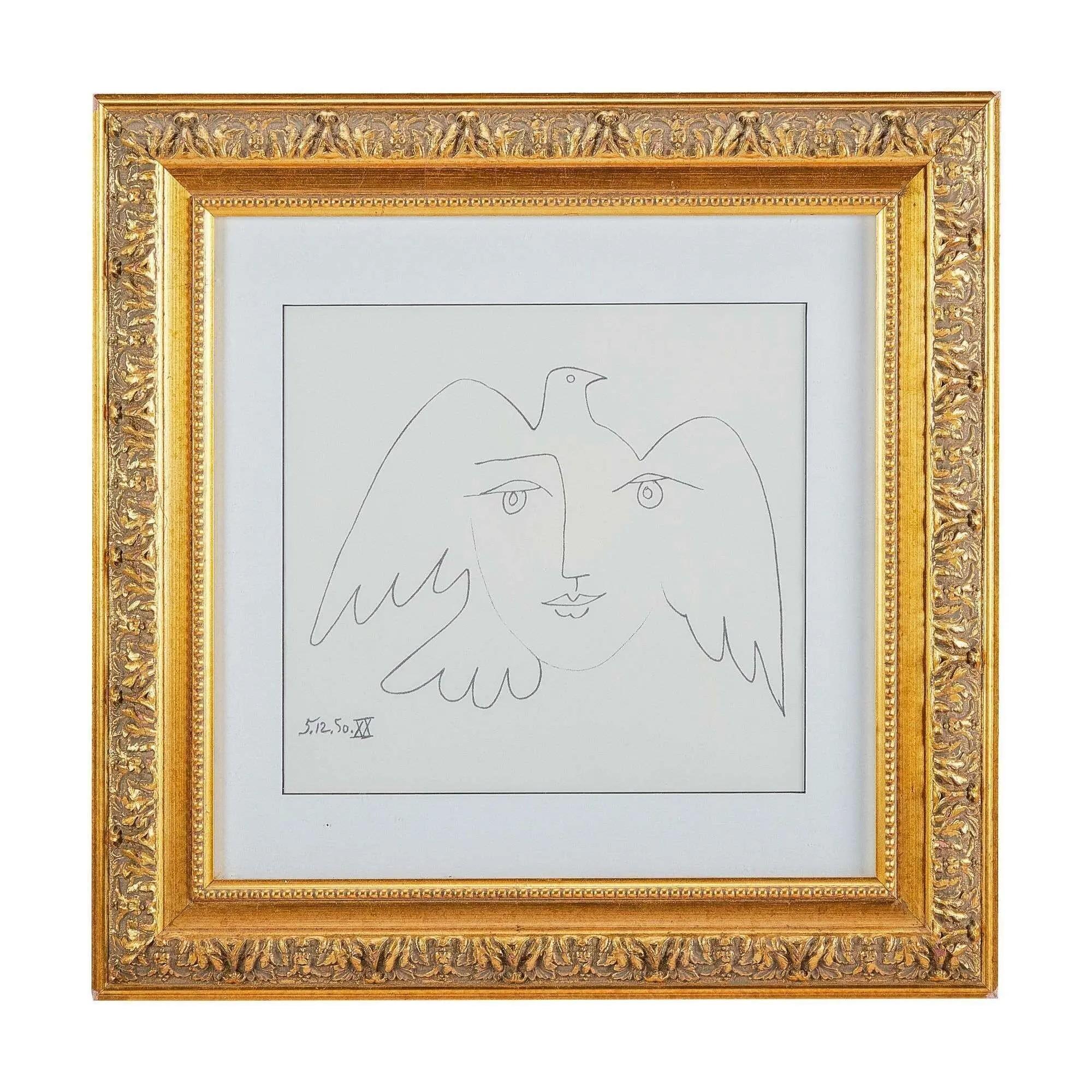
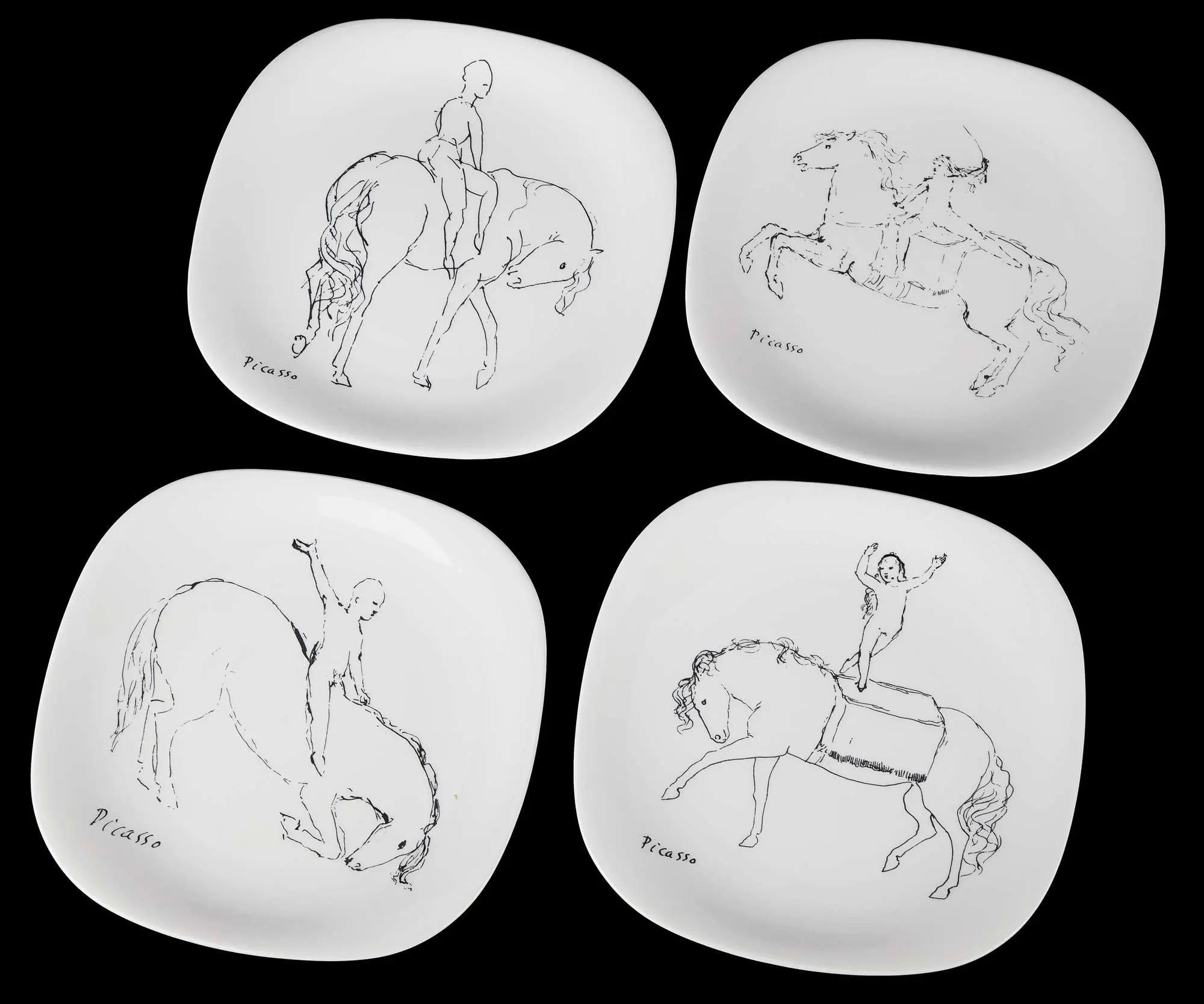
1. Lot #174 Anna Strasberg Circa 1970s After Picasso Offset Lithograph, 2. Lot #175 Anna Strasberg Circa 1970s Block Langenthan Picasso Plates,
Matters of the Heart
What makes the Estate of Anna Strasberg auction so compelling to the art world is this rare pedigree of provenance. When we look at a Picasso plate or a monograph from this collection, we aren't just looking at the artist's hand. We are looking through the eyes of Marilyn Monroe, filtered through the stewardship of Anna Strasberg.
It is a reminder that the art we collect eventually becomes the backdrop of our own mythologies. For those looking to capture a piece of this intersection, bidding in this no reserve auction remains open online until August 4.
Discover the full catalog and register to bid now.