Fashion
Music
Michael Jackson: Still The Modern Pop Star
The most anticipated music biopic in history opens this week. Here's why the King of Pop never really left — and what it means for the artifacts he left behind.
Share



On May 16, 1983, an estimated 47 million Americans watched Michael Jackson slide backward across a stage on a Motown anniversary special — and the culture shifted, visibly, in real time. The next morning Fred Astaire called to tell him what he had seen. The moonwalk became the most famous dance move in history. The glove that Jackson wore that night, rhinestone-covered and right-handed, later sold at Julien's Auctions for nearly $300,000. But its real value was never the dollar figure. It was the fact that it exists at all — a physical object that was present at the moment a 24-year-old redrew the boundaries of popular music.
That moment is having a second life right now. Antoine Fuqua's "Michael" — starring Jackson's nephew Jaafar in a performance critics are calling uncanny, and tracking for the biggest domestic opening in music biopic history — arrives in theaters April 24. The projection is $65 to $90 million domestically, which would surpass both Bohemian Rhapsody and Straight Outta Compton. The teaser trailer racked up 116 million views in 24 hours, beating a record previously held by Taylor Swift. The world is paying attention again. Then again, the world never really stopped.
The Blueprint for Everything That Followed
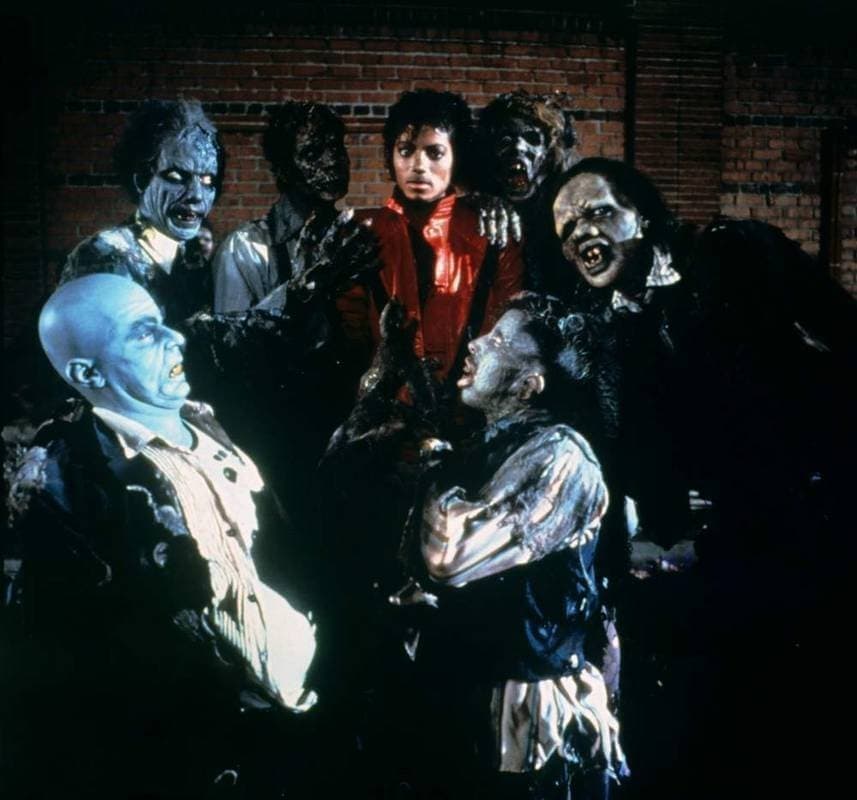
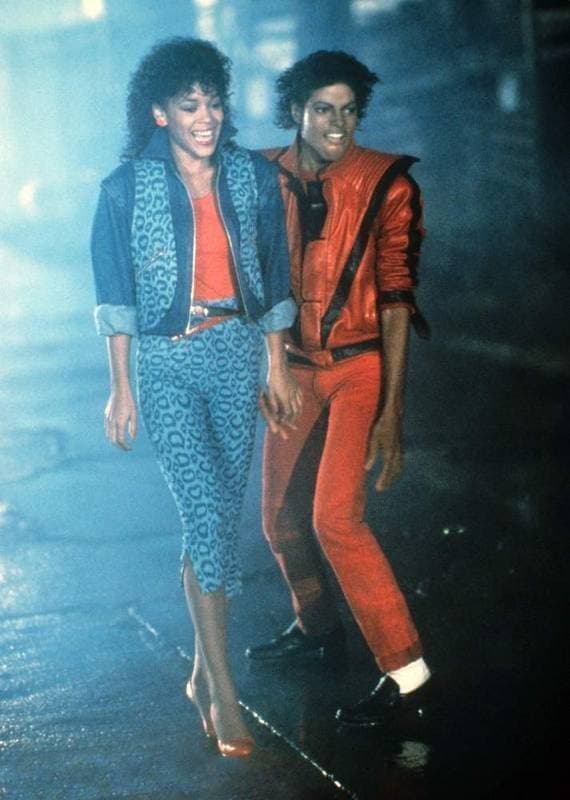
Thriller remains the best-selling album in recorded music history. It spent 37 weeks at number one on the Billboard 200, generated seven top-ten singles, and won eight Grammys in a single night. The "Thriller" video — a 14-minute cinematic production that cost $1 million to make in 1983 dollars — is the only music video inducted into the National Film Registry. It didn't just change what music videos could be. It changed what pop stars were expected to be: total performers, architects of visual spectacle, world-builders. Beyoncé, Bruno Mars, The Weeknd, and virtually every major K-pop act exist in creative territory that Jackson defined and opened.
He also broke structural barriers that had kept Black music off mainstream television. When MTV refused to air "Billie Jean," CBS Records president Walter Yetnikoff threatened to go public with the channel's racial discrimination and pull every CBS artist from the network. MTV relented. Thriller went on to sell 10 million additional copies, and by 1985, more than a third of Billboard Hot 100 hits were of urban origin. Michael Jackson didn't just cross a barrier — he demolished the infrastructure that maintained it. Sony Music recognized that legacy in 2024, paying $600 million to acquire half his publishing rights and recording masters, possibly the largest such transaction for any single artist in history.
What the Biopic Unlocks
The film arrives with full estate cooperation — meaning full access to the music catalog — and a performance from Jaafar Jackson that La Toya Jackson described simply as: "You forget it's Jaafar. You think it's Michael." Variety's Owen Gleiberman wrote that Jaafar "nails the look, the voice, the electrostatic moves — and the mix of delicacy and steel that made Michael who he was."
What a biopic at this scale does, beyond box office, is introduce an artist to a generation that knows the name but hasn't yet felt what the work actually is. When Bohemian Rhapsody opened in 2018, Queen's on-demand streams tripled in six months. The Freddie Mercury estate auction that followed generated $15.4 million. The film made new fans. The auction gave them something to own. That pattern is once again in motion for a generational artist with a significant cultural footprint.
The Artifacts Carry the Story
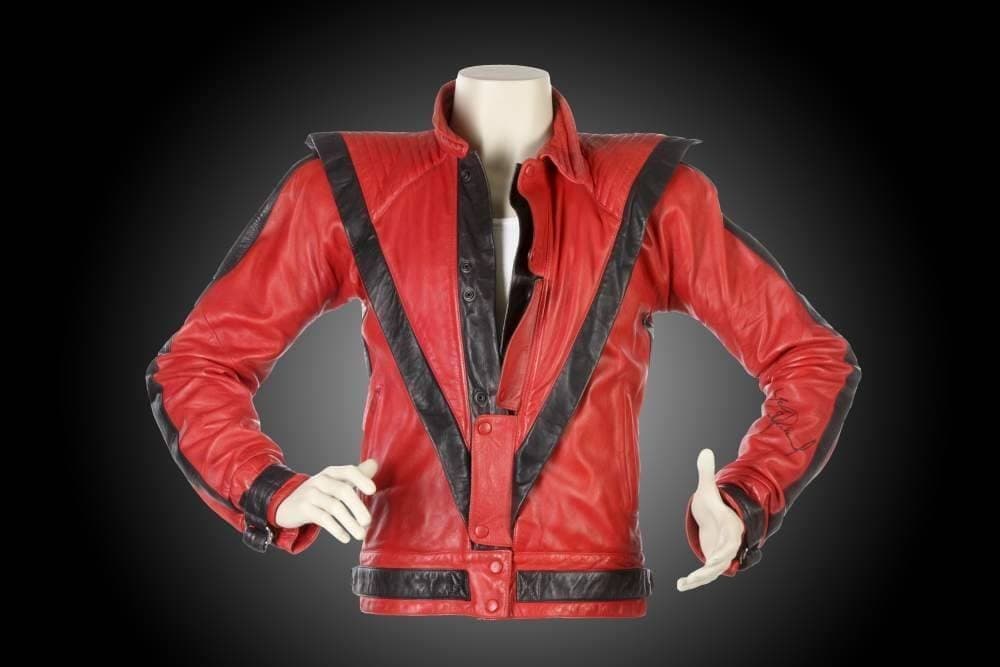
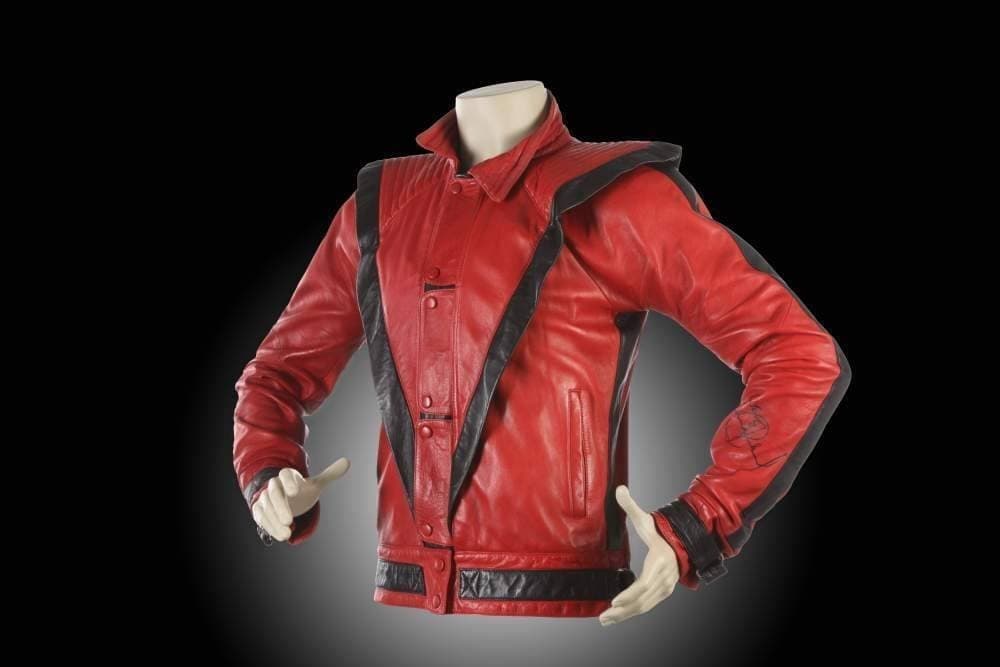
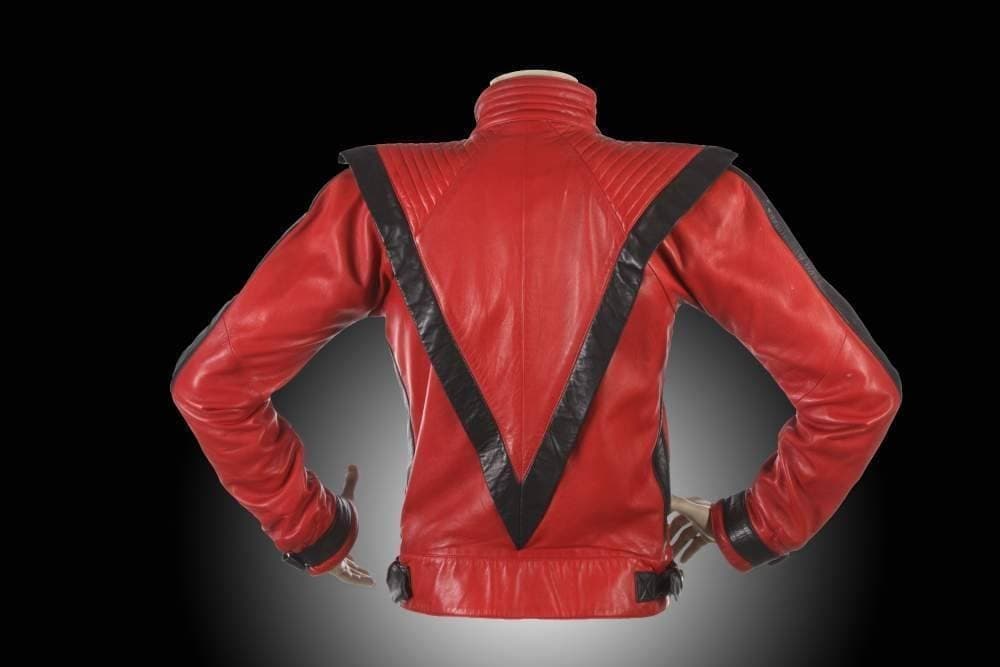
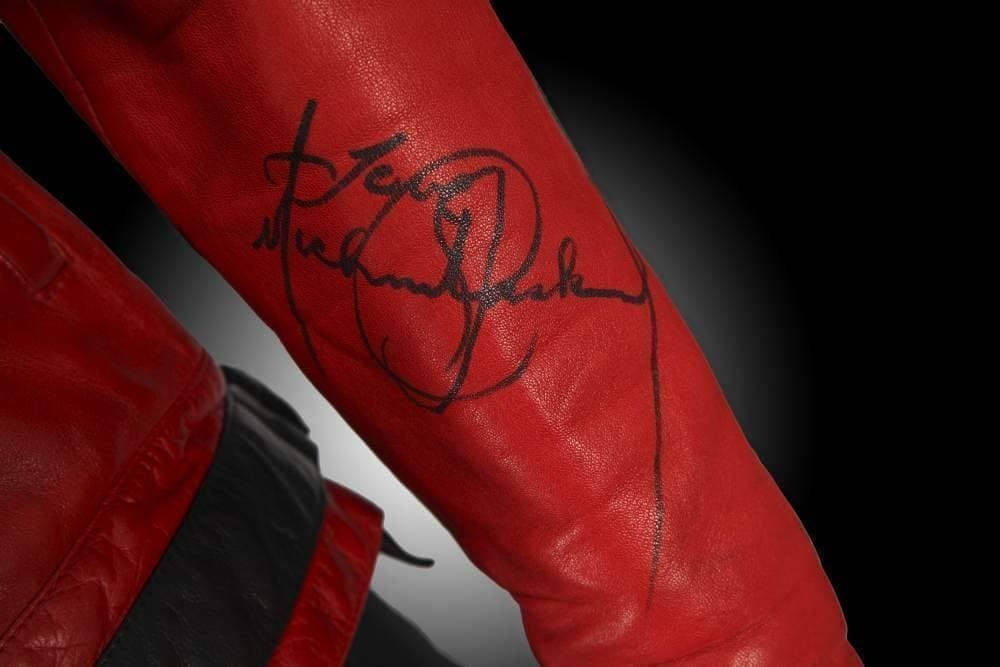
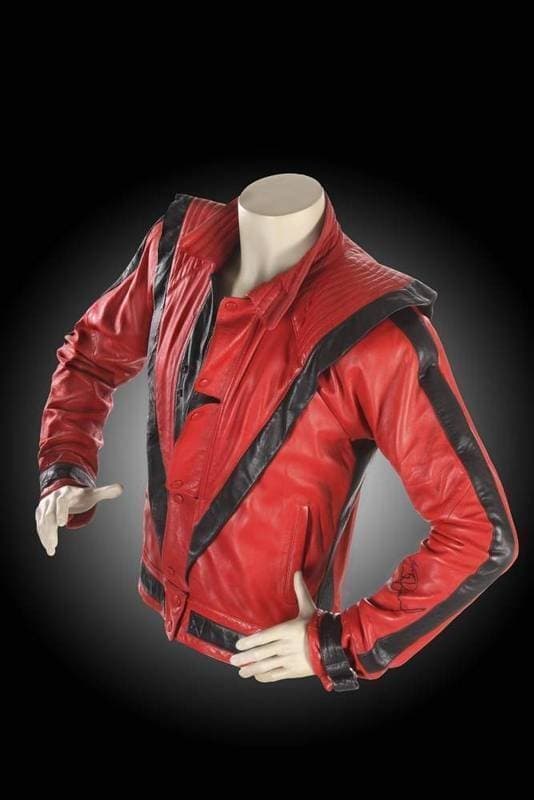
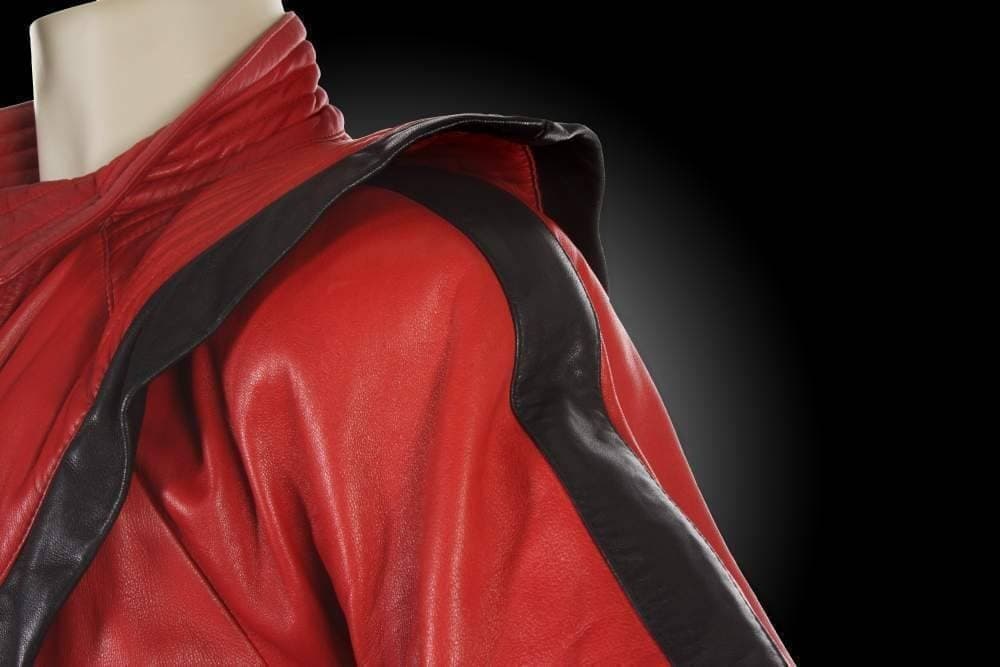
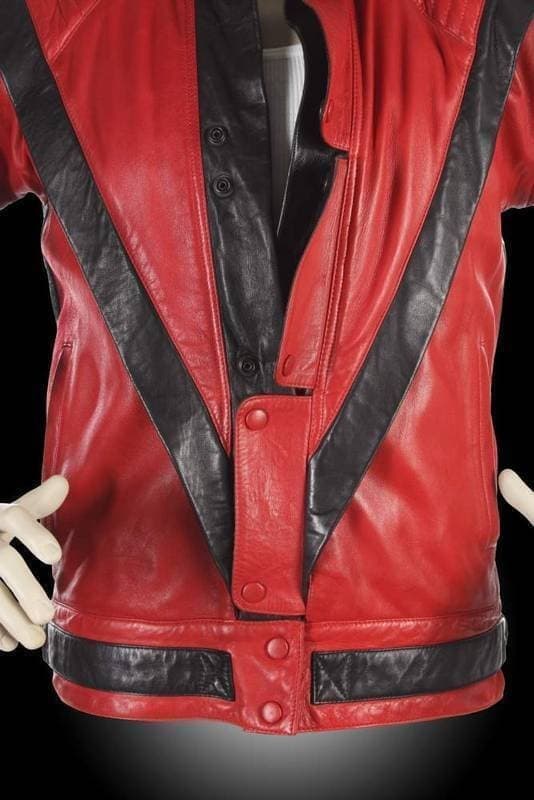
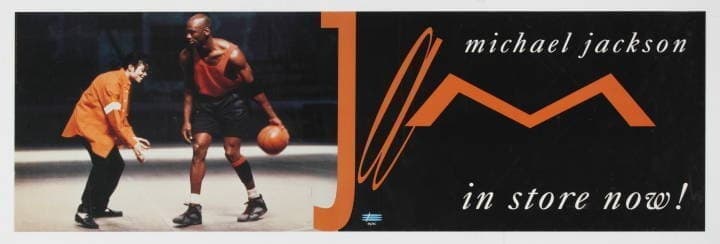
Julien's Auctions has been the primary market for Michael Jackson memorabilia since the first major sales after his death in 2009. The record is extraordinary and specific: the sequined glove from the Motown 25 moonwalk at $420,000; the "Jam" music video basketball co-signed with Michael Jordan at $304,000 — against a pre-sale estimate of $600 to $800; the Bad era crystal glove at $330,000, more than ten times its estimate. And then the “Thriller” jacket.
$1.8M Guinness World Record
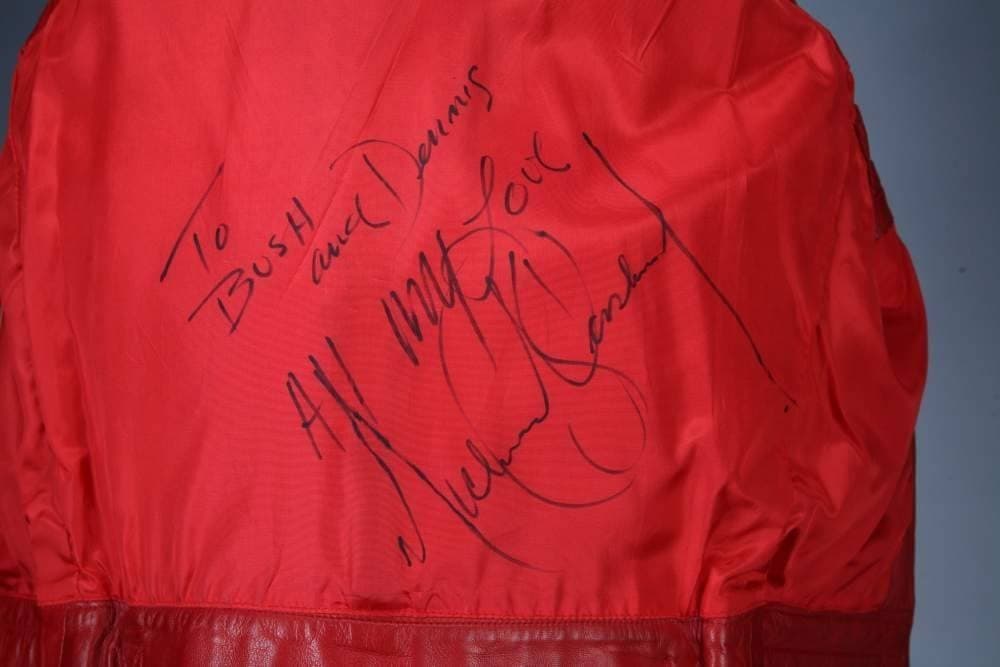
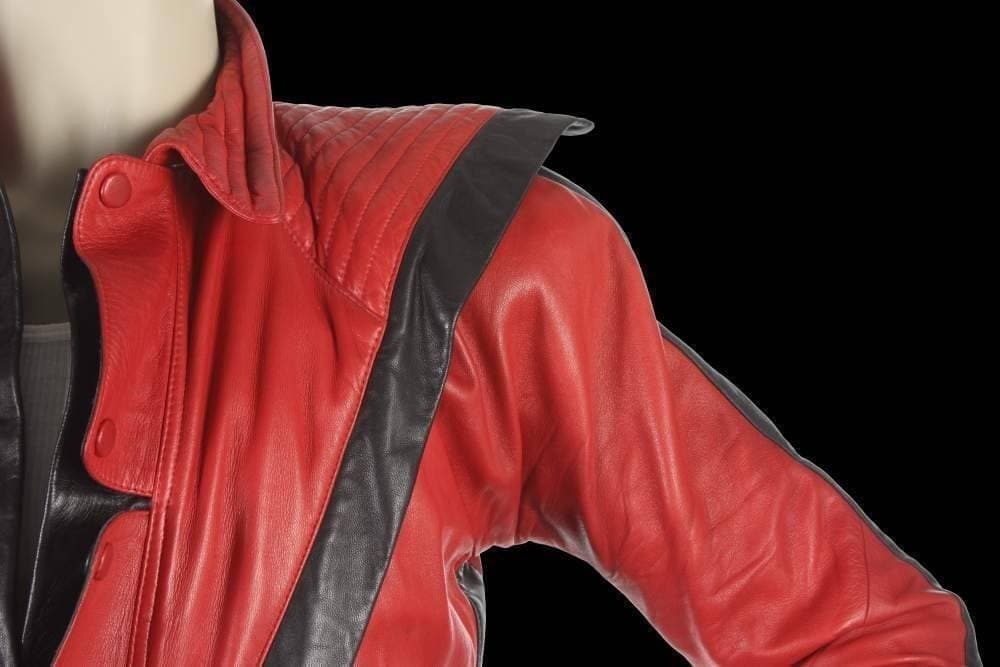
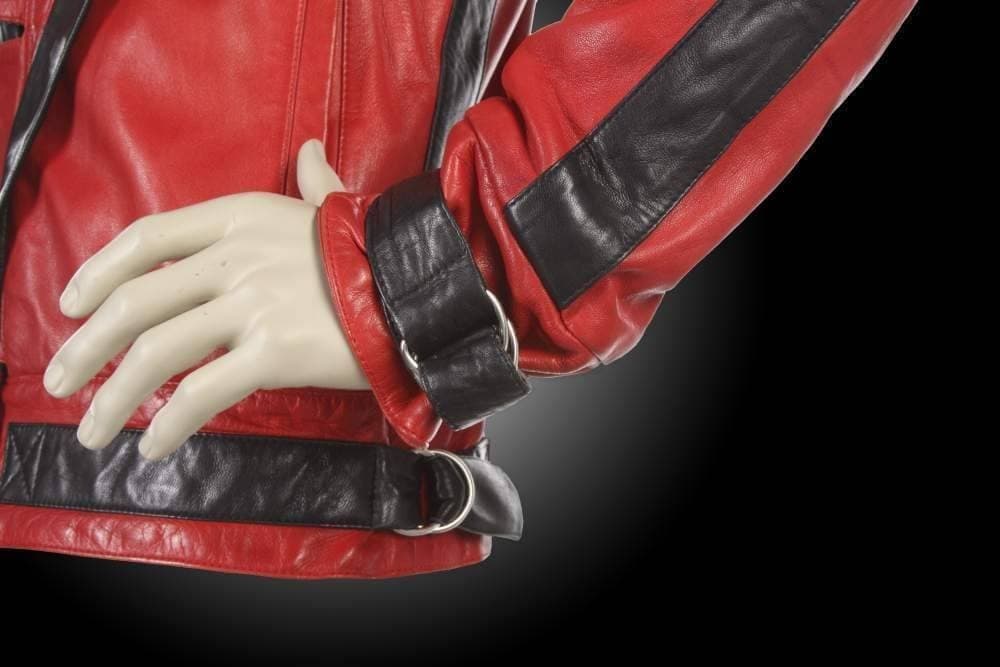
Julien's Auctions, 2011 | The original red and black leather jacket worn in the "Thriller" video — the most expensive jacket ever sold at auction. Estimated at $200,000–$400,000. Inscribed inside: "To Bush and Dennis, All My Love, Michael Jackson."
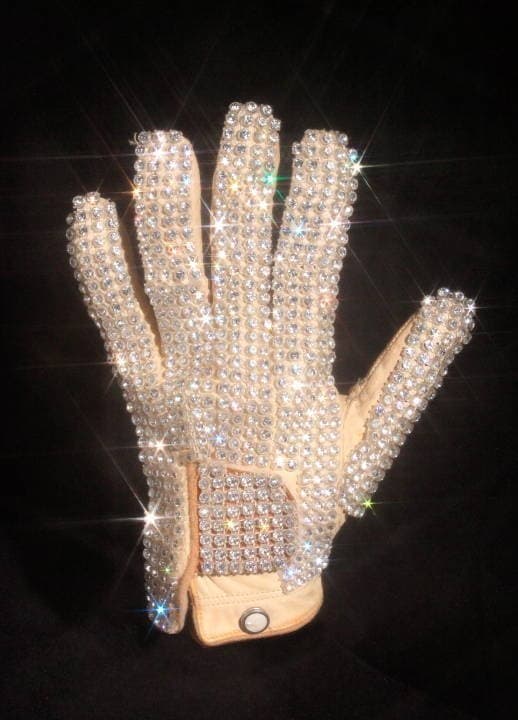
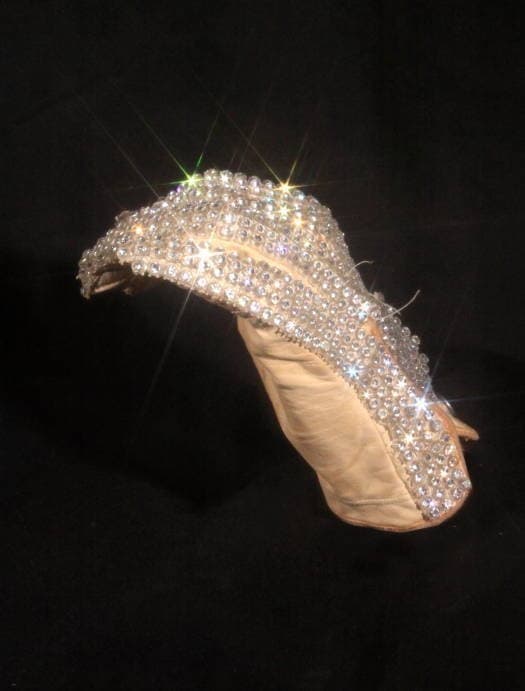
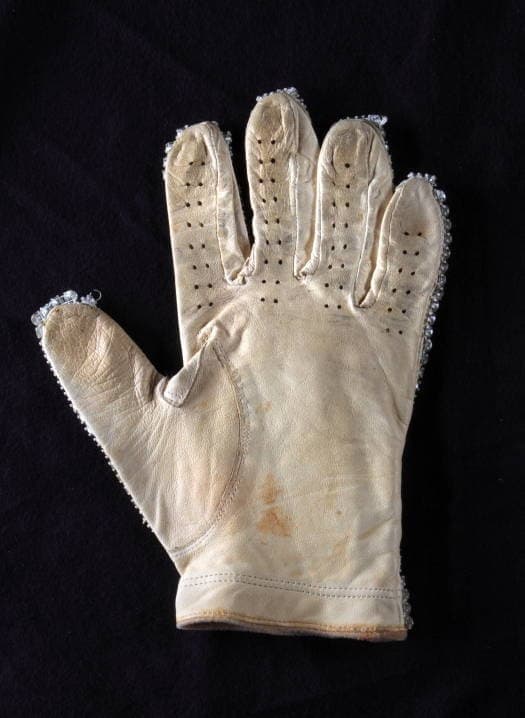
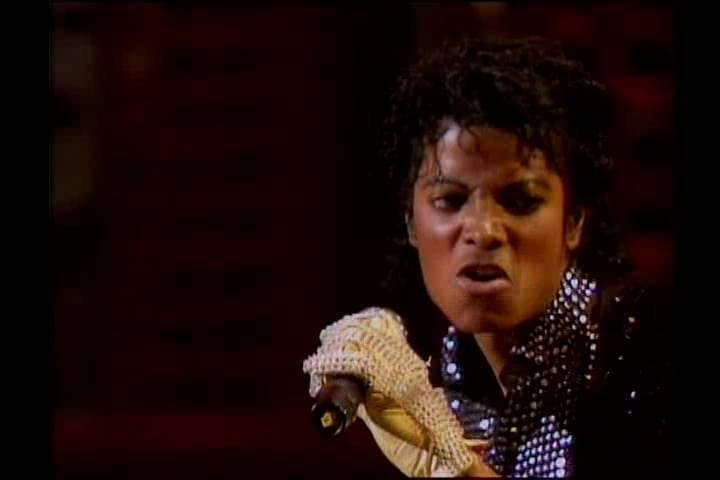
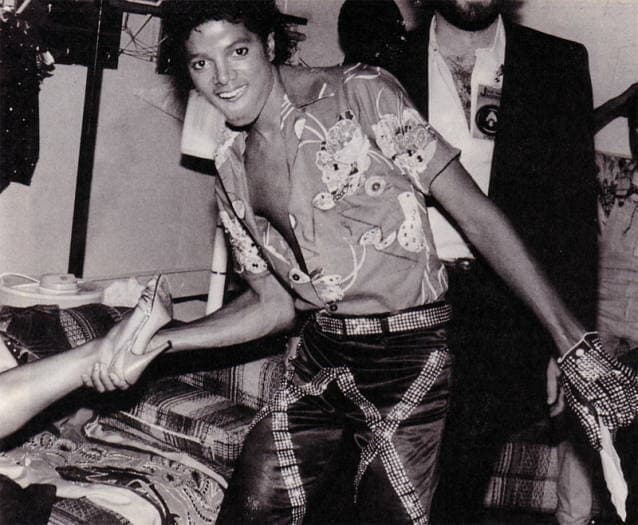
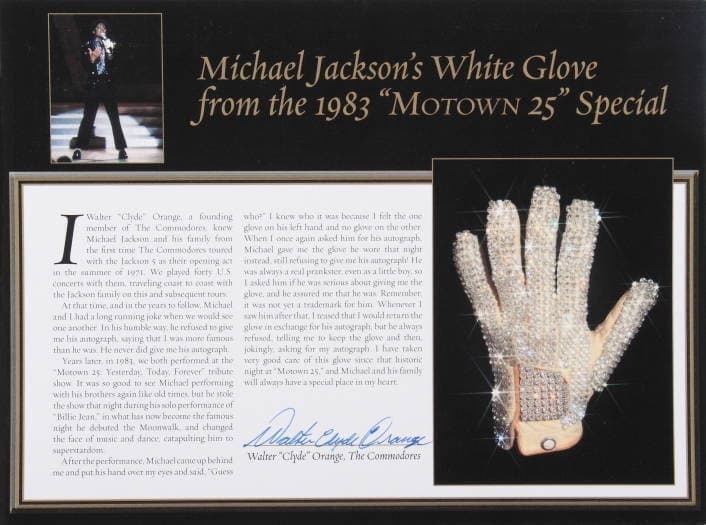
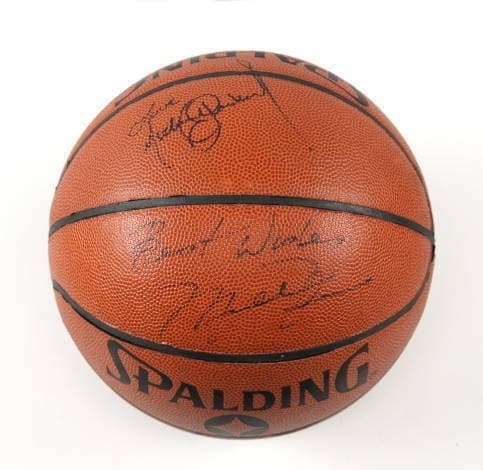
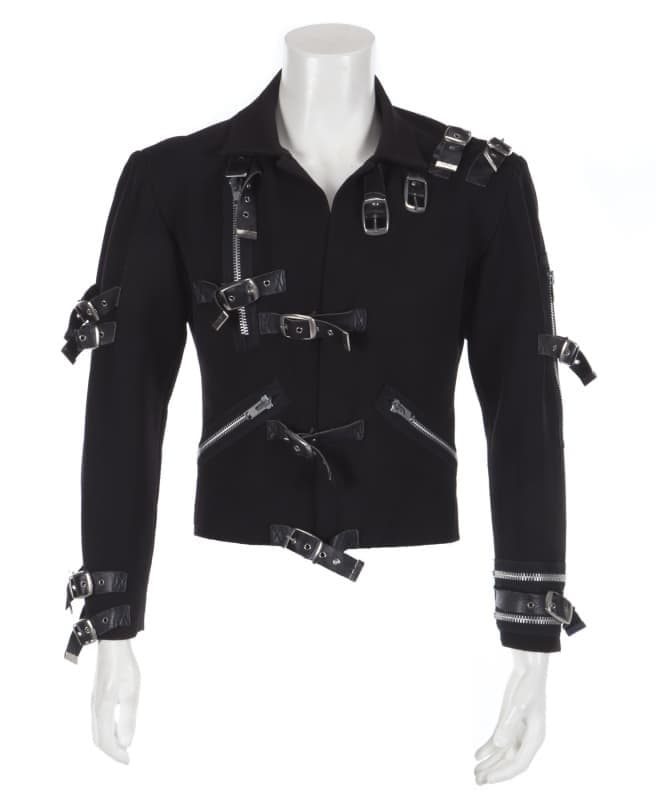
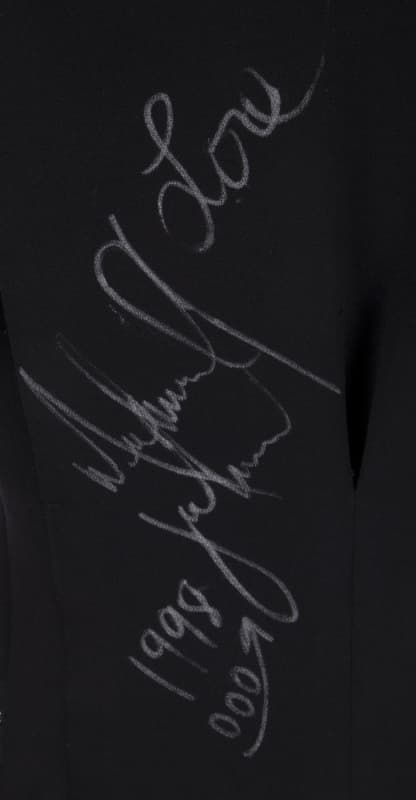
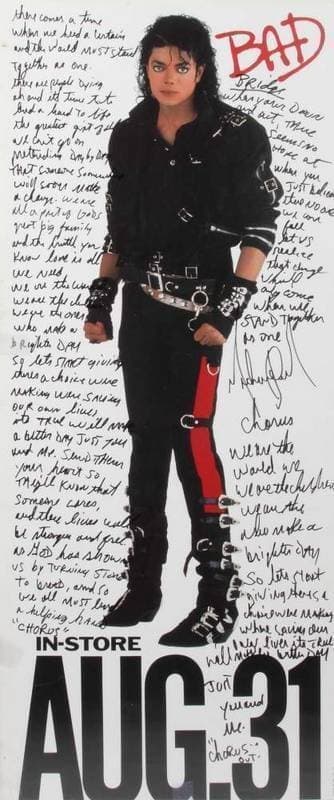
1. Michael Jackson Motown 25 Stage Worn Glove, 7. Michael Jackson and Michael Jordan Signed Basketball, 9. Michael Jackson Worn and Signed Bad World Tour Jacket,
Est: $80,000 - $100,000 | Sold Price: $298,000
Est: $3,000 - $5,000 | Sold Price: $280,600
Est: $30,000 - $50,000 | Sold Price: $225,000
Est: $80,000 - $120,000 | Sold Price: $250,000
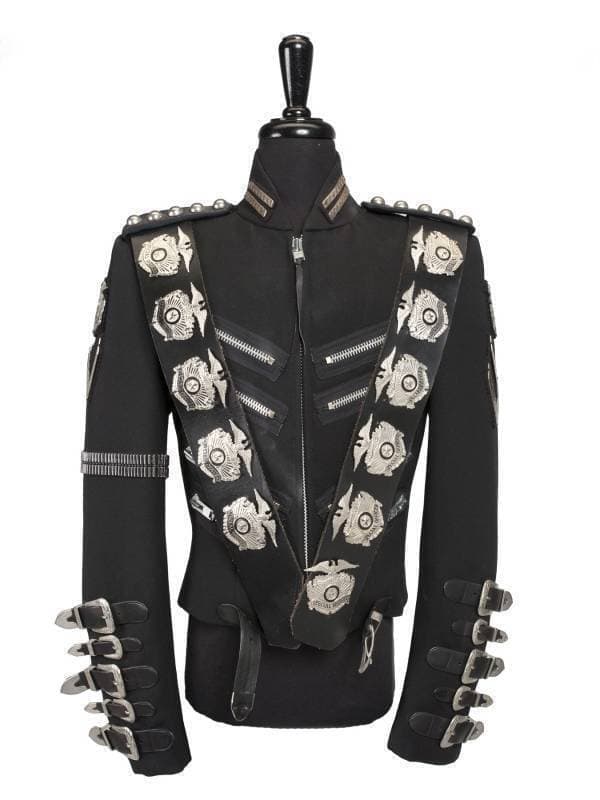
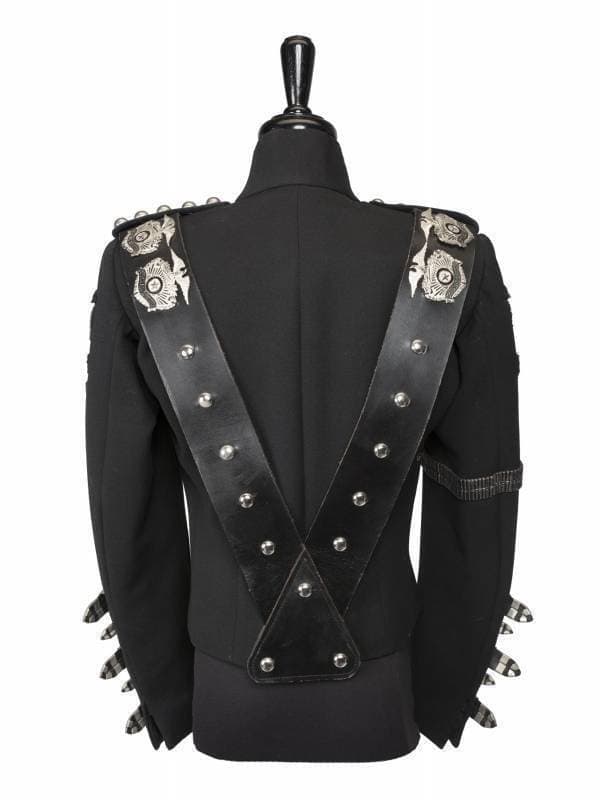
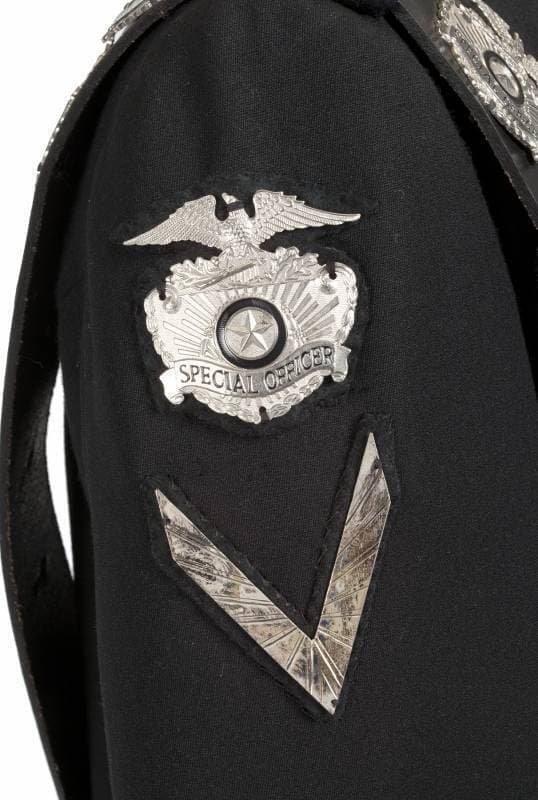
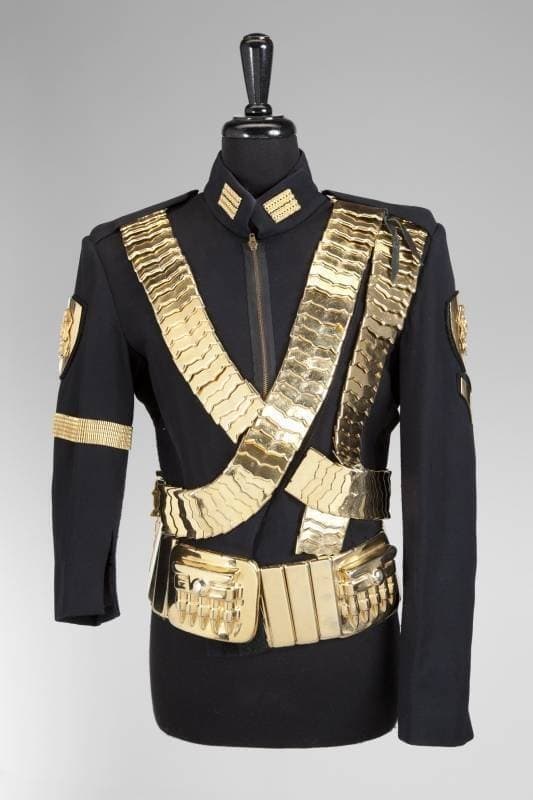
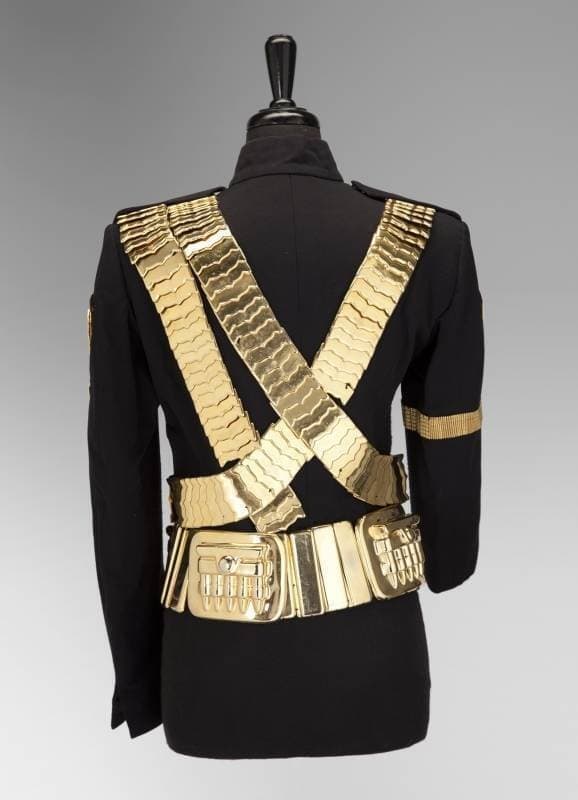
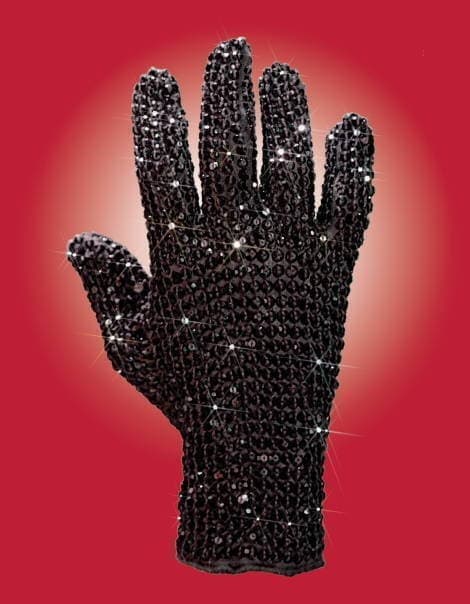
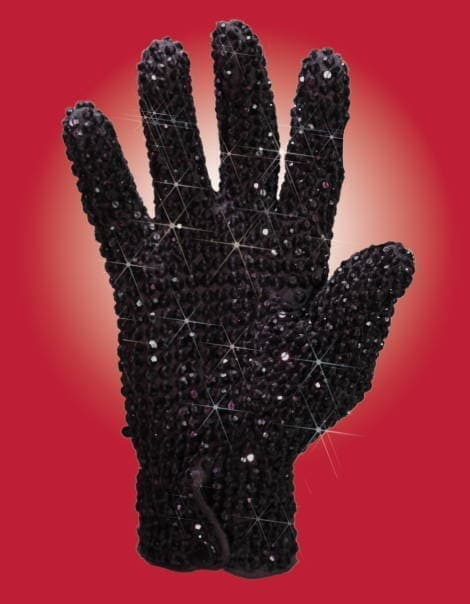
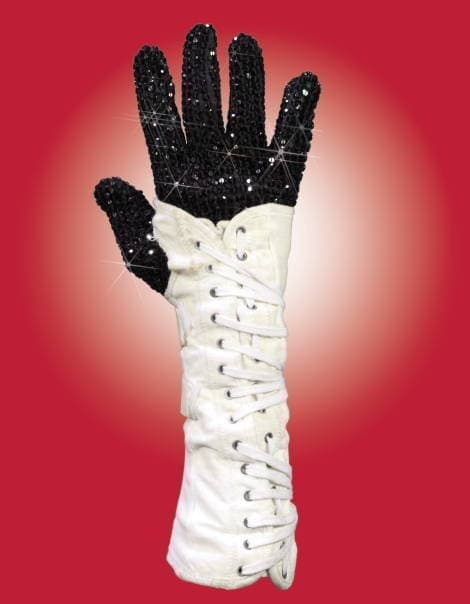
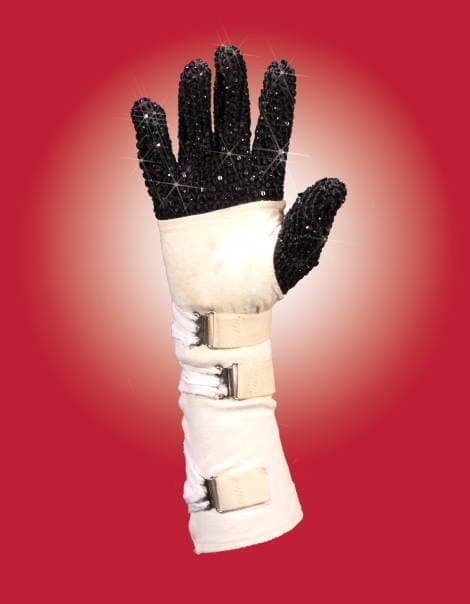
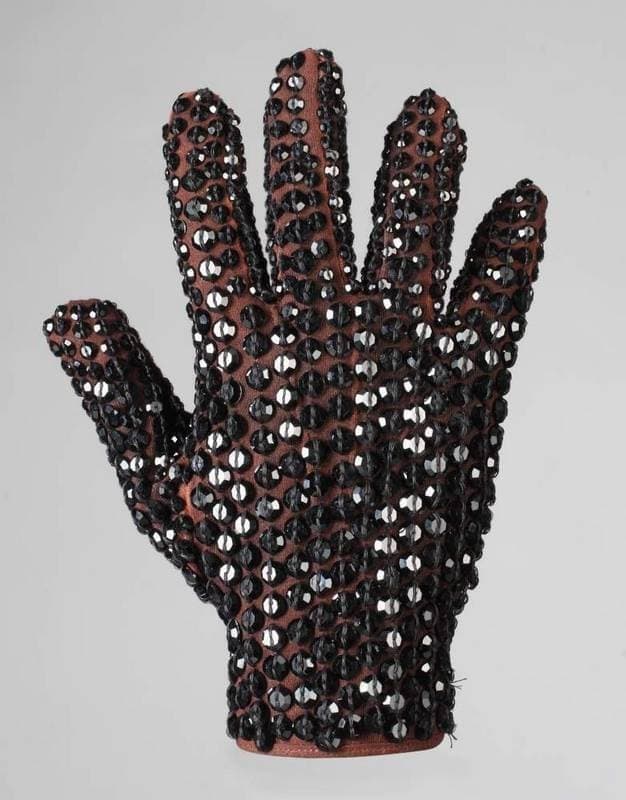
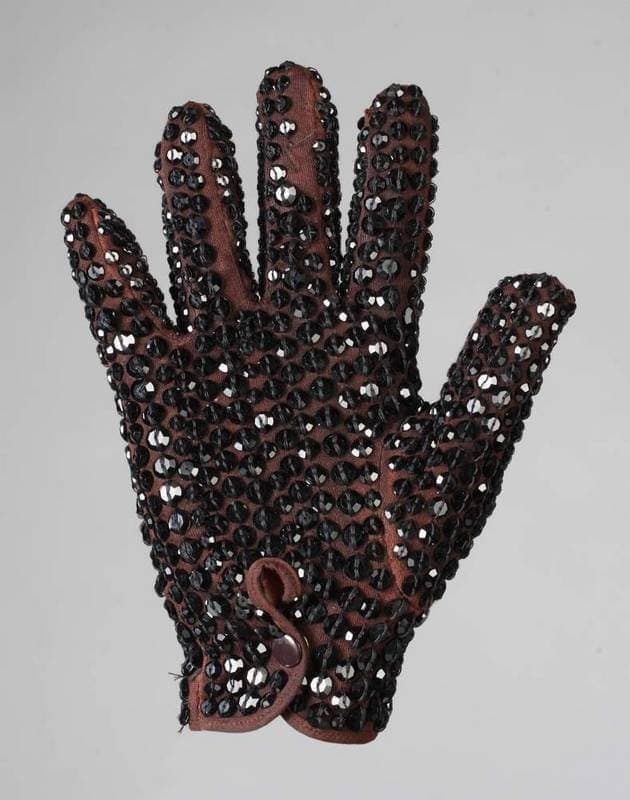
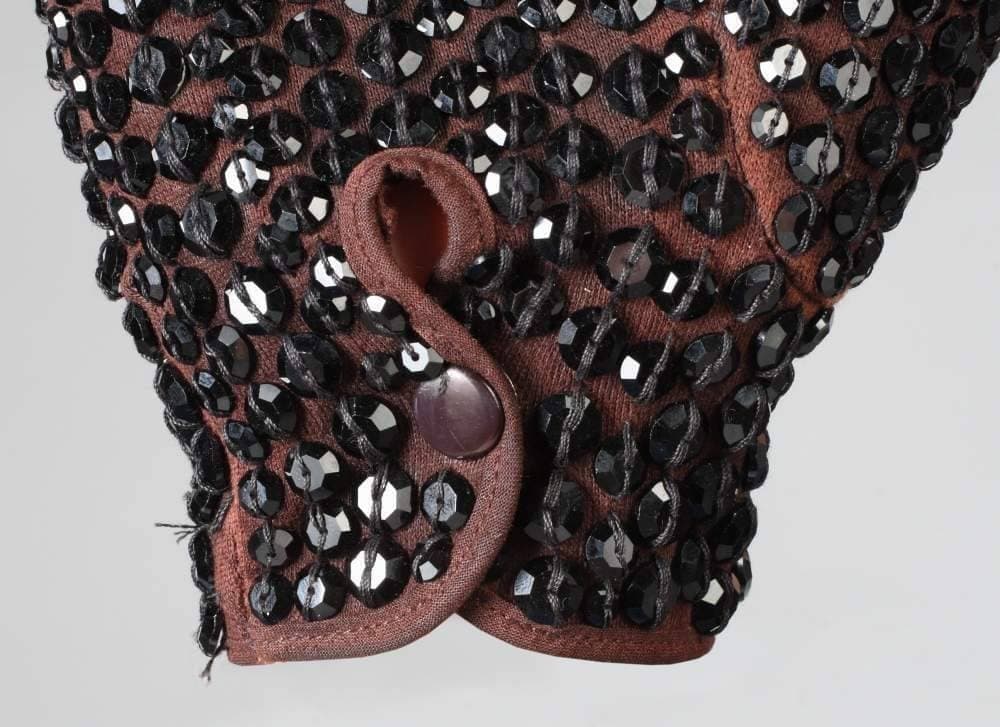
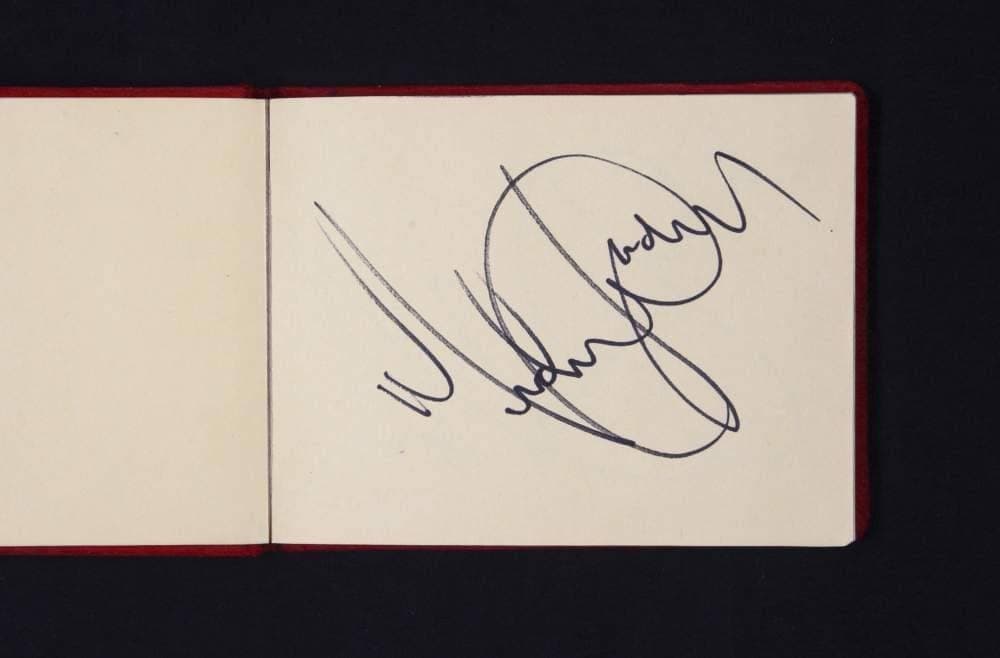
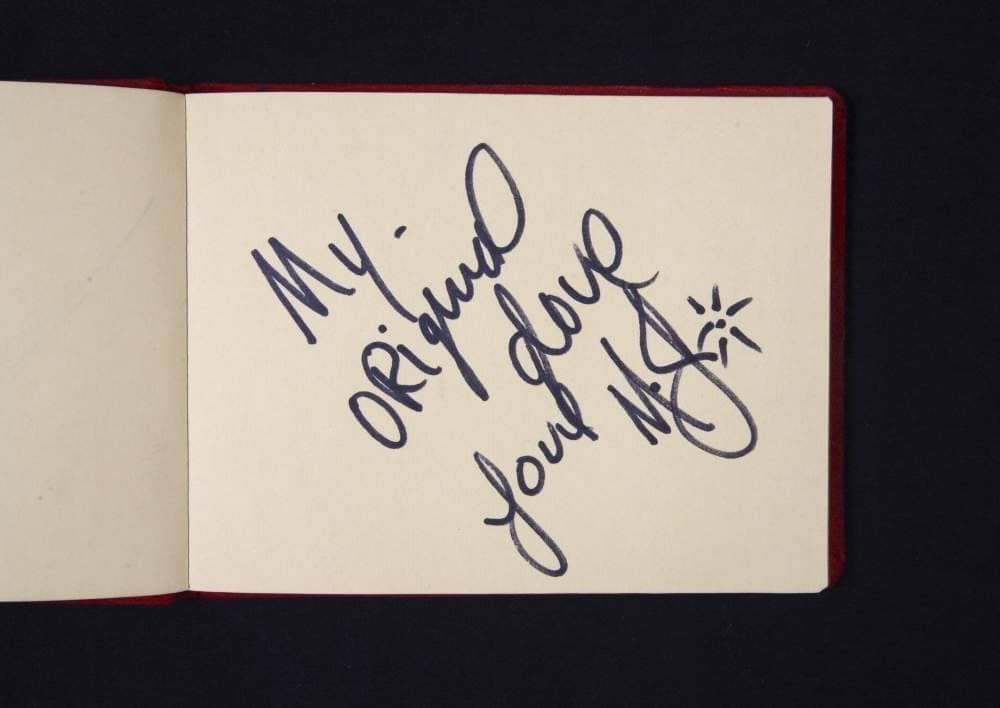
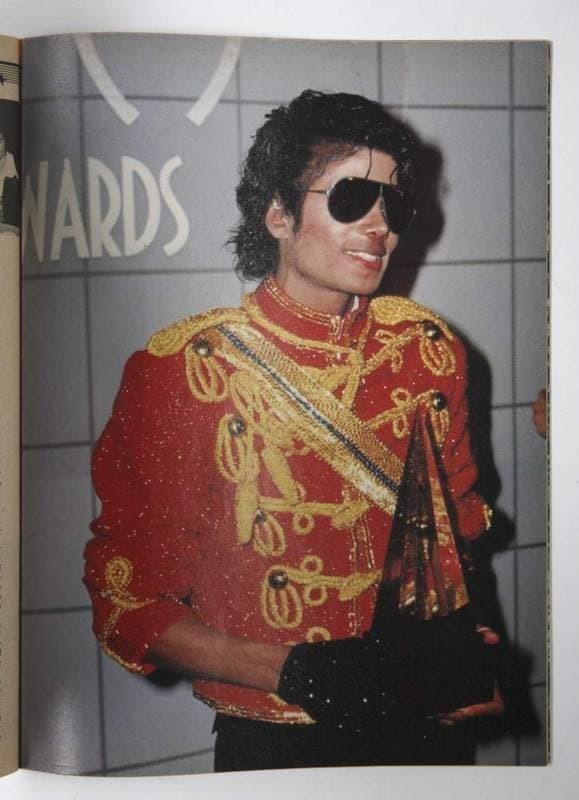
1. Michael Jackson Bad Tour Jacket, 4. Michael Jackson Dangerous Tour Jacket, 6. Michael Jackson Black Glove and Arm Brace, 10. Michael Jackson American Music Awards Glove,
Still The Modern Pop Star
These prices are the market's way of putting a number on cultural weight — of saying, collectively and publicly, what it means to hold in your hands an object that was present when history was made. In 2012, Lady Gaga privately acquired 55 Michael Jackson garments from a single Julien's sale and announced she planned to archive them "in the spirit and love of Michael Jackson."
Every cultural moment that reintroduces Jackson to a new audience expands the pool of collectors who want a tangible connection to an artist whose music they have decided matters to them. That moment, for 2026, may be here.