Film & TV
Lightsaber: The Beating Heart of 'Star Wars' Culture
An iconic symbol of the Star Wars saga, the lightsaber became a cultural phenomenon, representing power, hope, and the eternal struggle between good and evil, with its legacy continuing through fan culture and auctions of production-used artifacts.
Share




From its first flickering appearance to its enduring presence in countless forms of media, the lightsaber stands as arguably the most iconic and beloved symbol of the Star Wars saga. It's more than just a prop; it's an extension of character, a representation of power, a beacon of hope or an instrument of fear, and a tangible link to a fantastical galaxy far, far away. But how did this "elegant weapon for a more civilized age" become such a "thing" in fan and pop culture? Its indoctrination into the Star Wars universe, and subsequently into our collective consciousness, is a tale of visionary design, evolving lore, and an undeniable resonance with universal themes.
The Indoctrination: A First Glimmer of Greatness
When Star Wars: Episode IV - A New Hope premiered in 1977, audiences were introduced to a myriad of groundbreaking concepts, but few captured the imagination as profoundly as the lightsaber. The very first time we see it ignited on screen, in the hands of Obi-Wan Kenobi, it's accompanied by that now-famous hum – a sound design marvel by Ben Burtt that evokes both ancient power and technological wonder. Obi-Wan's words solidify its significance: "This is the weapon of a Jedi Knight. Not as clumsy or random as a blaster. An elegant weapon for a more civilized age."
This single line of dialogue established the lightsaber as something special, a relic of a bygone era, connected to a mystical order of peacekeepers. It wasn't just a laser sword; it was a symbol of nobility, skill, and a philosophical approach to conflict. George Lucas himself drew inspiration from classic swashbuckling films, envisioning a weapon that would embody the romanticism of sword fighting with a sci-fi twist. The initial visual effects, achieved through rotoscoping, gave the blade its distinctive glow, a luminous energy that immediately distinguished it from any other weapon seen on screen.


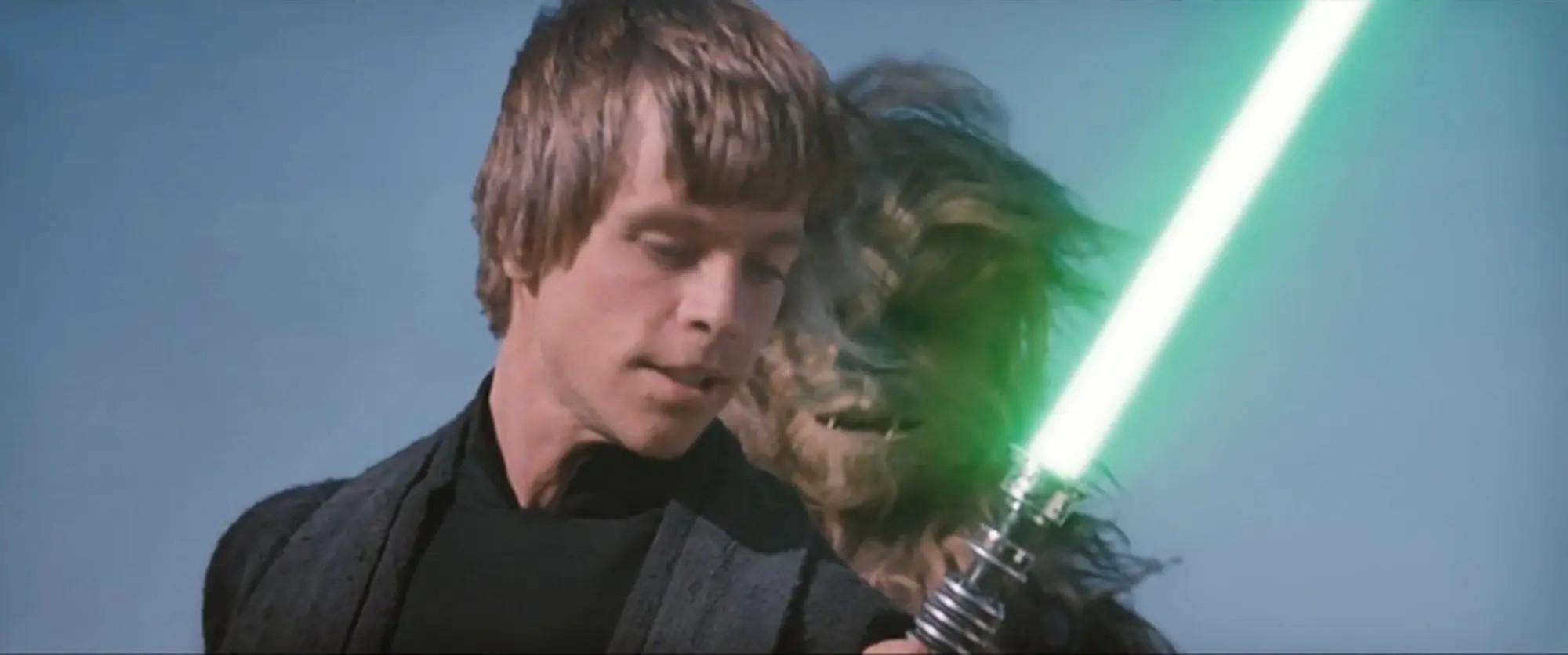
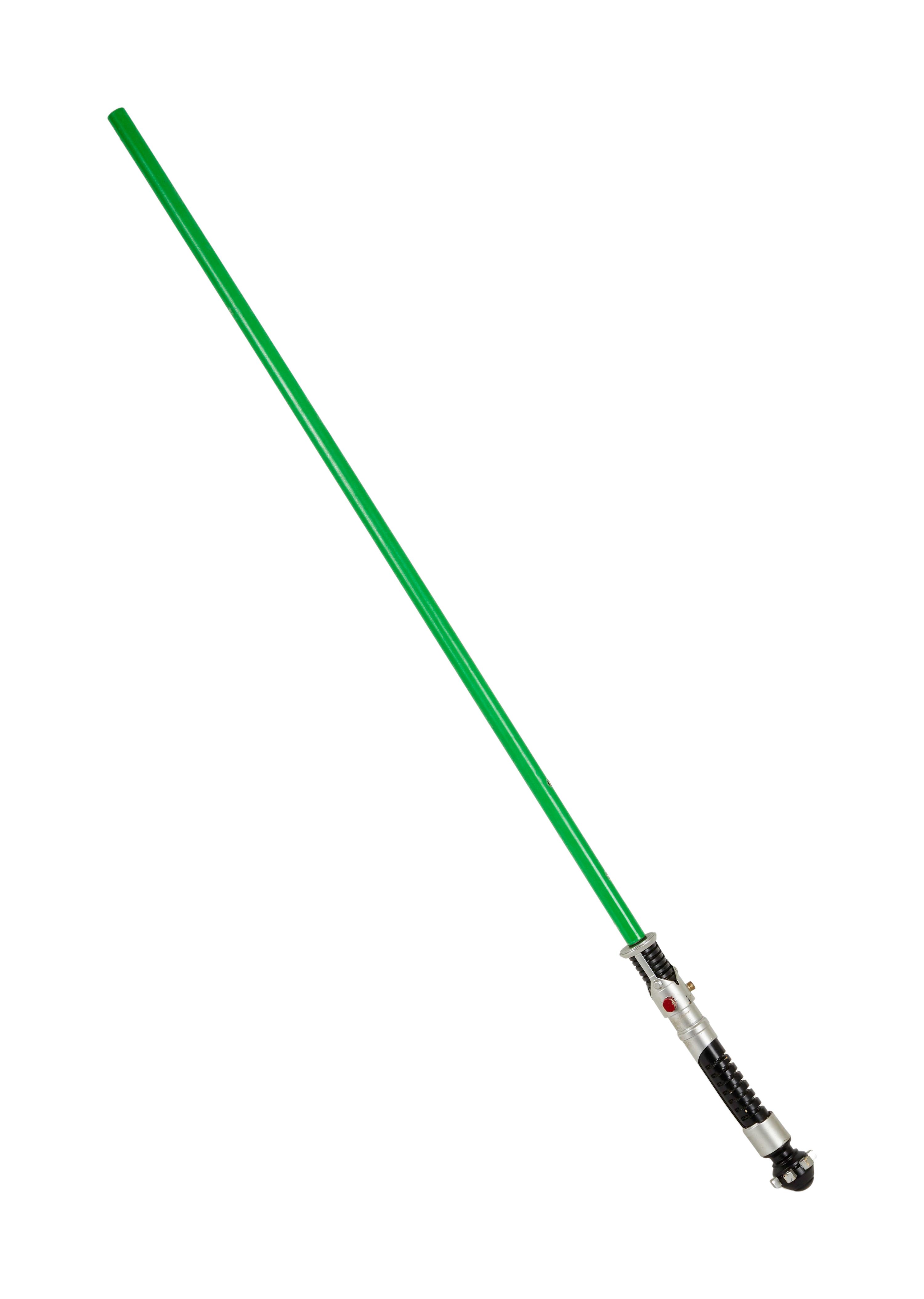
1. Lot #115. Star Wars: Return of the Jedi | Luke Skywalker (Mark Hamill) Production-Made Lightsaber,
The Elegant Weapon: Symbolism & Storytelling
The lightsaber's importance quickly deepened beyond its initial introduction. It became intrinsically linked to the Force, the energy field that binds the galaxy. Wielded by both the heroic Jedi and the nefarious Sith, its color and form often reflect the wielder's alignment and personal journey. Blue and green typically denote Jedi, representing justice, peace, and connection to the light side. Red, on the other hand, is the menacing hue of the Sith, achieved through a process of "bleeding" a kyber crystal with negative emotions, symbolizing aggression and the dark side.
The construction of a lightsaber is a rite of passage for Force-users. Each one is unique, crafted by its owner, making it an extension of their will and a testament to their skill and connection to the Force. This personalization further elevates the weapon from a mere prop to a character artifact. Consider the profound emotional weight carried by Anakin Skywalker's blue lightsaber, passed down to Luke, and eventually calling to Rey – it's a legacy weapon, a tangible thread connecting generations of heroes and villains.
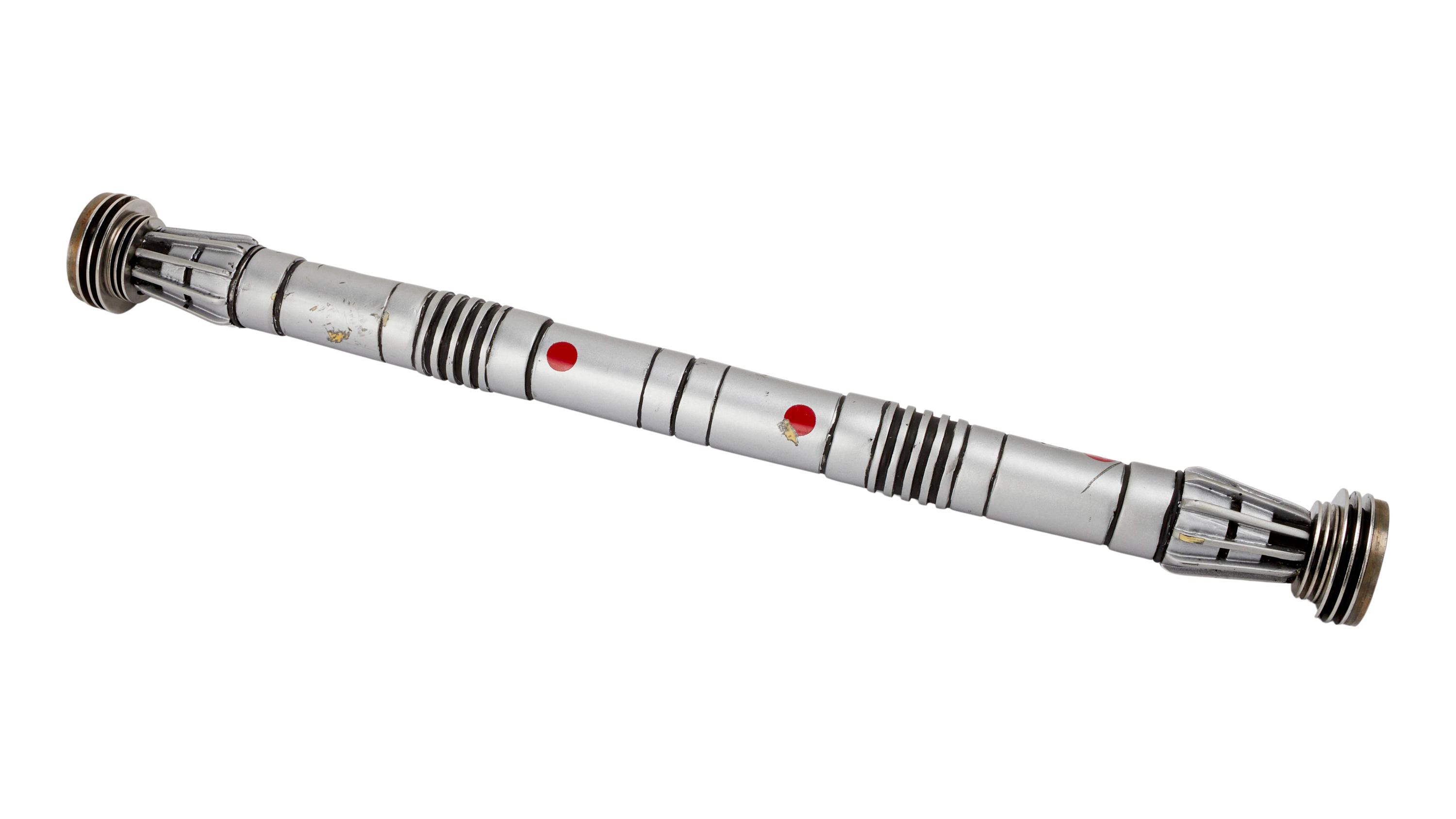
The duels themselves are another crucial aspect of the lightsaber's power. From the slow, deliberate confrontations of the original trilogy to the acrobatic, intense battles of the prequels, lightsaber combat is a form of martial arts storytelling. It's a clash of wills, ideologies, and destinies, where every parry and thrust carries narrative significance. Darth Maul's double-bladed lightsaber in The Phantom Menace, for instance, wasn't just visually stunning; it redefined what a lightsaber could be and became an instant icon, reflecting his deadly and unconventional nature.
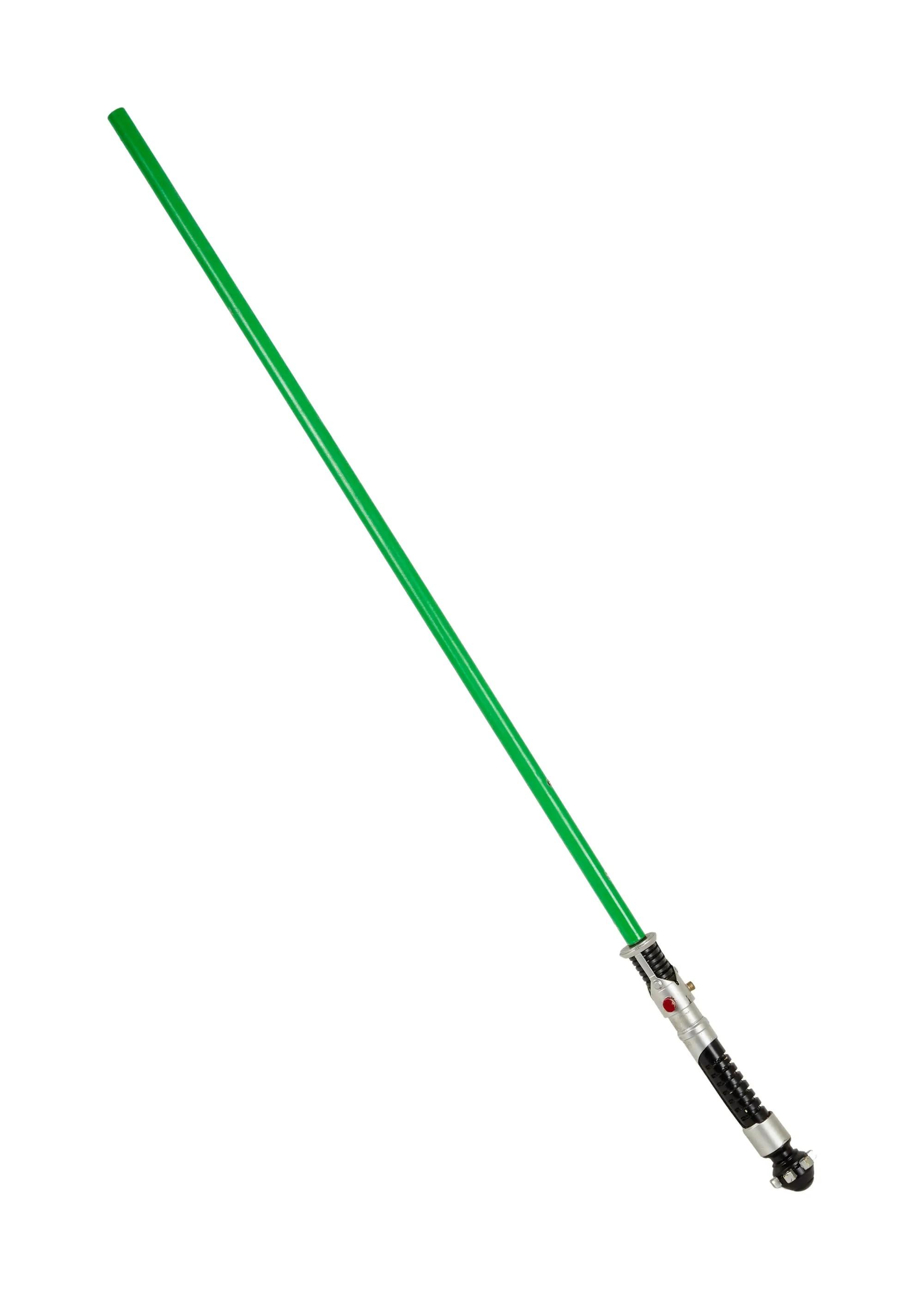
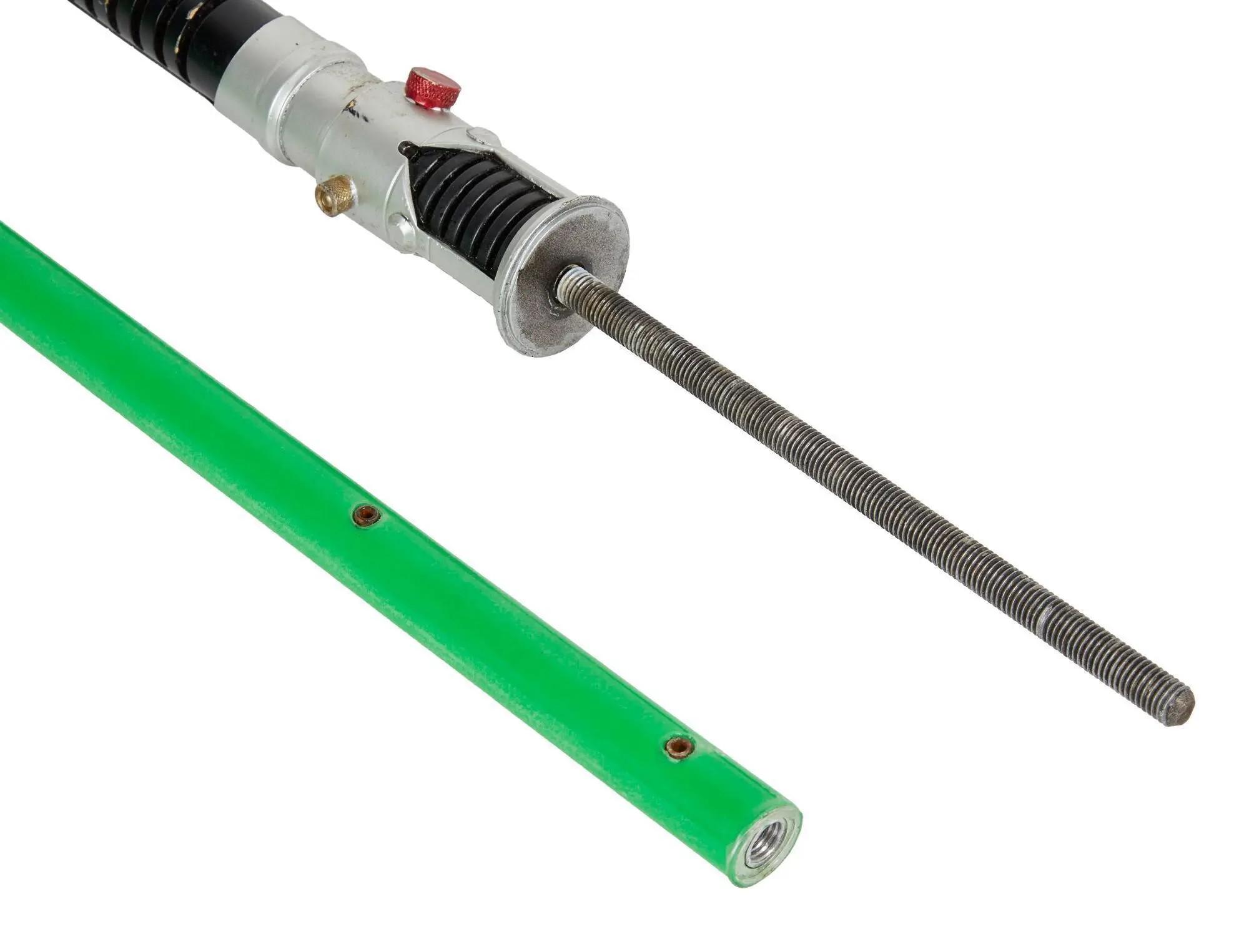
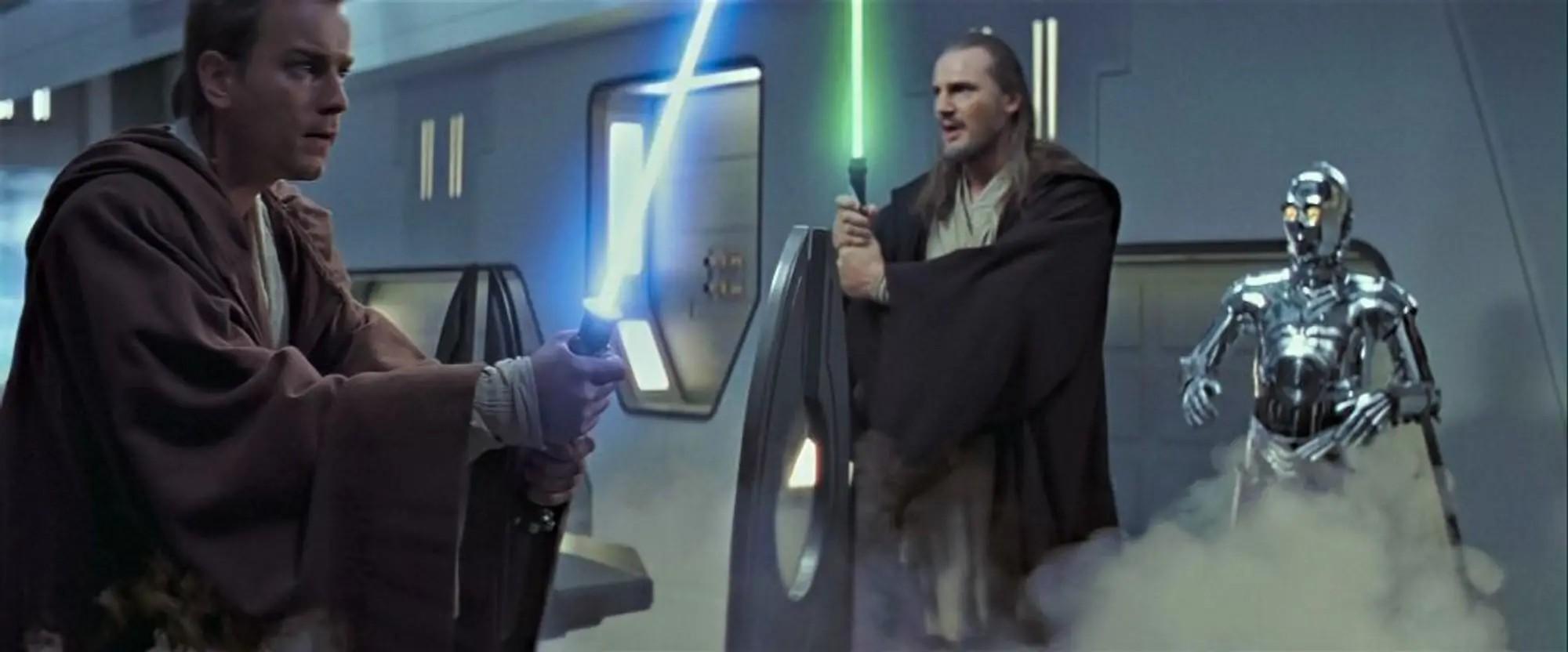
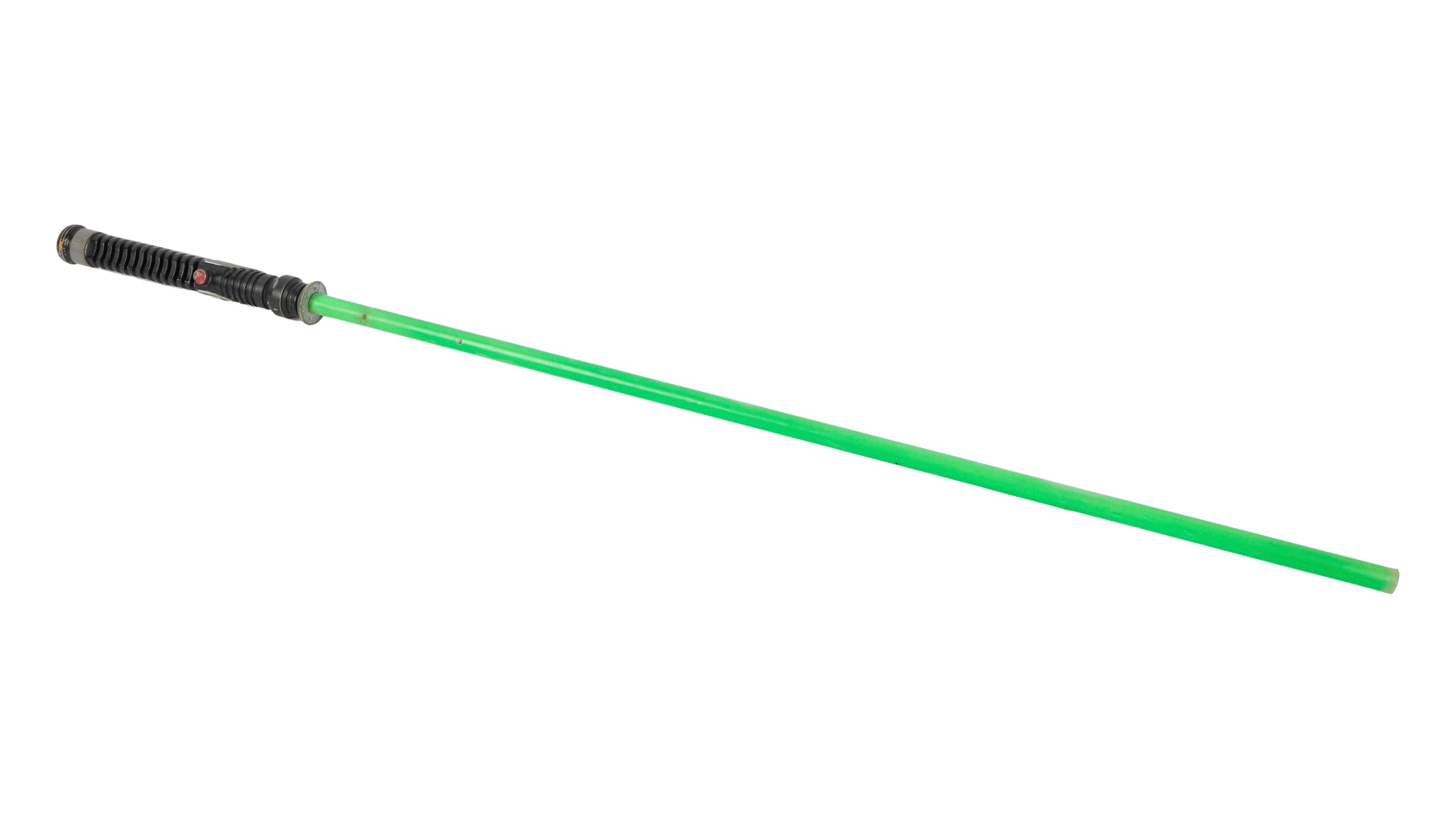
1. Lot #174. Star Wars: The Phantom Menace | Obi-Wan Kenobi (Ewan McGregor) Lightsaber Prop,
From Screen to Culture
The lightsaber's iconic status transcends the films, embedding itself deeply into fan culture and pop culture at large. Its visually arresting design, coupled with its mesmerizing hum and the symbolic weight it carries, has fostered a passionate community. Fans recreate them, collect them, and even train in lightsaber combat, turning a fictional weapon into a tangible hobby and a form of personal expression.
The rise of social media has amplified this phenomenon, with fans sharing custom designs, dueling videos, and intricate theories about lightsaber lore. It has inspired real-world scientific and technological experimentation, as engineers dream of creating actual plasma-based laser blades. The lightsaber appears in countless parodies, memes, and artistic creations, a testament to its pervasive cultural influence. For many, the lightsaber is the gateway into the broader Star Wars universe, representing adventure, heroism, and the eternal struggle between good and evil.
Own a Piece of the Galaxy: Lightsaber Artifacts at 'Echoes'
The opportunity to own a piece of this cinematic legacy is rare, but such a chance arises at the upcoming TCM and Julien's "Echoes From The Galaxy" auction. This extraordinary event, taking place July 27th online and LIVE from the Comic-Con Museum in San Diego, features an incredible array of authentic Star Wars artifacts. Among the highlights are several production-used lightsabers that tell their own stories from the making of these legendary films:
Luke Skywalker (Mark Hamill) Production-Made Lightsaber from Star Wars: Episode VI - Return of the Jedi (Lucasfilm Ltd., 1983): This original production-made lightsaber, cast from the molds of a touring lightsaber, is a tangible link to Luke's climactic battle against Darth Vader and the Emperor. Composed of cast resin, cast aluminum, and metal, its gold/copper-tone detailing near the emitter matches the lightsaber seen on-screen at the Yuma filming location, offering a piece of the saga's most iconic moments.
Obi-Wan Kenobi (Ewan McGregor) Lightsaber Prop from Star Wars: Episode I - The Phantom Menace (Lucasfilm Ltd, 1999): This original stunt lightsaber prop was wielded by Ewan McGregor as Obi-Wan Kenobi in his epic duel against Darth Maul. Made of molded hard resin with a hollow aluminum blade, its highly-detailed hilt and worn paint speak to its use in various fight scenes, including the intense battle at Theed Palace. This prop represents the first of Obi-Wan's lightsaber styles, a crucial piece of his character's journey.
Qui-Gon Jinn (Liam Neeson) Lightsaber Prop from Star Wars: Episode I - The Phantom Menace (Lucasfilm Ltd., 1999): An original bladed lightsaber prop, this piece was used by Liam Neeson as Qui-Gon Jinn. Its cast resin hilt and green-coated hollow aluminum blade are testaments to its role in Qui-Gon's many encounters, from negotiations with the Trade Federation to his fateful duel with Darth Maul.
Darth Maul (Ray Park) Lightsaber Hilt Prop from Star Wars: Episode I - The Phantom Menace (Lucasfilm Ltd., 1999): The very first double-bladed lightsaber to grace the Star Wars canon, this original hilt prop used by Ray Park as Darth Maul is an immediately recognizable icon. Composed of cast resin with machined metal emitter portions, its hand-painted details and metallic silver-tone finish evoke the menace and innovation of this unforgettable villain. This is the weapon that unleashed "Duel of the Fates" upon the world.
These authentic artifacts offer a rare opportunity to own a piece of cinematic history, to connect directly with the props that brought the lightsaber to life on screen. They are not just collectibles; they are fragments of a cultural phenomenon, testaments to the enduring power of storytelling, and tangible echoes from a galaxy far, far away.
Don't miss your chance to be a part of this extraordinary event. Register and bid now to own a piece of the legend that is the Star Wars lightsaber.