Music
KISS at the Budokan: Gods of Thunder, Spirits of Japan
How KISS conquered Tokyo, left behind a legacy of rock mythology — and why the artifacts of that 1977 pilgrimage still electrify collectors today.
Share



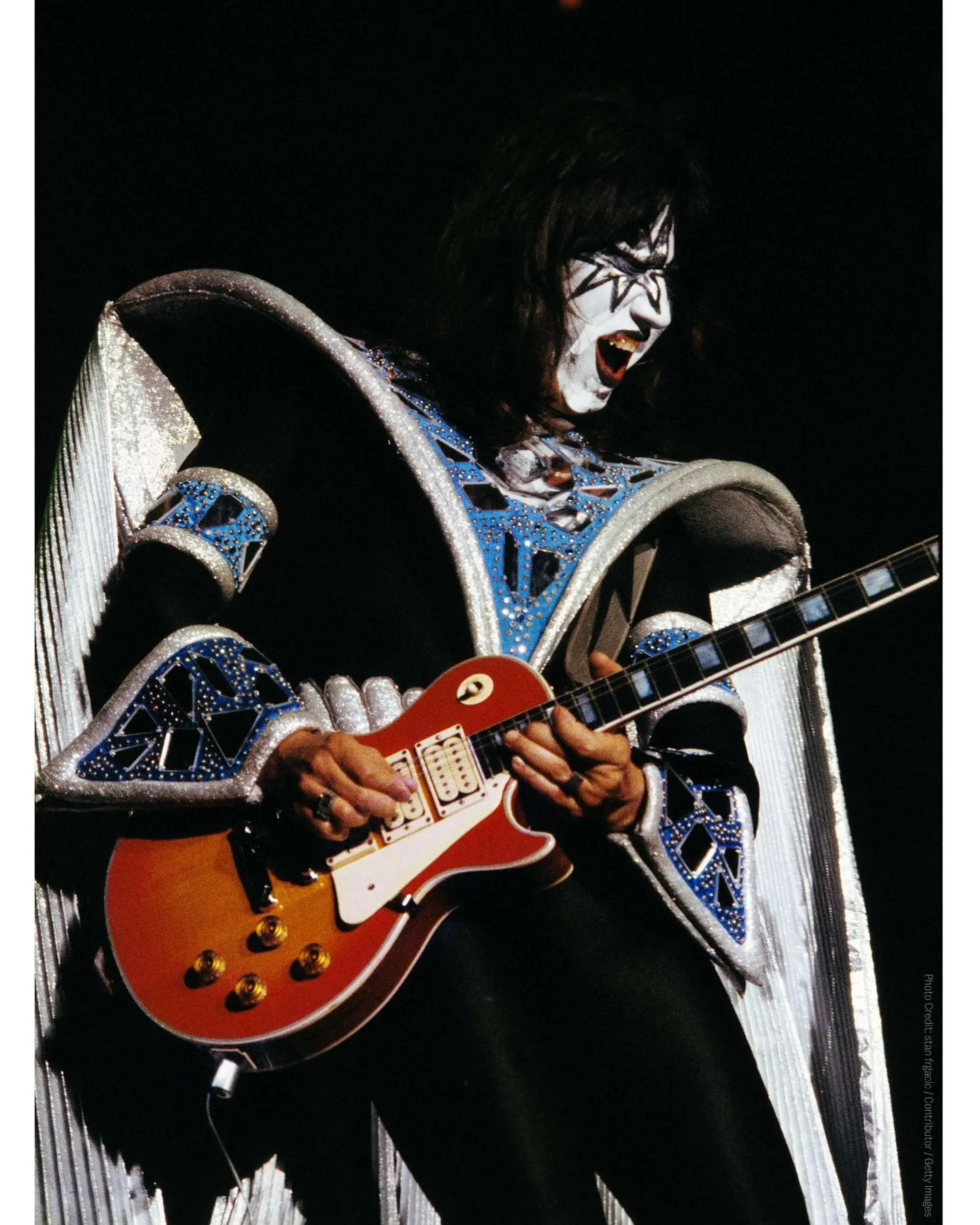
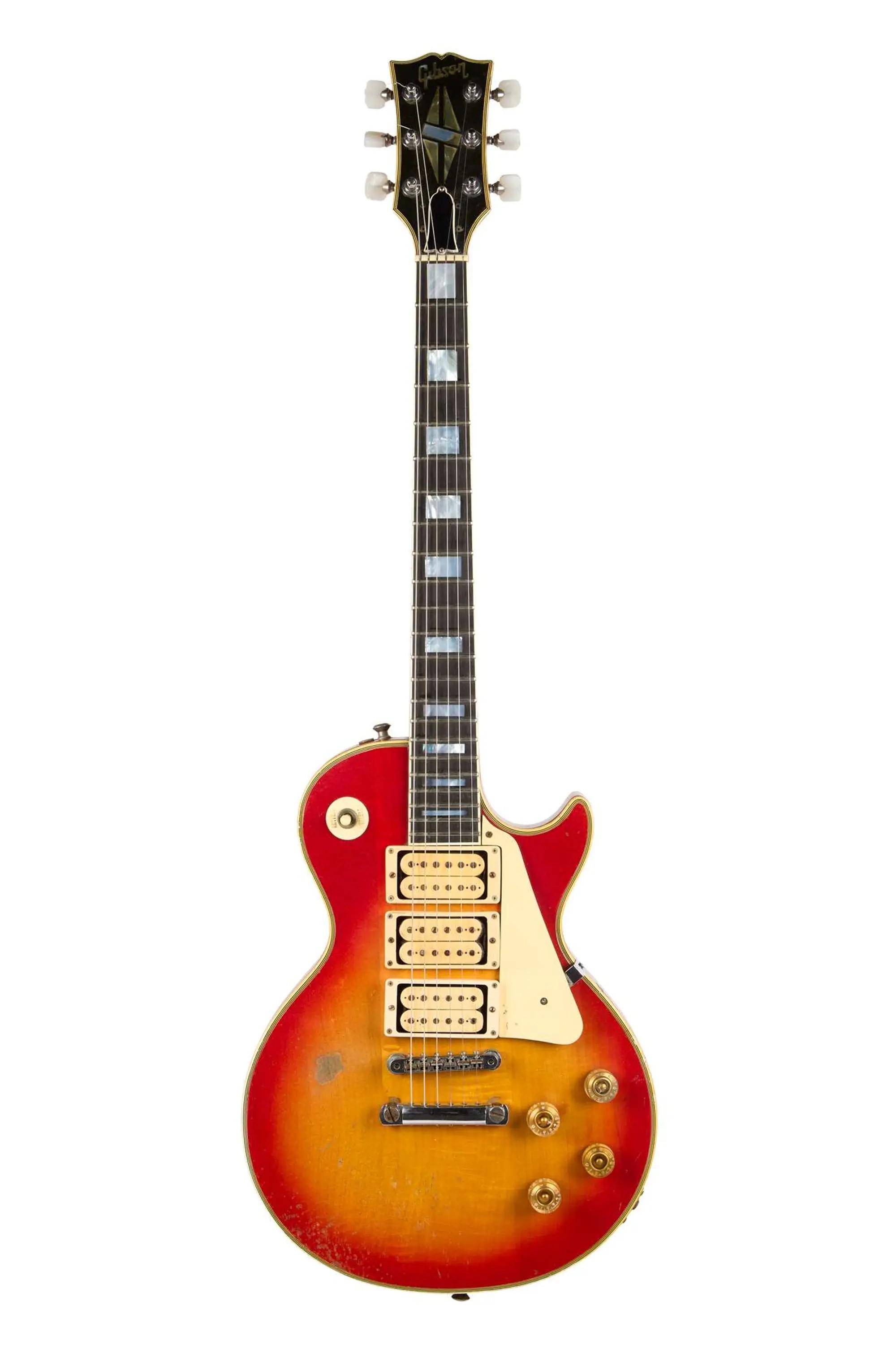
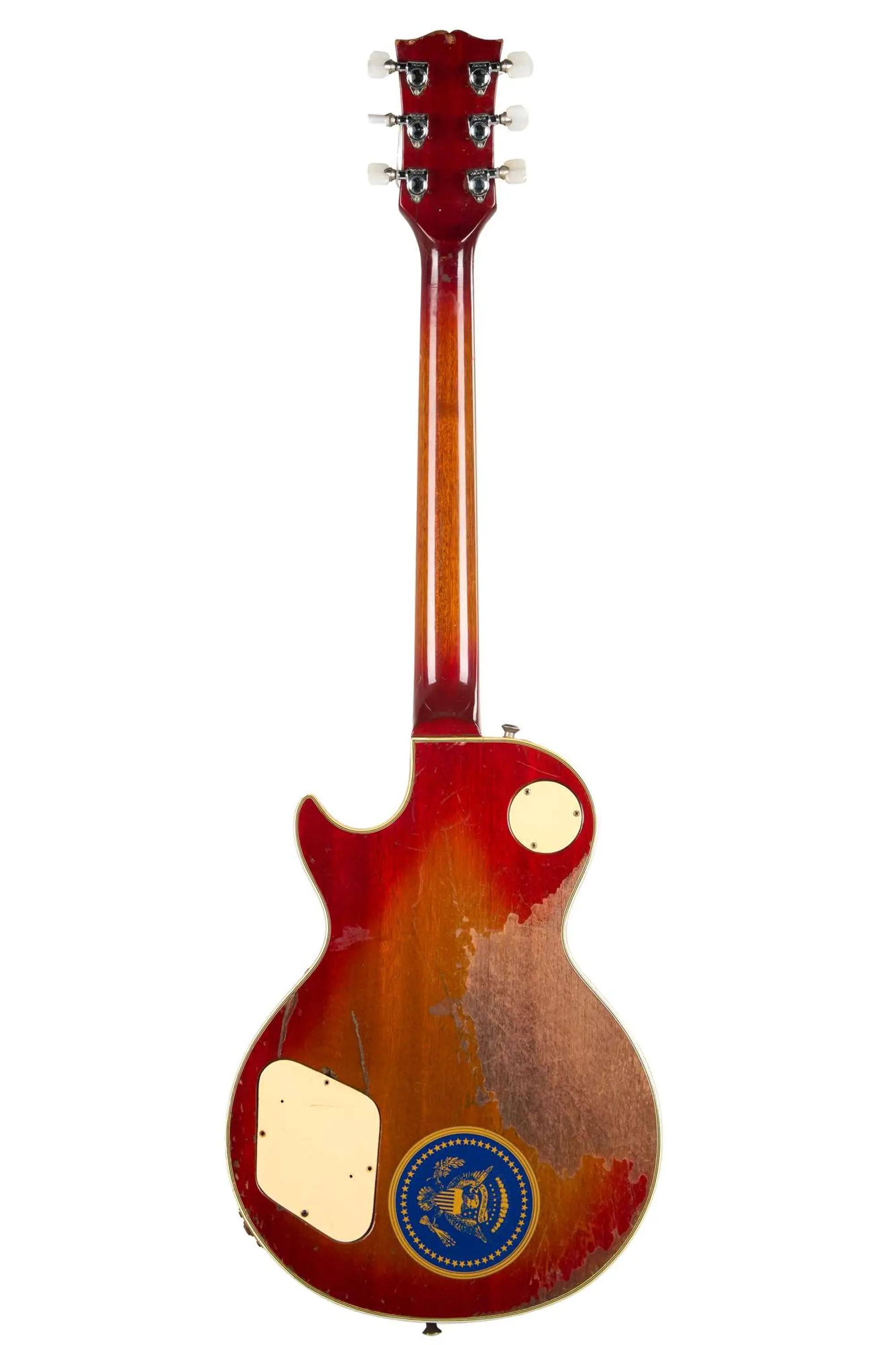
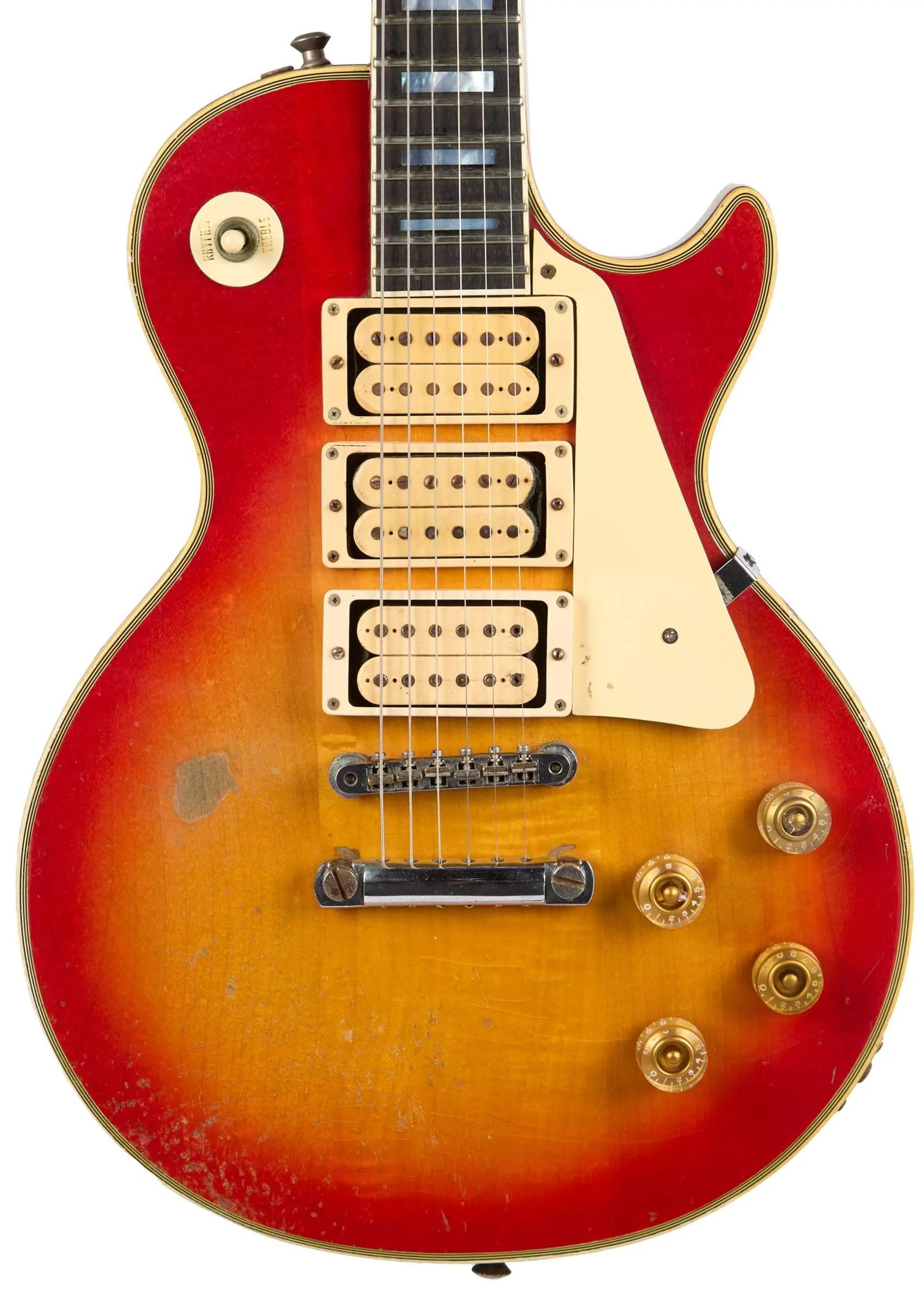
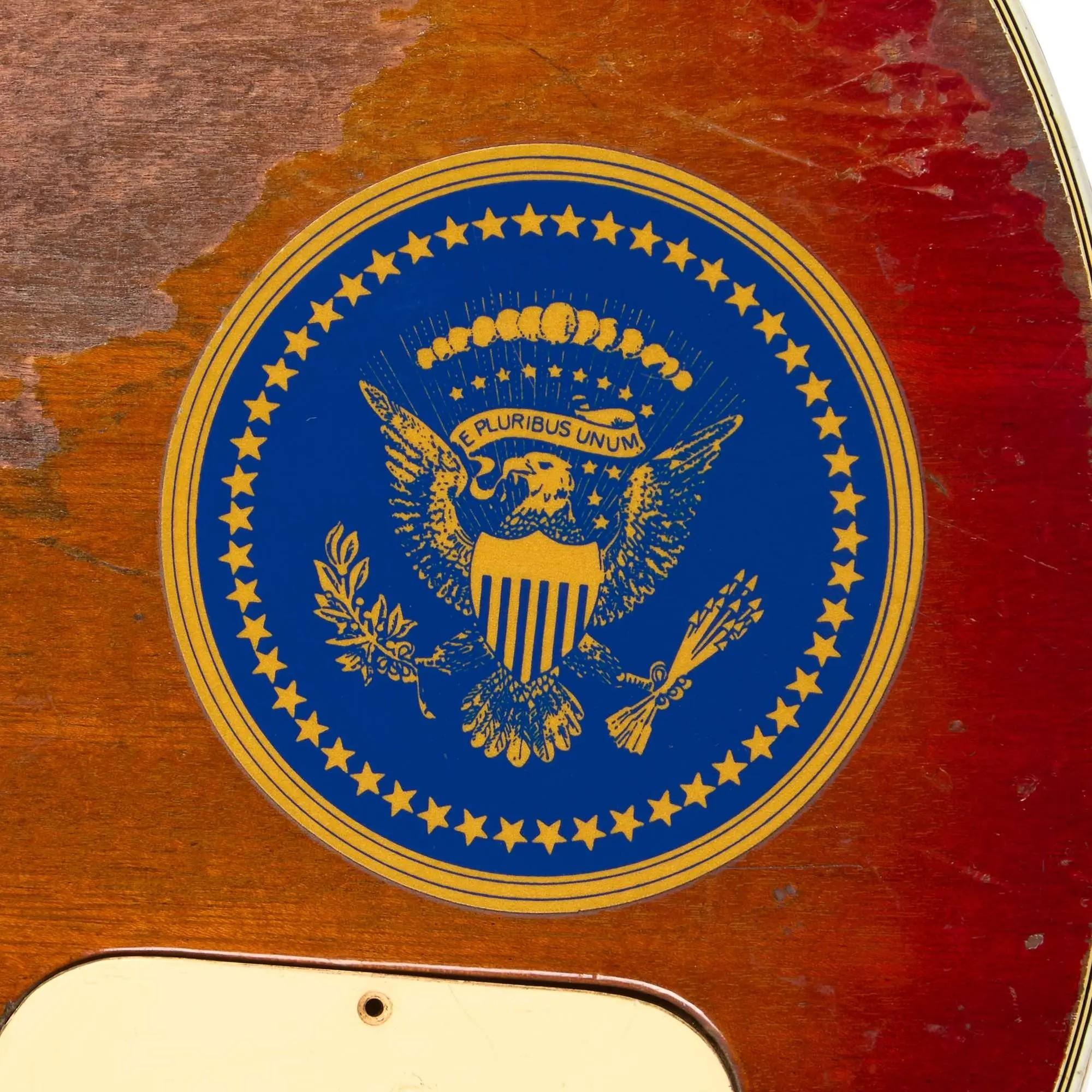
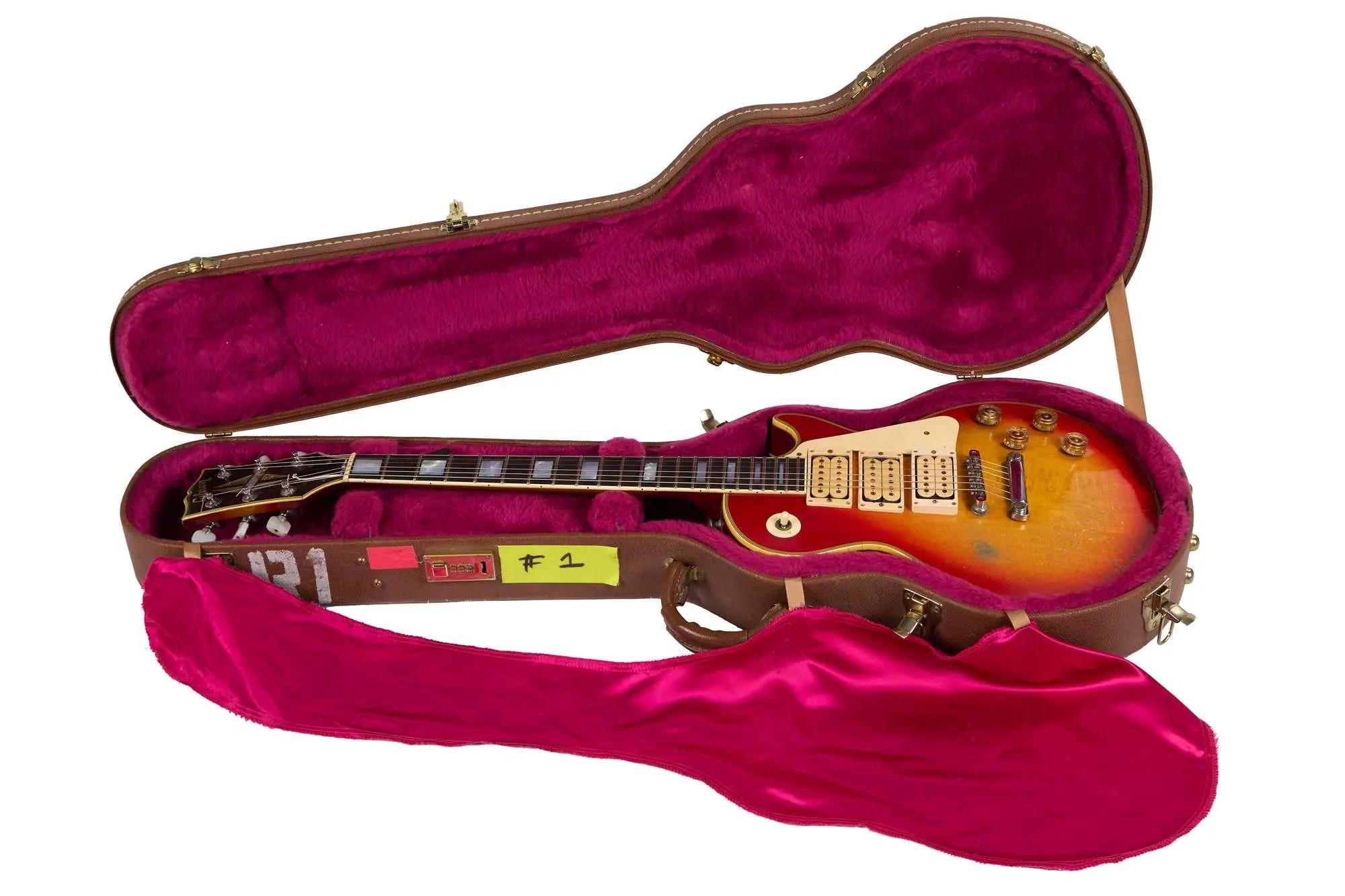
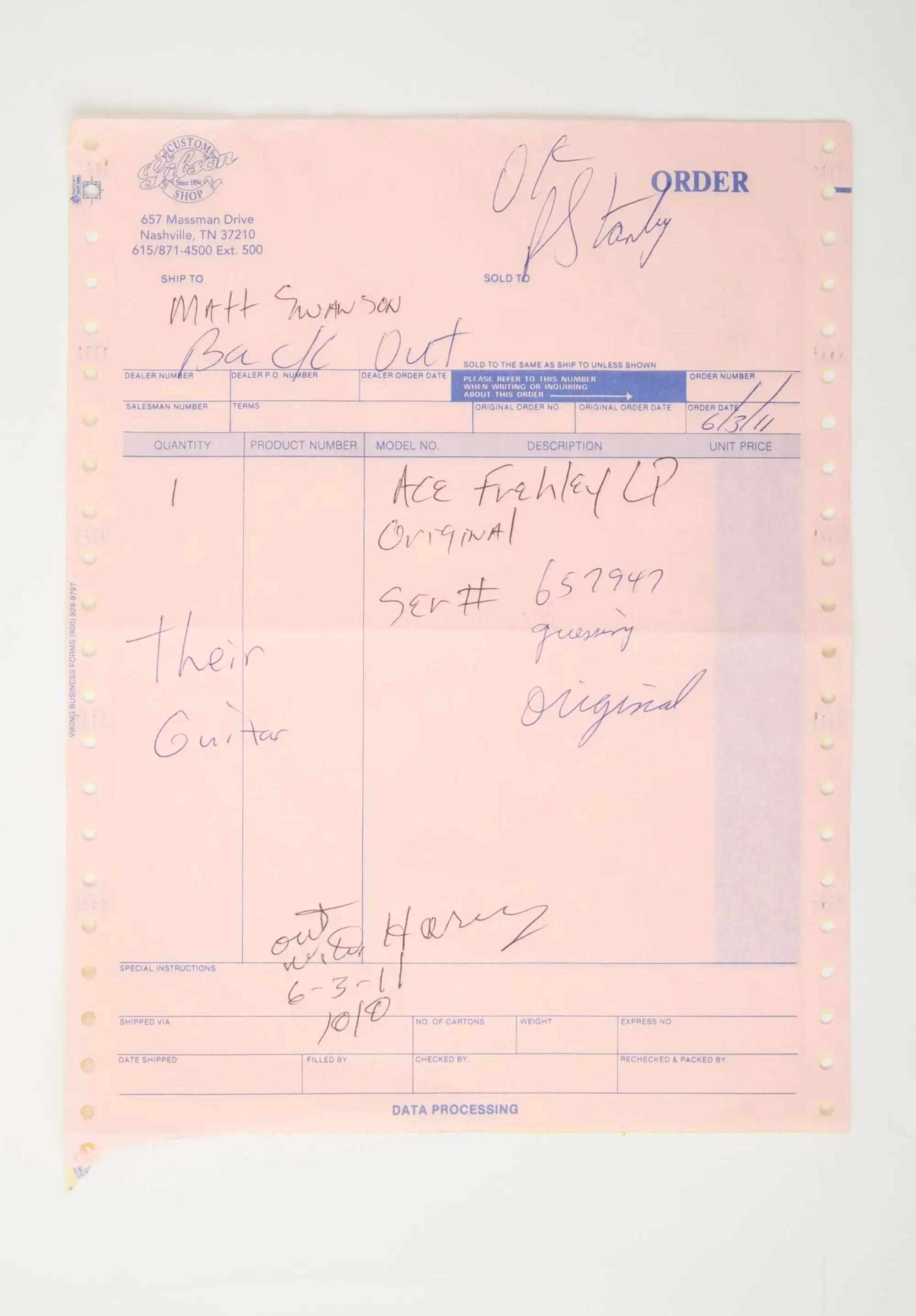
Lot #489. KISS | Ace Frehley’s #1 “Budokan” 1975 Triple Pickup Gibson Les Paul Custom, Cherry Sunburst
There are concerts. There are tours. And then there are moments that rewrite the relationship between a band and a country forever. In the winter and spring of 1977, KISS descended on Japan for the first time, and nothing — for the band, for their devoted Japanese audience, or for rock and roll history — was ever quite the same again.
By the time KISS touched down in Japan at the start of what would become their legendary "Rock and Roll Over" world tour, they were already a phenomenon beyond the ordinary logic of popular music. Formed in New York City in 1973 by Paul Stanley, Gene Simmons, Peter Criss, and Ace Frehley, the band had weaponized spectacle — fire breathing, blood spitting, pyrotechnics, platform boots, and face paint — into a complete theatrical mythology. But Japan held a special mirror up to all of it.
Japan understood KISS in a way that was almost spiritual. The theatricality, the characters, the pageantry — it resonated on a level that went beyond the music.
The Cathedral on the Moat
To understand what it meant for KISS to play the Nippon Budokan is to understand the singular standing of that venue in the hierarchy of rock and roll pilgrimage sites. Built for the 1964 Tokyo Olympics to host judo events, the Budokan — its name simply meaning "Japan Martial Arts Hall" — was not designed with rock music in mind. Yet from the moment the Beatles became the first Western rock act to perform there in July 1966, it was transfigured. The Fab Four's appearance was itself controversial; opponents reportedly demanded they play elsewhere entirely. But the show went on, and it set a precedent that would shape the next half-century of music history.
In the years that followed, the venue became a destination that defined careers. Deep Purple recorded their landmark live set there. Bob Dylan's Budokan album and Eric Clapton's Just One Night, both from 1979, stand among the most celebrated live records ever made. Cheap Trick's At Budokan — recorded in 1978, just a year after KISS's visit — is enshrined in the Library of Congress and ranked among Rolling Stone's 500 greatest albums. The Carpenters, Neil Young, Rainbow, Frank Sinatra, The Police, Ozzy Osbourne, and Queen all made the pilgrimage. To play the Budokan was not merely to perform in Japan — it was to enter a kind of rock and roll canon.
Four Nights at the Budokan
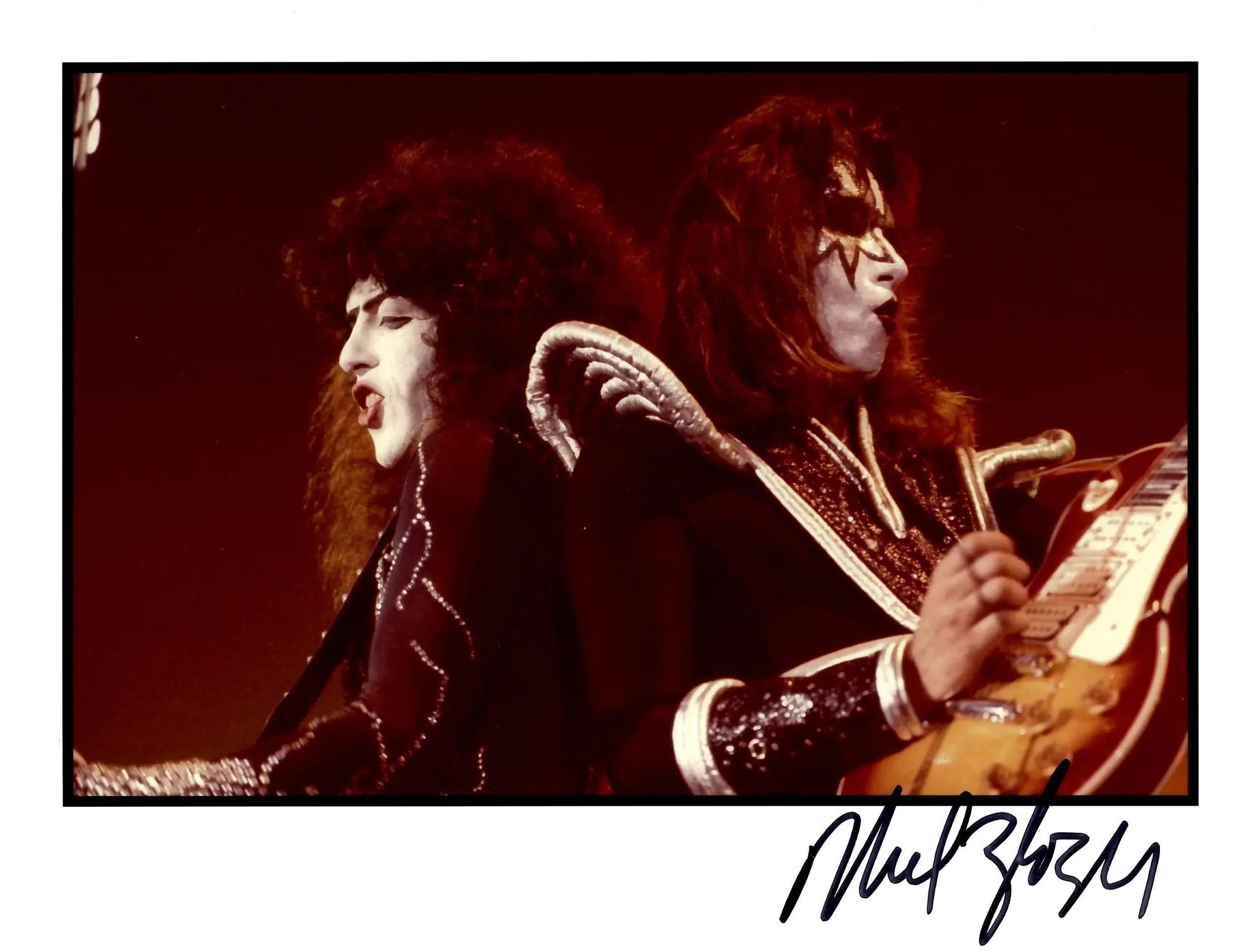
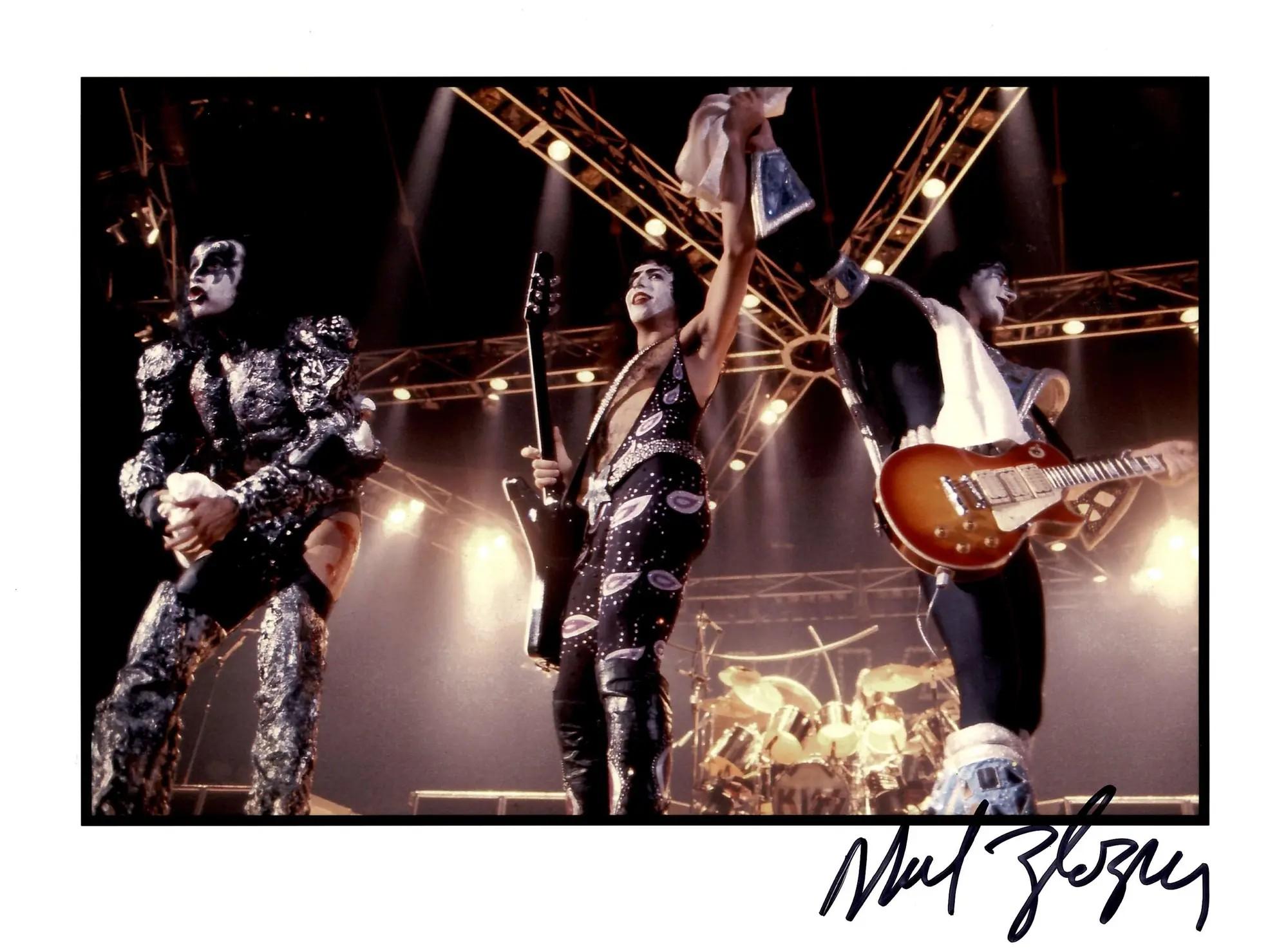
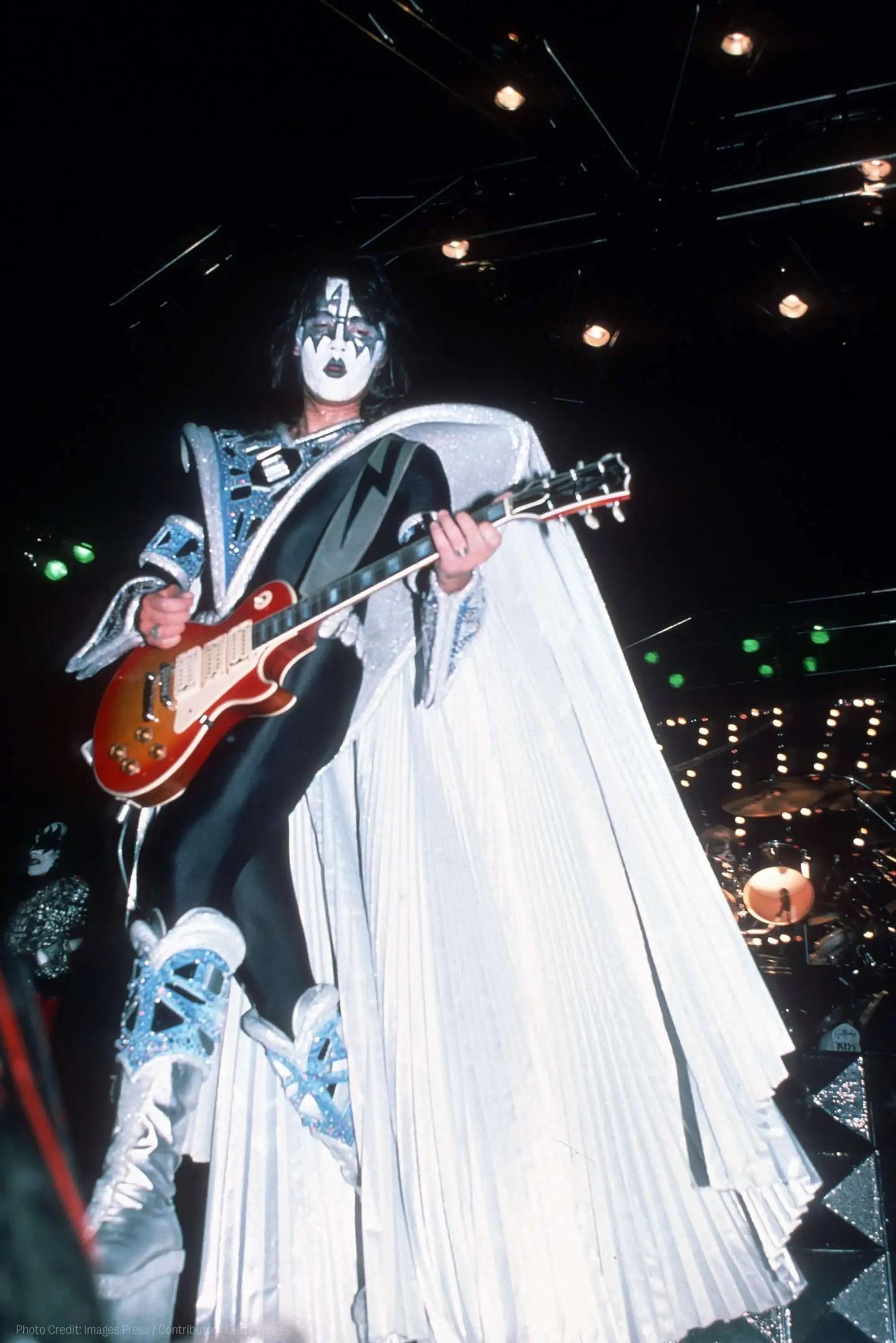
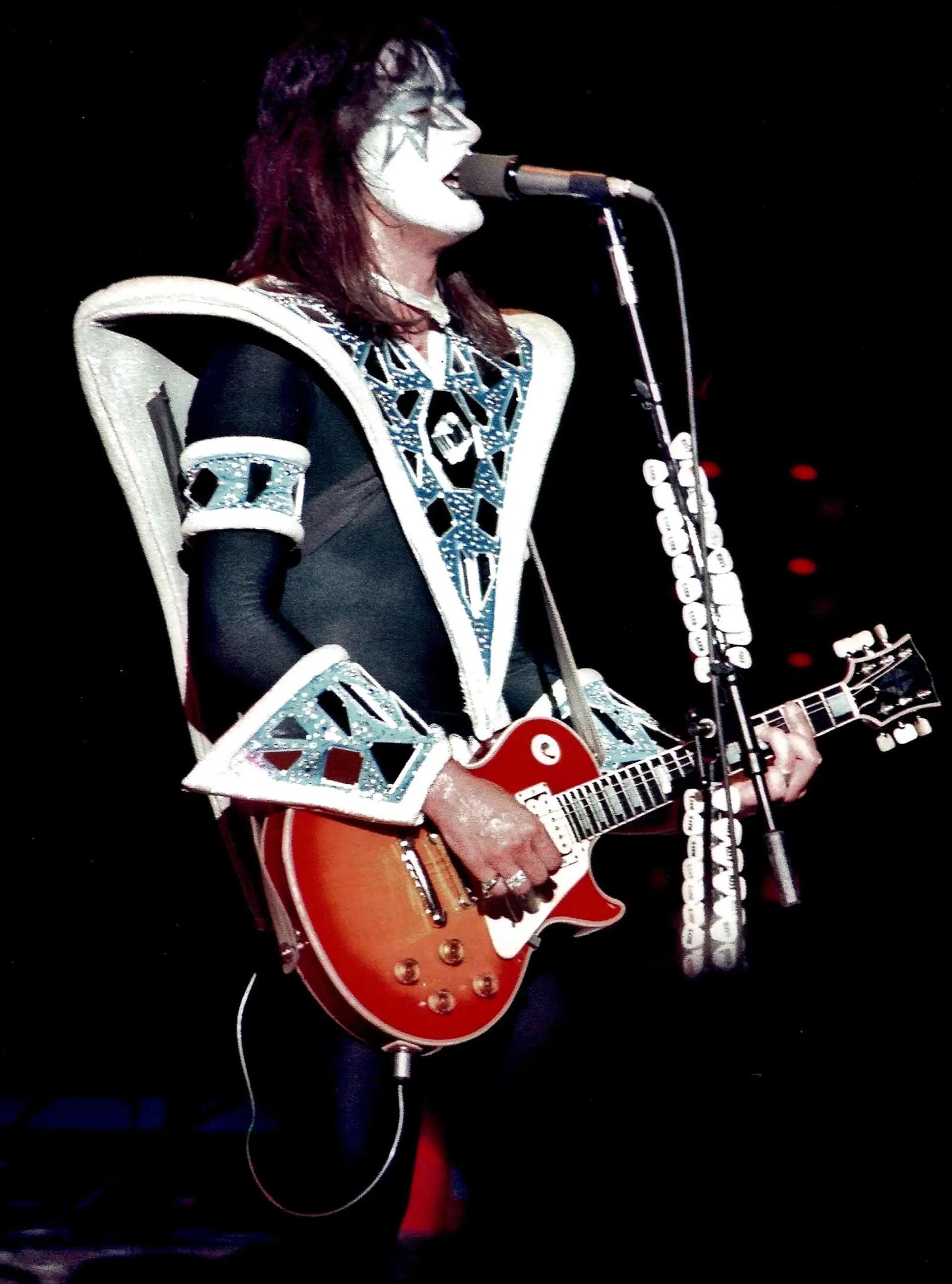
KISS claimed their place in that lineage with four historic shows at the Budokan during the "Rock and Roll Over" tour. Clad in their full regalia, the Starchild, the Demon, the Catman, and the Spaceman commanded the venue as though it had always been destined for them. Every solo by Ace Frehley crackled with the electricity of a guitar god descending from orbit. The Japanese audience, known for its intense and disciplined passion, met KISS with a fervor that electrified the band in return.
The exchange was generative: KISS gave Japan everything they had, and Japan gave KISS a cultural reverence they would carry for decades. The promoter Mr. Udo, a towering figure in Japanese concert history, recognized the magnitude of the moment — and marked it accordingly, presenting each member of the band with personalized gifts that would become objects of legend in their own right.
Artifacts that Remember
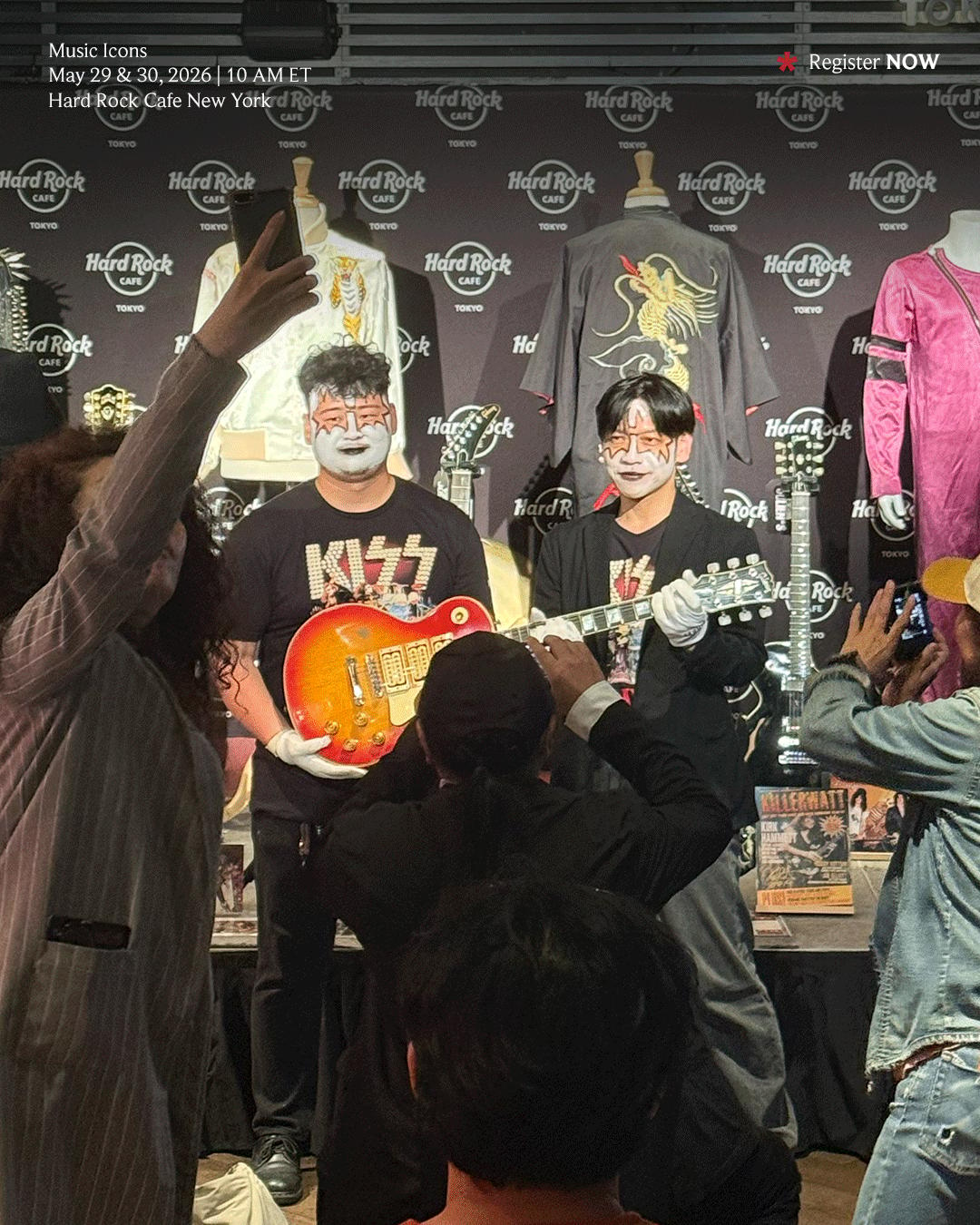
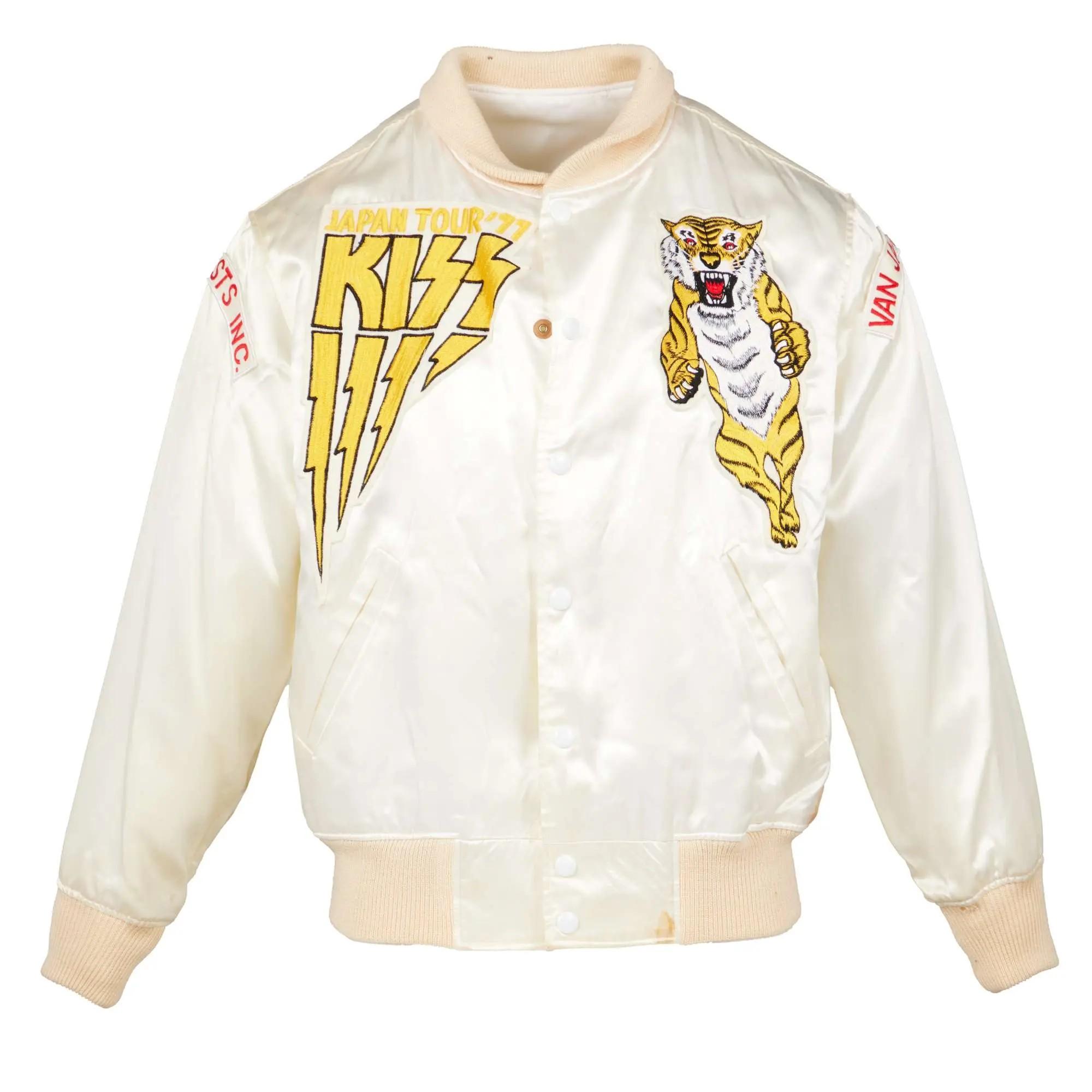
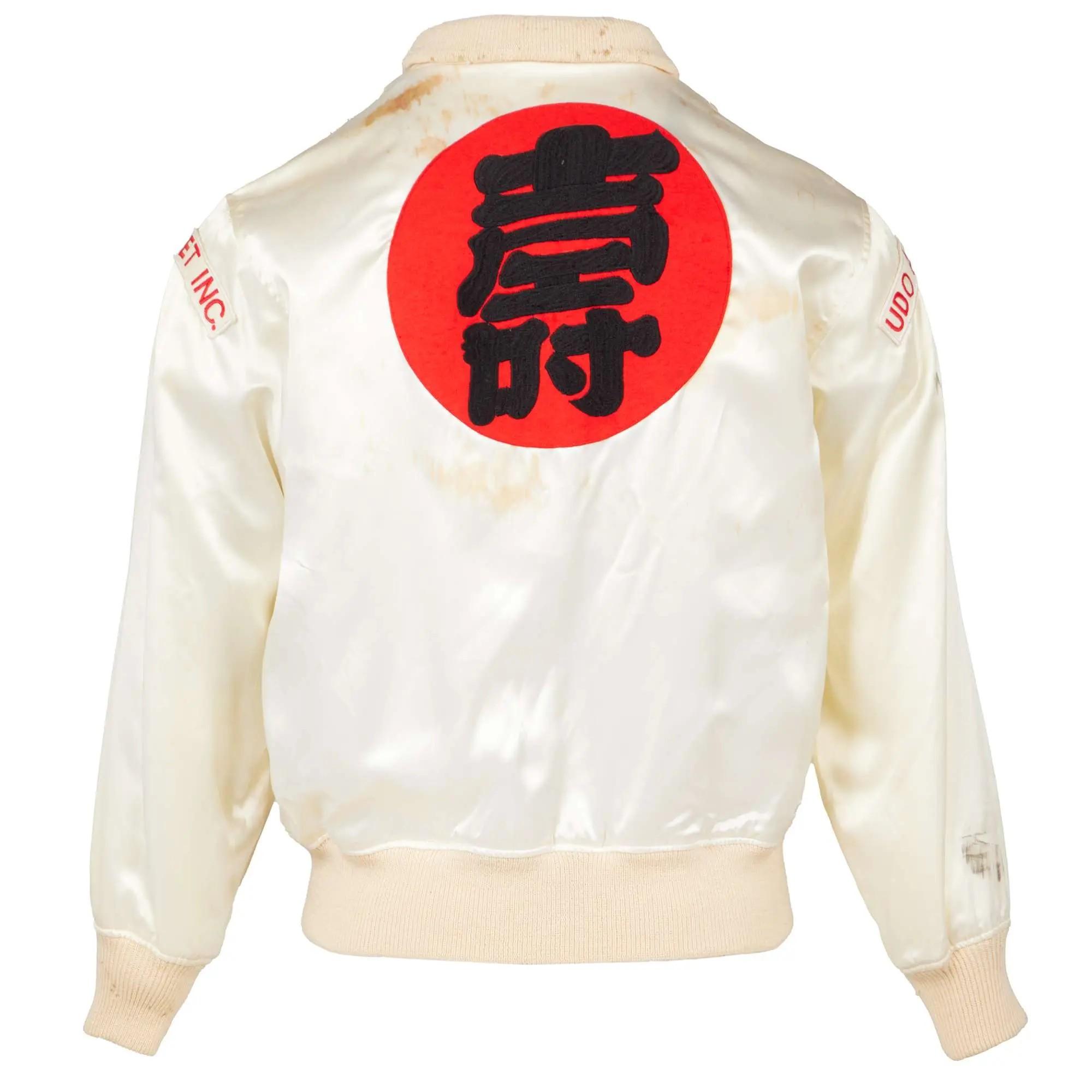
It is one thing to read about a historic tour. It is another entirely to hold a piece of it. The cream silk bomber jacket that Ace Frehley wore through the tour carries the tour's own autobiography on its surface: a tiger and "KISS Japan" patch at the chest, the names of promoters stitched into the shoulders, and — most hauntingly — a makeup stain that Ace himself confirmed came from backstage after a performance. This is not a reproduction or a tribute. It is the actual garment, carrying the literal impression of that 1977 stage persona.
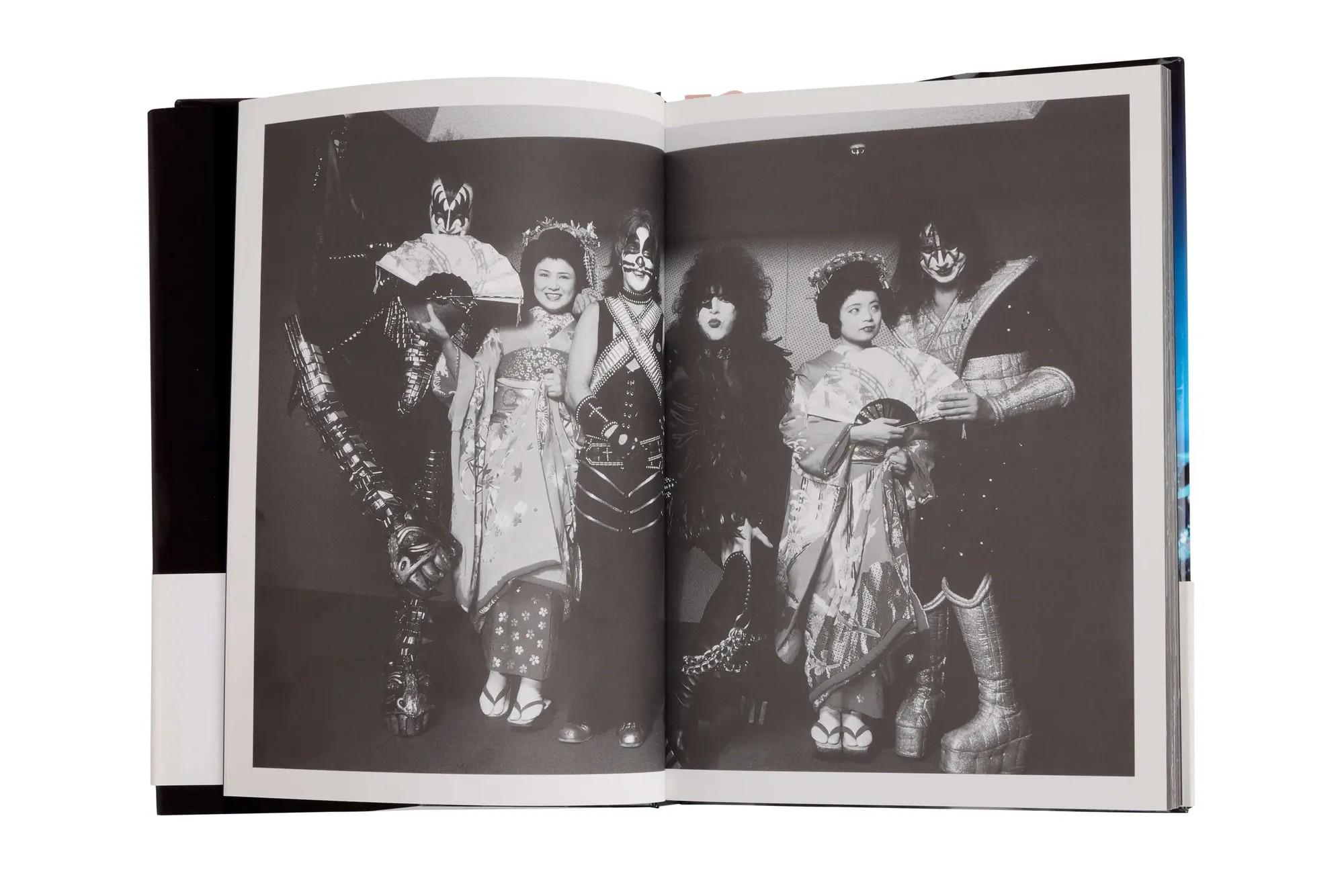
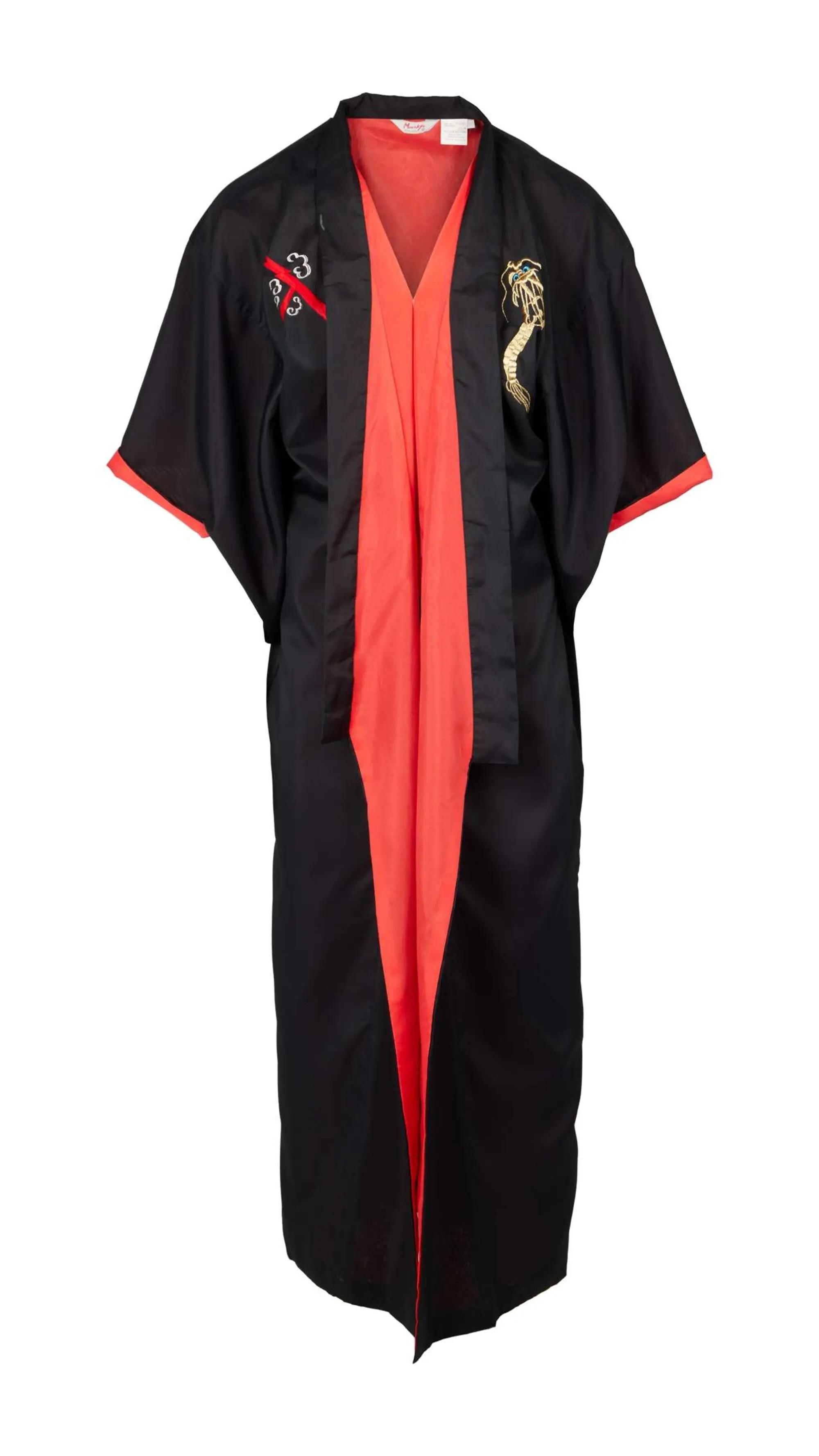
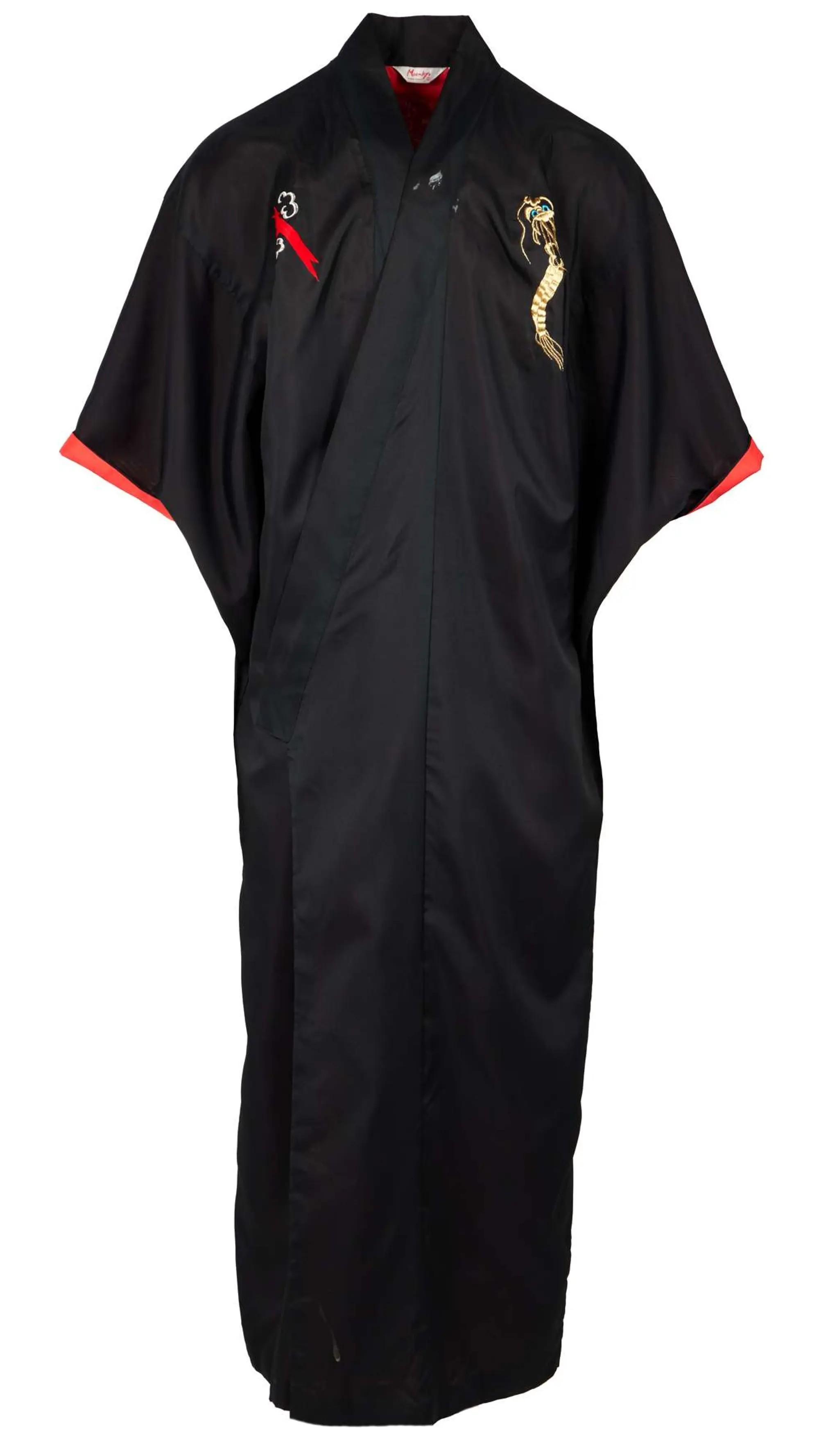
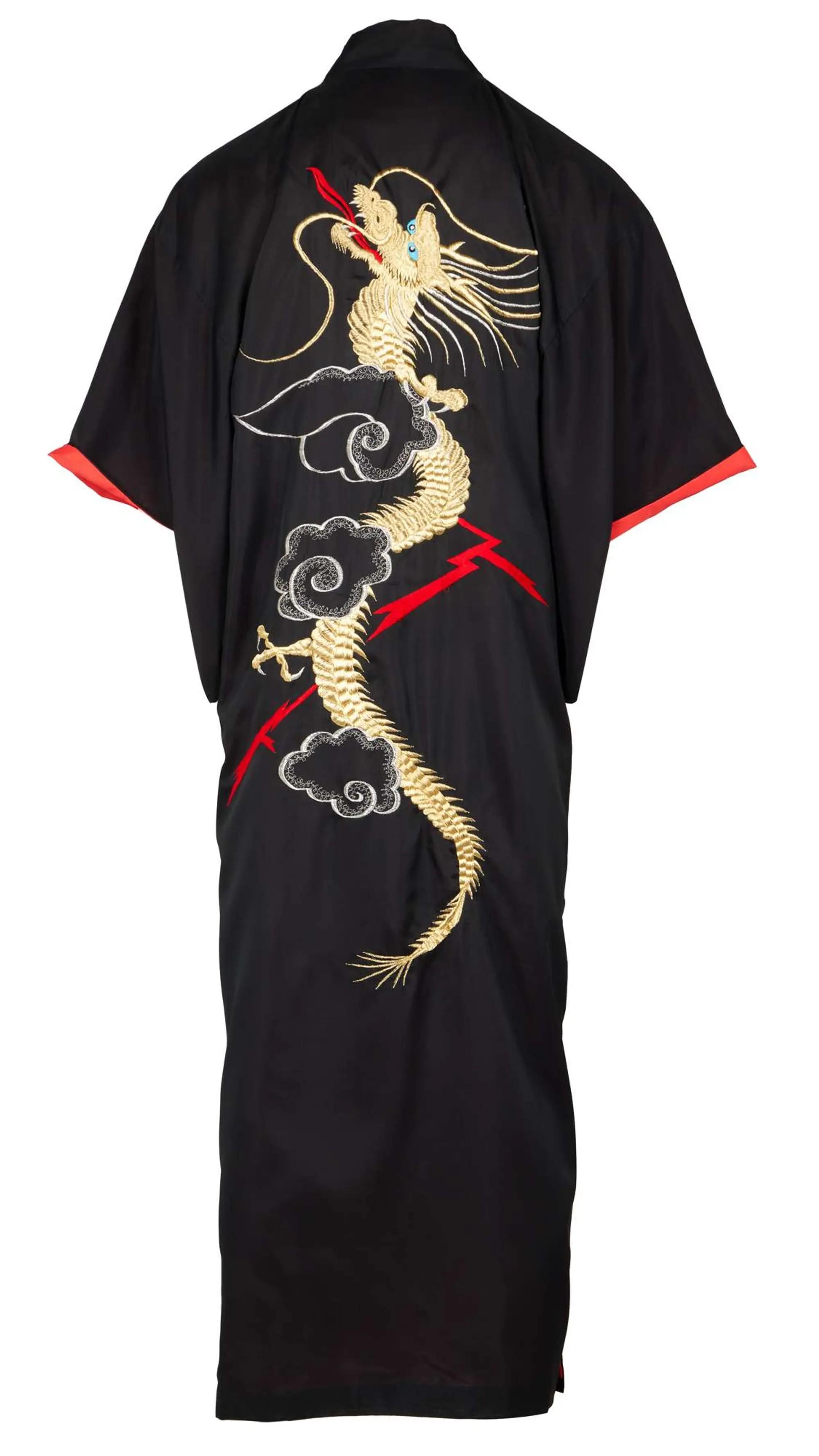
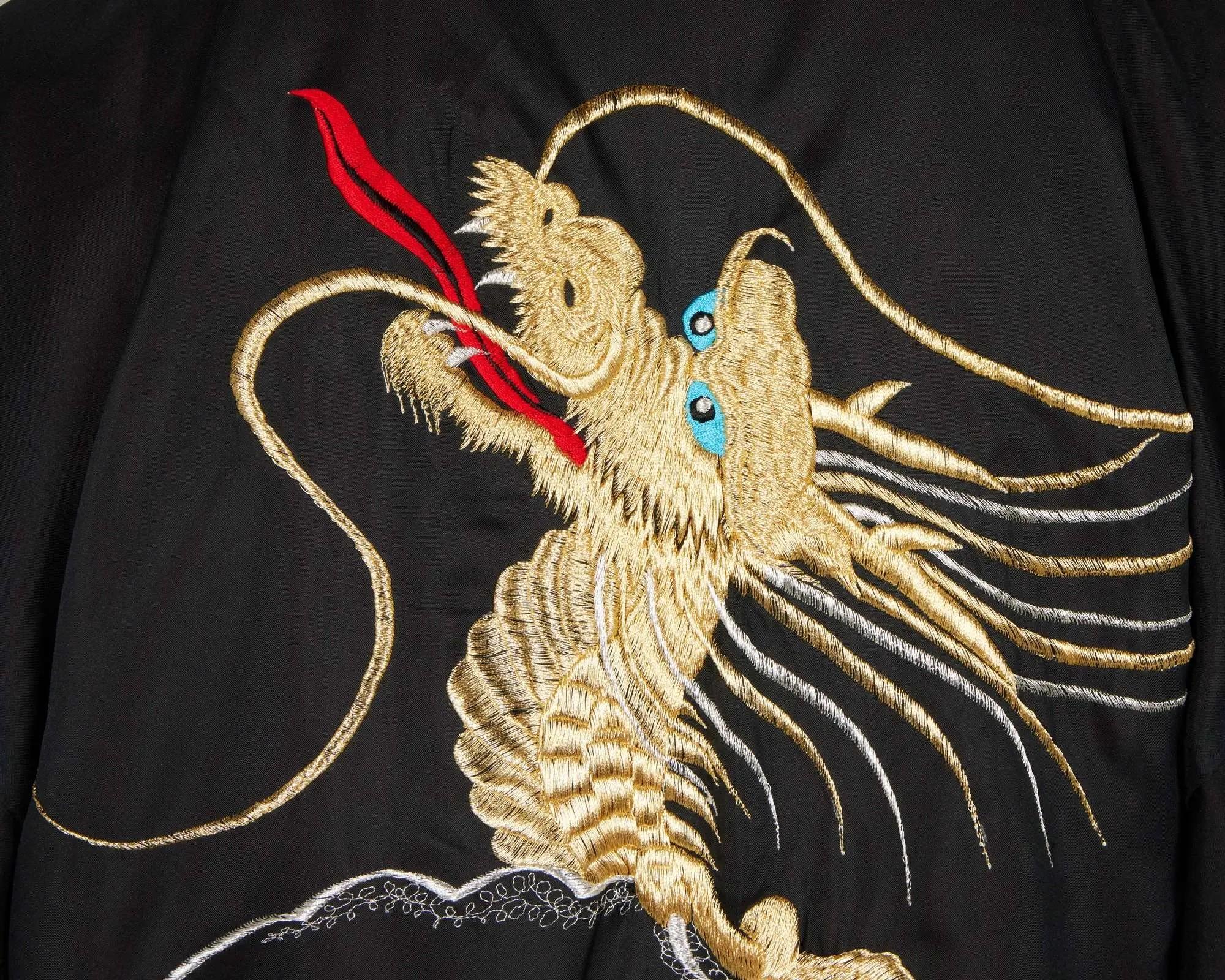
Alongside it, the full-length black kimono — embroidered with a golden dragon in full flight across its back, through storm clouds rendered in gold thread — speaks to the cultural exchange at the heart of the Japan experience. Similar to one photographed on Frehley during a March 27, 1977 promotional shoot, it is an artifact of the moment when rock mythology met Japanese artistry, each amplifying the other.
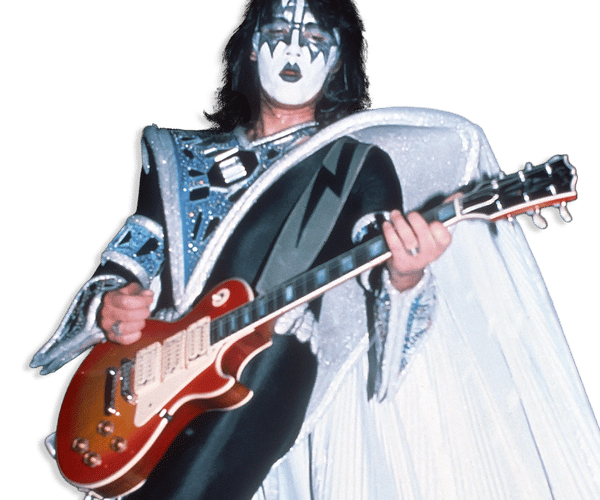
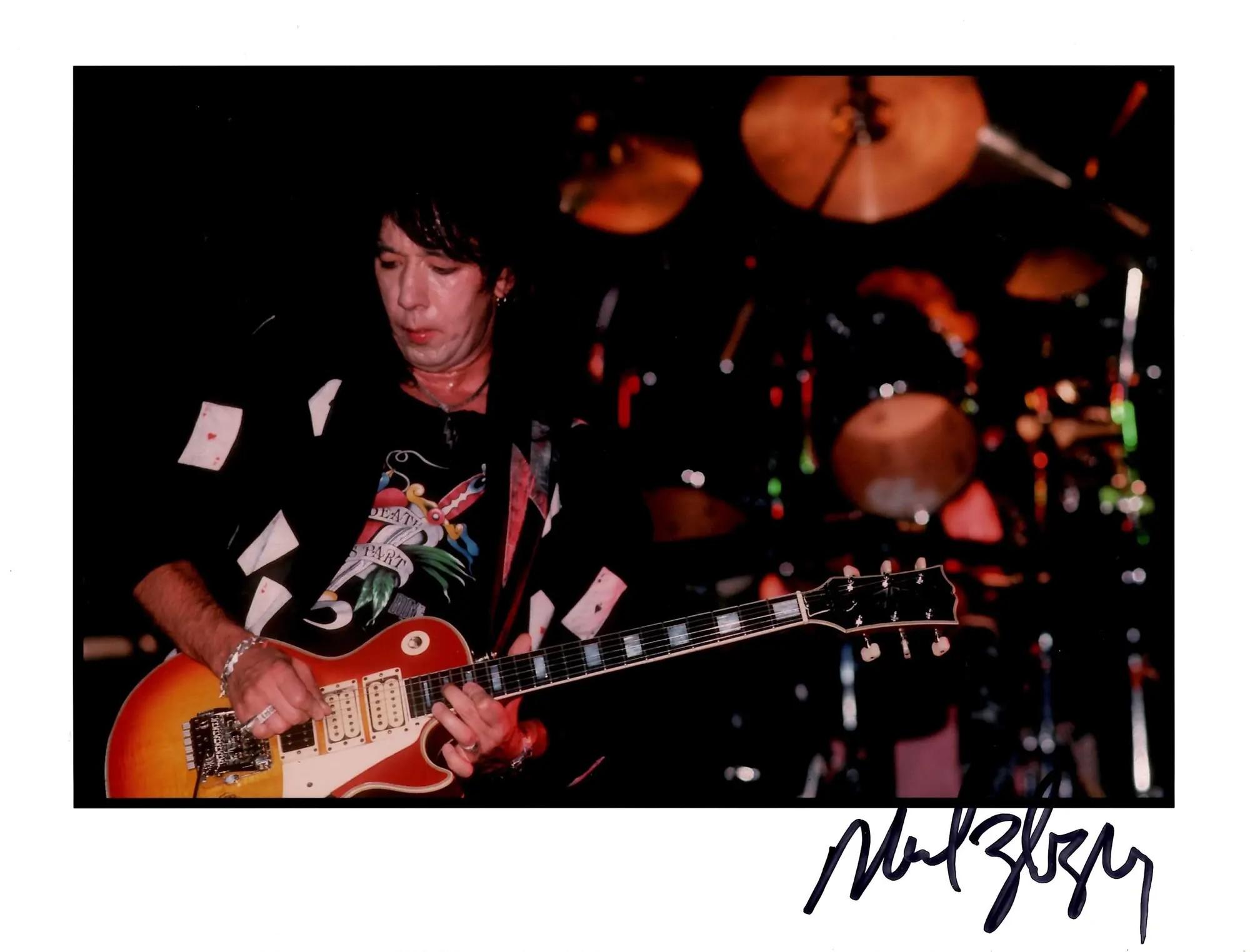
And there is the guitar. Ace Frehley's #1 "Budokan" Les Paul Custom — a cherry sunburst triple-pickup instrument that was not merely present at those performances but was the voice of the Spaceman himself. The Budokan shows were the altar; this guitar was the instrument of devotion.
50 Years of KISS
KISS never stopped being KISS. Through lineup changes, farewell tours, and the eventual removal of the makeup, the band remained one of the most identifiable acts in rock history. But the 1977 Japan tour occupies a particular place in that story — a moment of pure communion between a band at the peak of its invention and an audience that received them as something approaching myth.
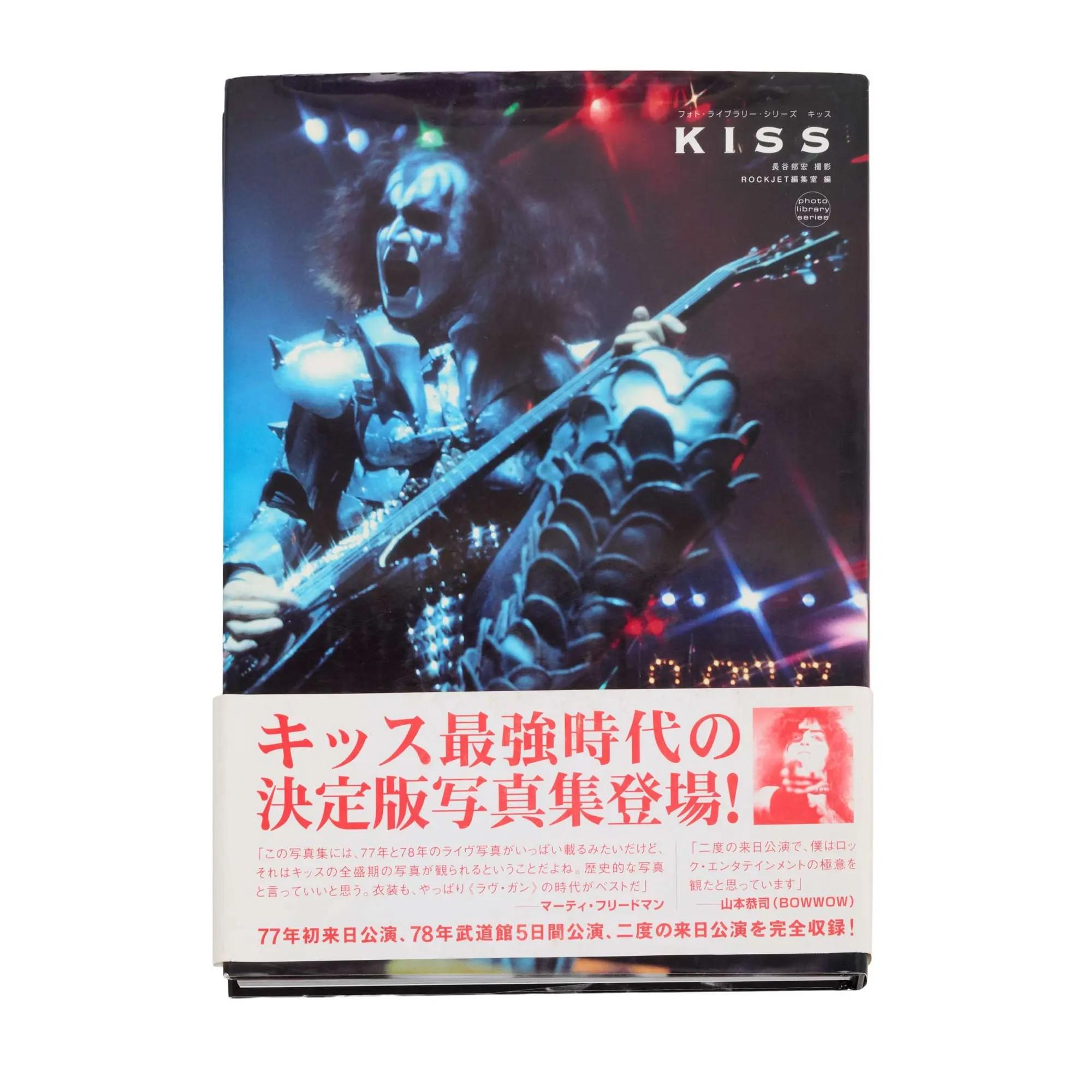
The photo book documenting those Budokan performances — 150 pages of color images capturing the spectacle — is itself a kind of time machine. To leaf through it is to understand why, nearly five decades later, the question of what KISS meant to Japan, and what Japan meant to KISS, still commands attention. These are not simply collectibles. They are primary sources — evidence that something extraordinary happened in Tokyo in the spring of 1977, and that its afterimage has never fully faded.