Art
Film & TV
Josephine Baker: The Dazzling Star
Explore the life and times of one of showbiz’s most prolific performers who redefined womanhood, style, and social change.
Share




Lot #72. Josephine Baker | Bakerfix Products and Sample Display Box with Vintage Magazine Ad
Few figures in 20th-century culture shine as brightly or as enduringly as Josephine Baker. Born Freda Josephine McDonald in St. Louis, Missouri, in 1906, Baker’s journey from poverty to international superstardom is a story of resilience, artistry, and fearless reinvention. Her life and career not only broke barriers for Black women in entertainment but also set new standards for style, activism, and the very definition of modern womanhood.
From St. Louis to Paris: The Birth of a Legend
Josephine Baker’s early years were marked by hardship, but her innate talent and charisma propelled her onto the vaudeville stages of America. It was in Paris, however, that Baker found her true stage—and her freedom. Arriving in France in the 1920s, she quickly became the sensation of the Folies Bergère, captivating audiences with her electrifying performances and her now-iconic banana skirt, a bold costume that became a symbol of the Jazz Age and the Roaring Twenties.
Baker’s performances were as much entertainment as they were personality statements. Her uninhibited dancing, sensuality, and unapologetic embrace of Black femininity challenged the era’s racial and gender norms, making her a muse for artists, designers, and intellectuals across Europe.
A Fashion Icon and Trendsetter
Josephine Baker’s influence on fashion is as profound as her impact on the stage. Her daring wardrobe—feathers, sequins, pearls, and that legendary banana skirt—redefined glamour and inspired generations of designers and celebrities. Her sleek Eton crop hairstyle became a signature look for flappers and remains a reference point for stylists today.
Baker’s trendsetting nature is evident in the artifacts up for bid at the upcoming Julien’s and Turner Classic Movies “Hollywood Legends: A Day of Classic Hollywood” auction.
Among the highlights:
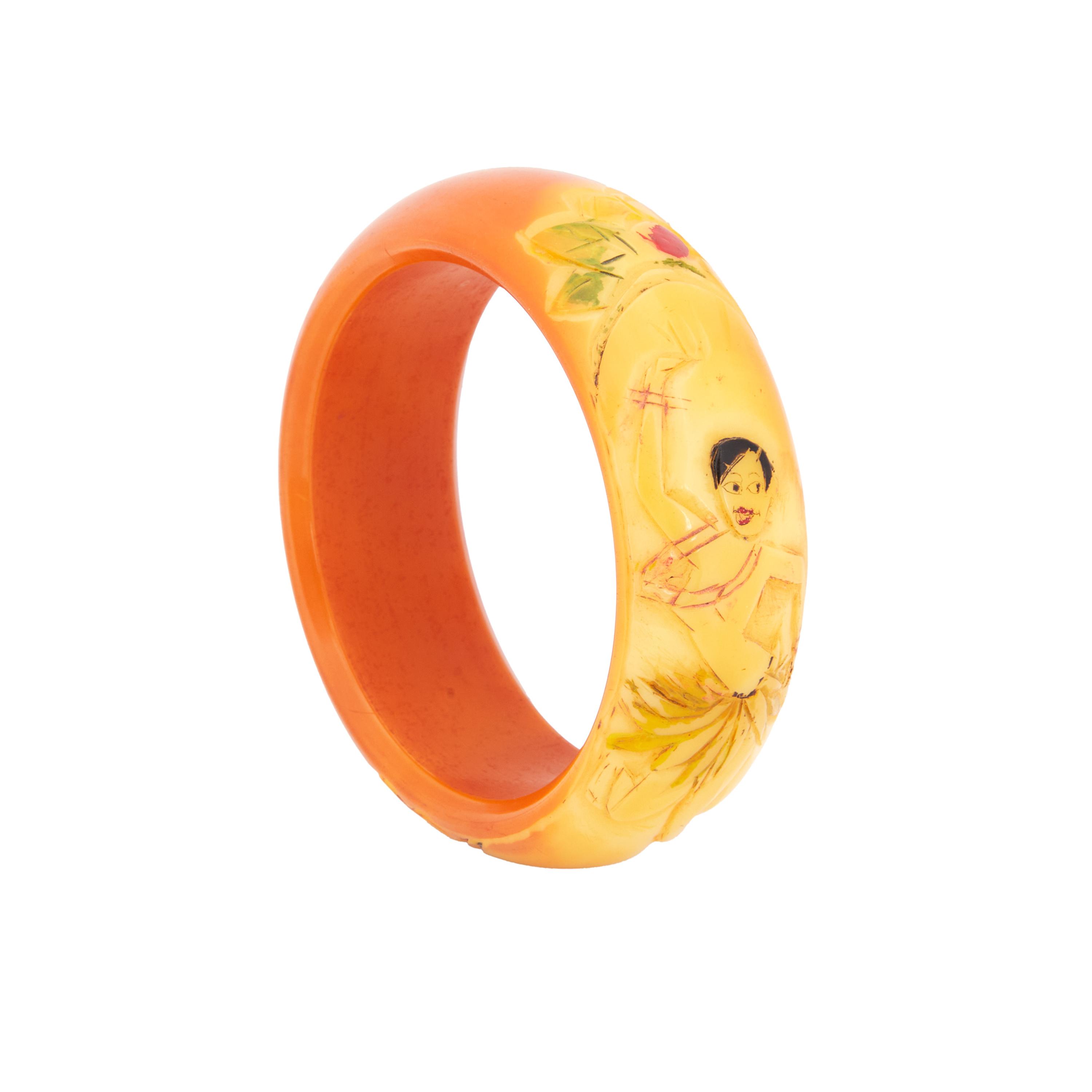
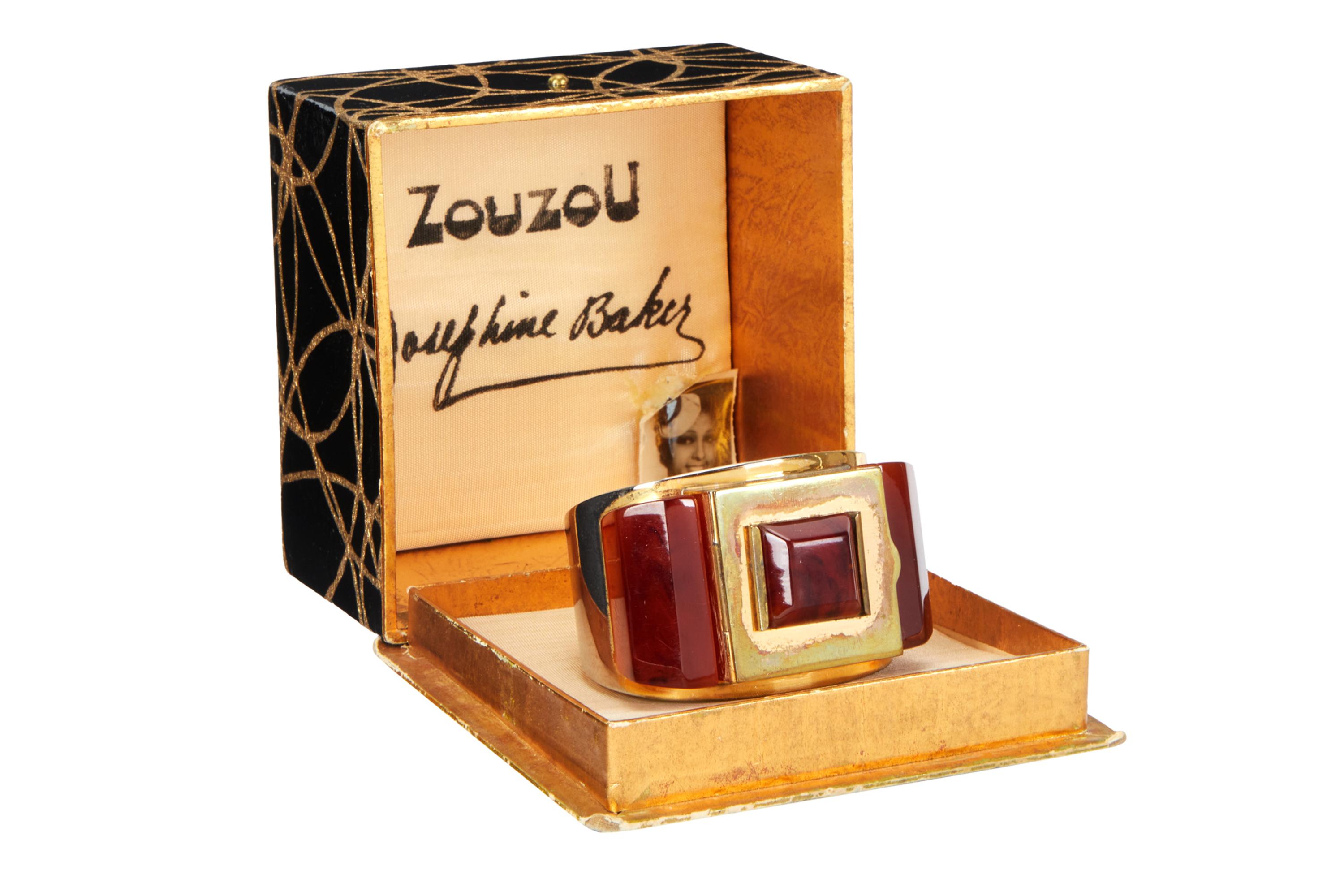
Art Deco jewelry and accessories: Rare pieces such as the 1934 Albert Flamand “Zouzou” Bakelite and gilt metal cuff bracelet with a secret compartment, and the mid-1930s “Oiseau des Îles” Bakelite and feather bolo necklace and cuff bracelet, all branded with Josephine Baker’s signature and imagery, showcase her influence on both fashion and celebrity branding.
Bakerfix cosmetics memorabilia: Items from Baker’s own line of brilliantine hair products, including a life-size plaster bust and vintage sample display, reflect her business acumen and her role in popularizing the sleek, shiny “Eton crop” hairstyle.
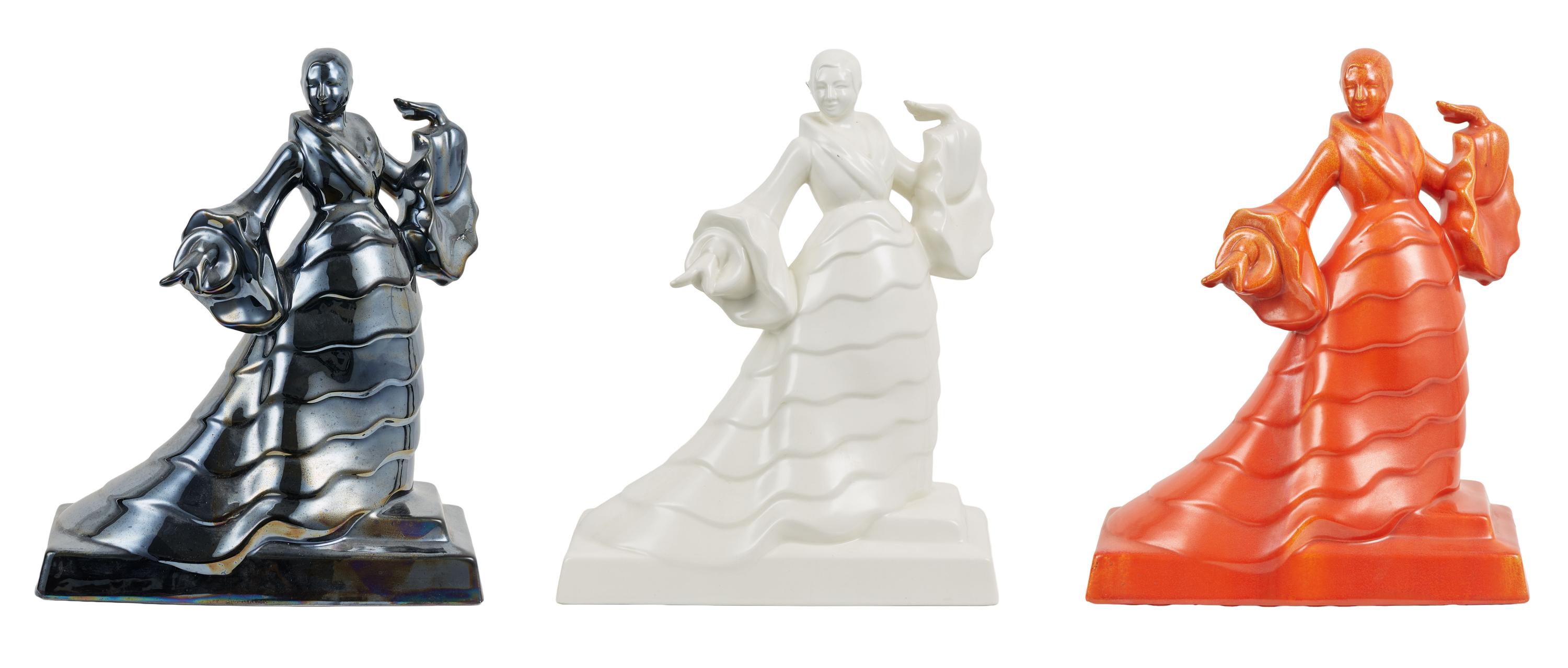
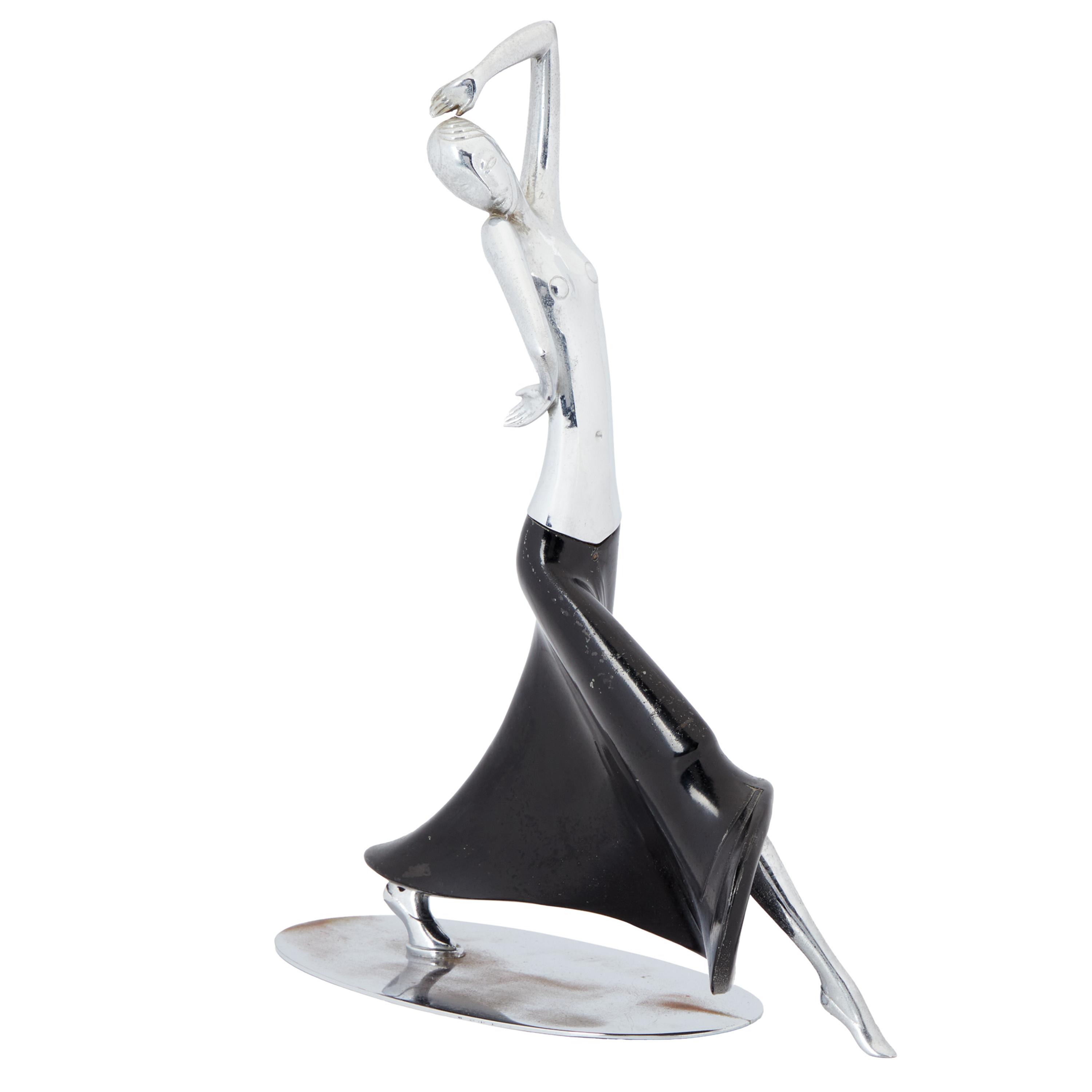
Art Deco statue and Rosenthal figurine: A metal and wood statue in the style of Karl Hagenauer and a porcelain figurine by Dorothea Charol for Rosenthal immortalize Baker’s iconic stage persona, from her banana skirt to her statuesque poise.
These objects are not just collectibles; they are tangible reminders of Baker’s pioneering role as a Black woman who shaped—and sold—her own image in an era when such agency was rare.
Beyond the Stage: Activism and Legacy
Baker’s legacy extends far beyond entertainment and fashion. During World War II, she aided the French Resistance, working with both British and American intelligence services. For her courage, she was awarded the Resistance Medal, the Croix de Guerre, and was named a Chevalier of the Legion of Honour by Charles de Gaulle.
Her activism continued into the civil rights era. Baker refused to perform for segregated audiences in the United States and was a vocal critic of racial discrimination. In 1963, she stood alongside Dr. Martin Luther King Jr. at the March on Washington as the only official female speaker, wearing her Free French uniform and medals as a testament to her lifelong fight for justice.
Inspiration for Generations of Women
Josephine Baker’s impact on women—then and now—cannot be overstated. She redefined what it meant to be a woman in the public eye: powerful, sensual, independent, and unafraid to challenge the status quo. Her style and persona inspired women to embrace their individuality, to be bold in their self-expression, and to demand agency over their own stories.
Her influence is still felt in contemporary fashion and pop culture. Designers like Jean Paul Gaultier and Christian Dior have drawn from her looks; stars such as Beyoncé and Rihanna have paid homage to her in their performances. Baker’s fearless embrace of her identity and her refusal to be confined by societal expectations continue to resonate with women, artists, and activists worldwide.
Celebrating a Timeless Icon
The "Hollywood Legends: A Day of Classic Hollywood" auction at Julien’s and Turner Classic Movies is more than a sale—it’s a celebration of Baker’s enduring legacy. The selection of jewelry, memorabilia, and art objects offers collectors and fans a rare opportunity to own a piece of history, each item a testament to Baker’s influence on style, celebrity, and social change.
Join us June 20th online and LIVE from Julien's Studios for an extraordinary auction event. As we reflect on Josephine Baker’s life and career, we are reminded that her greatest legacy is the permission she gave women to be themselves—unapologetically, audaciously, and with a flair that still dazzles nearly a century later.
“I shall dance all my life... I would like to die, breathless, spent, at the end of a dance.”
— Josephine Baker
Her dance continues—in the artifacts left behind that bare her likeness, in the women she inspired, and in the ongoing pursuit of freedom, beauty, and equality.