History
Music
Hard Truckers: Behind The Grateful Dead's 'Wall of Sound'
Before there was arena rock, before there was stadium sound, there was a roadie named Big Steve, a truck driver named Joe, and a fever dream of plywood, JBL speakers, and pure Grateful Dead ambition that would forever change the way live music sounds.
Share



The year was 1973, and the Grateful Dead had a problem only the Grateful Dead could have. Their music had outgrown every venue, every amplifier, every speaker cabinet that the existing concert industry could offer. The band's liquid, sprawling performances demanded something the world hadn't yet built: a sound system that could fill a field without losing the soul of a song. So they decided to build it themselves.
Into this crucible of necessity stepped two men who would become legends in their own right — not as musicians, but as the architects of sound. Steve "Big Steve" Parish, a roadie whose size was matched only by his loyalty and ingenuity, and Joe Winslow, a truck driver for the Dead who discovered he had an ear for more than just engine noise. Together, they would found Hard Truckers, a speaker cabinet company born from the road and built for the road, whose creations would become synonymous with one of the most audacious sonic experiments in the history of rock and roll.

1. Lot #49. Hard Truckers | Vintage Sales Brochure, 3. Lot #75. “Big Steve” Parish | Vintage Production and Instrument T-Shirts,
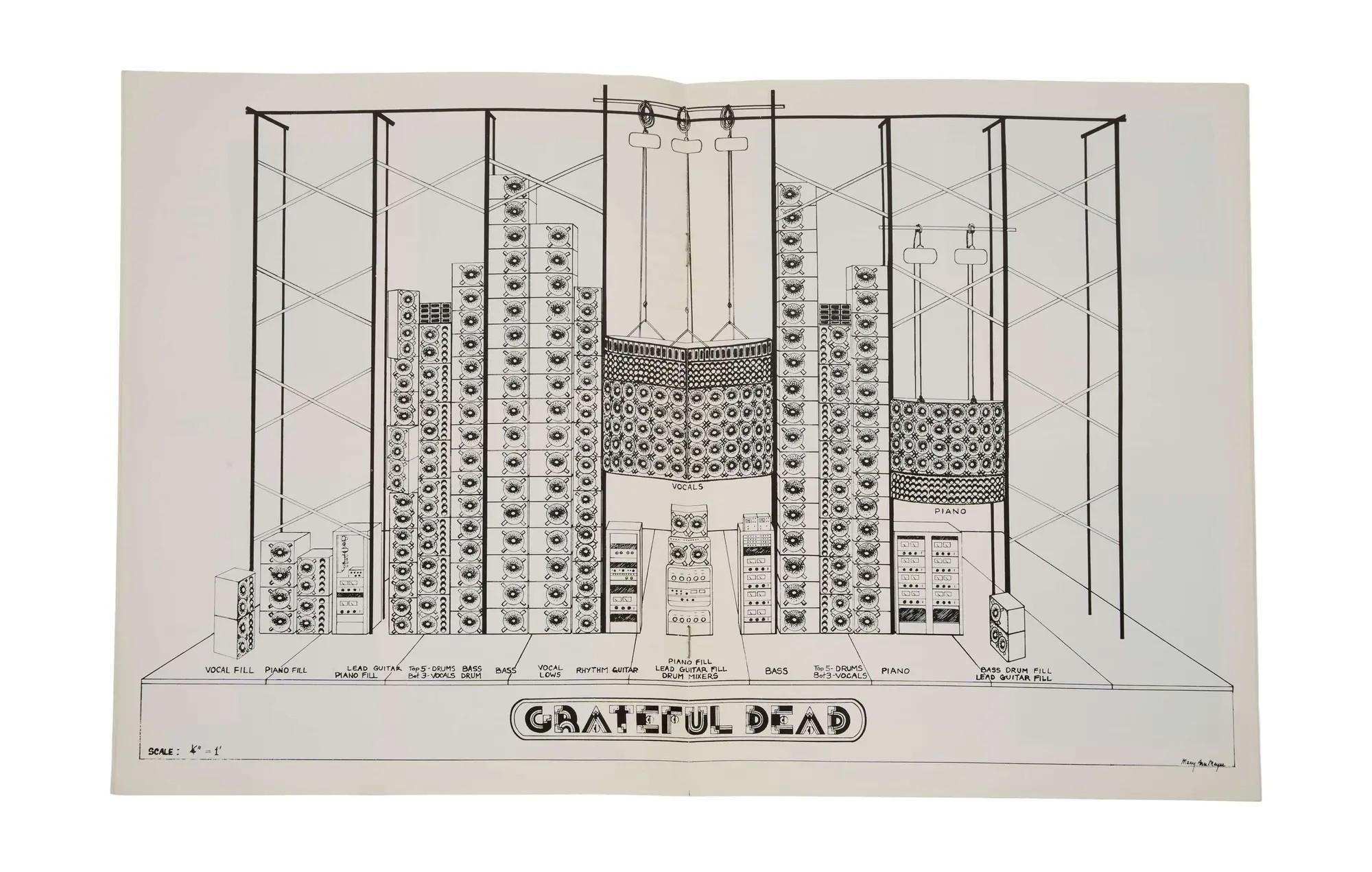
The Wall of Sound was the brainchild of Owsley "Bear" Stanley, the Dead's legendary sound engineer and LSD chemist, who designed the system in 1973 alongside a team that included Parish, Winslow, and a cadre of audio visionaries. The concept was revolutionary in its clarity: build a system so powerful and so precisely calibrated that it could monitor itself, eliminating the need for on-stage monitor speakers entirely, and delivering sound so pure it arrived at the audience's ears without distortion, without compromise, without the muddying echo that plagued every other massive sound rig of the era.
Six separate systems, each occupying its own channel — vocals, lead guitar, rhythm guitar, piano, bass, and drums — stacked into a monument of wood and wire that the band carried everywhere it played.
The Architecture of the Wall of Sound
The bass was routed through a quadraphonic encoder, sending the signal from each individual string to its own dedicated speaker. Different components of the drum kit occupied individual channels. Nothing was shared. Nothing was blended before it needed to be. The sound mix happened in the air itself, in the space between the Wall and the audience, the way music was always meant to be heard — alive, dimensional, and utterly uncompressed.
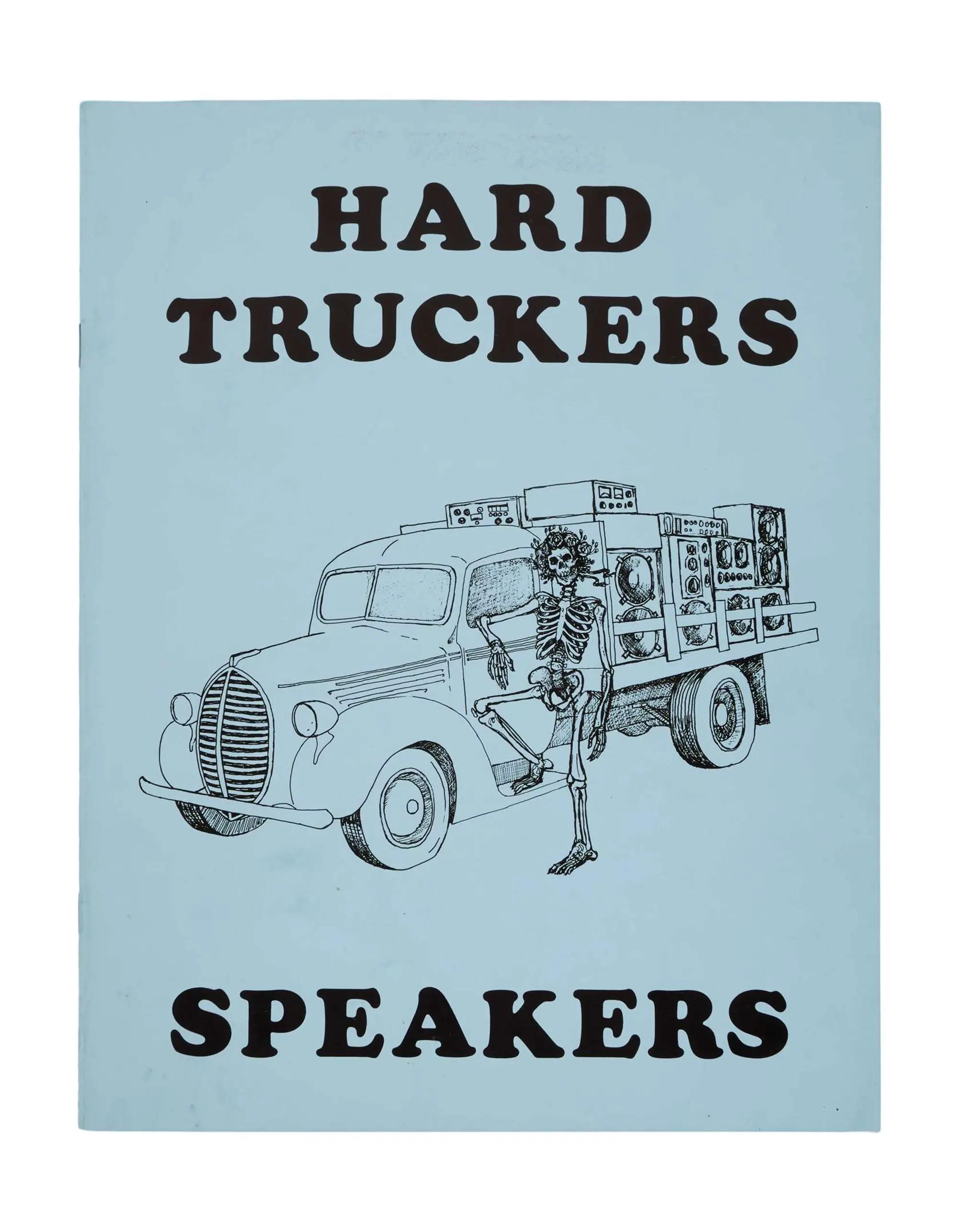
Lot #49. Hard Truckers | Vintage Sales Brochure
The Builders
Hard Truckers built the cabinets that made all of this possible. Working from a deep knowledge of the road and an equally deep familiarity with the Dead's sound, Parish and Winslow crafted speaker cabinets in plywood — simple in material, extraordinary in execution. The cabinets were not factory products. They were handmade objects, each one carrying the fingerprints of the men who assembled them in service of music they believed in completely.
The scale of the Wall of Sound was staggering. When fully assembled, it stood roughly forty feet wide and sixty feet tall — a cathedral of plywood and wire that the Dead carried from city to city like a traveling civilization. And here is the part that most histories skip over: the Wall could not simply be shoved into any available space. Its tolerances were precise. Every cabinet had to fit exactly where it was designed to fit. If the geometry was wrong, the sound was wrong. If the sound was wrong, the whole enterprise collapsed.
"Venues were chosen not for their prestige or their capacity, but for their sheer physical space — because if the Wall couldn't fit, the show couldn't happen."
Big Steve Parish, on the logistics of the Wall of Sound
This meant the Grateful Dead did not choose venues the way other bands chose venues. They chose venues the way a surgeon chooses an operating room — based on whether the space could accommodate the procedure. Promoters who wanted the Dead had to accept the Dead's terms, which included dedicating a massive footprint of their facility to a structure that arrived on multiple trucks and took days to assemble. Seeing the Wall of Sound rise from nothing was an event in itself, and the crews that built it — Hard Truckers foremost among them — became as much a part of the Dead's legend as the music.
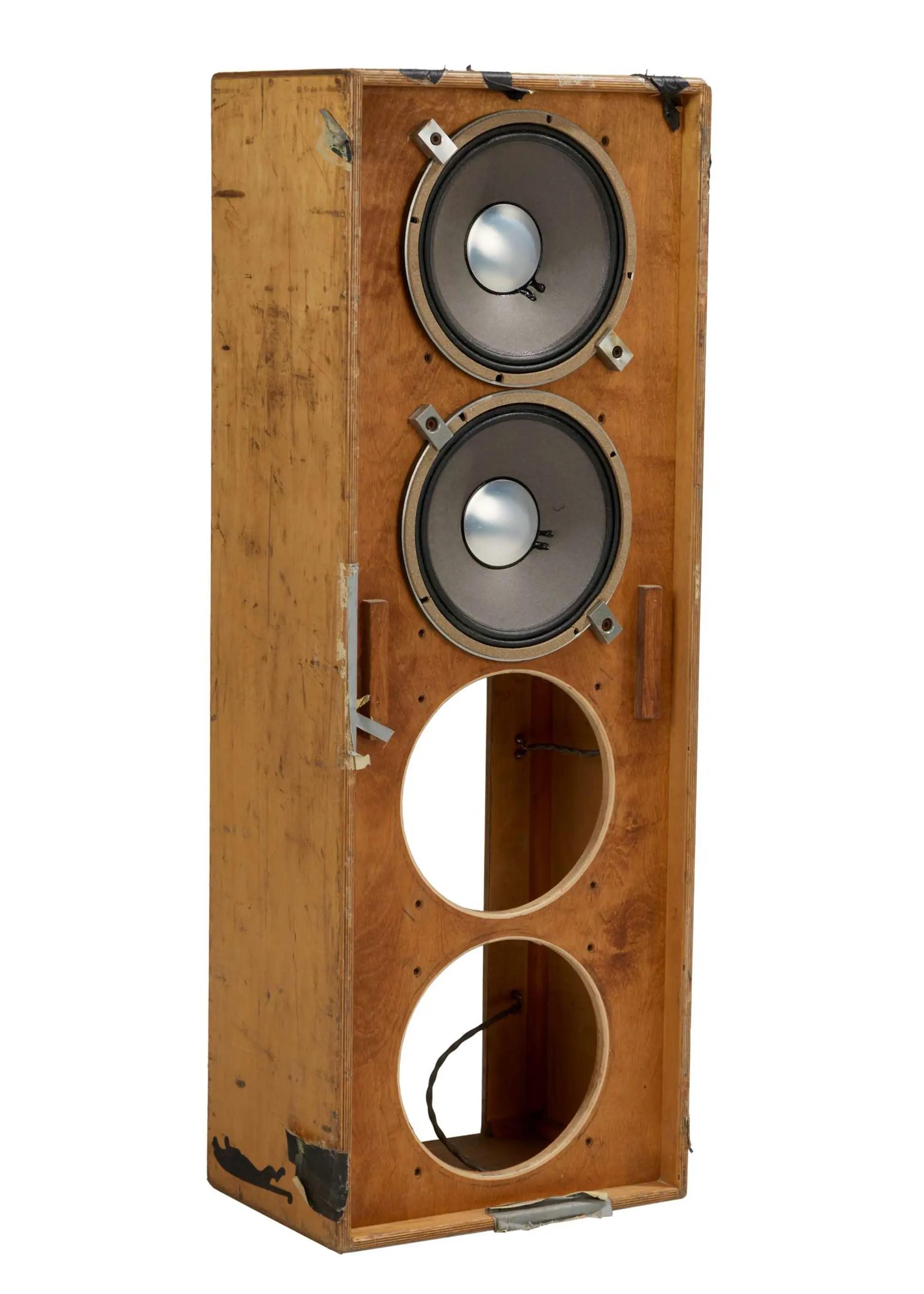
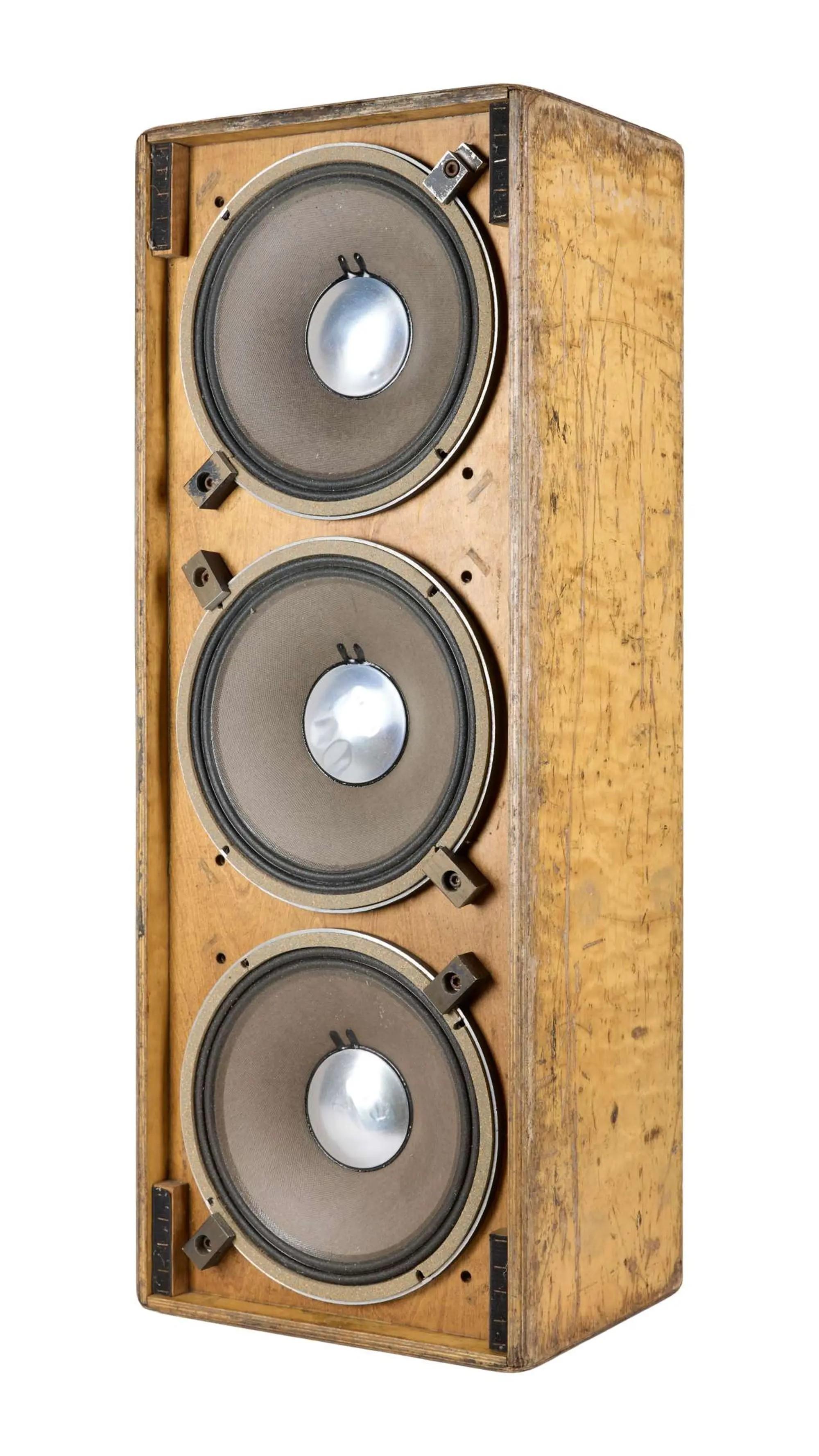
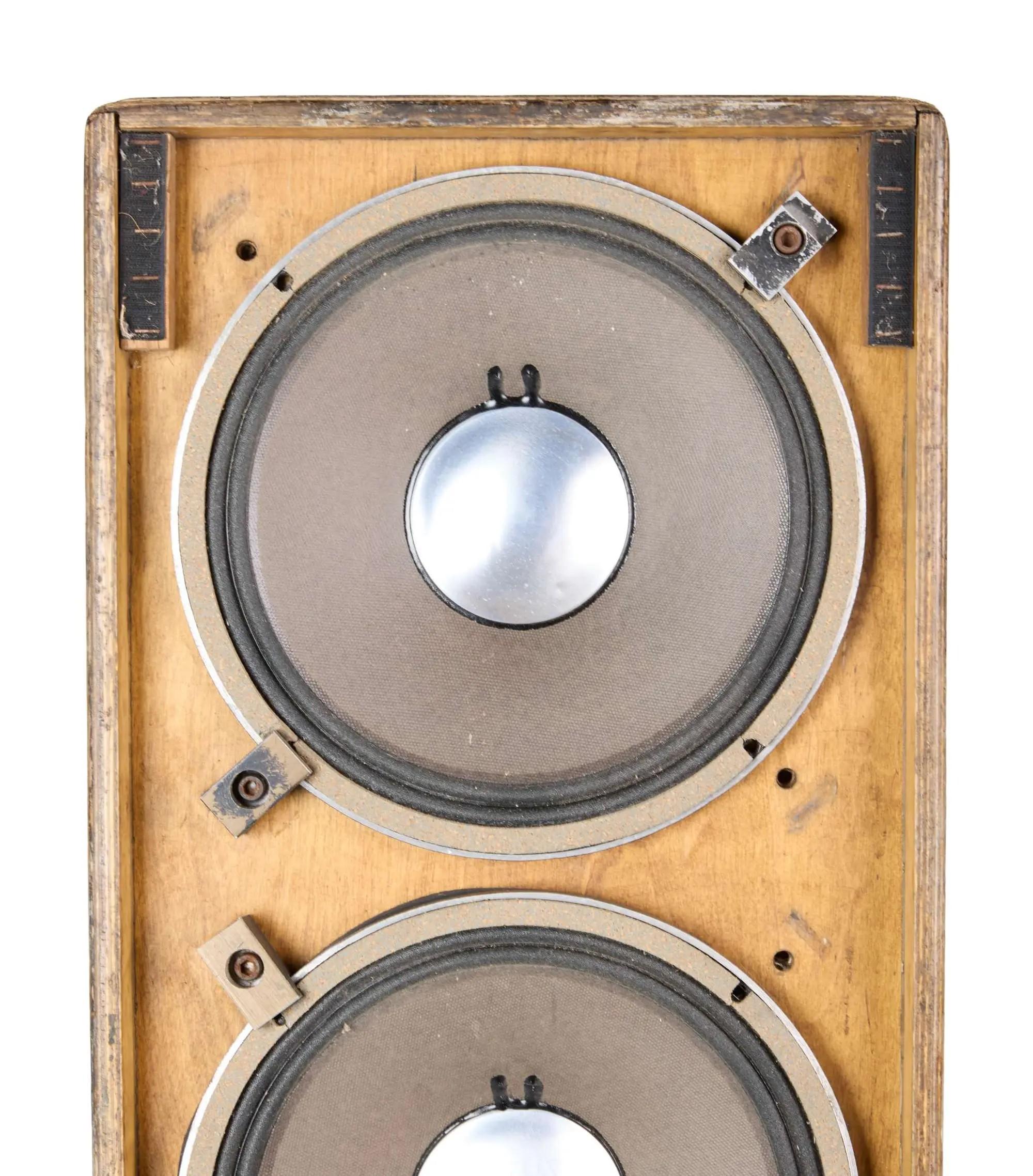
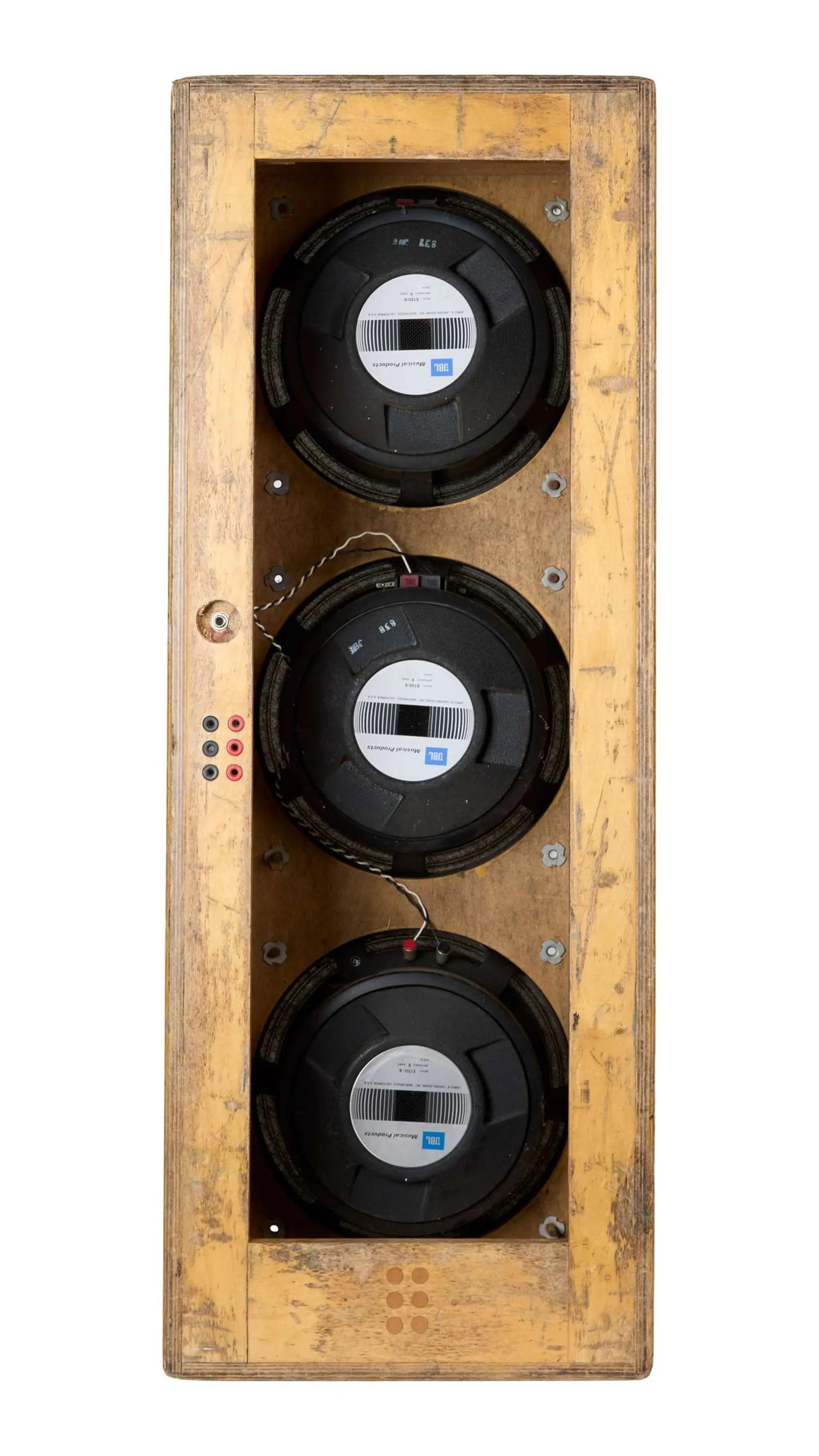
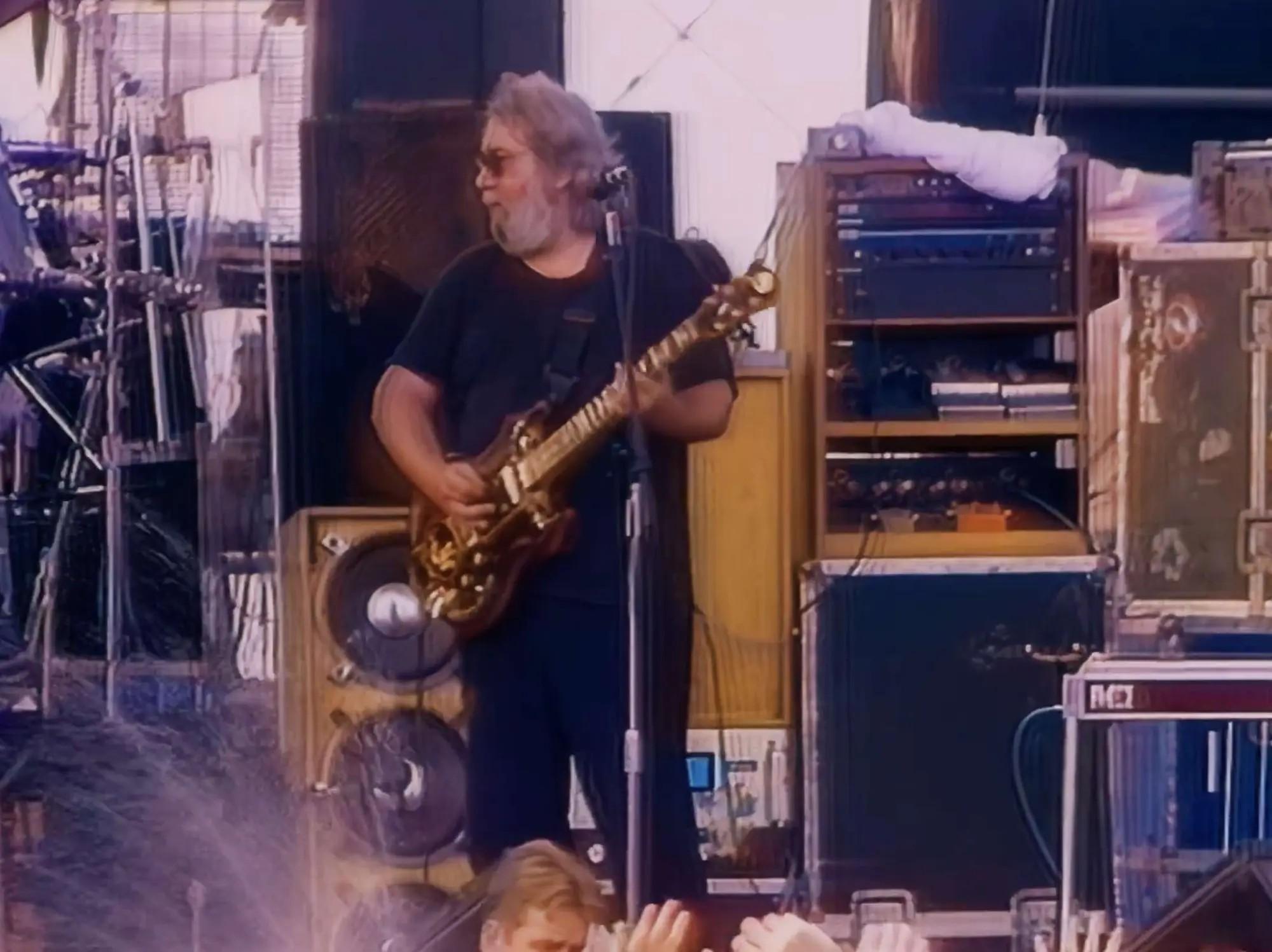
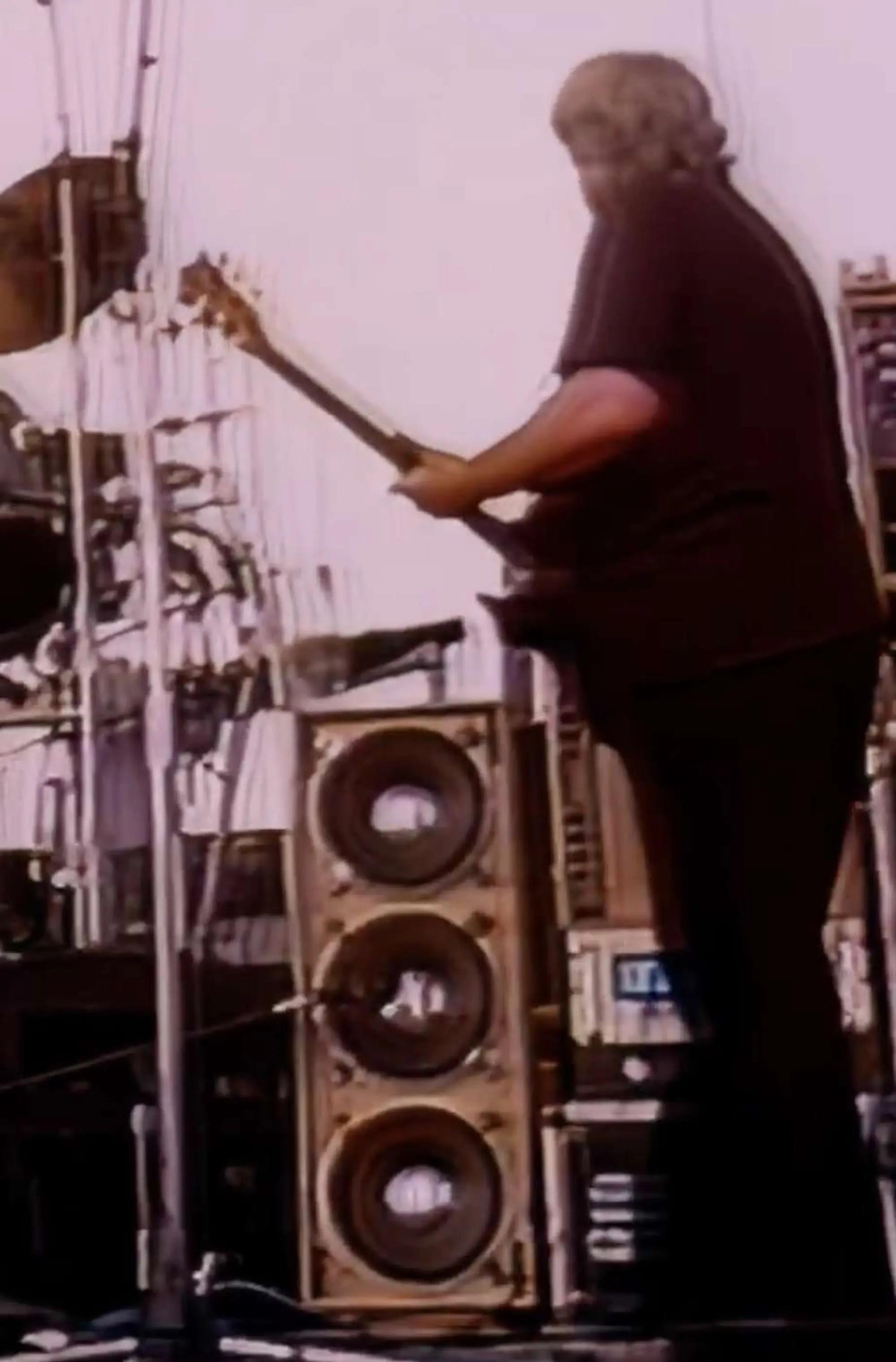
1. Lot #50. Hard Truckers | Vertical 4x12 Speaker Cabinet Used in 1977 with Grateful Dead, Later with Jerry Garcia Band, Includes Extra JBL Speaker, 2. Lot #122. Jerry Garcia | Owned and Played Hard Truckers 3x12 Guitar Speaker Cabinet,
When the Wall of Sound was finally retired in 1974 — its operational costs simply unsustainable, requiring two complete rigs so one could leapfrog ahead while the other was in use — Hard Truckers did not disappear. Parish and Winslow had built something durable, and the Dead still needed speakers. The company continued building for Garcia and the band through the decades that followed, evolving as the music evolved, but never losing the handmade character that had defined it from the beginning.
The Instruments of Sound
What survives today from Hard Truckers is more than equipment. Each cabinet is a document of a particular moment in the Dead's history — a record of how the band wanted to sound on a specific night in a specific room. The JBL E-120 speakers that Parish favored, with their silver dust caps and their 300-watt capacity, became the signature voice of Garcia's guitar in the post-Wall years. Their presence in a cabinet is not incidental. It is biographical.
The monitor cabinets — Lots 51 and 52 from this auction — tell a particularly revealing story. Parish describes them as having "experimental modifications," which in the context of Hard Truckers means exactly that. These were not off-the-shelf units fitted into a standard rack. They were objects that Parish and his crew tinkered with on the road, adjusting and improvising as the Dead's needs shifted from night to night. The four-position JBL crossover knob on the front of each cabinet is a physical record of that improvisation — a dial that someone turned in a venue somewhere, trying to find the exact frequency response that would make the music feel right.
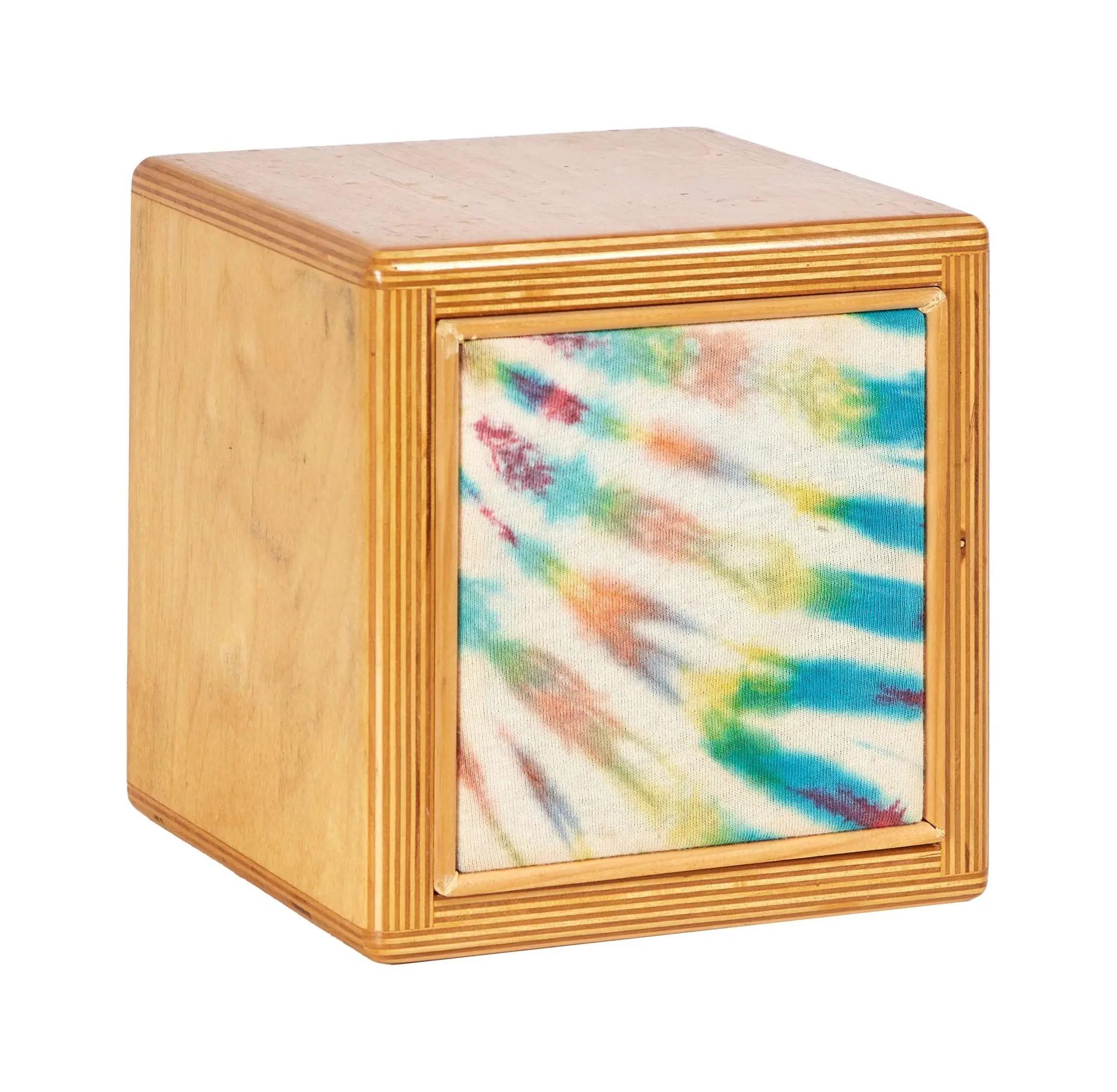
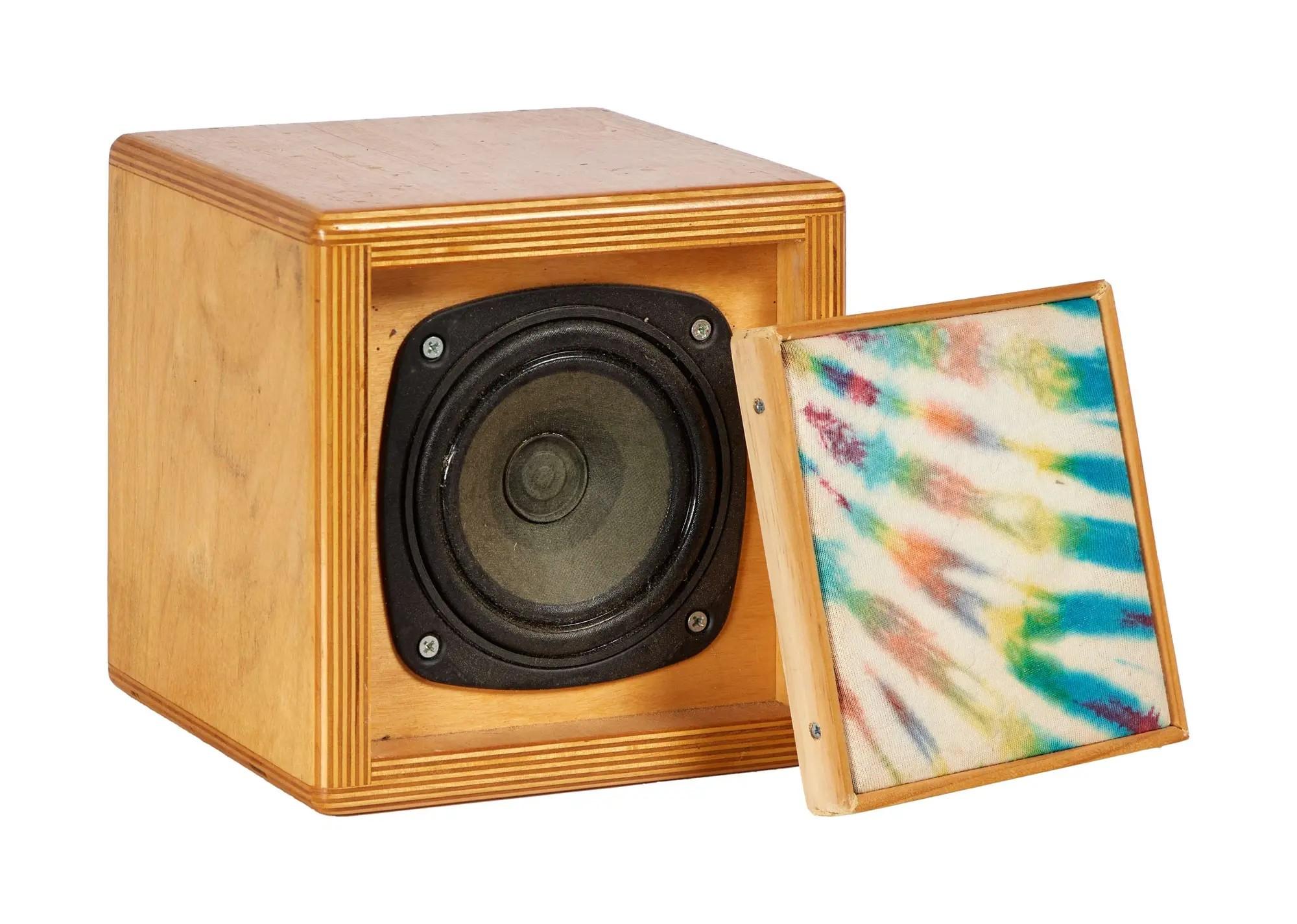
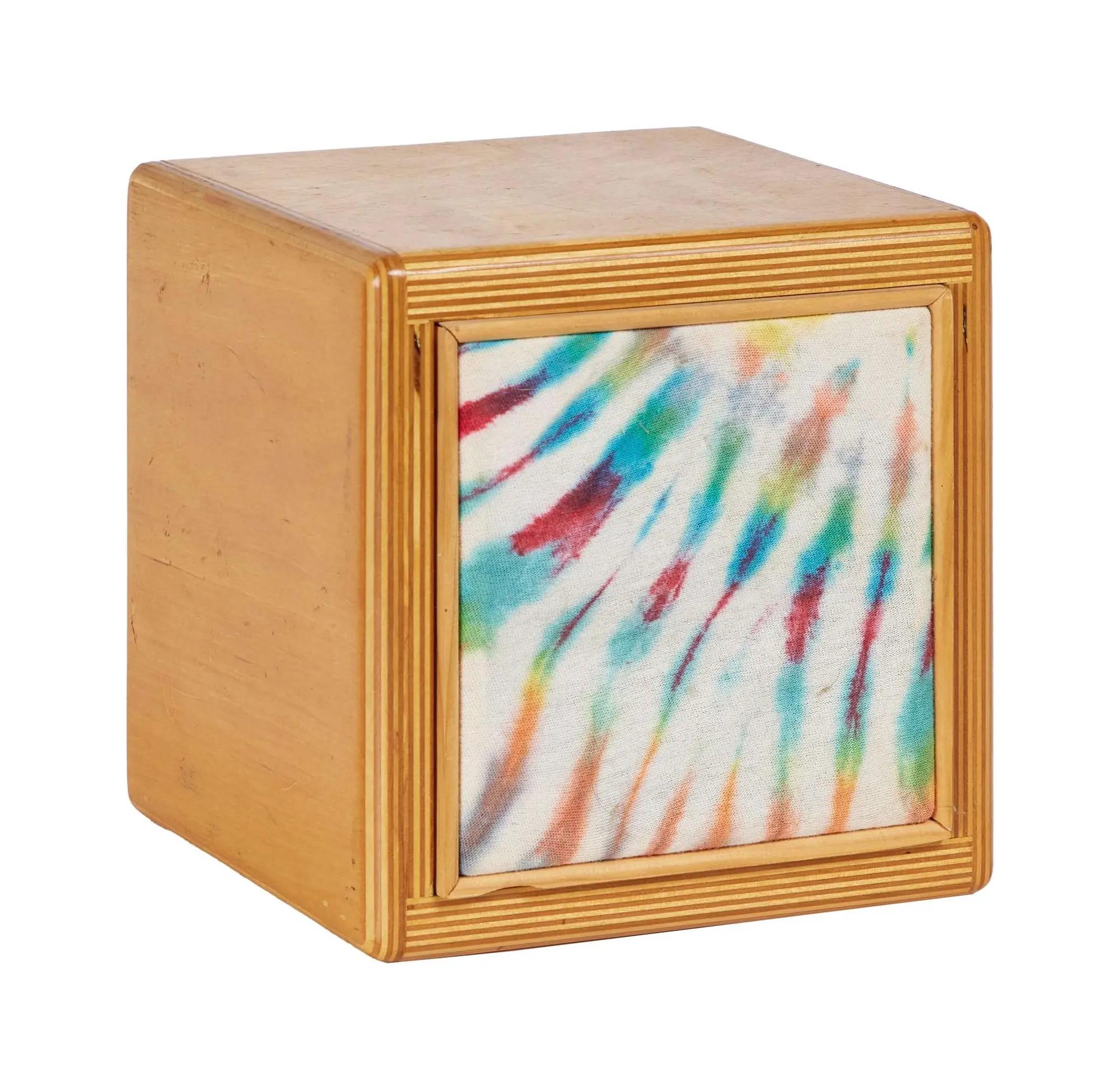
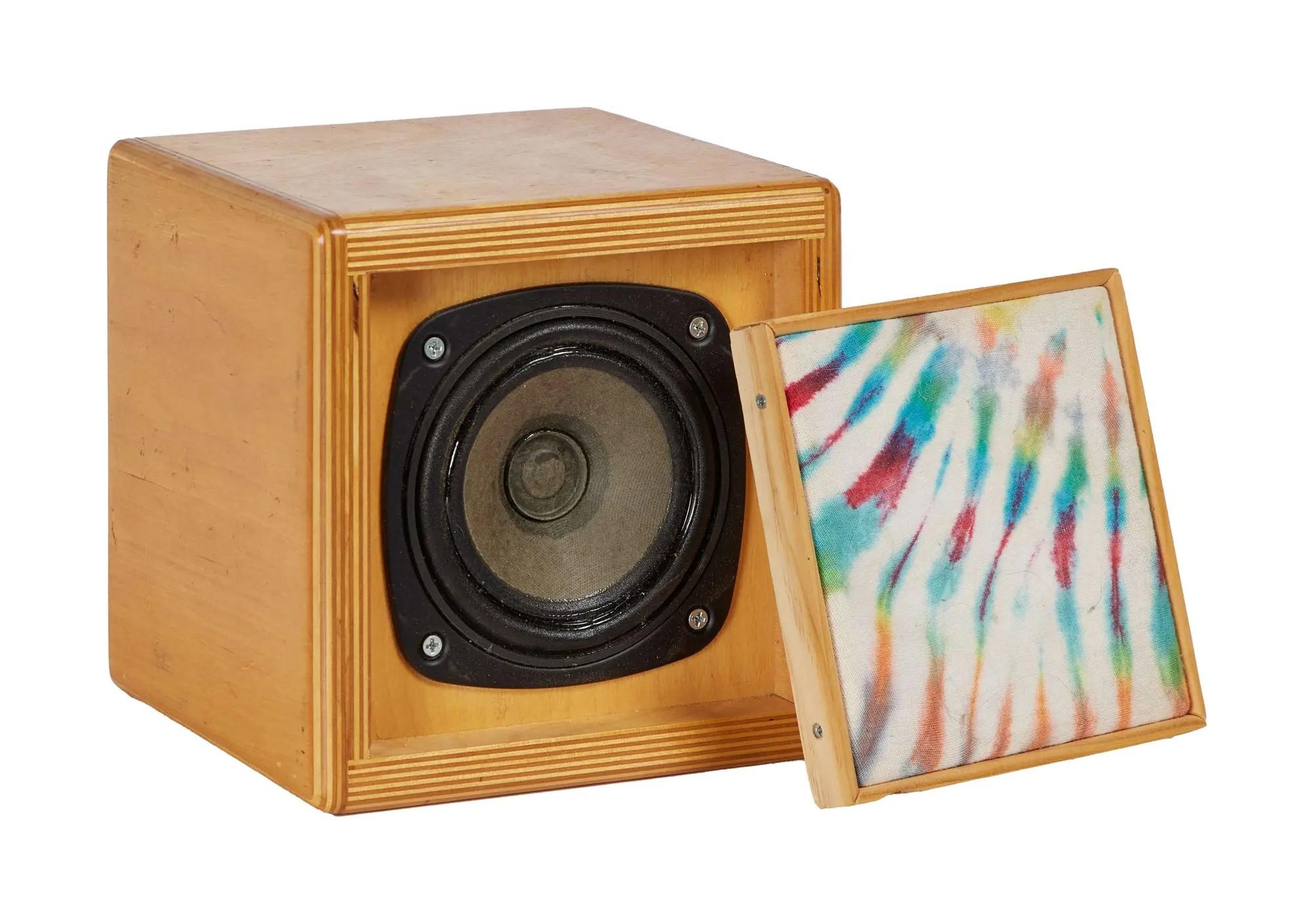
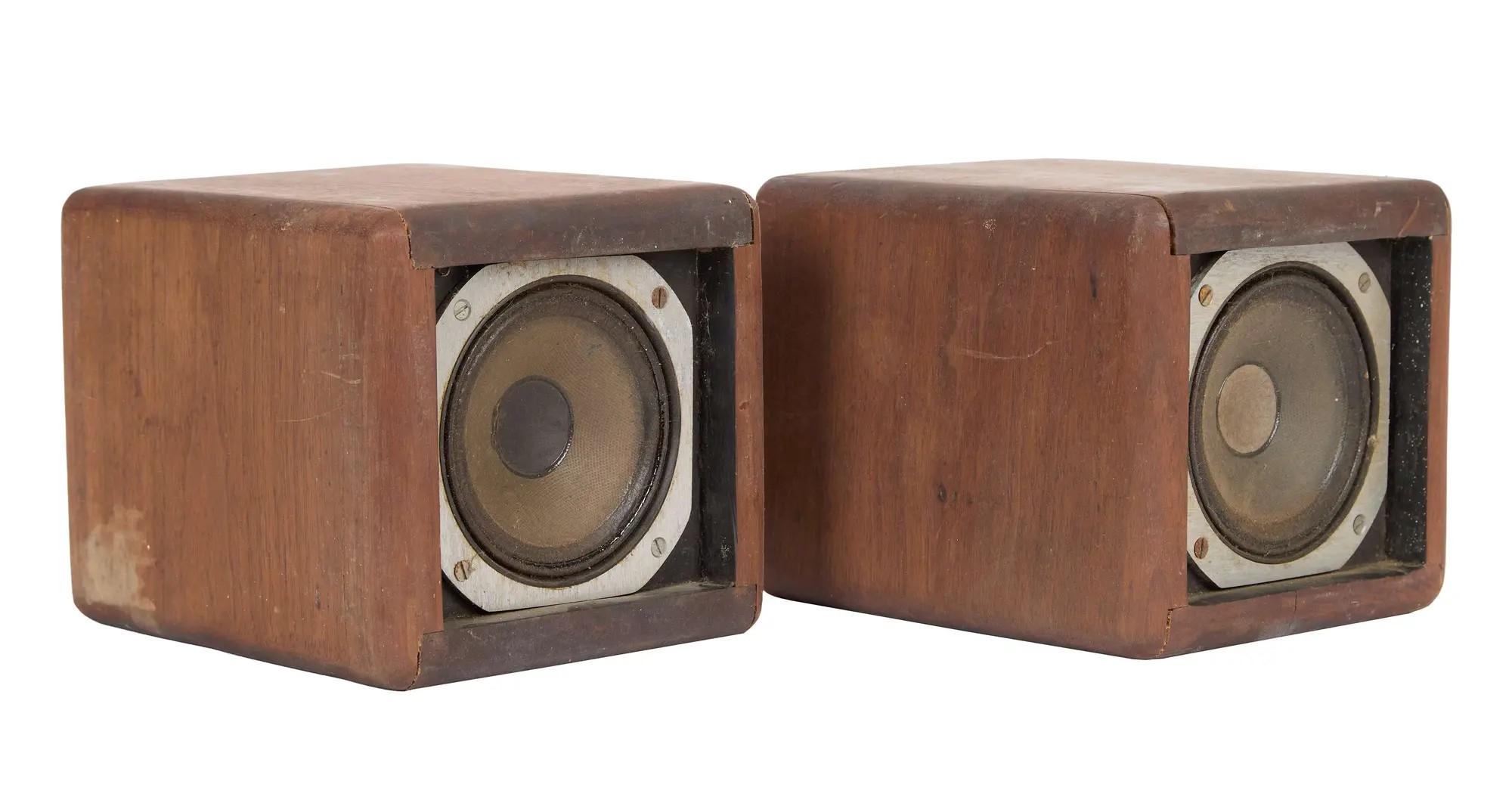
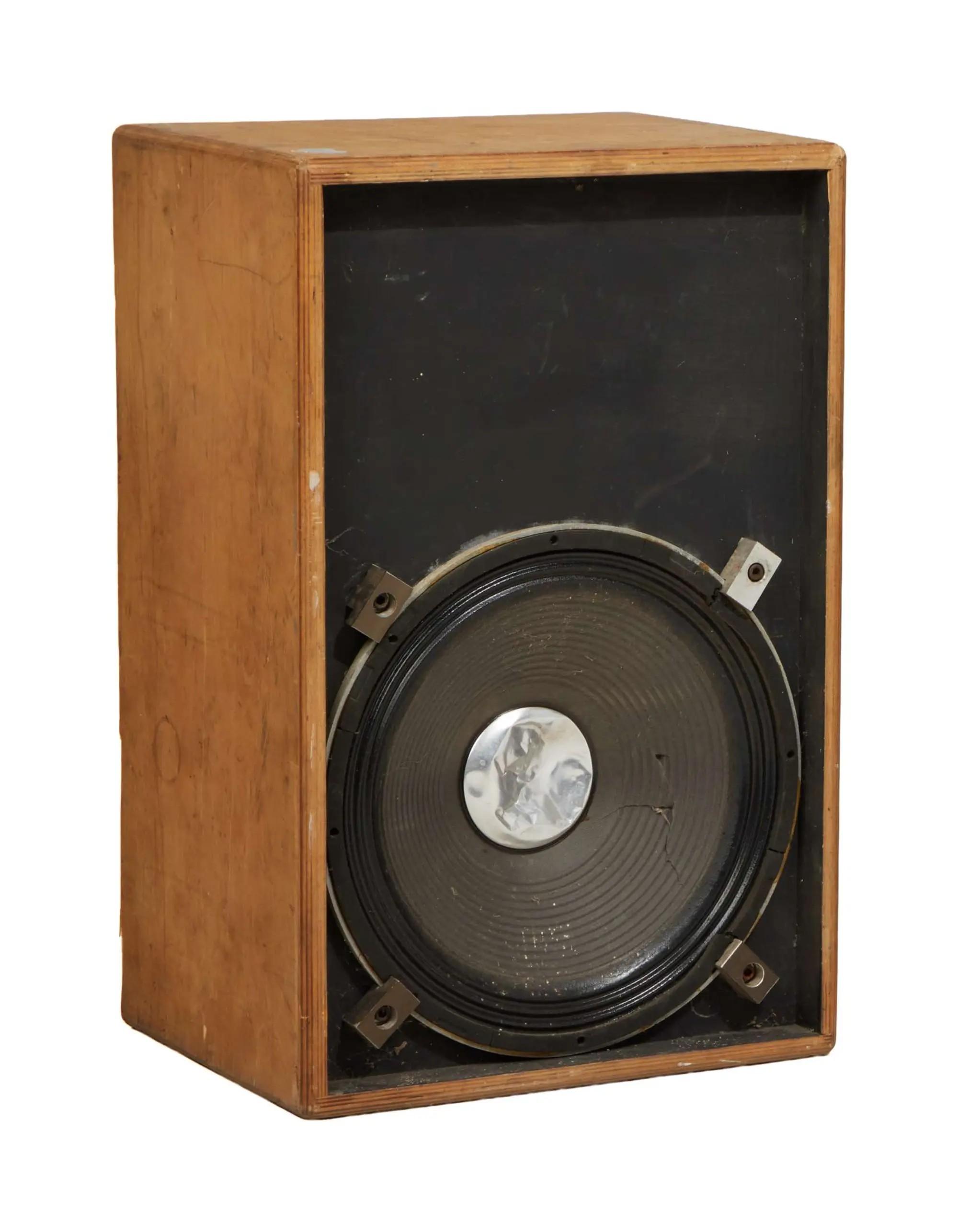
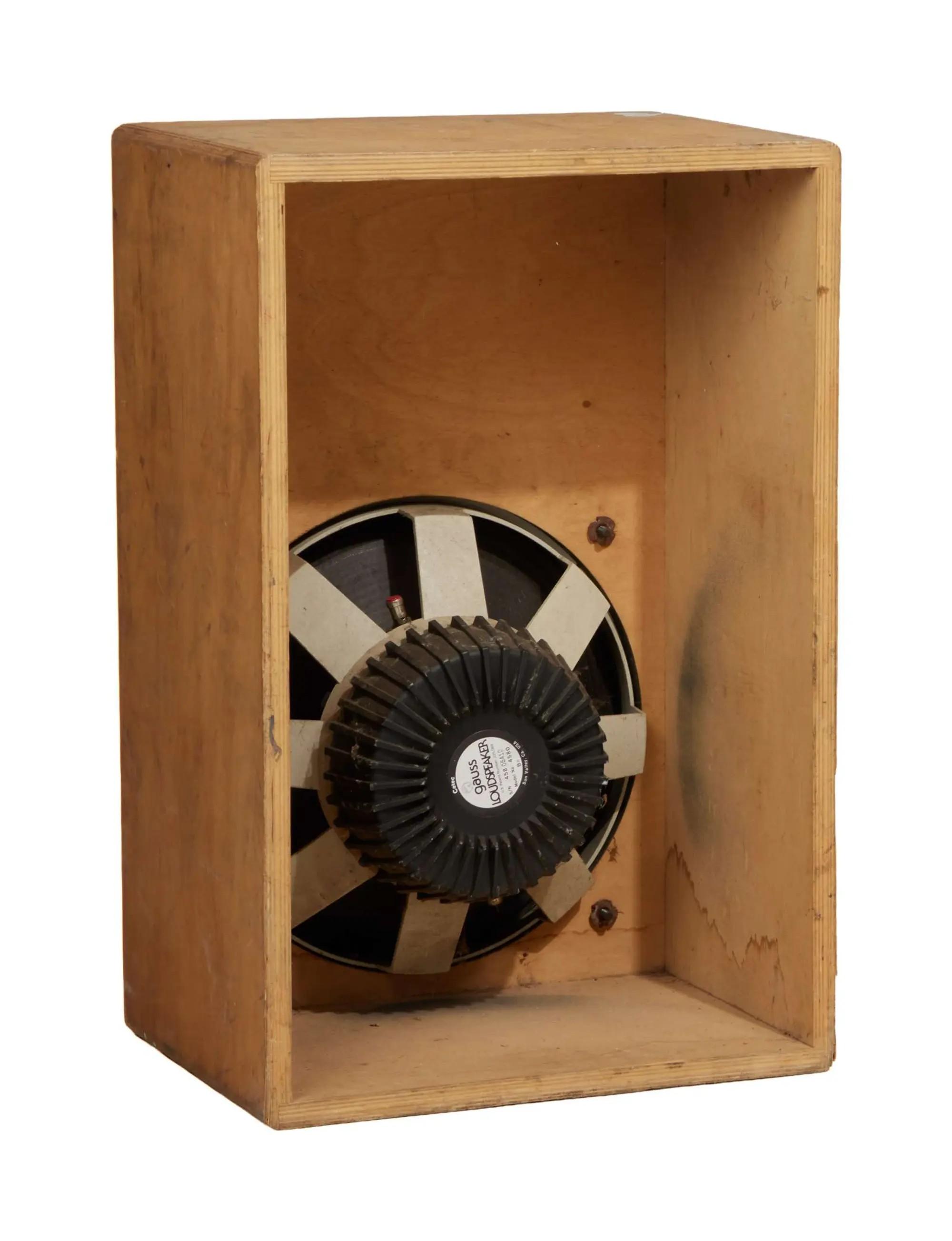
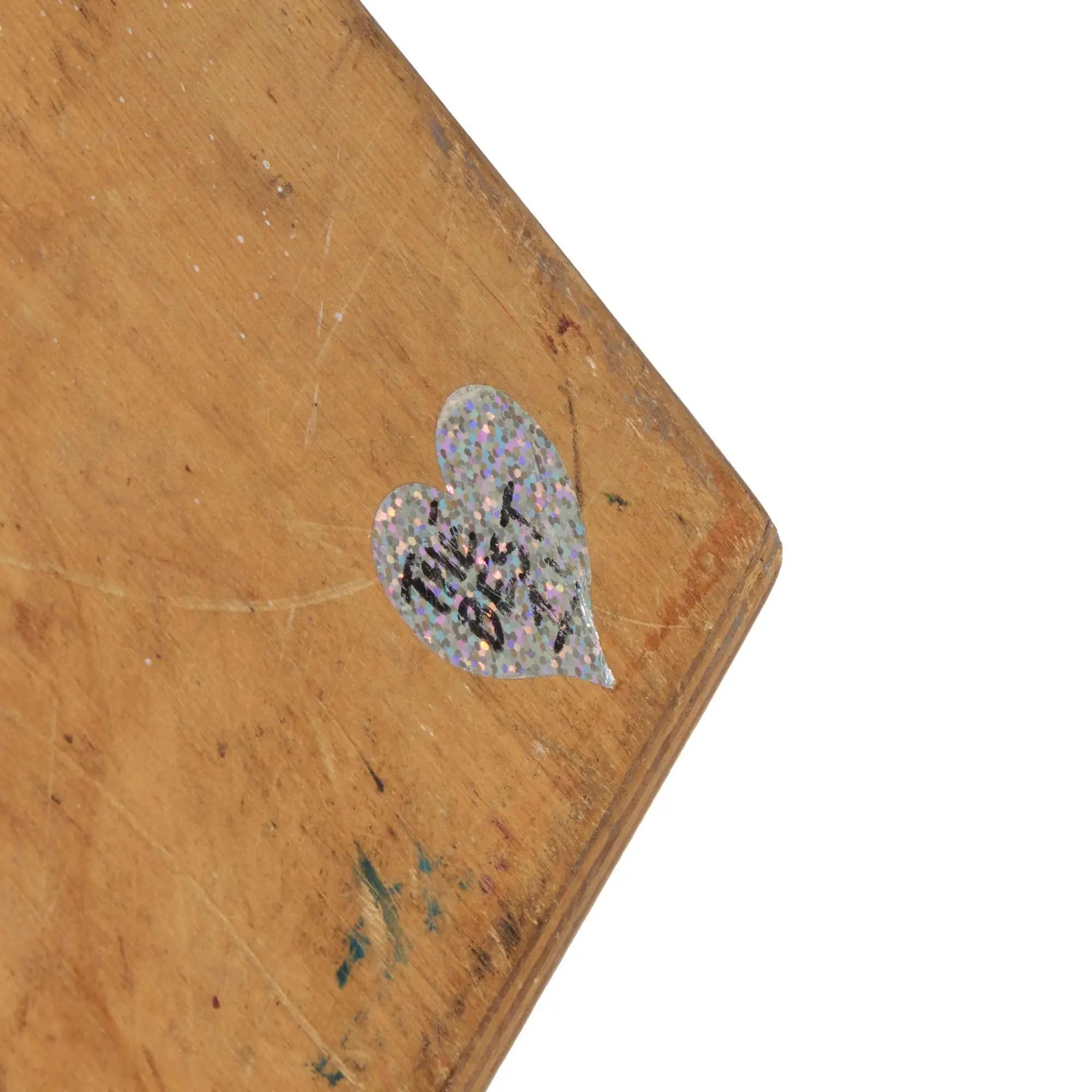
1. Lot #276. Hard Truckers | Small Plywood Speaker Enclosure with 4.5 Inch Speaker and Tie Dye Grille Cloth (C), 3. Lot #277. Hard Truckers | Small Plywood Speaker Enclosure with 4.5 Inch Speaker and Tie Dye Grille Cloth (D), 5. Lot #56. Hard Truckers | Custom Wooden Speaker Cubes (2), 6. Lot #55. Hard Truckers | Speaker Cabinet with Gauss 15 Inch Speaker,
The Legacy
It is tempting, when looking at a Hard Truckers cabinet today, to see only the surface: the gaff tape residue, the well-worn plywood, the banana plug connectors, the velcro patches where grille covers once attached. But the surface is the story. Every piece of tape is a memory of a load-in. Every stripped screw is a late-night repair in a parking lot somewhere in America. These cabinets were working objects, and they were worked hard.
The small tie-dye grille cloth enclosures — Lots 276 and 277 in this auction — hand-built by Parish and the Hard Truckers crew, capture something else entirely: the warmth and color of the Dead's world. Bright, still saturated after all these years, slightly muted with age but unmistakably alive, these little speaker boxes are a reminder that the people who built the Dead's sound were also, in their own way, part of the culture that the Dead created. The tie-dye is not decoration. It is identity.
Steve Parish went on to manage Jerry Garcia personally, becoming one of the most trusted figures in the Dead's extended family — the man Garcia leaned on when he needed someone who would tell him the truth. Joe Winslow, who began by driving a truck and ended by helping engineer one of the most ambitious live sound systems ever conceived, is a reminder that in the world the Dead built, titles meant nothing and capability meant everything.
Hard Truckers is not a footnote in the history of the Grateful Dead. It is a load-bearing wall. Without the cabinets Parish and Winslow built, without the precision of their craftsmanship and the exactness of their dimensions, the Wall of Sound does not stand — literally. The mathematics had to be right. The wood had to be cut right. And the speakers inside had to be chosen by people who understood not just acoustics, but music.
When you hold a Hard Truckers cabinet — feel the weight of the plywood, run a finger over the remnants of gaff tape, peer into the darkness behind a speaker grille — you are holding a piece of that understanding. You are holding the Grateful Dead's sound.