Music
The Grateful Dead: More Than Music, It's a Way of Life
The Grateful Dead were far more than the sum of their musical parts—they were catalysts for a community and a culture. Enter the Deadheads.
Share



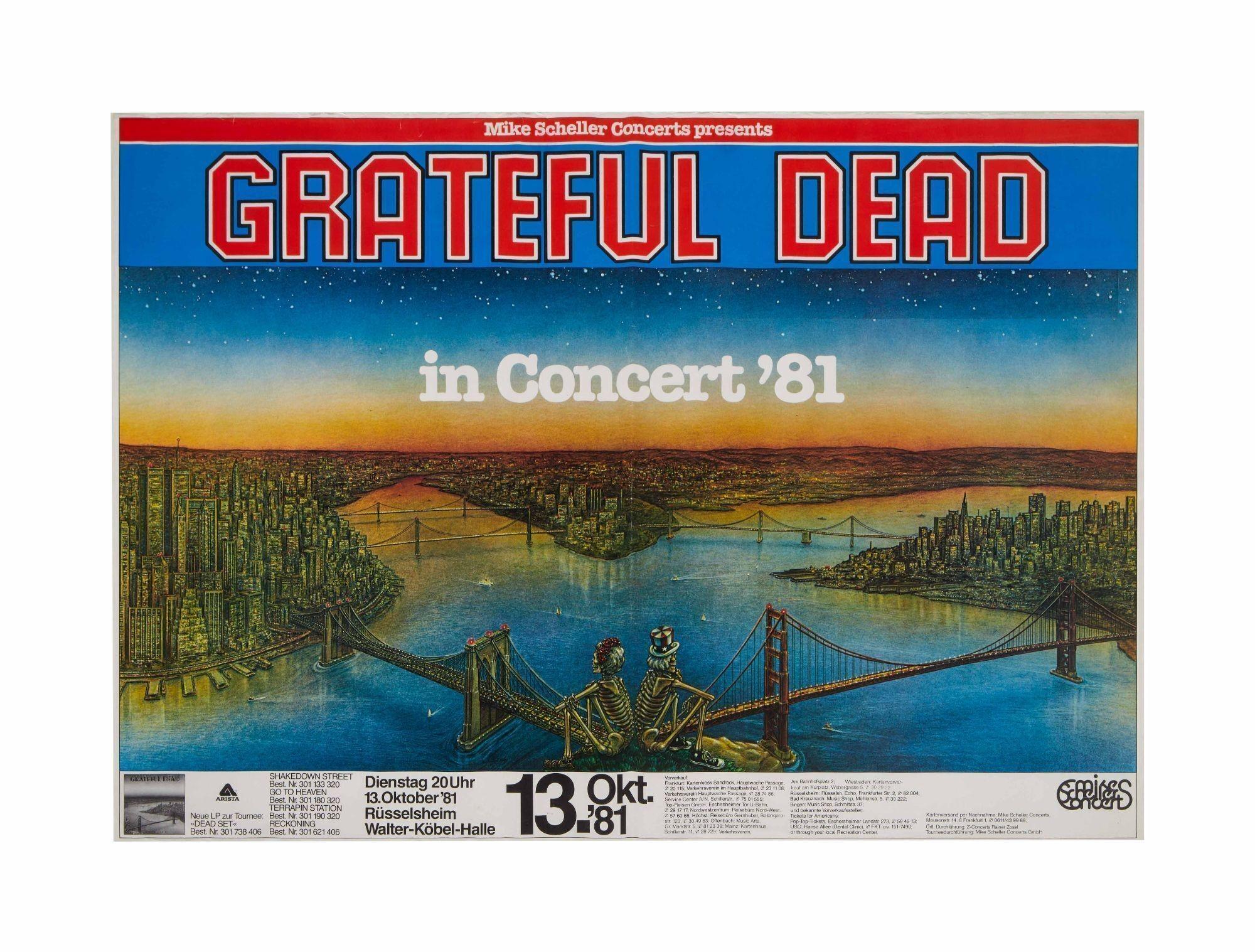
The Grateful Dead became an American institution, a multi-generational phenomenon that transcended the very concept of a rock band.
They were never the slickest band, their songs could meander into twenty-minute psychedelic odysseys, and commercially, they often seemed to fly under the mainstream radar. Yet, the Grateful Dead became an American institution, a multi-generational phenomenon that transcended the very concept of a rock band.
The Dead, as they're lovingly known, embodied the experimental, free-spirited ethos of the 1960s San Francisco counterculture. Their music was a sonic kaleidoscope – blues, rock, country, folk, a dash of bluegrass, all spun into a heady brew of improvisational magic. Jerry Garcia's soulful guitar, Bob Weir's rhythmic explorations, Phil Lesh's walking-yet-melodic basslines, and the dual-drumming attack of Bill Kreutzmann and Mickey Hart were a recipe for a musical journey like no other.
Of course, you can't mention the Grateful Dead without discussing the other half of the equation: The Deadheads. This wasn't your average fanbase; it was (and still is) a tribe, a traveling nation united by the music and the spirit of adventure. Deadheads prided themselves on the "tour experience," following the band from city to city, creating a vibrant, bartering community in the parking lots of stadiums across the country. Tie-dye, peace signs, and an unyielding dedication – these were the hallmarks of a Deadhead, and their commitment was unparalleled.
Part of the band's mystique was in their live shows. No two Grateful Dead concerts were the same. Setlists were fluid, staples like "Casey Jones" or "Truckin'" would be jammed and reimagined each night. The band fed off the crowd's energy, the crowd reveled in the unpredictable, symbiotic nature of the performance. Some saw it as musical meandering, for others, it was pure sonic enlightenment.
But the magic also lay in the Dead's gentle, anti-establishment philosophy. It was about the journey, not just the destination. It was about creating community, about acceptance. And for all the stereotypes surrounding hippies and patchouli, an often-missed element was the humor and sharp wit present in both the music and Deadhead culture.
Who are the Deadheads?
The Deadhead phenomenon is a testament to the band's ability to transcend mere fandom. This isn't just about liking a band's music– Deadheads are a devoted, nomadic tribe who turned the band's tours into their own traveling nation. From tie-dyed college students to lawyers and CEOs sneaking away on tour, Deadheads came from all walks of life, united by a love of the music and the communal experience of the shows.
This was pre-internet, so finding your fellow travelers involved a complex system of word-of-mouth, fanzines, and serendipity. Arriving at a Dead concert wasn't simply turning up for a gig – it was an entry into a self-contained world.
Then there's the legacy. The Grateful Dead officially disbanded following Garcia's death in 1995. Yet, the beat goes on. Dead & Company, featuring original members Weir, Hart, and Kreutzmann alongside newer luminaries like John Mayer, continues to carry the improvisational torch. Meanwhile, countless jam bands across the land owe their very existence to the Dead's influence. There are scholarly journals dedicated to understanding their impact, and their recorded output, including the legendary live "vault" releases, remains a treasure trove for sonic explorers.
The Grateful Dead weren't just a band; they were and continue to be a cultural touchstone. It's hard to neatly categorize them, to place them within familiar genre boxes. That's precisely their power—the music, the fans, the ethos, it all adds up to something uniquely American, and it refuses to fade away.
Music is a time capsule for its ability to drop its listener right back to a specific time and place. Still reminisce about your Deadhead days? Check out our Music Icons auction for other artifacts from the Grateful Dead and other legendary rock artists.