History
Music
Florian Schneider: New Documents Reveal the DNA of Robot Pop
The discovery of the Erik Richard Gagnon archive provides irrefutable evidence linking the Votrax Silver Rack Case from Florian Schneider's collection to the foundational sound of Kraftwerk, transforming Lot #80 into a verified artifact of music history.
Share




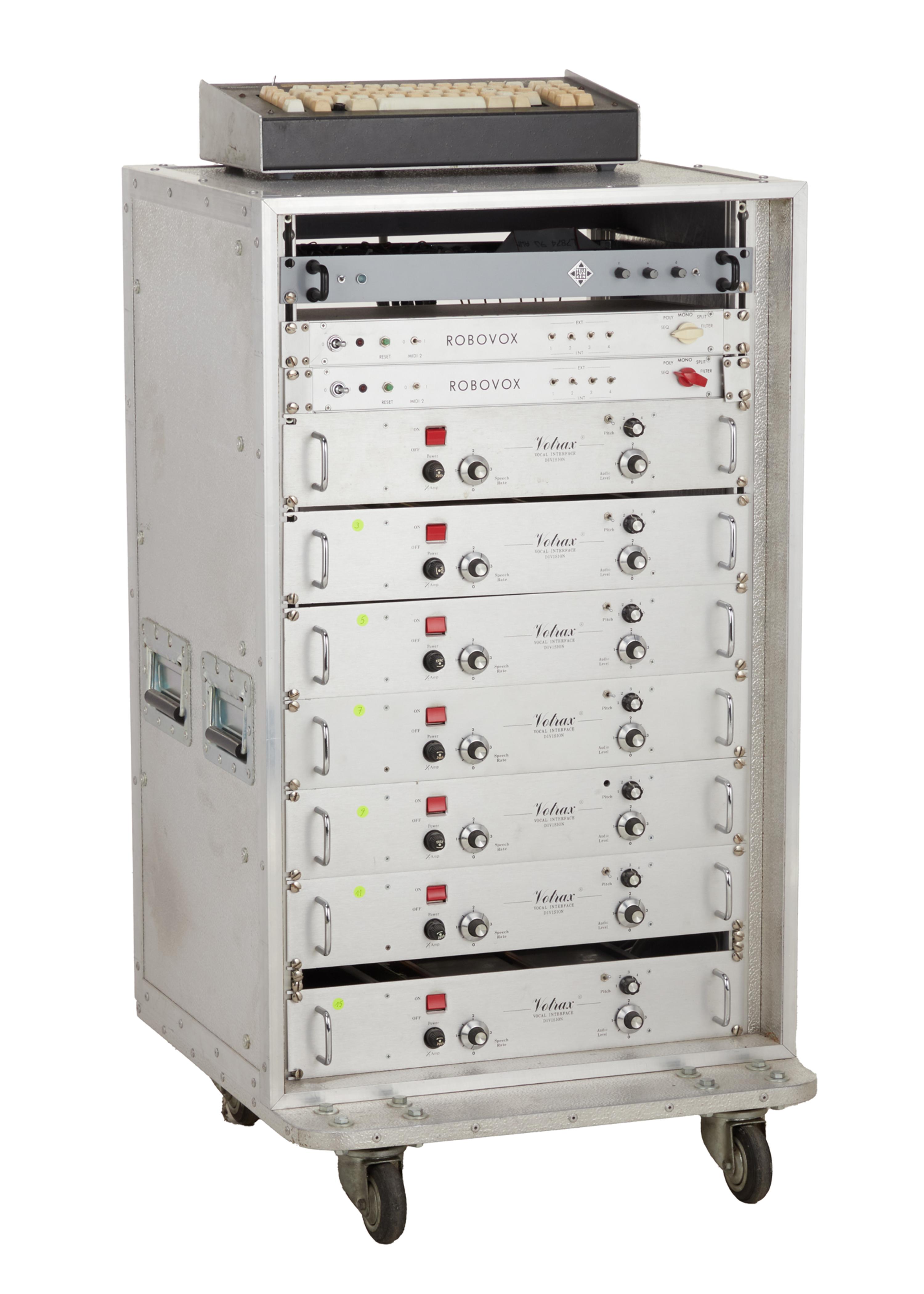
Lot #80. Florian Schneider | Robovox and Votrax Silver Rack Case with Votrax Phoneme Keyboard
The high stakes world of music memorabilia collecting often brings many aspects of provenance usually in the form of a photograph, receipt or a backstage pass.
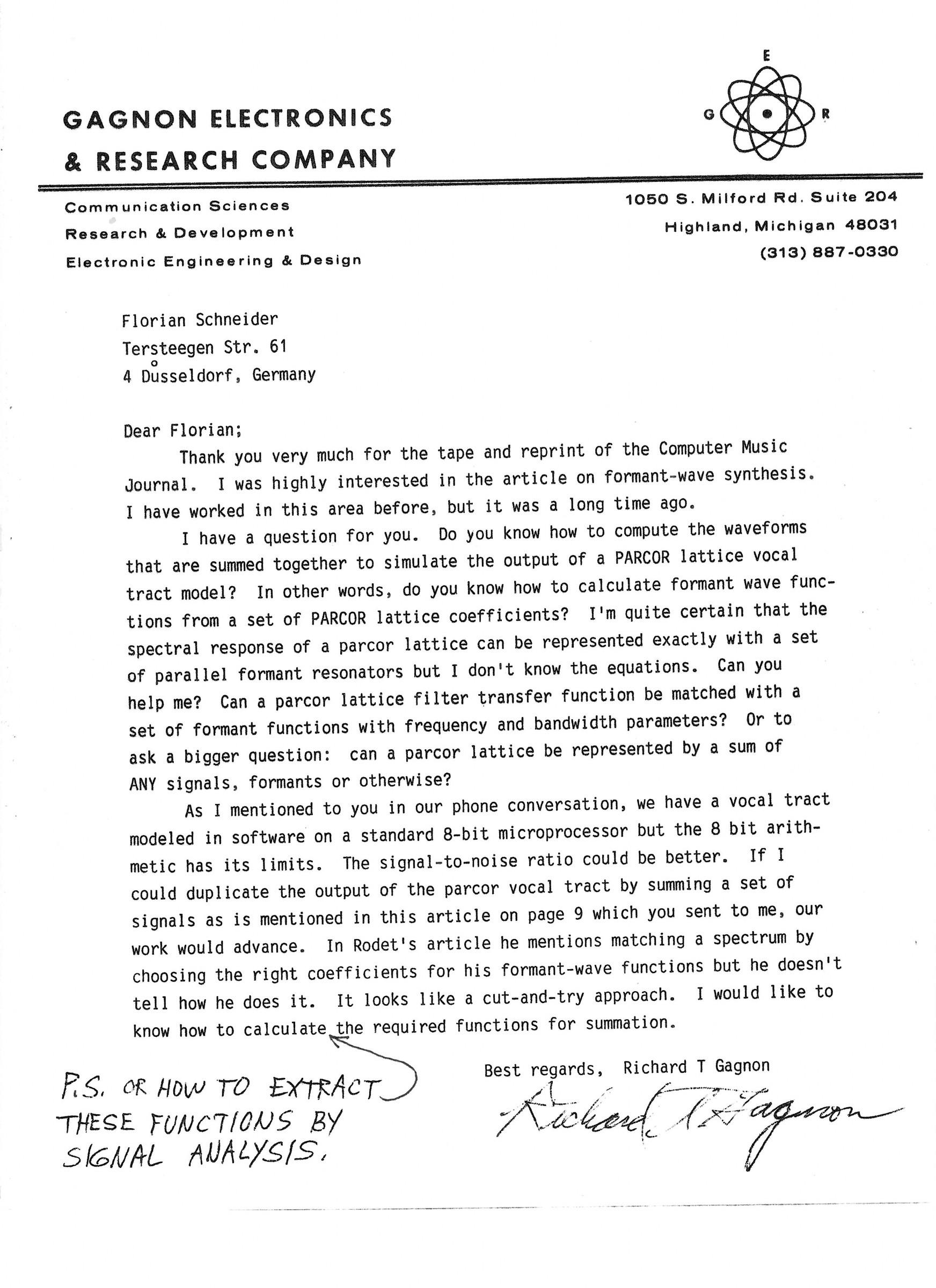
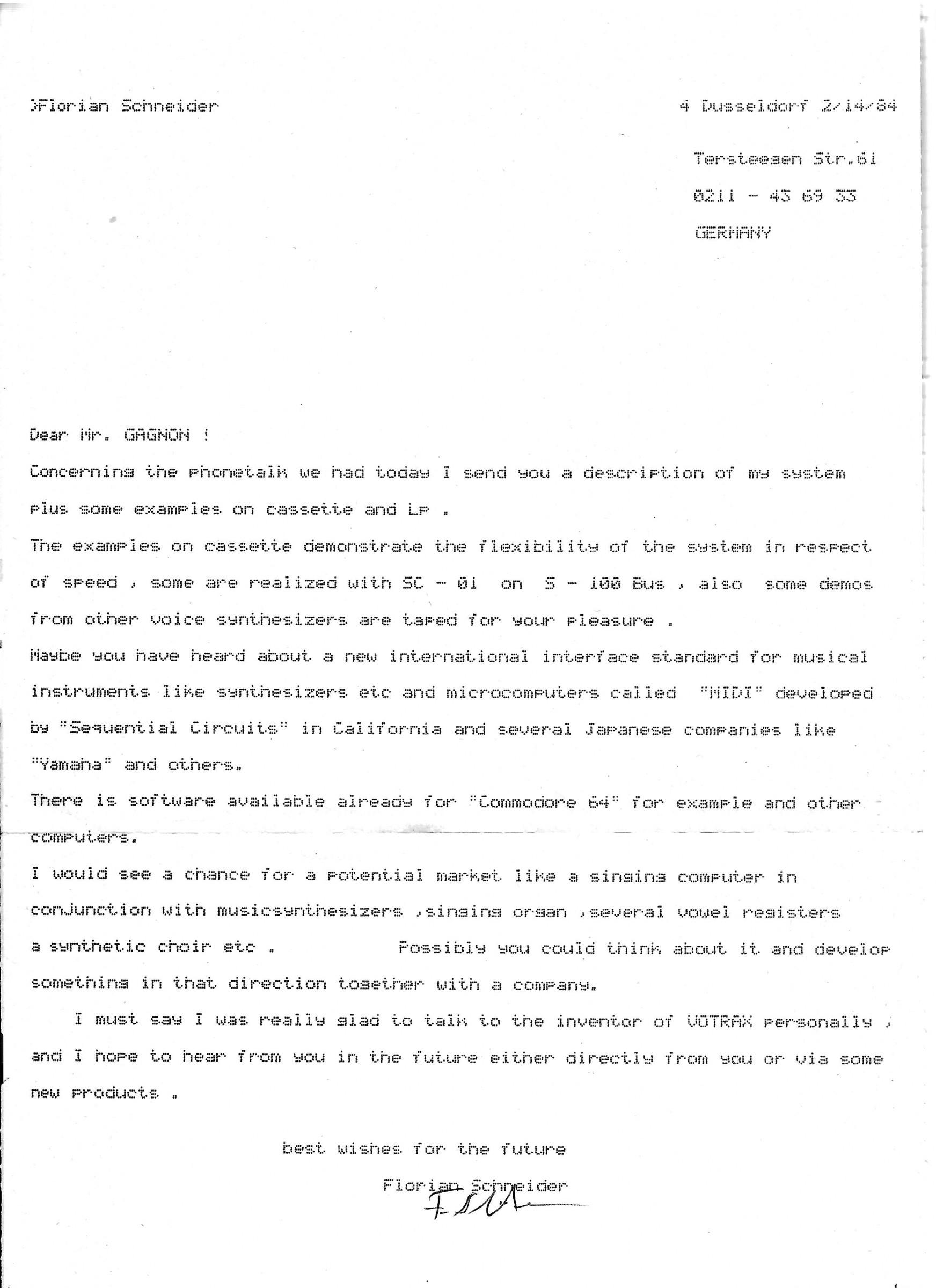
But for Lot #80 — the Robovox and Votrax Silver Rack Case from the Florian Schneider Collection — provenance goes much deeper and ahead of the live auction, has just arrived in the form of a technical "smoking gun." With a newly unearthed archive provided by Erik Richard Gagnon, son of Votrax inventor Richard T. Gagnon, we now have irrefutable, written evidence linking this machinery to the very foundations of the Kraftwerk sound.
This isn't just a rack of vintage circuits; it is the physical manifestation of a dialogue between the man who invented the voice synthesizer and the man who taught it how to sing.
The Handwritten "Setlist"
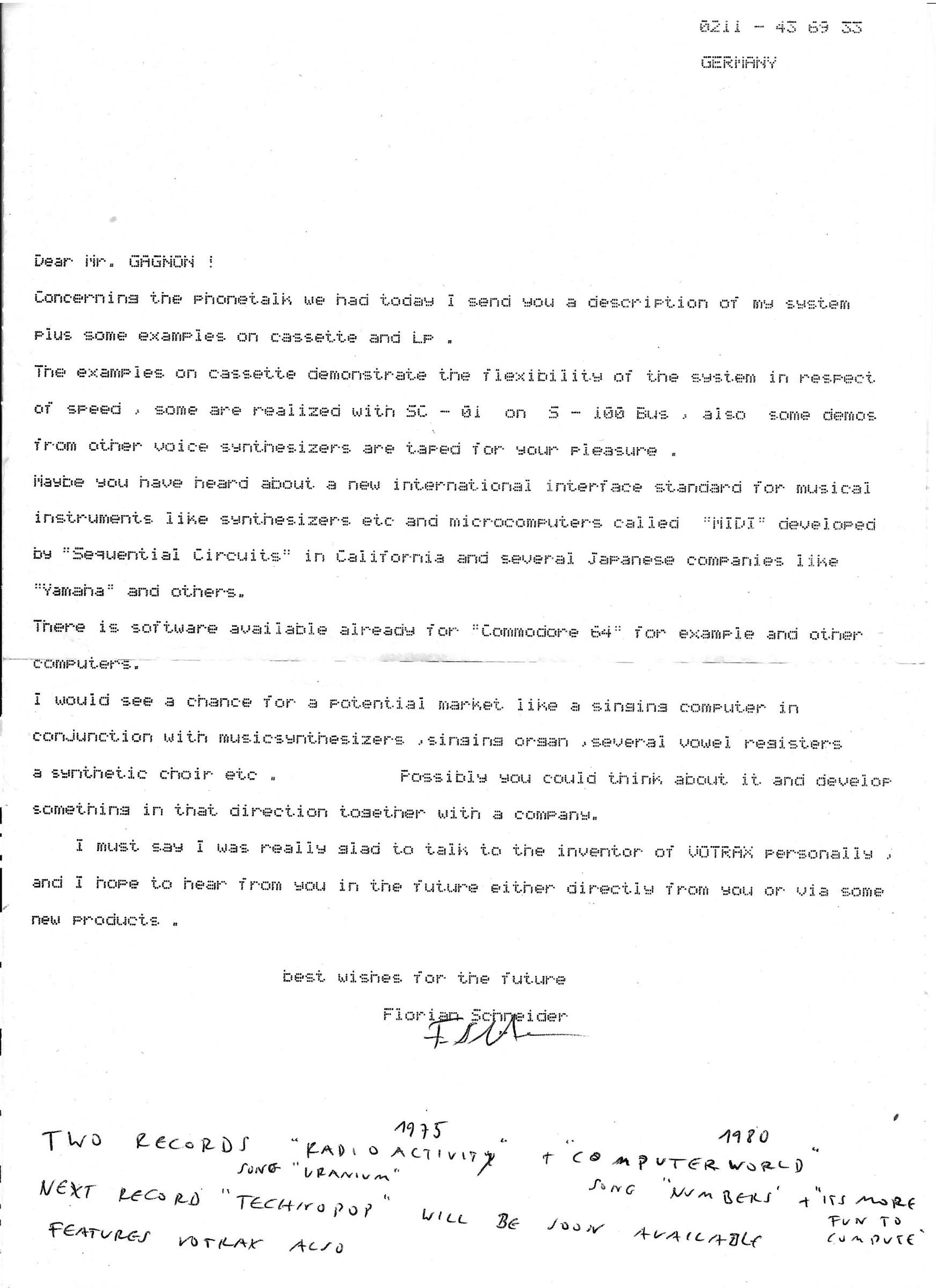
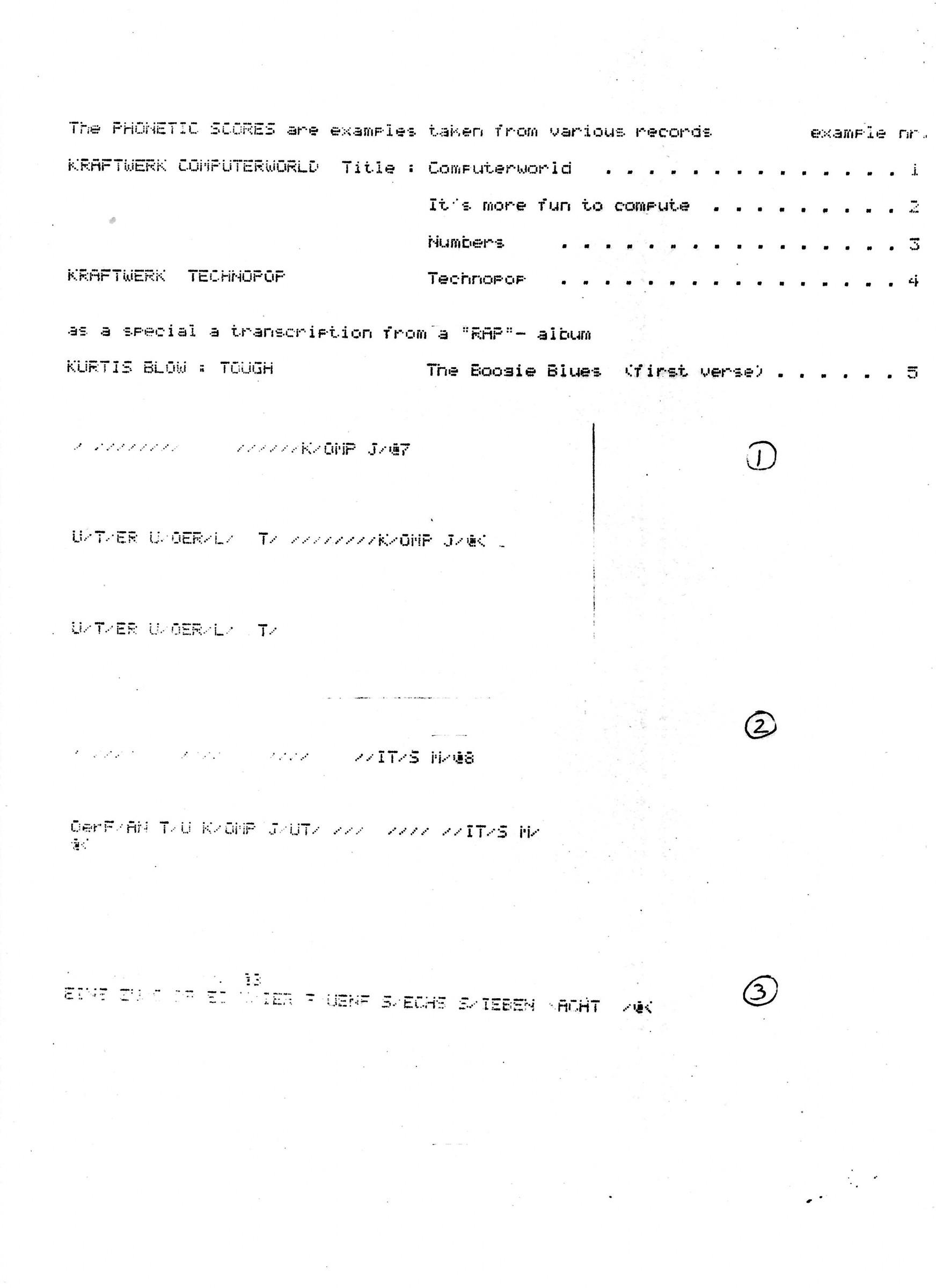
The most electrifying find in these documents is a page containing handwritten notes by Florian Schneider himself. In the margins of his correspondence, Schneider explicitly lists the tracks where Votrax technology was deployed. He writes "1975 Radio Activity," "1980 Computer World," and lists specific songs including "Uranium," "Numbers," and "It’s More Fun to Compute.”
For a potential bidder, this is the holy grail. It is a direct confirmation from the artist, written in his own hand, validating the Votrax's role in the sonic architecture of albums that defined electronic music — and connects the hardware standing in the room directly to the "bio-mechanic" vocals that have echoed through speakers for forty years.
Click through to read documents.
0 / 12
The Inventor Seeks the Master
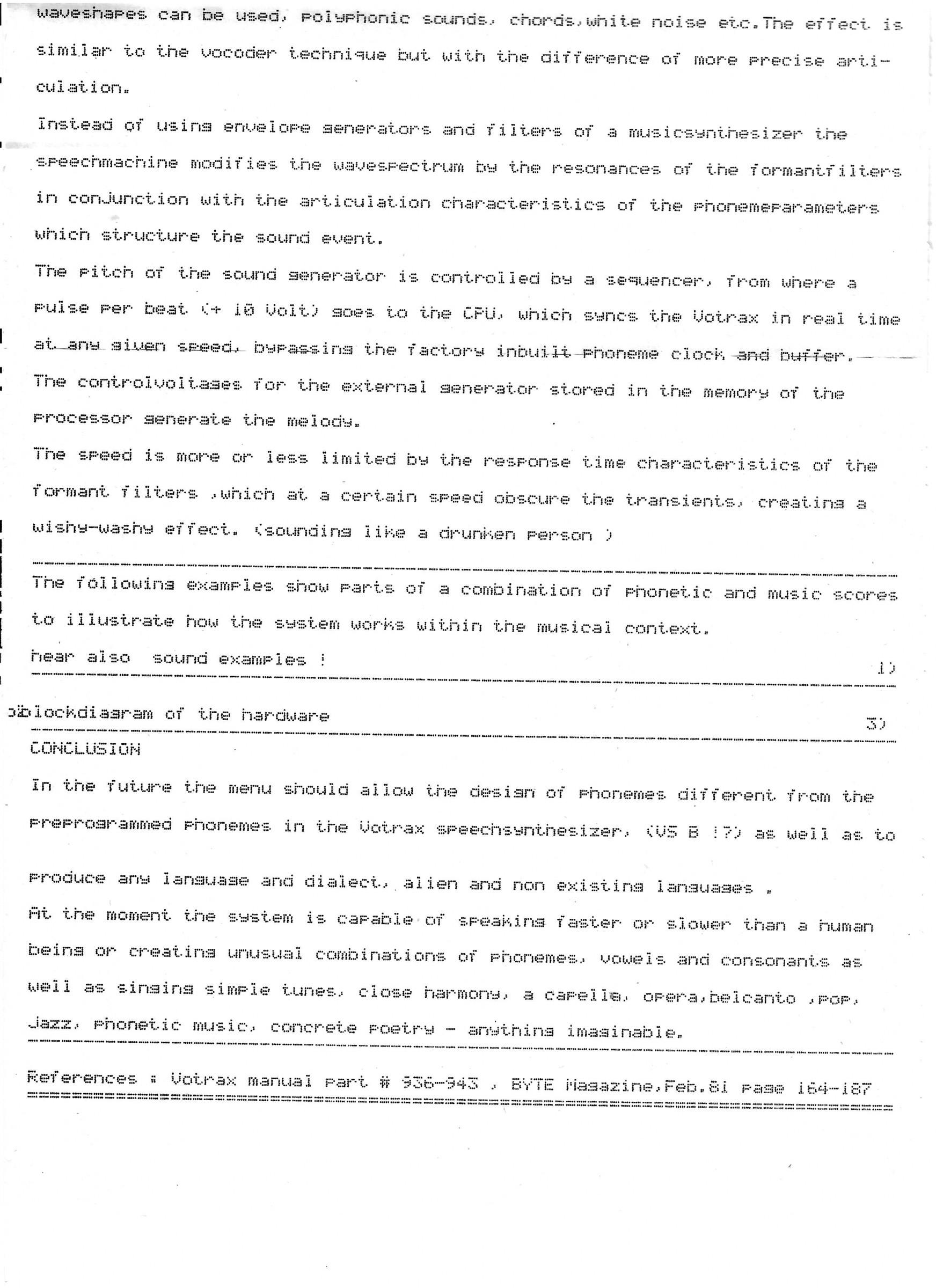
The depth of this provenance goes beyond a tracklist. The documents reveal a fascinating role reversal: Richard T. Gagnon, the engineer who created the Votrax chip, wrote to Schneider in the early 80s asking for advice. Gagnon, struggling with the limits of 8-bit arithmetic and signal-to-noise ratios, asked the musician: "Can you help me? ... Do you know how to calculate formant wave functions?".
This validates that the Votrax units in Lot #80 were not merely preset machines for Schneider. He was operating at a level of acoustic engineering and mastery the hardware's own inventor sought to tap into.
Anatomy of the "Singing Computer"
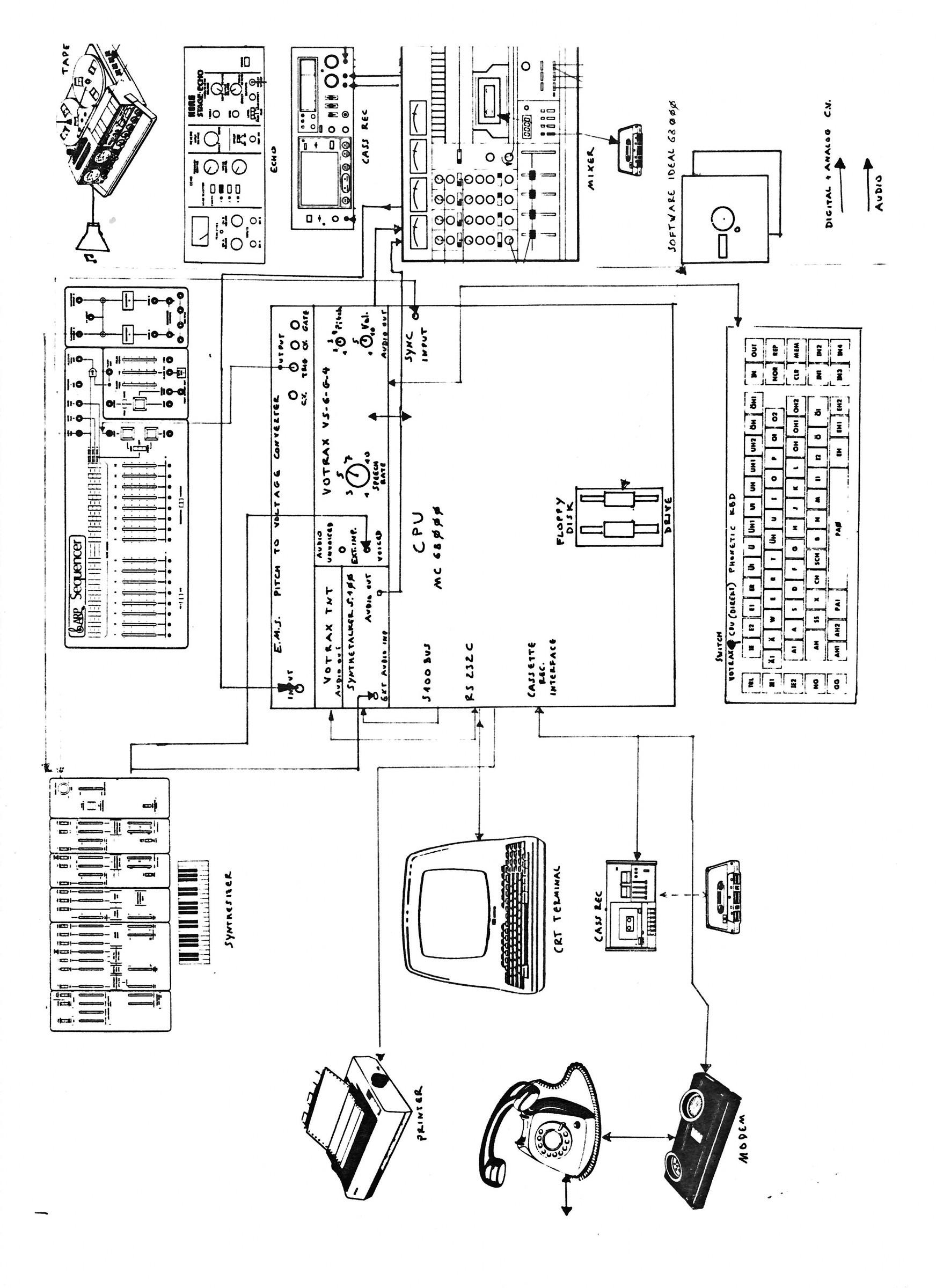
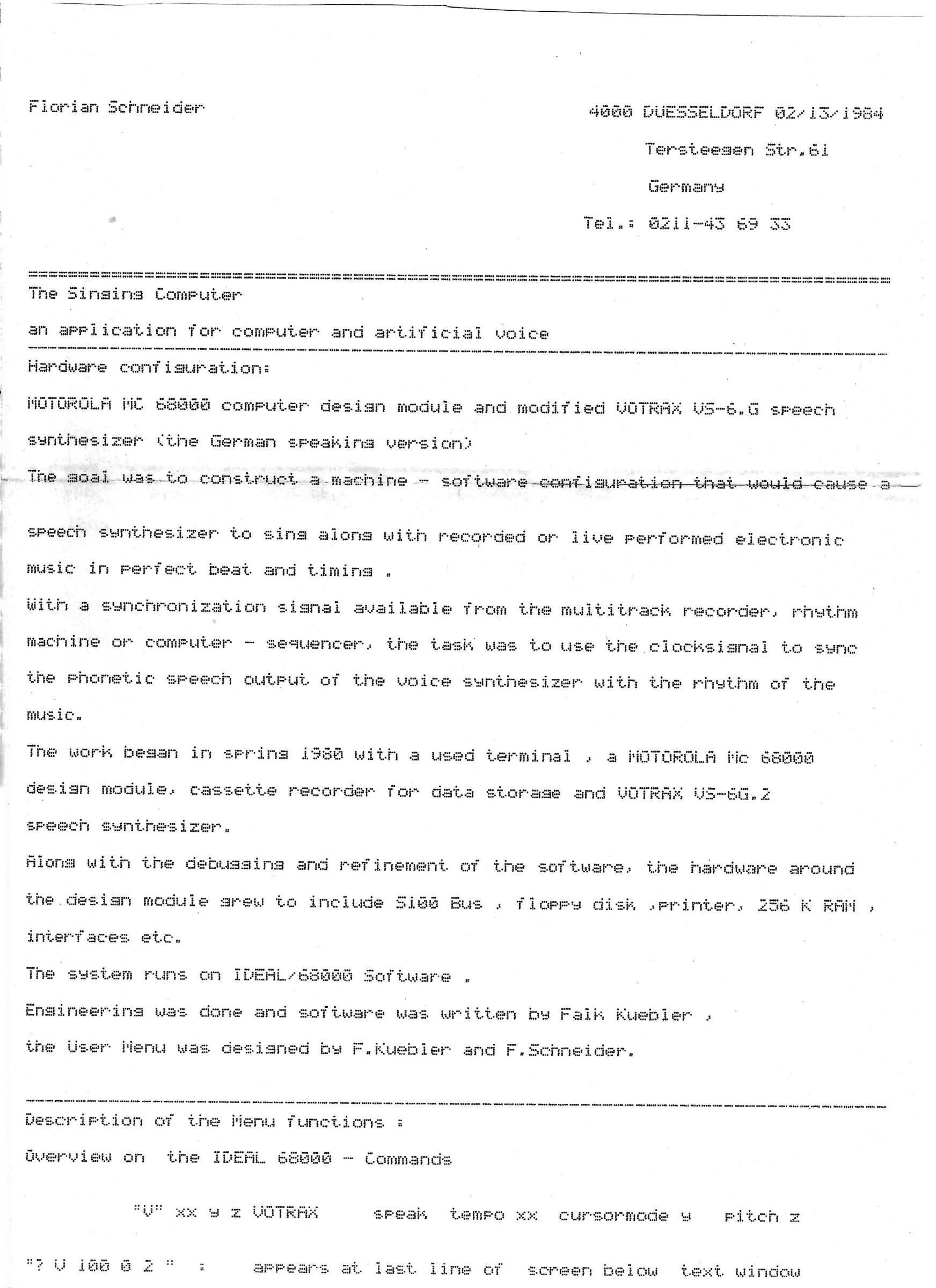
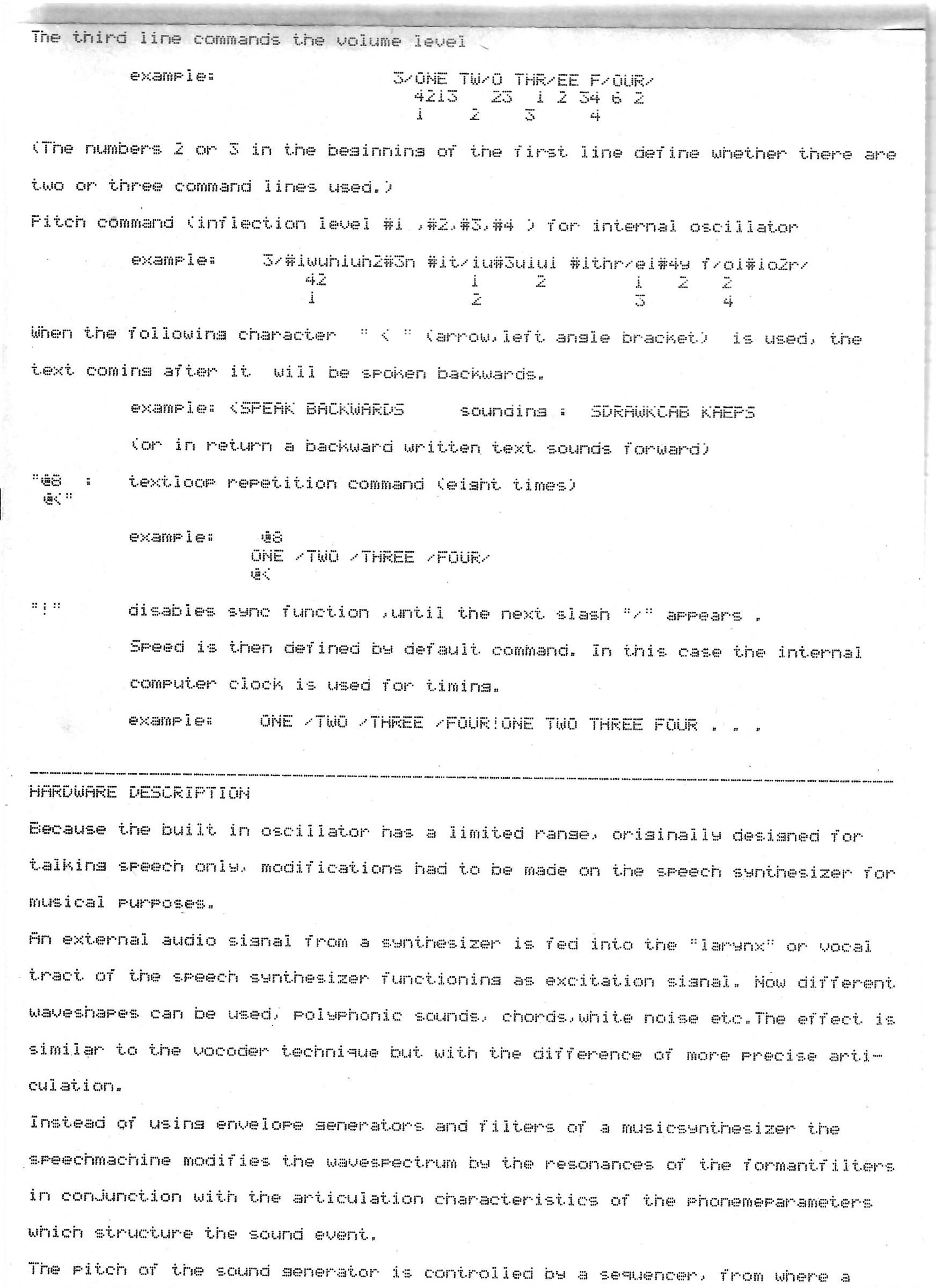
The archive also solves the mystery of the rack's custom modifications. The documents detail a system Schneider called "The Singing Computer," built around a Motorola 68000 CPU and the very Votrax VS-6 units found in this lot.
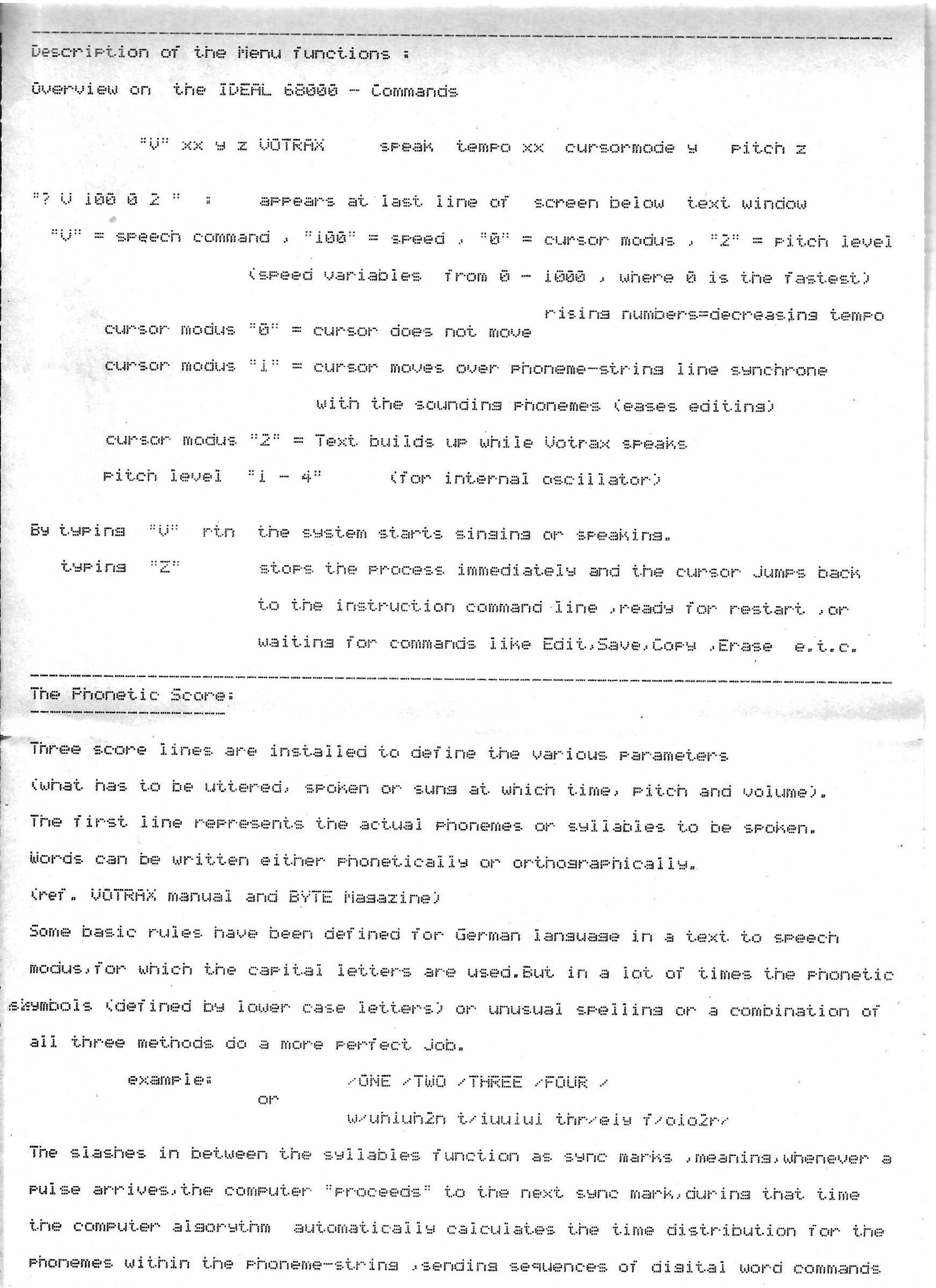
The lot description notes the presence of "Robovox" units and a mass of complex wiring. The documents explain why: Schneider found the standard Votrax oscillator too limited, noting it was "originally designed for talking speech only". To bypass this, he modified the "larynx" of the speech synthesizer to accept external audio signals from a musical synthesizer. This allowed the Votrax to function as a hyper-articulate speech synthesizer, capable of "polyphonic sounds, chords, white noise".
The included diagram even depicts the "Votrax CPU (Direct) Phonetic KBD," which perfectly matches the rare, button-missing keyboard included in the auction lot.
From The Bronx to Düsseldorf
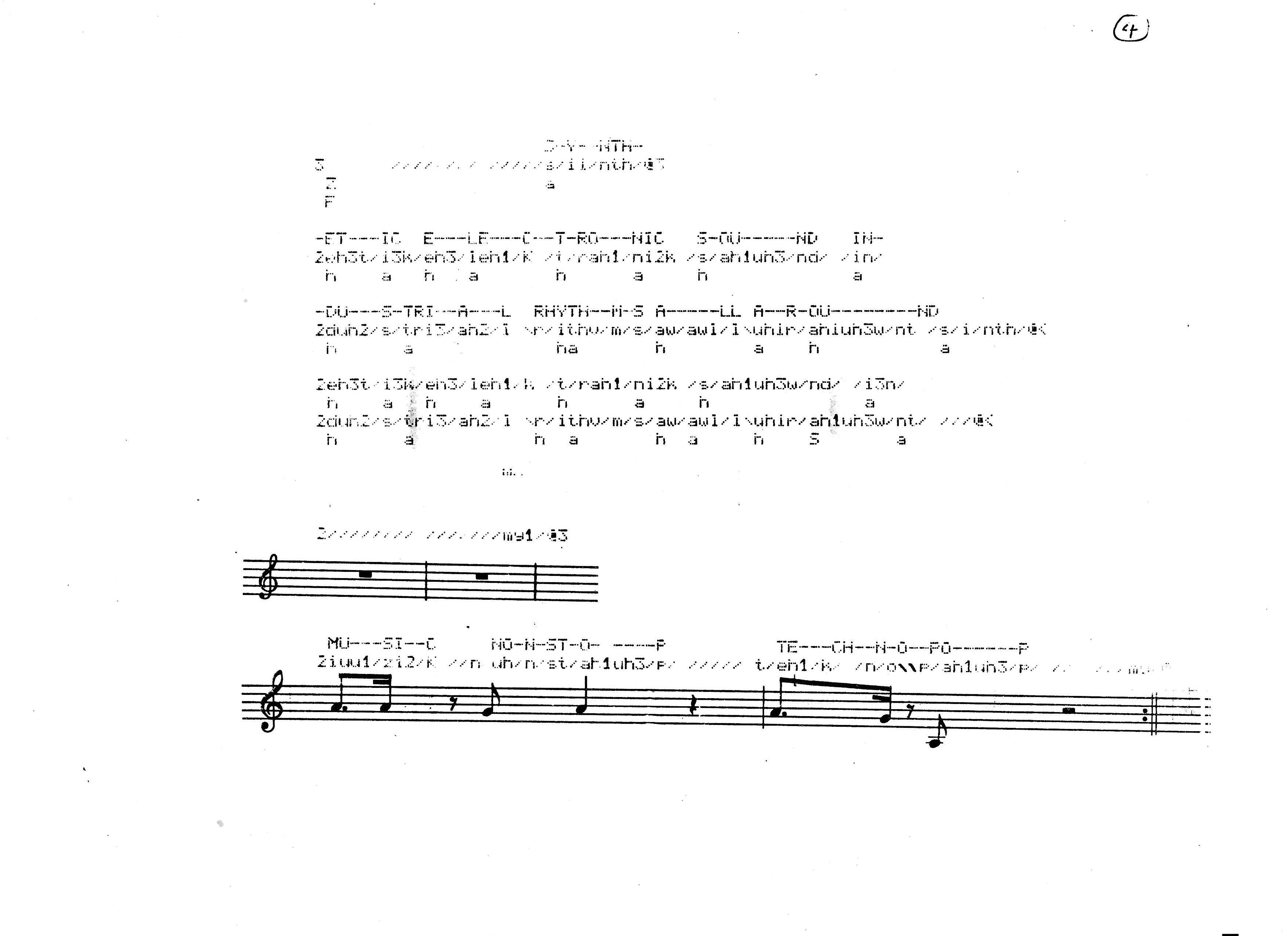
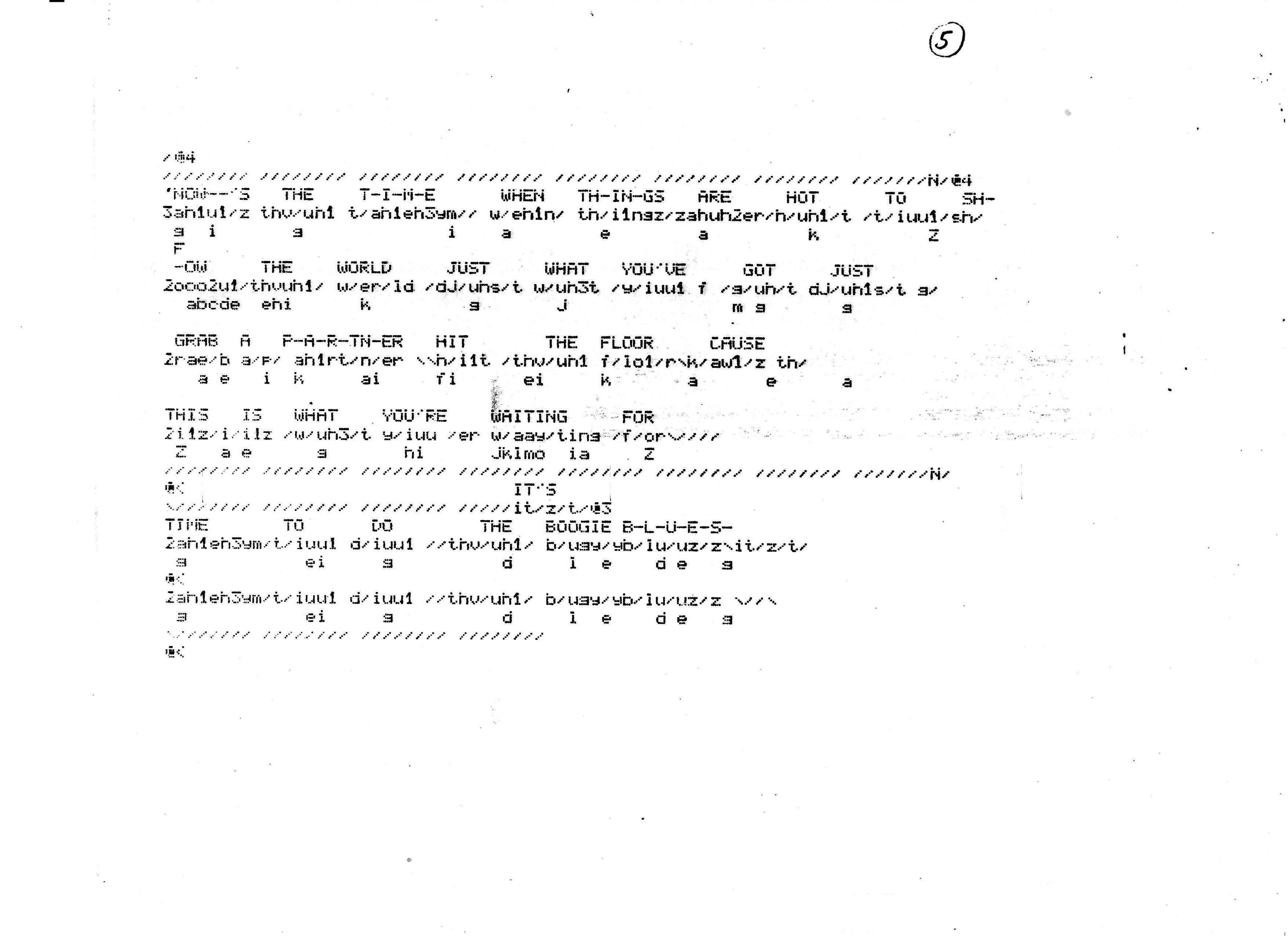
Finally, the papers reveal a charming glimpse into Schneider’s creative process. Alongside the phonetic code for Kraftwerk hits like "Computer World," the documents contain a phonetic transcription of Kurtis Blow’s "The Boogie Blues."
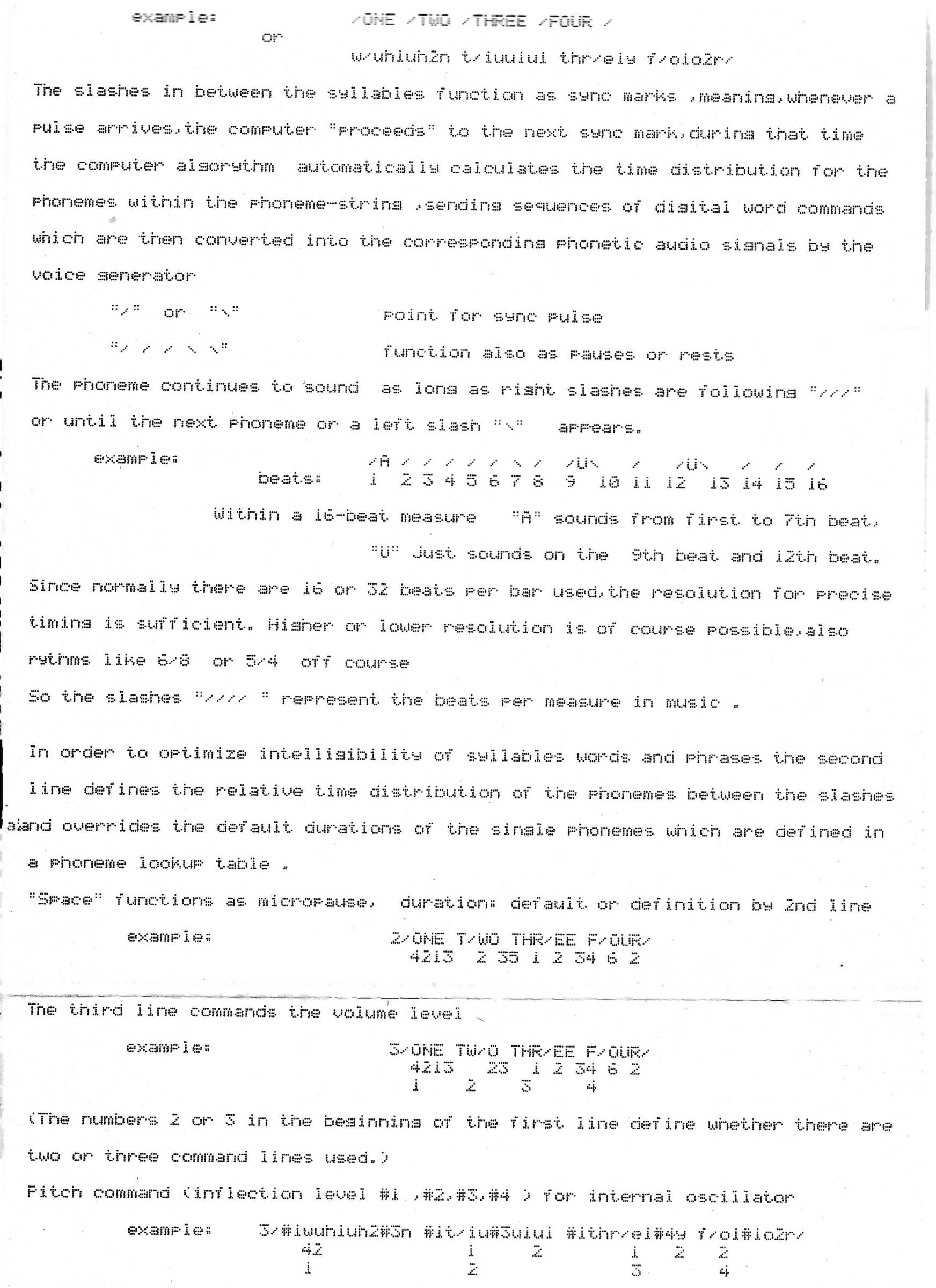
Within the collection of documents, we see how Schneider breaks down the rap track into Votrax phonemes ("ONE TWO THREE/FOUR"), proving that the pioneers of German electro were actively deconstructing American Hip Hop rhythms to refine the "speechmachine."
The Verdict
With the discovery of the Erik Richard Gagnon archive, Lot #80 transforms from a piece of studio gear into a verified artifact of music history.
We have the schematics that match the build, the letters that prove the relationship, and most importantly, the handwritten notes linking the technology to the tracks "Radioactivity," "Uranium," and "Techno Pop."
This is the very machine that gave the robots their voice.