Art
Film & TV
Dennis Hopper: Rebel, Visionary, & Hollywood Legend
Explore Dennis Hopper's legacy as a Hollywood maverick and artistic iconoclast, and bid on his original artifacts in Julien's and Turner Classic Movies' 'Hollywood Legends' auction on June 20th.
Share




Lot #103. Dennis Hopper | 1970-1971 Personally-Owned Magazines
Dennis Hopper managed to carve quite a corner for himself in Hollywood, and his impact on American art and counterculture remains unmatched.
From his explosive rise as an actor in the 1960s to his later years as an artist and iconoclast in Taos, New Mexico, Hopper was a force of nature and his life was a mixed bag of risk, rebellion, and relentless creativity. As artifacts from his storied journey go up for auction at Julien's and Turner Classic Movies' "Hollywood Legends: A Day of Classic Hollywood" on June 20th, we reflect on what made Hopper special and how he carved out a legacy that endures far beyond the silver screen.
The Rise of a Hollywood Maverick
Hopper’s early career was marked by classic roles in films like Rebel Without a Cause (1955) and Giant (1956), acting alongside James Dean and other Hollywood greats. But it was his 1969 directorial debut, Easy Rider, that catapulted him to the forefront of the New Hollywood movement. Hopper—who wrote, directed, and starred in the film—tapped into the restless spirit of the era, crafting a countercultural masterpiece that challenged cinematic conventions and inspired a generation of filmmakers.
The "Easy Rider" Letter: A Glimpse Into the Era
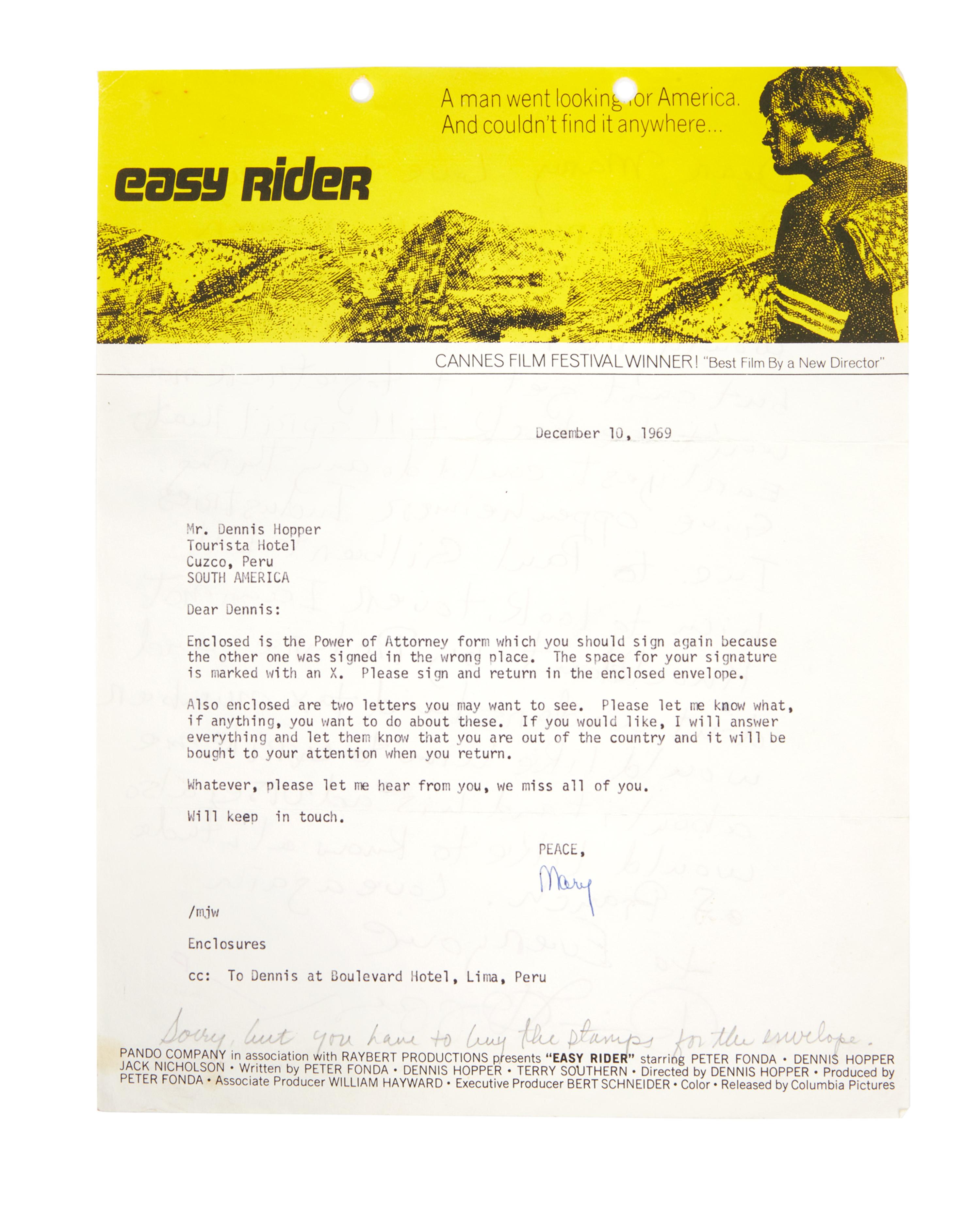
Among the artifacts up for auction is a 1969 handwritten letter on Easy Rider letterhead, penned by Hopper while filming The Last Movie in Peru. In it, he references his future plans for the El Cortez Theatre in Taos, New Mexico—a venue he would later buy, live in, and operate for years. The letter captures Hopper at the height of his creative powers, straddling the worlds of Hollywood and the artistic bohemia he would soon embrace.
The Last Movie and Taos: Reinvention and Retreat
After the success of Easy Rider, Hopper’s follow-up, The Last Movie (1971), was a commercial and critical failure at the time but has since achieved cult status. Hopper retreated from Hollywood, moving to Taos, New Mexico, where he purchased the historic Mabel Dodge Luhan house and the El Cortez Theatre. Here, he sought to create an independent filmmaking hub and a haven for artists, musicians, and counterculture figures. His home became a crossroads for luminaries like Bob Dylan, Jack Nicholson, and Allen Ginsberg.
Artifacts from the El Cortez Years
Several items in the auction reflect Hopper’s Taos period:
1971 Unique Advertisement from "The Last Movie": A rare fold-out from Hopper’s notorious film, retrieved from the El Cortez Theatre, speaks to his enduring connection to the venue and his willingness to champion avant-garde cinema.
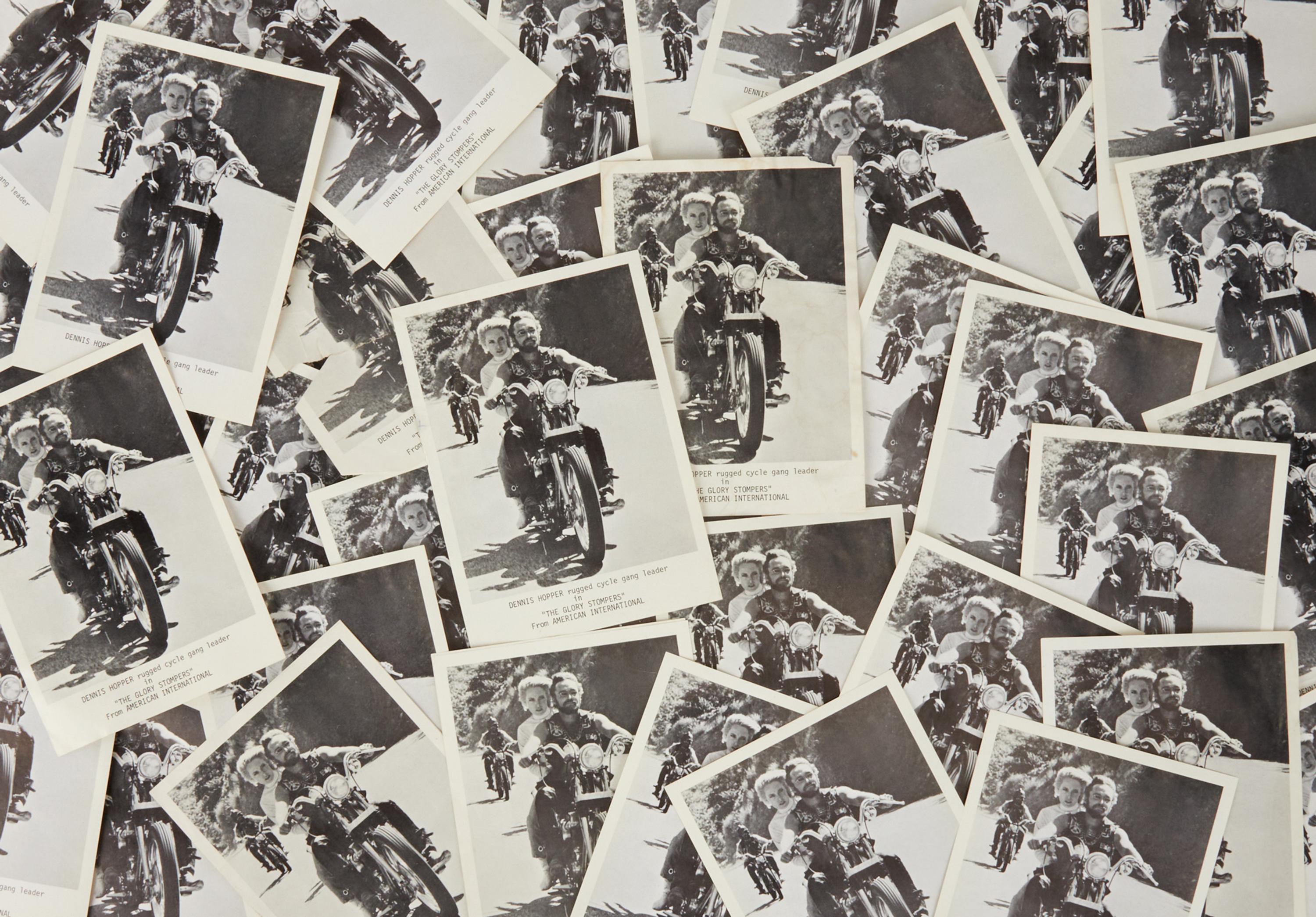
1967 Promotional Handbills from "The Glory Stompers": These handbills, also from the El Cortez, highlight Hopper’s ongoing ties to the biker and outlaw imagery that defined his early career.
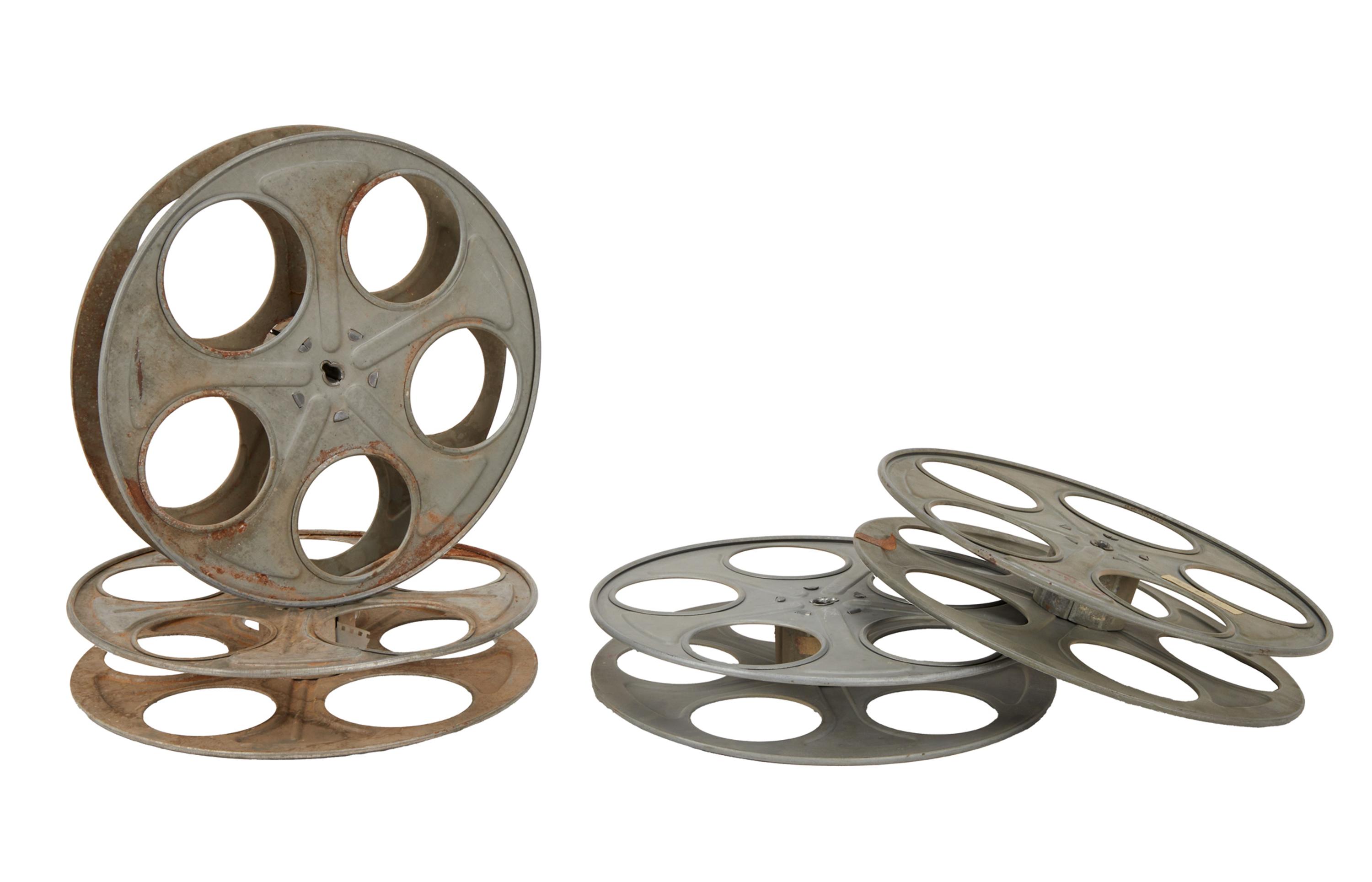
Circa 1970s Empty Film Reels and Magazines: Personal effects from the El Cortez, including film reels and magazines featuring Hopper, evoke the theater’s role as both a creative laboratory and a personal refuge.
The Artist: Painting, Photography, and Patronage
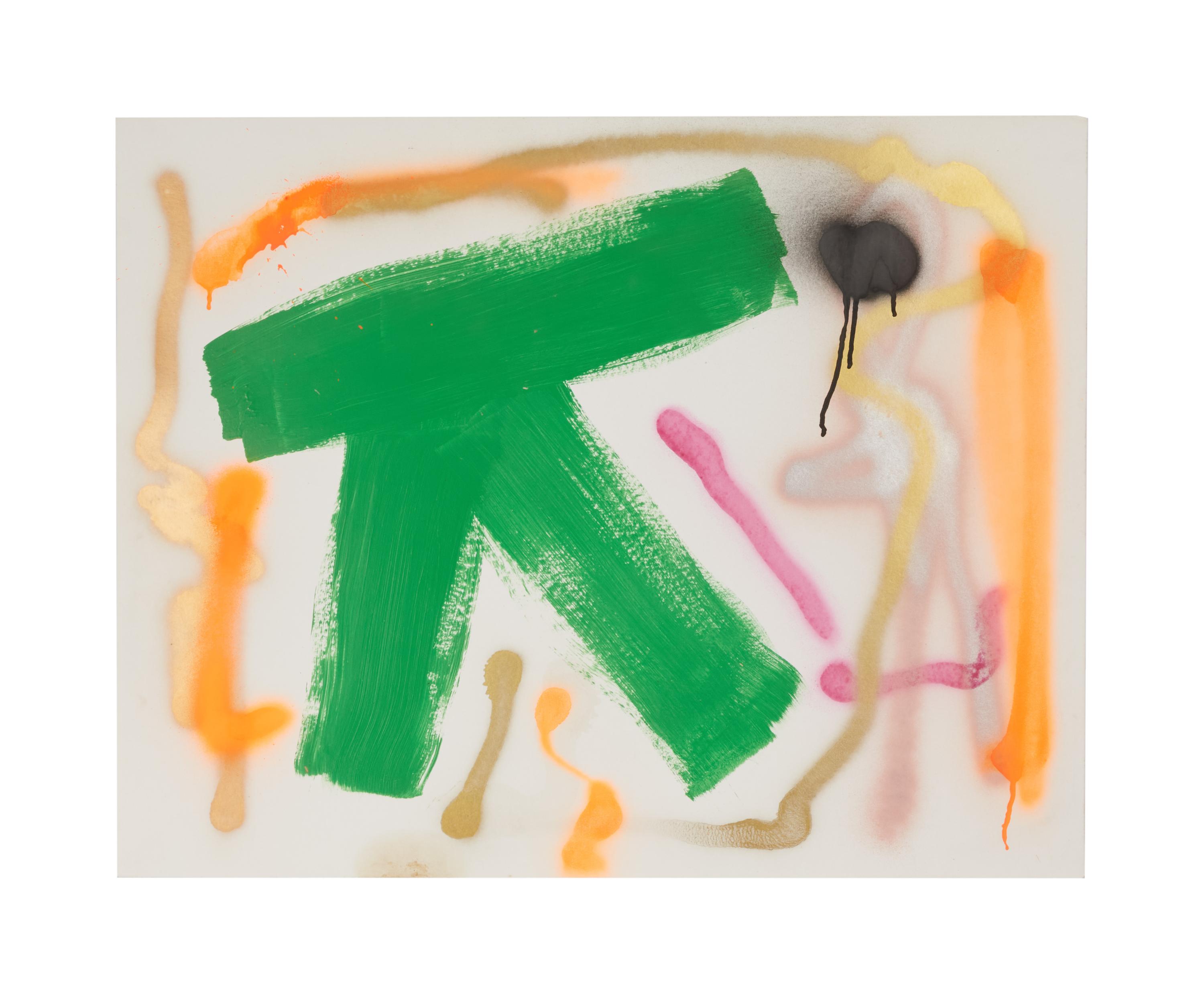
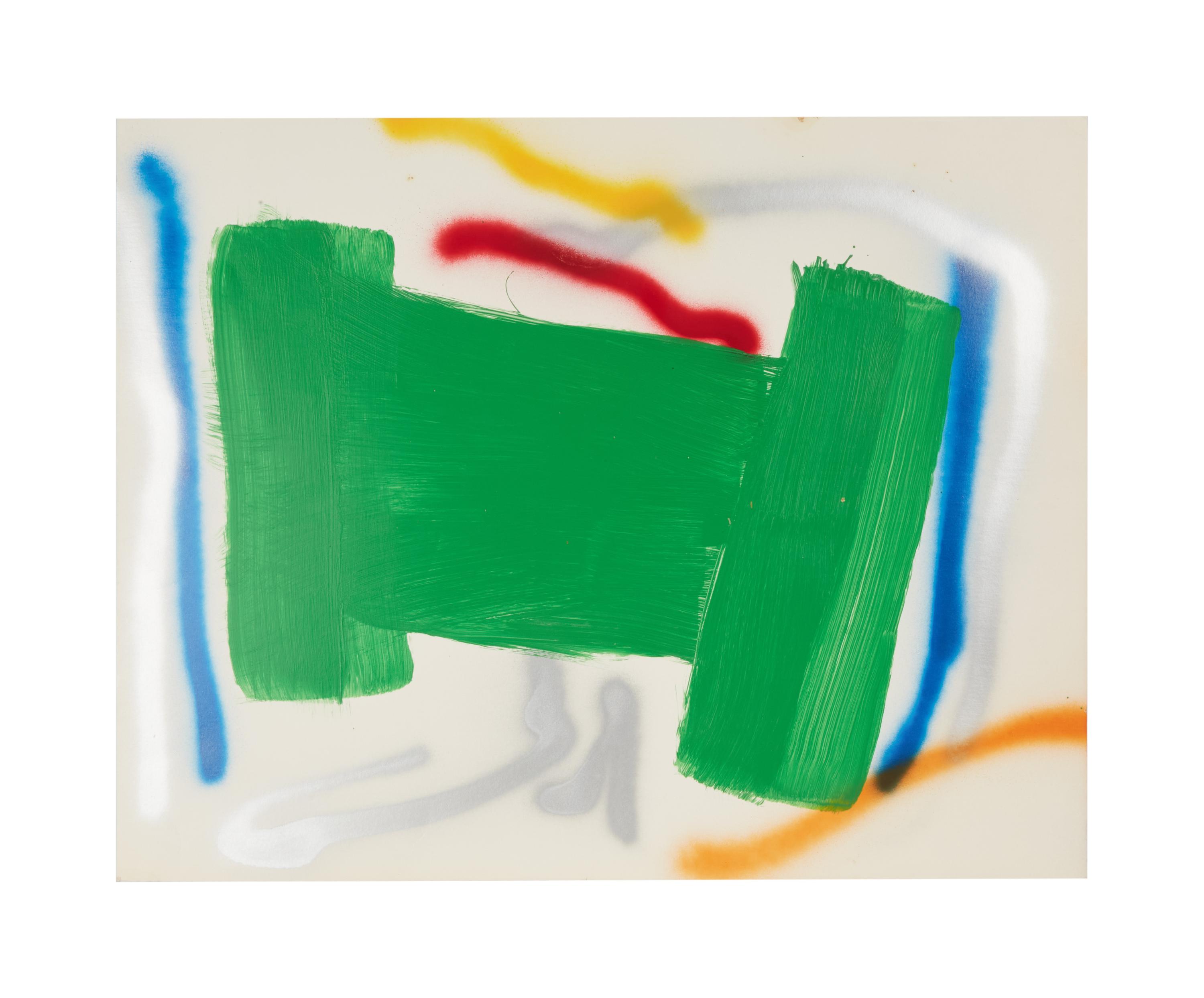
Hopper’s artistic ambitions extended far beyond film. He was a prolific painter and photographer, with works exhibited globally and a formidable collection of modern art. His paintings, such as the three original studies for his 1984 "Return, Taos, New Mexico" exhibit—referred to as "Nut House Green"—are among the auction highlights.
These vibrant mixed-media pieces, created during a tumultuous period when Hopper missed his own show due to rehab, reflect both his struggles and his commitment to art.

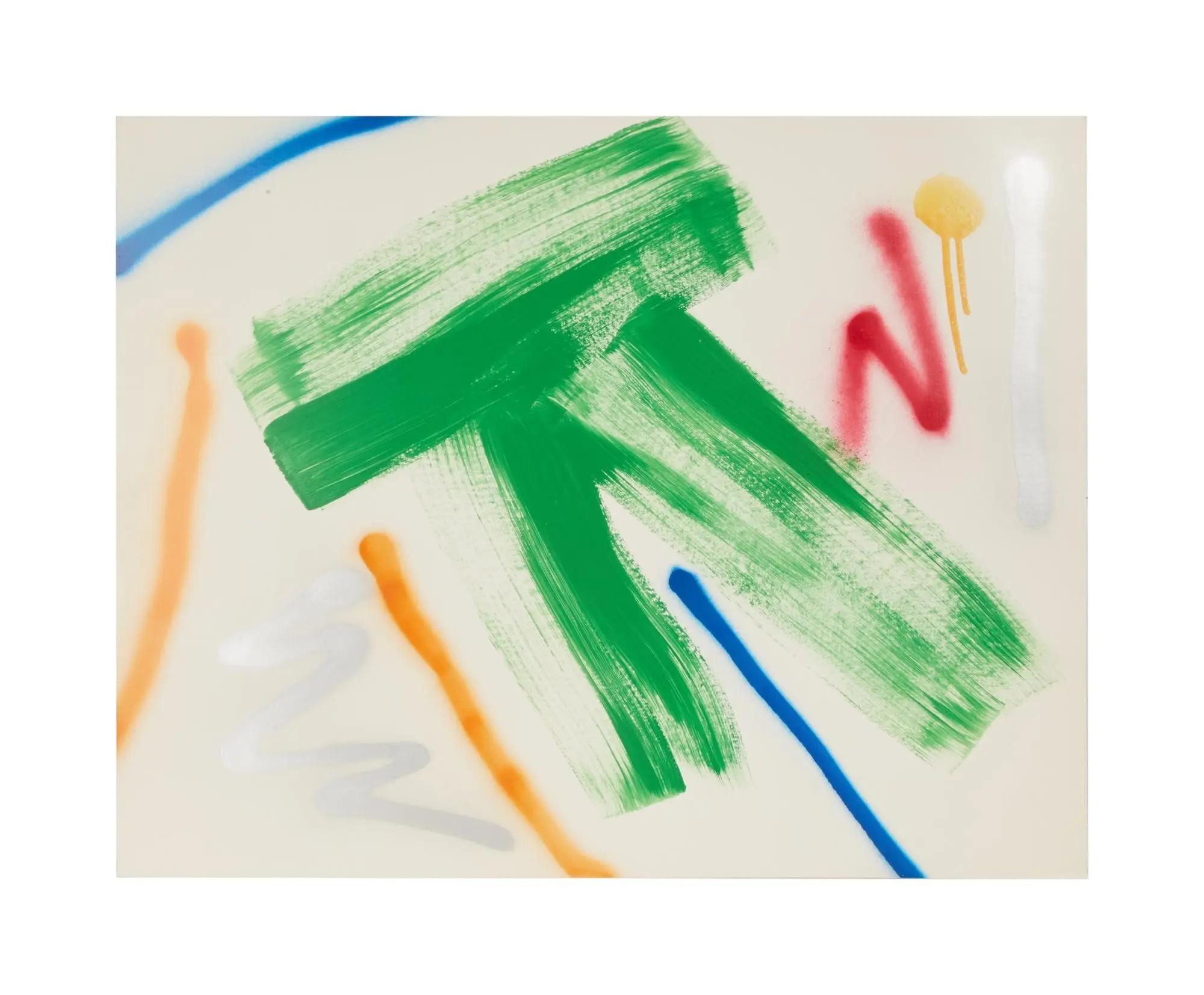
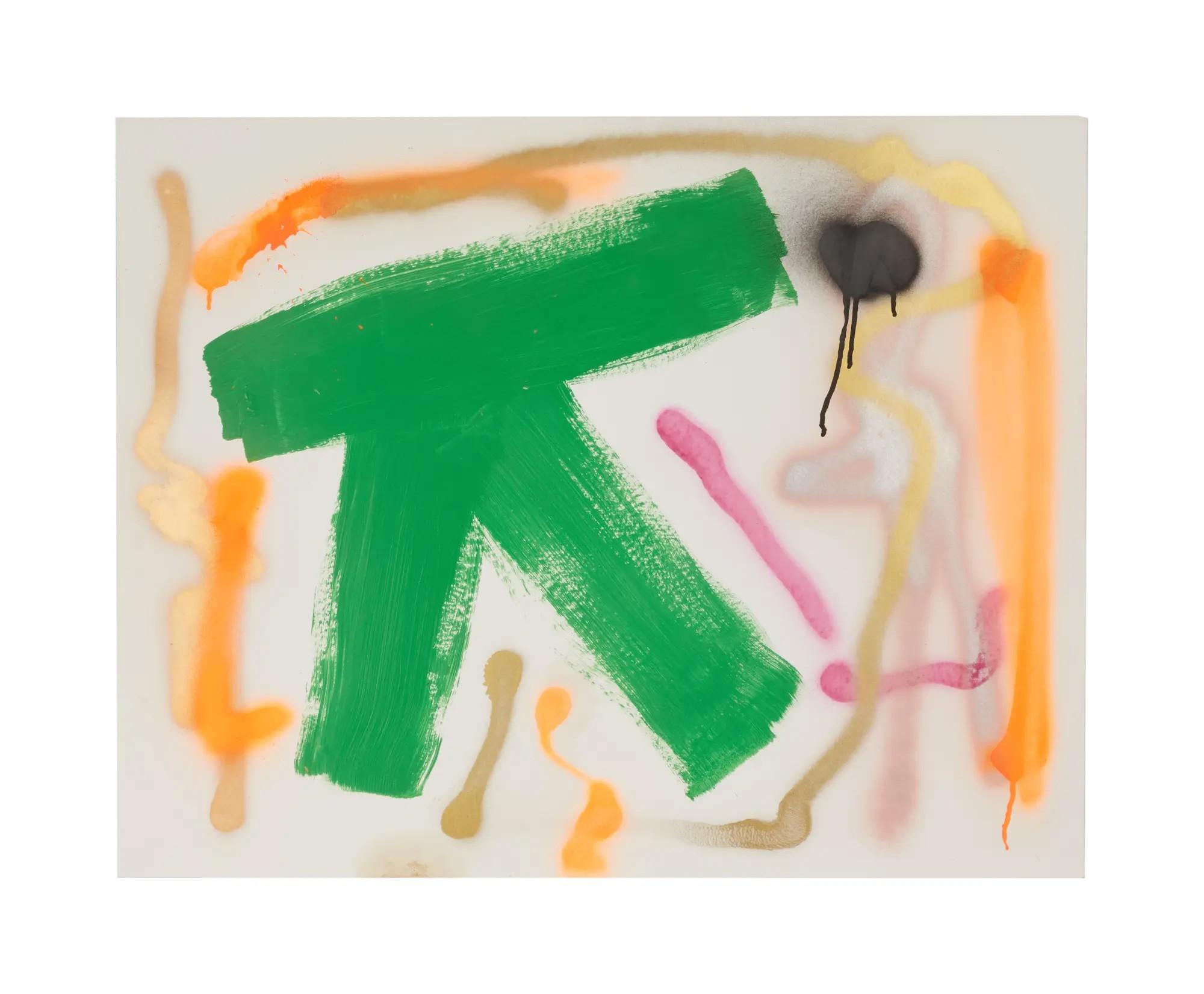
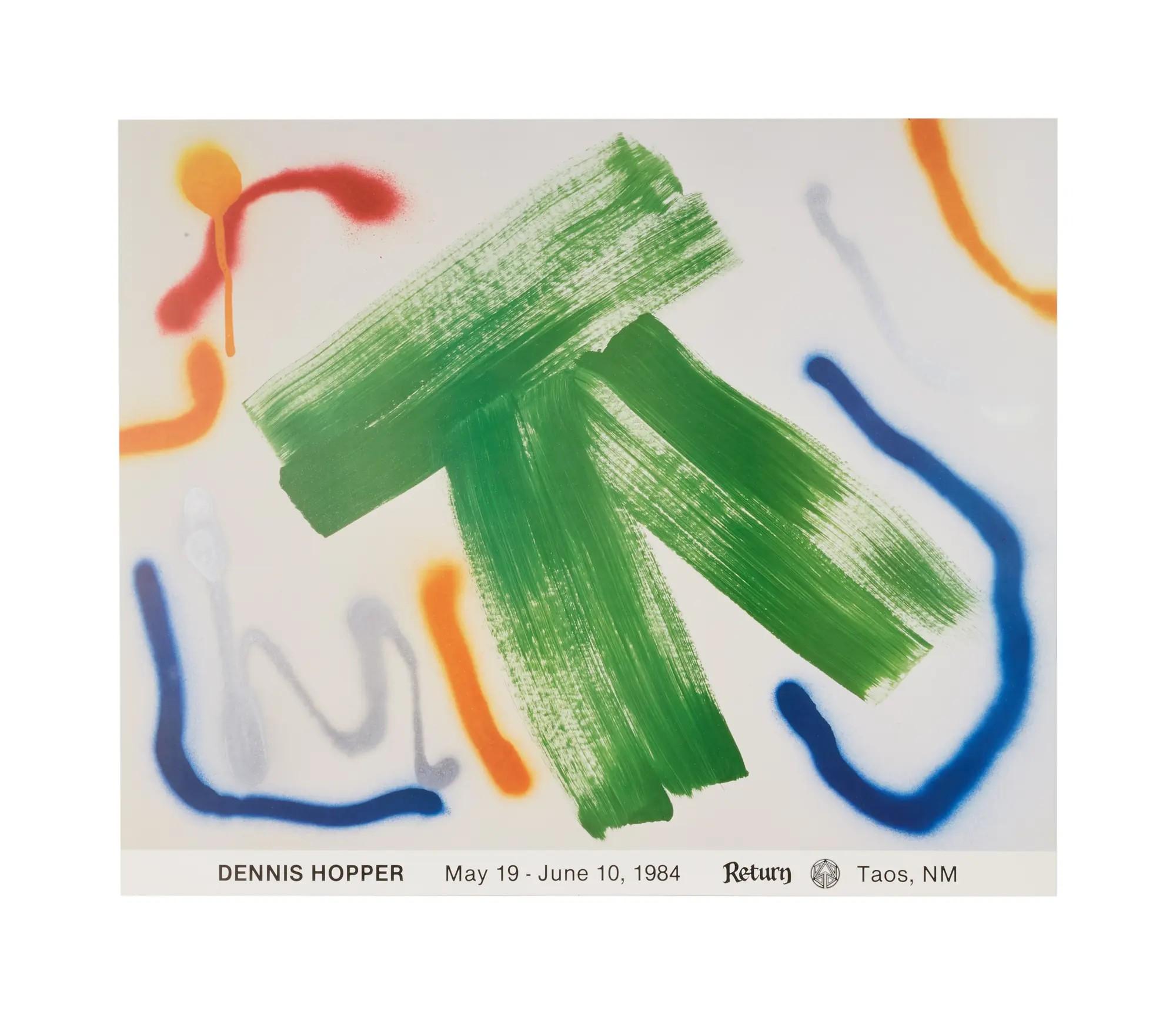
1. Lot #99. Dennis Hopper | 1984 Original Painting Study for His "Return, Taos, New Mexico" Exhibit (III), 2. Lot #97. Dennis Hopper | 1984 Original Painting Study for His "Return, Taos, New Mexico" Exhibit (I), 3. Lot #98. Dennis Hopper | 1984 Original Painting Study for His "Return, Taos, New Mexico" Exhibit (II),
The Bullet Hole-Ridden Painting
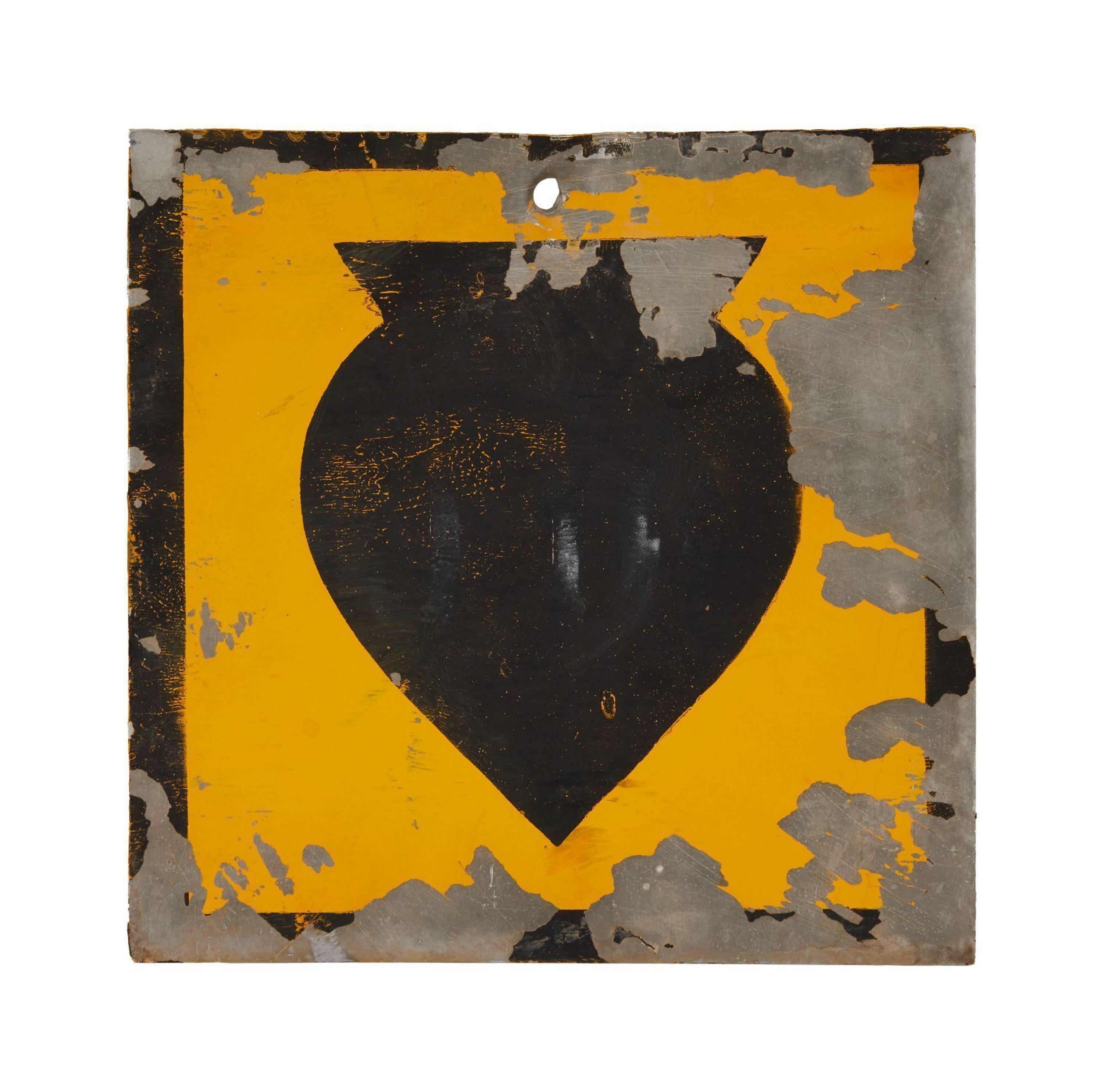
A particularly evocative artifact is a bullet hole-ridden painting from the 1960s, retrieved from the El Cortez. According to Hopper’s brother, guns were a part of daily life in Taos, and Dennis would sometimes shoot at his own artwork—an act emblematic of his wild, unpredictable spirit.
Friendships and Influence in the Art World
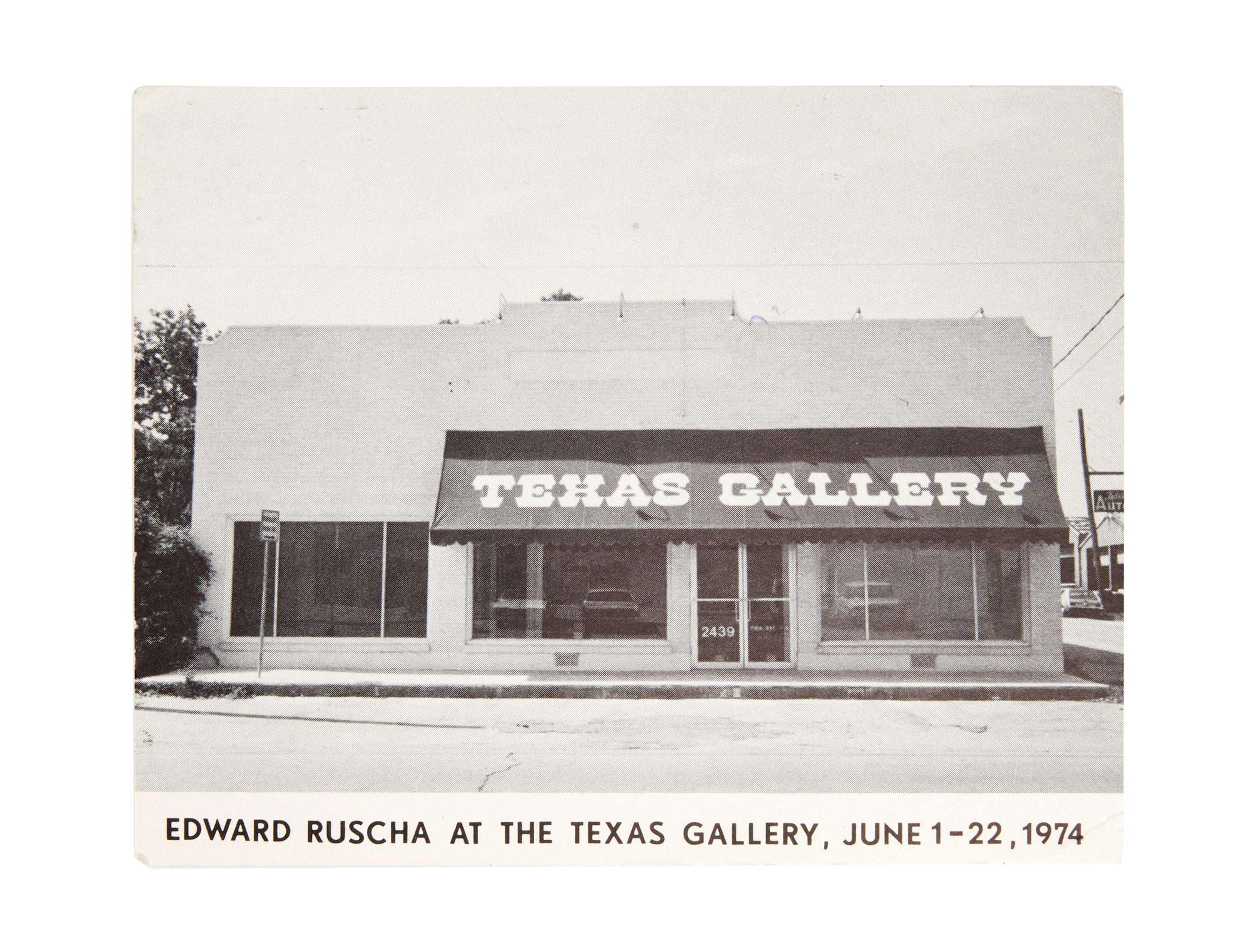
Hopper’s friendships with artists like Ed Ruscha and Wallace Berman were central to his identity. He was an early collector of Ruscha’s work, and their correspondence—such as a 1974 postcard about a Ruscha exhibit—underscores their close bond. Likewise, Hopper’s collection of Berman’s assemblage works and their personal letters, also part of the auction, highlight his deep engagement with the avant-garde art scene.
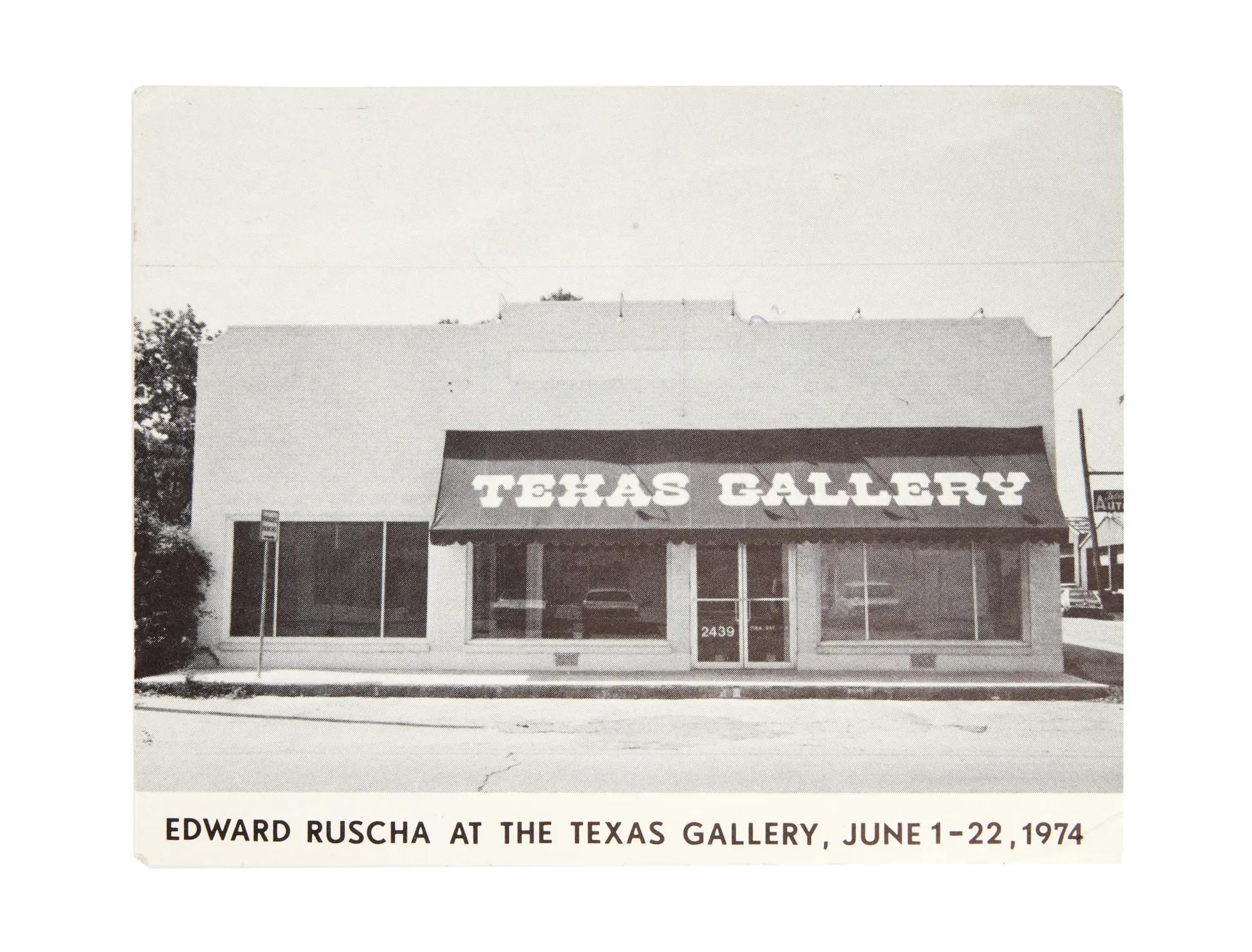
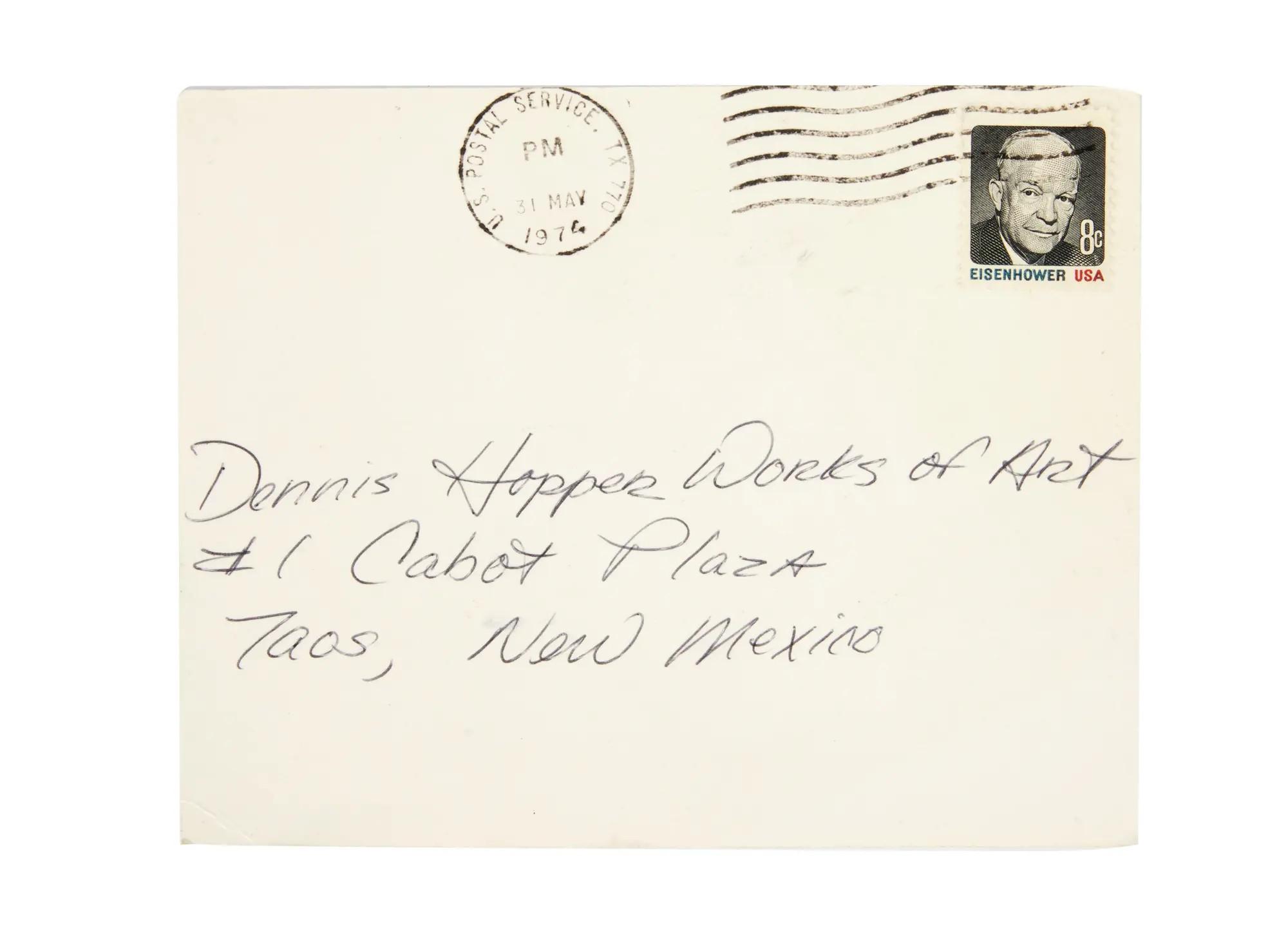
1. Lot #101. Dennis Hopper | 1974 Received Notice About an Edward Ruscha Exhibit,
Out of the Blue: The Comeback
After years of personal and professional turbulence, Hopper returned to form with Out of the Blue (1980), a film he directed and starred in. The auction features the jean jacket he wore as Don Barnes—a tangible reminder of his resilience and ability to reinvent himself.

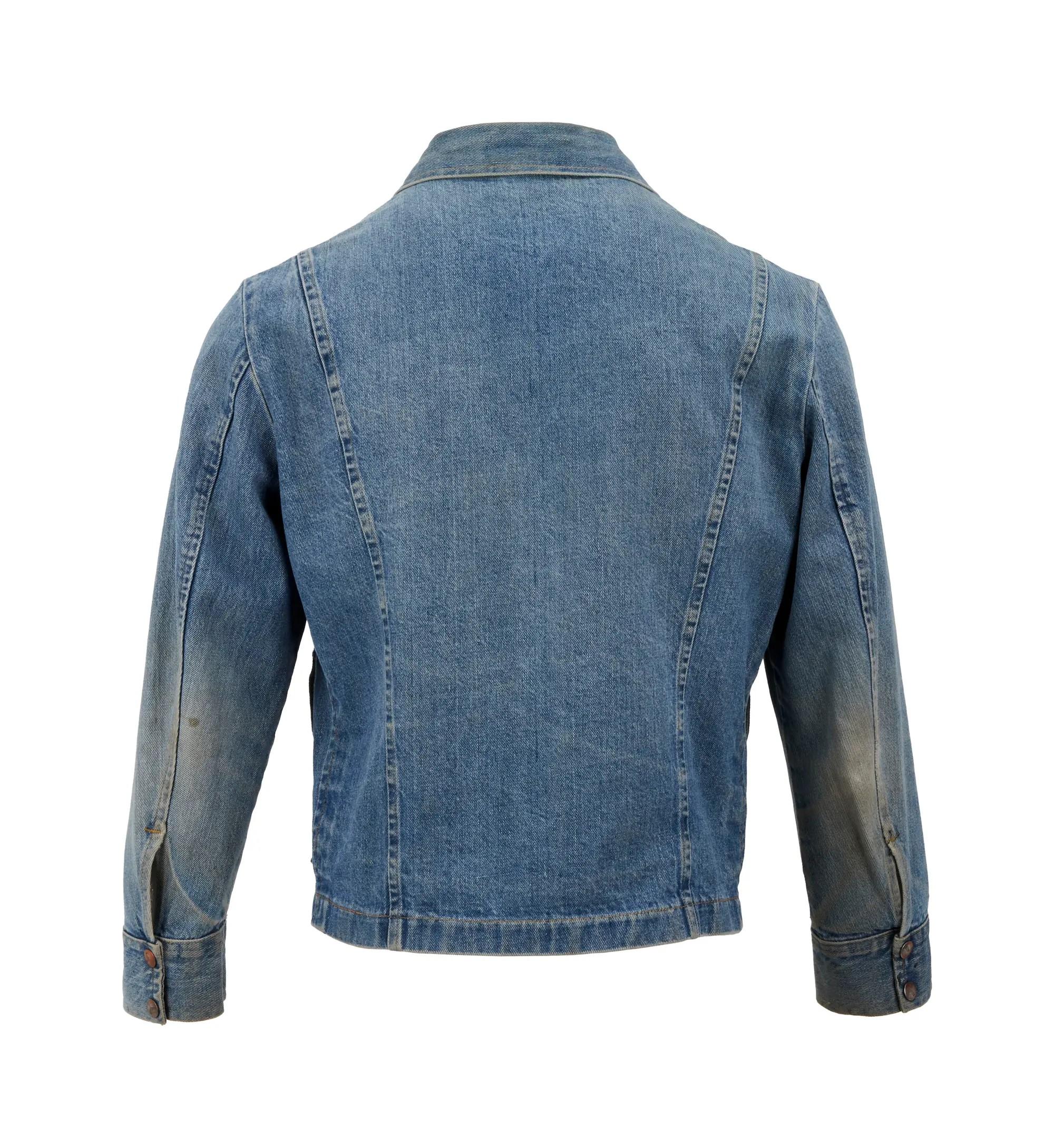
1. Lot #96. Dennis Hopper | 1980 Jean Jacket from "Out of the Blue",
Hopper’s Hollywood Legacy
Dennis Hopper’s legacy is one of fearless experimentation, boundary-pushing art, and a refusal to be defined by Hollywood’s expectations. He was as comfortable behind a camera as he was with a paintbrush, and his influence can be seen in the generations of filmmakers and artists who followed. Hopper’s life was a testament to the power of creative risk-taking and the enduring allure of the outsider.
Julien's and Turner Classic Movies "Hollywood Legends: A Day of Classic Hollywood" auction offers collectors a rare opportunity to own pieces of Hopper’s extraordinary journey. Each artifact tells a story—not just of a Hollywood legend, but of an artist who lived life on his own terms and left an indelible mark on American culture.
Dennis Hopper’s story is one of transformation, rebellion, and relentless creativity. As these treasured artifacts find new homes, they carry with them the spirit of a true Hollywood original—a man who never stopped searching for meaning, beauty, and freedom in all its forms.