Fashion
Music
Video
Boy George Edit: Playing With Dolls
Inside Boy George's personal archive of porcelain dolls — miniature monuments to a decade of looks that changed how the world dressed.
Share



Before the word "gender-fluid" entered the mainstream lexicon, before fashion houses began dismantling the binary with runway collections and think pieces, there was a kid from Eltham, Southeast London, who walked into a squat on Warren Street and decided that the world would simply have to catch up.
When he emerged in the early 1980s as the face and voice of Culture Club, he arrived in full color at a moment when pop music was still largely monochrome in its ideas about masculinity and image. The braided hair, the painted face, the layered silhouettes borrowed from geishas and Hasidic rabbis and Elizabethan courtiers and whatever he found at a market stall that morning. The look was not costume. It was conviction.
The lots offered in Bold Luxury: Boy George Edit do not merely document that principle. They embody it, miniaturized and preserved across decades of porcelain and paint and fabric, a private archive of the man's most defining moments refracted through the singular art form of the commemorative doll. A portion of proceeds from the sale will benefit MusiCares, the Recording Academy's charitable foundation dedicated to the health and welfare of music professionals — a cause that reflects the same spirit of community and solidarity that has always run beneath Boy George's public iconography.
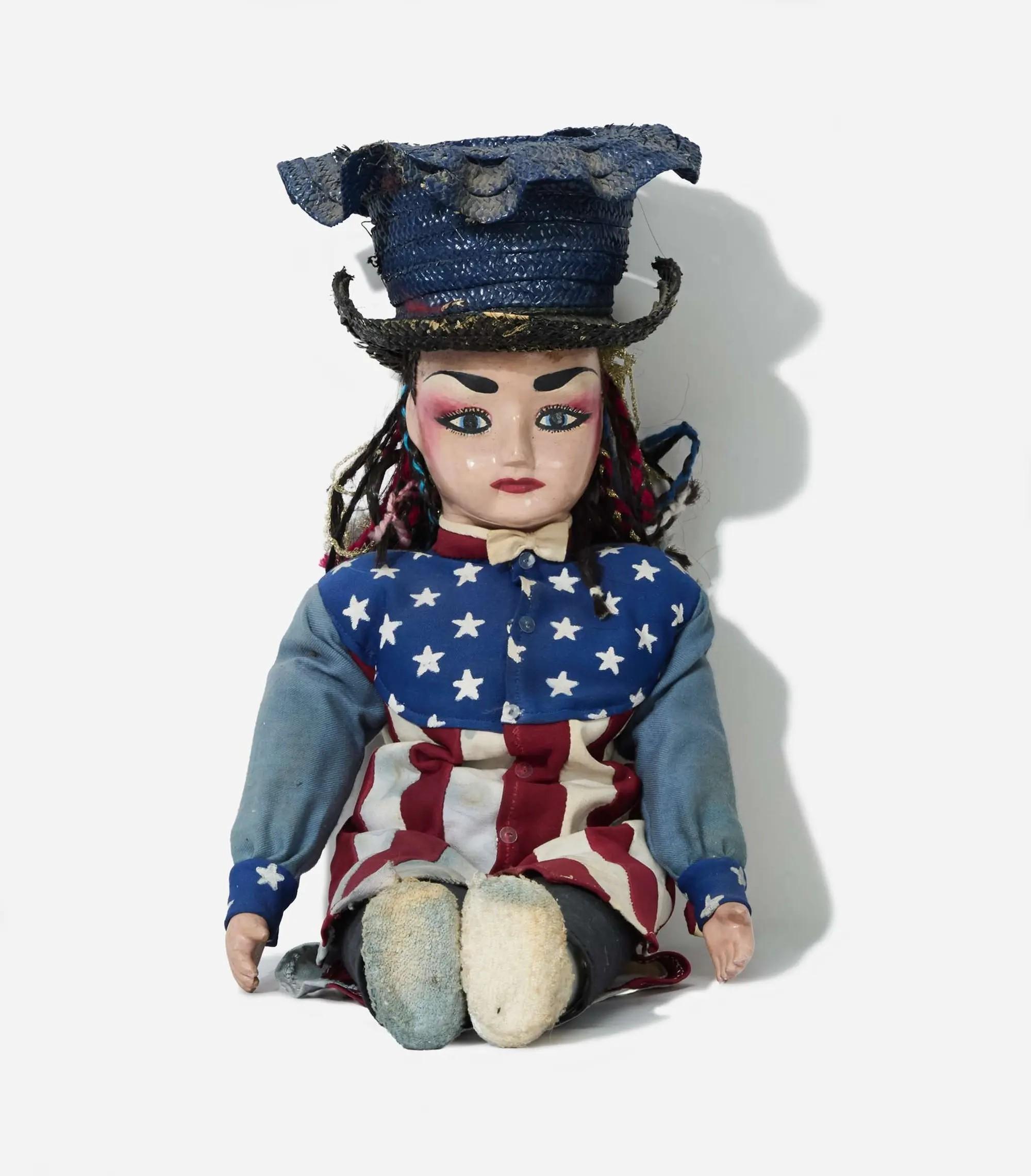
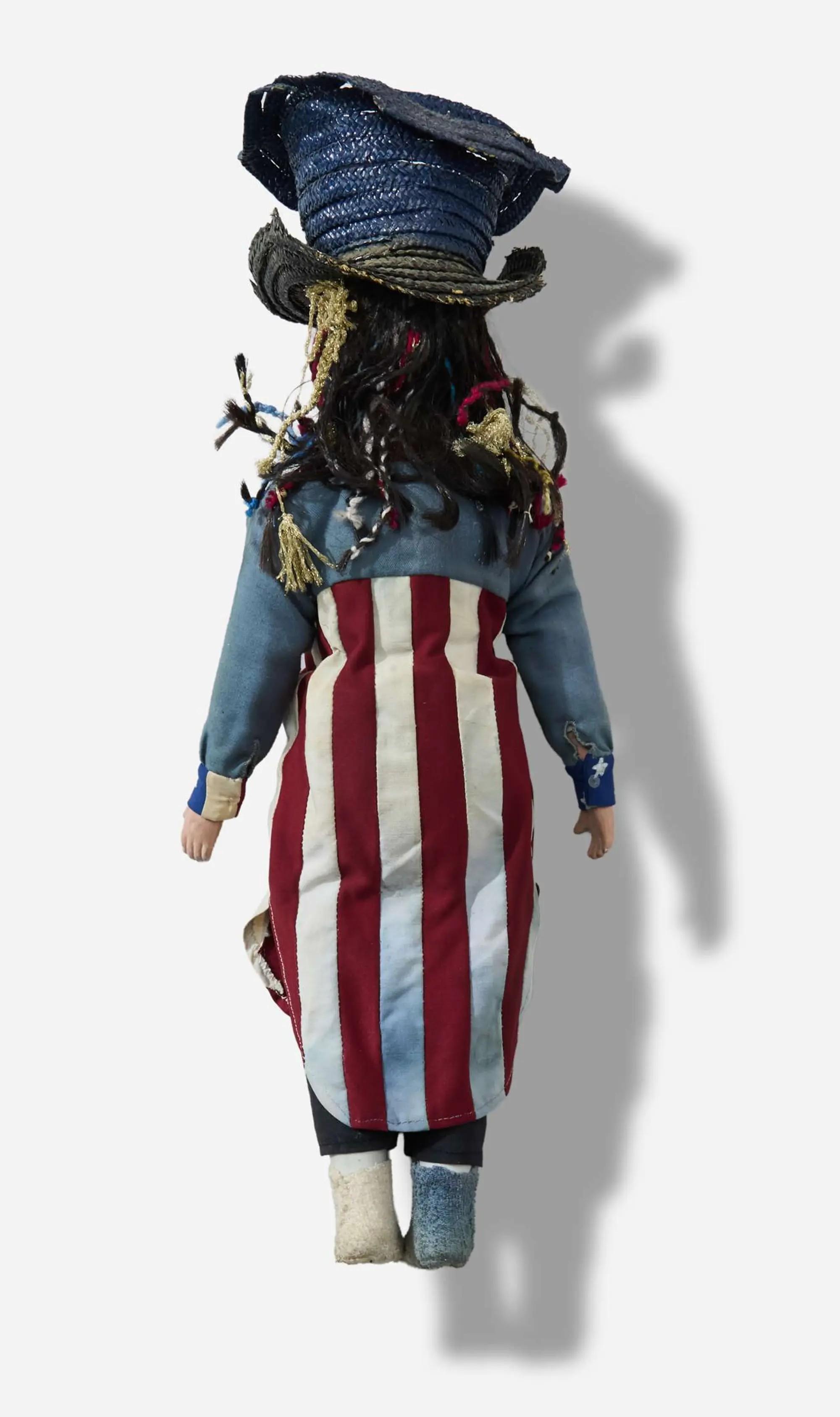
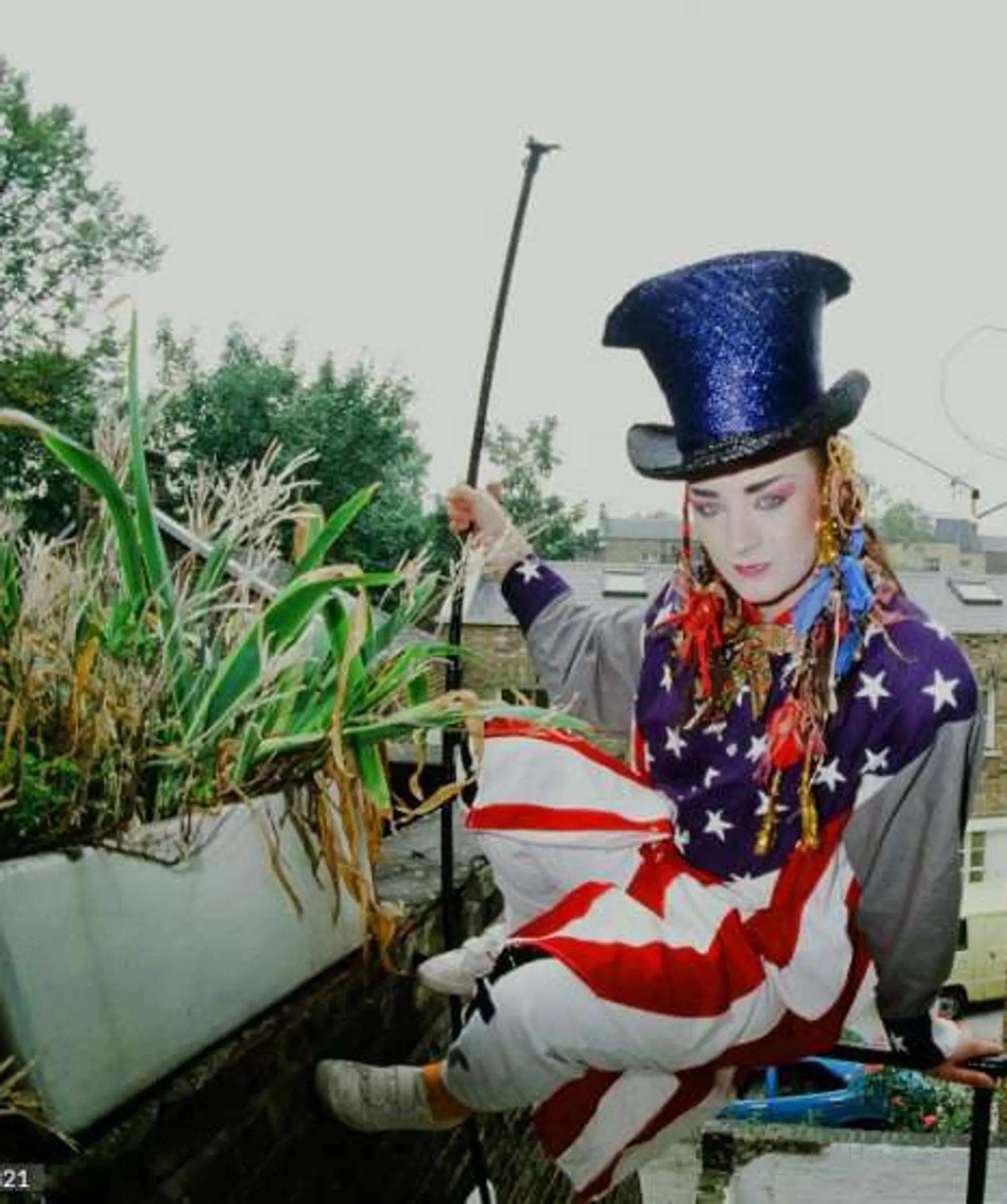
A porcelain figure dressed in an American flag shirt, braided hair threaded with red and blue yarn, a two-tone woven hat perched with the casual authority of someone who has never once doubted their reflection. The full-size version of this outfit appeared in a London photoshoot in June 1982 and later on a Paris stage in October 1983, when Culture Club was ascending toward a level of global hysteria that most bands never approach. The doll holds the memory of both moments in nineteen and a half inches of ceramic and cloth.
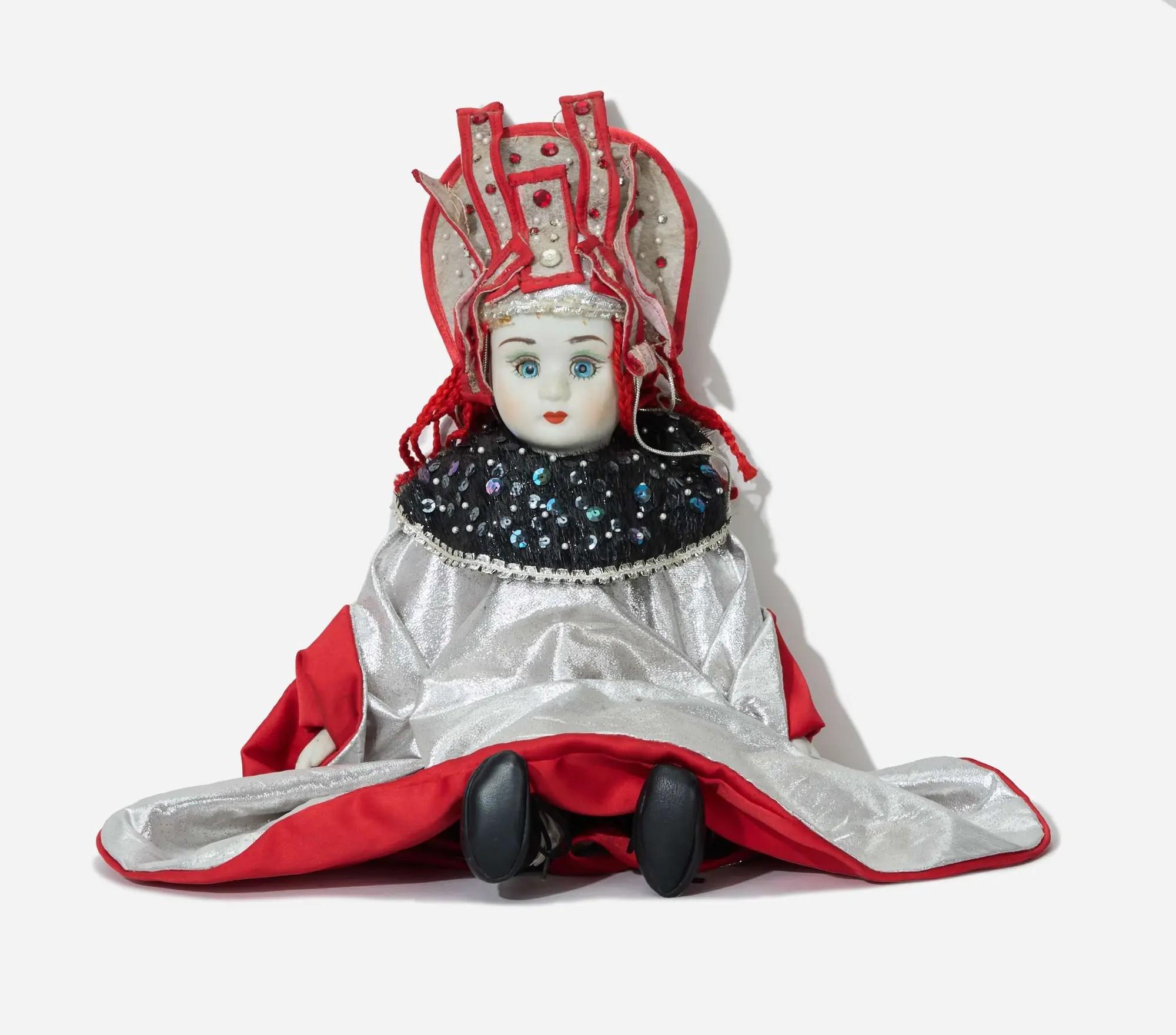
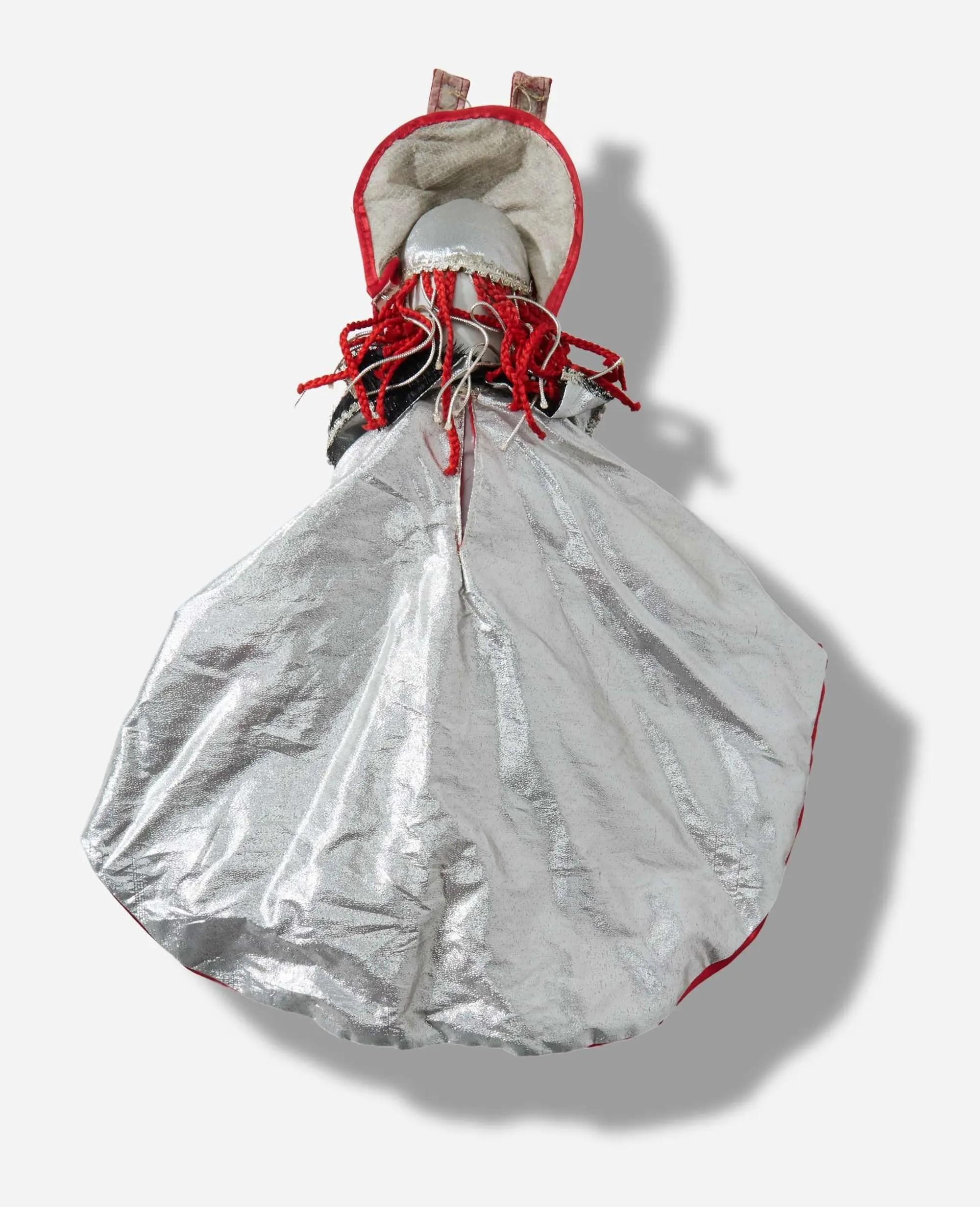
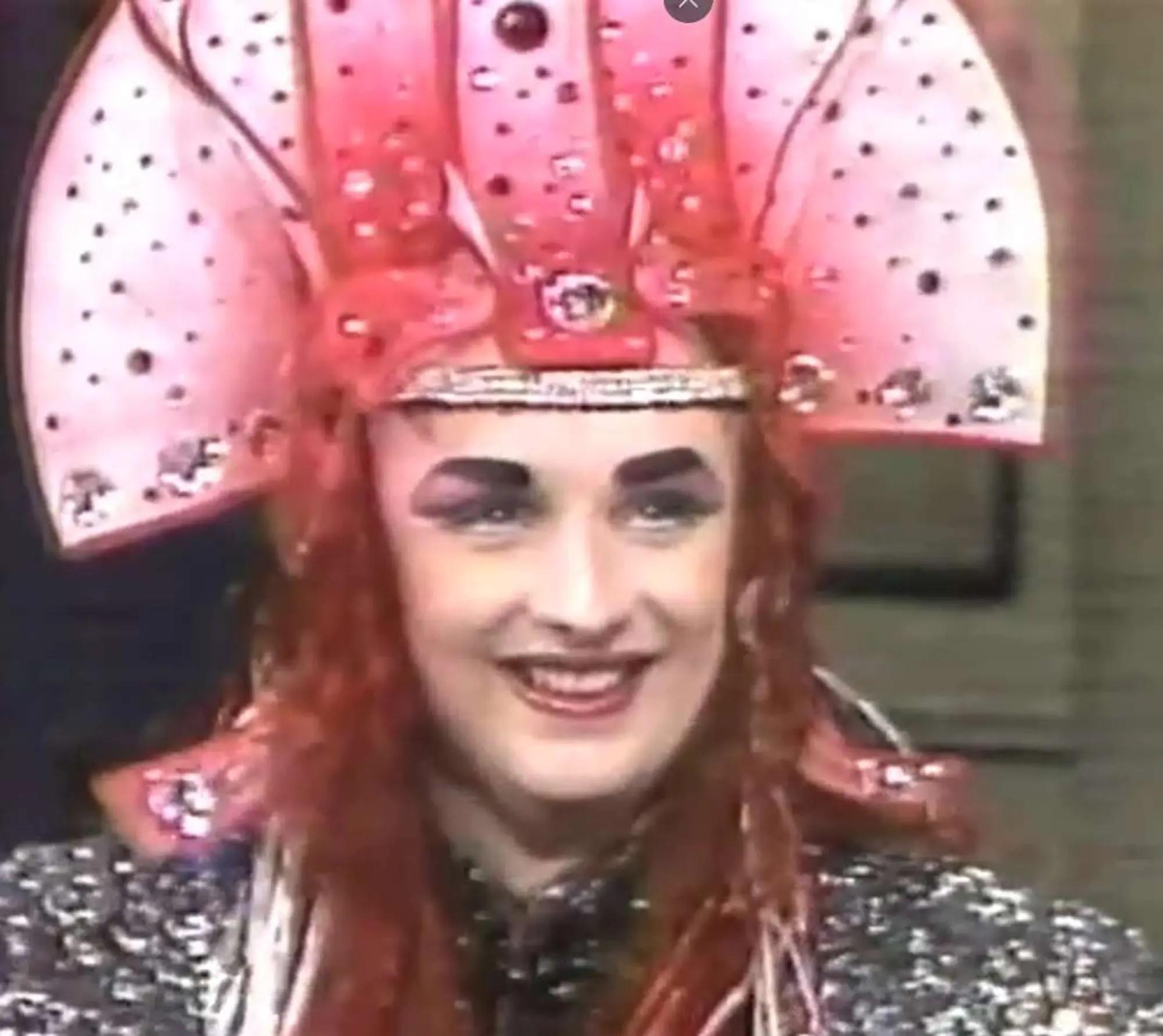
Here’s a story that connects two of the most distinctive figures in British fashion history. The Stephen Jones headdress replicated here, a construction of red and silver and structural drama, was worn at Wembley Arena on December 17, 1984, and on The David Letterman Show just weeks earlier. Jones and Boy George had been running in the same orbit since their days at Blitz, the legendary London club that served as ground zero for the New Romantic movement. "I'd find people at The Blitz who were possible only in my imagination," Jones told Vogue years later. "But they were real." Boy George was, perhaps, the realest of all of them.
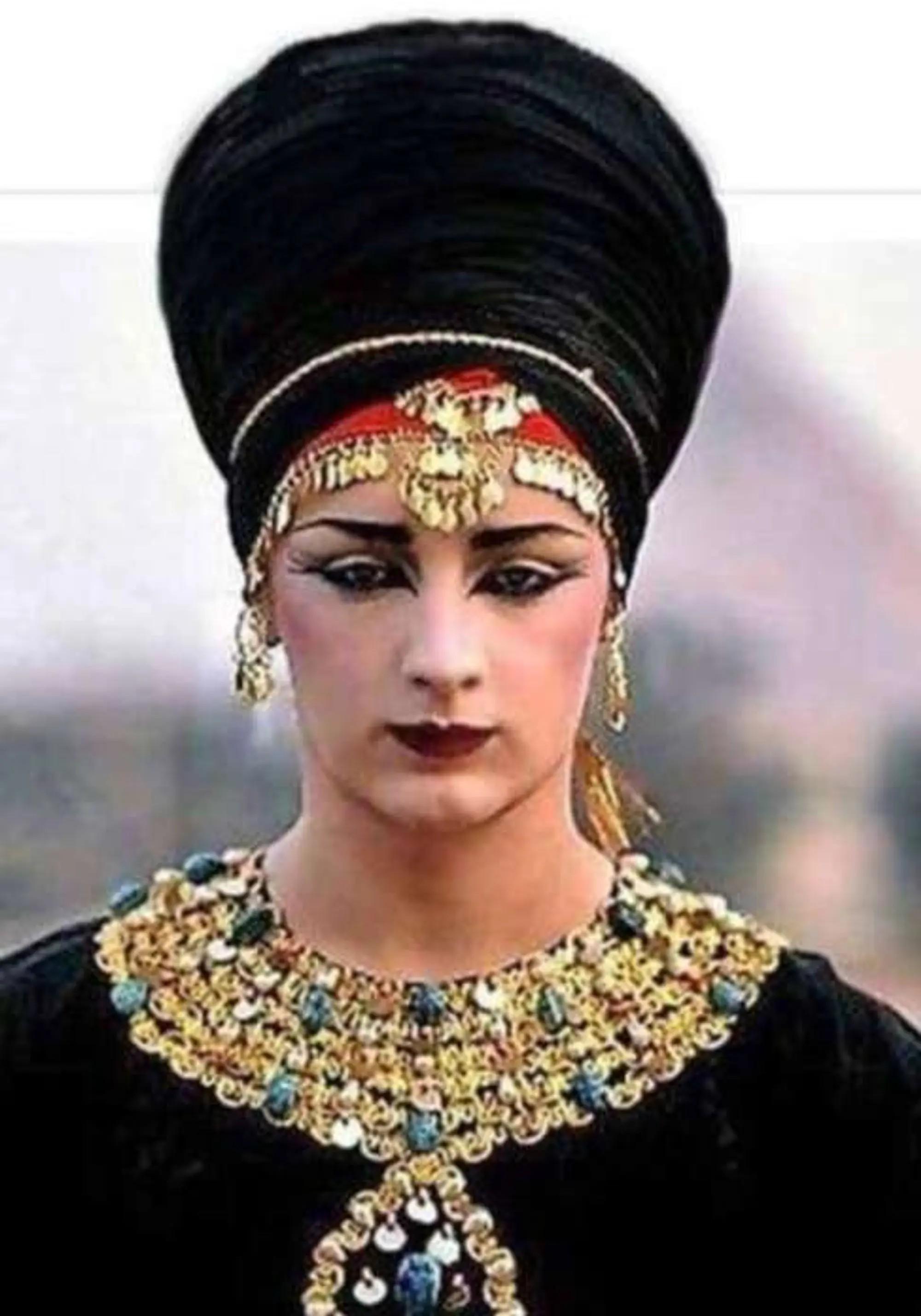
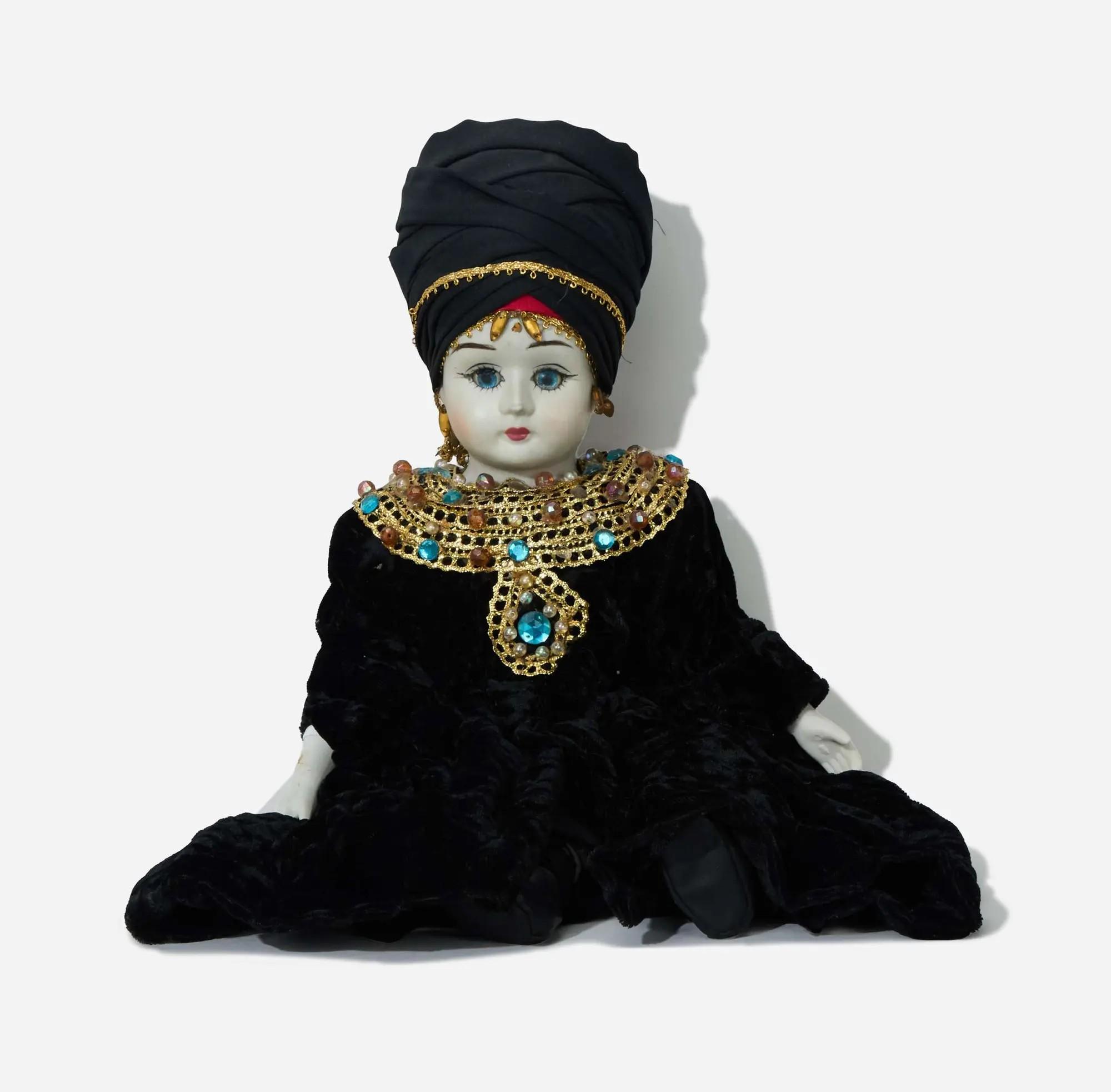
The Egyptian porcelain doll, which captures one of the more absurdist and revealing stories in Boy George's personal mythology. On vacation in Egypt, he improvised a hotel wastepaper basket as a turban. He recounted the moment on Piers Morgan's Life Stories in 2017 with the ease of someone describing a Tuesday. The doll, with its black velvet drape and ornate gold collar with faux stones and beads, turns that improvisation into something that looks, unmistakably, like intention. That was always his genius: turning whatever was at hand into something that felt inevitable.
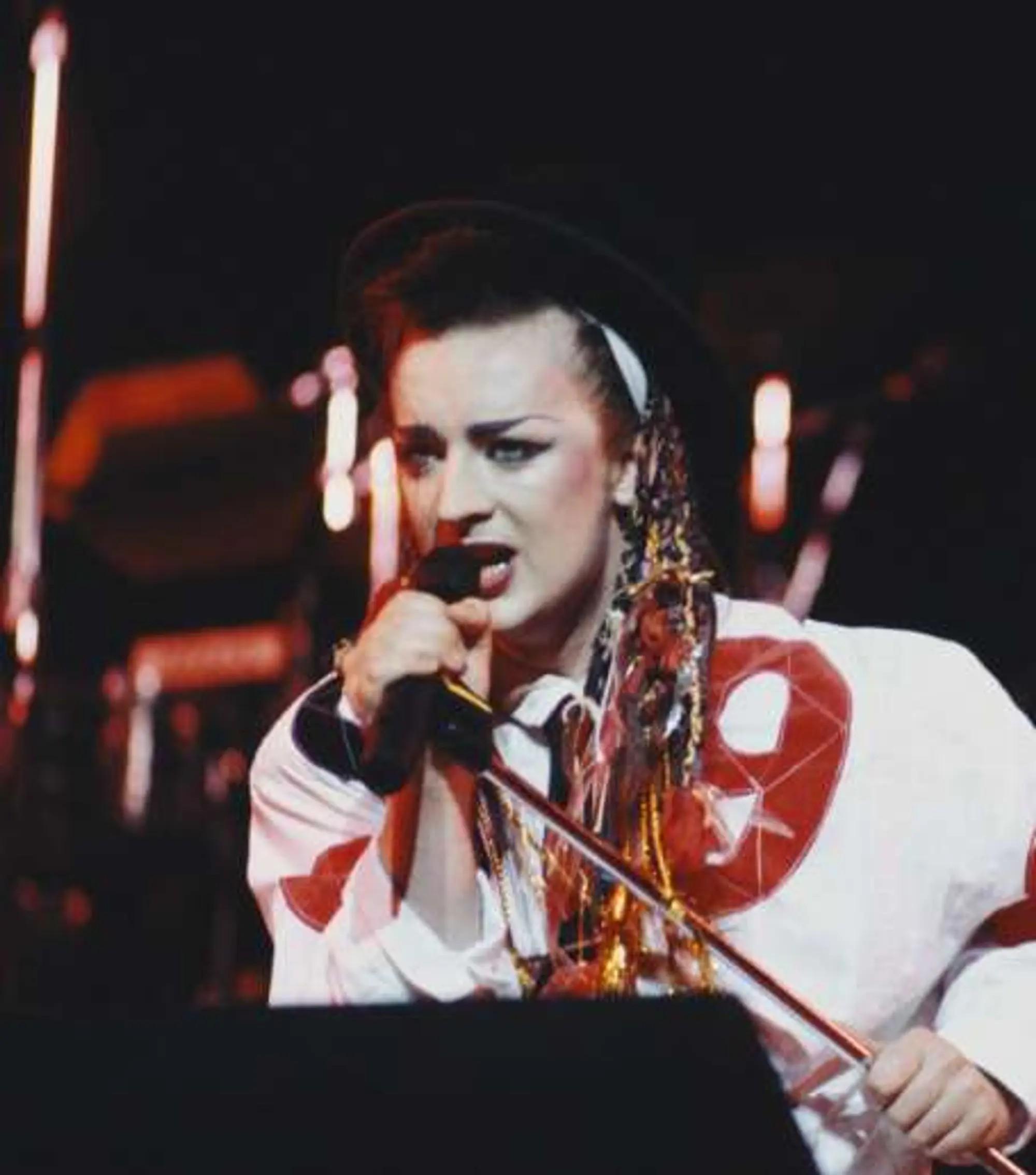
The Colour by Numbers doll brings the era of Culture Club's commercial peak into the collection. The album, released in 1983, produced some of the decade's most enduring singles, and the stage costume it inspired, a white ensemble printed with bold red and black numerals, was worn during the band's Washington DC performance in August of that year. The doll preserves the outfit with the same fidelity that a museum might devote to a Warhol print: understanding that fashion, at this level, is not decoration. It is document.
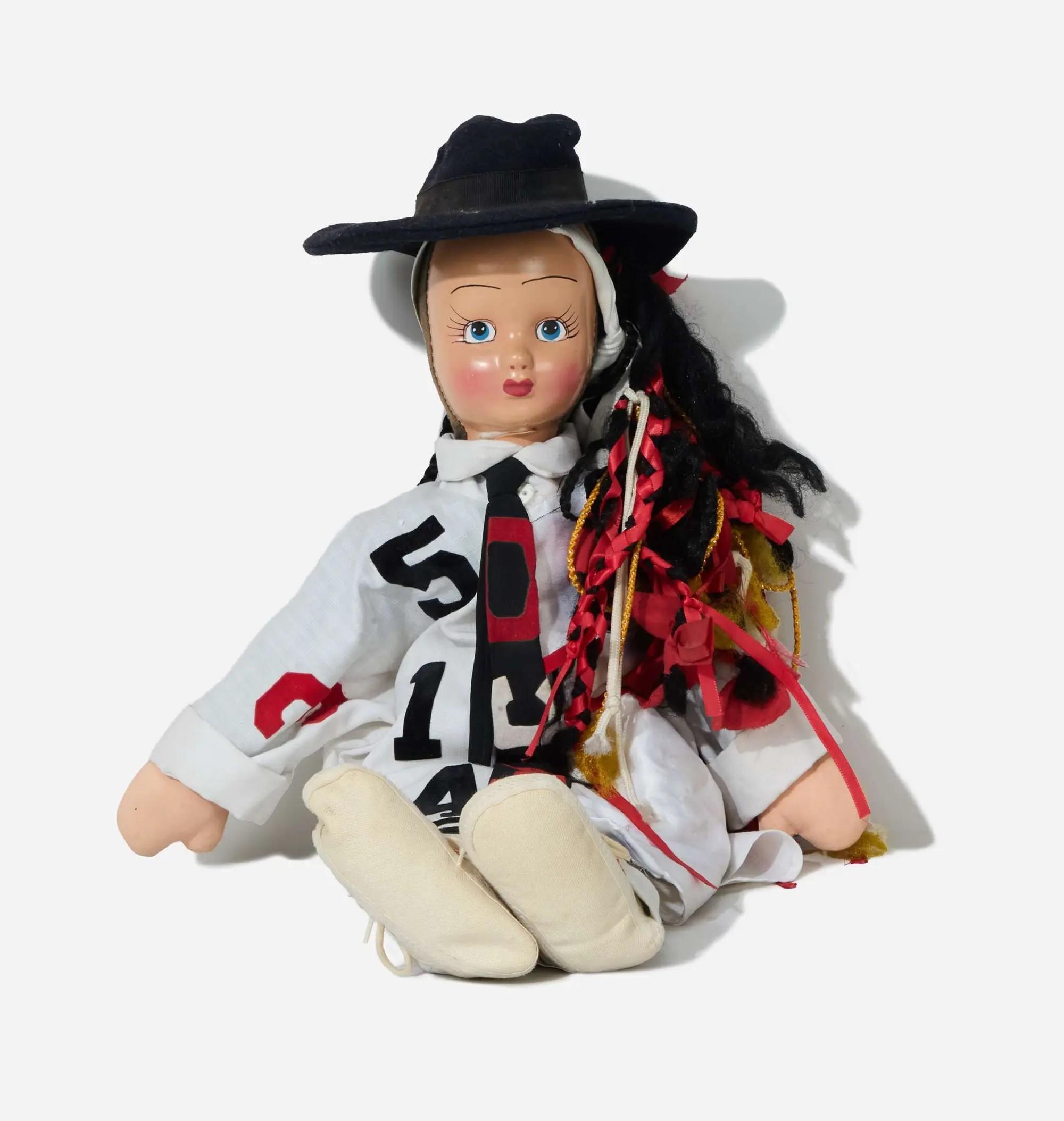
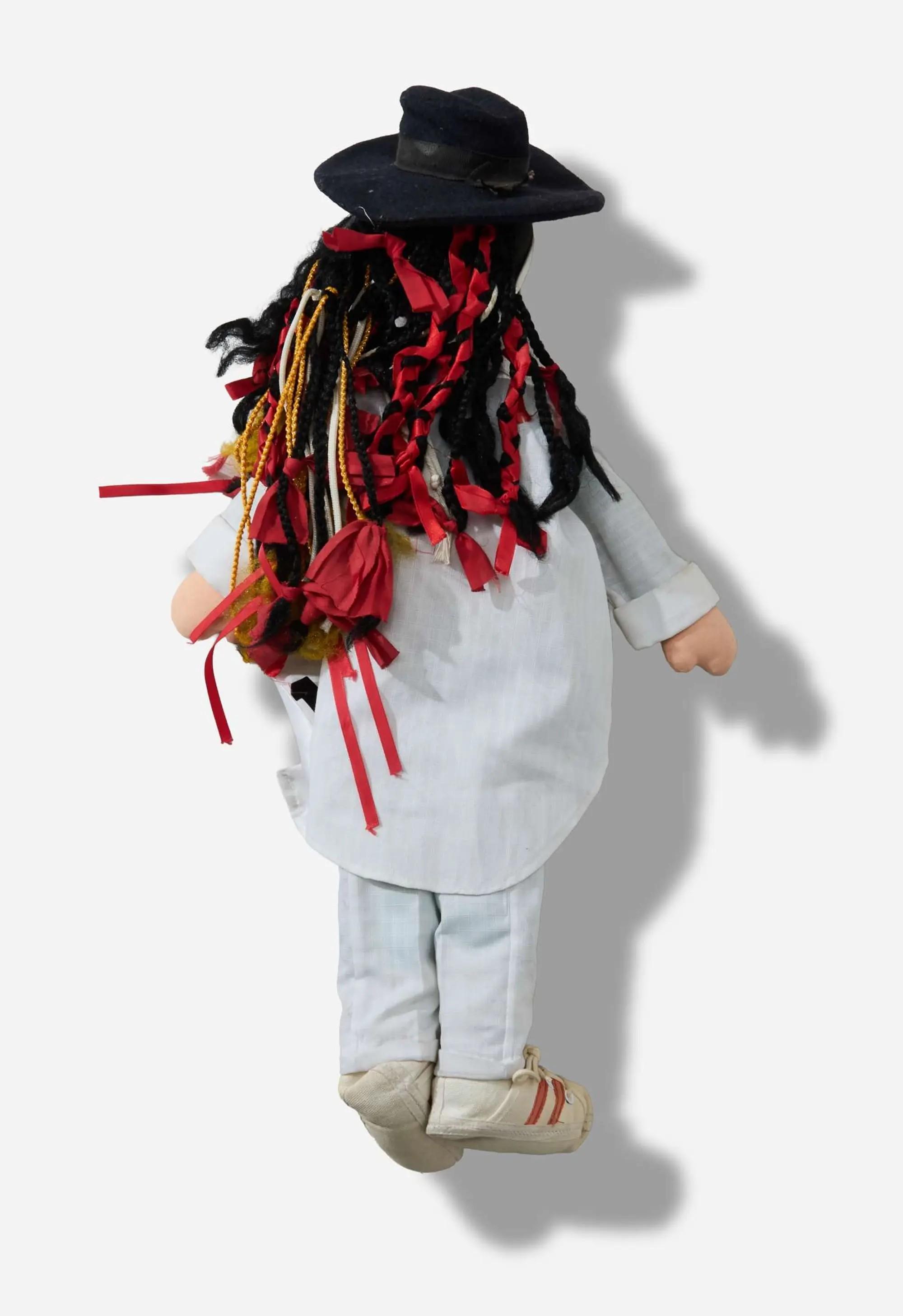
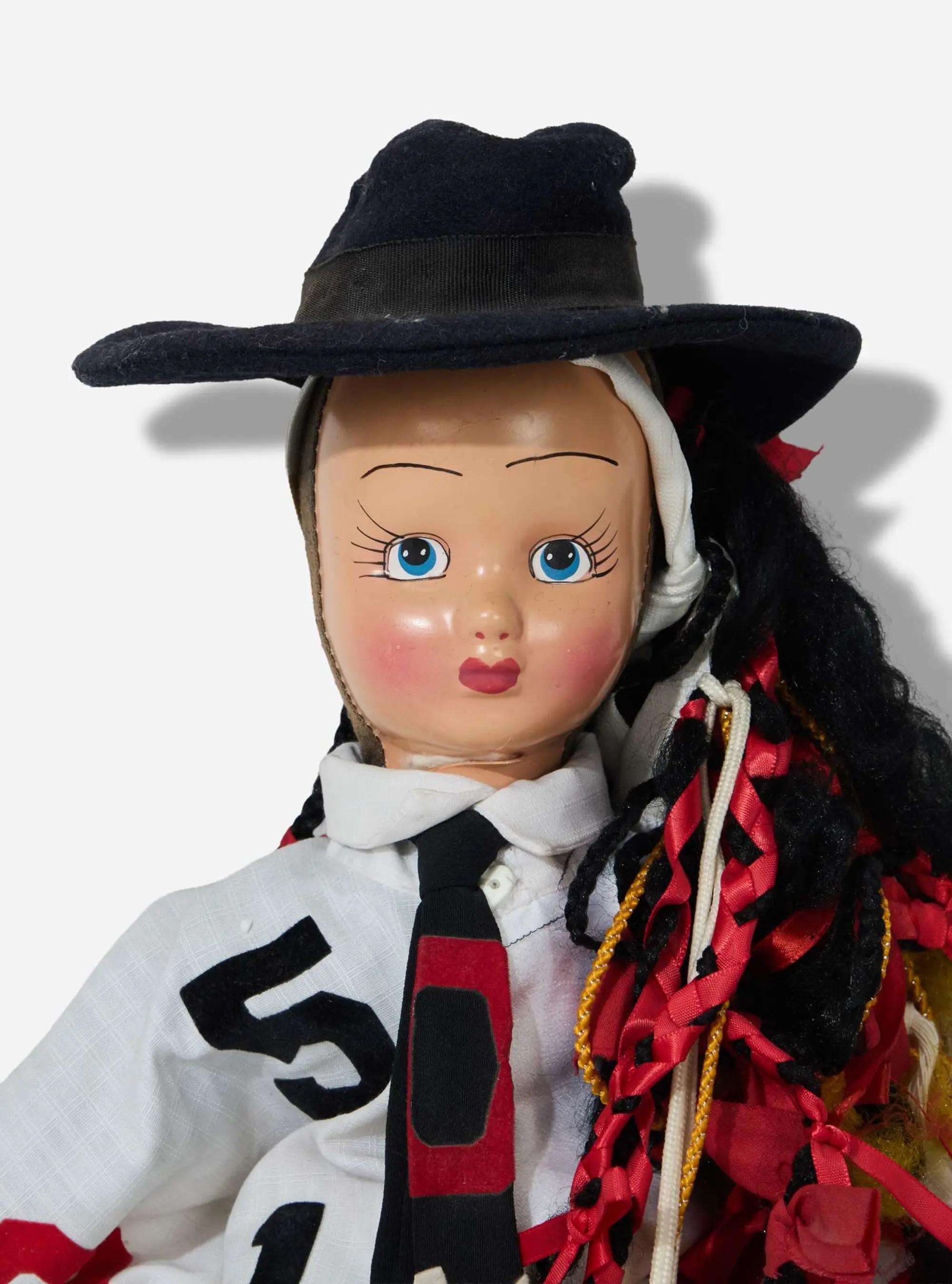
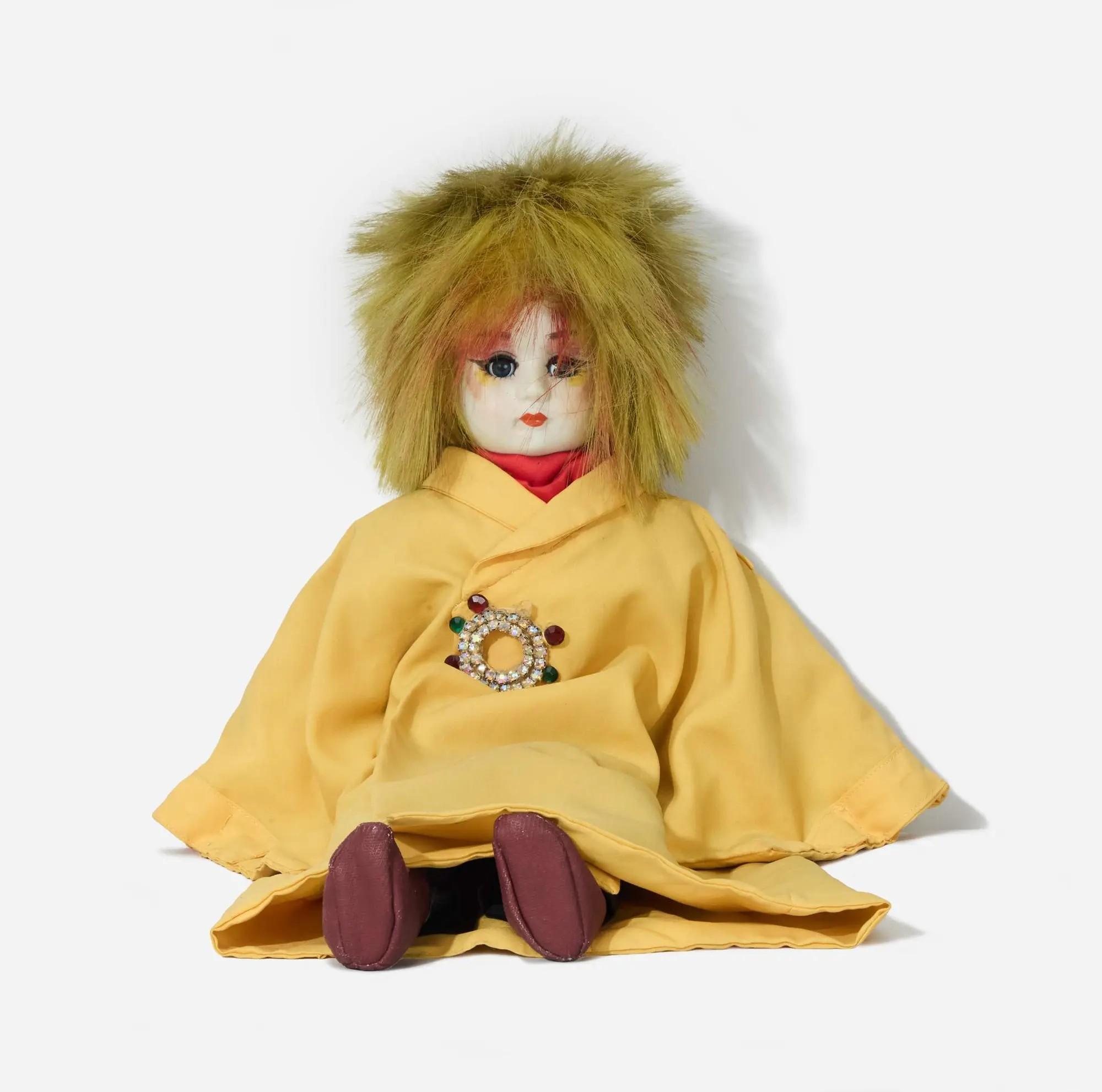
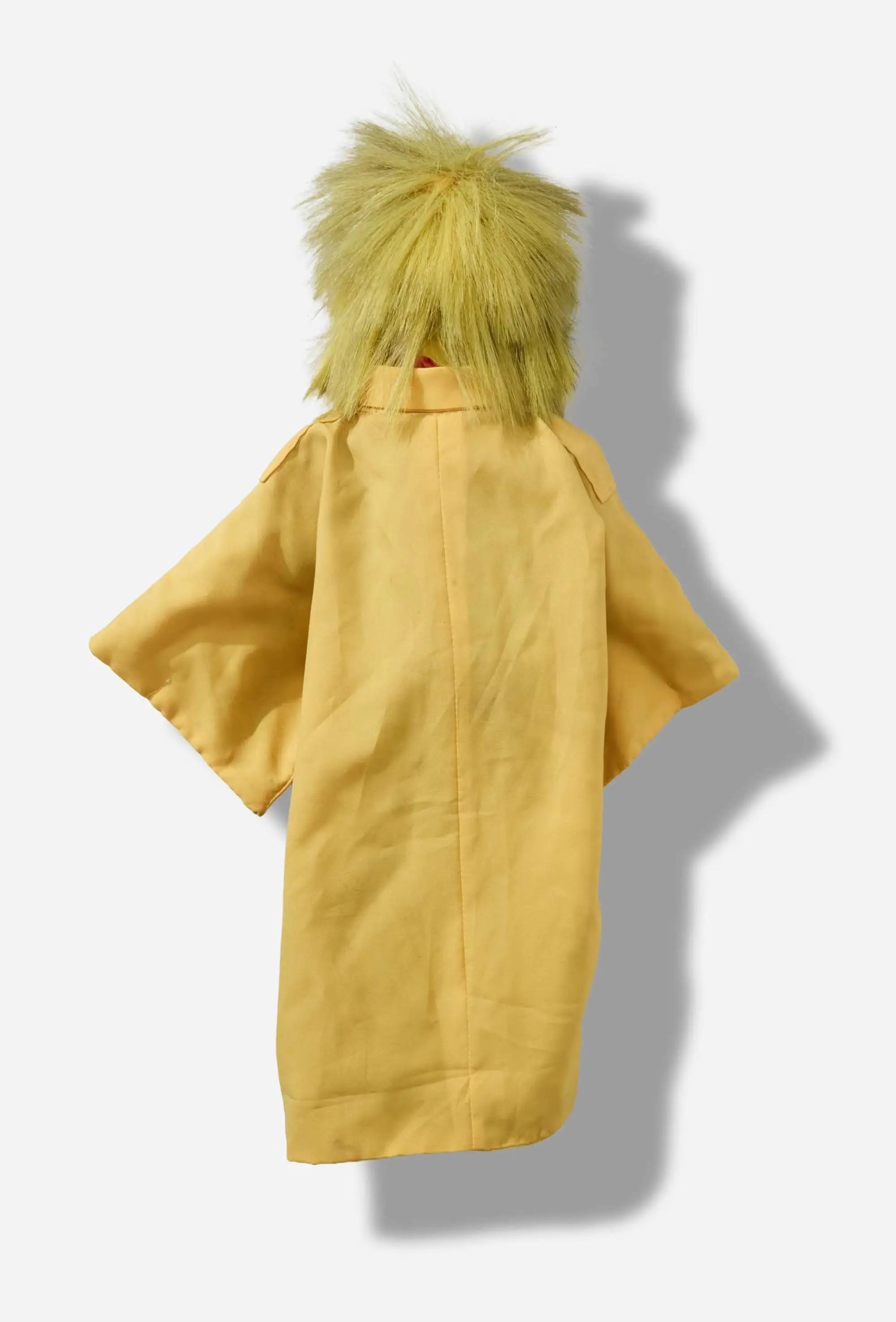
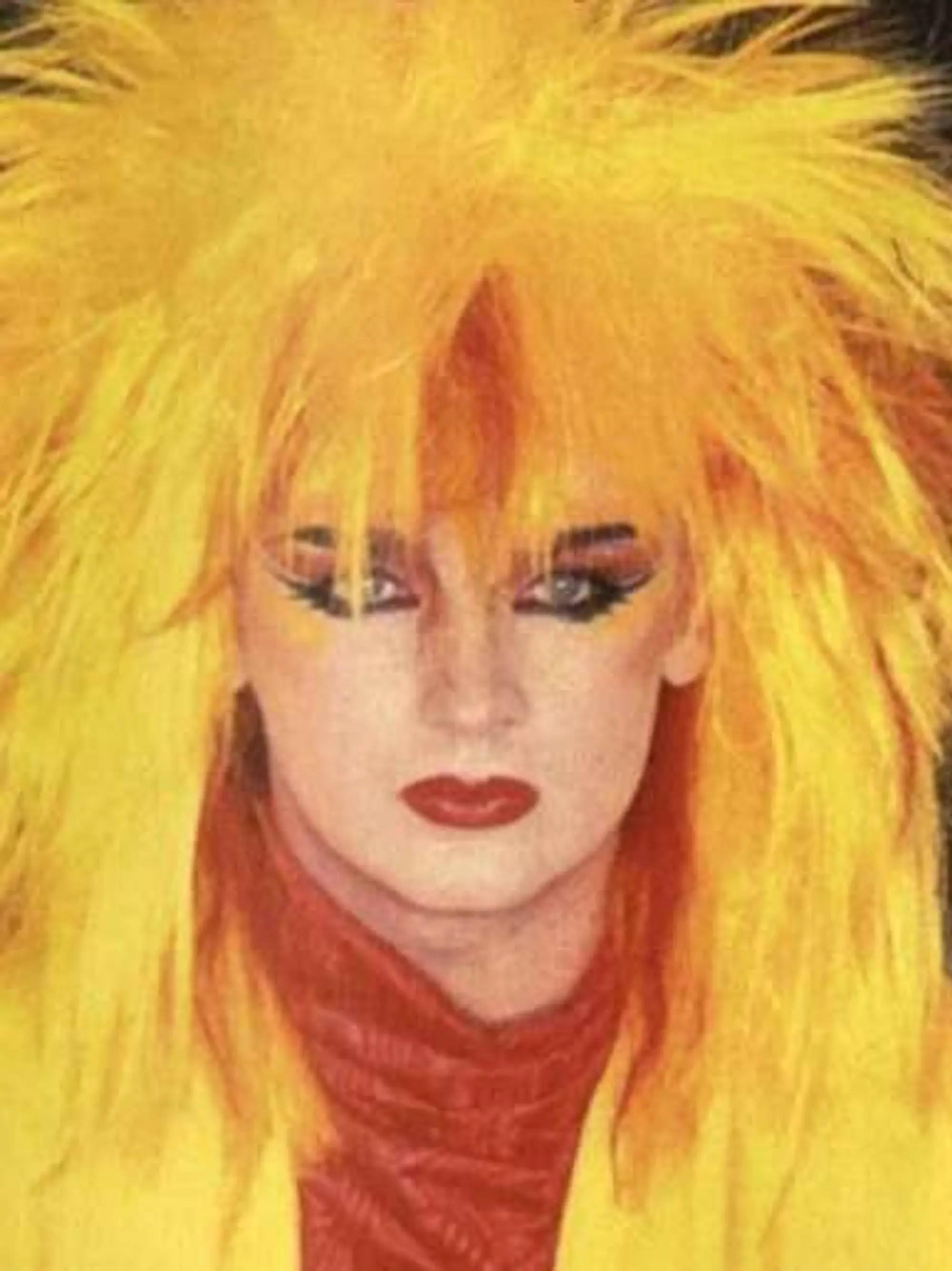
The 1984 Yellow Doll corresponds to the period surrounding Waking Up with the House on Fire and a cover appearance in the November 1984 inaugural issue of Graffiti magazine. The rhinestone brooch, the red scarf, the hand-painted makeup. The doll captures Boy George at the precise moment of peak visibility, before the personal turbulence of the mid-decade would begin to complicate the mythology.
What the full collection of dolls achieves, assembled together, is something closer to portraiture than memorabilia. Each figure is a version of Boy George at a particular coordinate of his life and career, rendered with the attention of a fan who understood that what they were documenting mattered. The painted faces are not approximations. They are arguments: that this person, in this outfit, at this moment, was worth preserving.
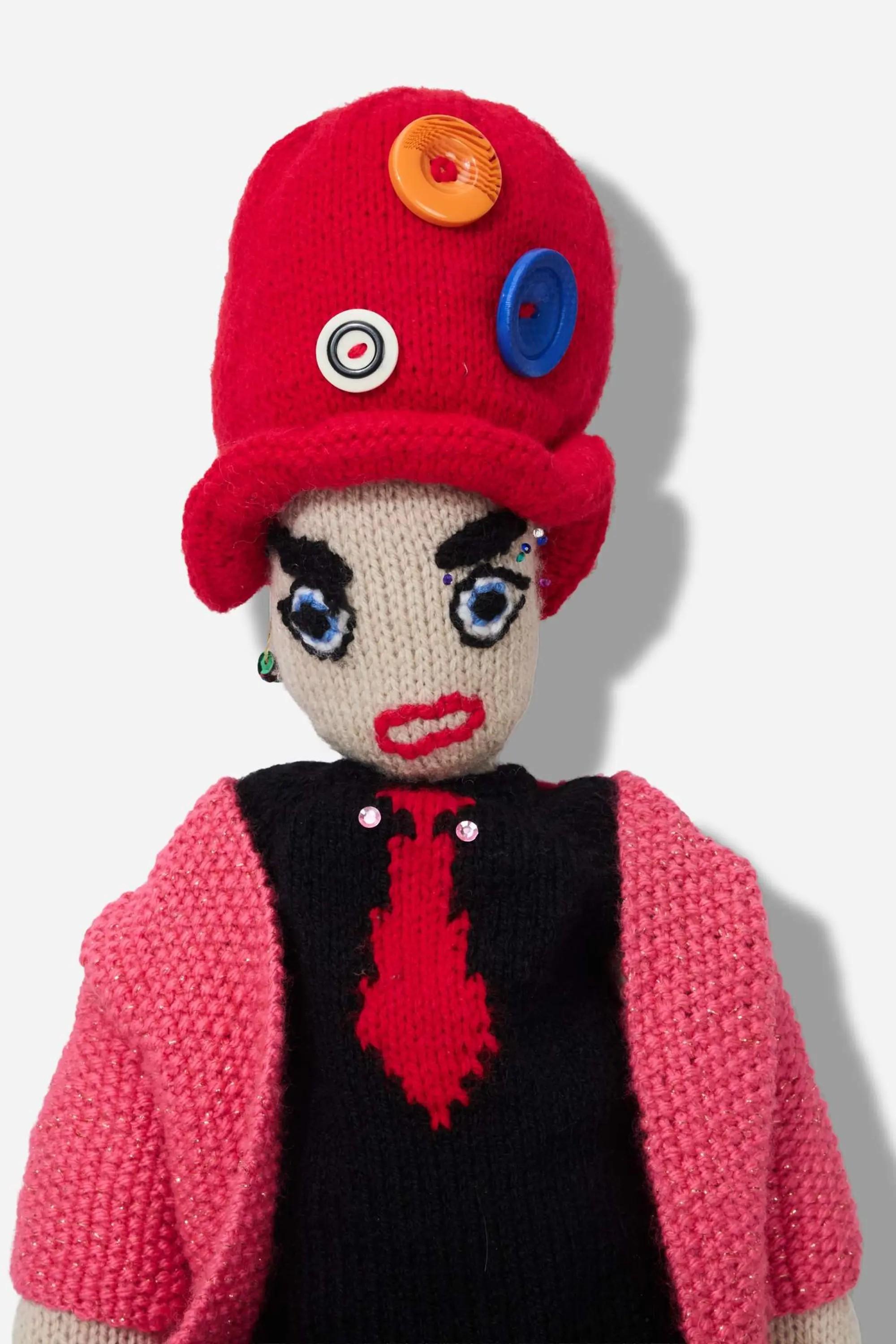
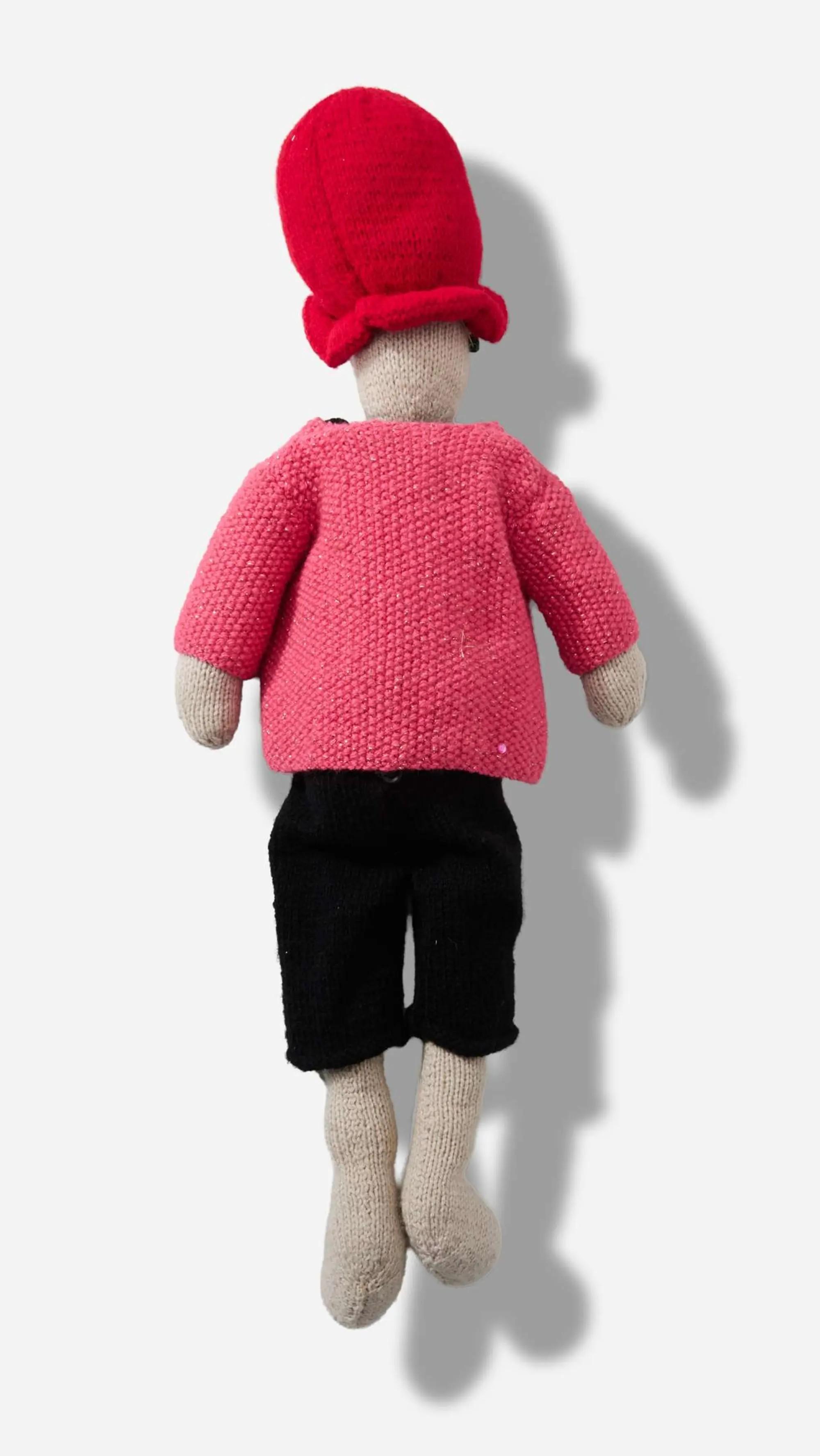
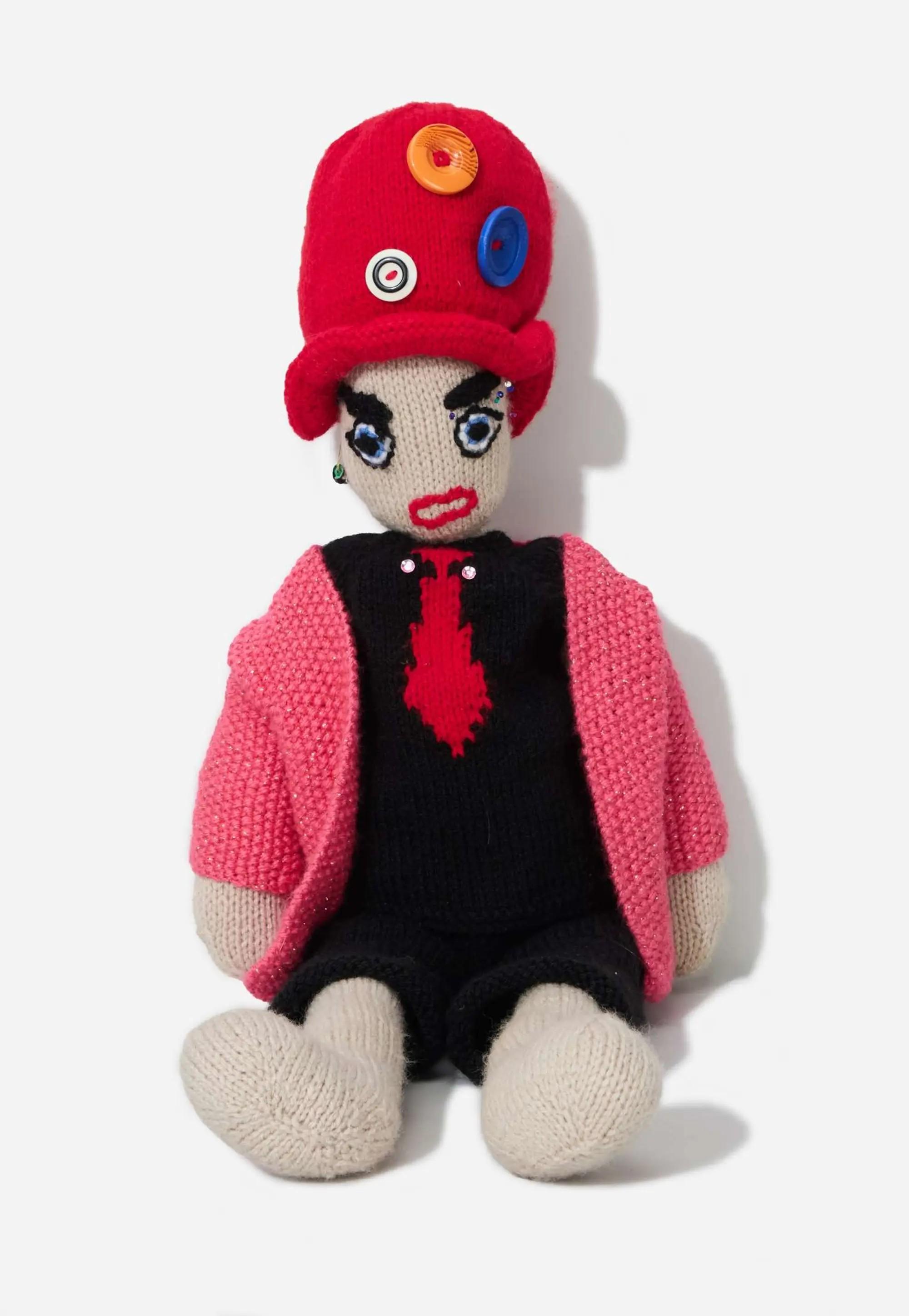
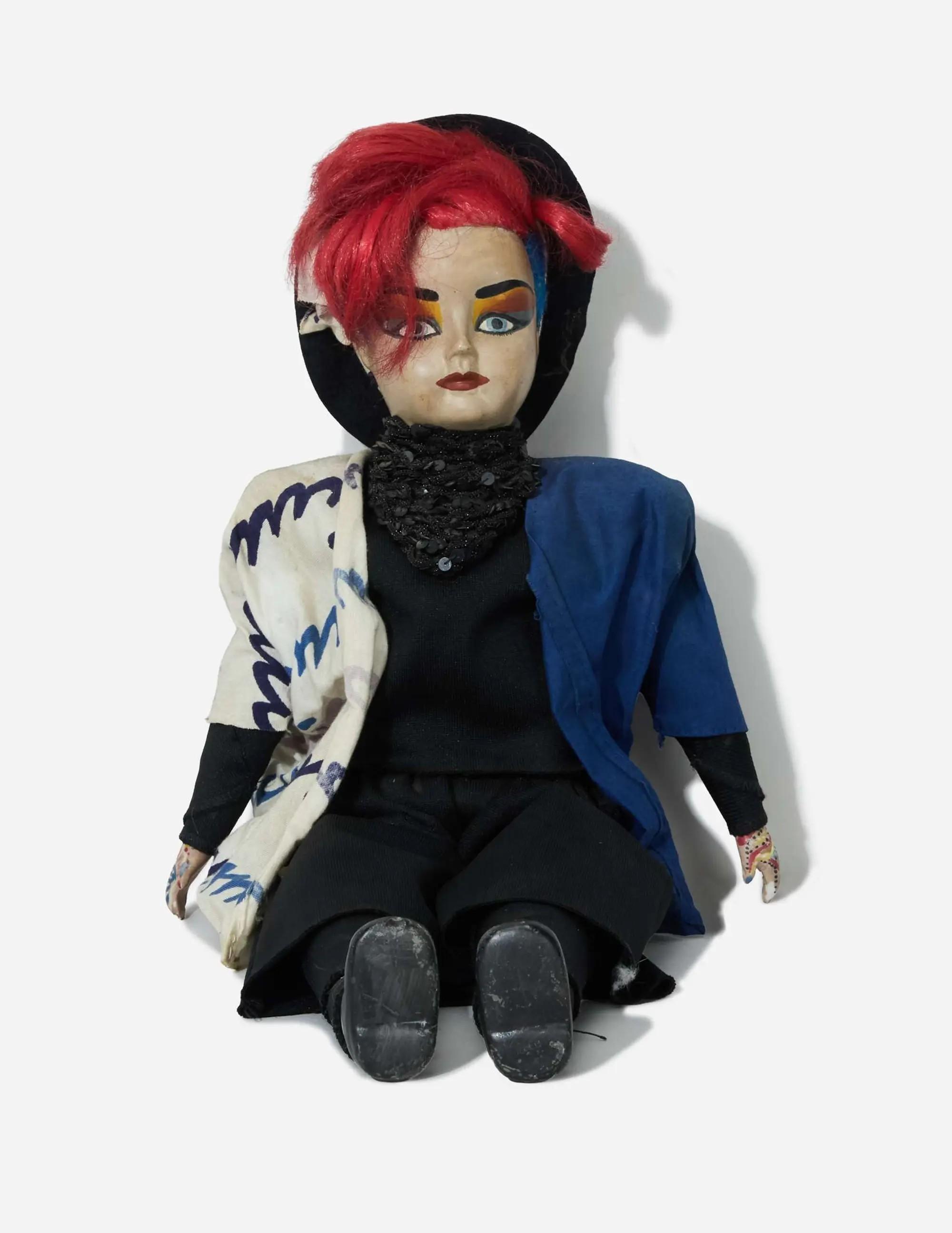
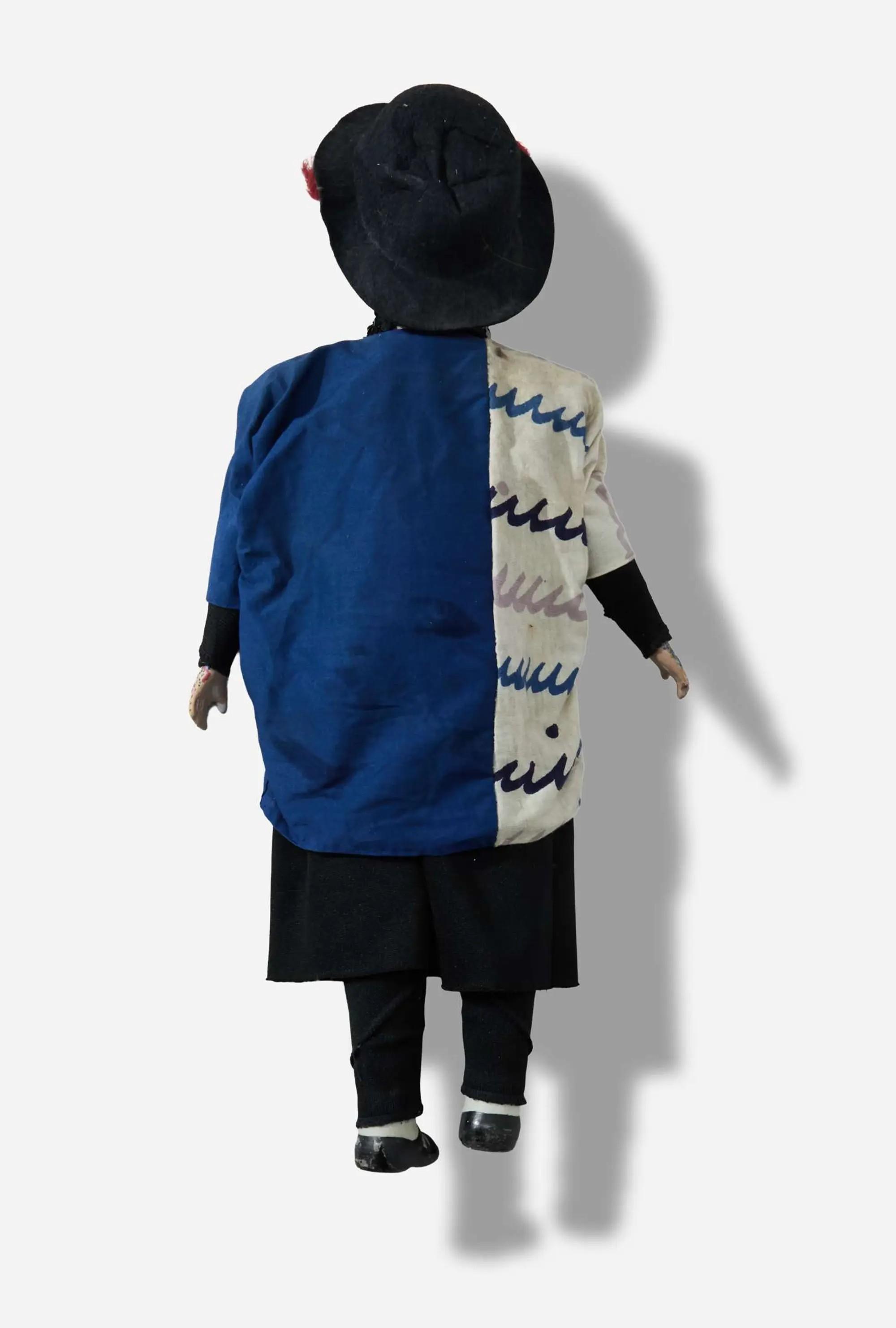
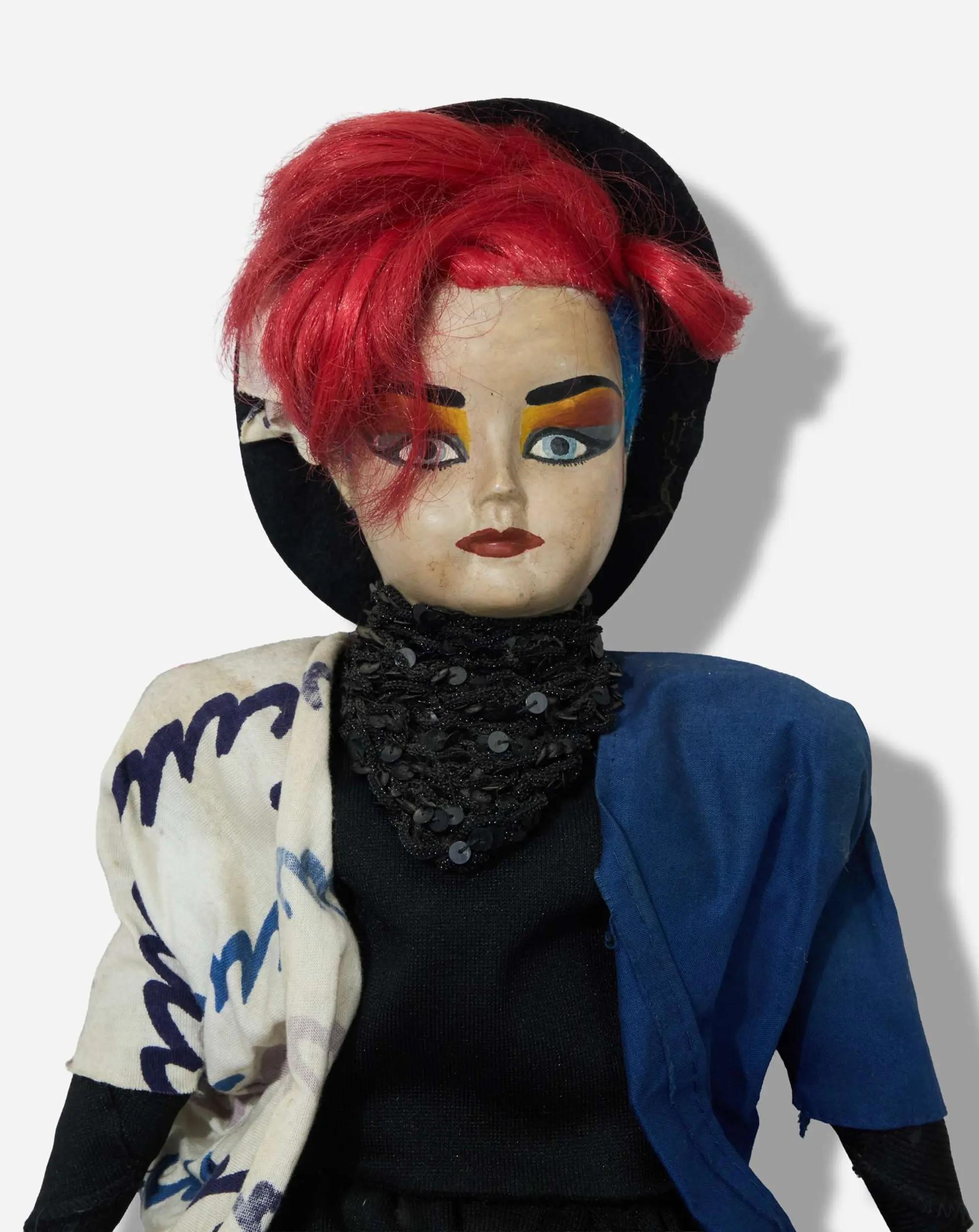
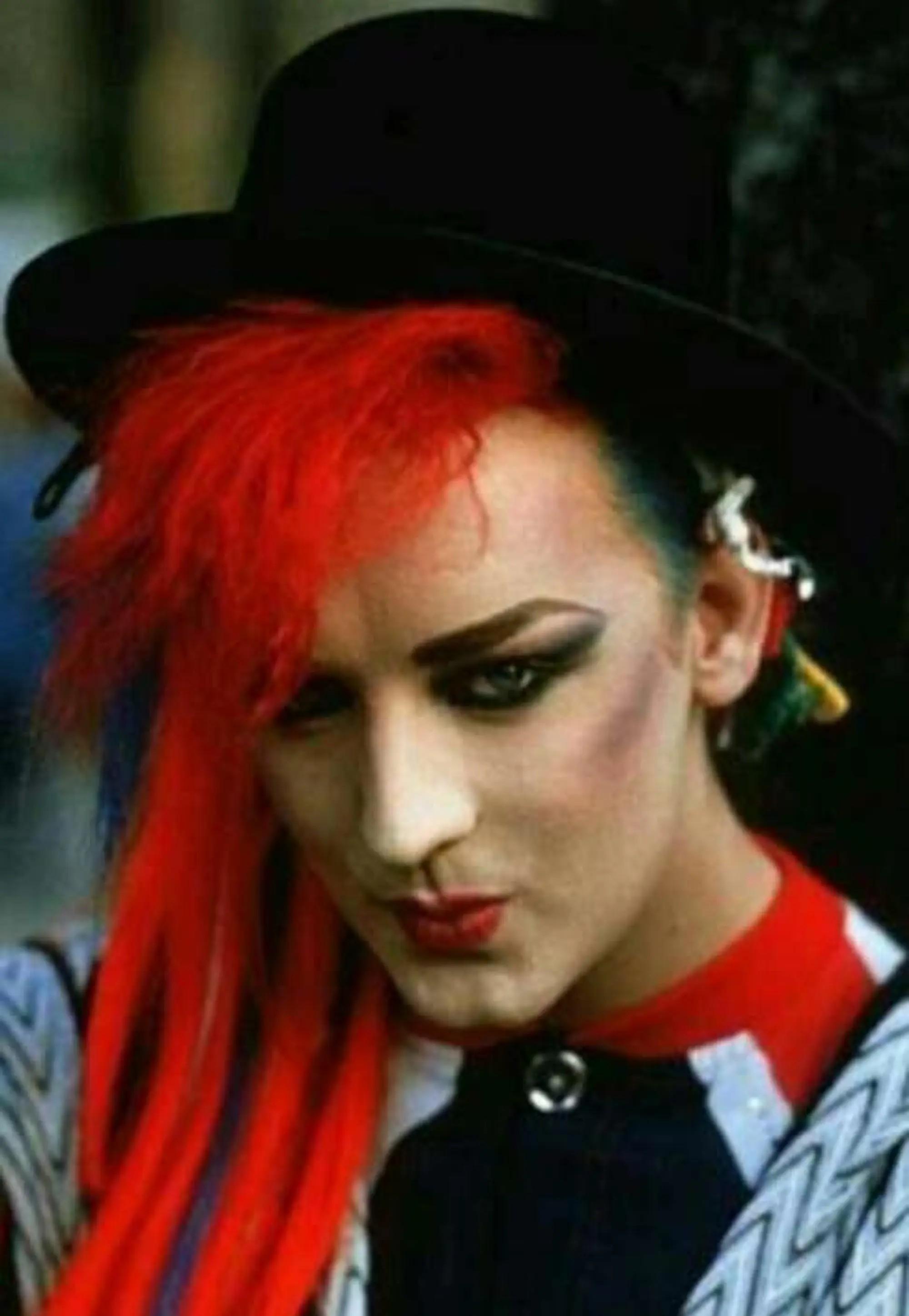
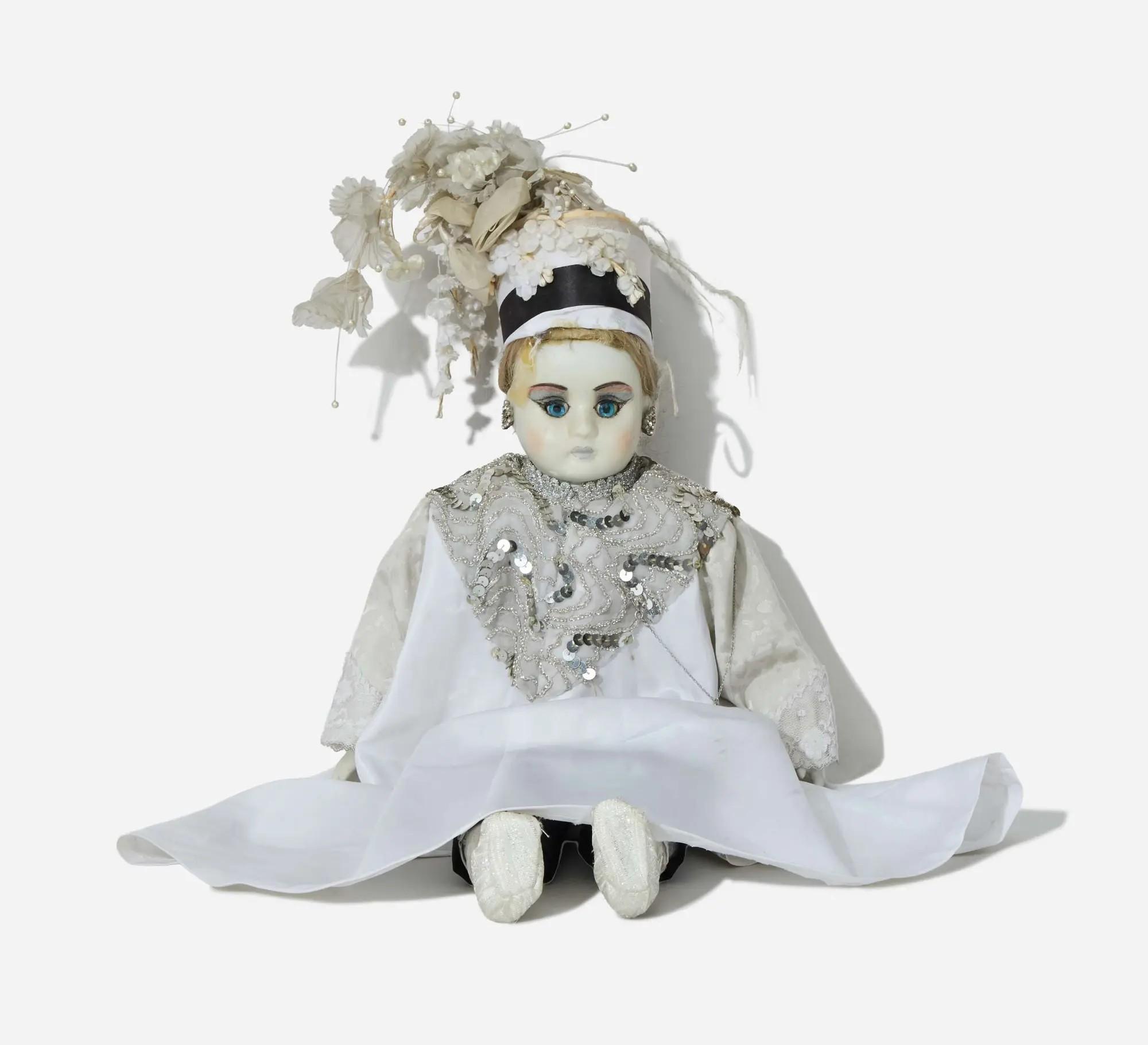
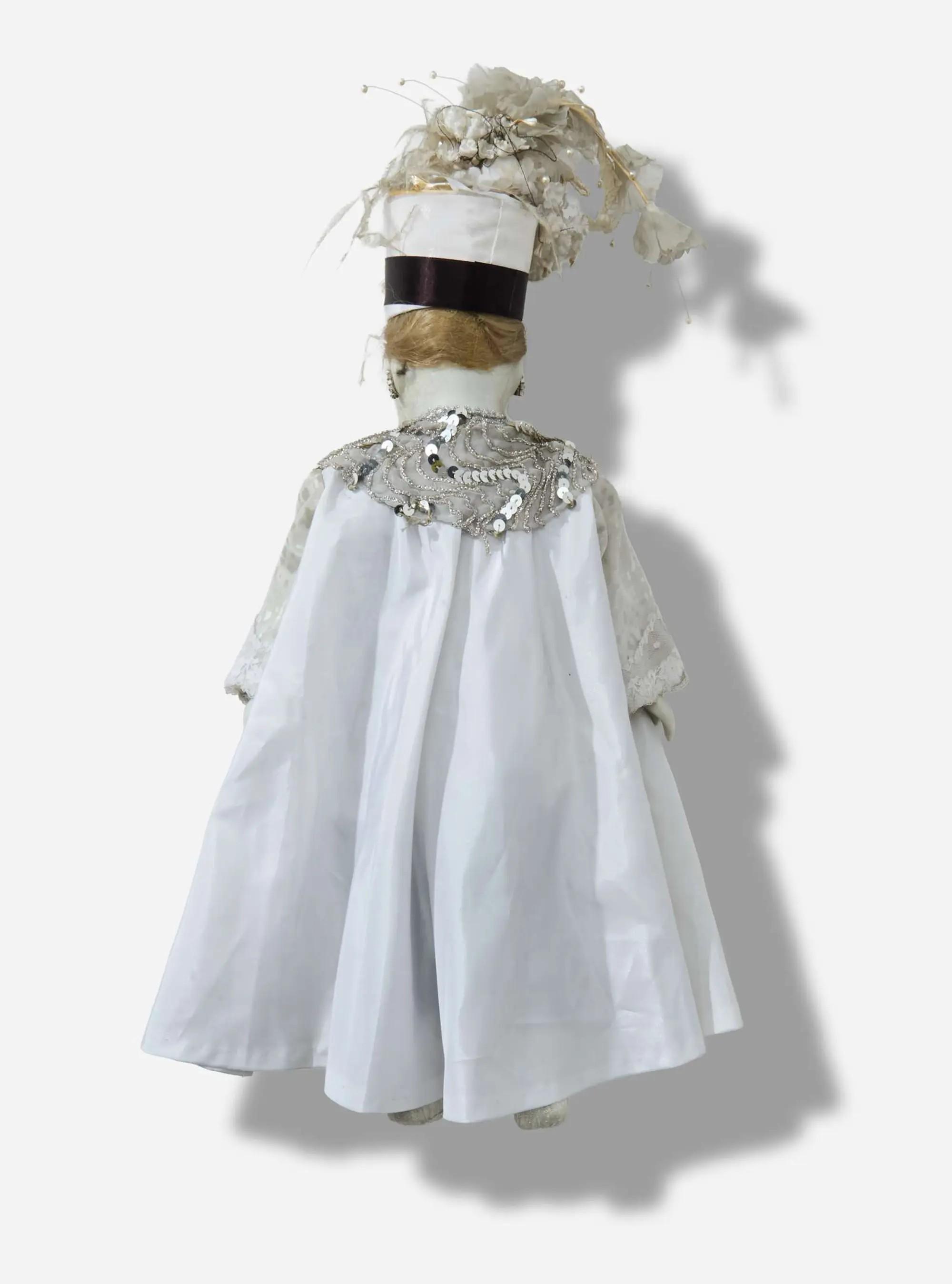
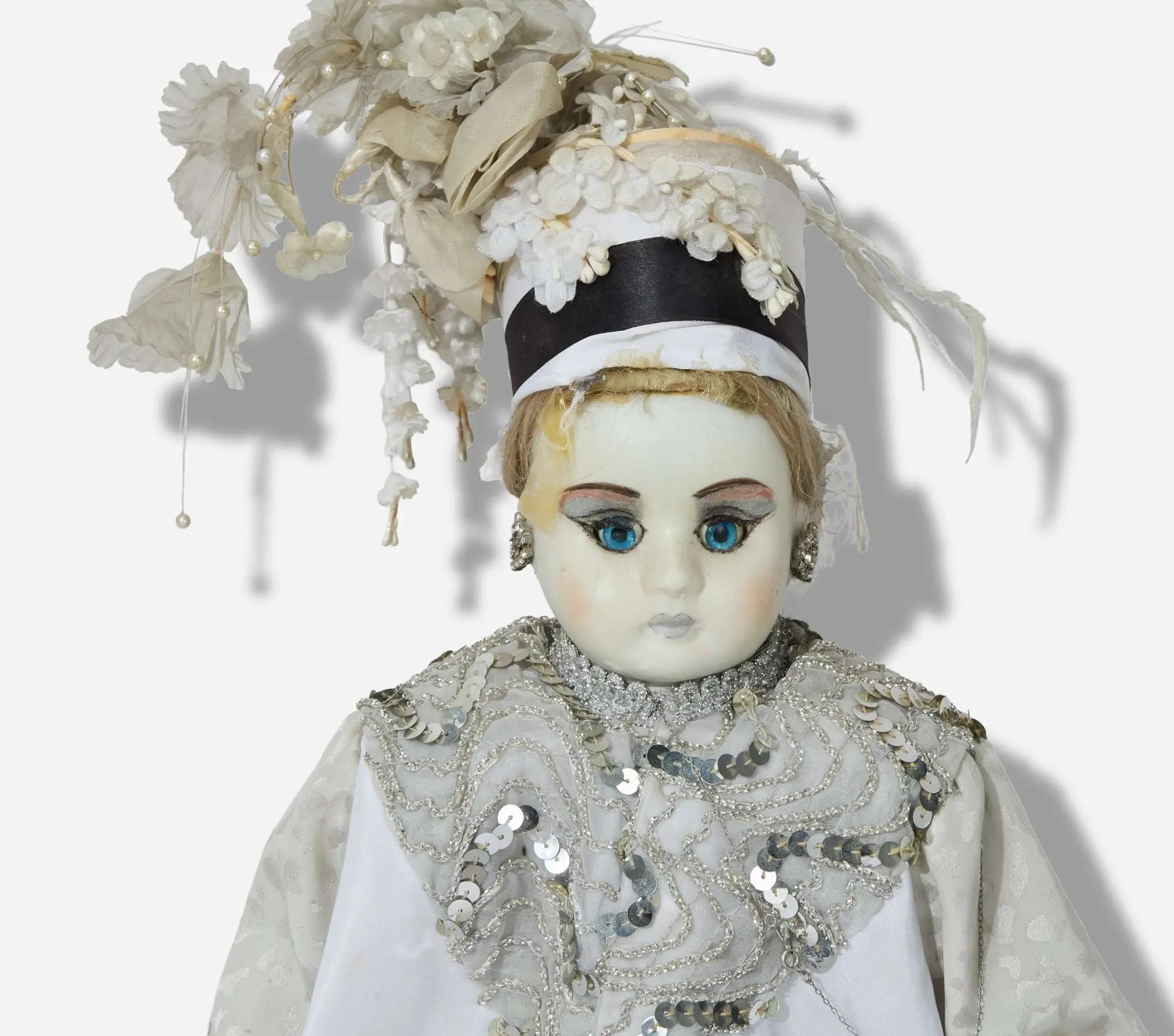
1. Lot #5 Boy George Boy George Knit Doll 2, 4. Lot #16 Boy George 1980's Iconic Boy George Porcelain Doll (With Image) 3, 8. Lot #51 Boy George 1984 Boy George Mistake Number 3 Porcelain Doll (With Image) 2,
Julien’s has longtime partnered with MusiCares to direct a portion of auction sale's proceeds toward music's most vulnerable communities and Boy George Edit is no different. Such a move here is fitting in a way that goes beyond optics. Boy George's career has always been about more than the clothes. It has been about the right to exist fully, loudly, and on your own terms. MusiCares exists to protect the people who make that kind of culture possible. The two belong in the same sentence.
Boy George built a life out of refusing to be ordinary. These dolls are proof that at its best, the world also noticed.